
Ancient America Before 1492 Silk Road Spain Portugal
Ancient America Before 1492
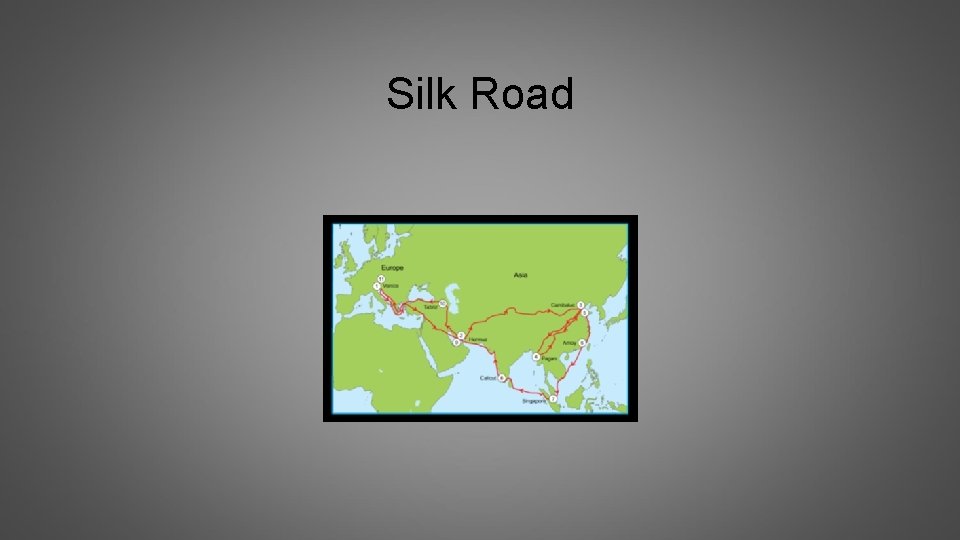
Silk Road
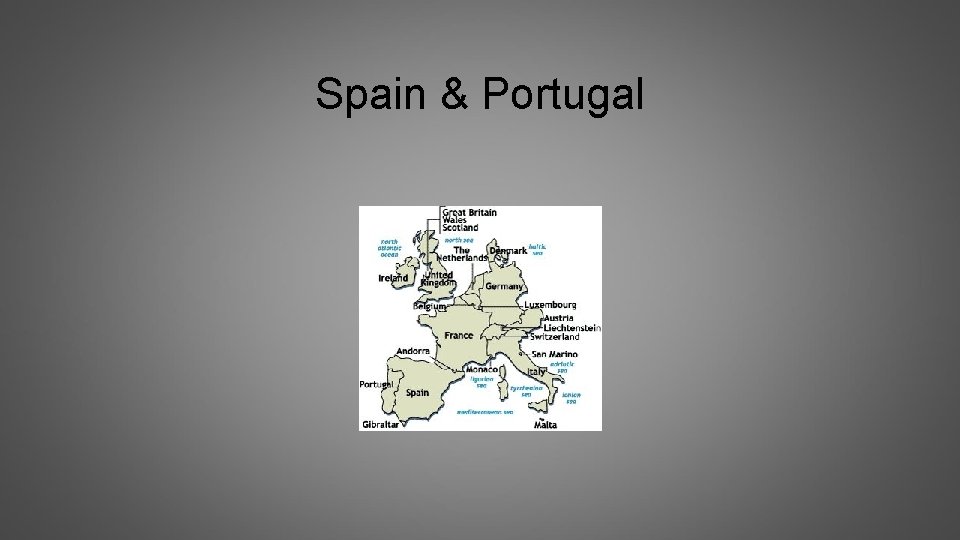
Spain & Portugal
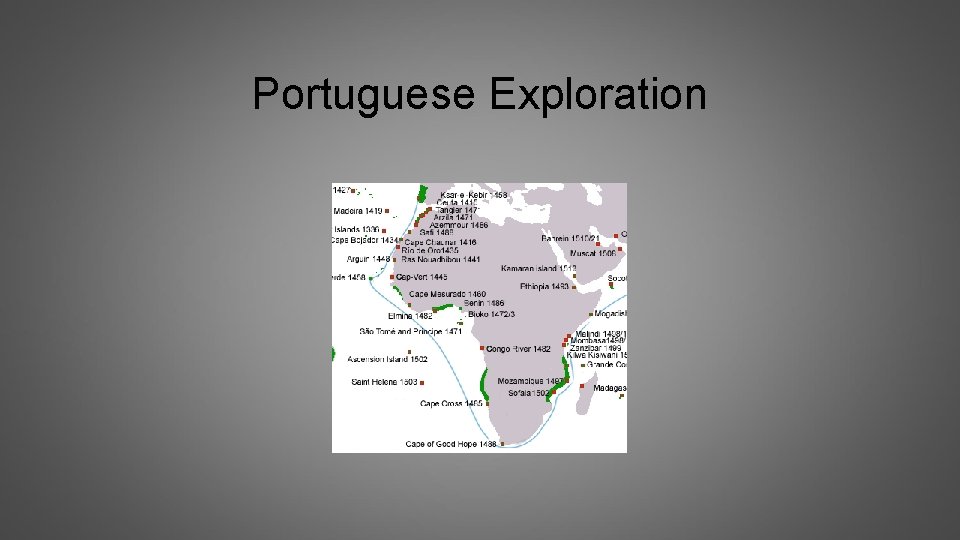
Portuguese Exploration
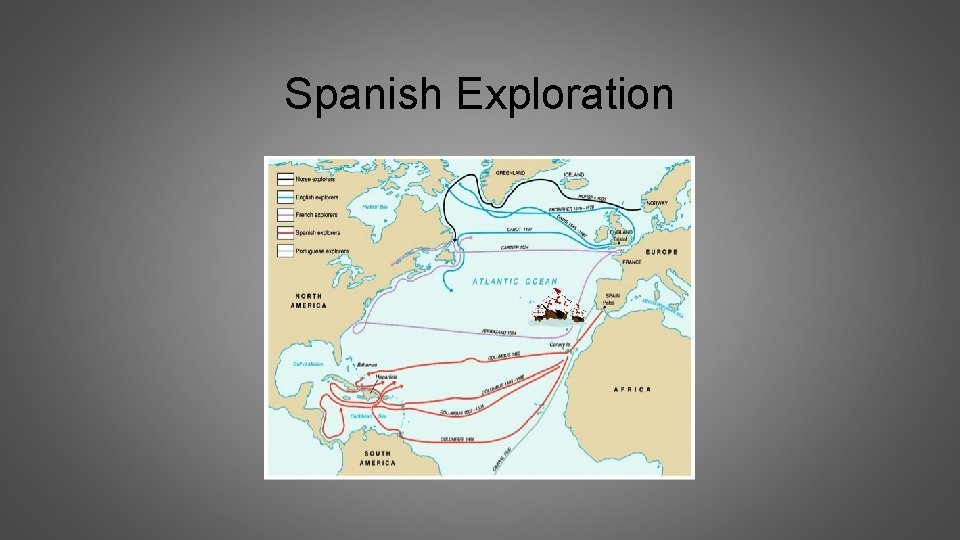
Spanish Exploration
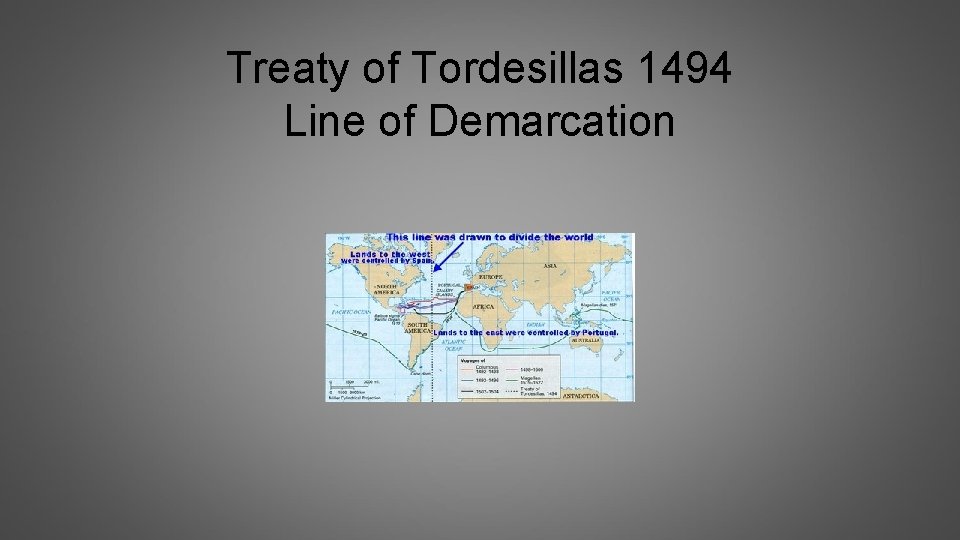
Treaty of Tordesillas 1494 Line of Demarcation
First Humans in Western Hemisphere • • • Came from Asia Hunting Skills Tool and weapon-making Hunted Large Animals Came in Search of Food
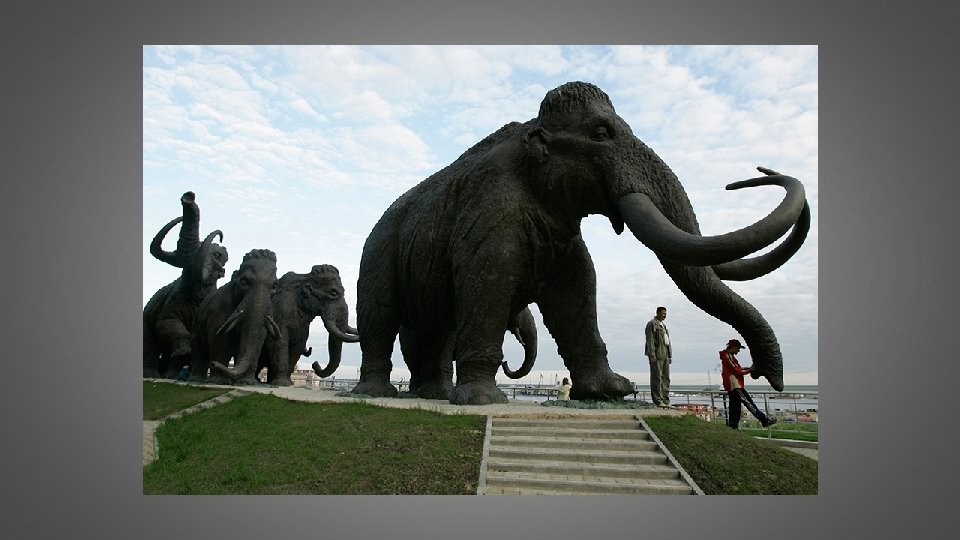
Large Mammal Extinction • • —Large mammals extinct Environmental change—warmer climate Hunted to extinction (over 100 s of years) Caused RADICAL changes
Paleo Indians Adapt • Hunt smaller animals • Foraging for plants • Adapting to diverse environments leads to great cultural diversity (tundra, jungle, desert, forest, mountains, coastal, etc. )
Cultural Boundaries • Environmental conditions defined boundaries and zones of cultural similarities
For over twelve thousand years Native Americans successfully adapted to environmental changes in North America; they also produced significant changes in the environments around them.
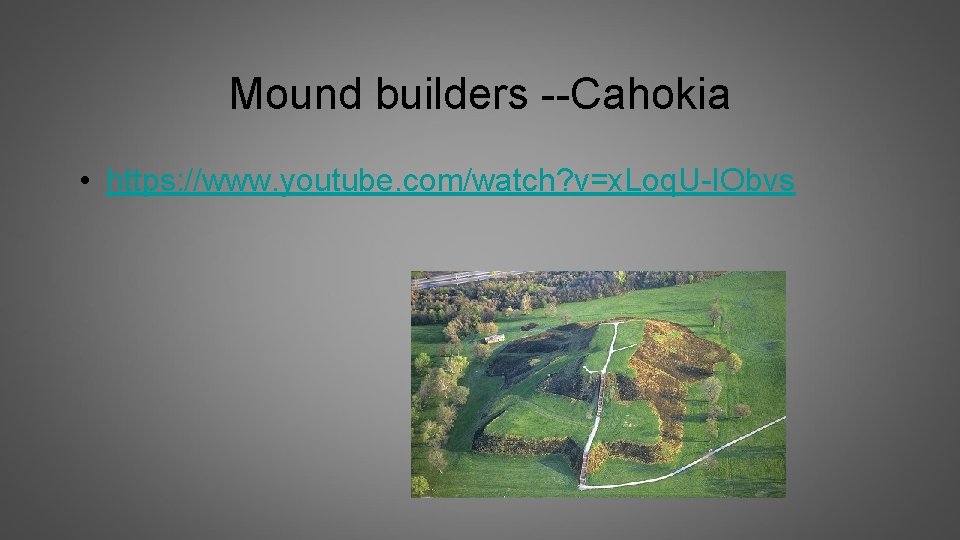
Mound builders --Cahokia • https: //www. youtube. com/watch? v=x. Loq. U-IObvs
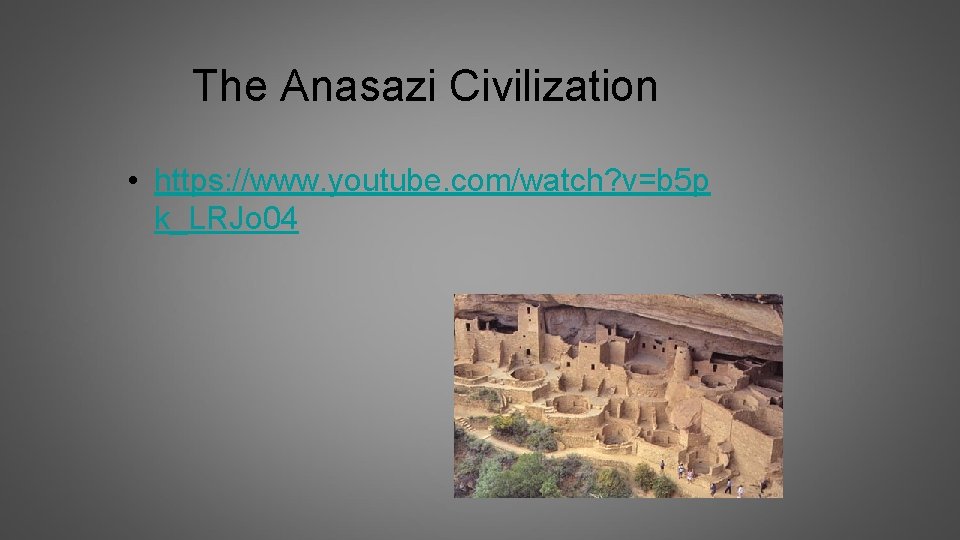
The Anasazi Civilization • https: //www. youtube. com/watch? v=b 5 p k_LRJo 04
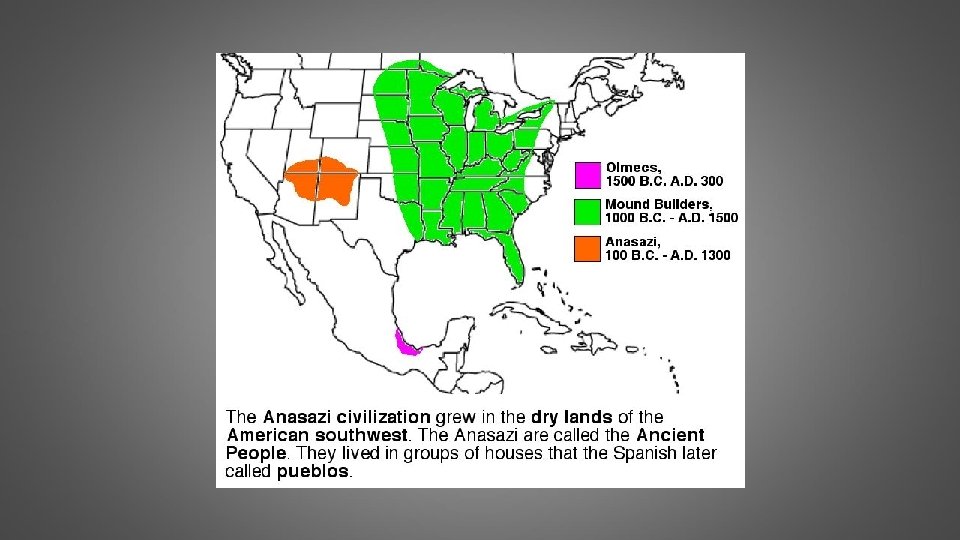
Native Americans in the 1490 s • Total population across N. America— varies 18 -20 million— 4 million ( low density in population) • Many along the West Coast • Adapted to environment • Differences and similarities.
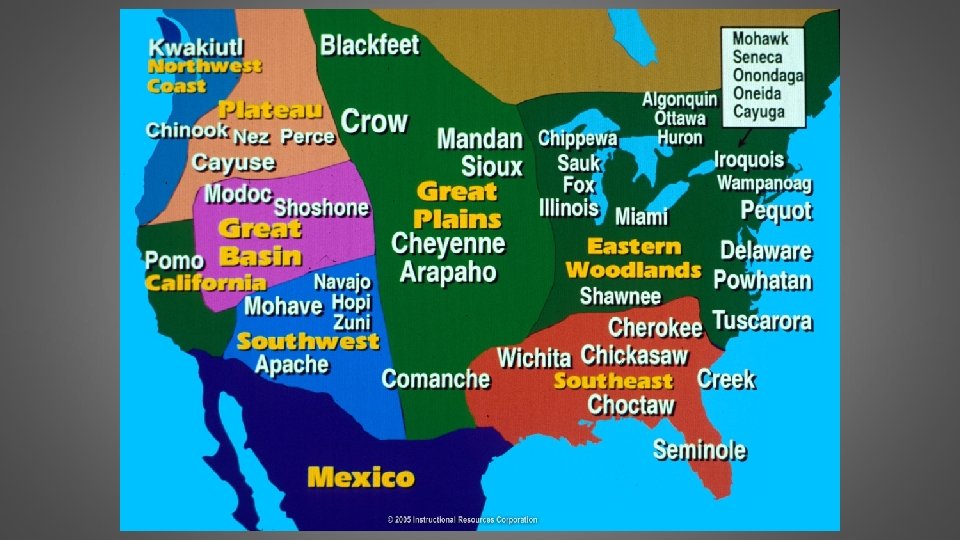
Algonquian Tribes • Atlantic Seaboard—Great Lakes region—upper Midwest • Along the Atlantic—Mild climate w/ crops & hunting • New England—cooler climate—hunting & fishing— using canoes
Iroquoian Tribes • Inland—Pennsylvania & upstate NY —Carolinas & Georgia • Cultivated corn/crops • Permanent settlements (longhouses) • Matriarchal rules of descent • Formed leagues for war & diplomacy
Muskogean Tribes • Southeast—south of Ohio River and east of Mississippi River • Creek, Choctaw, Chickasaw & Natchez • Bountiful environment • Hunting, gathering, & agriculture
Great Plains Peoples • • East of Rocky Mts. Mandan & Pawnee Farmers Teton Sioux, Blackfeet, Comanche, Cheyenne, Crow, & Apache ---BUFFALO
Southwestern • Conservation of water • Agricultural communities • Lived in pueblos
Pacific Coast • Acorns a staple food • California—marine life with less agriculture • The Dalles (prime trading site) —Columbia River (Oregon & Washington)---trading salmon
Similarities • • Diets: combination of hunting, gathering, and agriculture. Bows and arrows No writing Drawings, patterns in baskets and textiles, designs on pottery or crafted into beadwork • Song, dance, religious ceremonies, and burial rites.
Cultural differences with Europeans • • • Population much less dense. Did not use wheels or sailing ships. No large domesticated animals. Limited use of metals Symbols representative.
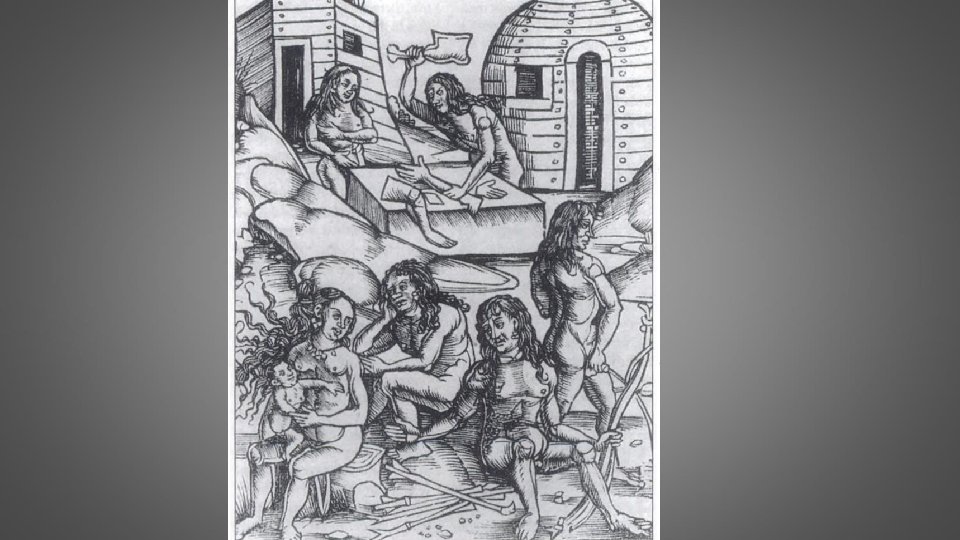
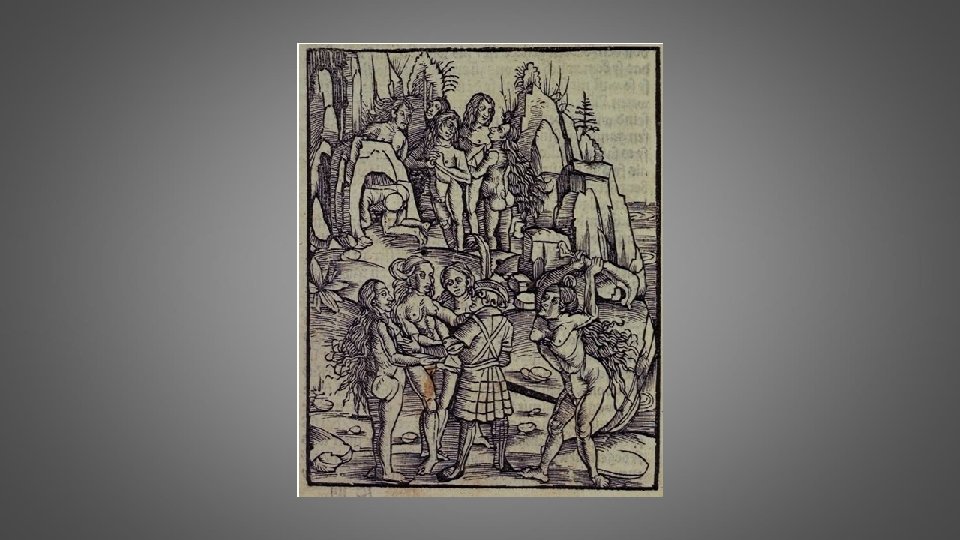
Social Contact & Ritual • • Violent conflicts Human sacrifice Cannibalism Large & small structures
Cultivation of Food Sources • CORN---Develop hardy seeds • Burn acres of forest to cultivate crops • Fires for hunting too • Shaped the N. American landscape
Mesoamerican Culture • • Detailed portrait of the Mexica Coast to coast of Central Mexico More densely populated Monuments & Conquistadors’ documentation
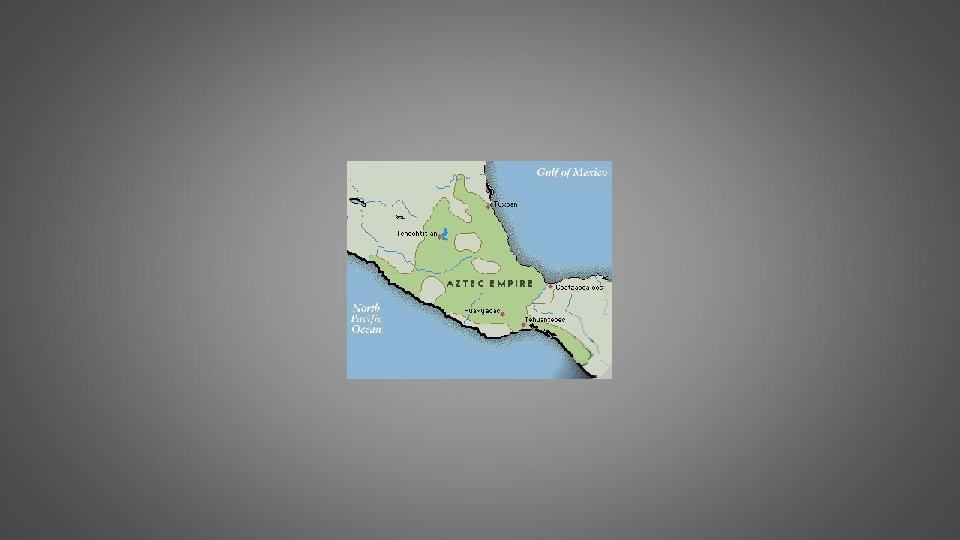
Rise to dominance(1325 -1430) through force: Skill as warriors a basis for their expansion. • By 1490: established a large empire. • Tribute system: Demanded large amounts of tribute, but permitted rulers they conquered to retain their authority.
Tenochtitlan • http: //www. youtube. com/watch? v=_n. S 6 Mp. Vb. B_g
Aztec Vulnerability • The lack of connection within the Mexica Empire, the exorbitant tribute system, and the dependence on force created a vulnerability the Spanish would exploit.

Chapter 1 --Hollitz • Textbook depictions • Changing versions
David Muzzey • • Who was David Muzzey? What was going on in 1920 s America? The world? How were Native Americans described? What is your perception of the Chesapeake Bay settlers and John Smith from this excerpt?
Thomas A. Bailey • • Who was Thomas A. Bailey? What was happening in 1960 s America? The world? How were Native Americans described? What is your perception of the Chesapeake settlers and John Smith from this excerpt?
Mary Beth Norton • Who is Mary Beth Norton? • What was happening in the early 2000 s America? The world? • How were Native Americans described? • What is your perception of the Chesapeake settlers and John Smith from this excerpt?
Textbooks • What are the similarities and differences? • Definitions: Braggart, edicts, interposing, subsistence, and hierarchically
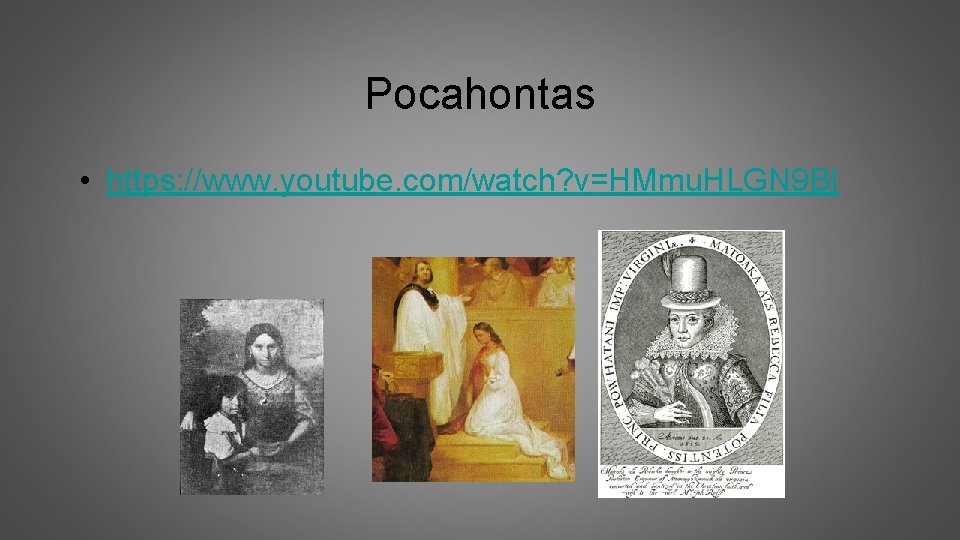
Pocahontas • https: //www. youtube. com/watch? v=HMmu. HLGN 9 BI
Why Exploration • • • Silk Road Black Plague Christian/Muslim Empires Technological Innovations Population Growth Mercantilism
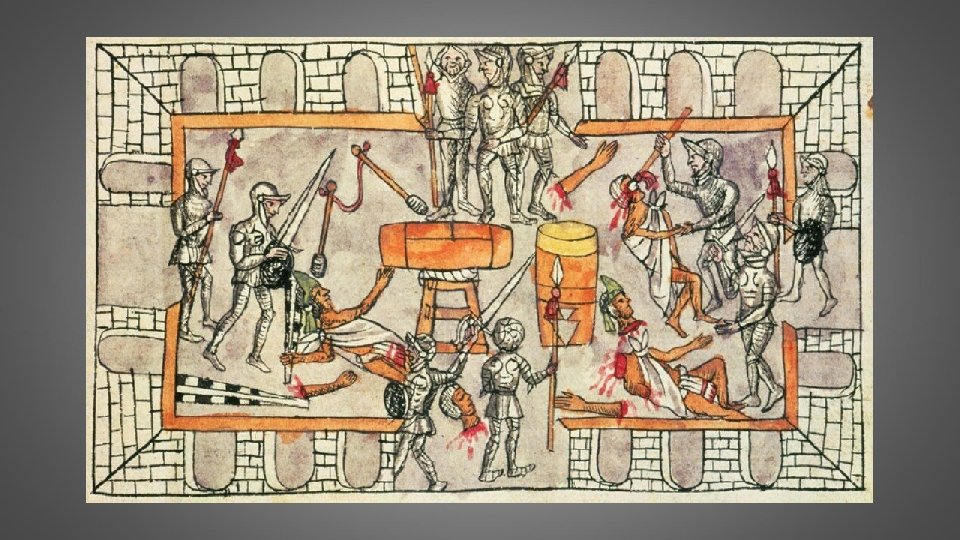
American Spirit • • Ch. 1 The American Spirit (AS): Sepulveda and Las Casas Cortes and the Aztecs Slavery
Define • • Magnanimity Intemperance Nomenclature Impious Subjugated Venerate Ingenuity
- Slides: 44