
Anatomy Physiology Review Campbell Biology Chapters 11 40

Anatomy & Physiology Review Campbell Biology: Chapters 11, 40, 43, 45, 48, 49
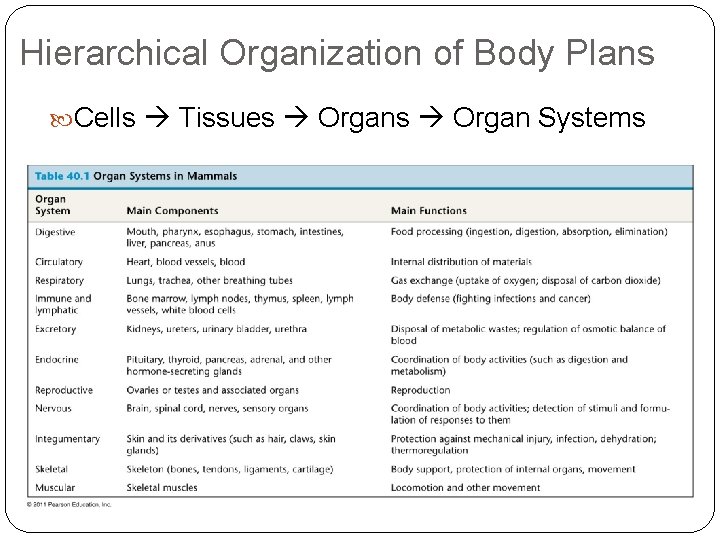
Hierarchical Organization of Body Plans Cells Tissues Organ Systems
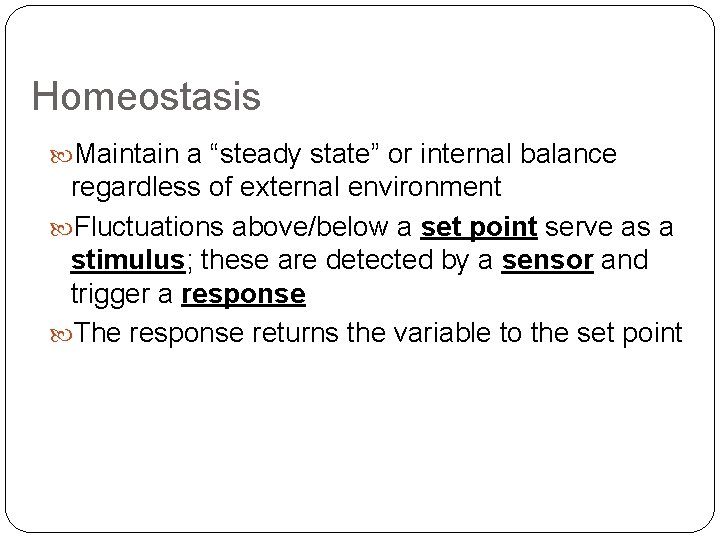
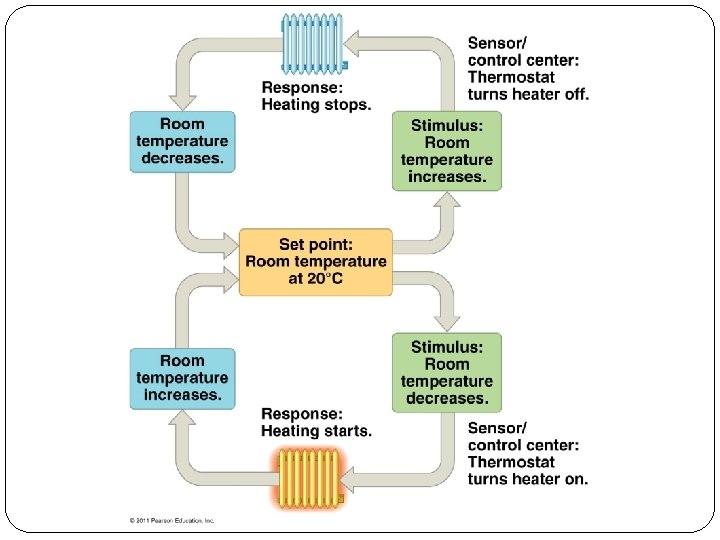
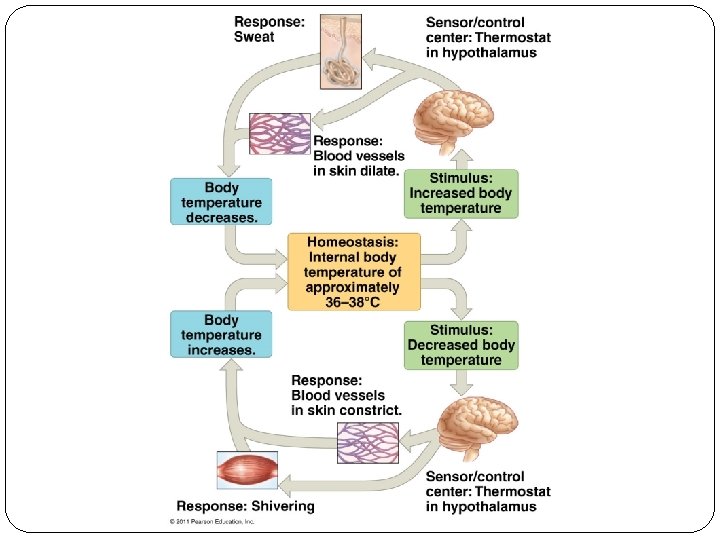
Homeostasis Maintain a “steady state” or internal balance regardless of external environment Fluctuations above/below a set point serve as a stimulus; these are detected by a sensor and trigger a response The response returns the variable to the set point
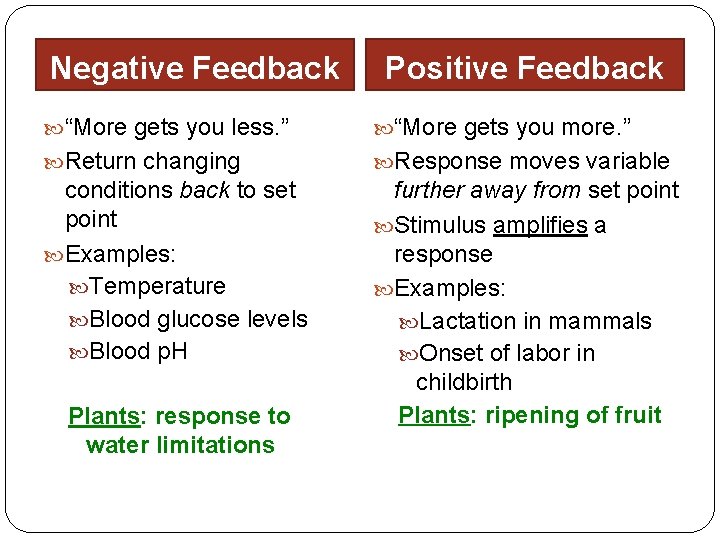
Negative Feedback Positive Feedback “More gets you less. ” “More gets you more. ” Return changing Response moves variable conditions back to set point Examples: Temperature Blood glucose levels Blood p. H further away from set point Stimulus amplifies a response Examples: Lactation in mammals Onset of labor in childbirth Plants: ripening of fruit Plants: response to water limitations
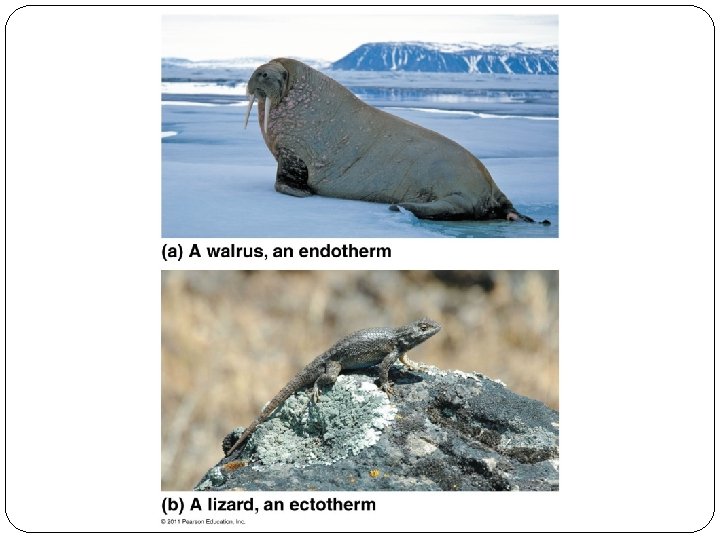
Thermoregulation • Maintain an internal temperature within a tolerable range • Endothermic animals generate heat by metabolism (birds and mammals) • Ectothermic animals gain heat from external sources (invertebrates, fishes, amphibians, and nonavian reptiles)
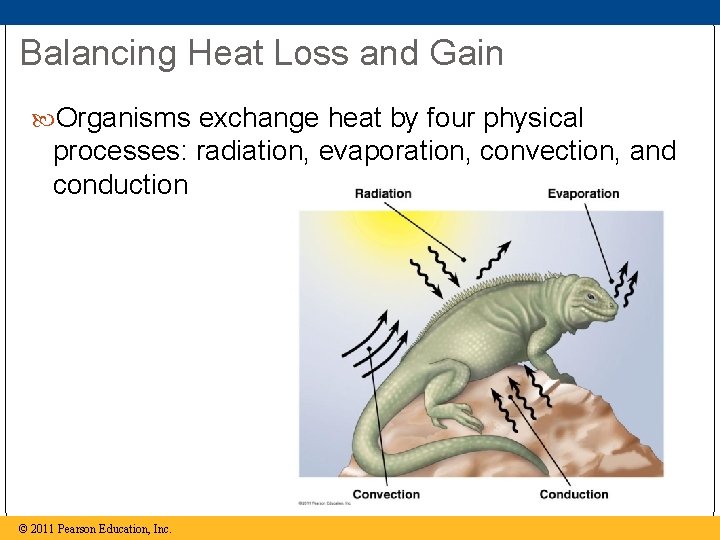
Balancing Heat Loss and Gain Organisms exchange heat by four physical processes: radiation, evaporation, convection, and conduction © 2011 Pearson Education, Inc.
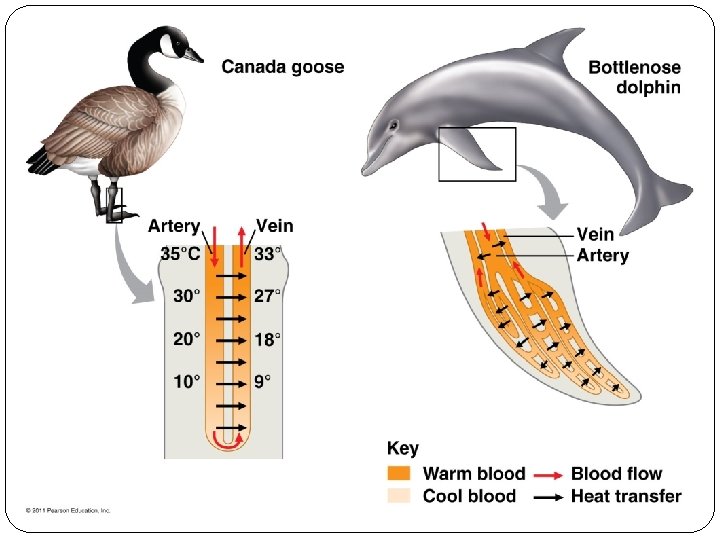
Five adaptations for thermoregulation: Insulation (skin, feather, fur, blubber) Circulatory adaptations (countercurrent exchange) Cooling by evaporative heat loss (sweat) Behavioral responses (shivering) Adjusting metabolic heat production (“antifreeze”)

Torpor and Energy Conservation Torpor is a physiological state in which activity is low and metabolism decreases Save energy while avoiding difficult and dangerous conditions Hibernation: torpor during winter cold and food scarcity Estivation: summer torpor, survive long periods of high temperatures and scarce water
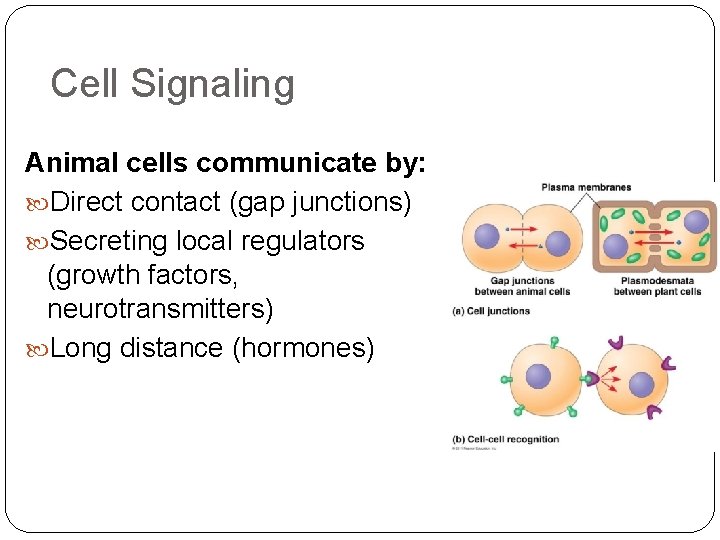
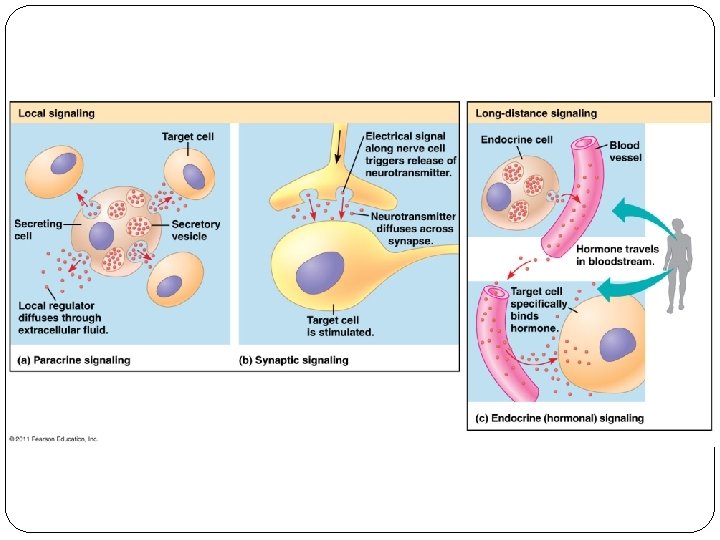
Cell Signaling Animal cells communicate by: Direct contact (gap junctions) Secreting local regulators (growth factors, neurotransmitters) Long distance (hormones)
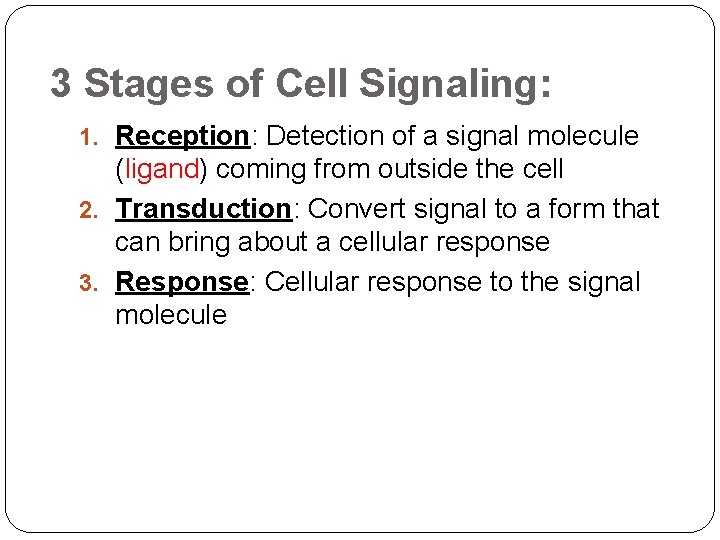
3 Stages of Cell Signaling: 1. Reception: Detection of a signal molecule (ligand) coming from outside the cell 2. Transduction: Convert signal to a form that can bring about a cellular response 3. Response: Cellular response to the signal molecule

Response
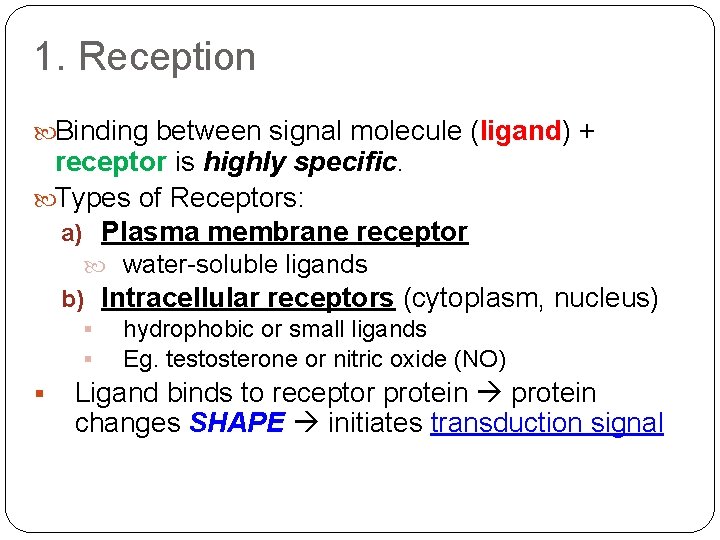
1. Reception Binding between signal molecule (ligand) + receptor is highly specific. Types of Receptors: a) Plasma membrane receptor water-soluble ligands b) Intracellular receptors (cytoplasm, nucleus) § hydrophobic or small ligands § Eg. testosterone or nitric oxide (NO) § Ligand binds to receptor protein changes SHAPE initiates transduction signal
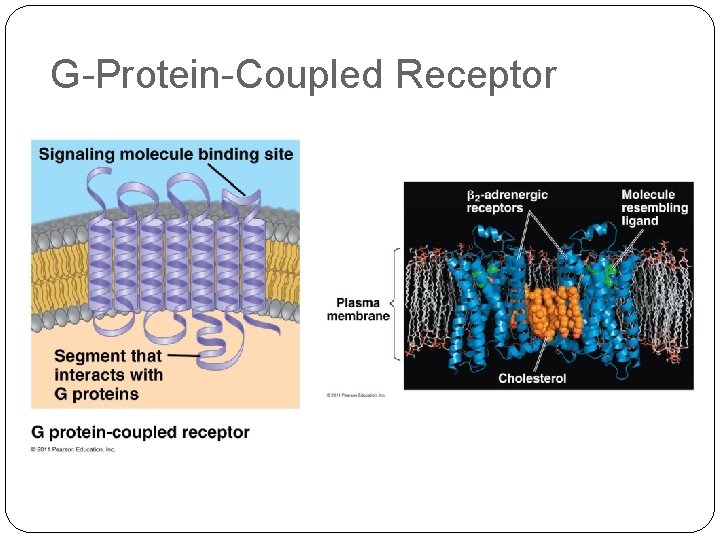
G-Protein-Coupled Receptor
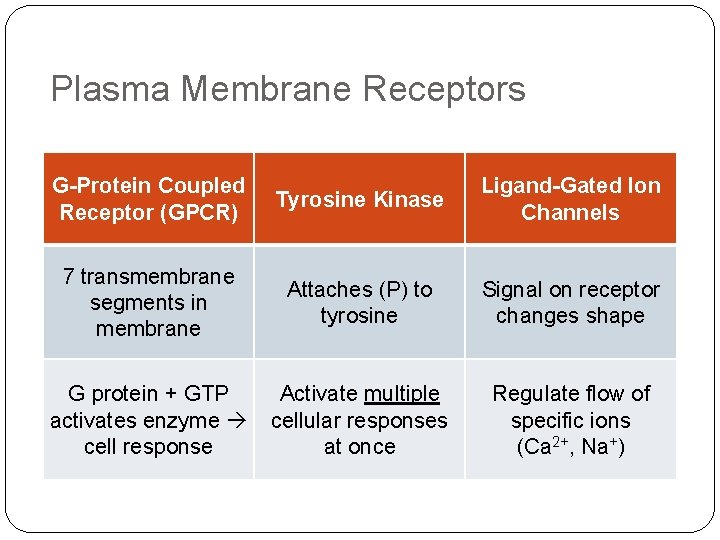
Plasma Membrane Receptors G-Protein Coupled Receptor (GPCR) Tyrosine Kinase Ligand-Gated Ion Channels 7 transmembrane segments in membrane Attaches (P) to tyrosine Signal on receptor changes shape G protein + GTP activates enzyme cell response Activate multiple cellular responses at once Regulate flow of specific ions (Ca 2+, Na+)
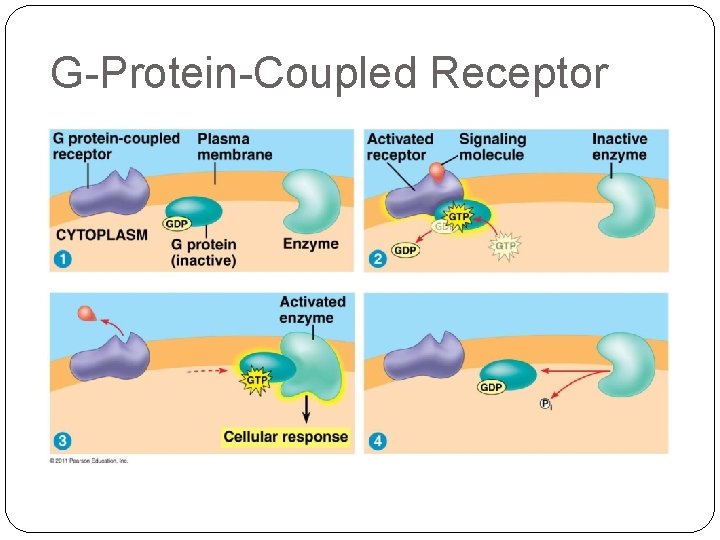
G-Protein-Coupled Receptor
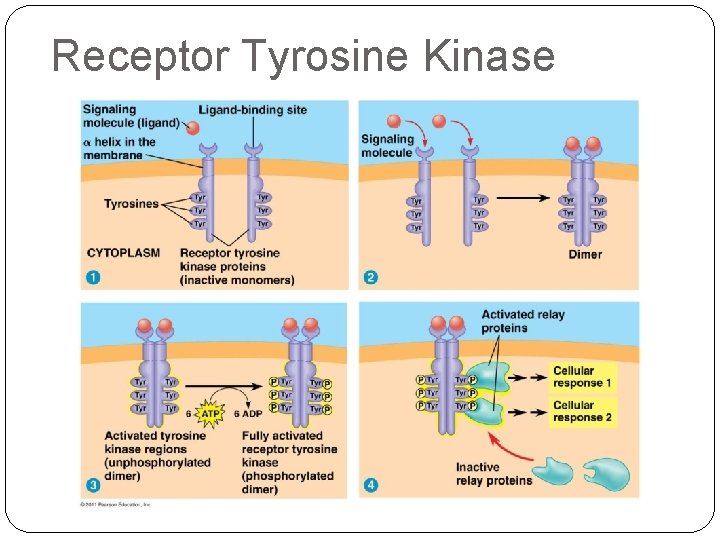
Receptor Tyrosine Kinase
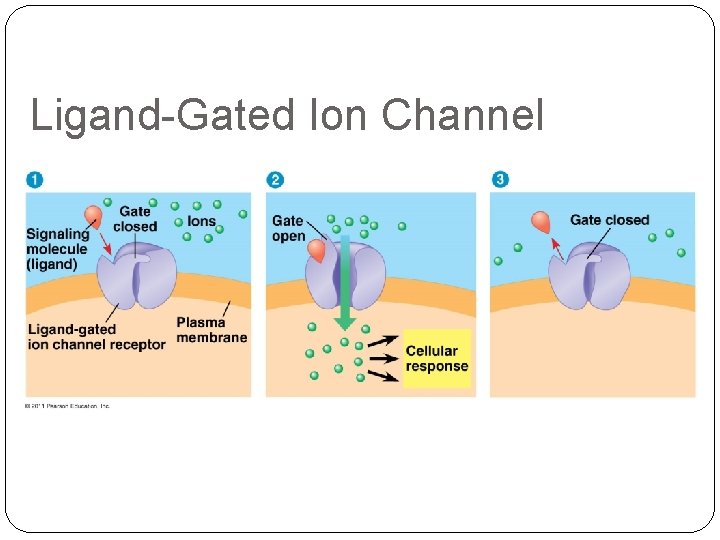
Ligand-Gated Ion Channel
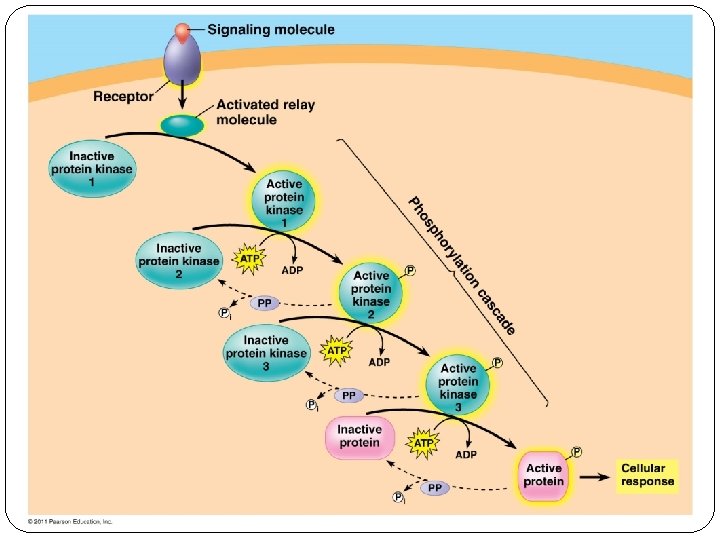
2. Transduction Cascades of molecular interactions relay signals from receptors target molecules Protein kinase: enzyme that phosphorylates and activates proteins at next level Phosphorylation cascade: enhance and amplify signal
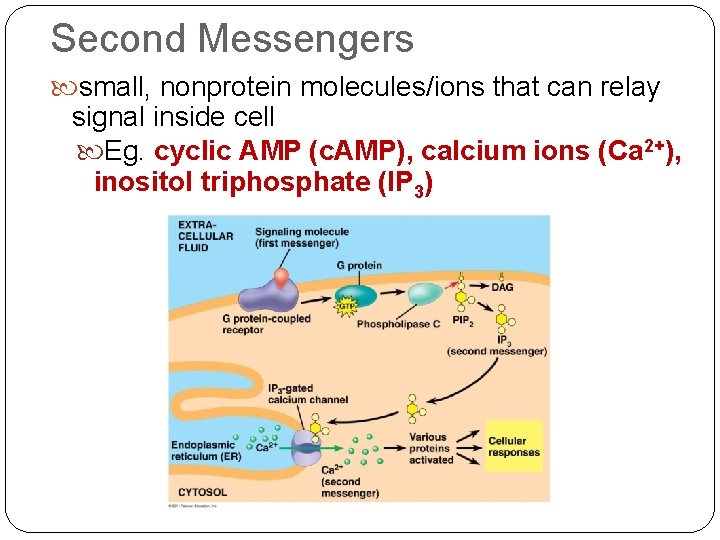
Second Messengers small, nonprotein molecules/ions that can relay signal inside cell Eg. cyclic AMP (c. AMP), calcium ions (Ca 2+), inositol triphosphate (IP 3)
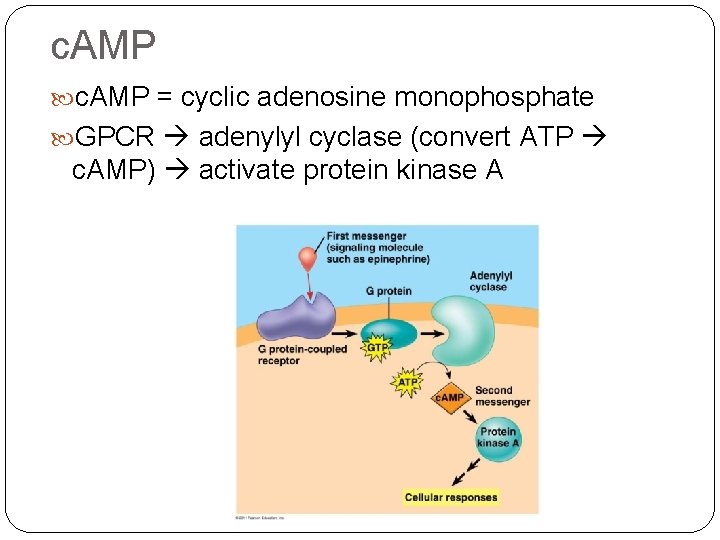
c. AMP = cyclic adenosine monophosphate GPCR adenylyl cyclase (convert ATP c. AMP) activate protein kinase A
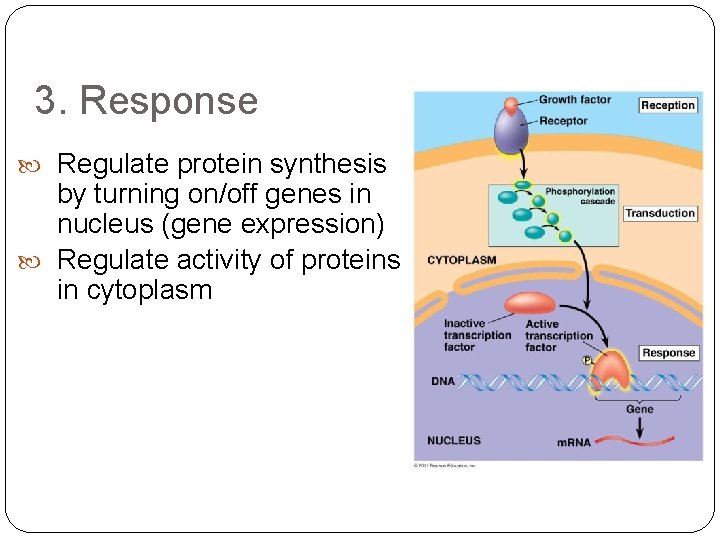
3. Response Regulate protein synthesis by turning on/off genes in nucleus (gene expression) Regulate activity of proteins in cytoplasm
Signal Transduction Pathway Problems/Defects: Examples: Diabetes Cholera Autoimmune disease Cancer Neurotoxins, poisons, pesticides Drugs (anesthetics, antihistamines, blood pressure meds)
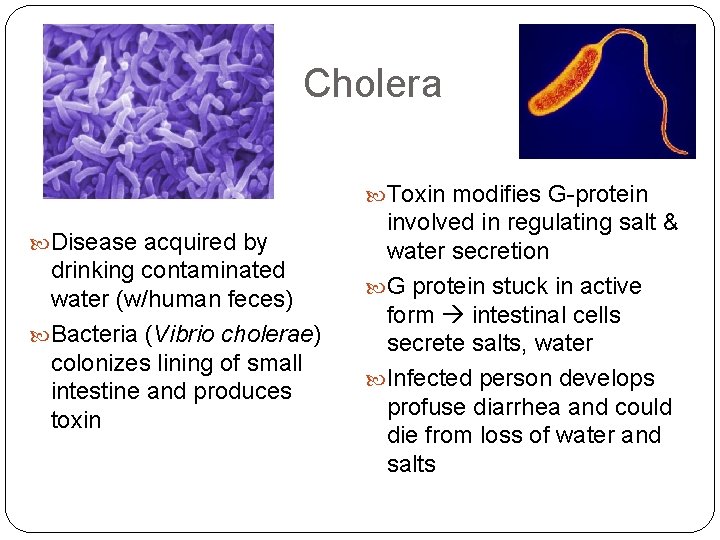
Cholera Toxin modifies G-protein Disease acquired by drinking contaminated water (w/human feces) Bacteria (Vibrio cholerae) colonizes lining of small intestine and produces toxin involved in regulating salt & water secretion G protein stuck in active form intestinal cells secrete salts, water Infected person develops profuse diarrhea and could die from loss of water and salts
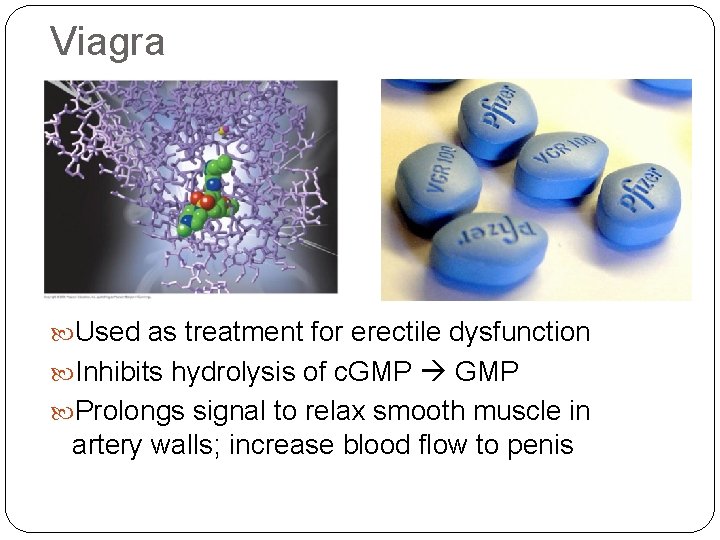
Viagra Used as treatment for erectile dysfunction Inhibits hydrolysis of c. GMP Prolongs signal to relax smooth muscle in artery walls; increase blood flow to penis
Apoptosis = cell suicide Cell is dismantled and digested Triggered by signals that activate cascade of “suicide” proteins (caspase) Why? Protect neighboring cells from damage Animal development & maintenance May be involved in some diseases (Parkinson’s, Alzheimer’s)
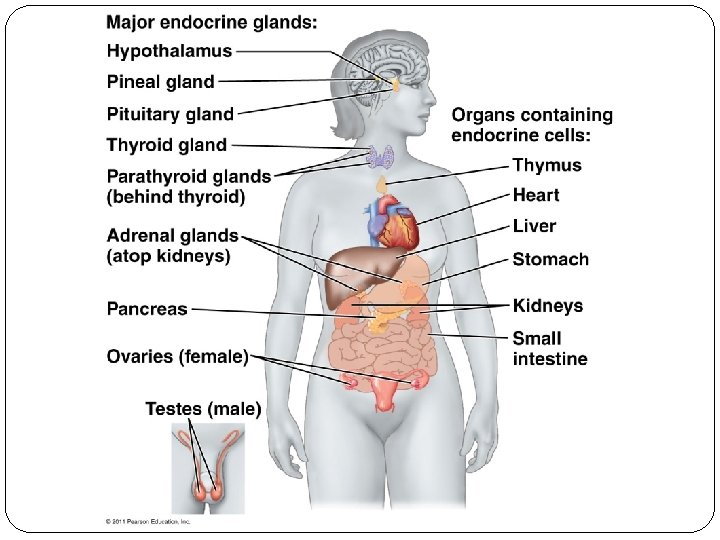
Endocrine System = Hormone-secreting cells + Tissues Endocrine glands: ductless, secrete hormones directly into body fluids Hormones: chemical signals that cause a response in target cells (receptor proteins for specific hormones) Affects 1 tissue, a few, or most tissues in body Or affect other endocrine glands (tropic hormones) Regulation by Positive & Negative Feedback
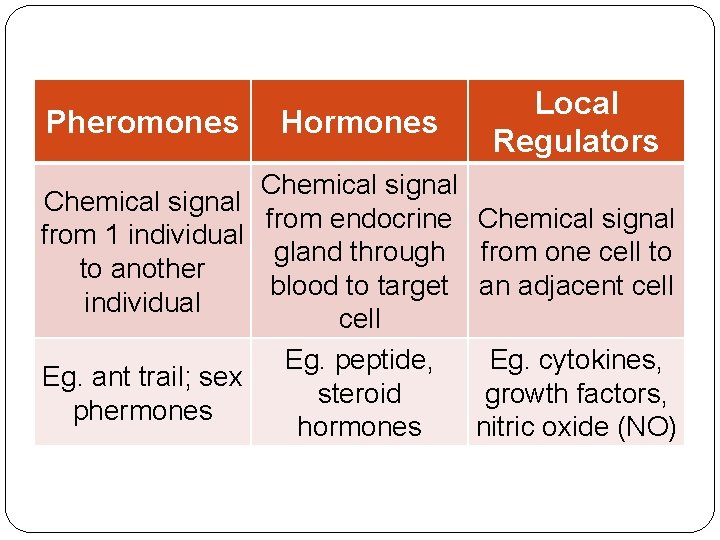
Pheromones Hormones Chemical signal from endocrine from 1 individual gland through to another blood to target individual cell Eg. peptide, Eg. ant trail; sex steroid phermones hormones Local Regulators Chemical signal from one cell to an adjacent cell Eg. cytokines, growth factors, nitric oxide (NO)
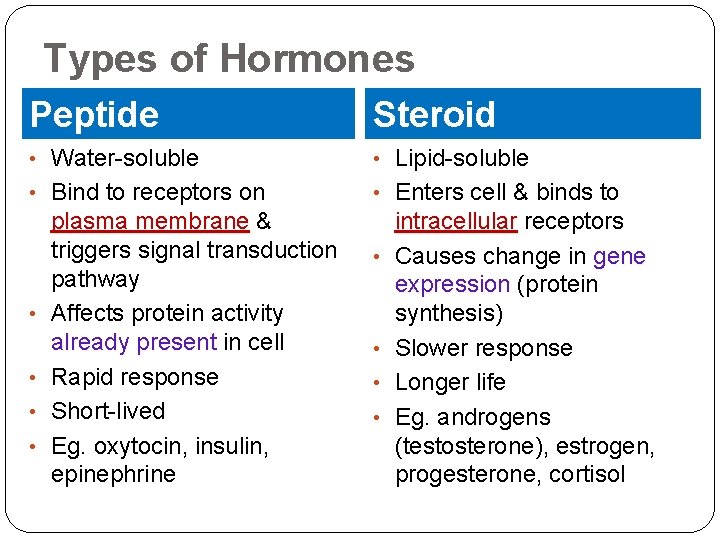
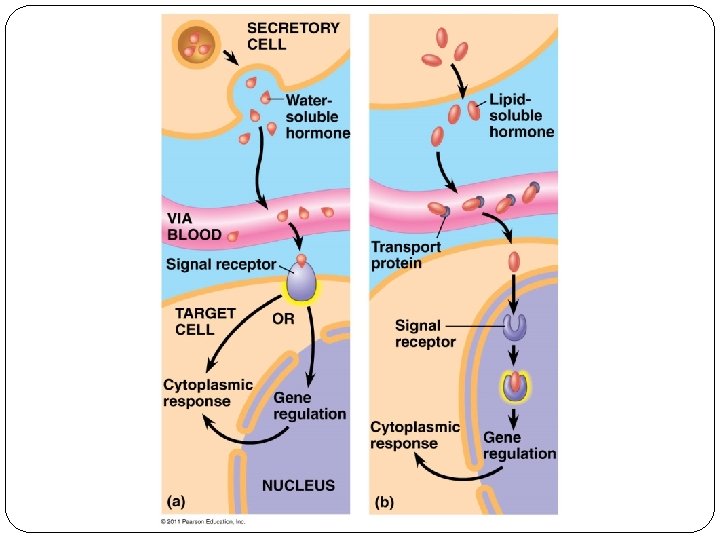
Types of Hormones Peptide Steroid • Water-soluble • Lipid-soluble • Bind to receptors on • Enters cell & binds to • • plasma membrane & triggers signal transduction pathway Affects protein activity already present in cell Rapid response Short-lived Eg. oxytocin, insulin, epinephrine • • intracellular receptors Causes change in gene expression (protein synthesis) Slower response Longer life Eg. androgens (testosterone), estrogen, progesterone, cortisol
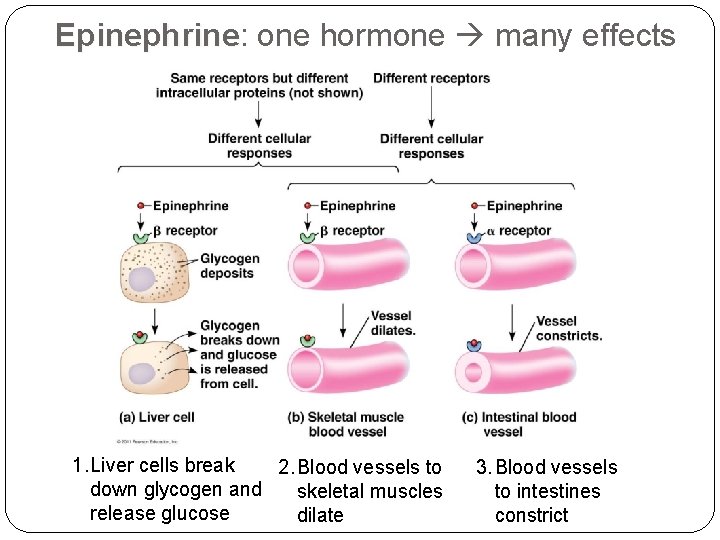
Epinephrine: Epinephrine one hormone many effects 1. Liver cells break 2. Blood vessels to down glycogen and skeletal muscles release glucose dilate 3. Blood vessels to intestines constrict
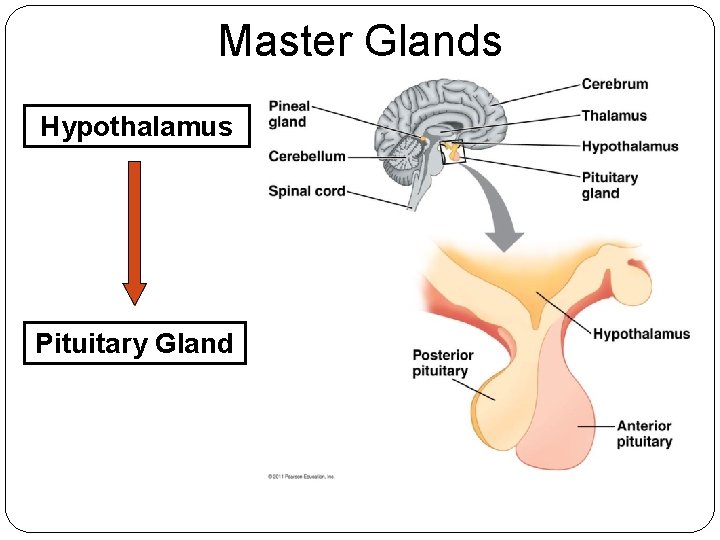
Master Glands Hypothalamus Pituitary Gland
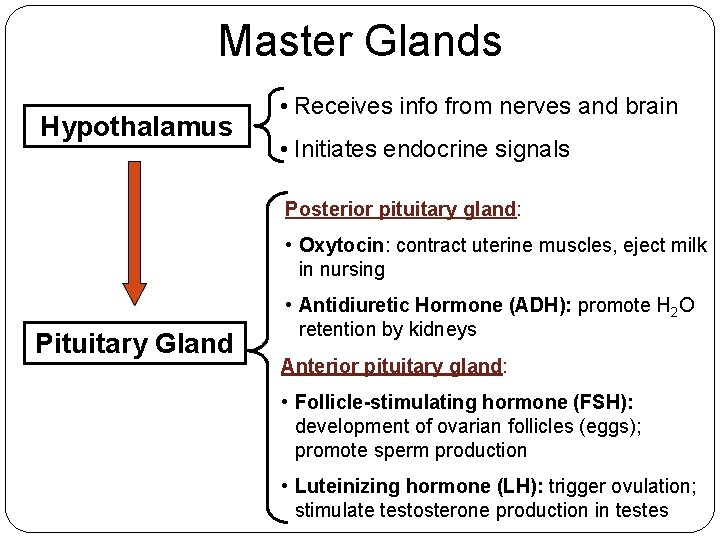
Master Glands Hypothalamus • Receives info from nerves and brain • Initiates endocrine signals Posterior pituitary gland: • Oxytocin: contract uterine muscles, eject milk in nursing Pituitary Gland • Antidiuretic Hormone (ADH): promote H 2 O retention by kidneys Anterior pituitary gland: • Follicle-stimulating hormone (FSH): development of ovarian follicles (eggs); promote sperm production • Luteinizing hormone (LH): trigger ovulation; stimulate testosterone production in testes
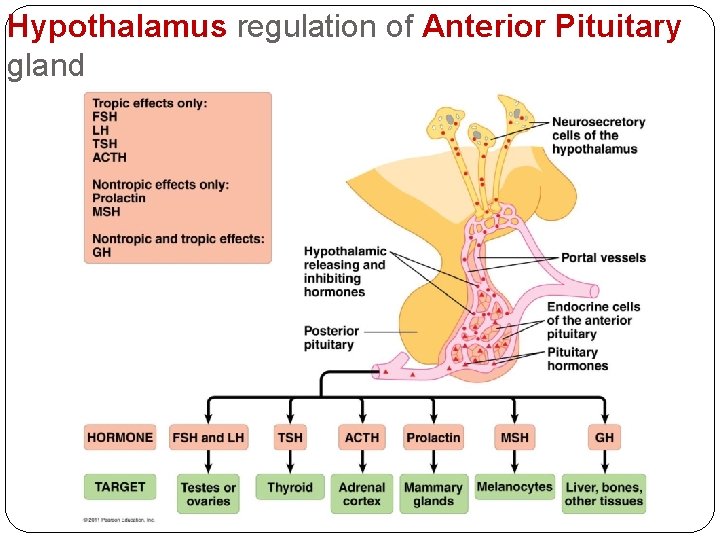
Hypothalamus regulation of Anterior Pituitary gland
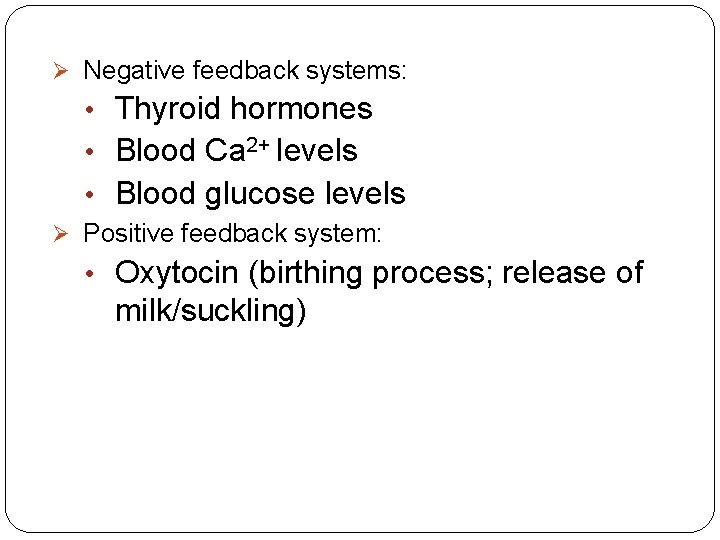
Ø Negative feedback systems: • Thyroid hormones • Blood Ca 2+ levels • Blood glucose levels Ø Positive feedback system: • Oxytocin (birthing process; release of milk/suckling)
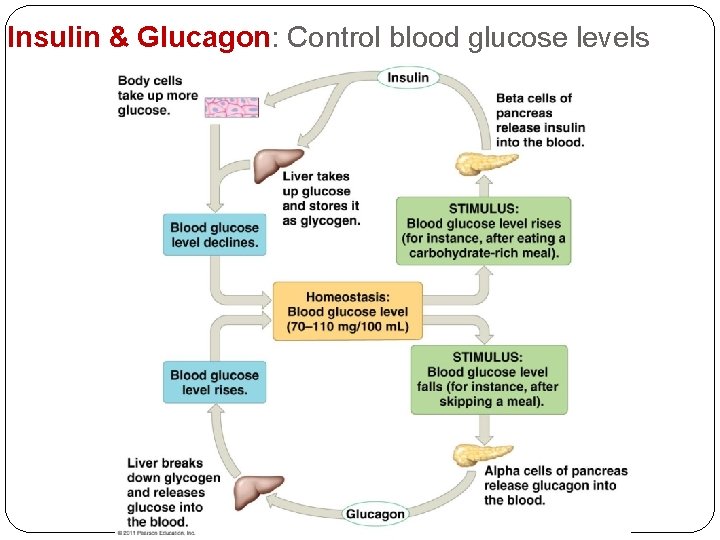
Insulin & Glucagon: Control blood glucose levels
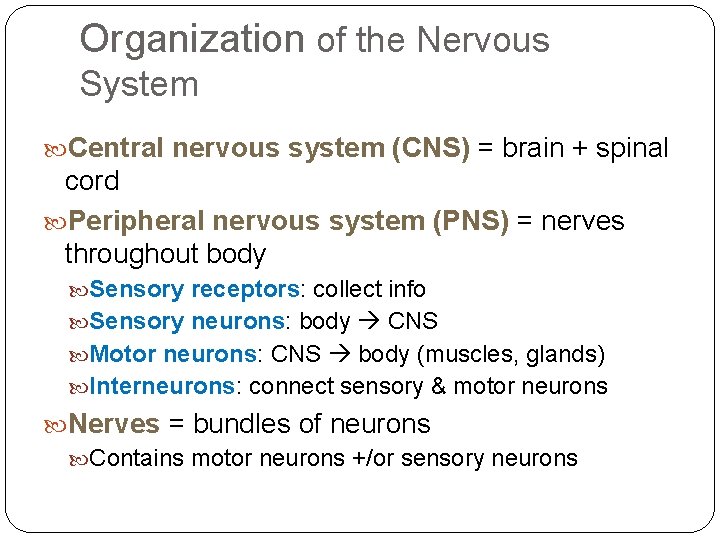
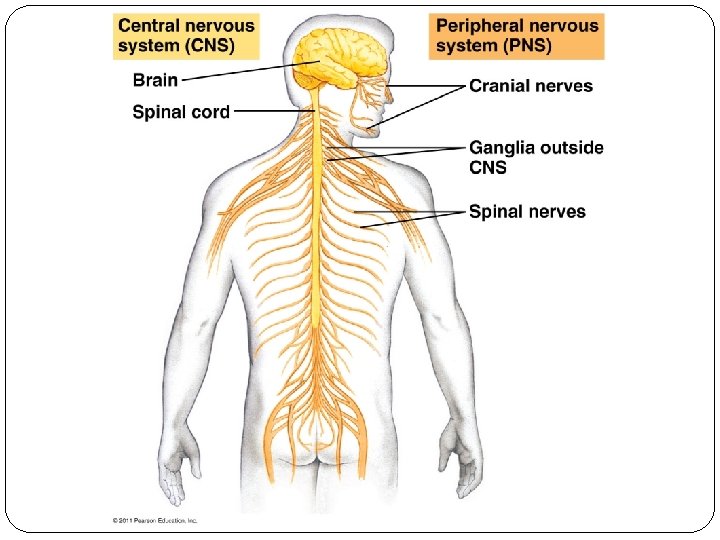
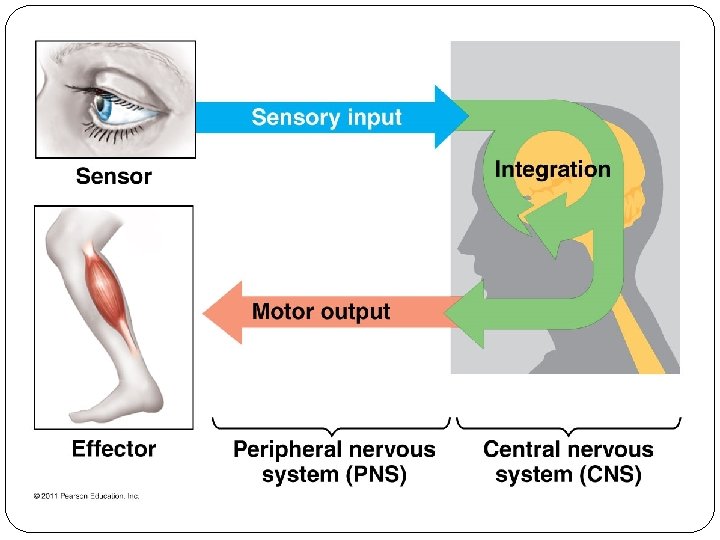
Organization of the Nervous System Central nervous system (CNS) = brain + spinal cord Peripheral nervous system (PNS) = nerves throughout body Sensory receptors: collect info Sensory neurons: body CNS Motor neurons: CNS body (muscles, glands) Interneurons: connect sensory & motor neurons Nerves = bundles of neurons Contains motor neurons +/or sensory neurons
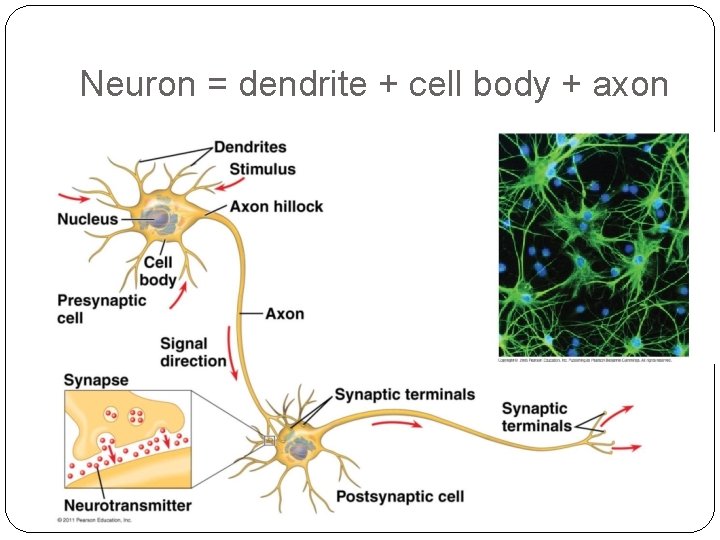
Neuron = dendrite + cell body + axon
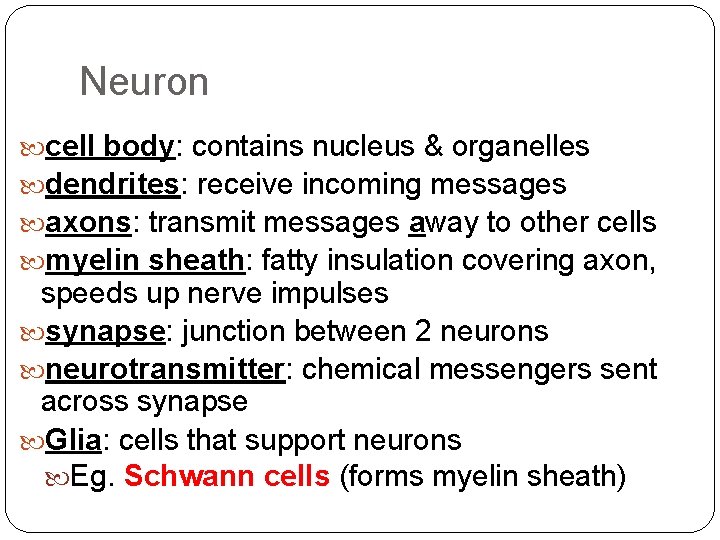
Neuron cell body: contains nucleus & organelles dendrites: receive incoming messages axons: transmit messages away to other cells myelin sheath: fatty insulation covering axon, speeds up nerve impulses synapse: junction between 2 neurons neurotransmitter: chemical messengers sent across synapse Glia: cells that support neurons Eg. Schwann cells (forms myelin sheath)
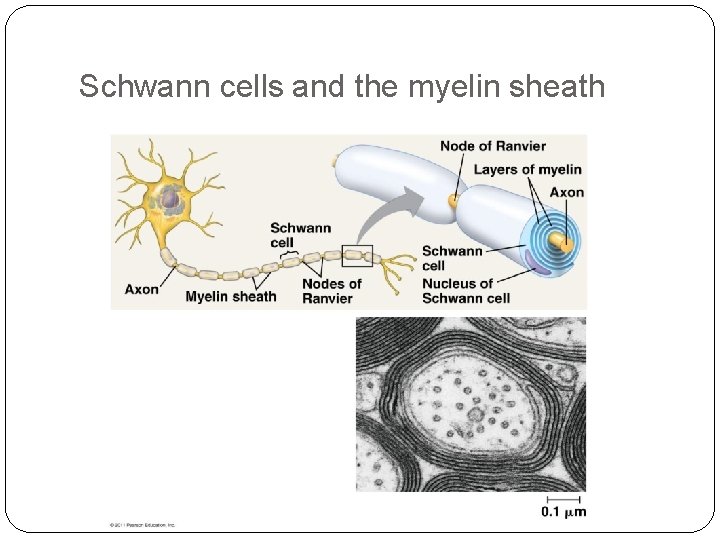
Schwann cells and the myelin sheath
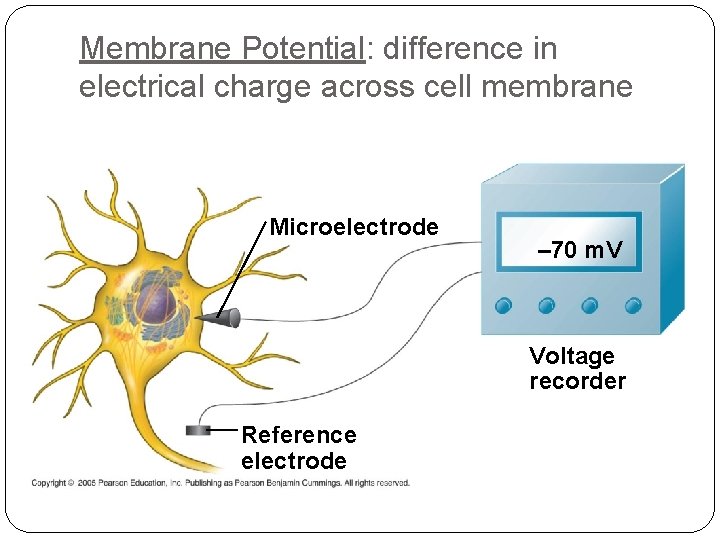
Membrane Potential: difference in electrical charge across cell membrane Microelectrode – 70 m. V Voltage recorder Reference electrode
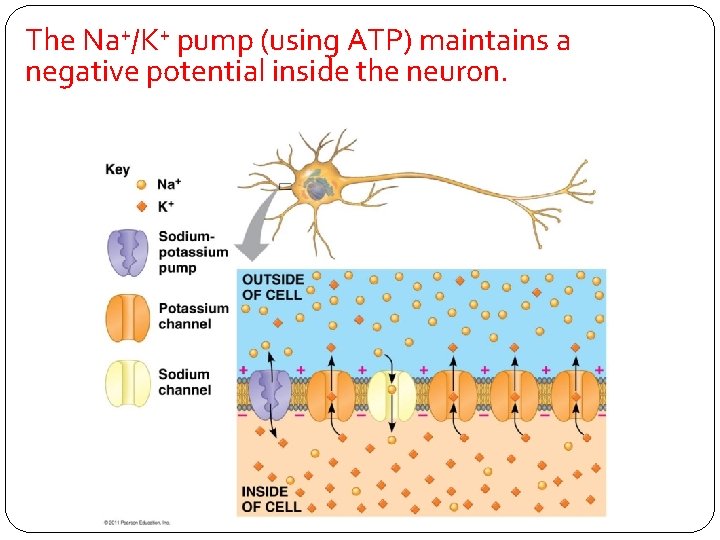
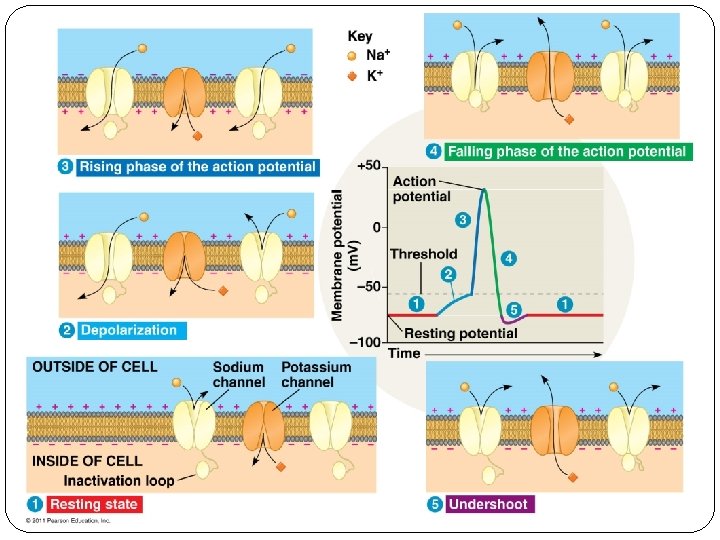
The Na+/K+ pump (using ATP) maintains a negative potential inside the neuron.
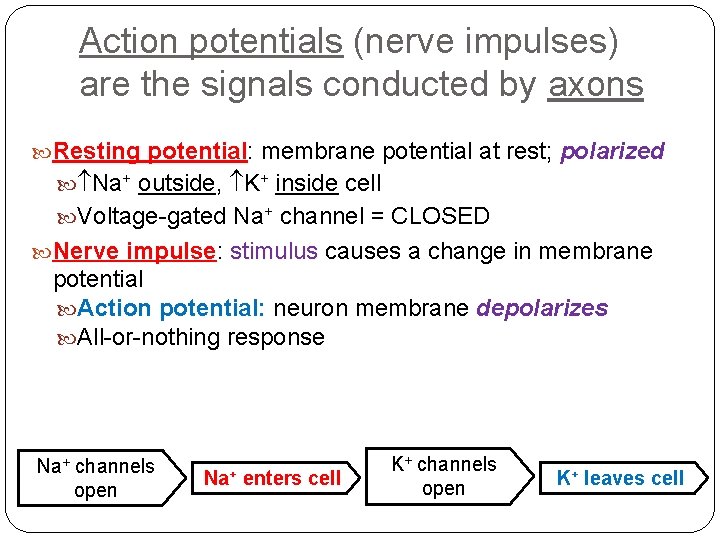
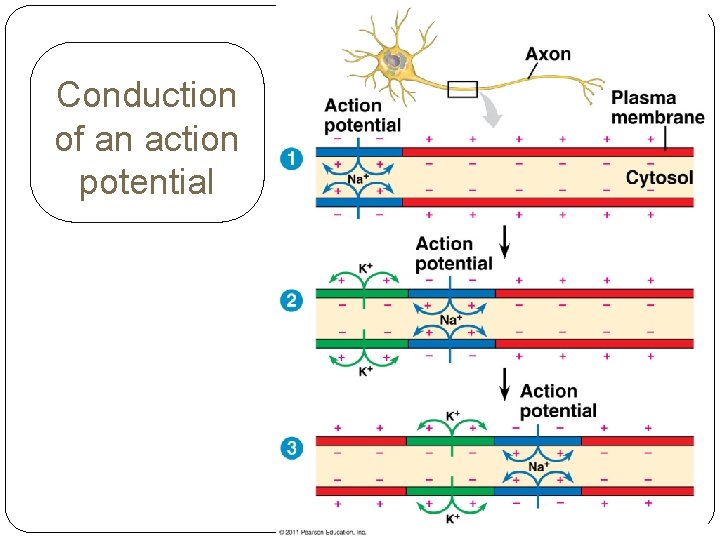
Action potentials (nerve impulses) are the signals conducted by axons Resting potential: membrane potential at rest; polarized Na+ outside, K+ inside cell Voltage-gated Na+ channel = CLOSED Nerve impulse: stimulus causes a change in membrane potential Action potential: neuron membrane depolarizes All-or-nothing response Na+ channels open Na+ enters cell K+ channels open K+ leaves cell
Conduction of an action potential
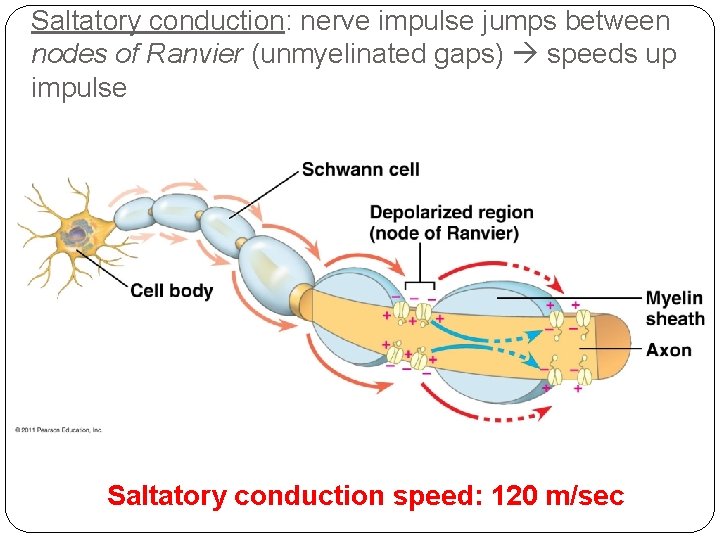
Saltatory conduction: nerve impulse jumps between nodes of Ranvier (unmyelinated gaps) speeds up impulse Saltatory conduction speed: 120 m/sec
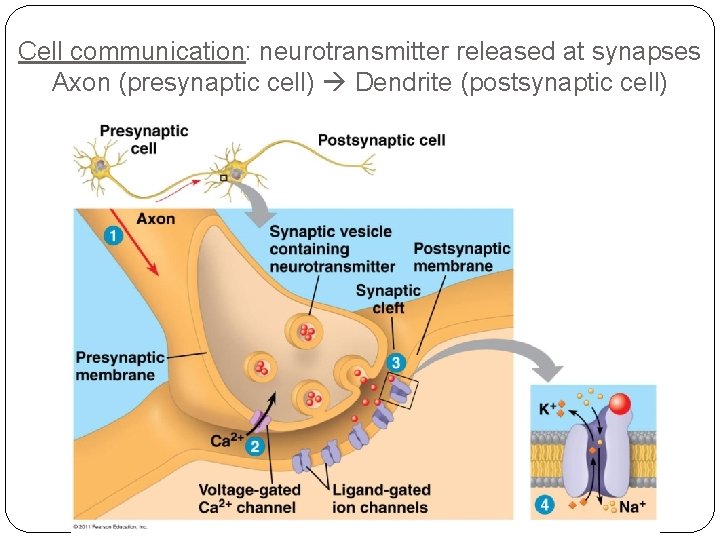
Cell communication: neurotransmitter released at synapses Axon (presynaptic cell) Dendrite (postsynaptic cell)
Neurotransmitters Chemicals released from vesicles by exocytosis into synaptic cleft Diffuse across synapse Bind to receptors on neurons, muscle cells, or gland cells Broken down by enzymes or taken back up into surrounding cells Types of neurotransmitters: Excitatory: speed up impulses by causing depolarization of postsynaptic membrane Inhibitory: slow impulses by causing hyperpolarization of postsynaptic membrane
Acetylcholine (ACh): (ACh) stimulates muscles, memory formation, learning Nicotine: binds to ACh receptors inhibit cells increase heart rate Sarin: nerve gas inhibits Ach breakdown ACh builds up paralysis and death Botulinum toxin (Botox): block ACh receptors on muscle cells prevent muscle contraction
Neurotransmitters – Other Examples Epinephrine: (adrenaline) fight-or-flight Norepinephrine: fight-or-flight Dopamine: reward, pleasure (“high”) Loss of dopamine Parkinson’s Disease Serotonin: well-being, happiness Low levels Depression GABA: inhibitory NT Affected by alcohol
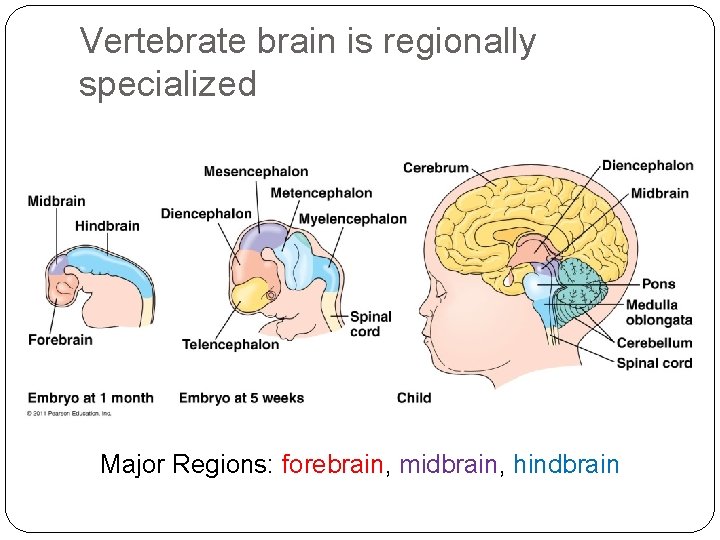
Vertebrate brain is regionally specialized Major Regions: forebrain, midbrain, hindbrain
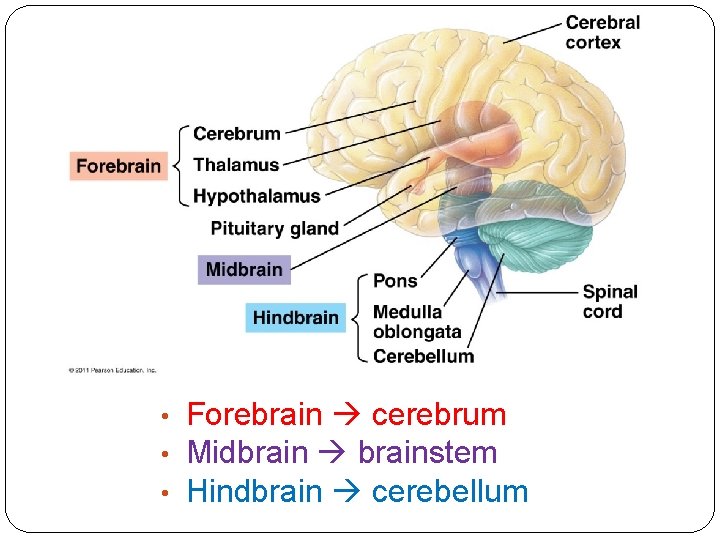
• • • Forebrain cerebrum Midbrain brainstem Hindbrain cerebellum
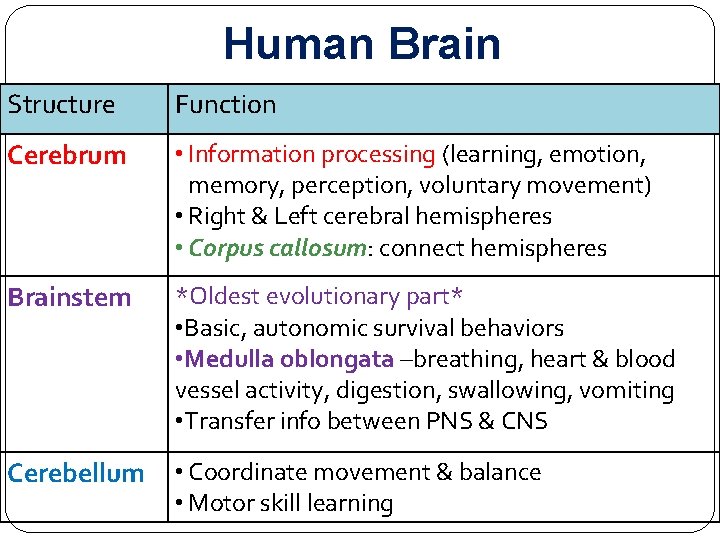
Human Brain Structure Function Cerebrum • Information processing (learning, emotion, memory, perception, voluntary movement) • Right & Left cerebral hemispheres • Corpus callosum: connect hemispheres Brainstem *Oldest evolutionary part* • Basic, autonomic survival behaviors • Medulla oblongata –breathing, heart & blood vessel activity, digestion, swallowing, vomiting • Transfer info between PNS & CNS Cerebellum • Coordinate movement & balance • Motor skill learning
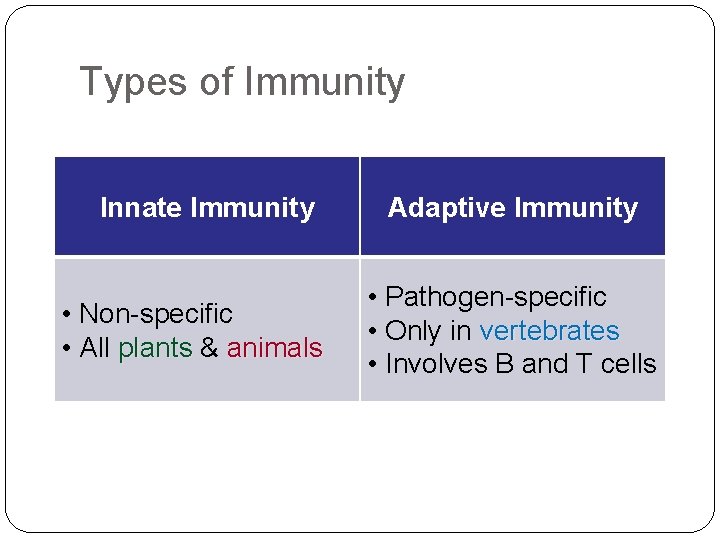
Types of Immunity Innate Immunity • Non-specific • All plants & animals Adaptive Immunity • Pathogen-specific • Only in vertebrates • Involves B and T cells
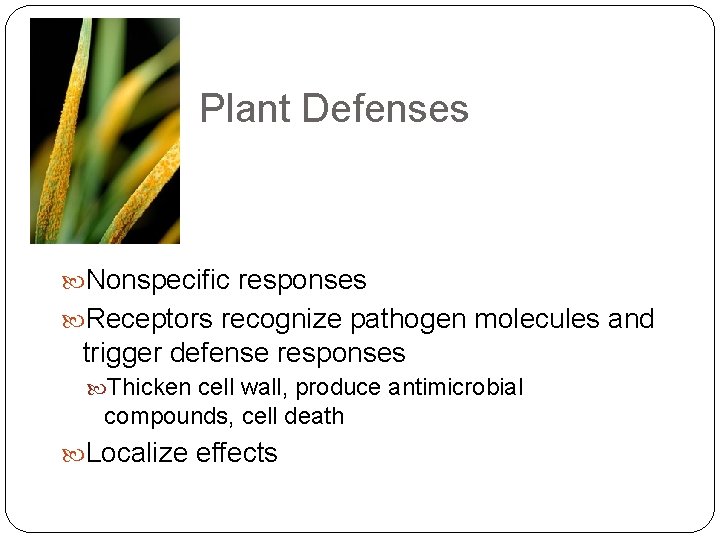
Plant Defenses Nonspecific responses Receptors recognize pathogen molecules and trigger defense responses Thicken cell wall, produce antimicrobial compounds, cell death Localize effects
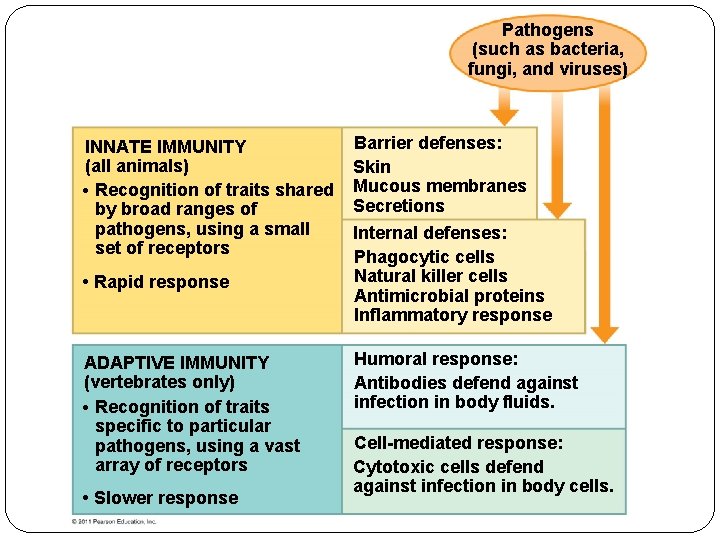
Pathogens (such as bacteria, fungi, and viruses) INNATE IMMUNITY (all animals) • Recognition of traits shared by broad ranges of pathogens, using a small set of receptors • Rapid response ADAPTIVE IMMUNITY (vertebrates only) • Recognition of traits specific to particular pathogens, using a vast array of receptors • Slower response Barrier defenses: Skin Mucous membranes Secretions Internal defenses: Phagocytic cells Natural killer cells Antimicrobial proteins Inflammatory response Humoral response: Antibodies defend against infection in body fluids. Cell-mediated response: Cytotoxic cells defend against infection in body cells.
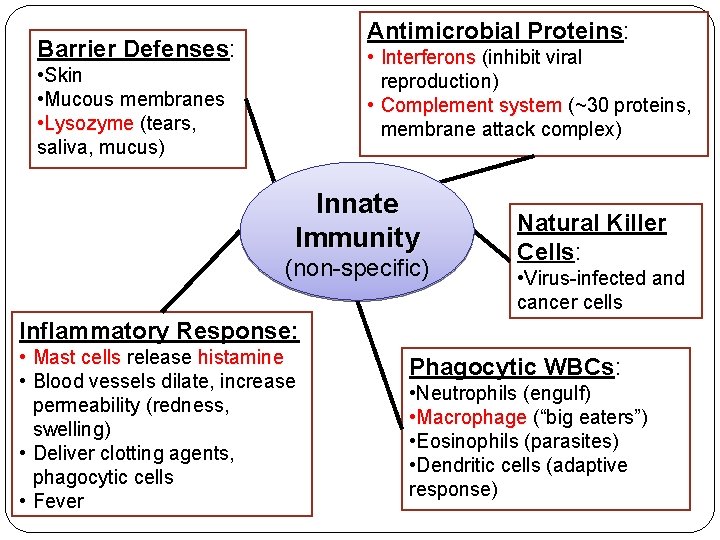
Antimicrobial Proteins: Barrier Defenses: • Interferons (inhibit viral reproduction) • Complement system (~30 proteins, membrane attack complex) • Skin • Mucous membranes • Lysozyme (tears, saliva, mucus) Innate Immunity (non-specific) Natural Killer Cells: • Virus-infected and cancer cells Inflammatory Response: • Mast cells release histamine • Blood vessels dilate, increase permeability (redness, swelling) • Deliver clotting agents, phagocytic cells • Fever Phagocytic WBCs: • Neutrophils (engulf) • Macrophage (“big eaters”) • Eosinophils (parasites) • Dendritic cells (adaptive response)
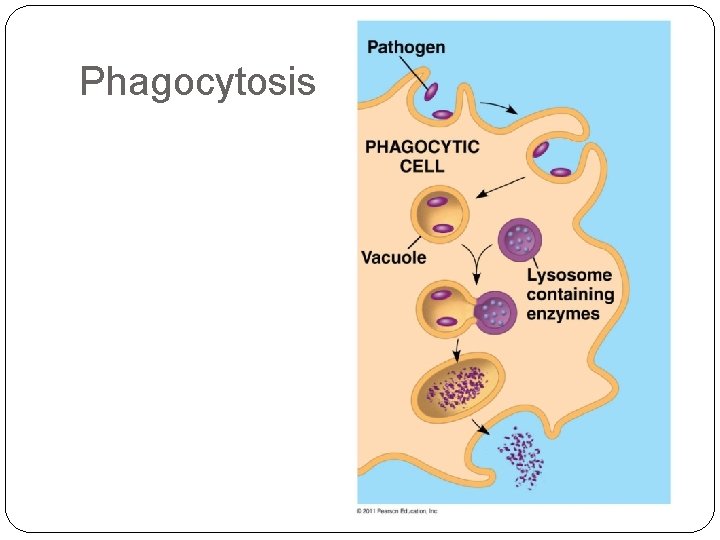
Phagocytosis
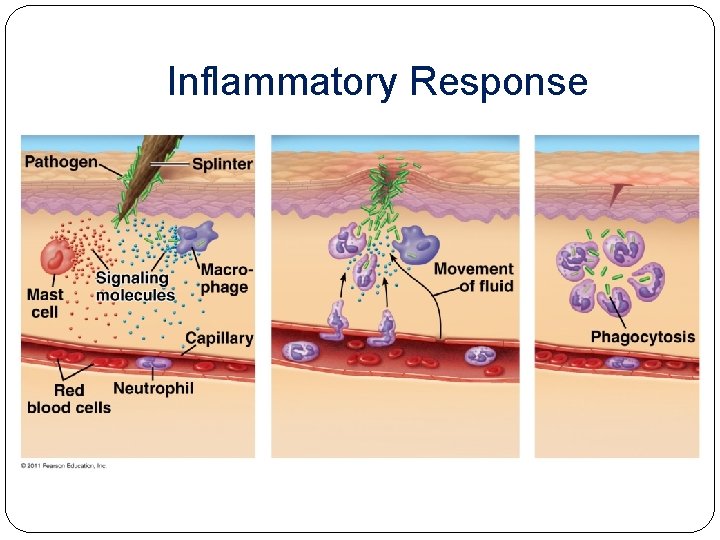
Inflammatory Response
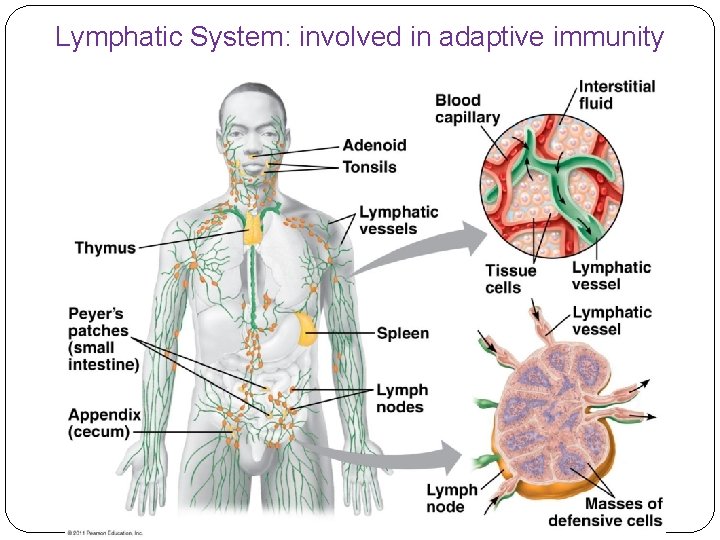
Lymphatic System: involved in adaptive immunity
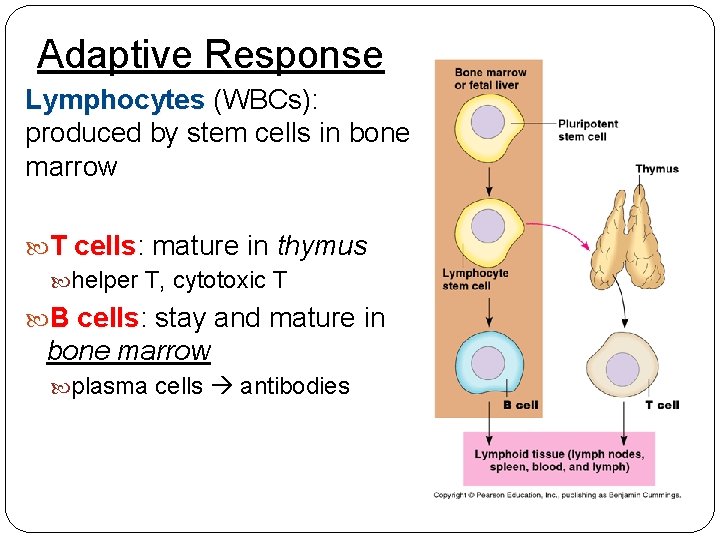
Adaptive Response Lymphocytes (WBCs): produced by stem cells in bone marrow T cells: cells mature in thymus helper T, cytotoxic T B cells: cells stay and mature in bone marrow plasma cells antibodies
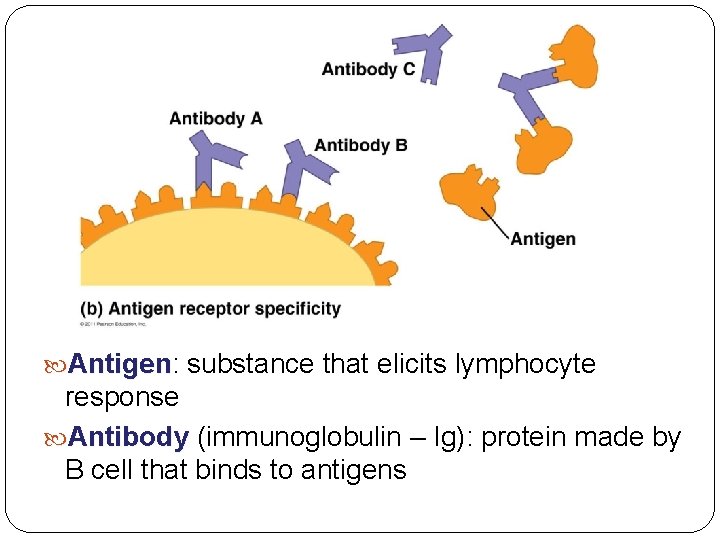
Antigen: Antigen substance that elicits lymphocyte response Antibody (immunoglobulin – Ig): protein made by B cell that binds to antigens
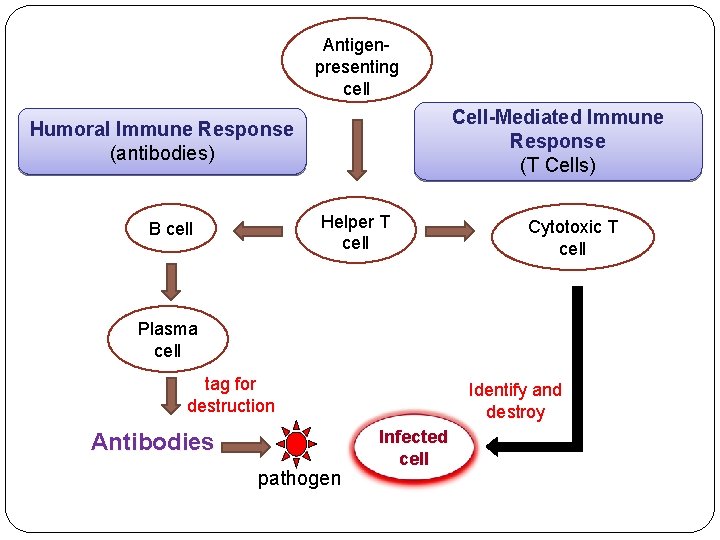
Antigenpresenting cell Cell-Mediated Immune Response (T Cells) Humoral Immune Response (antibodies) Helper T cell B cell Cytotoxic T cell Plasma cell tag for destruction Antibodies pathogen Identify and destroy Infected cell
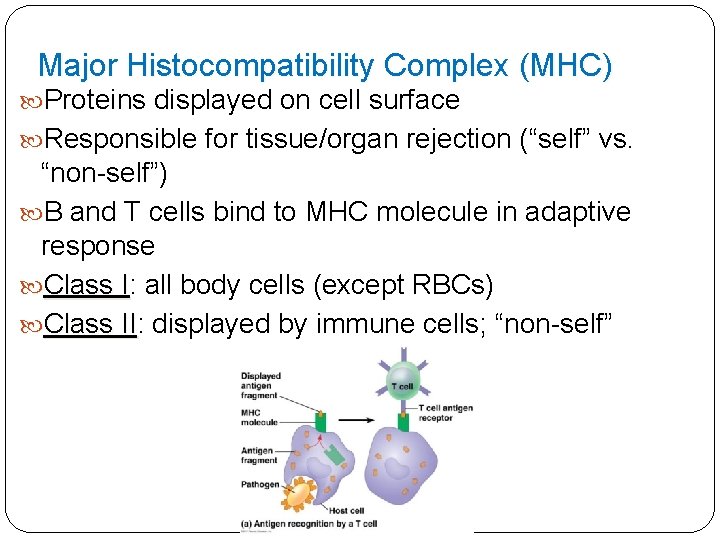
Major Histocompatibility Complex (MHC) Proteins displayed on cell surface Responsible for tissue/organ rejection (“self” vs. “non-self”) B and T cells bind to MHC molecule in adaptive response Class I: I all body cells (except RBCs) Class II: II displayed by immune cells; “non-self”
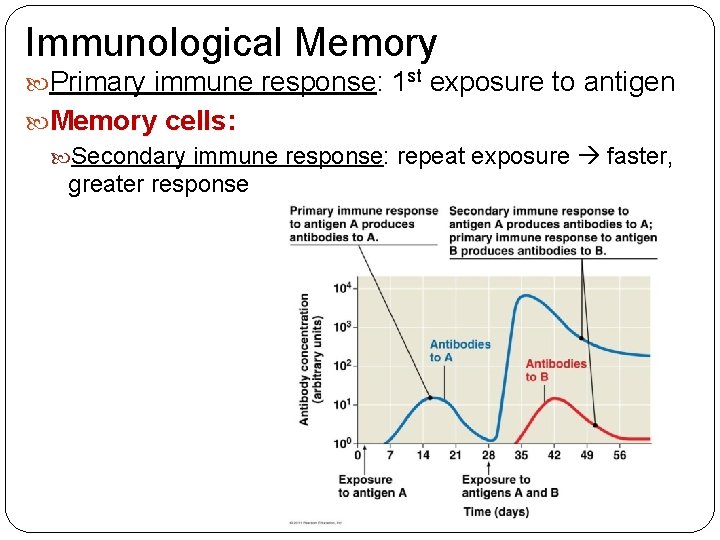
Immunological Memory Primary immune response: 1 st exposure to antigen Memory cells: Secondary immune response: repeat exposure faster, greater response
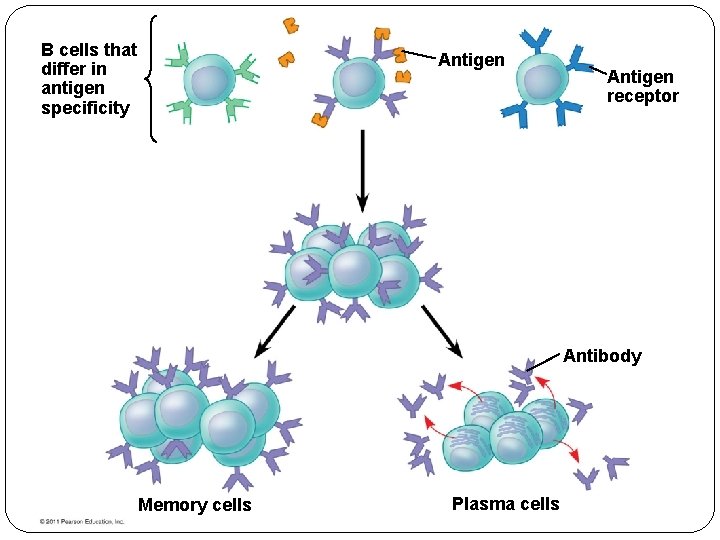
B cells that differ in antigen specificity Antigen receptor Antibody Memory cells Plasma cells
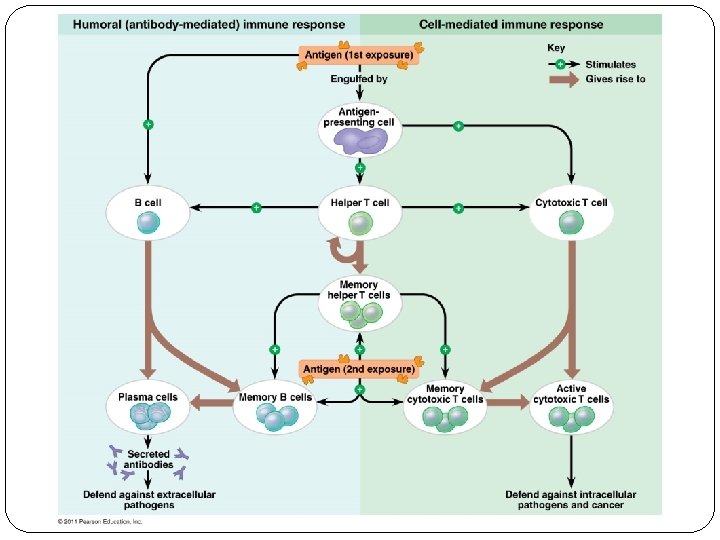
Immunizations/vaccines: Immunizations/vaccines induce immune memory to nonpathogenic microbe or toxin Passive immunity: immunity via antibodies in breast milk Allergies: Allergies hypersensitive responses to harmless antigens Autoimmune Diseases: Diseases Lupus, rheumatoid arthritis, Type I diabetes, multiple sclerosis HIV: HIV infect Helper T cells AIDS = severely weakened immune system
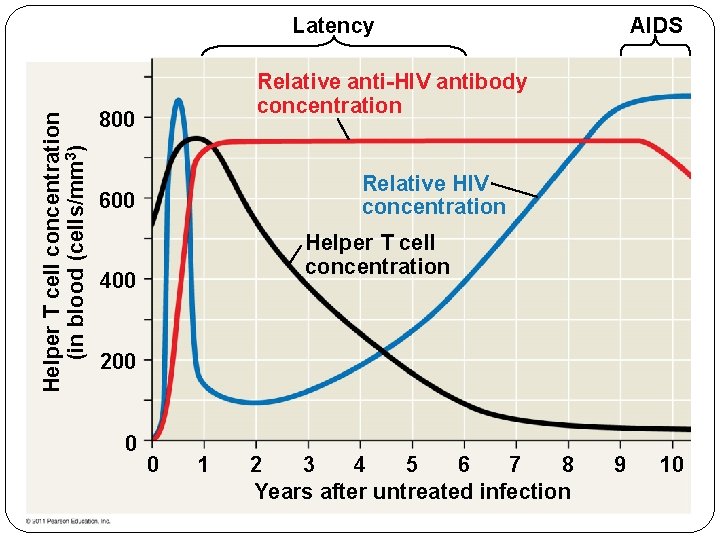
Helper T cell concentration (in blood (cells/mm 3) Latency AIDS Relative anti-HIV antibody concentration 800 Relative HIV concentration 600 Helper T cell concentration 400 200 0 0 1 3 7 8 2 4 5 6 Years after untreated infection 9 10
Cancer and Immunity The frequency of certain cancers increases when adaptive immunity is impaired 20% of all human cancers involve viruses The immune system can act as a defense against viruses that cause cancer and cancer cells that harbor viruses In 2006, a vaccine was released that acts against human papillomavirus (HPV), a virus associated with cervical cancer
- Slides: 78