
Anatomy Physiology Anatomy structure morphology of body parts
Anatomy & Physiology Anatomy – structure (morphology) of body parts Physiology – functions of the body parts Why is it difficult to separate the 2 topics?

Characteristics of Life Grow – Respond – Move – Reproduce – Respirate -
Characteristics of Life Movement – change in______; motion Responsiveness – ______to an internal or external change Growth – increase in size Reproduction – production of new organisms and new cells Respiration – obtaining _____; removing carbon dioxide; releasing energy from foods
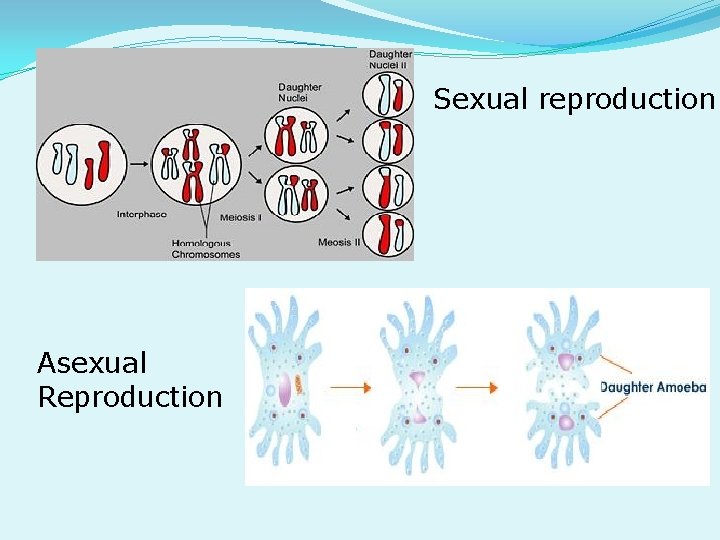
Sexual reproduction Asexual Reproduction
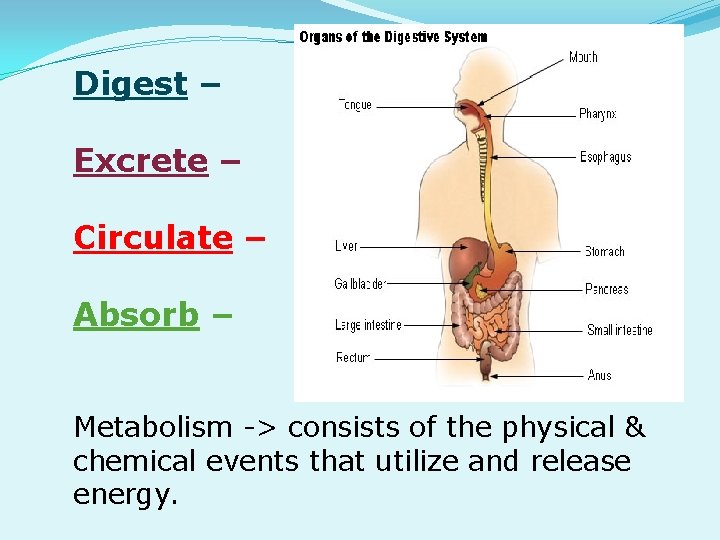
Digest – Excrete – Circulate – Absorb – Metabolism -> consists of the physical & chemical events that utilize and release energy.
Characteristics of Life Digestion – breakdown of food substances Absorption – passage of ______ through membranes and into body fluids Circulation – movement of substances in body fluids Assimilation – changing of _______ chemically into different substances Excretion – removal of wastes 1 -7 chap 1 student
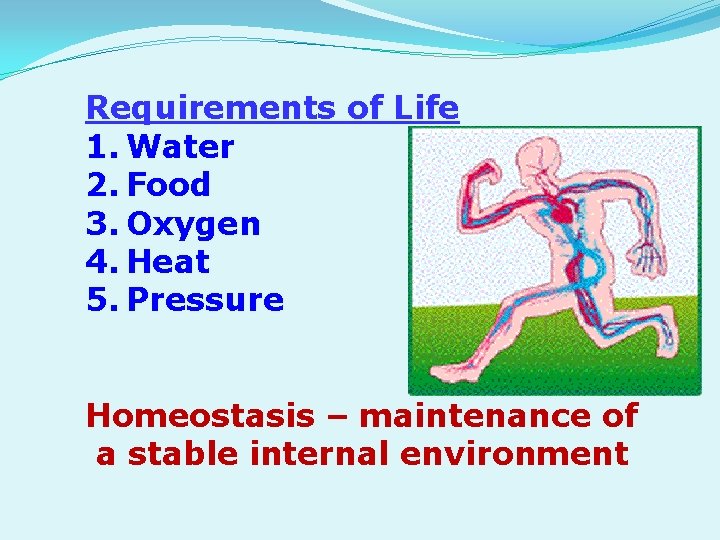
Requirements of Life 1. Water 2. Food 3. Oxygen 4. Heat 5. Pressure Homeostasis – maintenance of a stable internal environment
Homeostasis Body’s maintenance of a stable __________ Homeostatic Mechanisms – monitor aspects of the internal environment and corrects any changes • Receptors - __________ • Control center - tells what a particular value should be • Effectors - ____________ change internal environment 1 -10
Homeostasis Body’s maintenance of a stable __________ Homeostatic Mechanisms – monitor aspects of the internal environment and corrects any changes • Receptors - __________ • Control center - tells what a particular value should be • Effectors - ____________ change internal environment 1 -10 chap 1 student
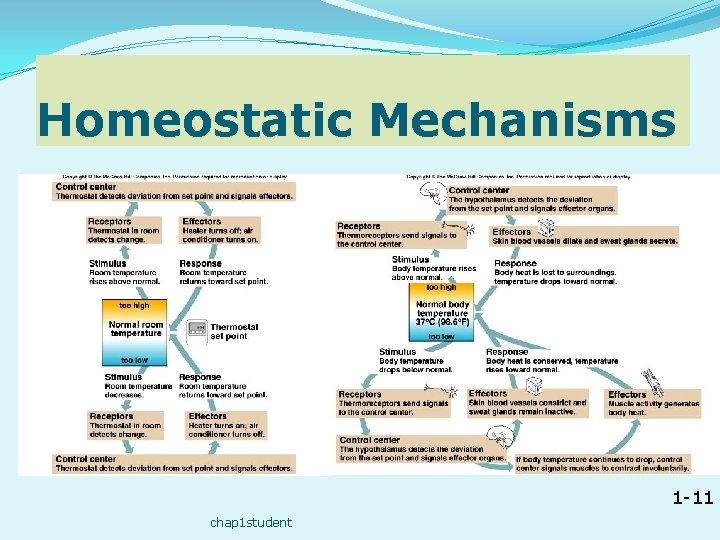
Homeostatic Mechanisms 1 -11 chap 1 student
Requirements of Organisms Water - _______ substance in body required for ________ processes required for transport regulates __________ Food - supply energy - supply raw materials 1 -8
Requirements of Organisms Oxygen - __________ - used to release energy from nutrients Heat - _________ - partly controls rate of metabolic reactions Pressure - __________ – important for breathing - hydrostatic pressure – keeps ______flowing chap 1 student 1 -9


Negative feedback – self-regulating control system that receives signals about changes in the internal environment, then causes a response to reverse the changes to the “set point” Positive feedback - ?

Part Two
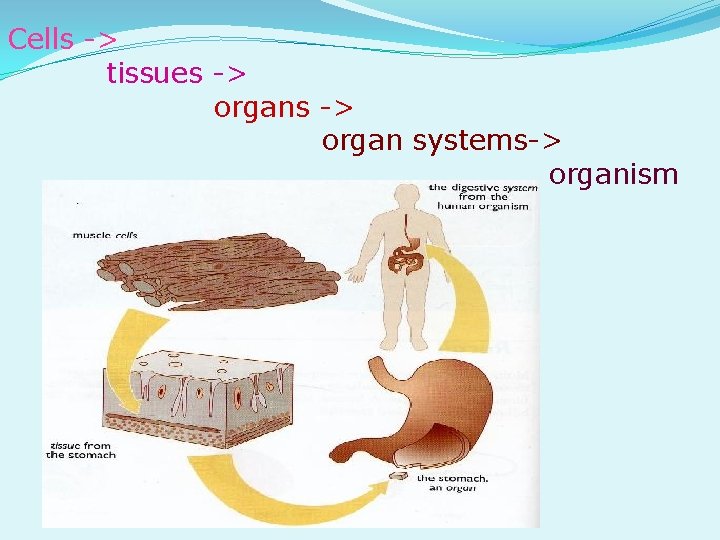
Cells -> tissues -> organ systems-> organism
Levels of Organization Atom – ____ atom, carbon atom Molecule – water molecule Macromolecule organic ; protein molecule Organelle – cellular; Golgi apparatus Cell – muscle cell, nerve cell Tissue – connective tissue, muscle tissue Organ – ______, brain, femur Organ System – skeletal system Organism - _____ 1 -4
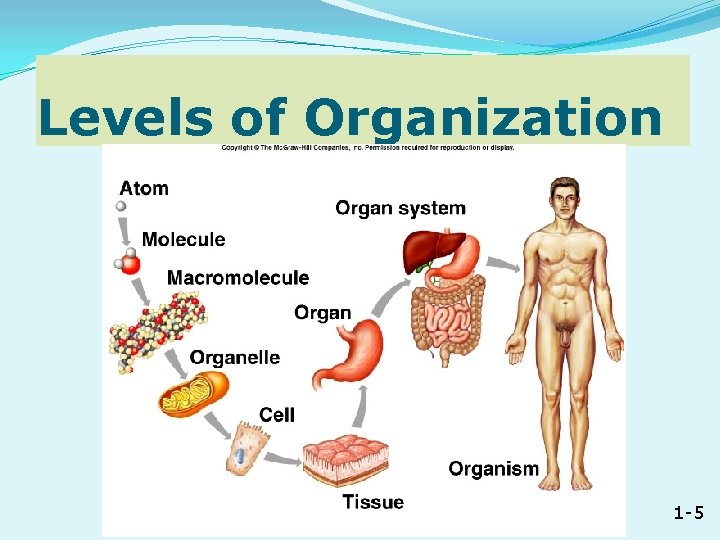
Levels of Organization chap 1 student 1 -5
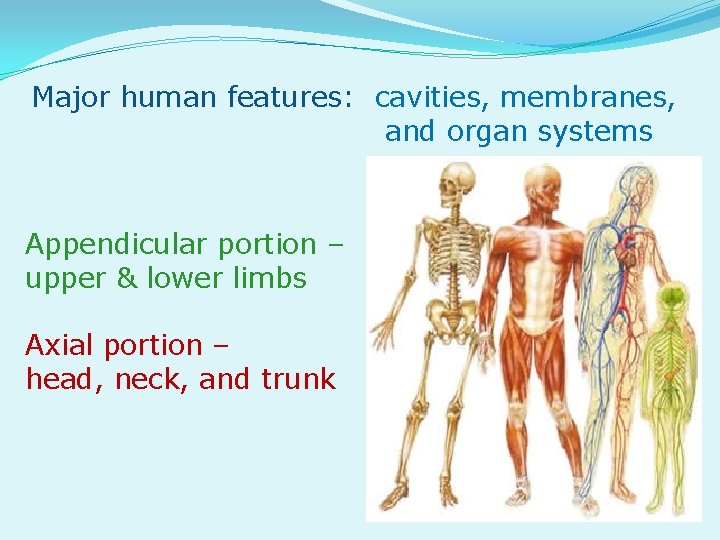
Major human features: cavities, membranes, and organ systems Appendicular portion – upper & lower limbs Axial portion – head, neck, and trunk
• dorsal cavity – cranial, vertebral canal • ventral cavity – thoracic, (diaphragm), abdominopelvic> stomach, liver, spleen, gall bladder, small & large intestines pelvic>terminal end of large intestine, urinary bladder, internal reproductive organs
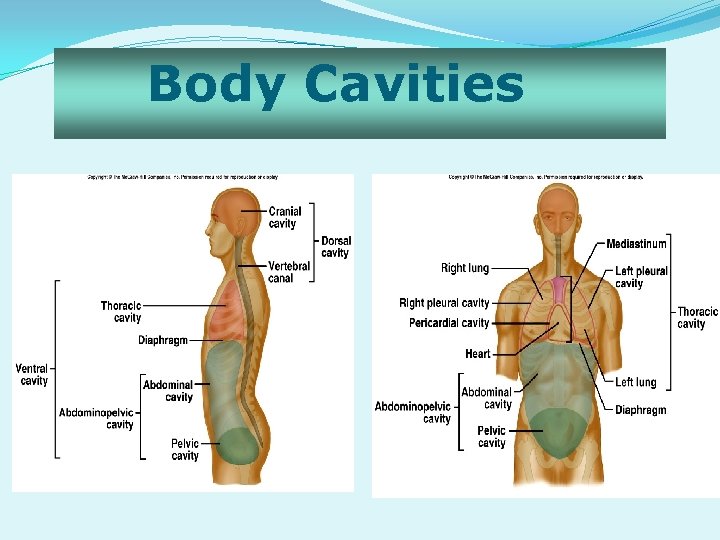
Body Cavities
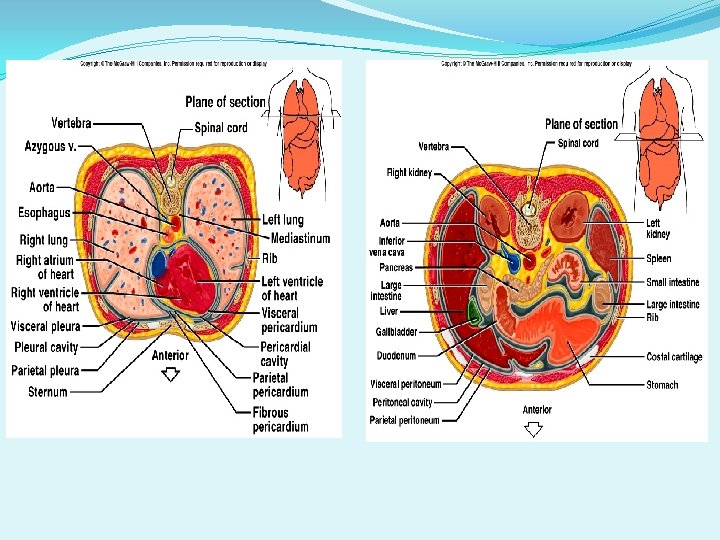
Cavities: cranial – brain thoracic – chest abdominal – stomach pelvic – hip spinal – vertebrae Membranes – serous – fluid (parietal/visceral) pleural – lung pericardial – heart peritoneal - abdomen
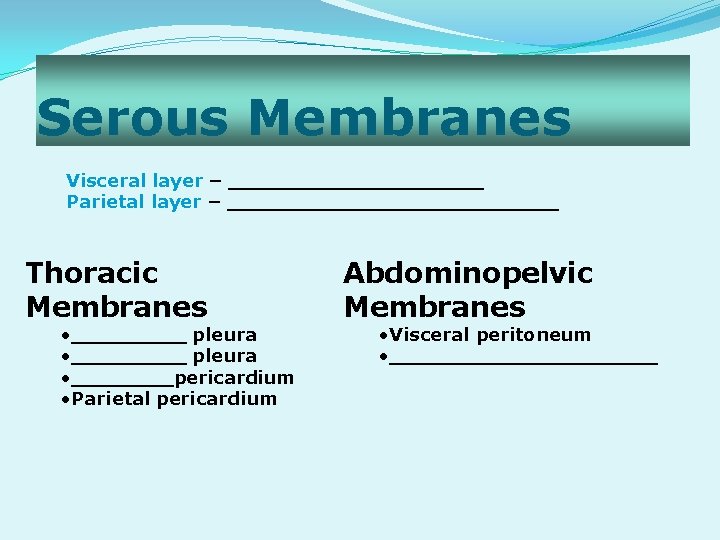
Serous Membranes Visceral layer – __________ Parietal layer – _____________ Thoracic Membranes • _________ pleura • ____pericardium • Parietal pericardium Abdominopelvic Membranes • Visceral peritoneum • ___________
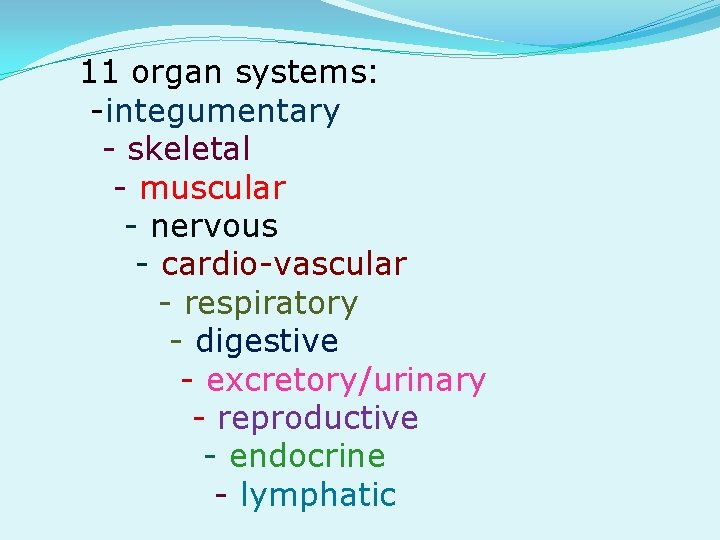
11 organ systems: -integumentary - skeletal - muscular - nervous - cardio-vascular - respiratory - digestive - excretory/urinary - reproductive - endocrine - lymphatic
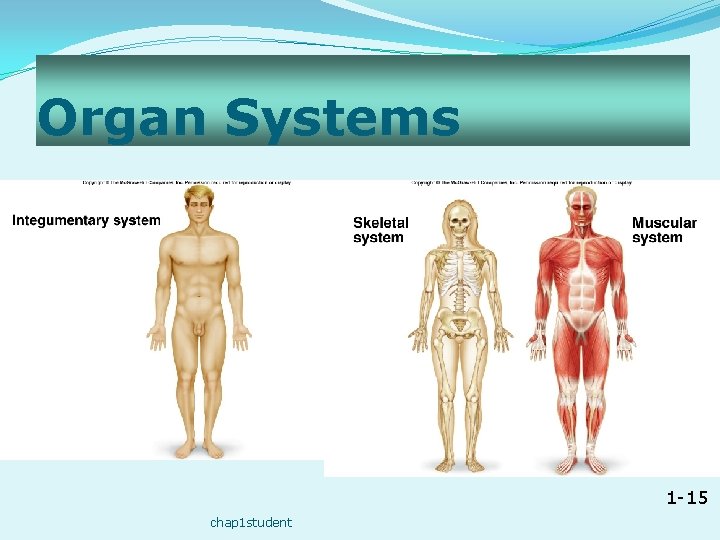
Organ Systems 1 -15 chap 1 student
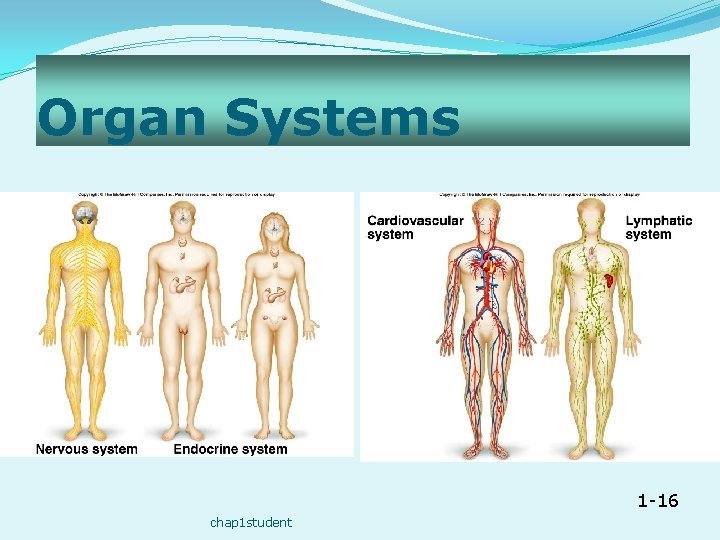
Organ Systems 1 -16 chap 1 student
Integumentary – skin: including hair, nails (protection, regulation and sensory) Skeletal – bones: ligaments, cartilage (support) Muscular – muscles (movement) Nervous - brain, spinal cord, nerves (communication and control) Cardio-vascular – heart, vessels (transport) Respiratory – nasal cavity, trachea, lungs (gas exchange)
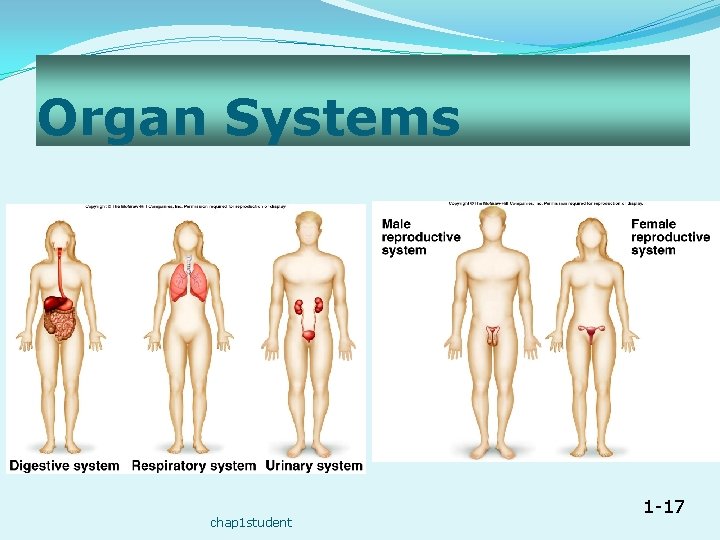
Organ Systems chap 1 student 1 -17
Digestive – mouth, stomach, intestines, liver… (absorption) Excretion / Urinary - lungs, kidneys, intestine, skin … (waste removal) - kidney, ureters, bladder (water balance and eliminate waste) Reproductive - testes, ovaries (offspring production) Endocrine - glands, hormones (messengers) Lymphatic - glands, lymph vessels (transport)
Anatomical Terminology Anatomical Position – body_______, facing _____, upper limbs at the sides, _____ forward Terms of Relative Position • Superior versus inferior • Anterior versus Posterior • Medial versus lateral • Ipsilateral versus Contralateral • Proximal versus Distal • Superficial versus Deep 1 -18 chap 1 student
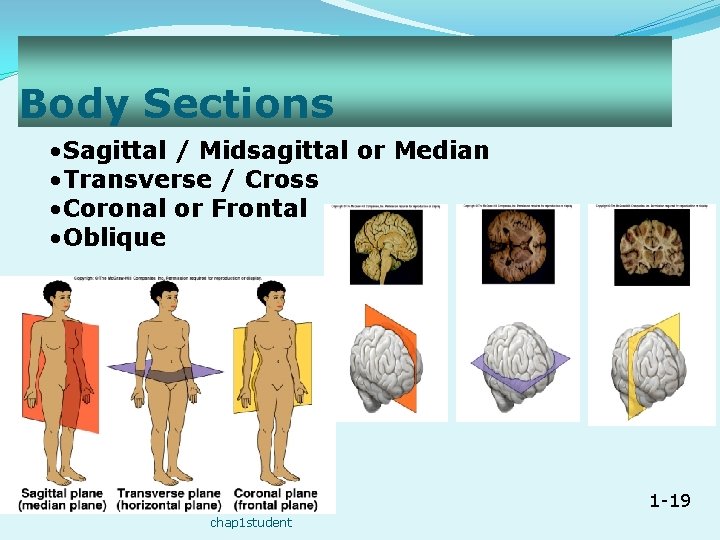
Body Sections • Sagittal / Midsagittal or Median • Transverse / Cross • Coronal or Frontal • Oblique 1 -19 chap 1 student
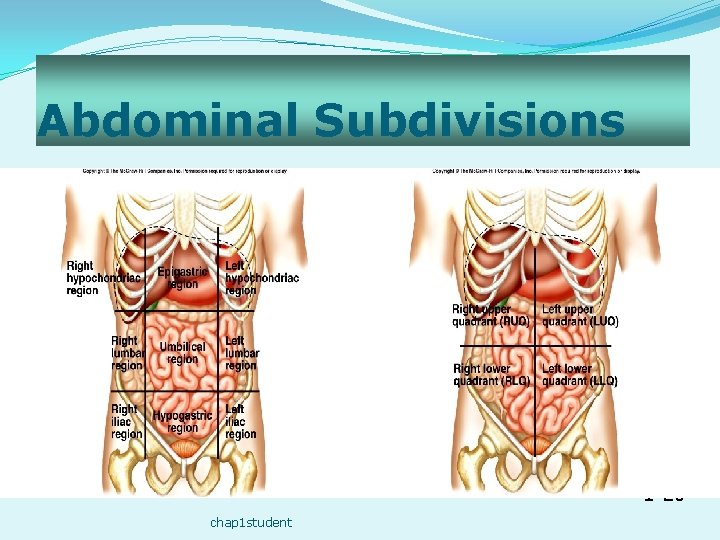
Abdominal Subdivisions 1 -20 chap 1 student

Stop here
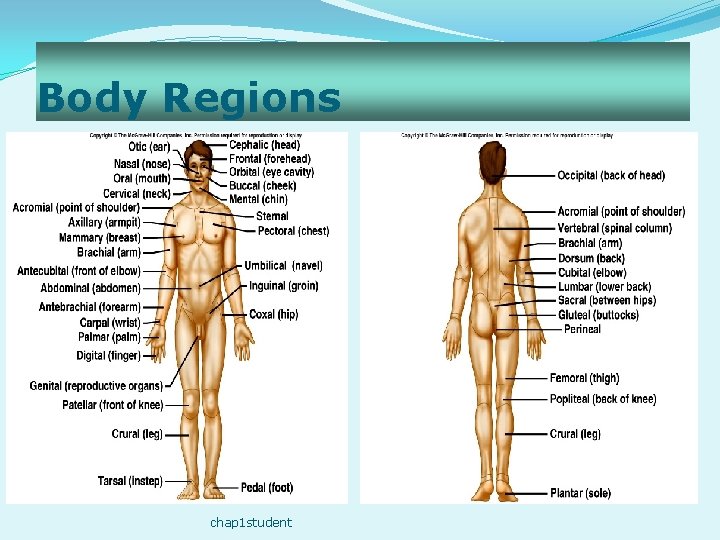
Body Regions 1 -21 chap 1 student
Clinical Application Medical Imaging • Noninvasive procedures • Provide images of __________ structures ________ • Use of highfrequency sound waves • Relatively _____ and inexpensive Magnetic Resonance Imaging • Requires _______ • Produces computerized ______, and _____ sections of area being studied 1 -22 chap 1 student
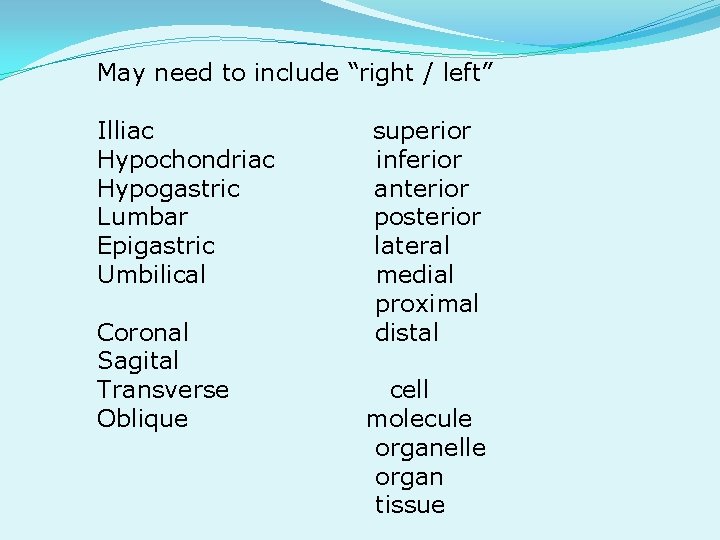
May need to include “right / left” Illiac Hypochondriac Hypogastric Lumbar Epigastric Umbilical Coronal Sagital Transverse Oblique superior inferior anterior posterior lateral medial proximal distal cell molecule organelle organ tissue
- Slides: 38