
Anatomy based on appearance Pubourethral Ligament PUL Bladder
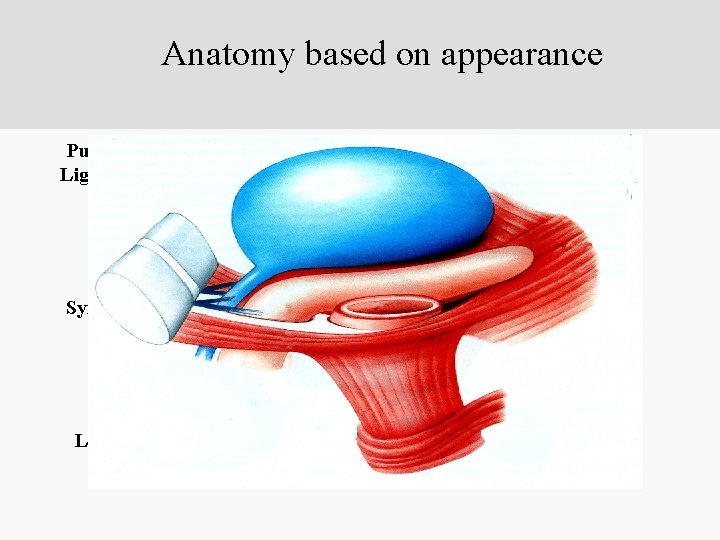
Anatomy based on appearance Pubo-urethral Ligament (PUL) Bladder Vagina Symphysis Rectum Pubococcygeous Longitudinal Muscle of the Anus Levator plate External anal sphincter
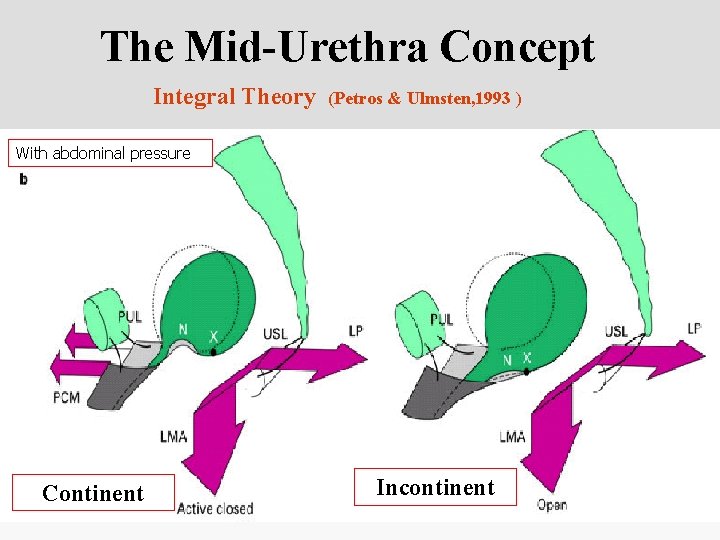
The Mid-Urethra Concept Integral Theory (Petros & Ulmsten, 1993 ) With abdominal pressure Continent Incontinent

The “Hammock” hypothesis PUL § Normal pubourethral ligaments form suburethral hammock of support § Downward force against this hammock causes urethral compression and prevents bladder neck descent § TOS restores anatomical pubourethral ligament support
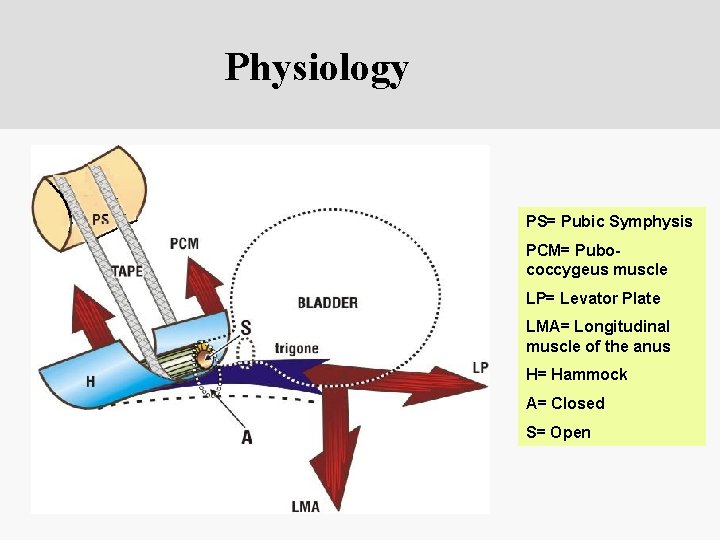
Physiology PS= Pubic Symphysis PCM= Pubococcygeus muscle LP= Levator Plate LMA= Longitudinal muscle of the anus H= Hammock A= Closed S= Open
Changing trend § IN THE PAST. . . AI: Bladder Neck Suspension - Burch, Stamy, MMK, Raz……. ISD: Sling
Changing trend § IN THE PAST. . . AI: Bladder Neck Suspension - Burch, Stamy, MMK, Raz……. ISD: Sling § NOW. . . All SLING esp. Mid-urethral Sling
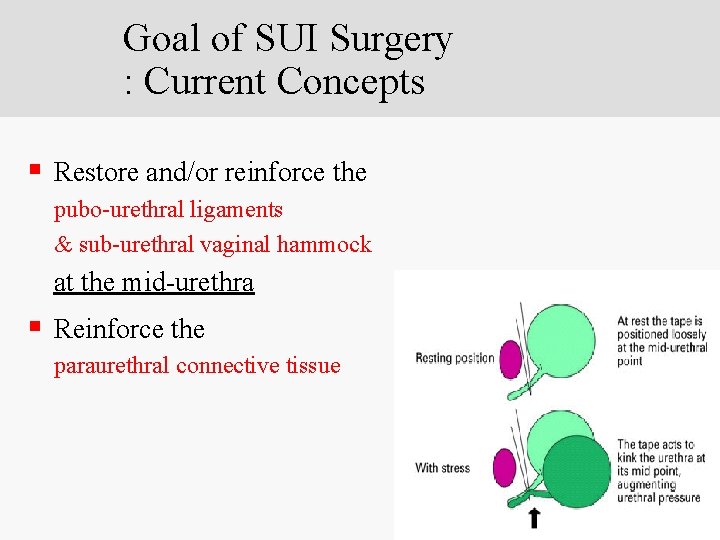
Goal of SUI Surgery : Current Concepts § Restore and/or reinforce the pubo-urethral ligaments & sub-urethral vaginal hammock at the mid-urethra § Reinforce the paraurethral connective tissue
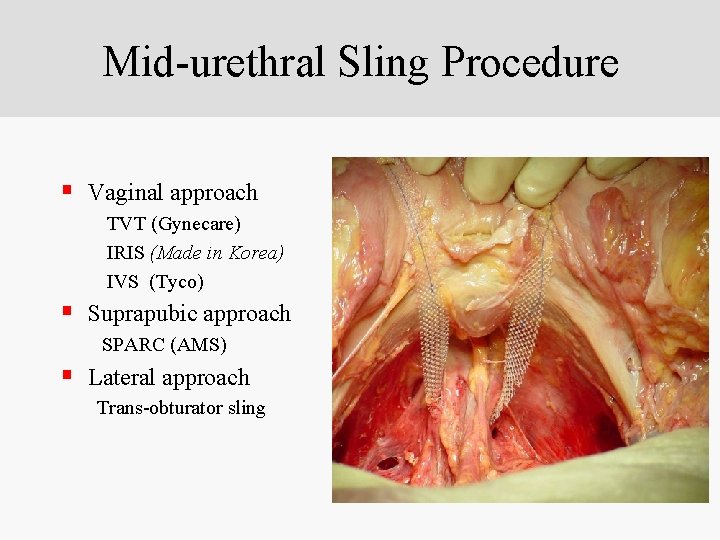
Mid-urethral Sling Procedure § Vaginal approach TVT (Gynecare) IRIS (Made in Korea) IVS (Tyco) § Suprapubic approach SPARC (AMS) § Lateral approach Trans-obturator sling
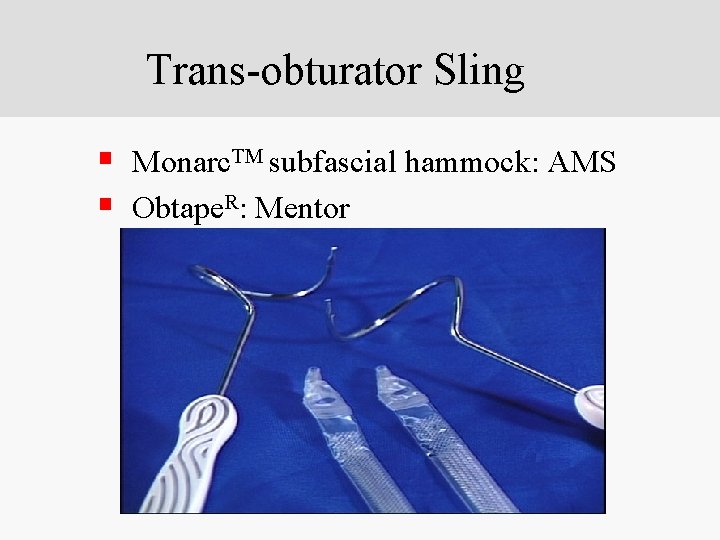
Trans-obturator Sling § Monarc. TM subfascial hammock: AMS § Obtape. R: Mentor
Rationale for a Transobturator Approach § Avoiding the retropubic space reduces the risk of perforation to the bladder, bowel and major pelvic vessels § Hammock-shape mesh with lateral fixation mimics normal pubourethral support
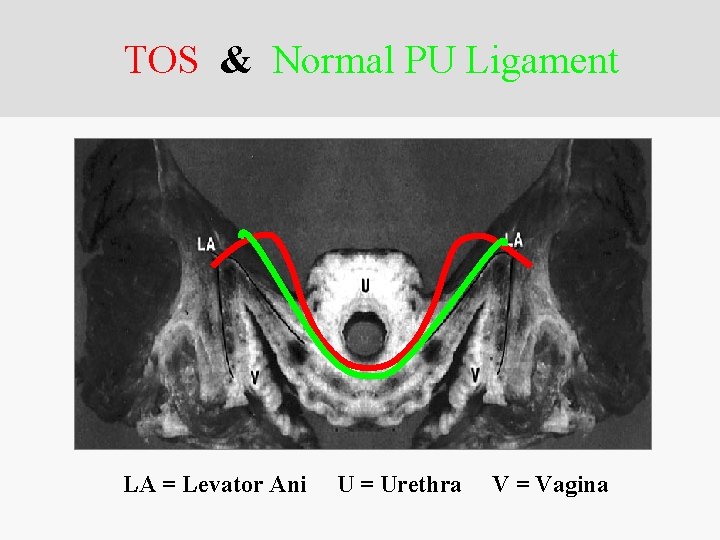
TOS & Normal PU Ligament LA = Levator Ani U = Urethra V = Vagina
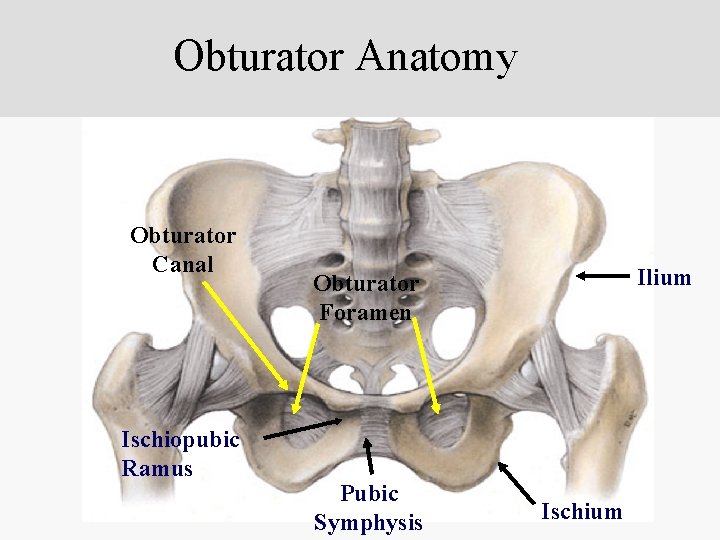
Obturator Anatomy Obturator Canal Ischiopubic Ramus Ilium Obturator Foramen Pubic Symphysis Ischium

Obturator Anatomy Adductor longus insertion Urethra Obturator canal SAFE ENTRY ZONE FOR NEEDLE INSERTION
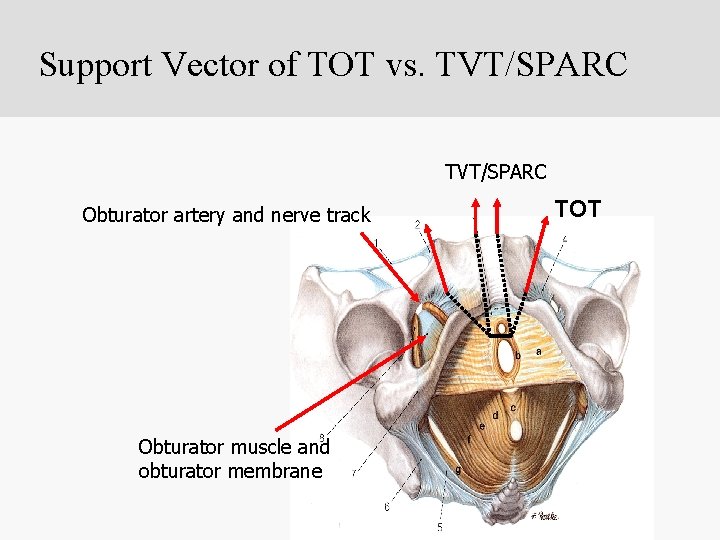
Support Vector of TOT vs. TVT/SPARC Obturator artery and nerve track Obturator muscle and obturator membrane TOT
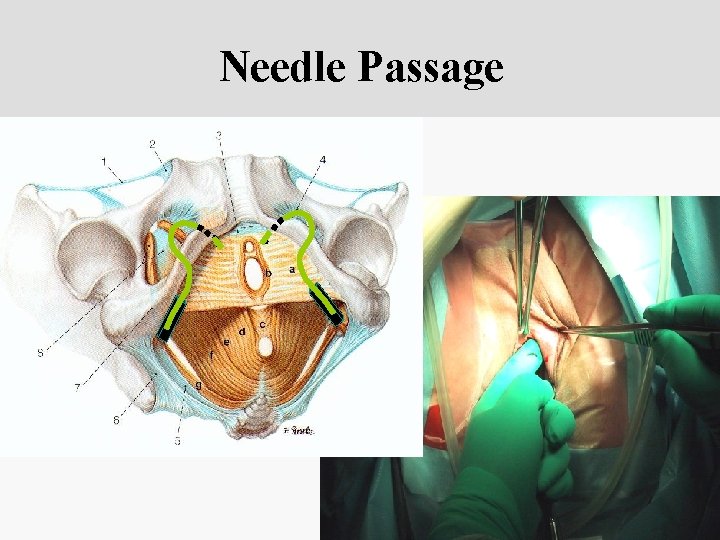
Needle Passage
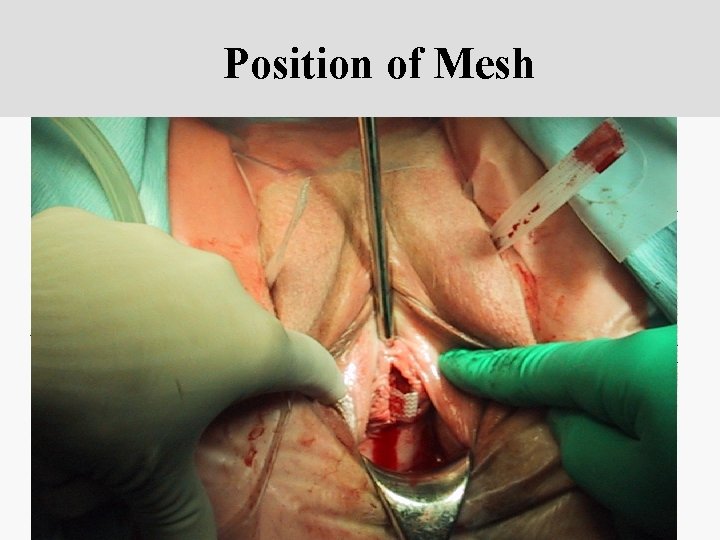
Position of Mesh clitoris urethral meatus
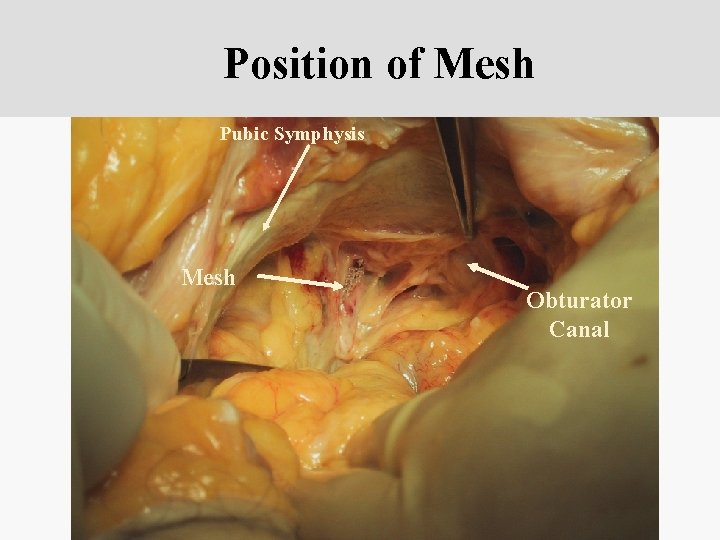
Position of Mesh Pubic Symphysis Mesh Obturator Canal
Summary § Mimics normal pubourethral support § Course of needle path is 3 cm to 4 cm from obturator canal and neurovascular bundle § Short “blind” needle passage § Avoidance of retropubic needle passage reduces reliance on cystoscopy in most cases

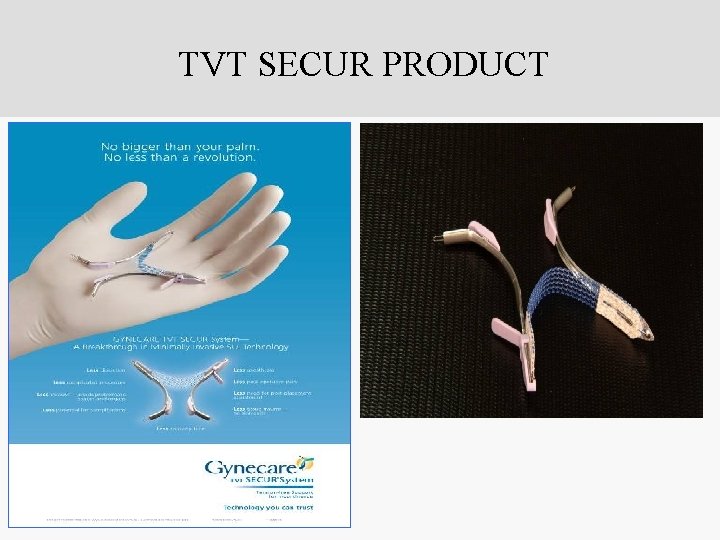
TVT SECUR PRODUCT
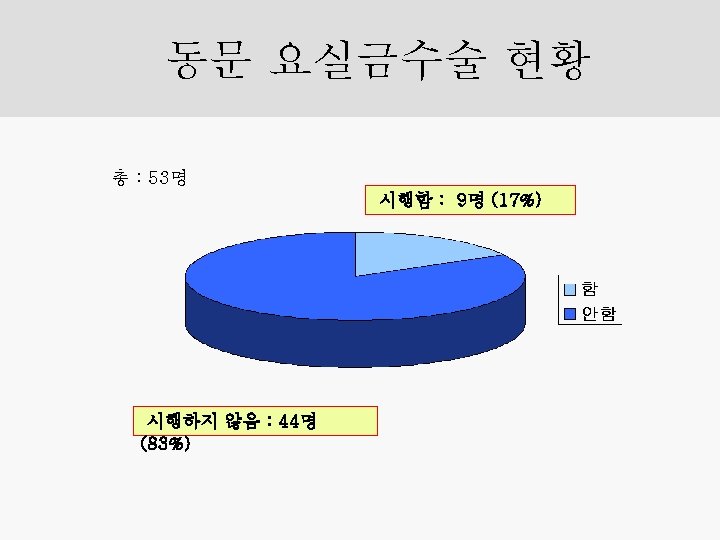
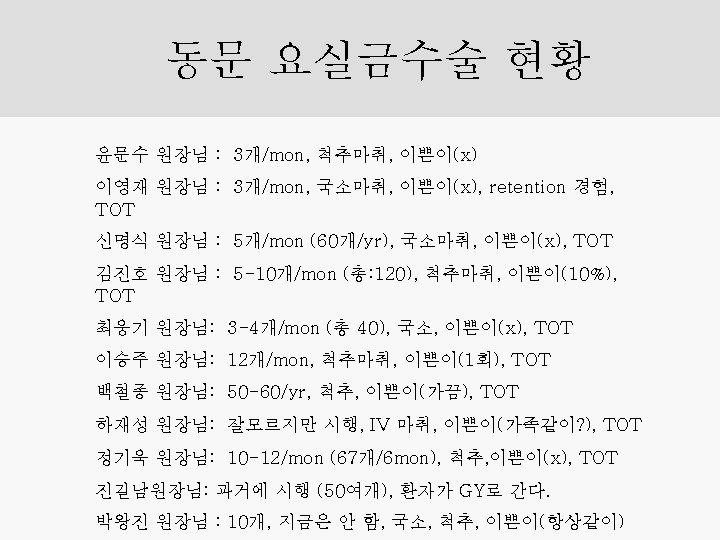
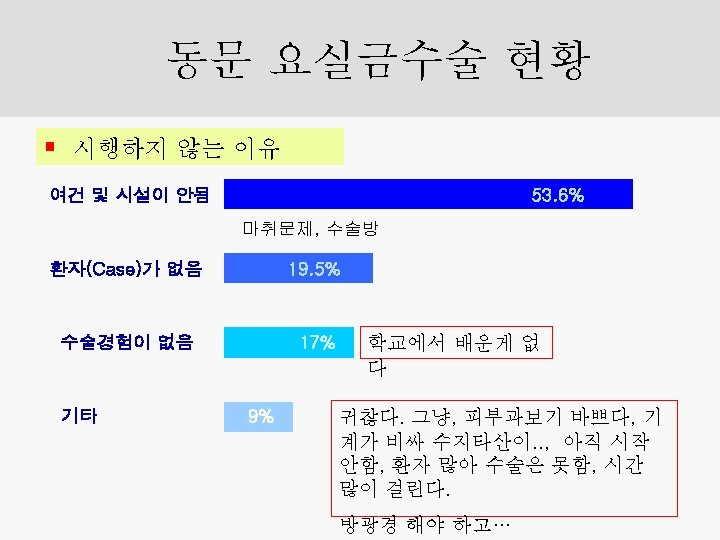
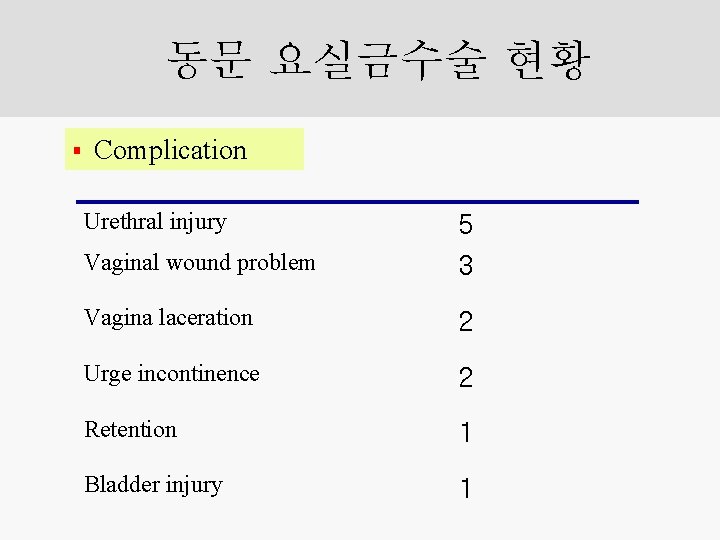
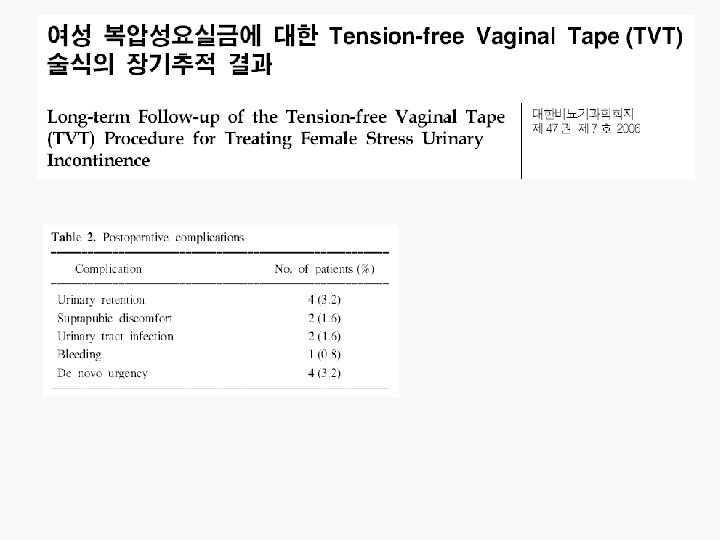
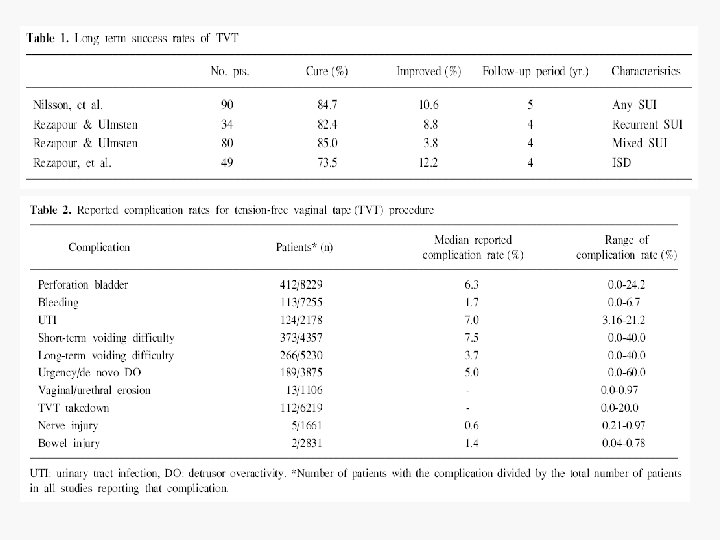
동문 요실금수술 현황 § Complication Urethral injury Vaginal wound problem 5 3 Vagina laceration 2 Urge incontinence 2 Retention 1 Bladder injury 1

Thank you for your attention !!!
- Slides: 33