
Anatomy and Physiology of Balance Vestibular Hair Cells
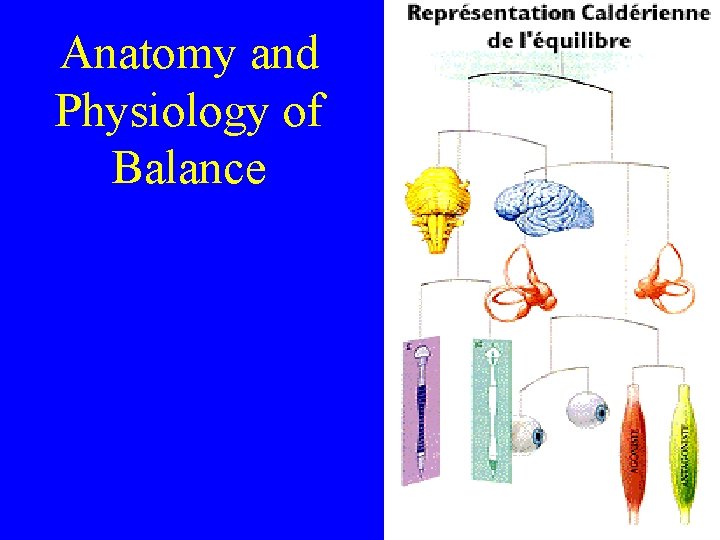
Anatomy and Physiology of Balance
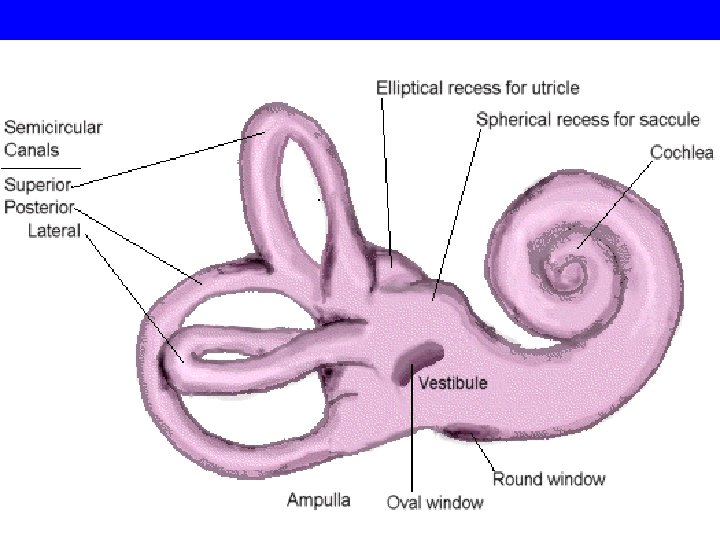
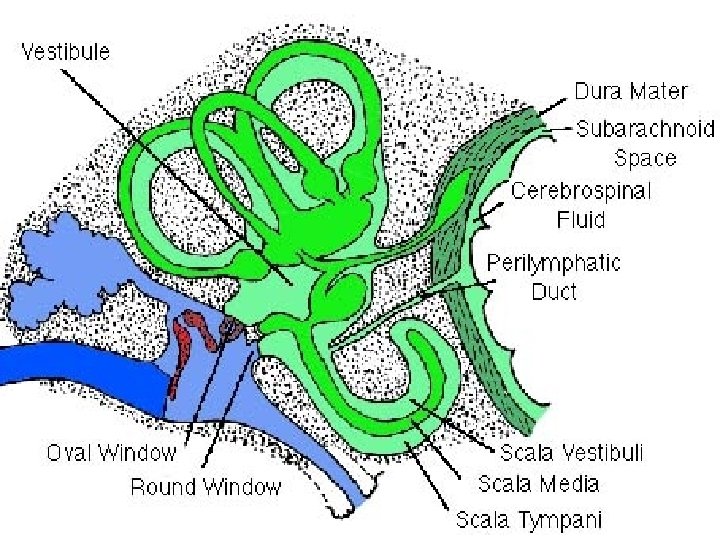
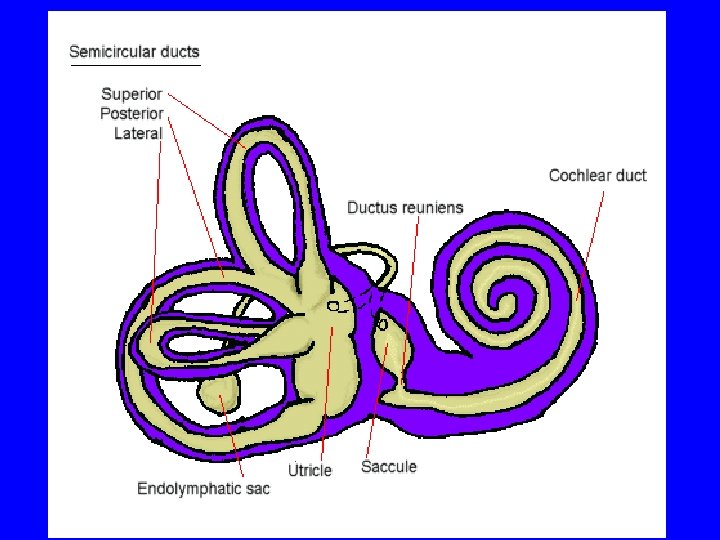
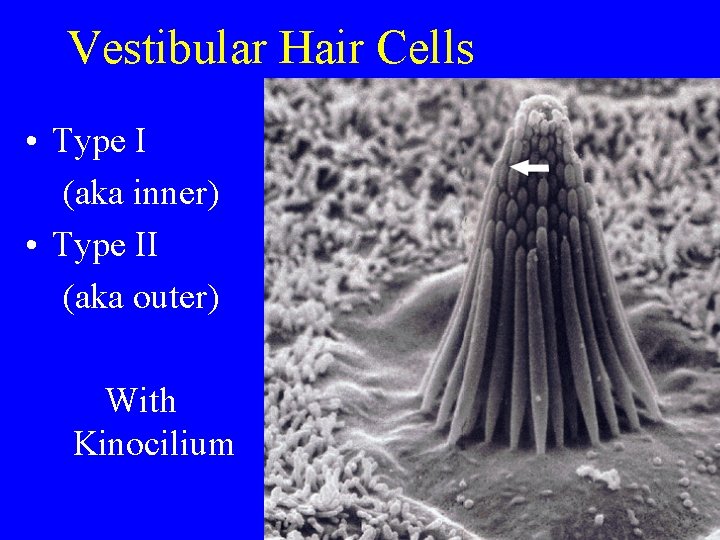
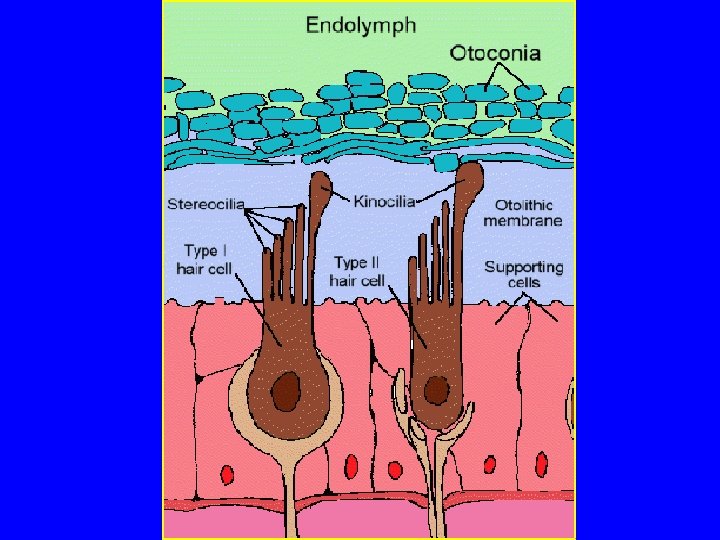
Vestibular Hair Cells • Type I (aka inner) • Type II (aka outer) With Kinocilium
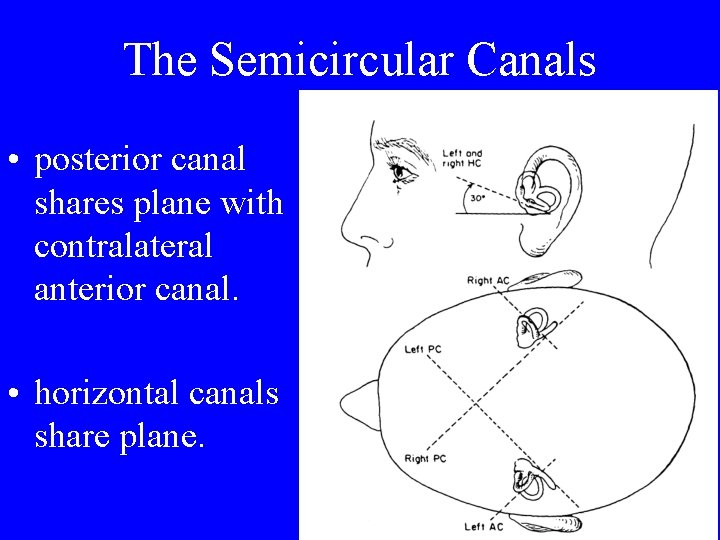
The Semicircular Canals • posterior canal shares plane with contralateral anterior canal. • horizontal canals share plane.
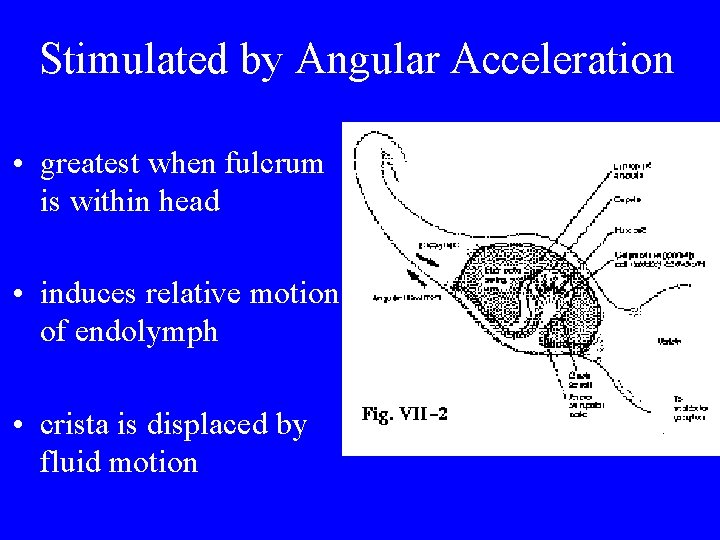
Stimulated by Angular Acceleration • greatest when fulcrum is within head • induces relative motion of endolymph • crista is displaced by fluid motion
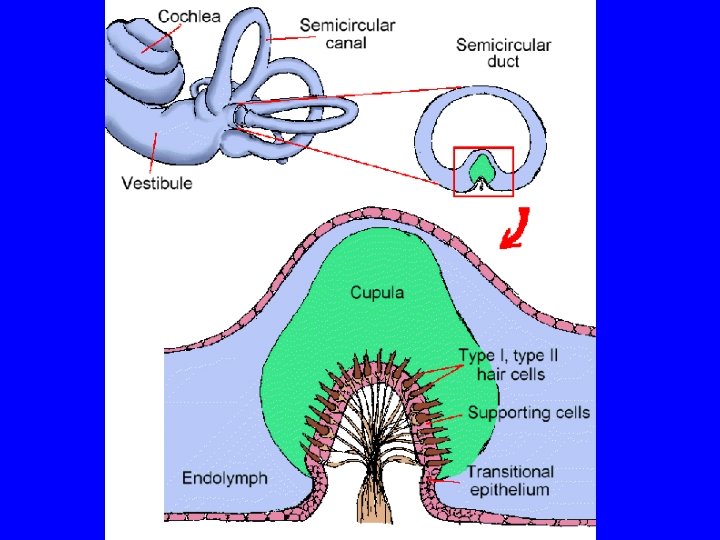
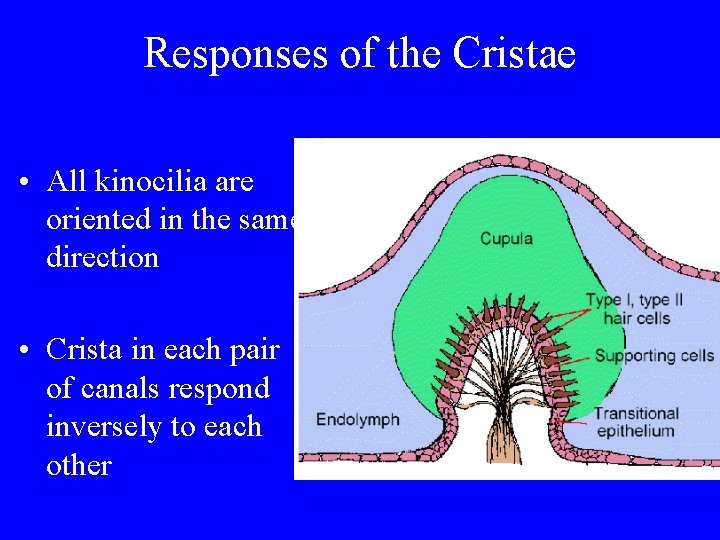
Responses of the Cristae • All kinocilia are oriented in the same direction • Crista in each pair of canals respond inversely to each other
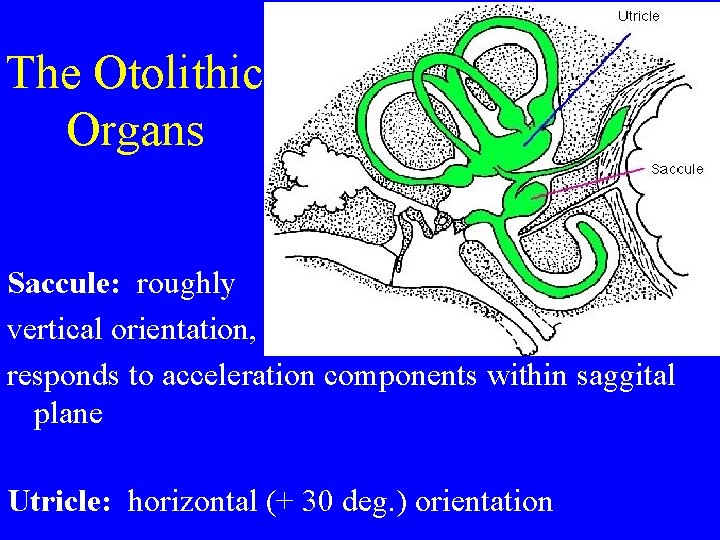
The Otolithic Organs Saccule: roughly vertical orientation, responds to acceleration components within saggital plane Utricle: horizontal (+ 30 deg. ) orientation
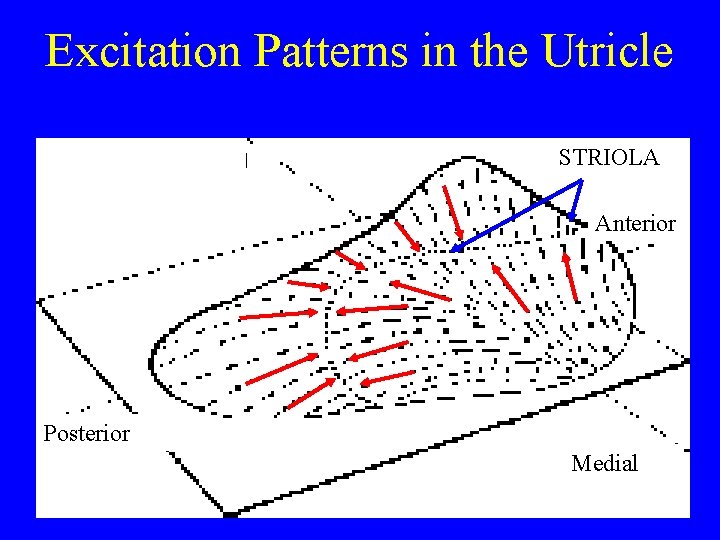
Excitation Patterns in the Utricle STRIOLA Anterior Posterior Medial
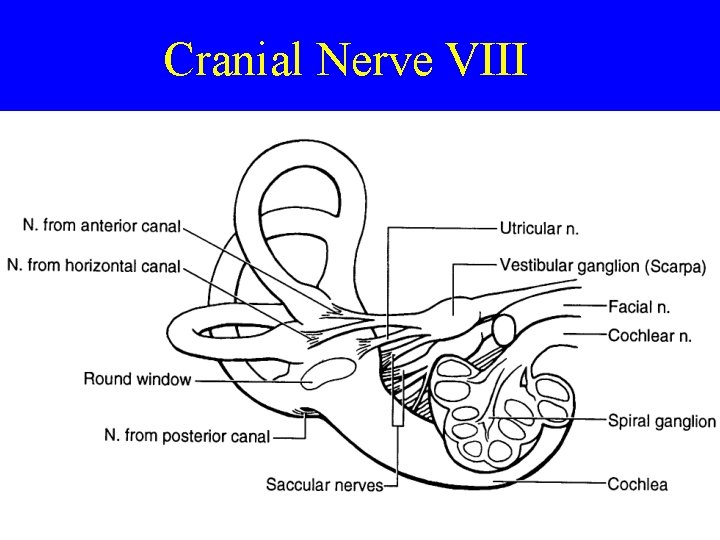
Cranial Nerve VIII
Vestibular Portion of C. N. VIII Ø superior division: utricle, anterior part of saccule, and horiz & anterior canals Ø inferior division: posterior part of saccule, and posterior canal • to vestibular nuclei • to cerebellum
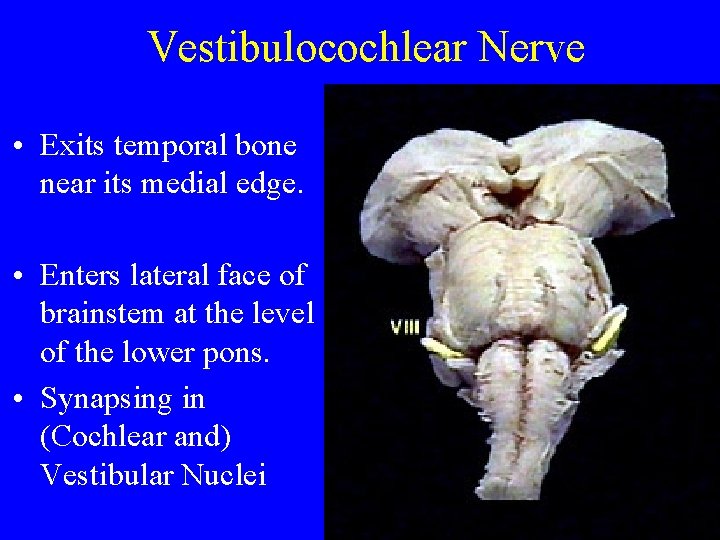
Vestibulocochlear Nerve • Exits temporal bone near its medial edge. • Enters lateral face of brainstem at the level of the lower pons. • Synapsing in (Cochlear and) Vestibular Nuclei
Responses of Vestibular Neurons: • To changes in acceleration, but onset and fade slowly • For most normal head movements firing rates are in phase with head VELOCITY.
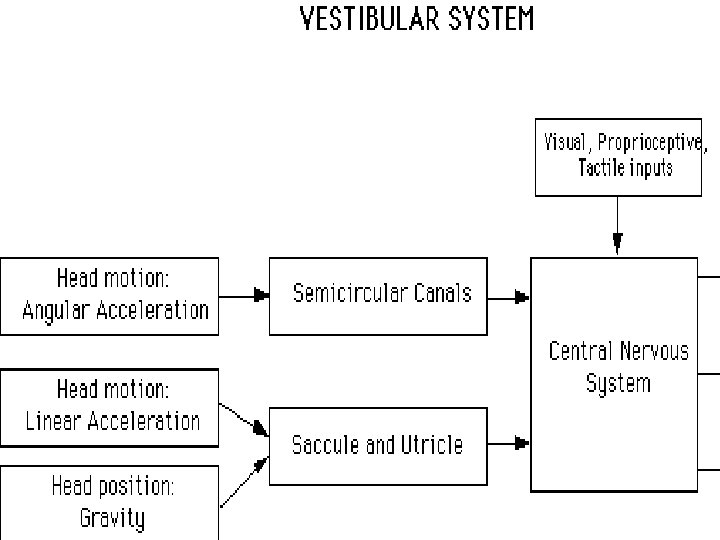
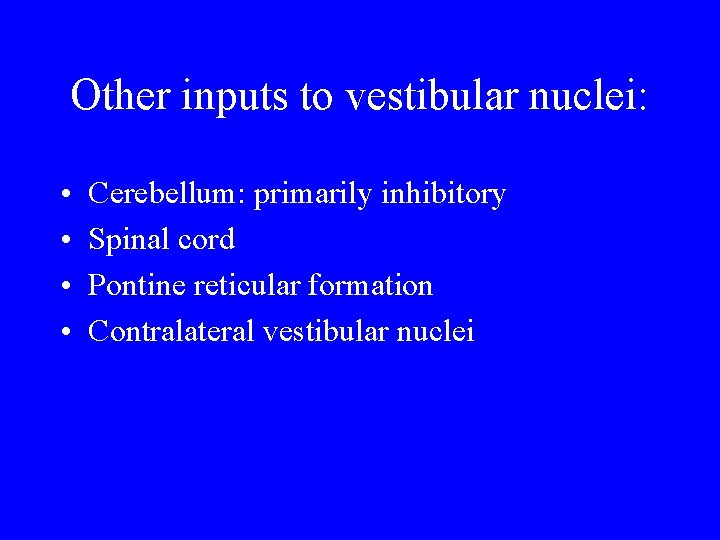
Other inputs to vestibular nuclei: • • Cerebellum: primarily inhibitory Spinal cord Pontine reticular formation Contralateral vestibular nuclei
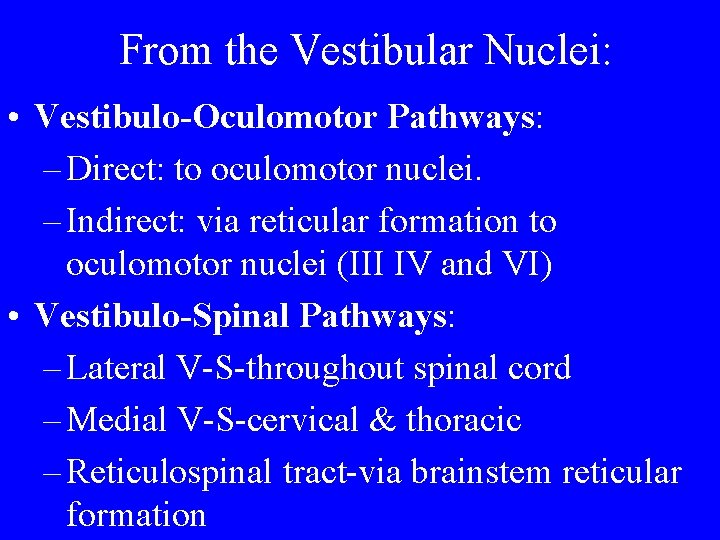
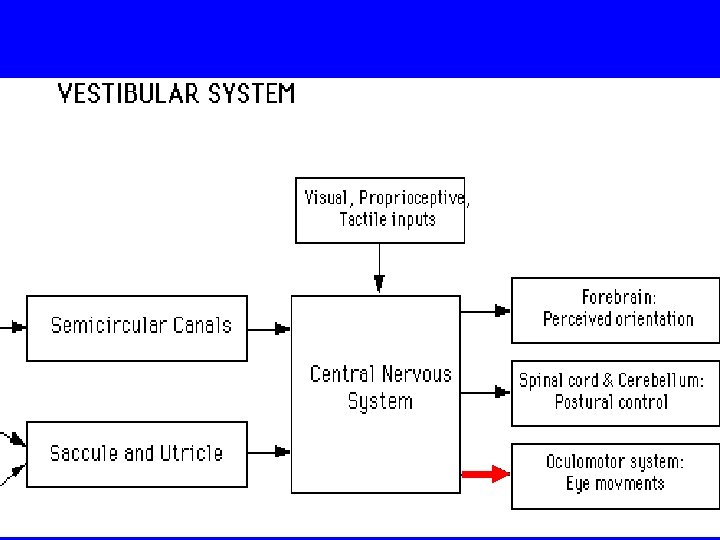
From the Vestibular Nuclei: • Vestibulo-Oculomotor Pathways: – Direct: to oculomotor nuclei. – Indirect: via reticular formation to oculomotor nuclei (III IV and VI) • Vestibulo-Spinal Pathways: – Lateral V-S-throughout spinal cord – Medial V-S-cervical & thoracic – Reticulospinal tract-via brainstem reticular formation
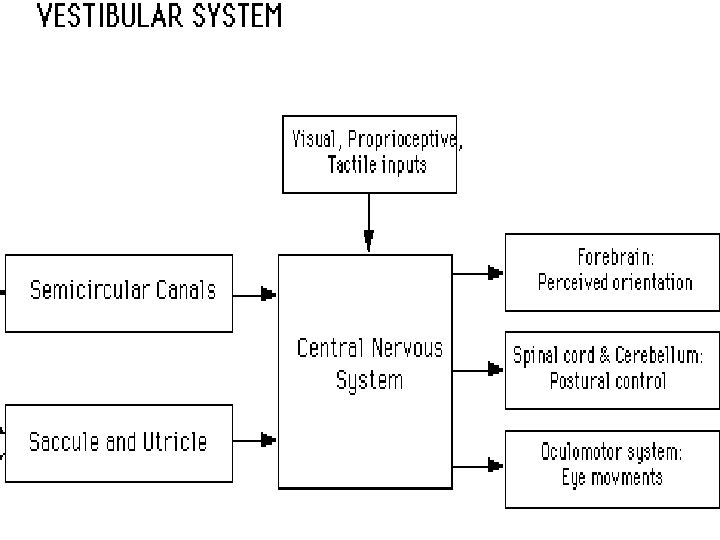

In the brainstem • Vestibular inputs undergo integration • Integrated signal is combined with original (velocity driven) signal • Processing to reset spatial map for eye musculature
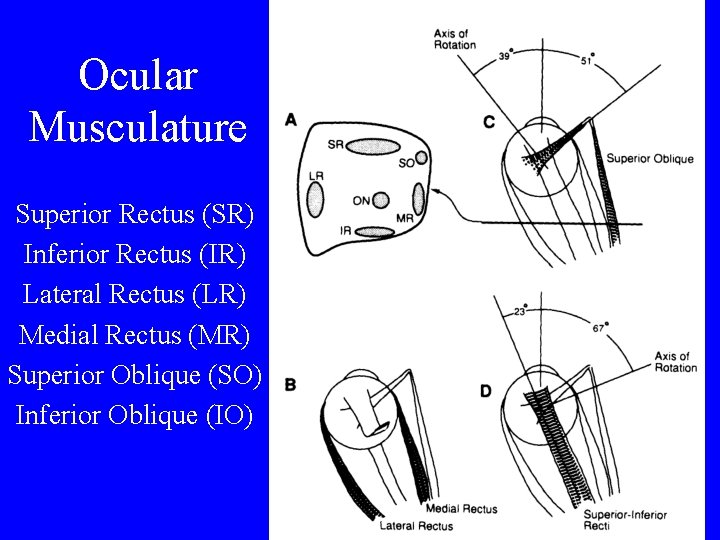
Ocular Musculature Superior Rectus (SR) Inferior Rectus (IR) Lateral Rectus (LR) Medial Rectus (MR) Superior Oblique (SO) Inferior Oblique (IO)
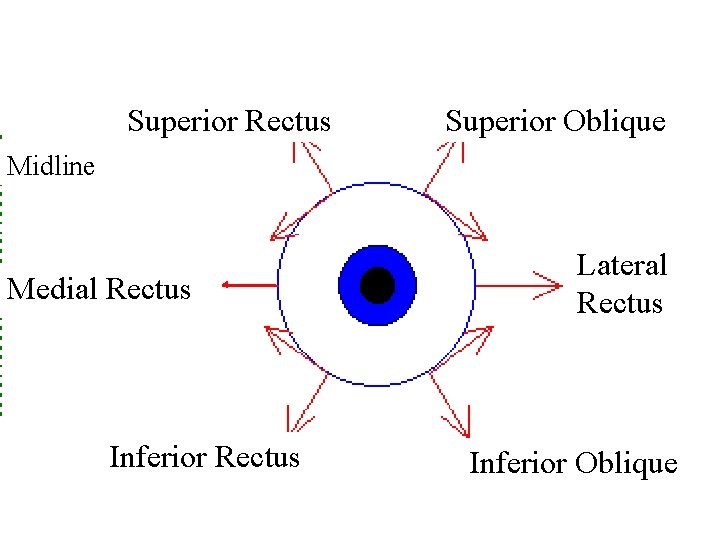
Superior Rectus Superior Oblique Midline Medial Rectus Inferior Rectus Lateral Rectus Inferior Oblique
The Oculomotor Cranial Nerves • III the oculomotor • IV the trochlear • VI the abducens
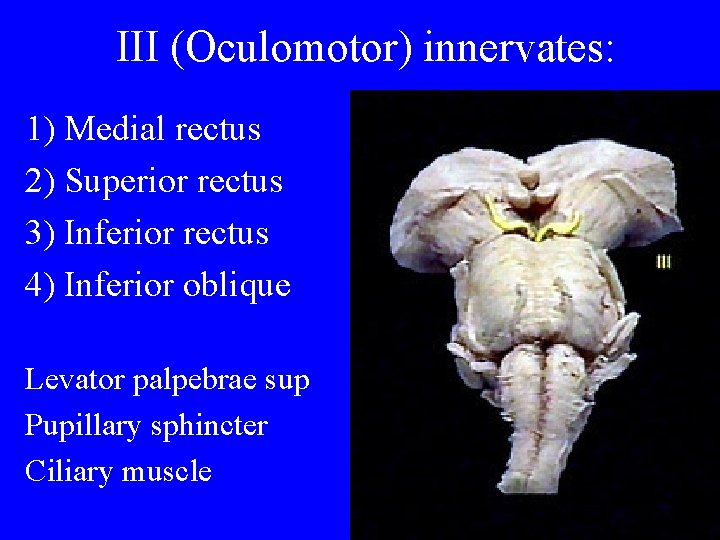
III (Oculomotor) innervates: 1) Medial rectus 2) Superior rectus 3) Inferior rectus 4) Inferior oblique Levator palpebrae sup Pupillary sphincter Ciliary muscle
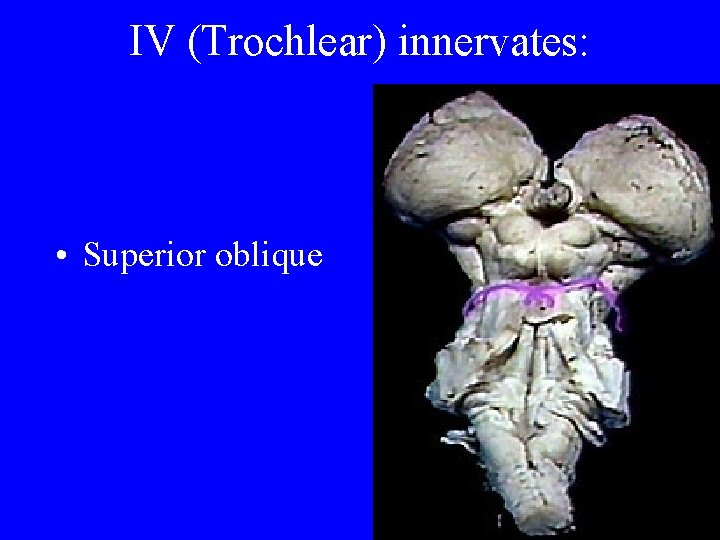
IV (Trochlear) innervates: • Superior oblique
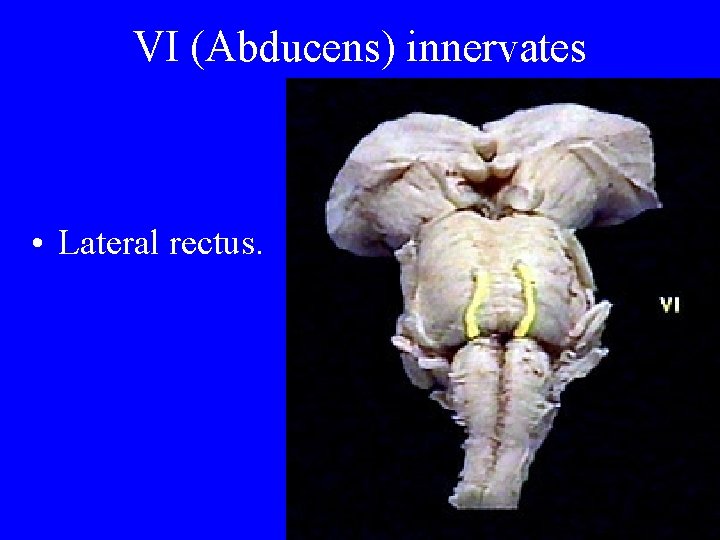
VI (Abducens) innervates • Lateral rectus.
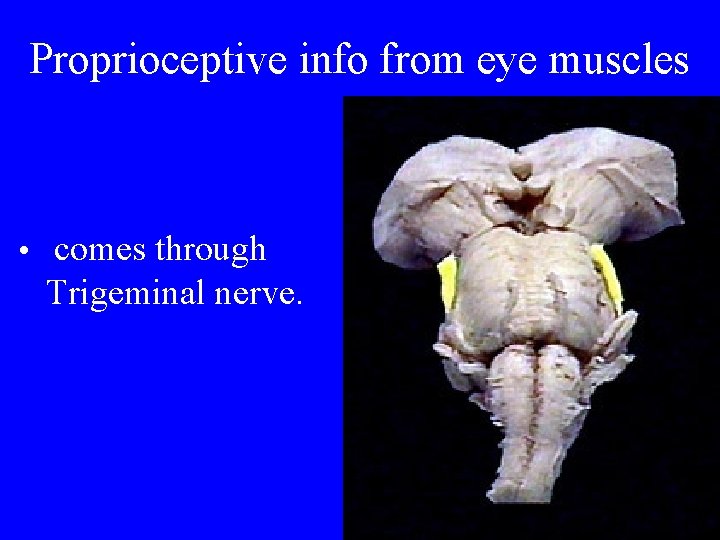
Proprioceptive info from eye muscles • comes through Trigeminal nerve.
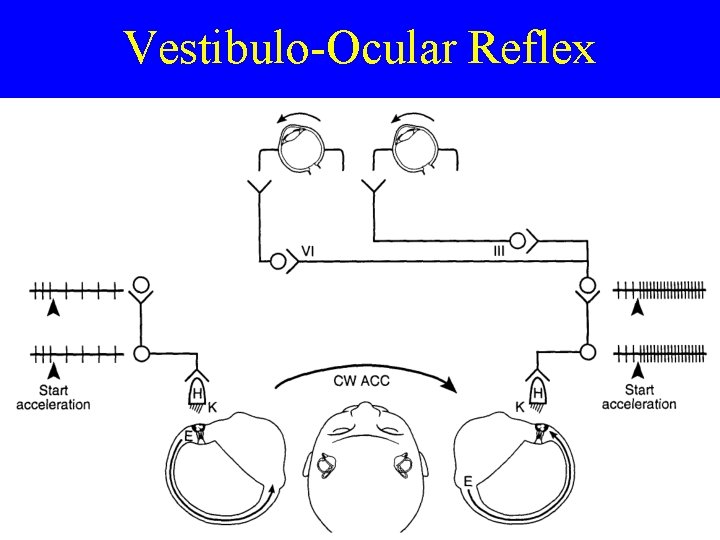
Vestibulo-Ocular Reflex
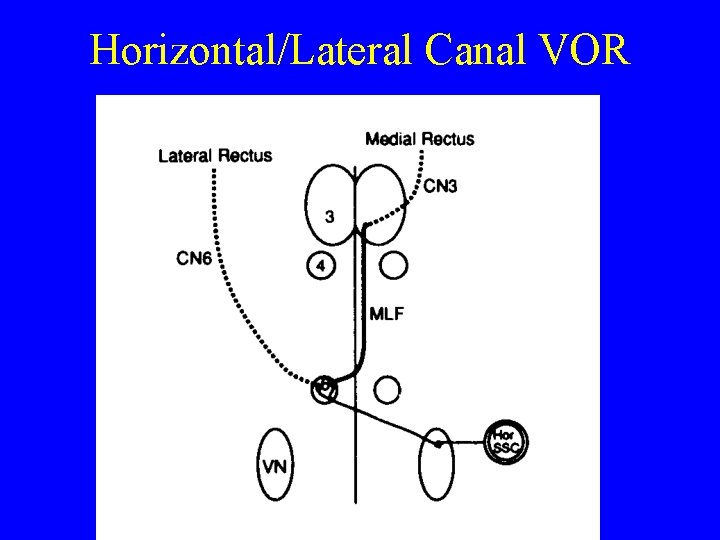
Horizontal/Lateral Canal VOR
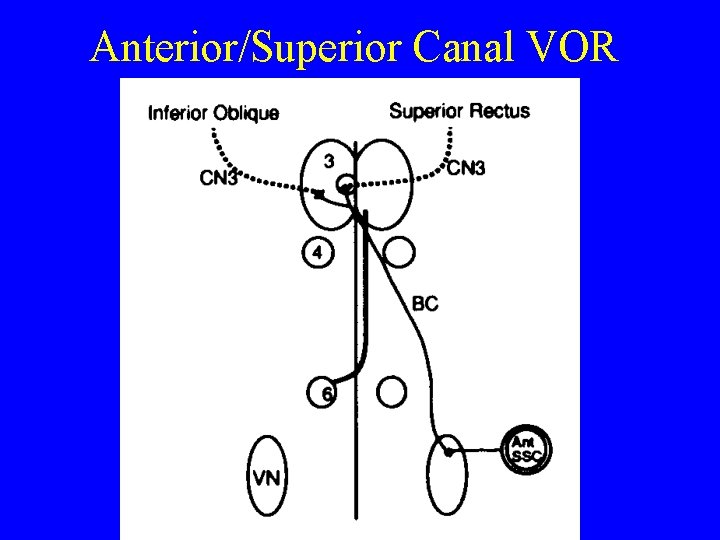
Anterior/Superior Canal VOR
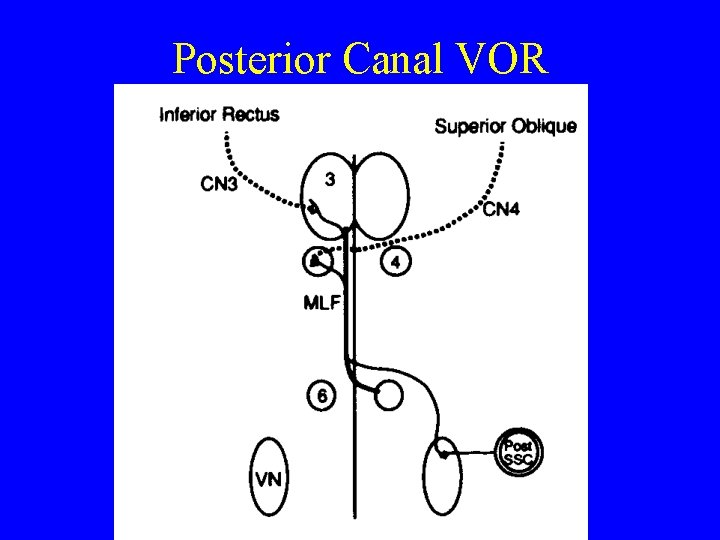
Posterior Canal VOR
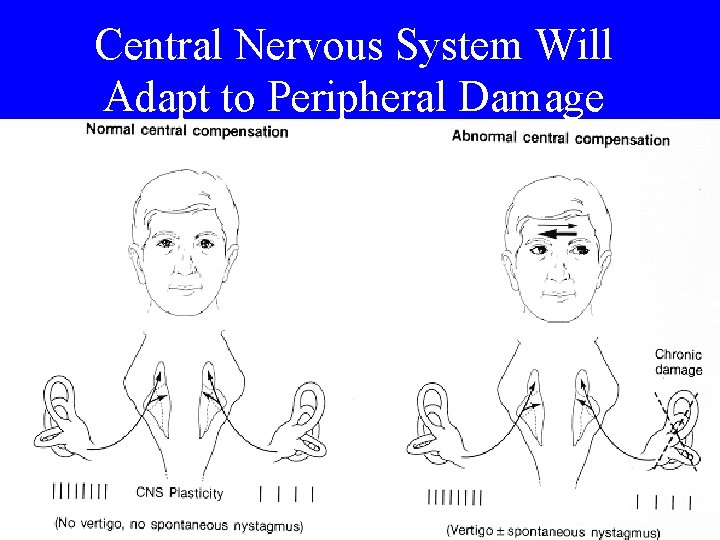
Central Nervous System Will Adapt to Peripheral Damage
Eye Movements • • • Saccades—rapid shift in gaze Pursuit—stabilize image of moving object Fixation—stabilize image of still object VOR—stabilize image during head motion OKN—backup for when VOR decays to cont’d head rotation • Vergent movements—change depth of focus
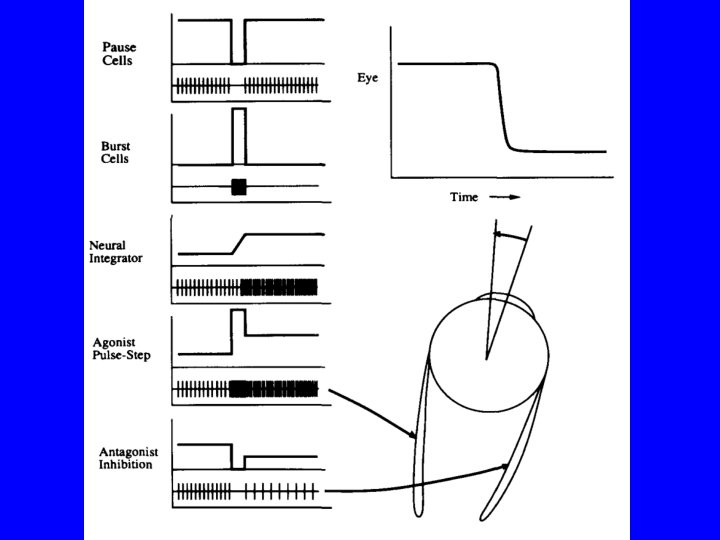
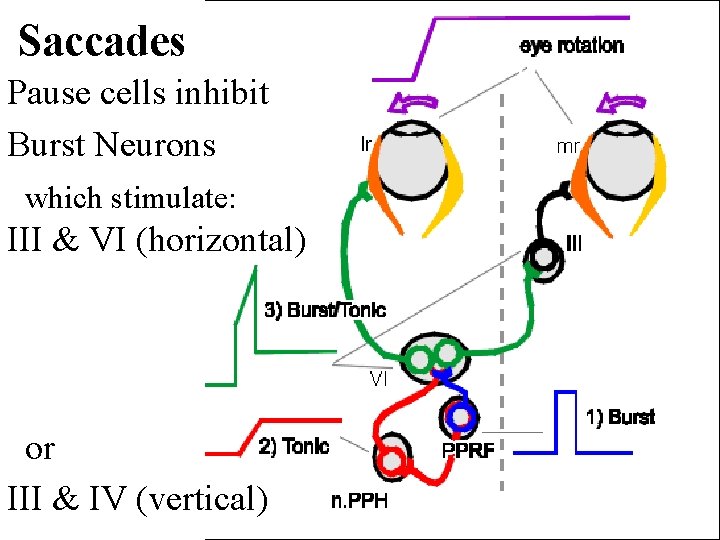
Saccades Pause cells inhibit Burst Neurons which stimulate: III & VI (horizontal) or III & IV (vertical)
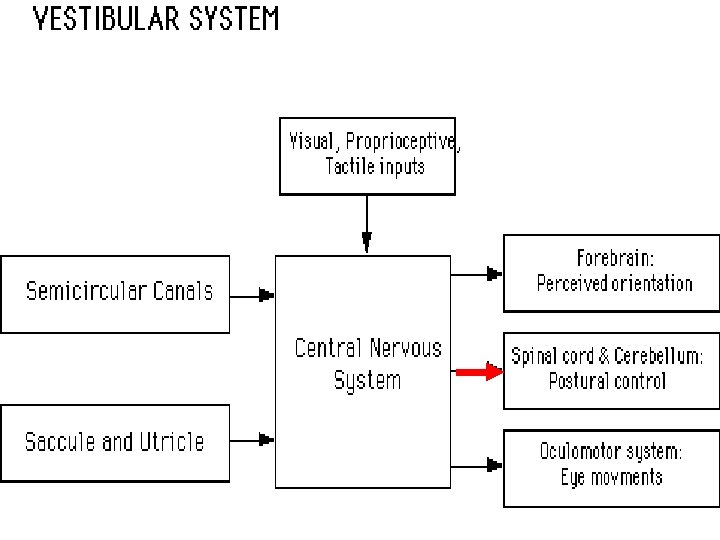
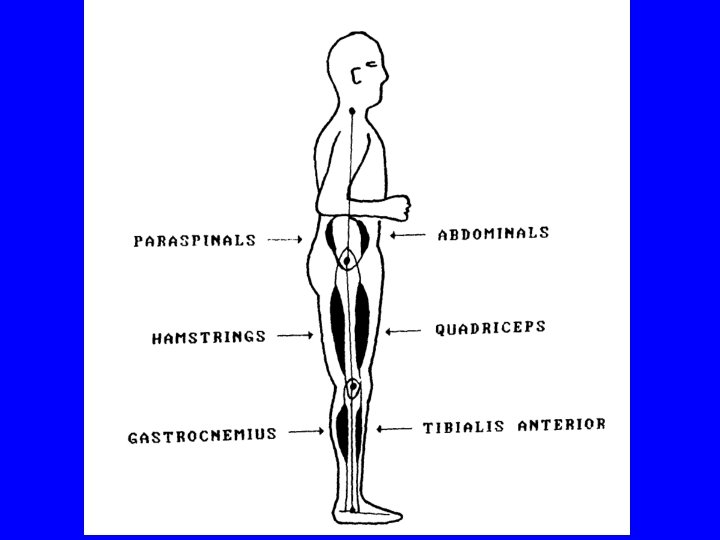
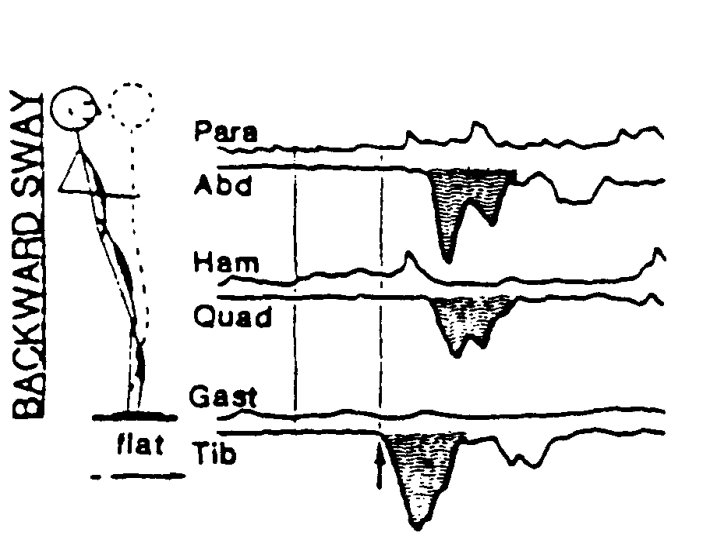
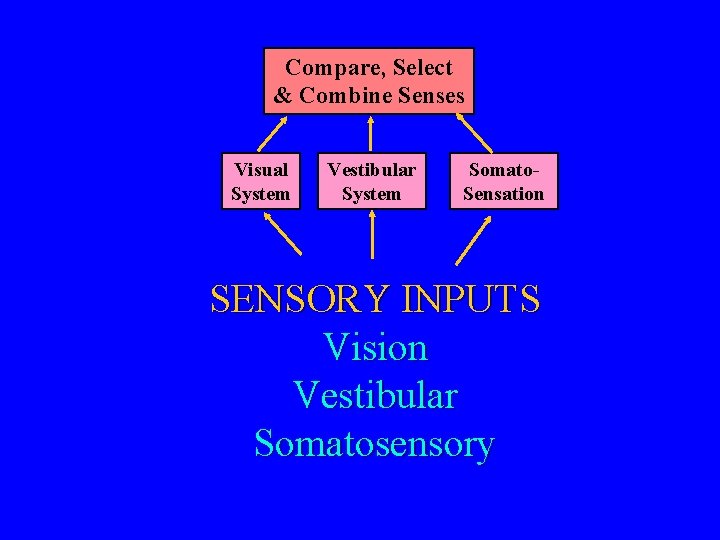
Compare, Select & Combine Senses Visual System Vestibular System Somato. Sensation SENSORY INPUTS Vision Vestibular Somatosensory
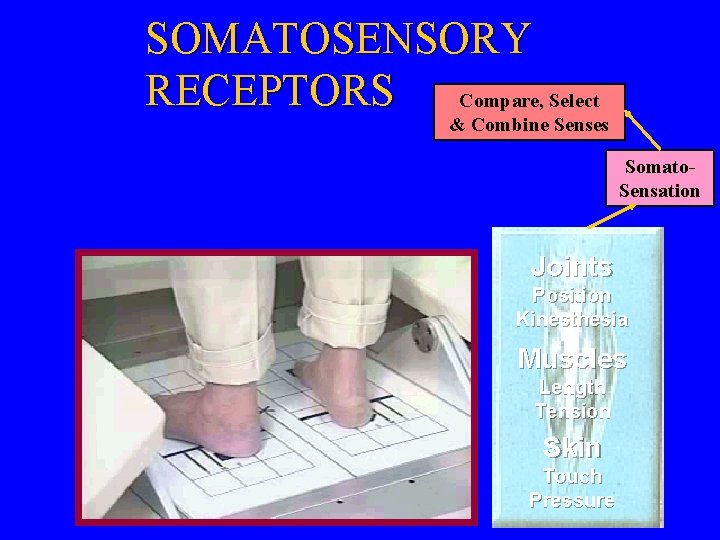
SOMATOSENSORY RECEPTORS Compare, Select & Combine Senses Somato. Sensation Joints Position Kinesthesia Muscles Length Tension Skin Touch Pressure
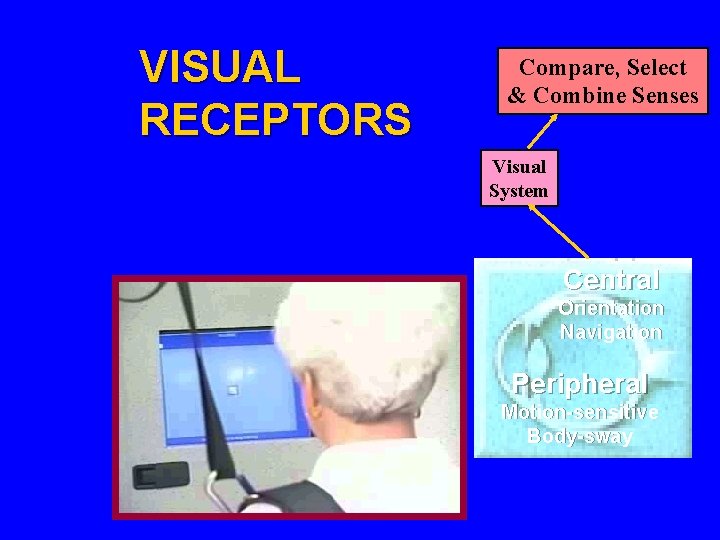
VISUAL RECEPTORS Compare, Select & Combine Senses Visual System Central Orientation Navigation Peripheral Motion-sensitive Body-sway
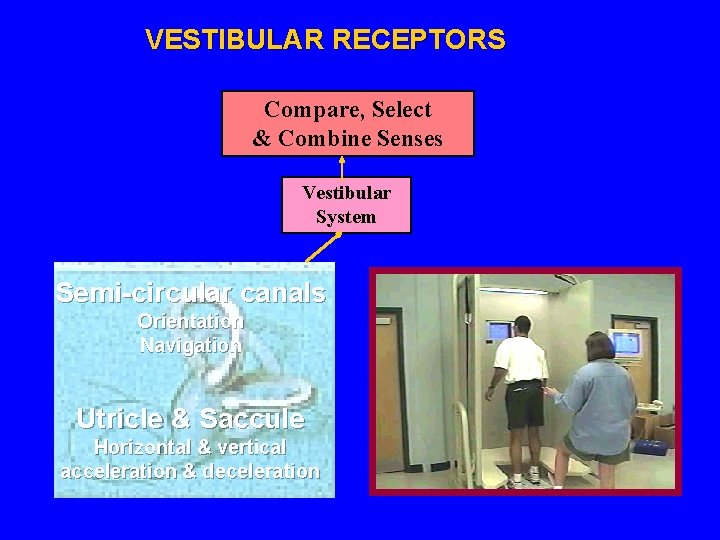
VESTIBULAR RECEPTORS Compare, Select & Combine Senses Vestibular System Semi-circular canals Orientation Navigation Utricle & Saccule Horizontal & vertical acceleration & deceleration
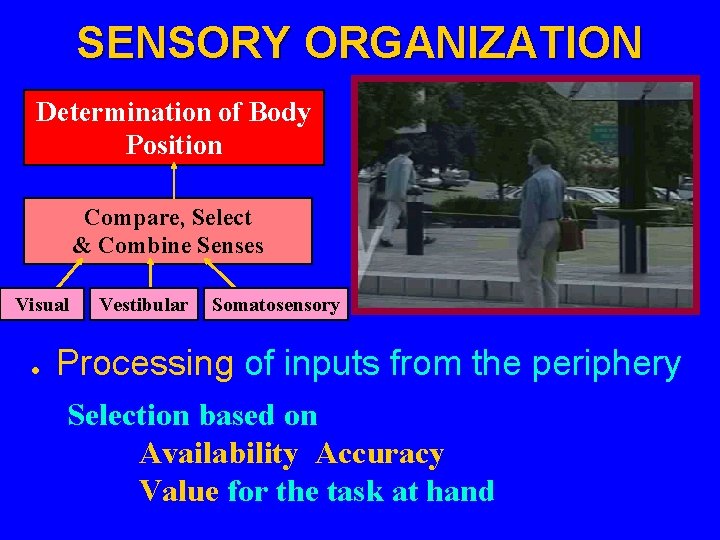
SENSORY ORGANIZATION Determination of Body Position Compare, Select & Combine Senses Visual l Vestibular Somatosensory Processing of inputs from the periphery Selection based on Availability Accuracy Value for the task at hand
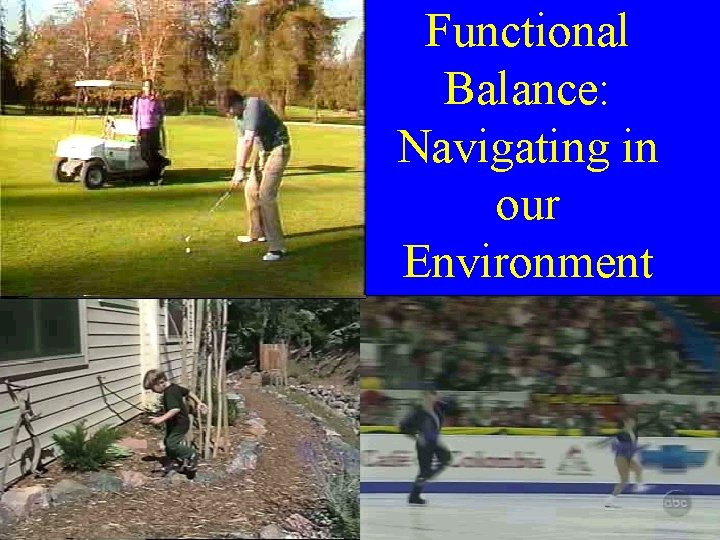
Functional Balance: Navigating in our Environment
- Slides: 47