
Anatomy and Physiology Anatomy study of structure Greek
- Slides: 31
Anatomy and Physiology Anatomy – study of structure (Greek – “a cutting up”) Physiology – study of function (Greek – “relationship to nature”) Structure is always related to function 1
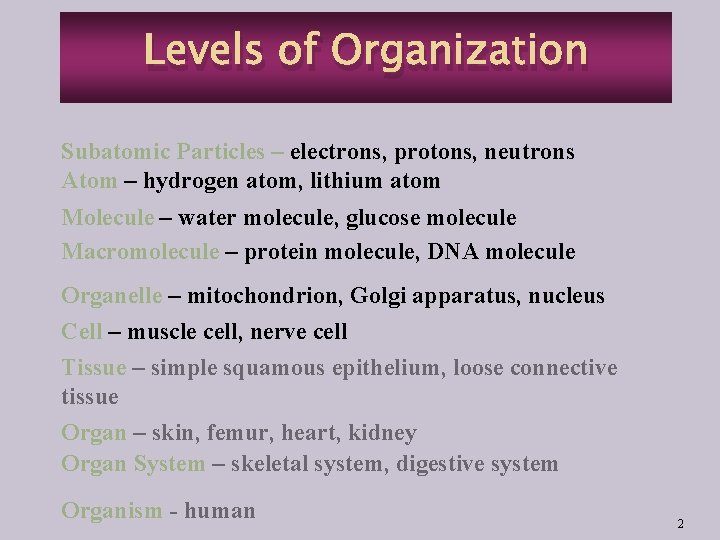
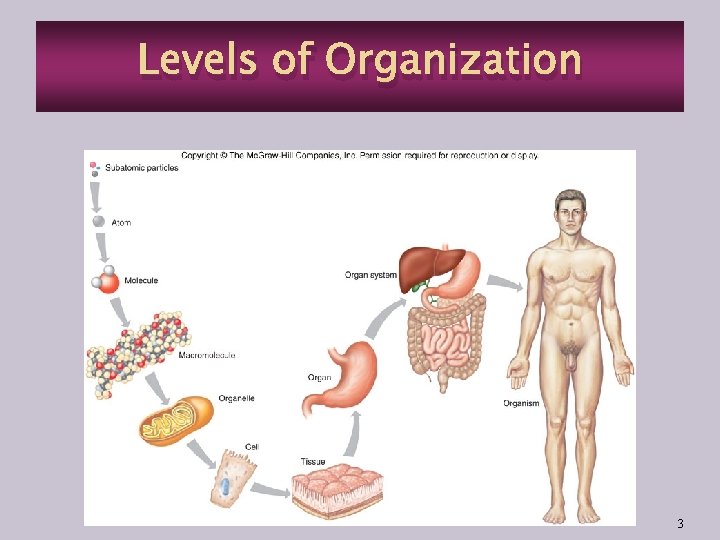
Levels of Organization Subatomic Particles – electrons, protons, neutrons Atom – hydrogen atom, lithium atom Molecule – water molecule, glucose molecule Macromolecule – protein molecule, DNA molecule Organelle – mitochondrion, Golgi apparatus, nucleus Cell – muscle cell, nerve cell Tissue – simple squamous epithelium, loose connective tissue Organ – skin, femur, heart, kidney Organ System – skeletal system, digestive system Organism - human 2
Levels of Organization 3
Characteristics of Life Movement – change in position; motion Responsiveness – reaction to a change Growth – increase in body size; no change in shape Reproduction – production of new organisms and new cells Respiration – obtaining oxygen; removing carbon dioxide; releasing energy from foods 4
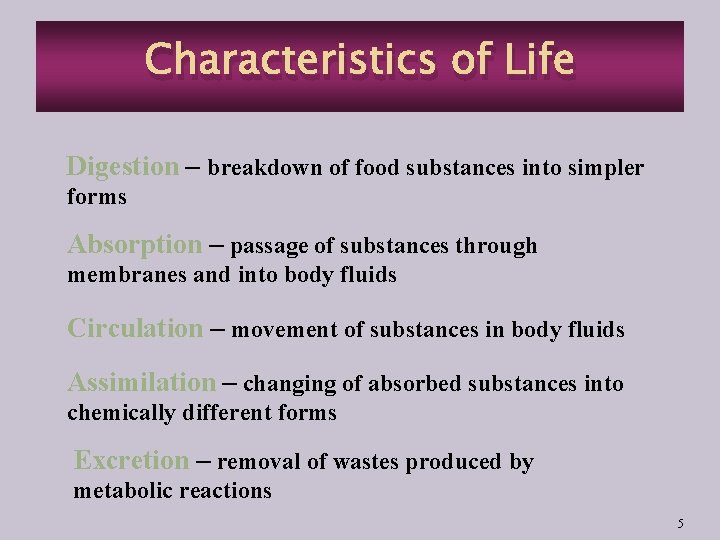
Characteristics of Life Digestion – breakdown of food substances into simpler forms Absorption – passage of substances through membranes and into body fluids Circulation – movement of substances in body fluids Assimilation – changing of absorbed substances into chemically different forms Excretion – removal of wastes produced by metabolic reactions 5
Requirements of Organisms Life depends on five environmental factors • water • food • oxygen • heat • pressure 6
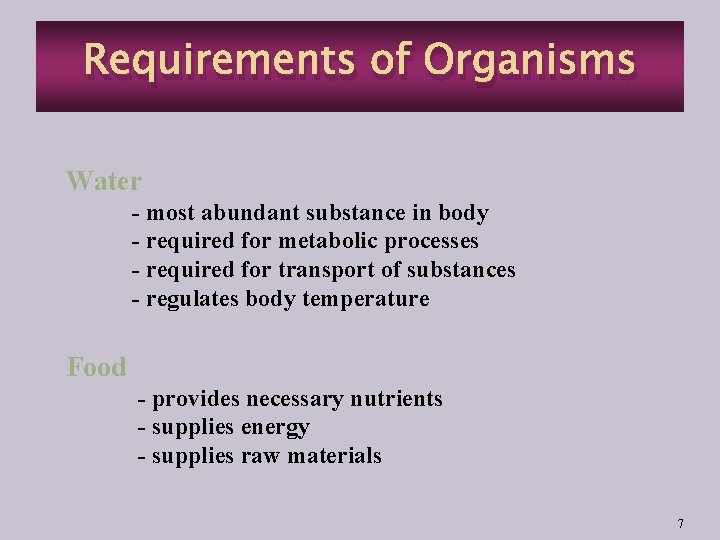
Requirements of Organisms Water - most abundant substance in body - required for metabolic processes - required for transport of substances - regulates body temperature Food - provides necessary nutrients - supplies energy - supplies raw materials 7
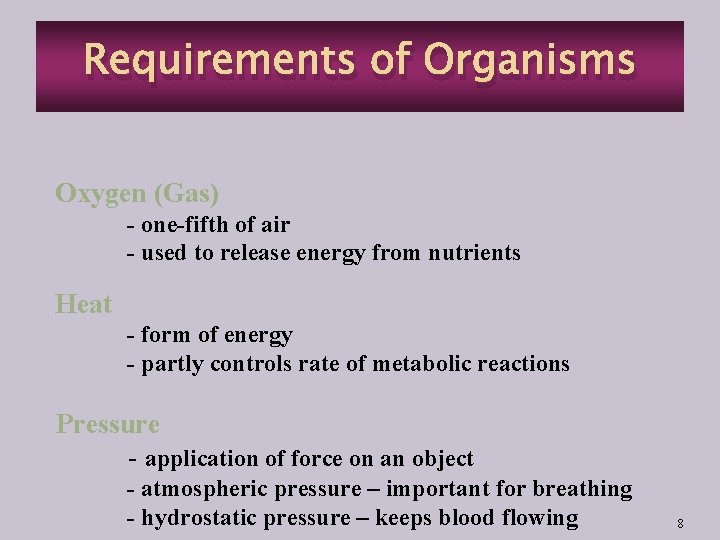
Requirements of Organisms Oxygen (Gas) - one-fifth of air - used to release energy from nutrients Heat - form of energy - partly controls rate of metabolic reactions Pressure - application of force on an object - atmospheric pressure – important for breathing - hydrostatic pressure – keeps blood flowing 8
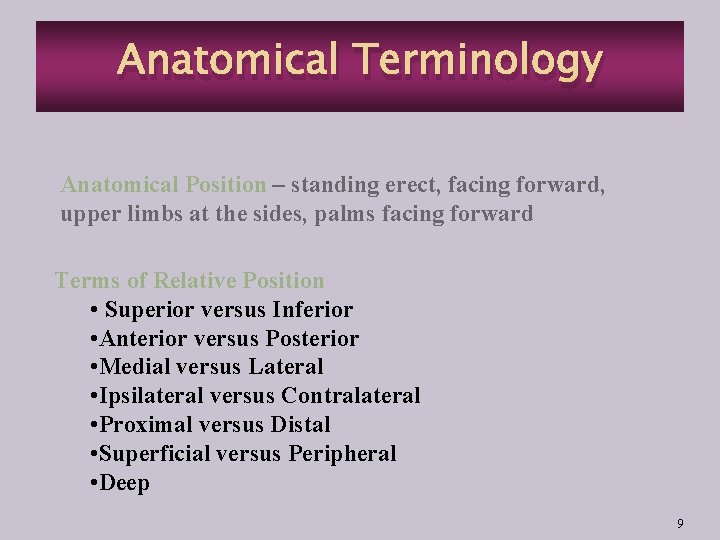
Anatomical Terminology Anatomical Position – standing erect, facing forward, upper limbs at the sides, palms facing forward Terms of Relative Position • Superior versus Inferior • Anterior versus Posterior • Medial versus Lateral • Ipsilateral versus Contralateral • Proximal versus Distal • Superficial versus Peripheral • Deep 9
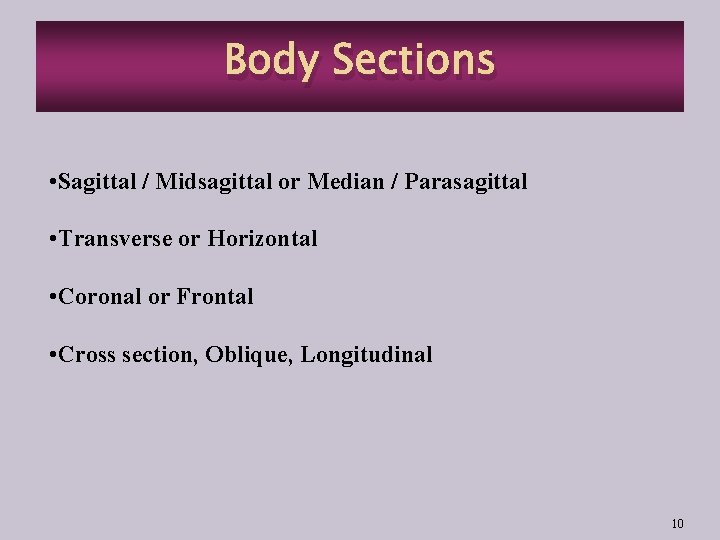
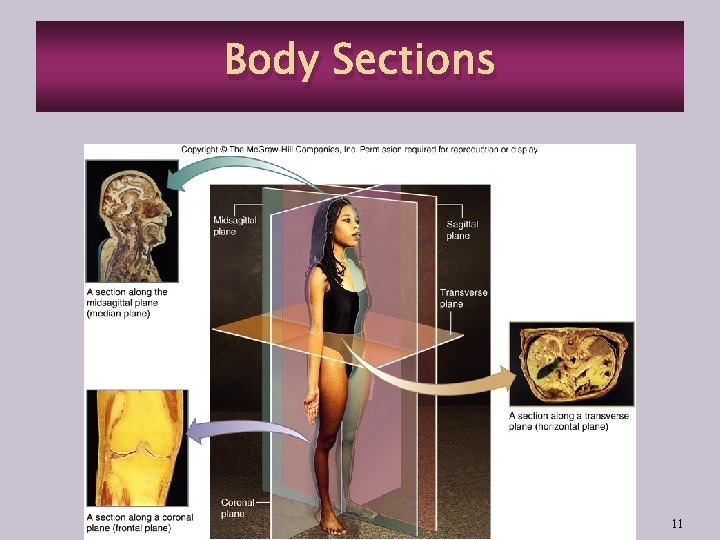
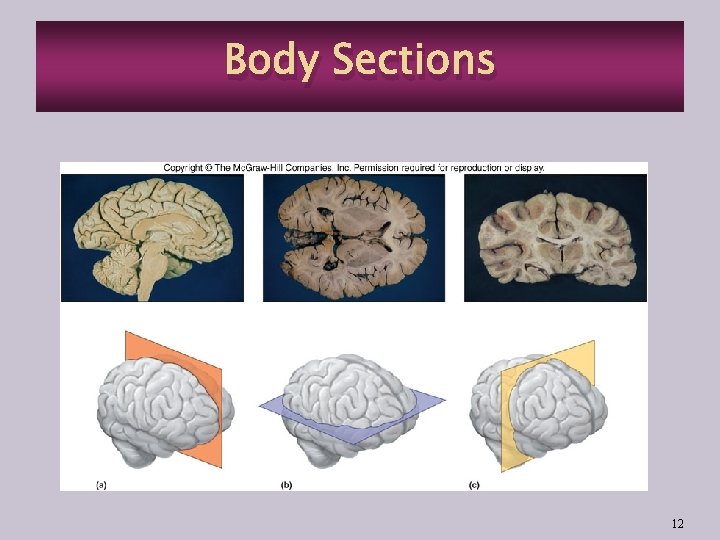
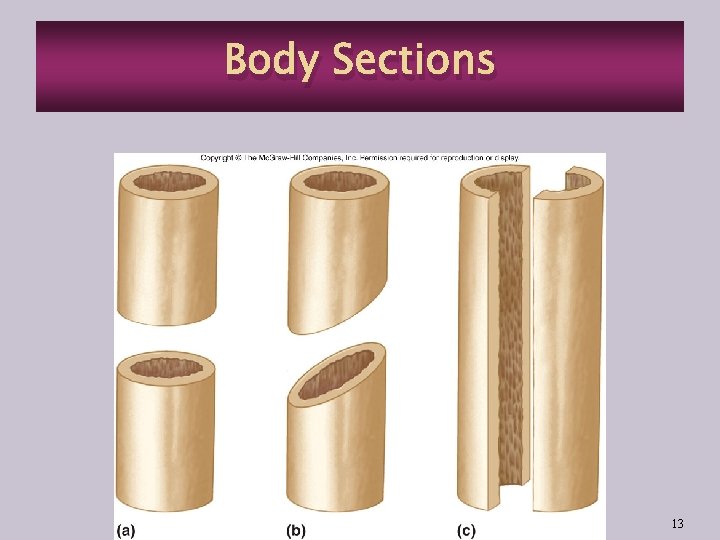
Body Sections • Sagittal / Midsagittal or Median / Parasagittal • Transverse or Horizontal • Coronal or Frontal • Cross section, Oblique, Longitudinal 10
Body Sections 11
Body Sections 12
Body Sections 13
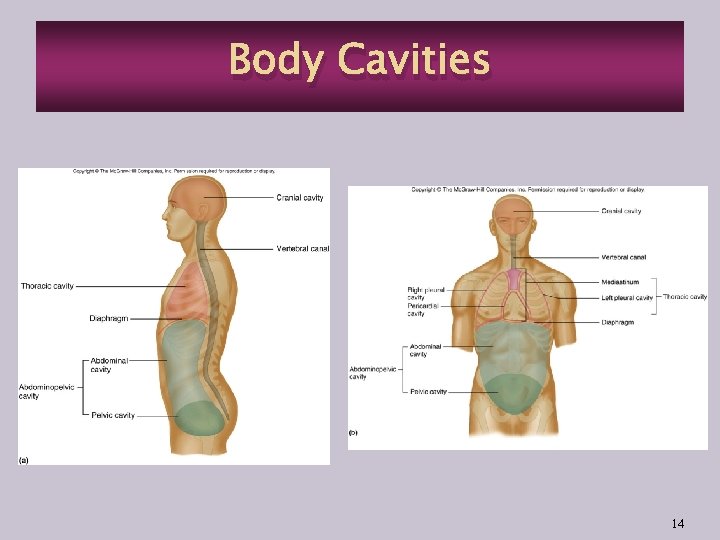
Body Cavities 14
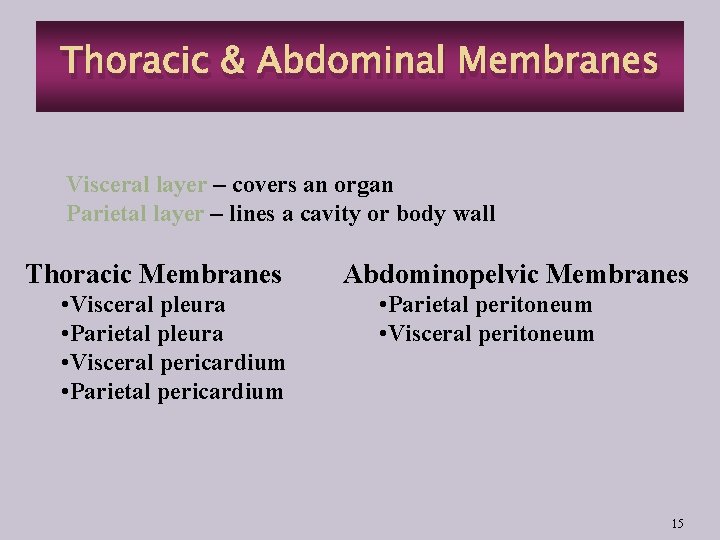
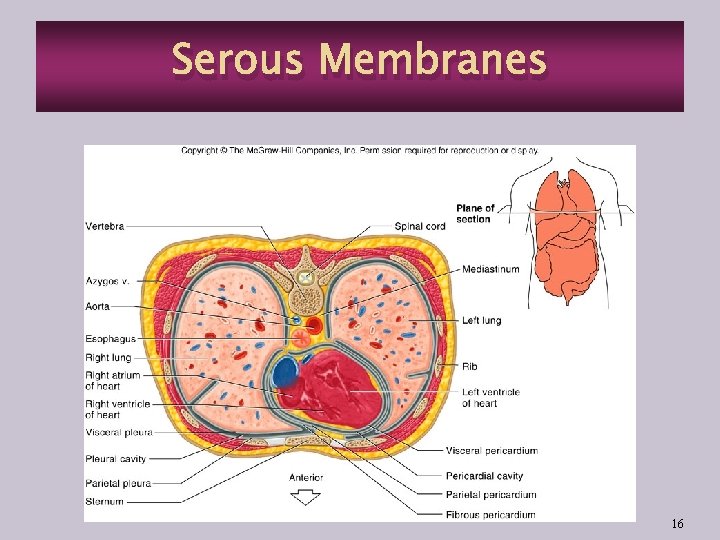
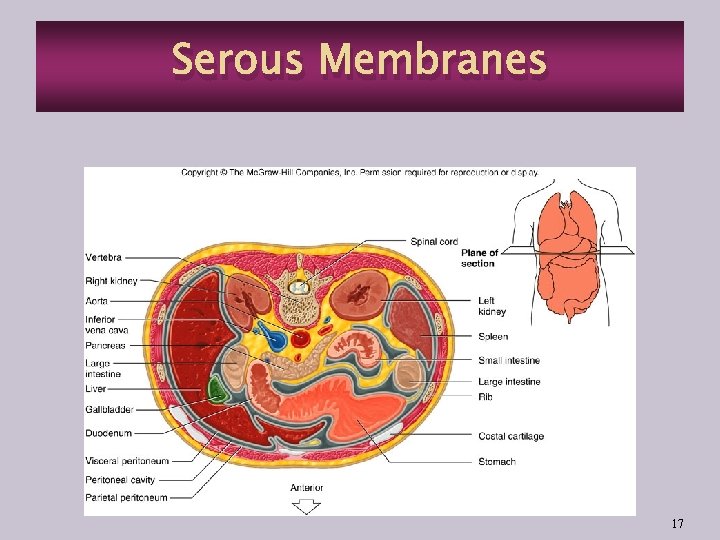
Thoracic & Abdominal Membranes Visceral layer – covers an organ Parietal layer – lines a cavity or body wall Thoracic Membranes • Visceral pleura • Parietal pleura • Visceral pericardium • Parietal pericardium Abdominopelvic Membranes • Parietal peritoneum • Visceral peritoneum 15
Serous Membranes 16
Serous Membranes 17
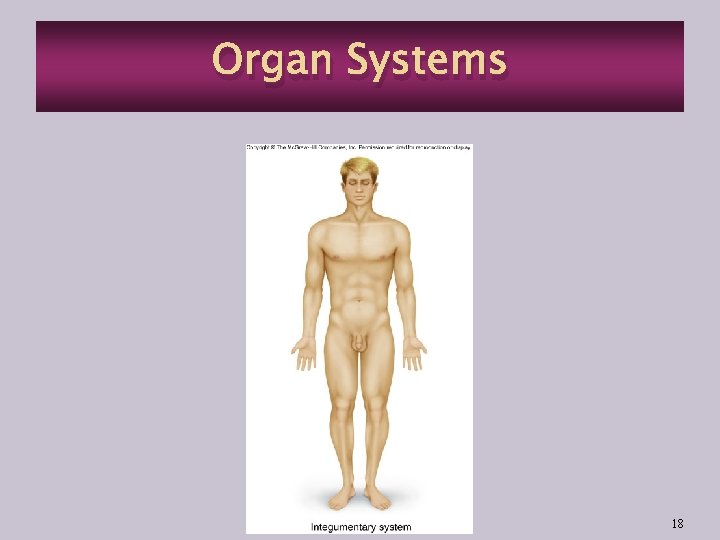
Organ Systems 18
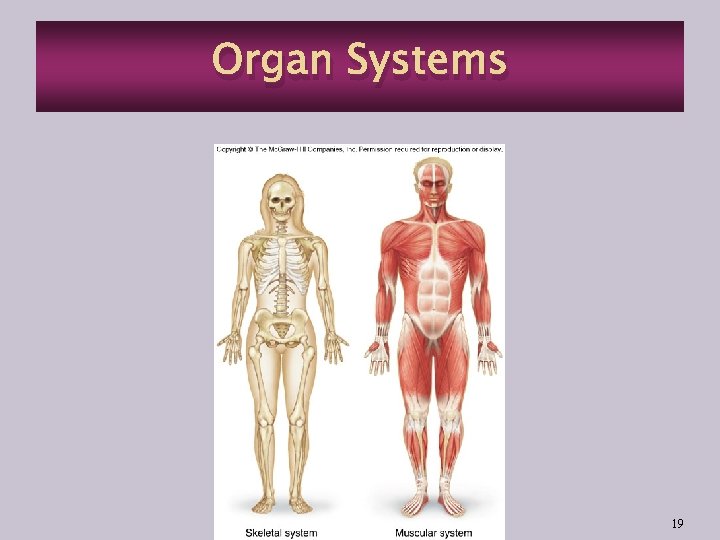
Organ Systems 19
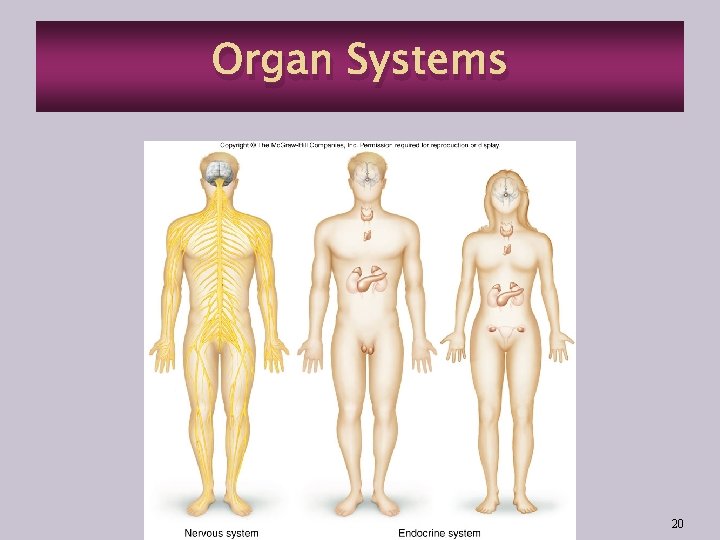
Organ Systems 20
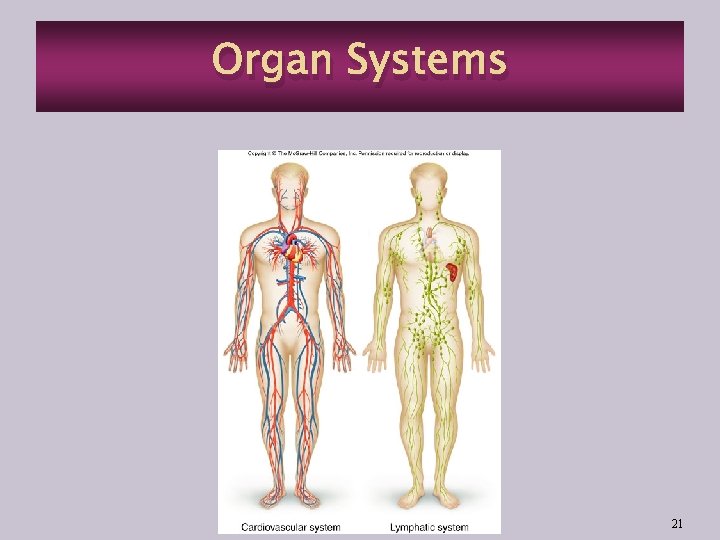
Organ Systems 21
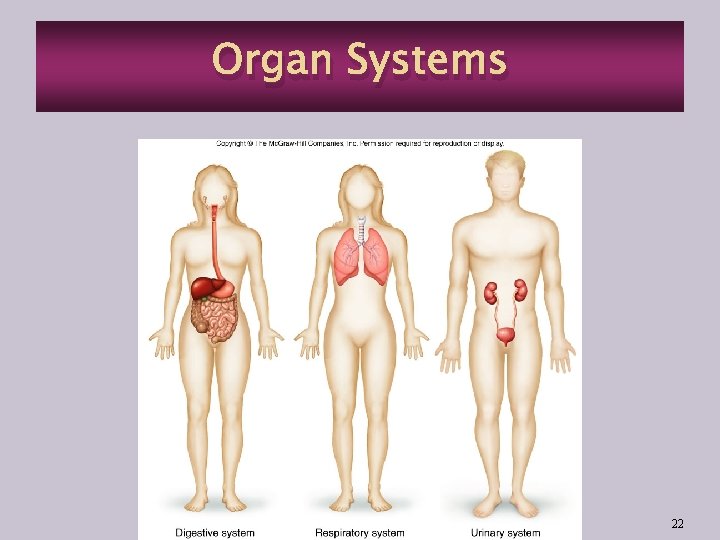
Organ Systems 22
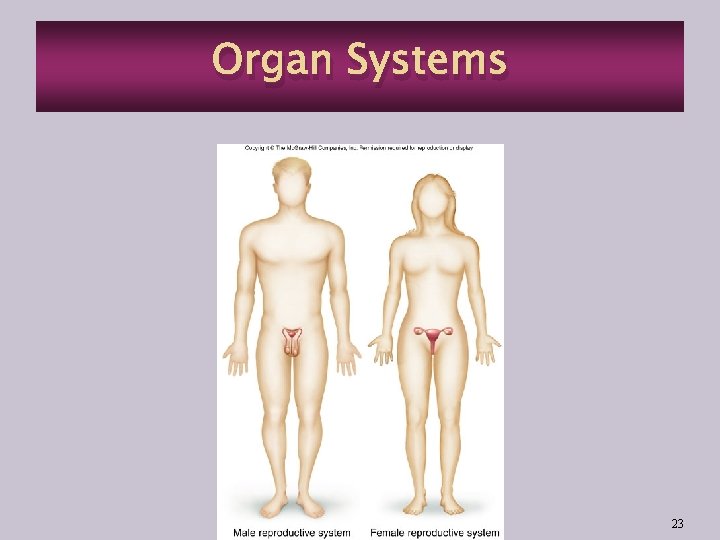
Organ Systems 23
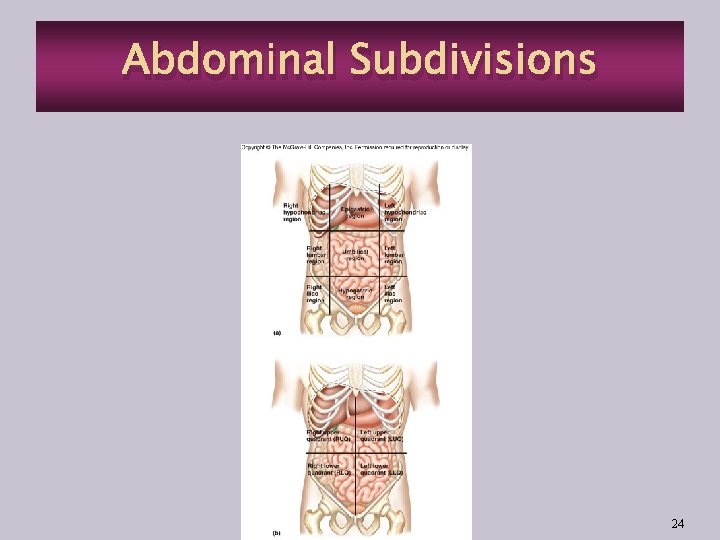
Abdominal Subdivisions 24
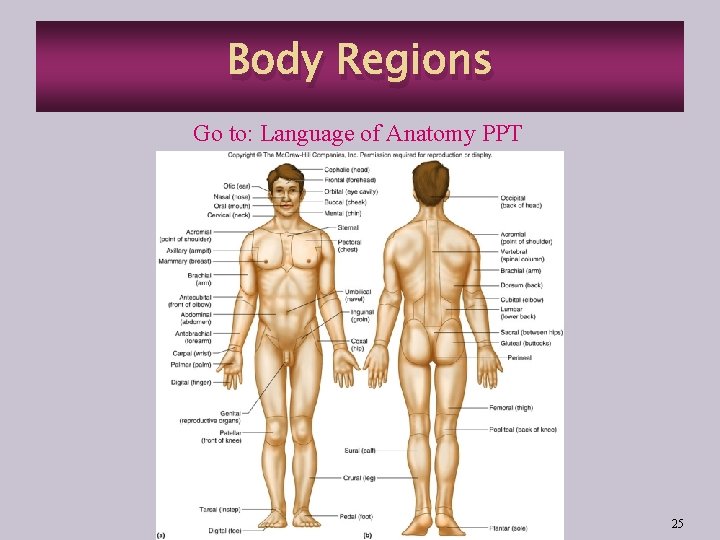
Body Regions Go to: Language of Anatomy PPT 25
Clinical Application Medical Imaging • Noninvasive procedures • Provide images of soft internal structures Ultrasonography • Use of highfrequency sound waves • Relatively quick and inexpensive Magnetic Resonance Imaging • Requires injection of dye • Produces computerized images from different angles 26
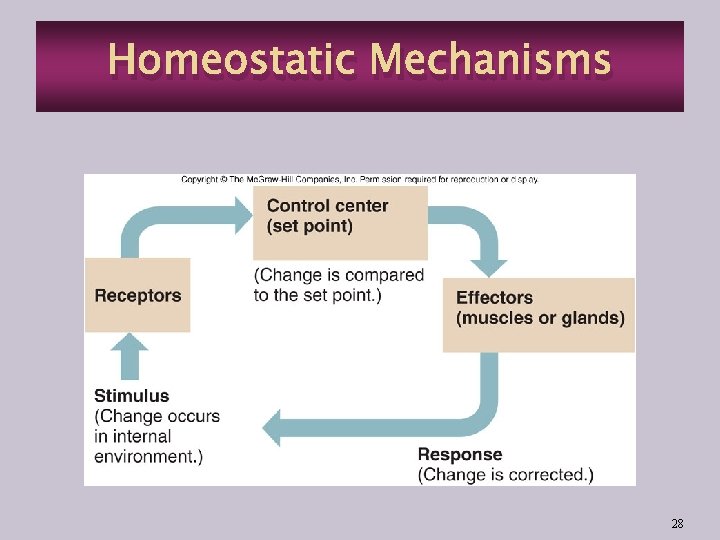
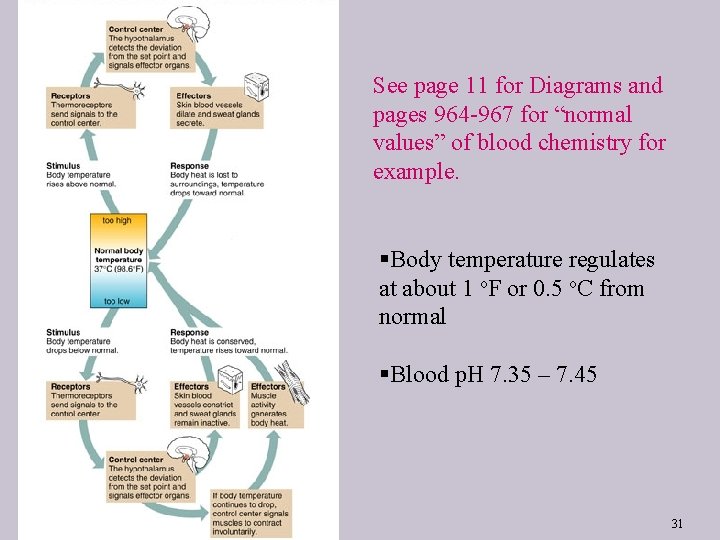
Homeostasis Body’s maintenance of a stable internal environment Homeostatic Mechanisms – monitor aspects of the internal environment and corrects any changes • Receptors - provide information about stimuli • Control center - tells what a particular value should be (includes a set point) This is usually an organ (brain, hypothalamus, etc. ) • Effectors - elicit responses that change conditions in the internal environment 27
Homeostatic Mechanisms 28
Negative feedback maintains homeostasis, keeps parameters in the normal range because deviation from the set point is resisted. Most NF loops are controlled by endocrine hormones or the nervous system. Examples are body temperature, p. H levels in urine, blood volume, etc. (Most homeostatic mechanisms are controlled by neg. feedback)
Positive feedback creates a self-amplifying change of events that leads away from the body’s normal ranges. Examples of Positive Feedback are giving birth and clotting blood, both are hormone driven and actually part of a larger N. F. M. “Often, however, positive feedback produces the very opposite of homeostasis: rapid loss of internal stability with potentially fatal consequences. For example, if the death of a small area of heart tissue triggers a heart attack (myocardial infarction), the heart pumps an inadequate amount of blood. Thus, the heart muscle itself is deprived of blood flow, and still more begins to die. This can lead to a rapid worsening of cardiac function until a person dies. Many diseases involve dangerous positive feedback loops. ” From: Homeostasis - Biology Encyclopedia - cells, body, examples, function, human, process, system, organisms, blood http: //www. biologyreference. com/Ho. La/Homeostasis. html#ixzz 0 xpt. Z 3 Ac. C
See page 11 for Diagrams and pages 964 -967 for “normal values” of blood chemistry for example. §Body temperature regulates at about 1 o. F or 0. 5 o. C from normal §Blood p. H 7. 35 – 7. 45 31