
Anaphylaxis Ig E Mediated Hypersensitivity What is anaphylaxis
- Slides: 23
Anaphylaxis Ig. E Mediated Hypersensitivity
What is anaphylaxis? § An acute systemic allergic reaction § The result of a re-exposure to an antigen that elicits an Ig. E mediated response § Usually caused by a common environmental protein that is not intrinsically harmful § Often caused by medications, foods, and insect stings § It is a Type I hypersensitivity
History § 1 st recorded 2640 BC in hieroglyphics – bee sting of a pharoah § Richet & Portier – South Seas – Man-o-war – coined term anaphylaxis
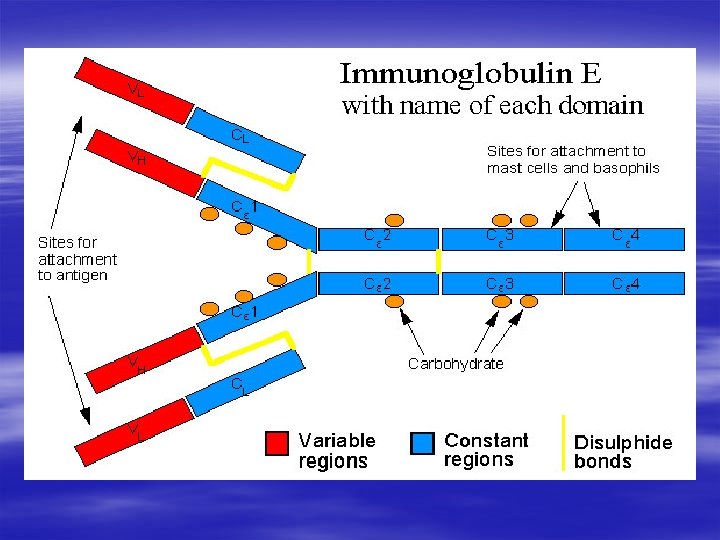
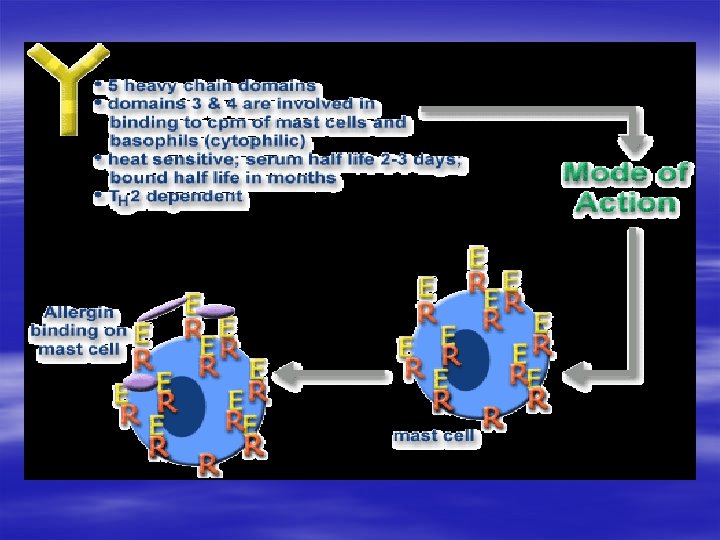
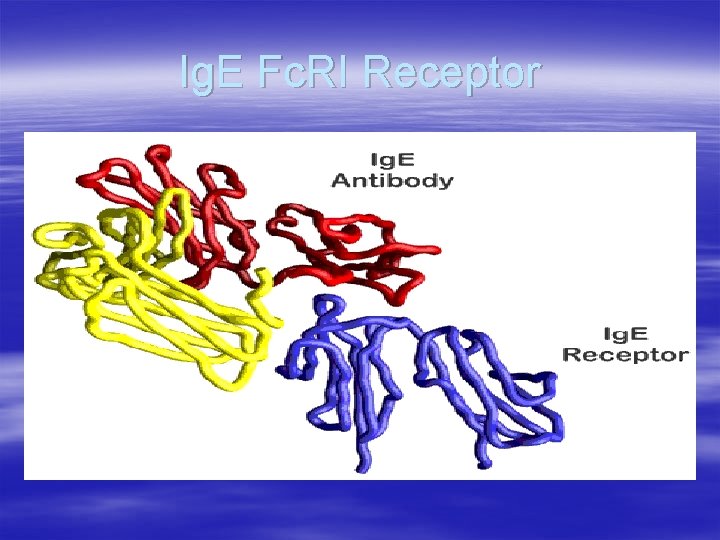
Ig. E § Binds irreversible to FcεRI receptors on mast cells, basophils, and eosinophils § Is usually for parasitic infections § E heavy chain
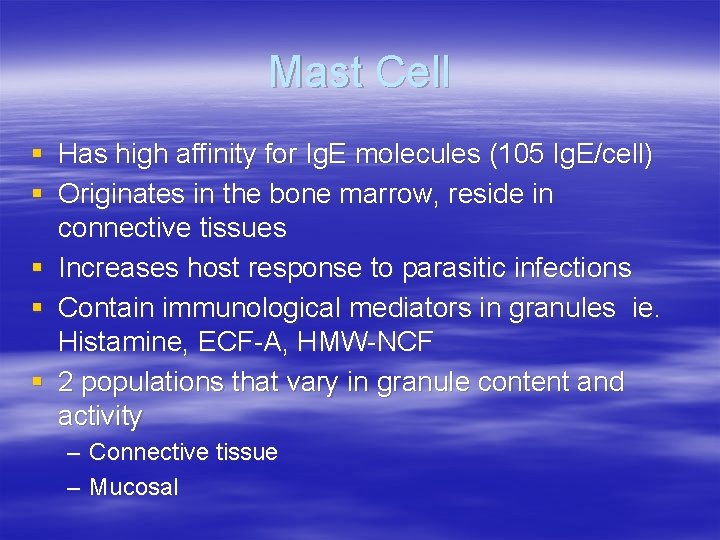
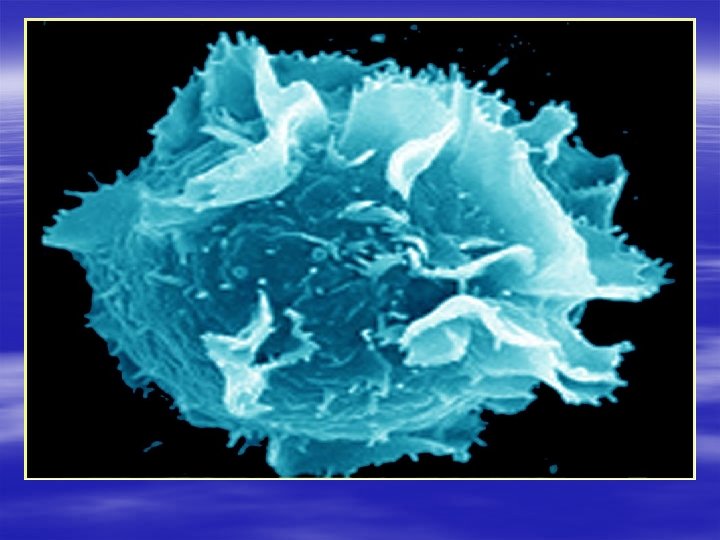
Mast Cell § Has high affinity for Ig. E molecules (105 Ig. E/cell) § Originates in the bone marrow, reside in connective tissues § Increases host response to parasitic infections § Contain immunological mediators in granules ie. Histamine, ECF-A, HMW-NCF § 2 populations that vary in granule content and activity – Connective tissue – Mucosal
Ig. E Fc. RI Receptor
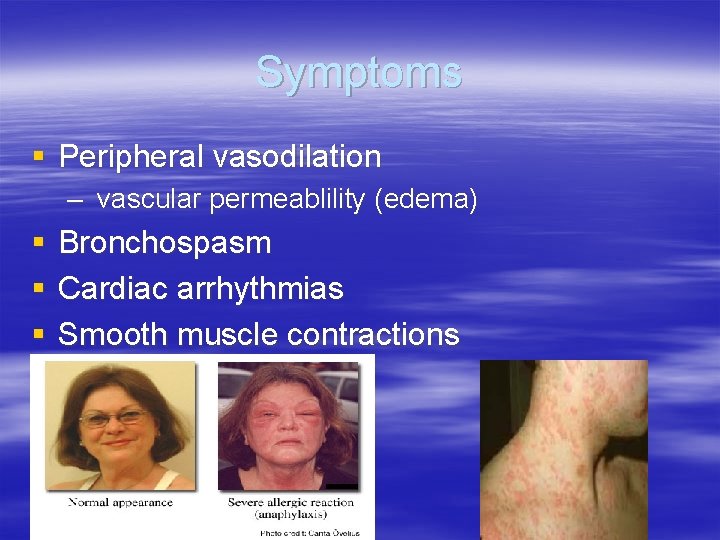
Symptoms § Peripheral vasodilation – vascular permeablility (edema) § § § Bronchospasm Cardiac arrhythmias Smooth muscle contractions
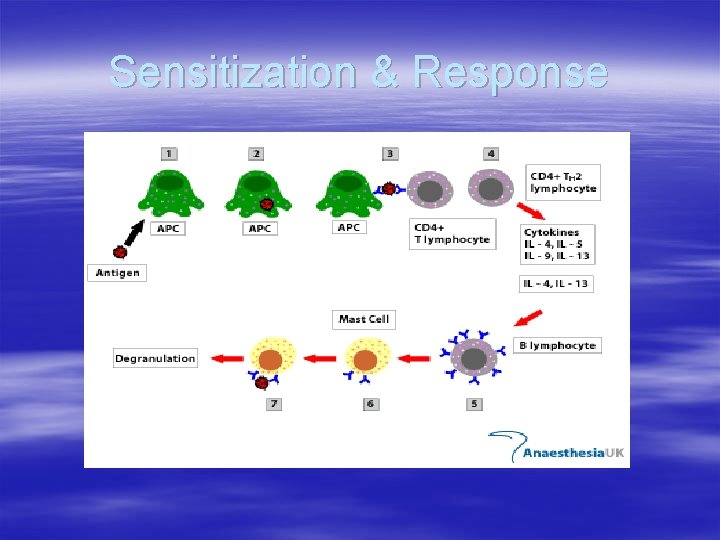
Sensitization § Antigen is presented by antigen presenting cells § TH 2 cells induce B cell activation – CD 40 ligand cytokines § B cells undergo isotype switching and produce antibody § Serum antibody is bound by the mast cells
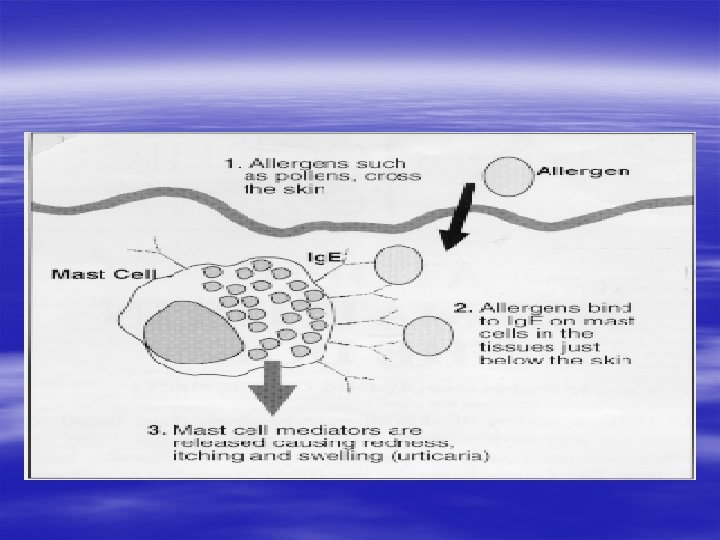
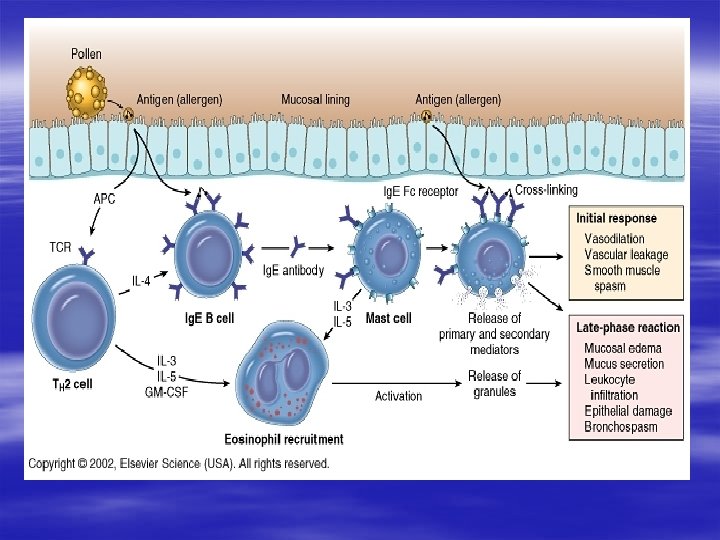
The allergic response § Secondary presentation of antigen produces an immediate response controlled by mast cells § Granule contents are released § Cell mediated response proceeds
Sensitization & Response
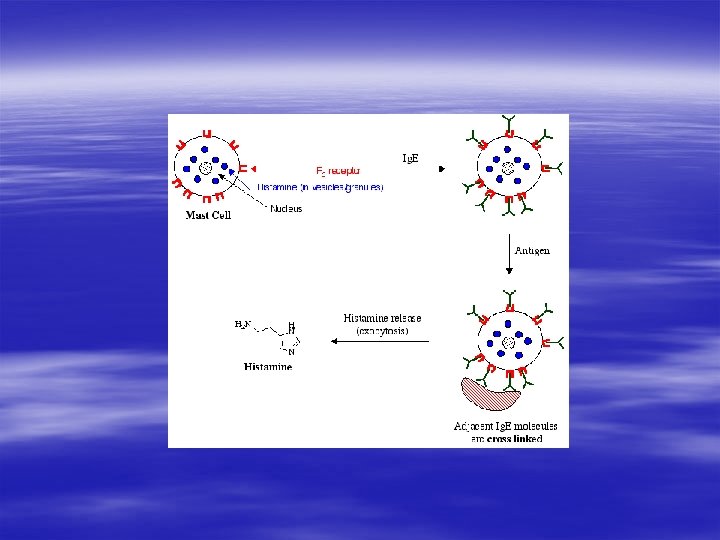
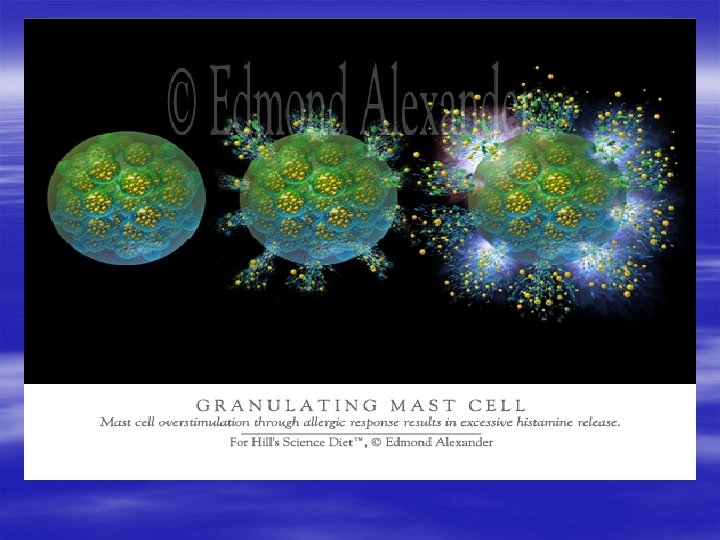
What is happening? § Initial exposure sensitizes mast cells. § Antigen specific Ig. E molecules attach to high affinity Fc receptors on the mast cell surface. § Cross linking of Ig. E molecules on surface causes intracellular signaling pathway – Inflammatory mediators are released upon degranulation
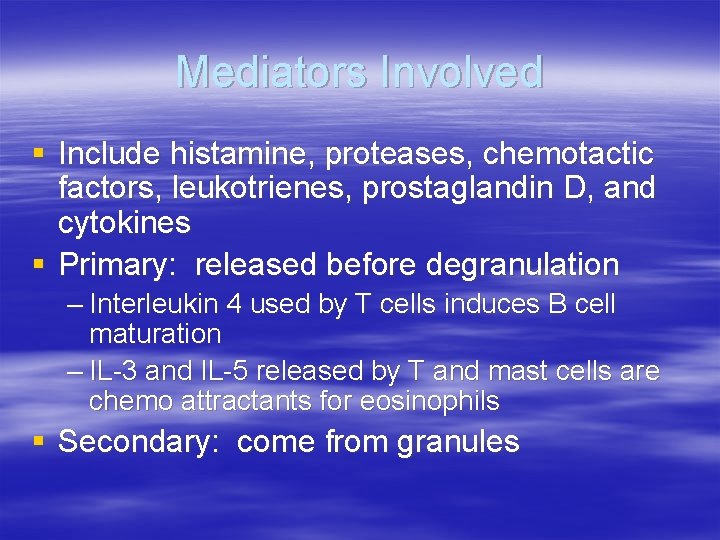
Mediators Involved § Include histamine, proteases, chemotactic factors, leukotrienes, prostaglandin D, and cytokines § Primary: released before degranulation – Interleukin 4 used by T cells induces B cell maturation – IL-3 and IL-5 released by T and mast cells are chemo attractants for eosinophils § Secondary: come from granules
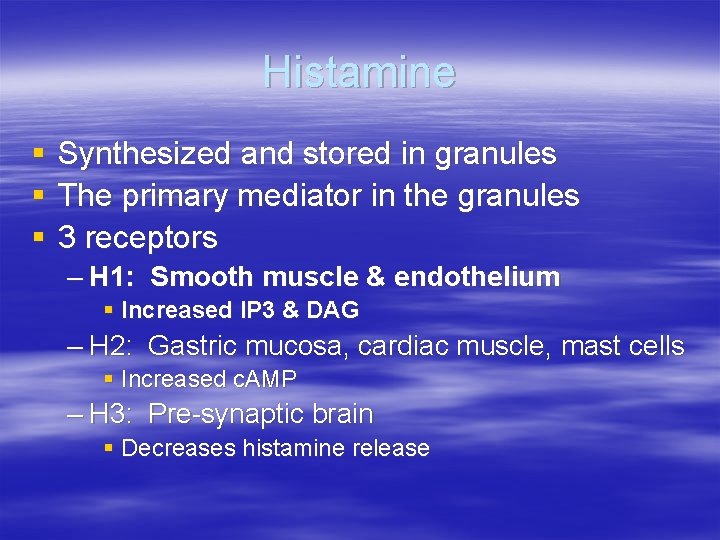
Histamine § § § Synthesized and stored in granules The primary mediator in the granules 3 receptors – H 1: Smooth muscle & endothelium § Increased IP 3 & DAG – H 2: Gastric mucosa, cardiac muscle, mast cells § Increased c. AMP – H 3: Pre-synaptic brain § Decreases histamine release
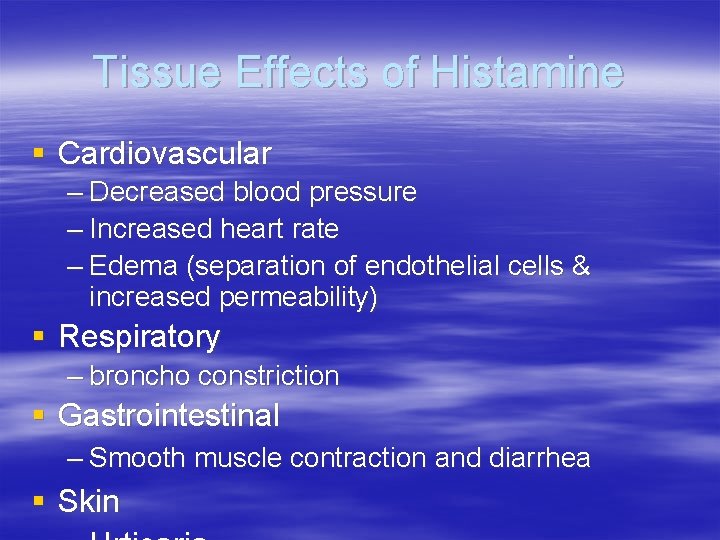
Tissue Effects of Histamine § Cardiovascular – Decreased blood pressure – Increased heart rate – Edema (separation of endothelial cells & increased permeability) § Respiratory – broncho constriction § Gastrointestinal – Smooth muscle contraction and diarrhea § Skin
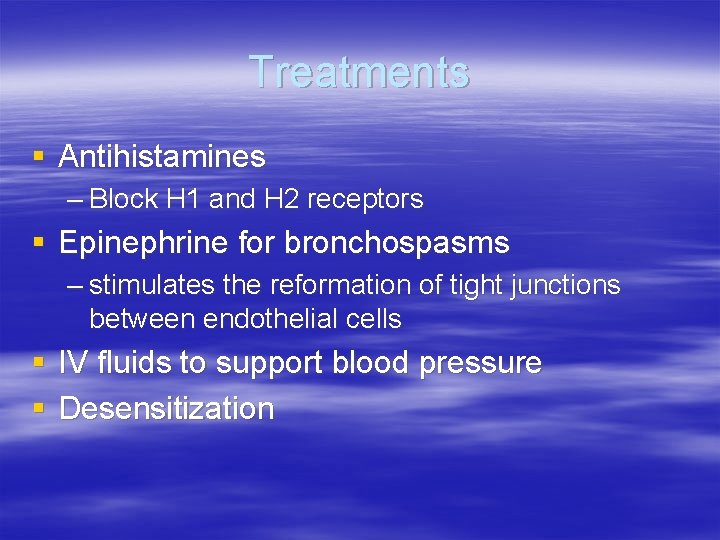
Treatments § Antihistamines – Block H 1 and H 2 receptors § Epinephrine for bronchospasms – stimulates the reformation of tight junctions between endothelial cells § IV fluids to support blood pressure § Desensitization
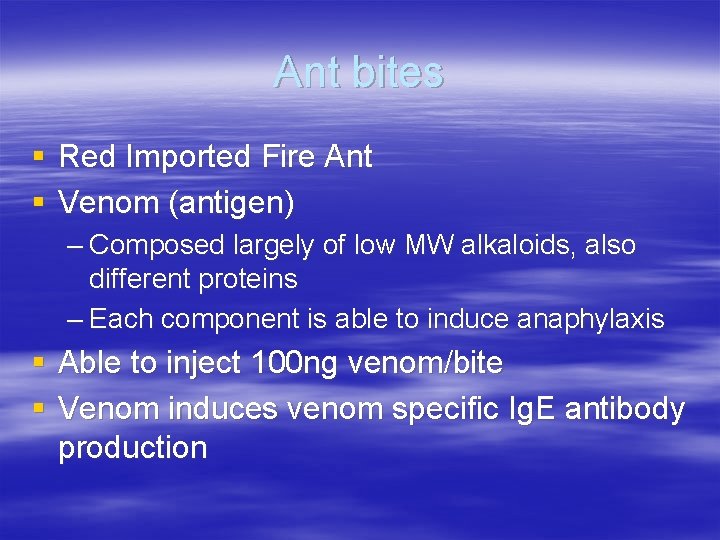
Ant bites § Red Imported Fire Ant § Venom (antigen) – Composed largely of low MW alkaloids, also different proteins – Each component is able to induce anaphylaxis § Able to inject 100 ng venom/bite § Venom induces venom specific Ig. E antibody production