
ANAPHYLACTIC SHOCK What is it Serious life threatening
- Slides: 11
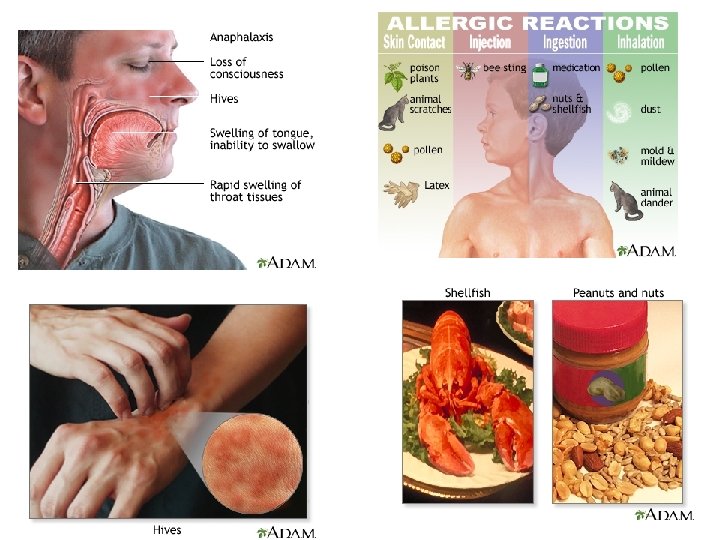
ANAPHYLACTIC SHOCK What is it? • Serious life threatening allergic reaction that is rapid in action and may cause death. Causes: • Common causes include insects bite/stings, foods and medication
Symptoms Skin • Itchiness rather burning sensation of skin • Generalized hives • Flushing &swelling of lips • Swelling of tongue or throat in about 20% swelling of face • Running nose &redness of conjunctiva • Skin may also go blue due to lack of oxygen
Symptoms Respiratory: • Shortness of breath • wheezes caused by spasm of bronchial muscles and stridor is due to upper airways obstruction • Hoarsness &pain with swallowing or cough Cardiac: • Coronary artery spasm which may lead to myocardial infarction , dysrrythmias &cardiac arrest caused by histamine release • Low blood pressure and fast or low heart rate • Rapid pulse
Symptoms Others: • Abdominal pain , diarrhea , vomiting dizziness , chest discomfort, slurred speech • Confusion , headache , anxiety • Urine incontinence , pelvic pain Risk factors: People with ASTHMA , ECZMA , or ALLERGIC RHINITIS
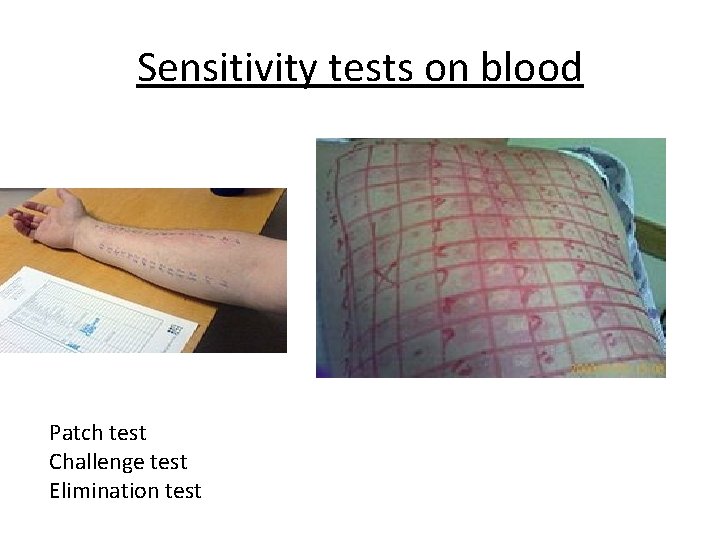
Sensitivity tests on blood Patch test Challenge test Elimination test
Differetial diagnosis • Asthma : no rash or itching • Syncopy: No rash but pallor more marked • Panic attack : No rash but flushing more marked than hives
Prevention • Avoidance of triggers such as specific foods , environment, medications • Desensitization to venoms e. g bee , snake wasp, ants etc • Oral immunotherapy mainly in food allergy e. g milk , egg, nuts , peanuts • Preparedness: People prone to reaction are advised to wear a medical alert bracelet with all information or having a card • Parents are advised to inform schools of their child’s Allergy
Treament • Anaphylaxis is an emergency condition that needs professional medical attention right away. Call 1122 • Check the person's airway, breathing, and circulation (the ABC's of Basic Life Support). A warning sign of dangerous throat swelling is a very hoarse or whispered voice, or coarse sounds when the person is breathing in air. If necessary, begin rescue breathing and CPR. • Calm and reassure the person. • If the allergic reaction is from a bee sting, scrape the stinger off the skin with something firm (such as a fingernail or plastic credit card). Do not use tweezers -- squeezing the stinger will release more venom.
Treatment • If the person has emergency allergy medicine on hand, help the person take or inject the medication. Avoid oral medication if the person is having difficulty breathing. • Take steps to prevent shock. Have the person lie flat, raise the person's feet about 12 inches, and cover him or her with a coat or blanket. Do NOT place the person in this position if a head, neck, back, or leg injury is suspected, or if it causes discomfort. • Do NOT place a pillow under the person's head if he or she is having trouble breathing. This can block the airways. • Do NOT give the person anything by mouth if the person is having trouble breathing.
Prognosis • Good when allergen is known and medical care available • If Allergen is not known but preventive care is available and good then prognosis is good • Death occurs usually in respiratory asphixia or cardiac symptoms • Poor prognosis in old age • Patient recovers in most cases if timely given care