
Analyzing Visual Rhetoric A picture is worth a
- Slides: 19
Analyzing Visual Rhetoric
A picture is worth a thousand words… • Can a picture communicate things that words cannot? • Would a newspaper made up of nothing but images be comprehensible? • Is communication more reliant on images now than it has been in the past?
What does analyzing visual rhetoric mean? • Analysis: • Detailed examination of the elements or structure of something • Visual: • A picture, piece of film, or display used to illustrate or accompany something • Rhetoric: • The art of effective or persuasive speaking or writing
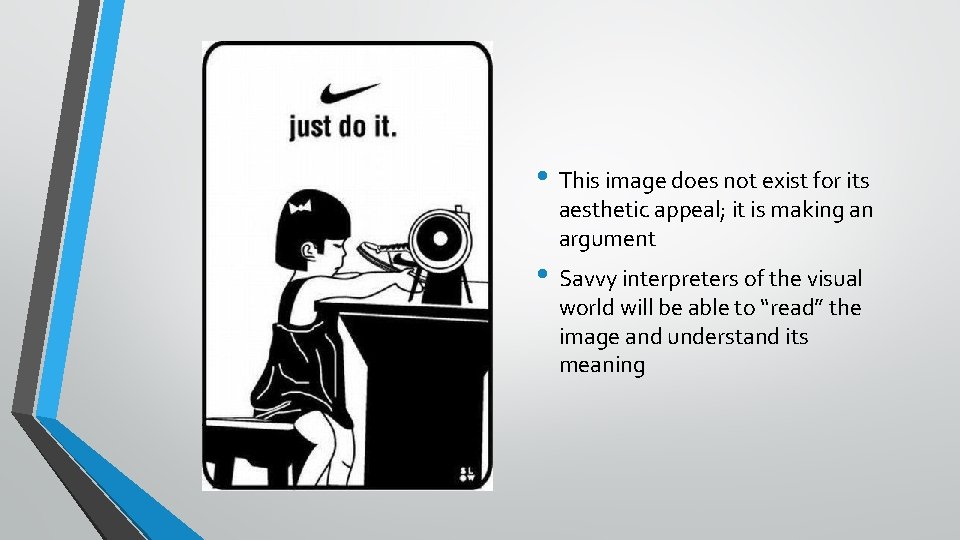
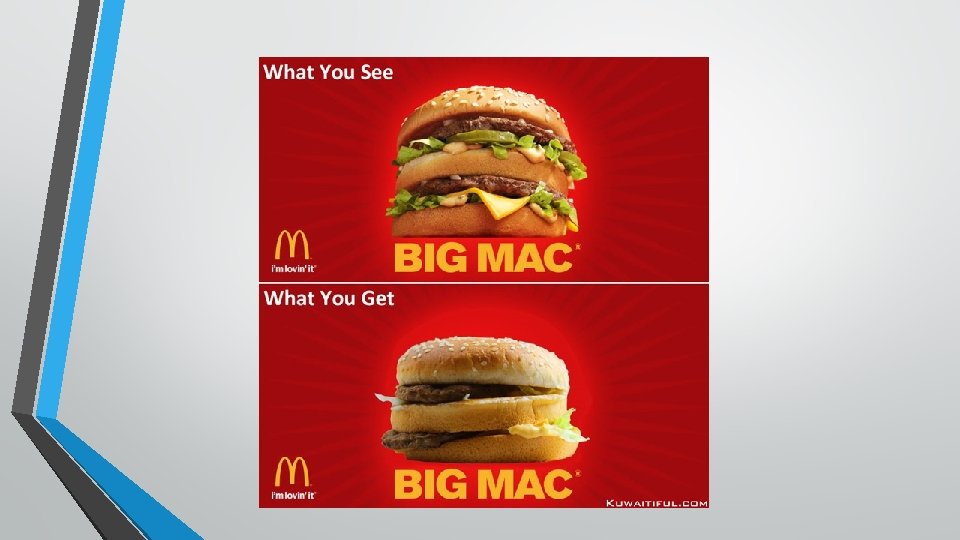
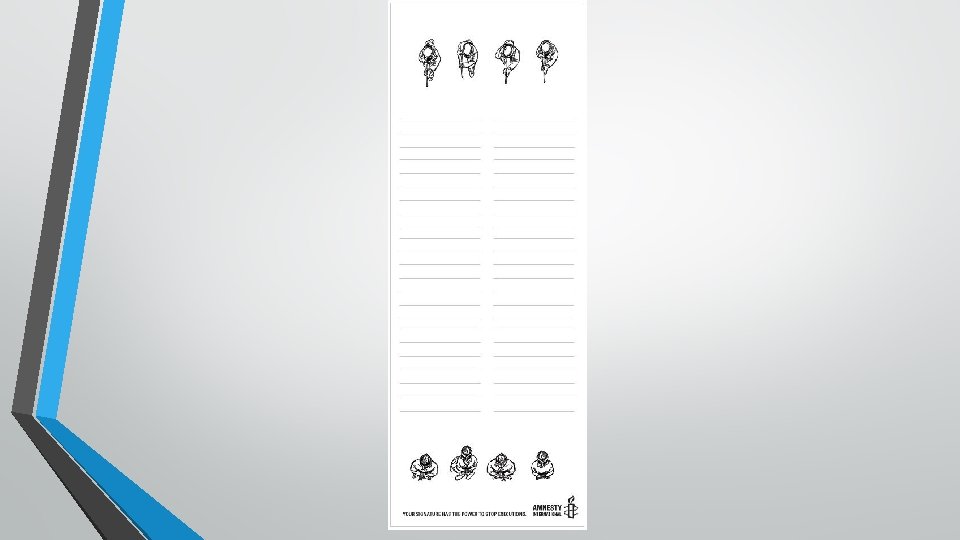
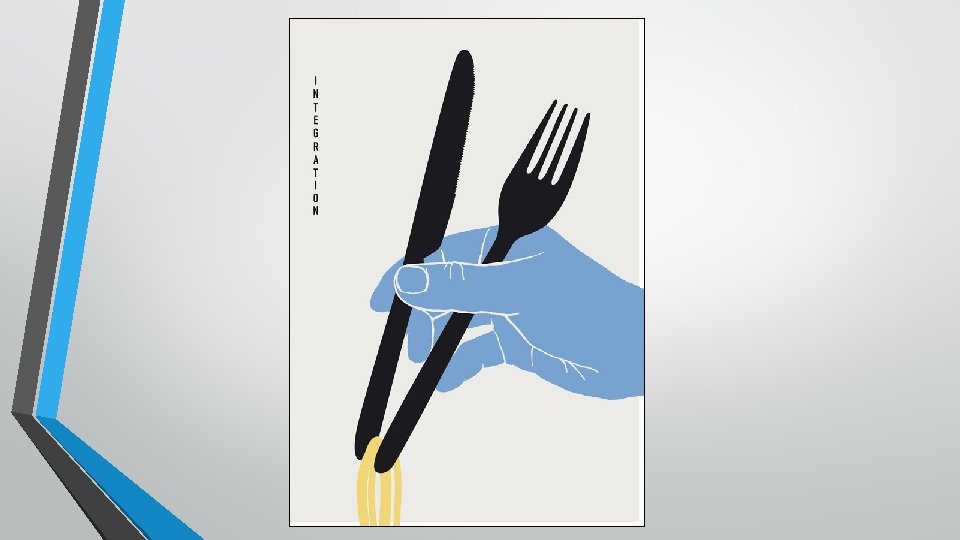
• This image does not exist for its aesthetic appeal; it is making an argument • Savvy interpreters of the visual world will be able to “read” the image and understand its meaning
Analyzing Images • Visual texts can be analyzed in much the same way that written texts are analyzed • Text: anything that can be “read” or interpreted • In the previous image, irony is being used to reframe our understanding of Nike’s slogan, “just do it. ”
Why do we need to be able to analyze the visual world? • Advertisements • Websites • Campaign posters • Paintings • Brochures/flyers • Film • Graphic Novels • Statuary • Architecture
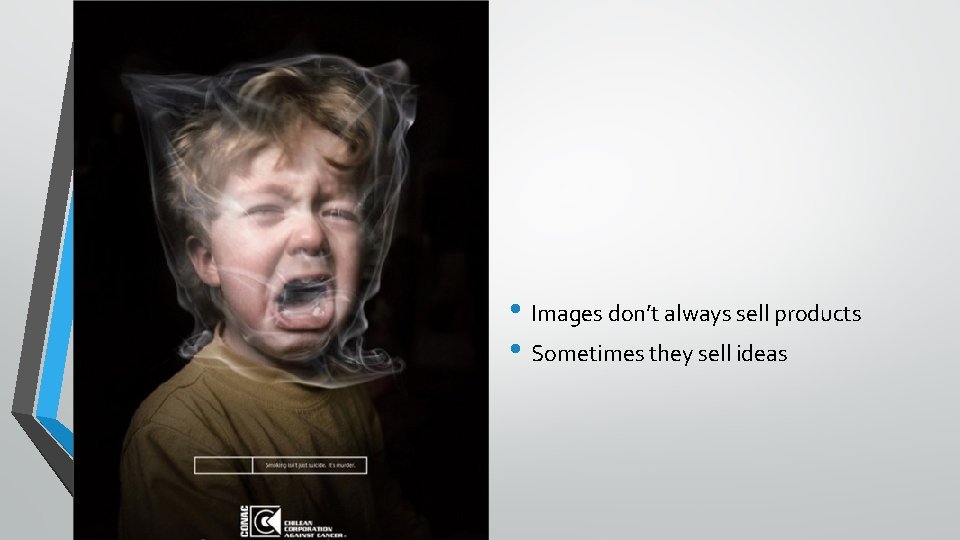
• Images don’t always sell products • Sometimes they sell ideas
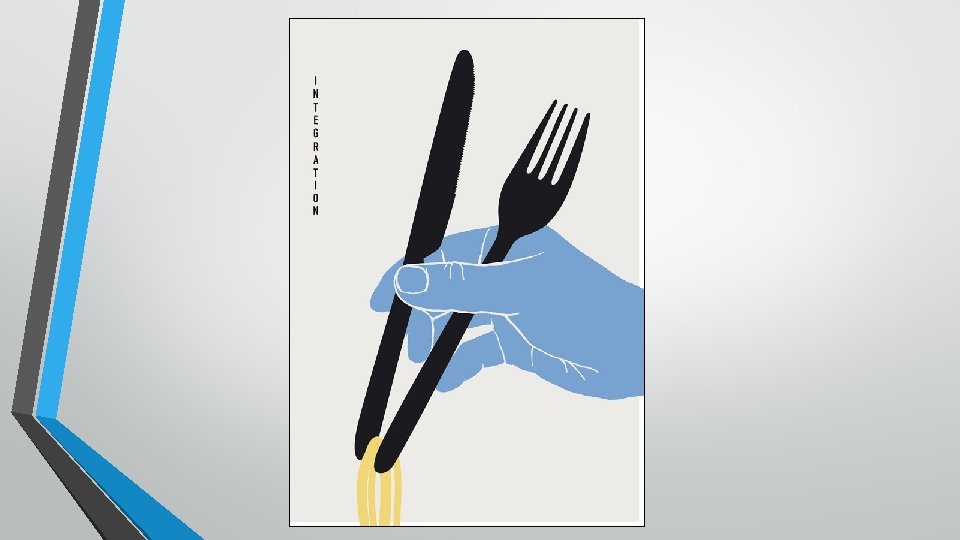
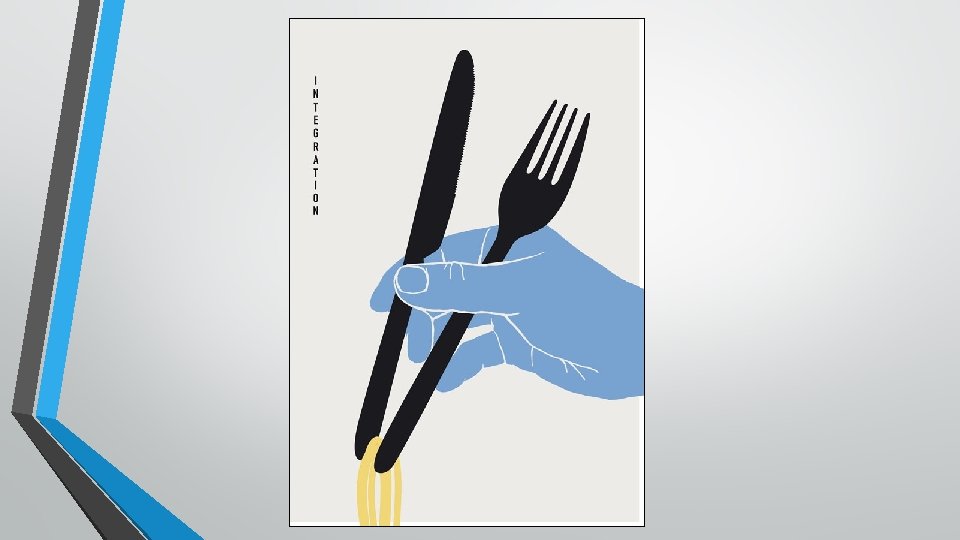
How to Analyze an Image: Step One • Describe the image. • Make note of any interesting features that stand out to you. • Pay attention to backgrounds, “camera” angles, iconography, fonts, and colors.
How to Analyze an Image: Step Two • Respond to the image. • • What feelings does each visual element inspire? Are there common associations related to each element?
How to Analyze an Image: Step Three • Tie all of the elements together into one unified meaning. • What is the overall message?
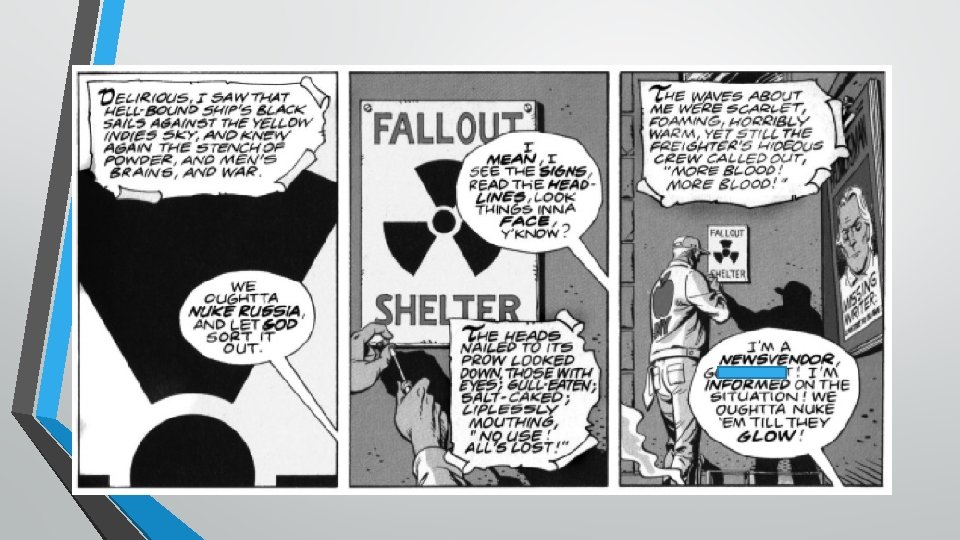
For graphic novels… • The same strategy applies; however, you must consider the larger narrative. • Consider these questions: • How does the meaning of the individual image relate to the meaning of the whole novel? Are there similarities? Differences? • What is the author’s intent? What do they want the reader to feel or think?
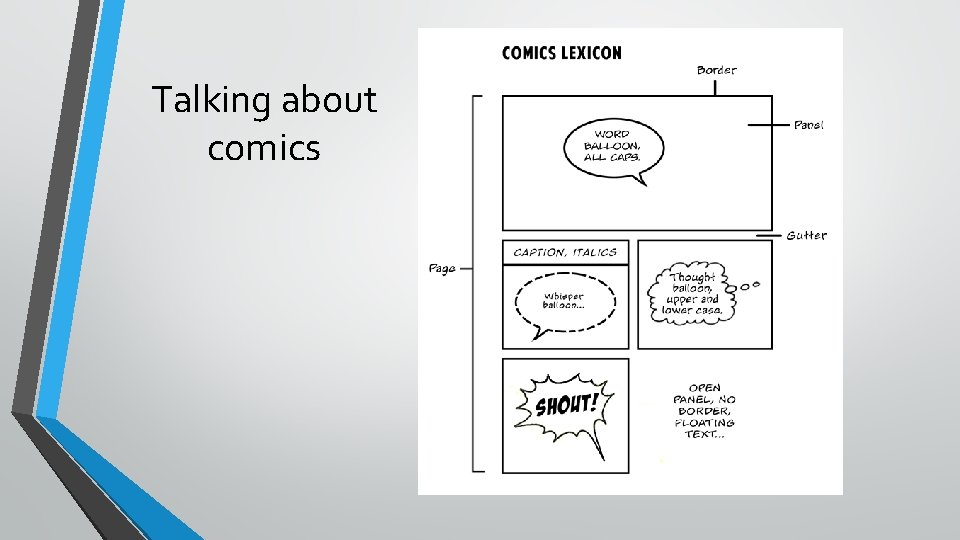
Talking about comics
Let’s practice with Persepolis