
Analyze Synthesize and Criticize oh my Check out


- Slides: 31
Analyze, Synthesize, and Criticize, oh my!: Check out our critical thinking toolkit! Caroline Solomon Professor, DSTM Assessment Day Workshop January 12, 2016
Before continue…a brief history……where did I learn this stuff I’m going to talk about today?
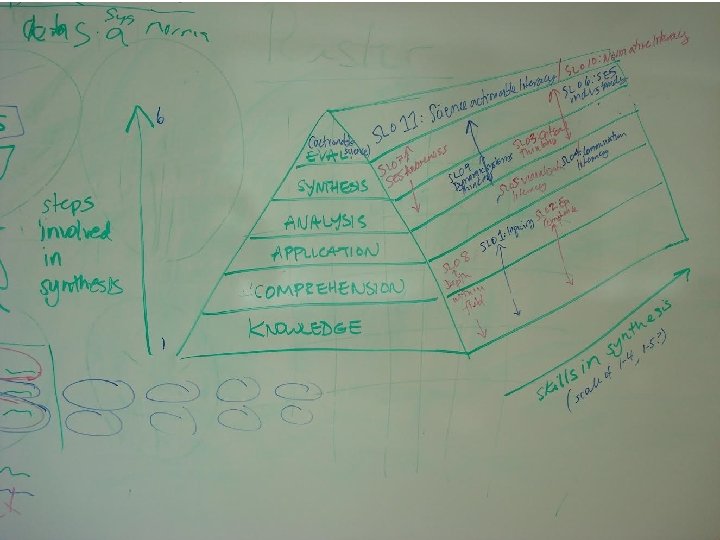
• University of Maryland got NSF funding to set up a Science Learning Center called SESYNC (Social-Environmental Synthesis Center) • I got involved with their socio-environmental synthesis (SES) teaching study and co-taught two SES courses with Dr. Khadijat Rashid • Last summer, I attended a workshop at SESYNC in June along with Dr. Cara Gormally
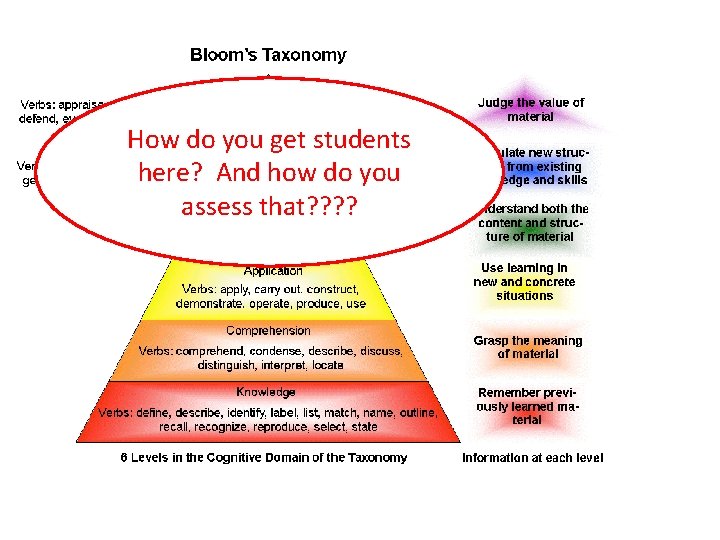
Gallaudet University Student Learning Outcome 2: Critical Thinking Students will summarize, synthesize, and critically analyze ideas from multiple sources in order to draw well-supported conclusions and solve problems.
How do you get students here? And how do you assess that? ?
Let’s see what we already have in our toolkit to assess critical thinking from our own faculty and staff. Please share your own experiences.
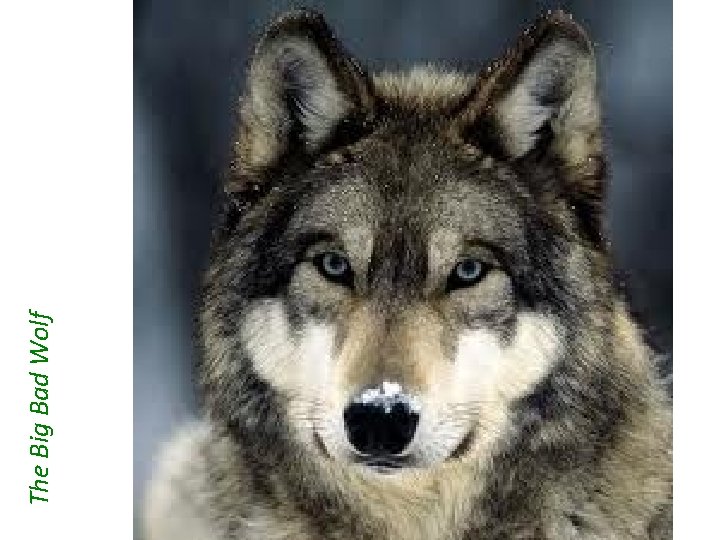
Let’s begin with a case study The Big Bad Wolf or Symbol of the American Wilderness? • There are many excellent resources to find case studies to encourage discussion that involves analysis, critical thinking and synthesis. • National Center for Case Study Teaching in Science : http: //sciencecases. lib. buffalo. edu/cs/ • International Journal of Teaching and Case Studies (http: //www. inderscience. com/jhome. php? jcode =IJTCS)
The Big Bad Wolf
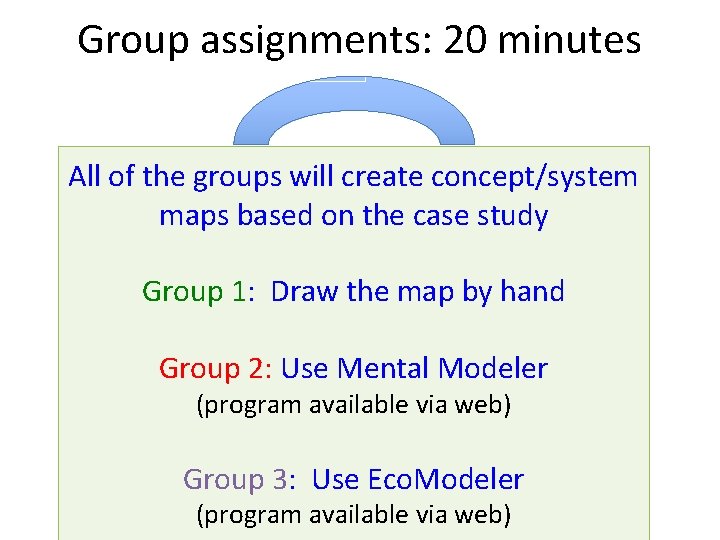
Group assignments: 20 minutes All of the groups will create concept/system maps based on the case study Group 1: Draw the map by hand Group 2: Use Mental Modeler (program available via web) Group 3: Use Eco. Modeler (program available via web)
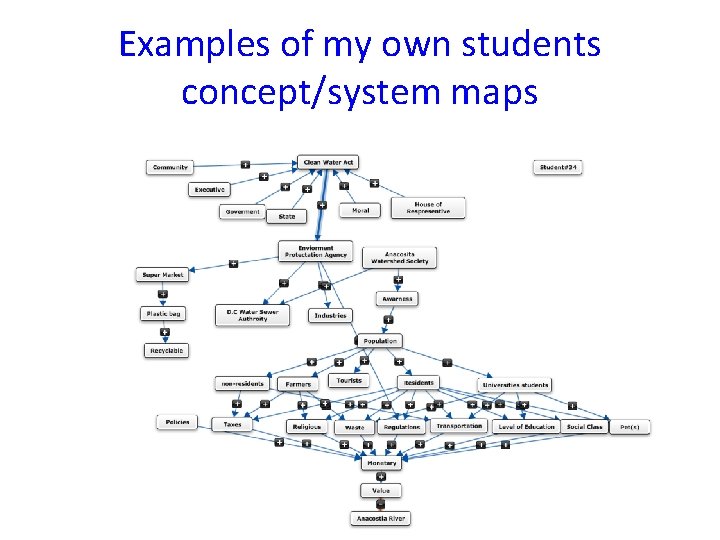
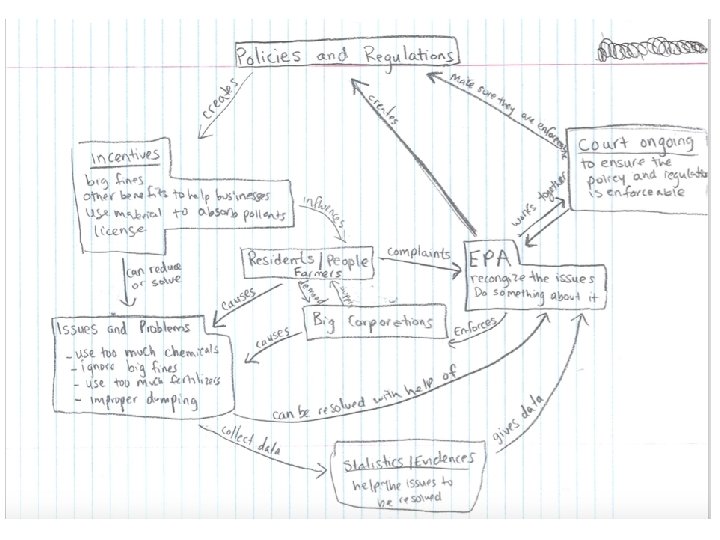
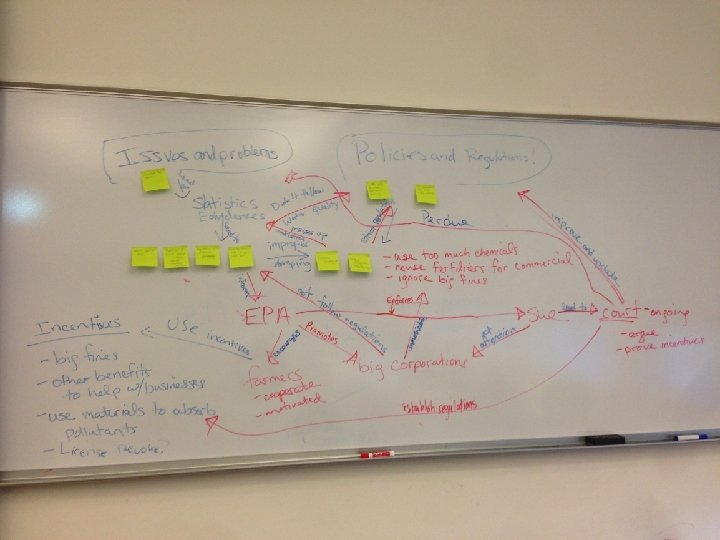
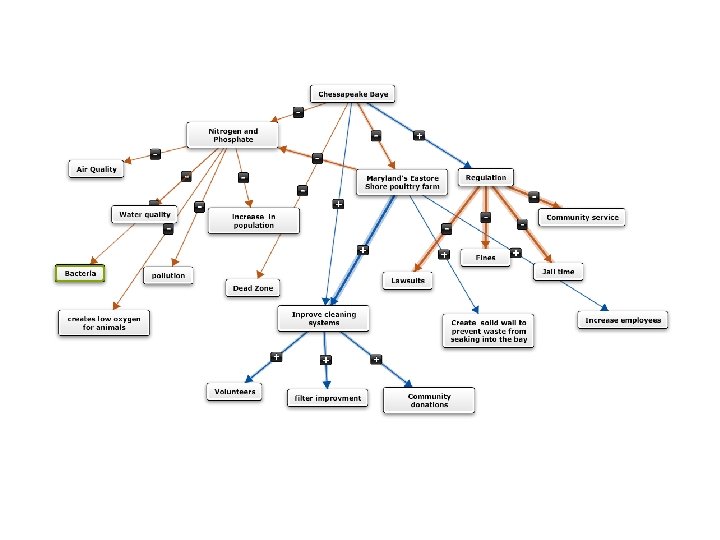
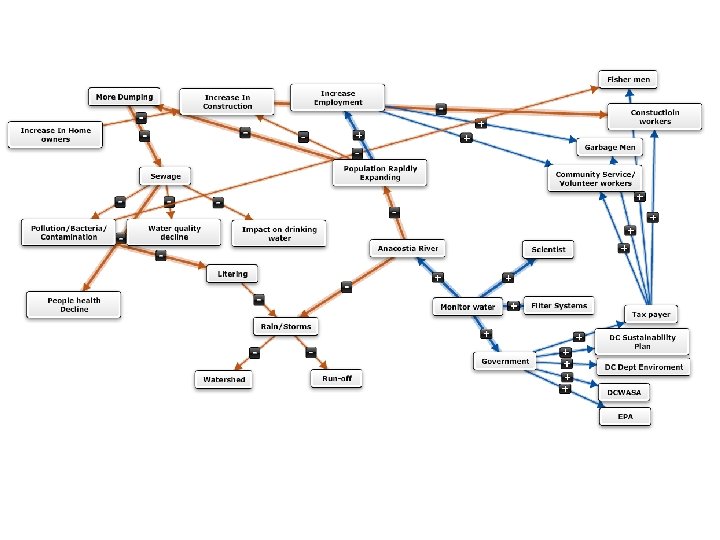
Examples of my own students concept/system maps
Examples of my own students concept/system maps
Examples of my own students concept/system maps
Group assignments: 20 minutes All groups will now discuss HOW to assess the maps for analysis, critical thinking and synthesis skills by looking at another group’s map
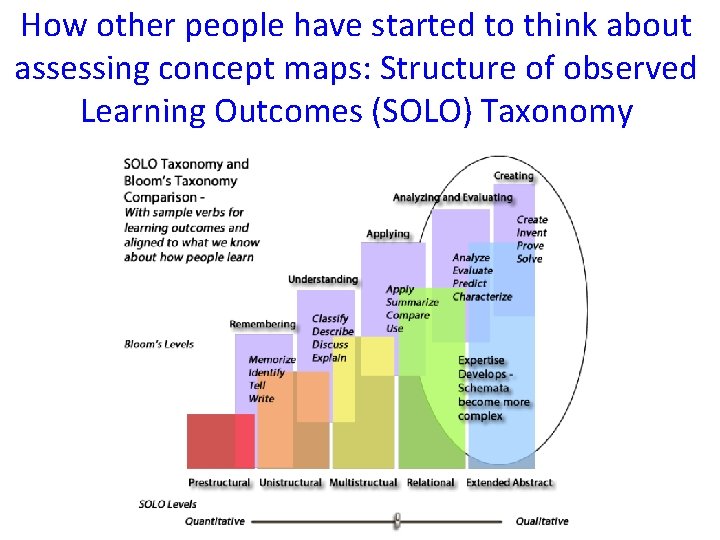
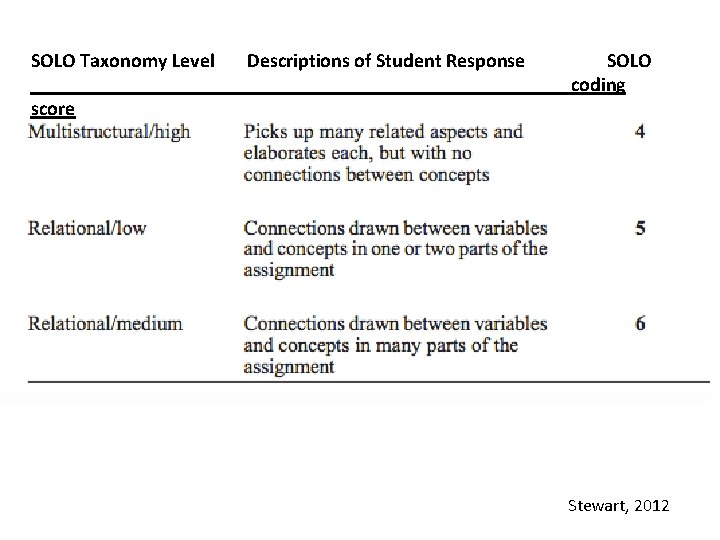
How other people have started to think about assessing concept maps: Structure of observed Learning Outcomes (SOLO) Taxonomy
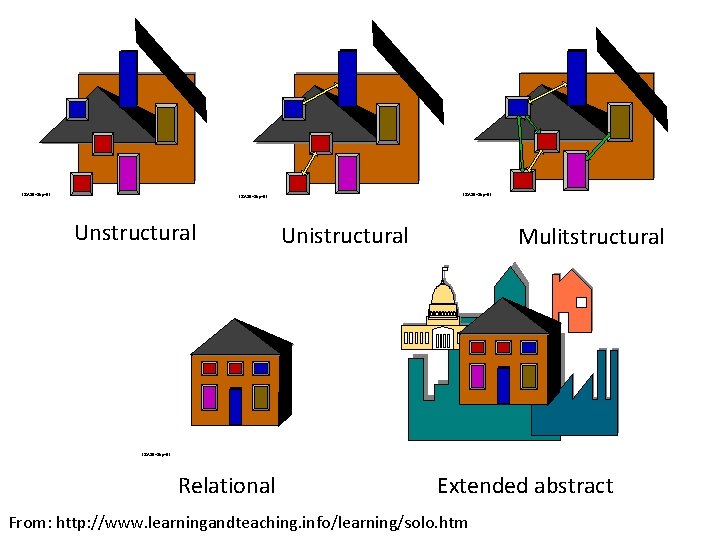
Unstructural Relational Unistructural Mulitstructural Extended abstract From: http: //www. learningandteaching. info/learning/solo. htm
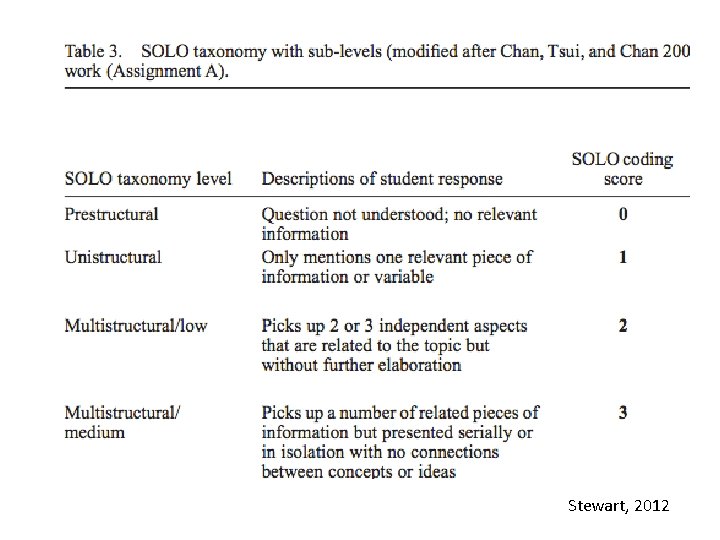
Stewart, 2012
SOLO Taxonomy Level score Descriptions of Student Response SOLO coding Stewart, 2012
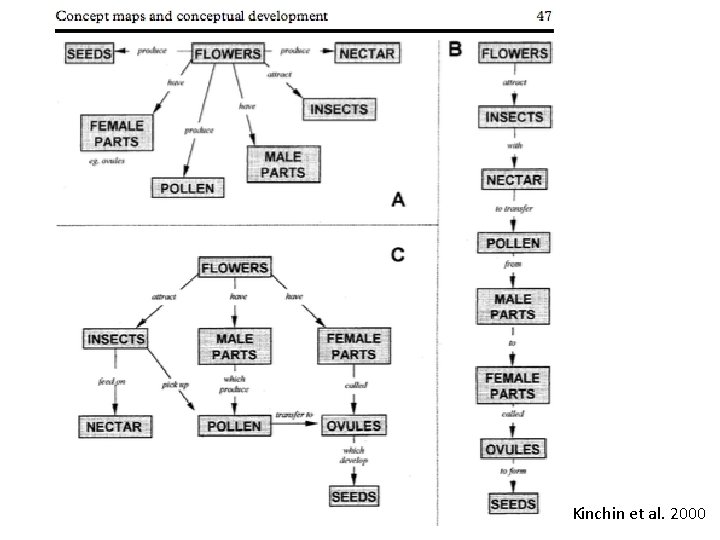
Kinchin et al. 2000
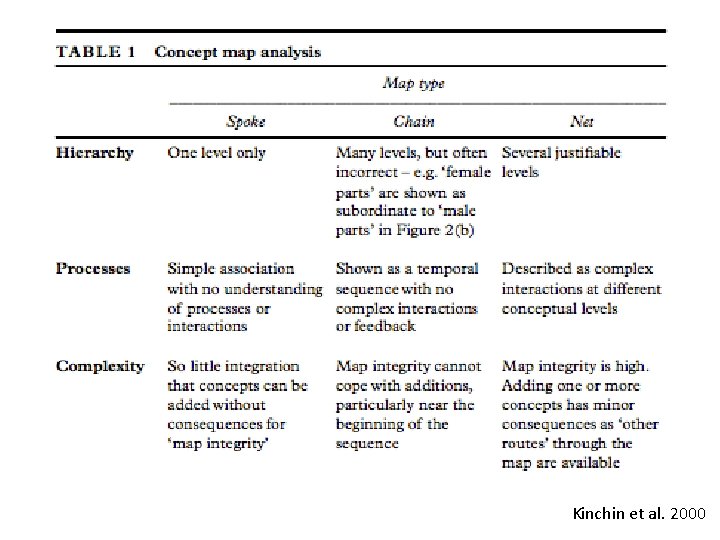
Kinchin et al. 2000
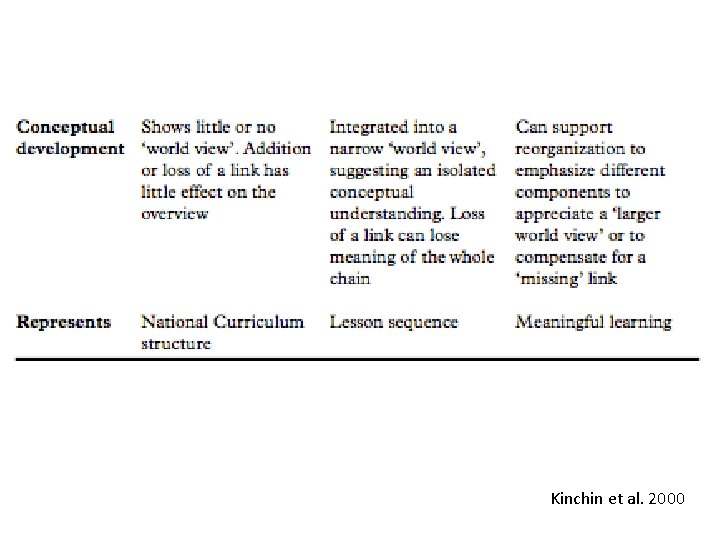
Kinchin et al. 2000
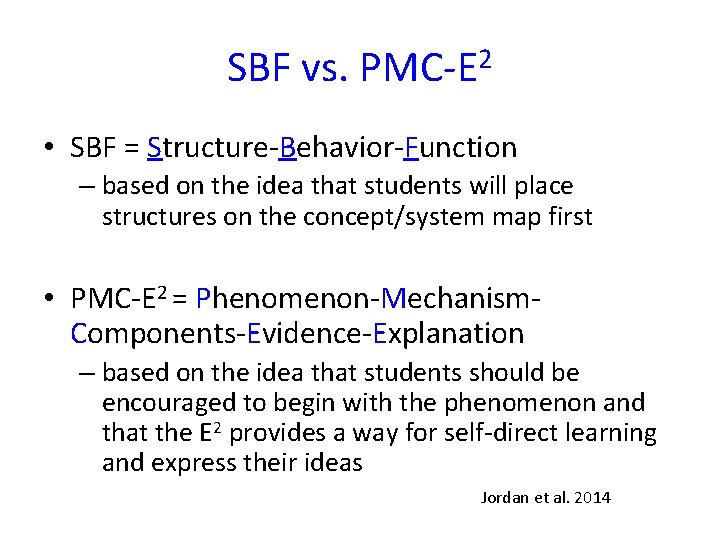
SBF vs. PMC-E 2 • SBF = Structure-Behavior-Function – based on the idea that students will place structures on the concept/system map first • PMC-E 2 = Phenomenon-Mechanism. Components-Evidence-Explanation – based on the idea that students should be encouraged to begin with the phenomenon and that the E 2 provides a way for self-direct learning and express their ideas Jordan et al. 2014
If time permits….
Individual or members of the same program/department assignments: 20 minutes Now search for a case study that you would use in one of your courses (or one that you already use) and draw your own ‘expert’ map
Individual or members of the same program/department assignments: 10 minutes Now use your ‘expert’ map as a guide to determine what you feel are the important elements of critical thinking that you would like your students to achieve (which would eventually be listed in an assessment rubric)
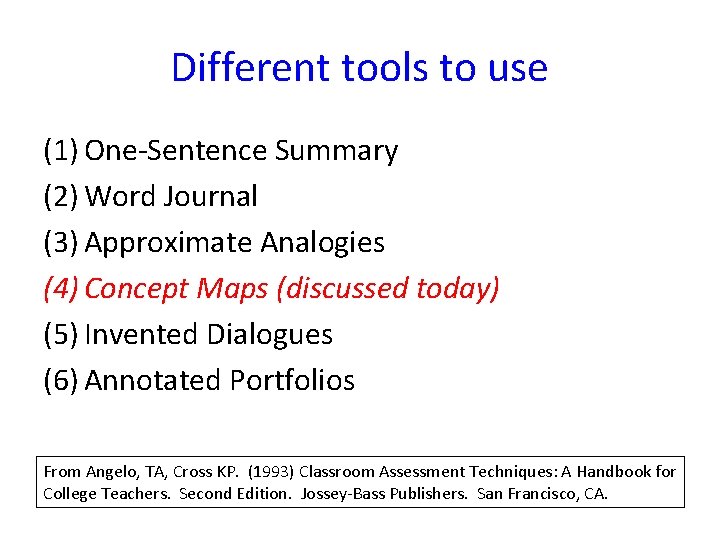
Different tools to use (1) One-Sentence Summary (2) Word Journal (3) Approximate Analogies (4) Concept Maps (discussed today) (5) Invented Dialogues (6) Annotated Portfolios From Angelo, TA, Cross KP. (1993) Classroom Assessment Techniques: A Handbook for College Teachers. Second Edition. Jossey-Bass Publishers. San Francisco, CA.
Extra slides