
Analysis of the Devonian Shale in Kentucky for
- Slides: 29
Analysis of the Devonian Shale in Kentucky for Potential CO 2 Sequestration and Enhanced Natural Gas Production U. S. DOE/NETL DE-FC 26 -02 NT 41442 Brandon C. Nuttall, James A. Drahovzal, Cortland F. Eble, R. Marc Bustin
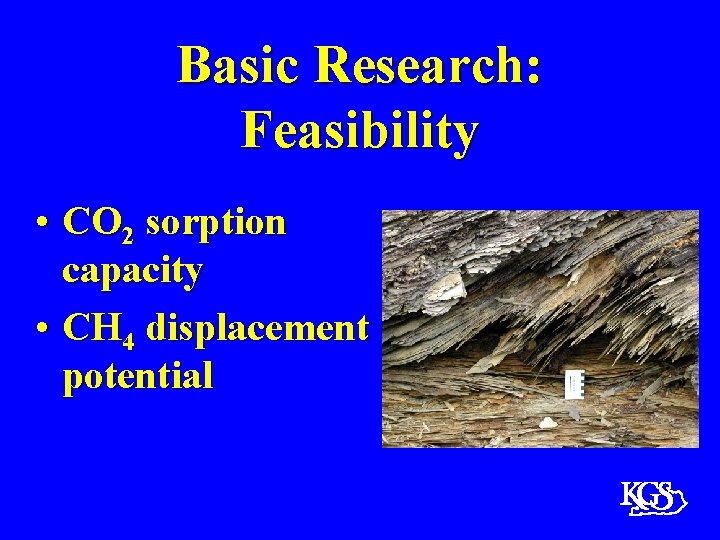
Basic Research: Feasibility • CO 2 sorption capacity • CH 4 displacement potential
Why Black Shales? • Distribution and potential storage volume • Known producer – Gas adsorbed on kerogen and clay • Analogous to CBM?
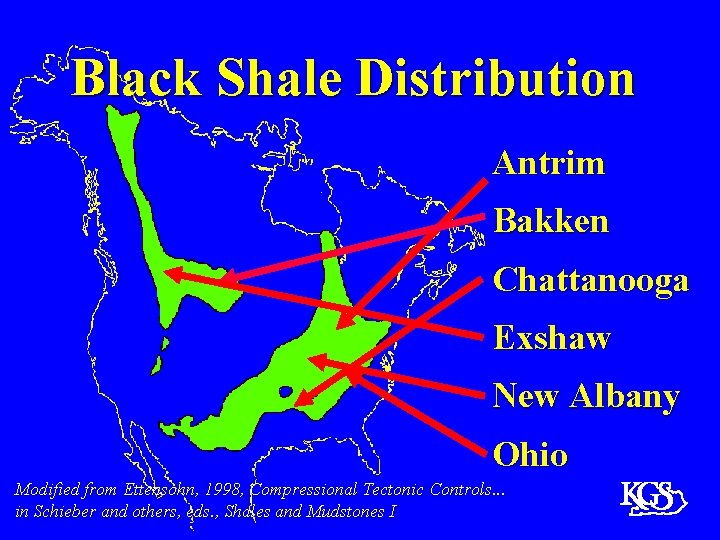
Black Shale Distribution Antrim Bakken Chattanooga Exshaw New Albany Ohio Modified from Ettensohn, 1998, Compressional Tectonic Controls. . . in Schieber and others, eds. , Shales and Mudstones I
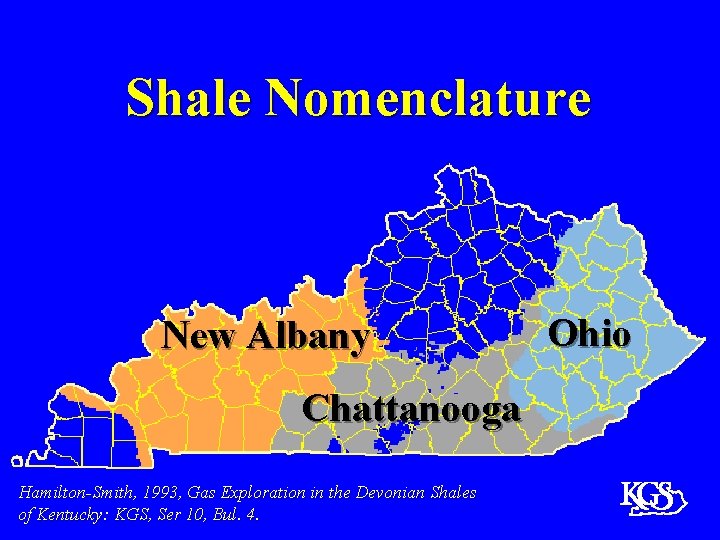
Shale Nomenclature New Albany Chattanooga Hamilton-Smith, 1993, Gas Exploration in the Devonian Shales of Kentucky: KGS, Ser 10, Bul. 4. Ohio
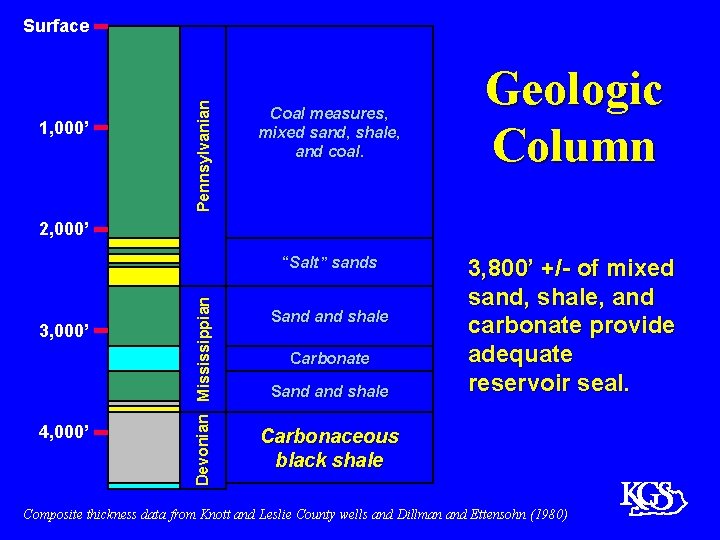
1, 000’ Pennsylvanian Surface Coal measures, mixed sand, shale, and coal. Geologic Column 2, 000’ 3, 000’ 4, 000’ Devonian Mississippian “Salt” sands Sand shale Carbonate Sand shale 3, 800’ +/- of mixed sand, shale, and carbonate provide adequate reservoir seal. Carbonaceous black shale Composite thickness data from Knott and Leslie County wells and Dillman and Ettensohn (1980)
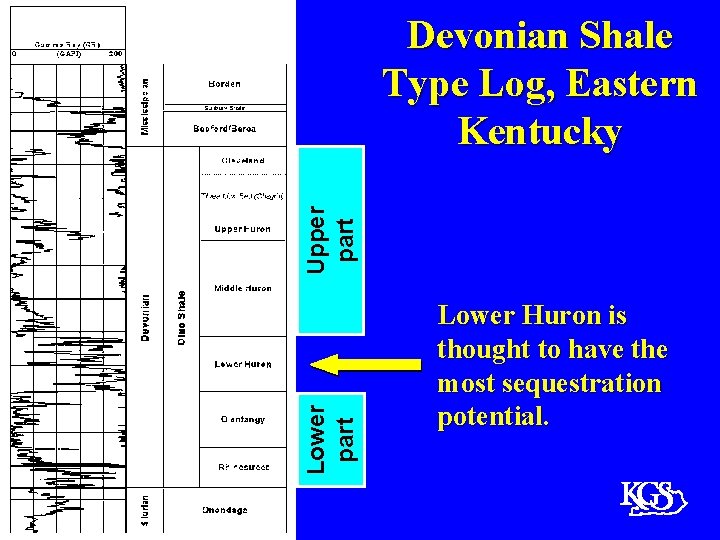
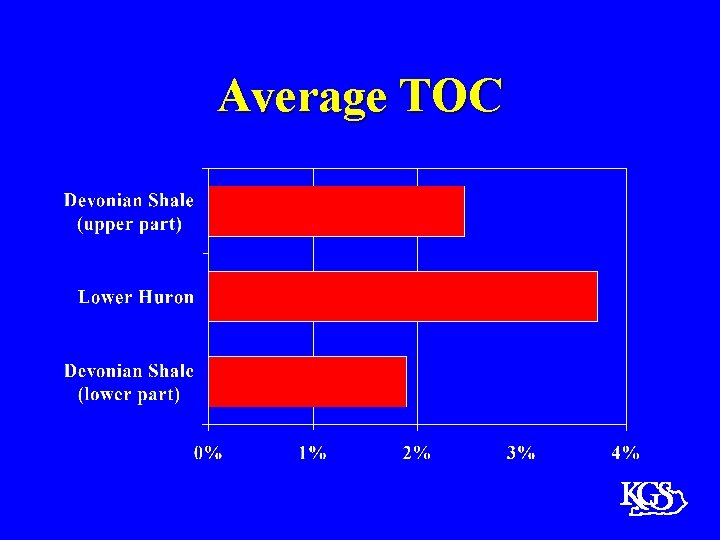
Lower part Upper part Devonian Shale Type Log, Eastern Kentucky Lower Huron is thought to have the most sequestration potential.
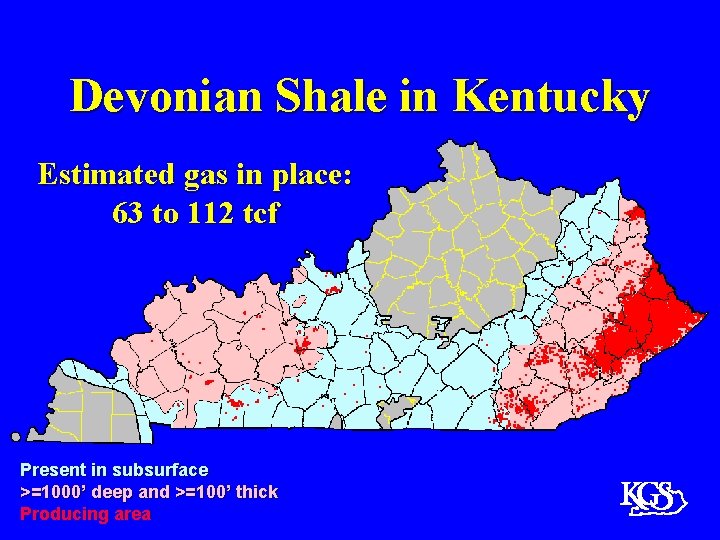
Devonian Shale in Kentucky Estimated gas in place: 63 to 112 tcf Present in subsurface >=1000’ deep and >=100’ thick Producing area
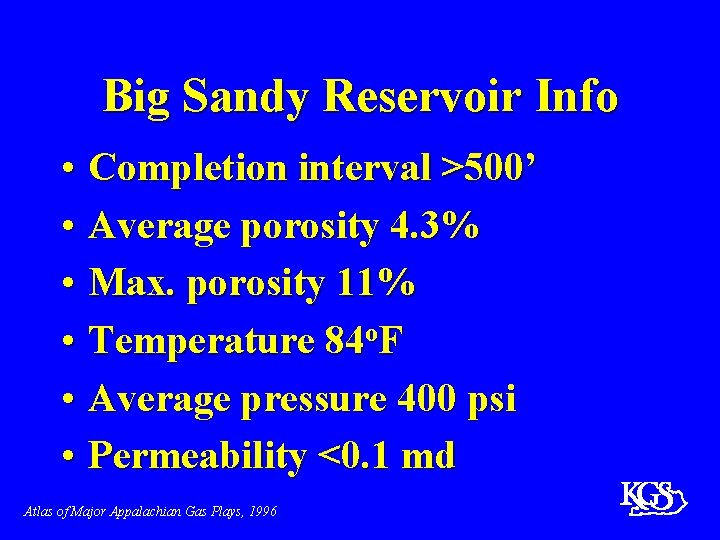
Big Sandy Reservoir Info • Completion interval >500’ • Average porosity 4. 3% • Max. porosity 11% • Temperature 84 o. F • Average pressure 400 psi • Permeability <0. 1 md Atlas of Major Appalachian Gas Plays, 1996
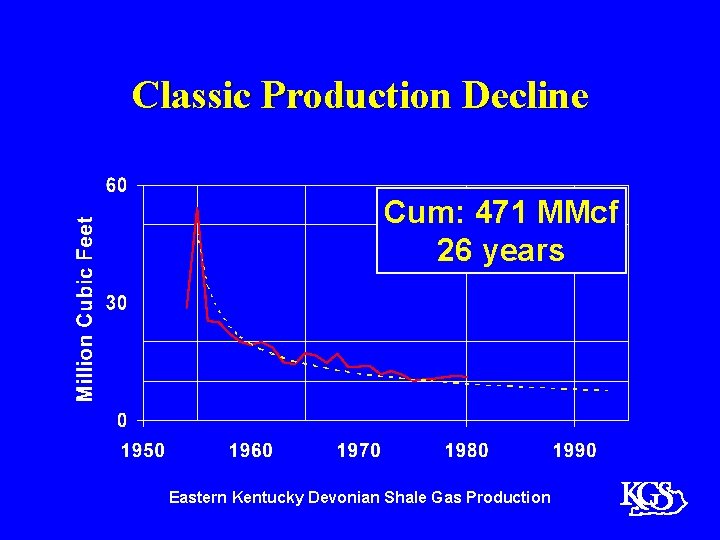
Classic Production Decline Cum: 471 MMcf 26 years 39494 Eastern Kentucky Devonian Shale Gas Production
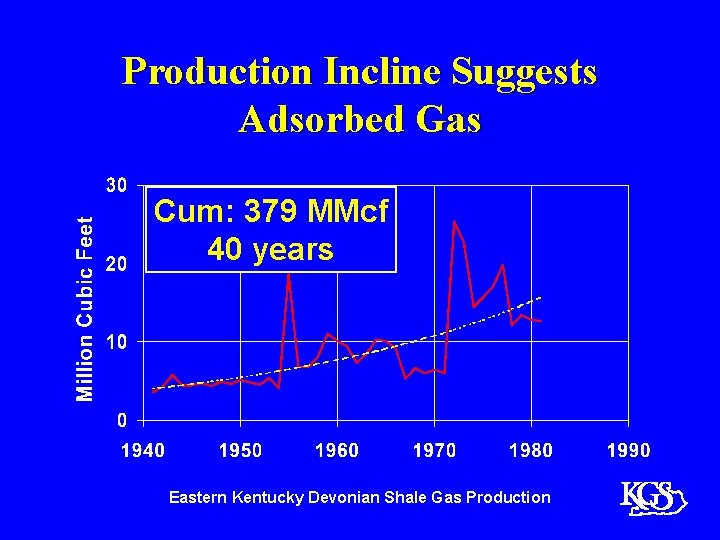
Production Incline Suggests Adsorbed Gas Cum: 379 MMcf 40 years 40625 Eastern Kentucky Devonian Shale Gas Production
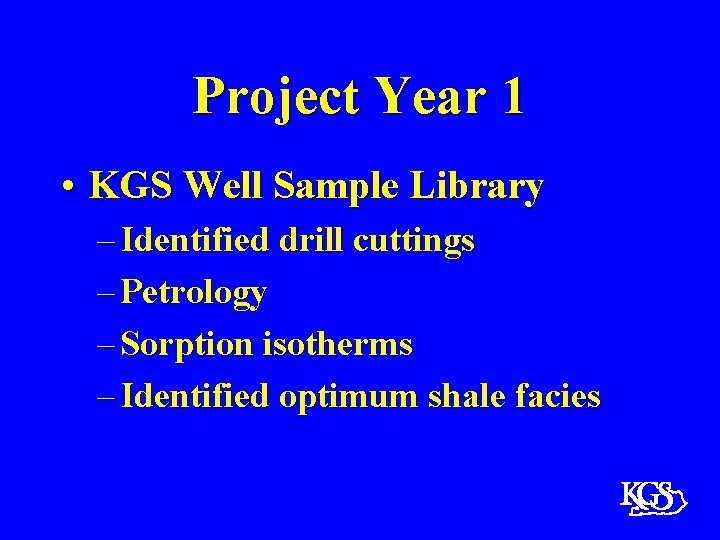
Project Year 1 • KGS Well Sample Library – Identified drill cuttings – Petrology – Sorption isotherms – Identified optimum shale facies
Sampling Criteria • Minimize sample alterations – Recent wells – Unwashed samples • Geophysical logs available • Distributed over shale gas producing area
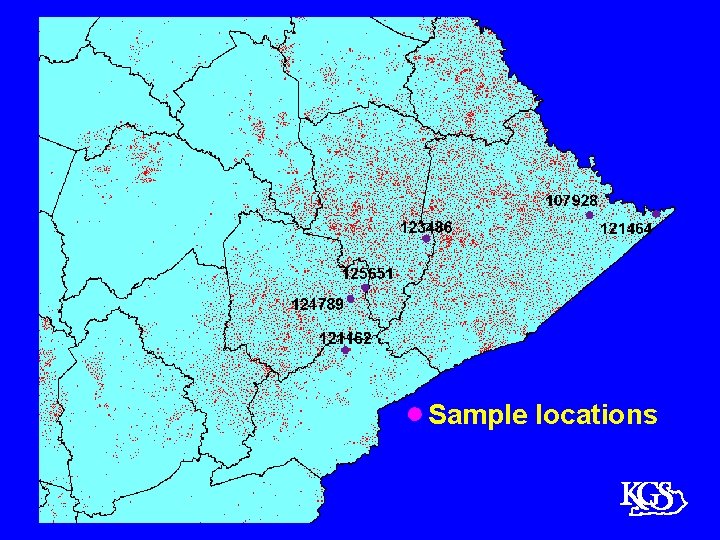
Sample locations
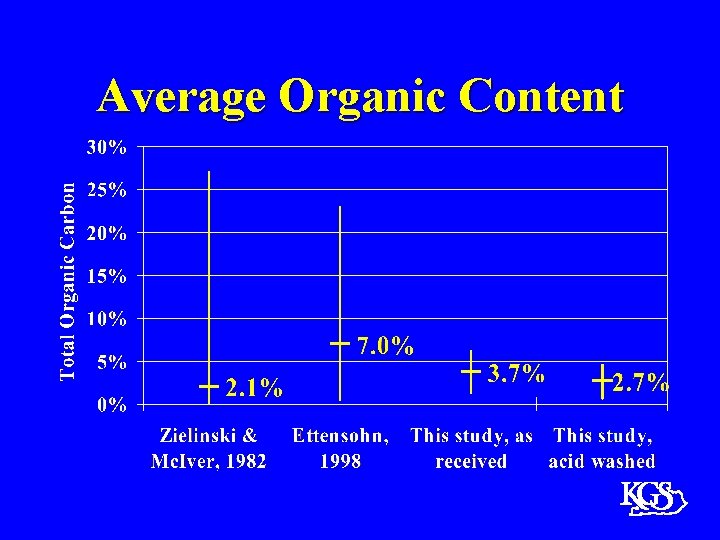
Average Organic Content
Average TOC
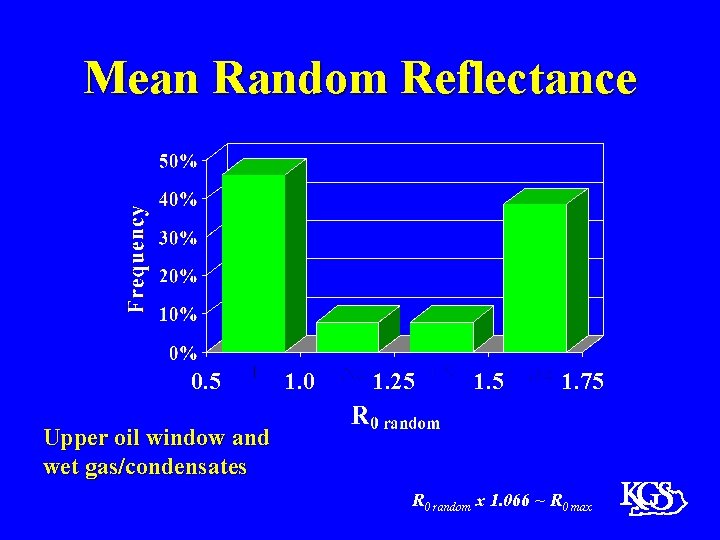
Mean Random Reflectance 0. 5 1. 0 1. 25 1. 75 Upper oil window and wet gas/condensates R 0 random x 1. 066 ~ R 0 max
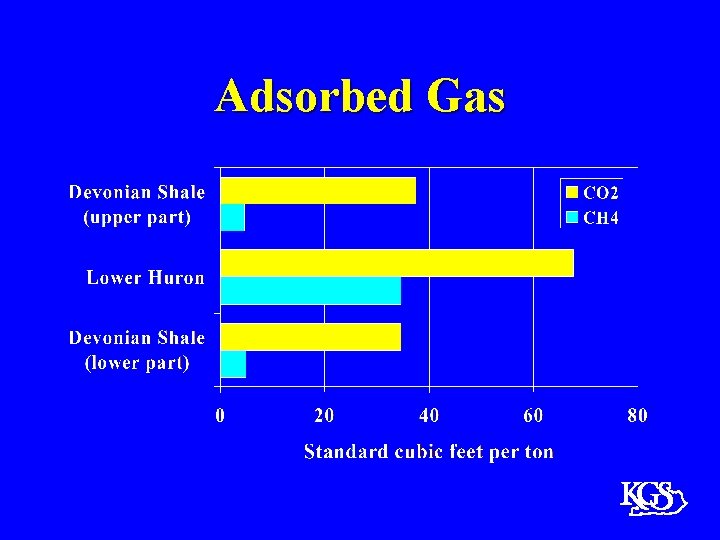
Adsorbed Gas
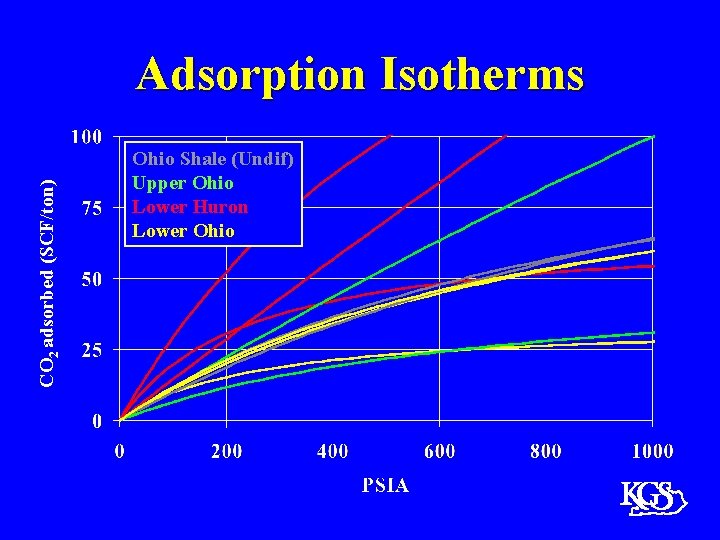
CO 2 adsorbed (SCF/ton) Adsorption Isotherms Ohio Shale (Undif) Upper Ohio Lower Huron Lower Ohio
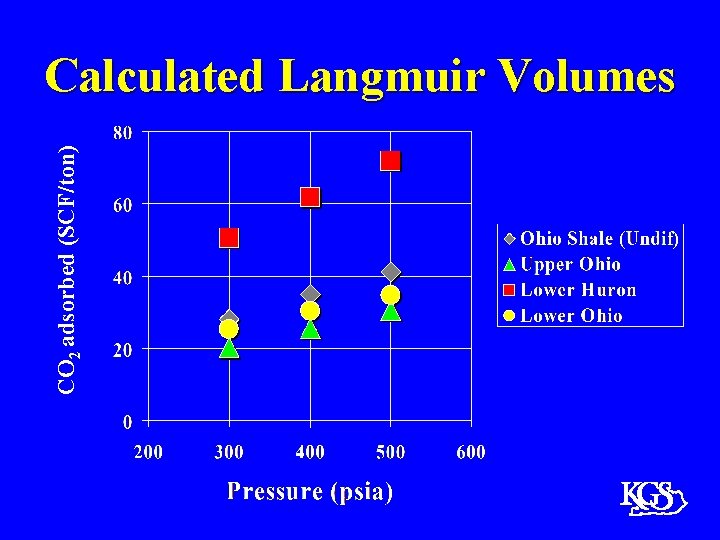
CO 2 adsorbed (SCF/ton) Calculated Langmuir Volumes
Project Year 2 • Cooperative access to new well – Sidewall core – ECS logging suite – Petrology – CO 2 sorption/CH 4 displacement
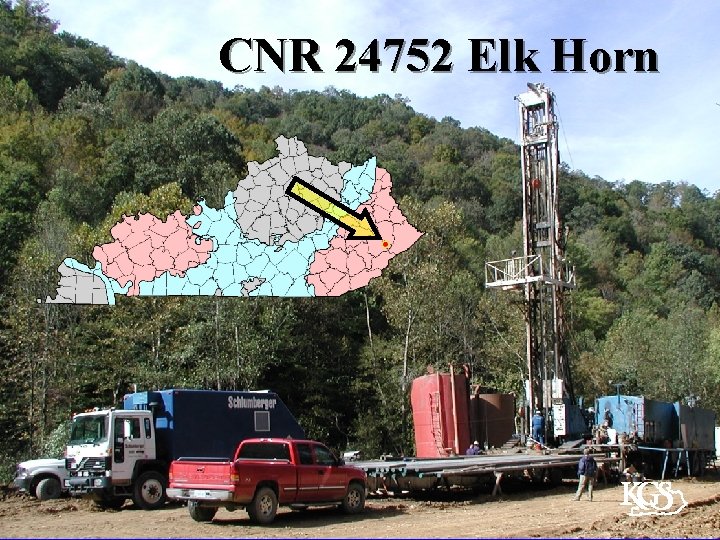
CNR 24752 Elk Horn
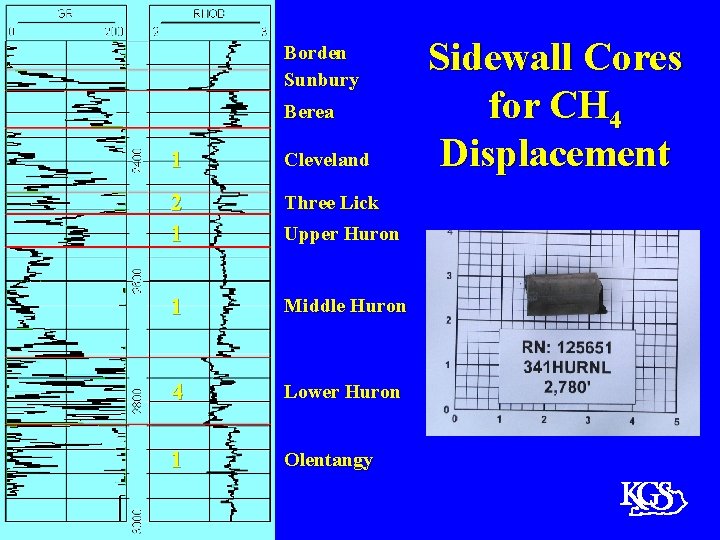
Borden Sunbury Berea 1 Cleveland 2 1 Three Lick Upper Huron 1 Middle Huron 4 Lower Huron 1 Olentangy Sidewall Cores for CH 4 Displacement
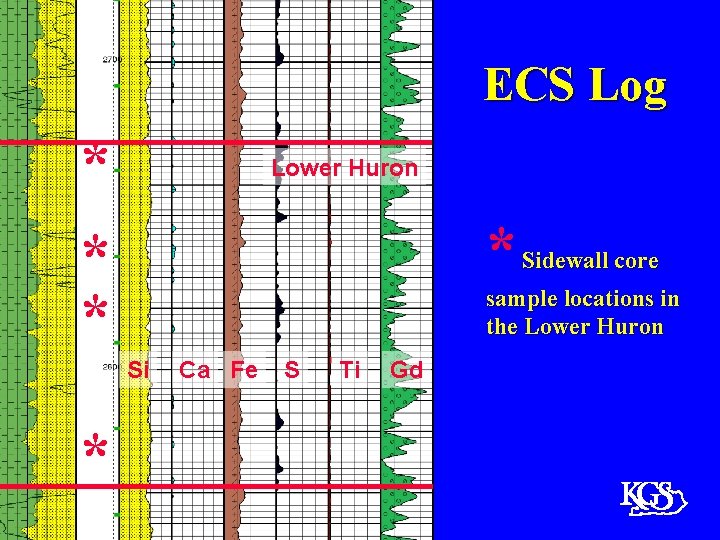
ECS Log * Lower Huron * * * sample locations in the Lower Huron Si * Sidewall core Ca Fe S Ti Gd
Work Plan: Year 3 • Reporting and technology transfer – Finish long-term sorption analyses – Implement Web data interface – Final report
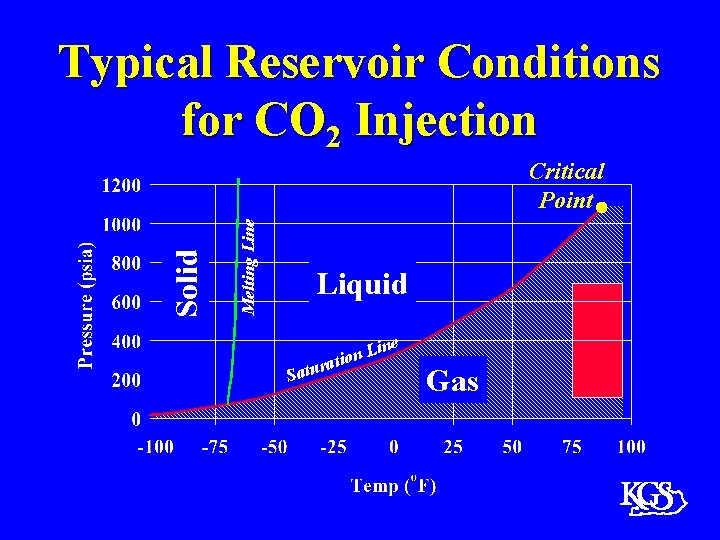
Typical Reservoir Conditions for CO 2 Injection Melting Line Solid Critical Point Liquid ine S ion L t a r atu Gas
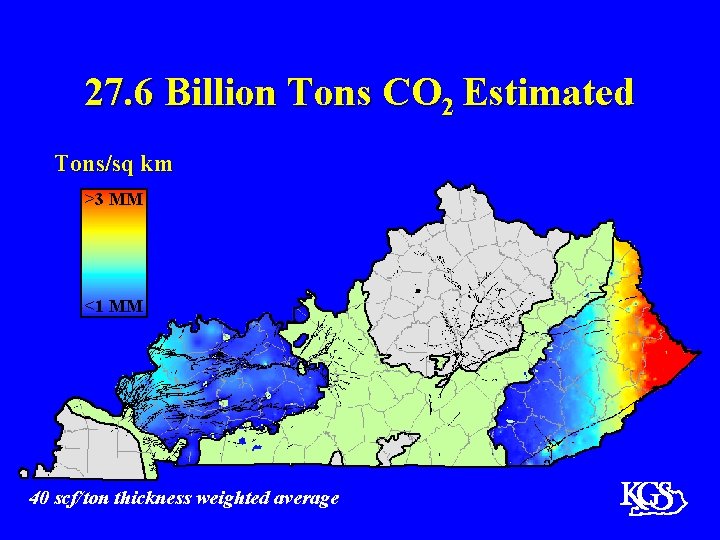
27. 6 Billion Tons CO 2 Estimated Tons/sq km >3 MM <1 MM 40 scf/ton thickness weighted average
Future Research • Demonstration project – CO 2 monitoring • Surface soils • Produced gas – Reservoir simulation
Conclusion The organic-rich Mississippian– Devonian shales of Kentucky have the potential to sequester large volumes of CO 2. www. uky. edu/kgs