
Analysing and modelling wellbeing psychological bodily social and
Analysing and modelling wellbeing: psychological, bodily, social, and environmental dimensions Neil Thin School of Social and Political Science University of Edinburgh
Main messages • Wellbeing is ineffable: statistical reports don’t make the uncertainties disappear. • With or without stats, the ‘wellbeing’ rubric helpfully tilts policy conversations towards positivity and ultimate values • The ‘happiness lens’ adds: empathy; holism; and narrativity - but only if we transcend numerical reductionism. • It also helps to consider implicit and explicit models, visualizations, and analytical frameworks.

First, three famous Scots to bear in mind…
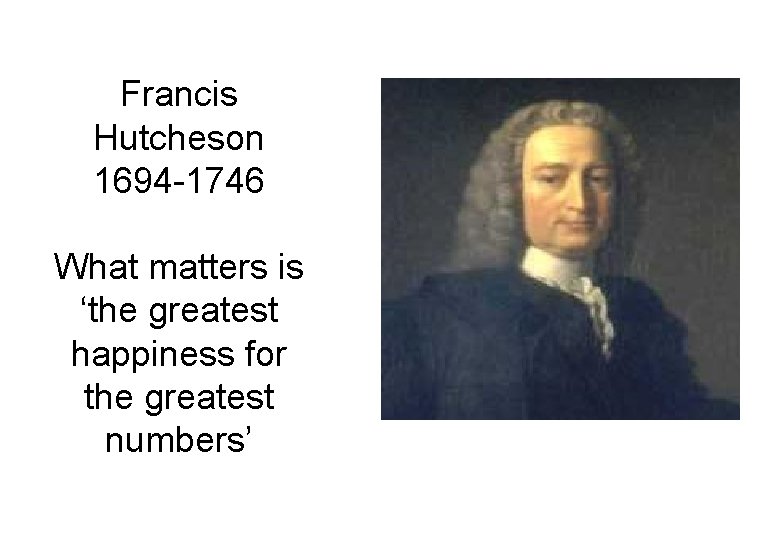
Francis Hutcheson 1694 -1746 What matters is ‘the greatest happiness for the greatest numbers’
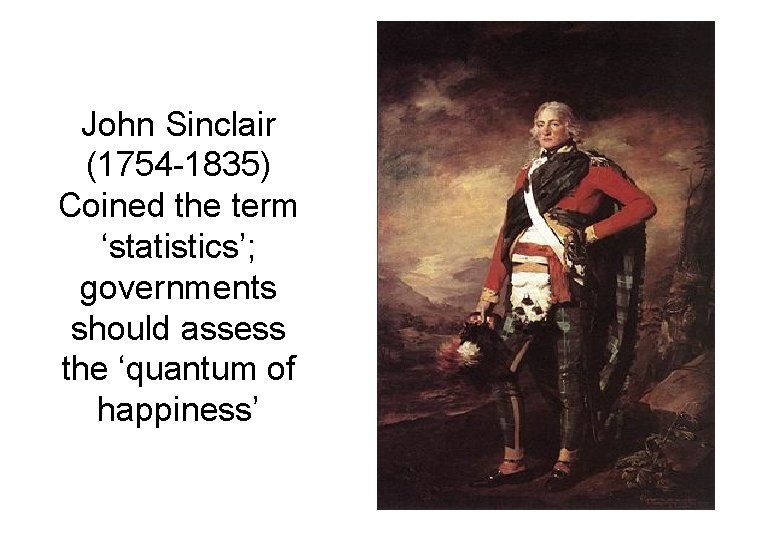
John Sinclair (1754 -1835) Coined the term ‘statistics’; governments should assess the ‘quantum of happiness’
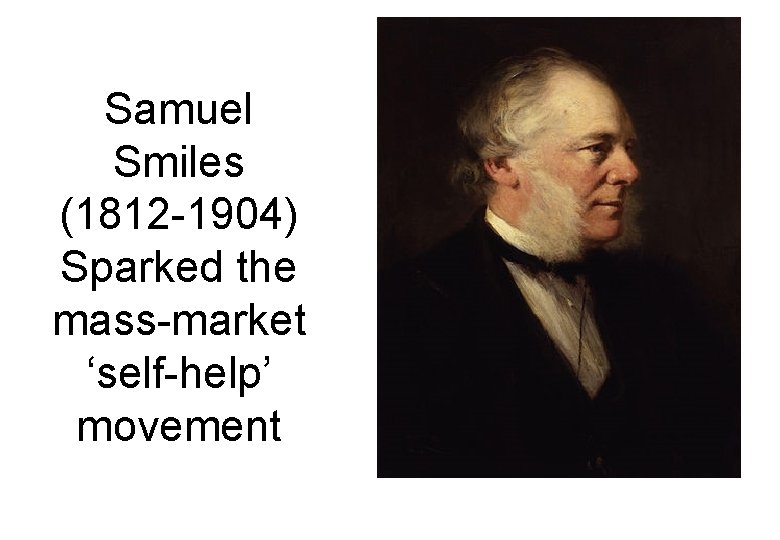
Samuel Smiles (1812 -1904) Sparked the mass-market ‘self-help’ movement
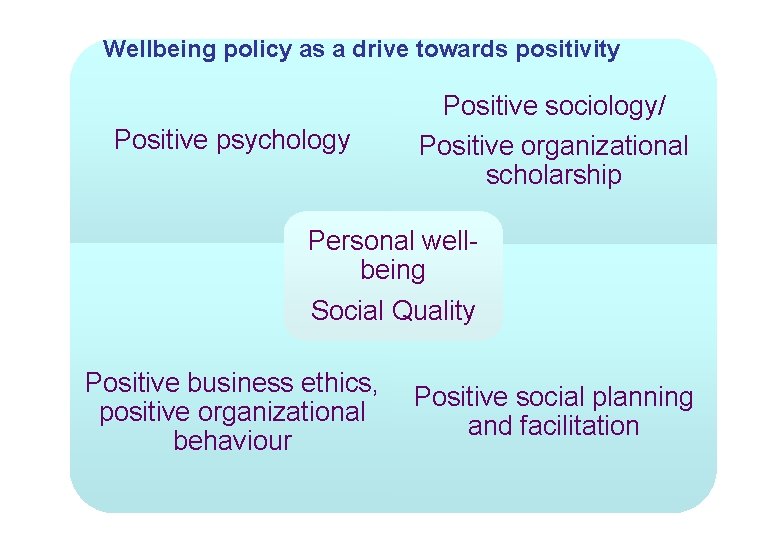
Wellbeing policy as a drive towards positivity Positive psychology Positive sociology/ Positive organizational scholarship Personal wellbeing Social Quality Positive business ethics, positive organizational behaviour Positive social planning and facilitation
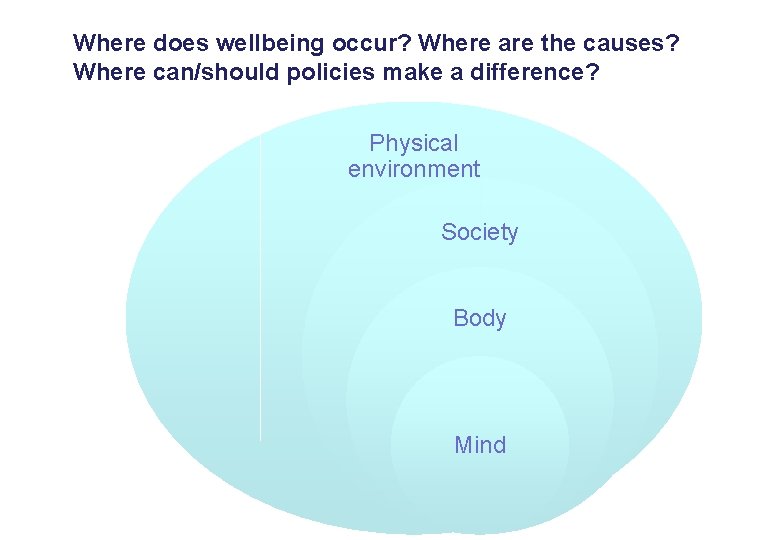
Where does wellbeing occur? Where are the causes? Where can/should policies make a difference? Physical environment Society Body Mind
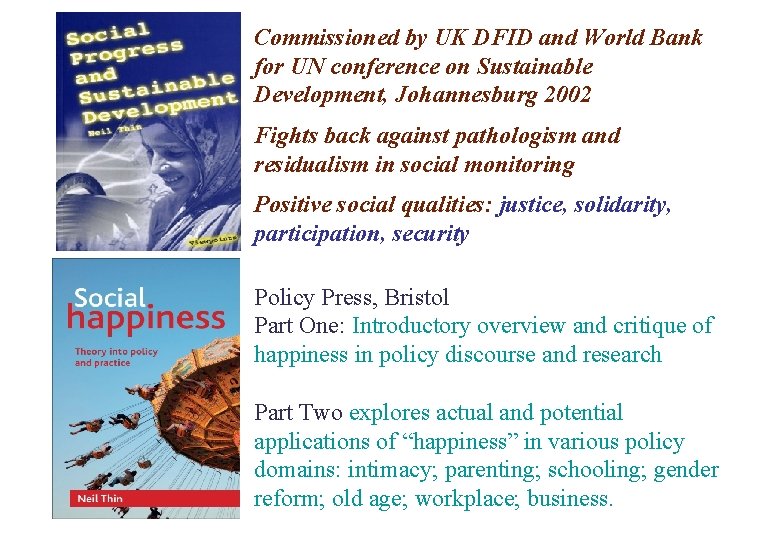
Commissioned by UK DFID and World Bank for UN conference on Sustainable Development, Johannesburg 2002 Fights back against pathologism and residualism in social monitoring Positive social qualities: justice, solidarity, participation, security Policy Press, Bristol Part One: Introductory overview and critique of happiness in policy discourse and research Part Two explores actual and potential applications of “happiness” in various policy domains: intimacy; parenting; schooling; gender reform; old age; workplace; business.
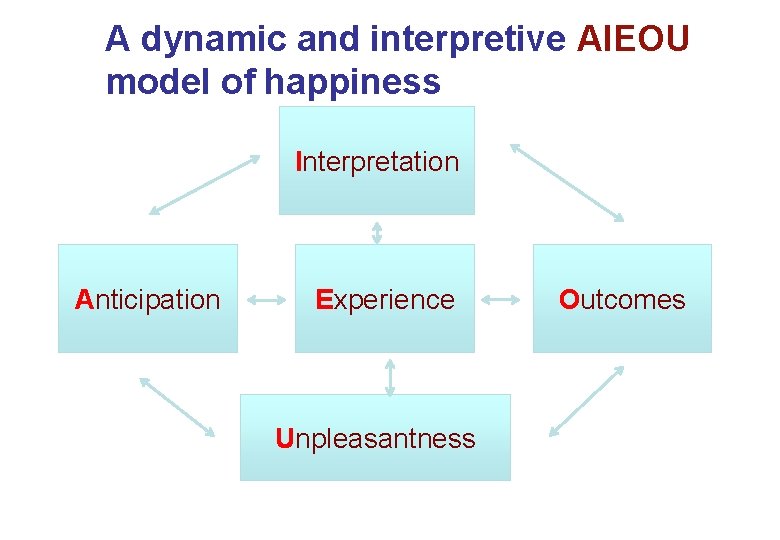
A dynamic and interpretive AIEOU model of happiness Interpretation Anticipation Experience Unpleasantness Outcomes
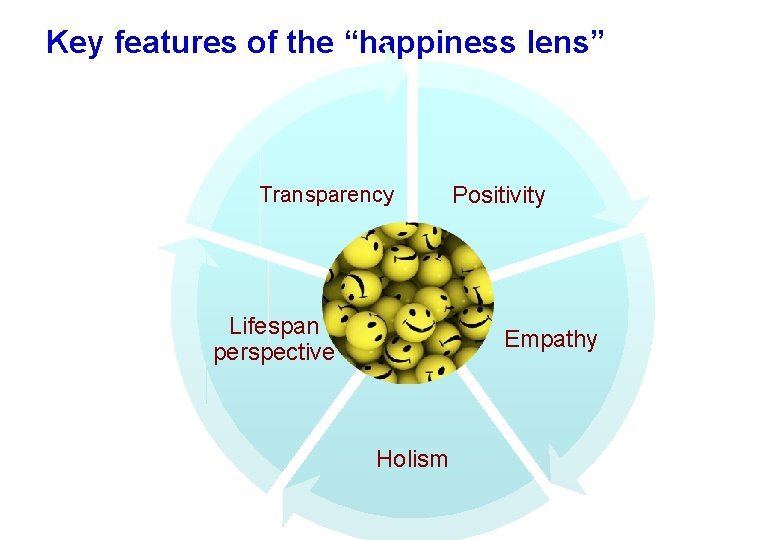
Key features of the “happiness lens” Transparency Lifespan perspective Positivity Empathy Holism
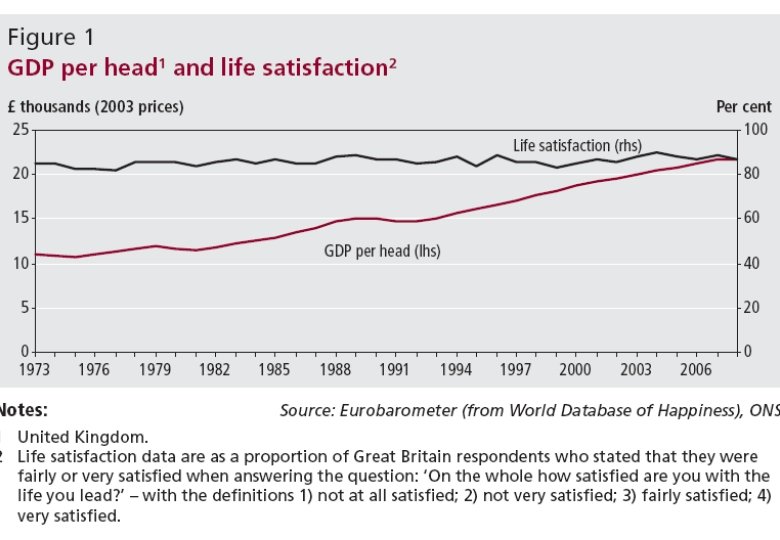
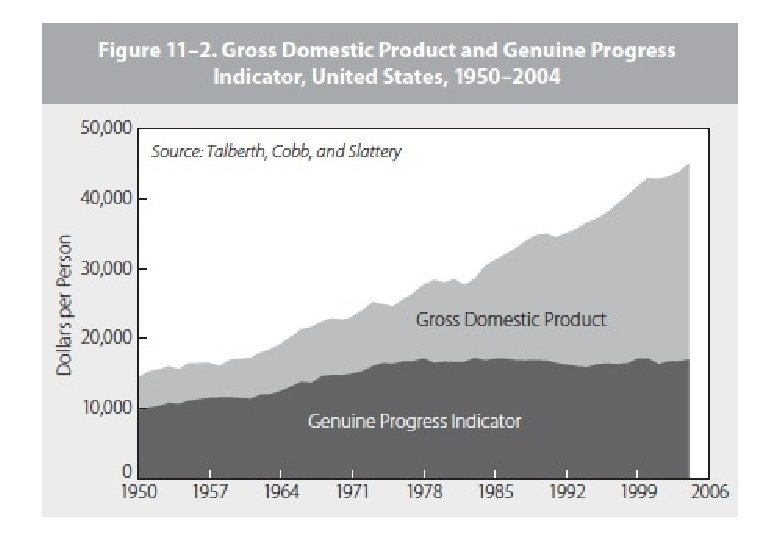
Wellbeing assessment takes us ‘beyond GDP’ and ‘beyond profit’. Good, but what if pathological numerophilia is the problem?
Why is measurement neurosis dangerous? • ‘Statistics’ has been reduced to numerical data; this is bad science • What matters is what matters (forget ‘what can’t be counted doesn’t count’). • Happiness and social progress are elusive and uncertain: we need mixed learning methods, because numerical proxies are distortive.
Another warning about stats: • Subjective ‘data’ aren’t just ‘given’ facts: they might be better termed ‘elicitata’ • To interpret any human-response survey, we need to know about the context and process of elicitation • E. g. how did Oxfam Scotland end up weighting ‘feeling good’ selfreports as the least important evidence of wellbeing? (weighted less than one-fifth of the importance of housing satisfaction! One-third of the importance of money? )
Positive Social Planning • Beyond GDP, beyond measurement (avoid economism and statistical reductionism, promote robust qualitative assessment) • Be assertively positive about social goods • Develop analytical tools, concepts, and approaches for envisioning and planning really good societies
Four SQ domains (Thin, 2002) • social justice (equal opportunity, fair and transparent rewards, procedural justice, rights and duties) • solidarity (cohesion, empathy, co-operation, and associational life) • participation (opportunities for meaningful engagement) • security (job security, physical safety, trust in colleagues and management)
models and visual metaphors of personal and social value A 20 x 20 Pecha Kucha show
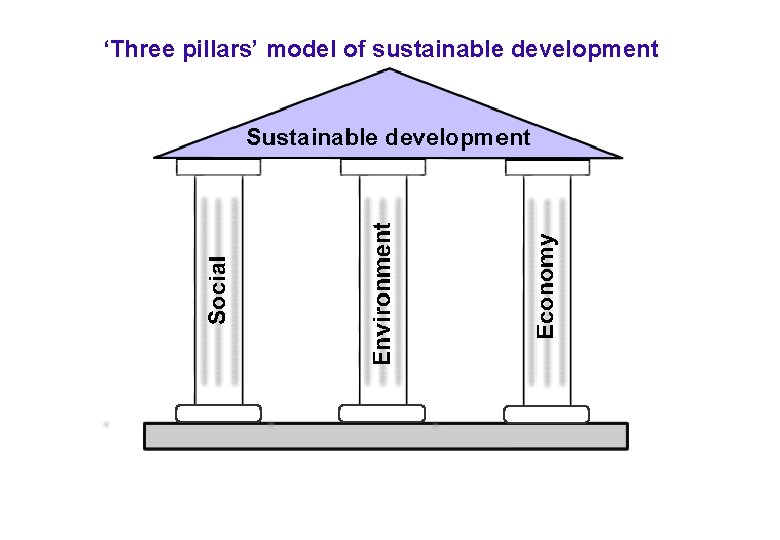
‘Three pillars’ model of sustainable development
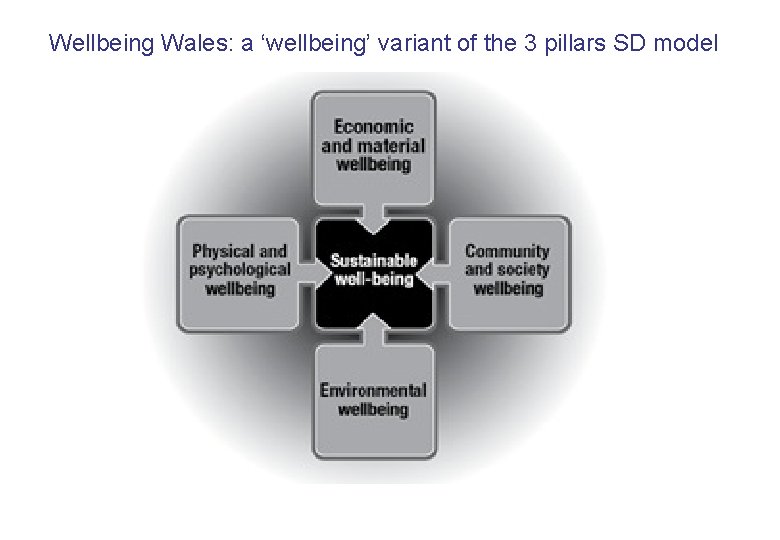
Wellbeing Wales: a ‘wellbeing’ variant of the 3 pillars SD model
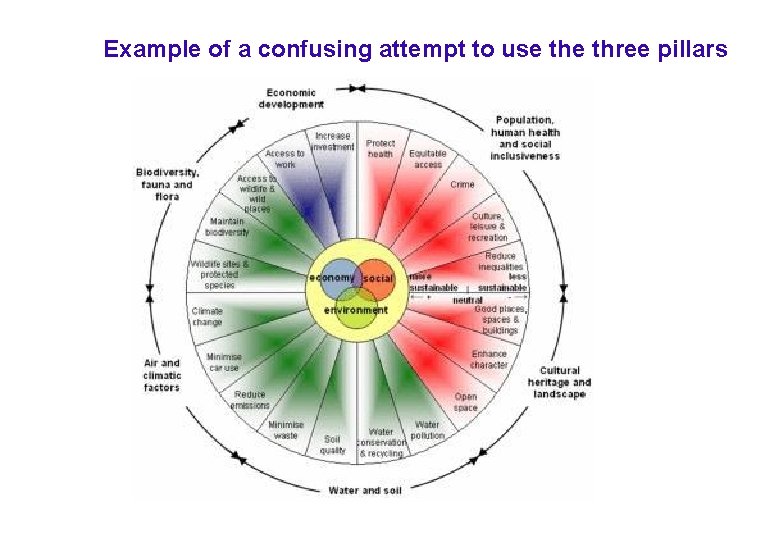
Example of a confusing attempt to use three pillars
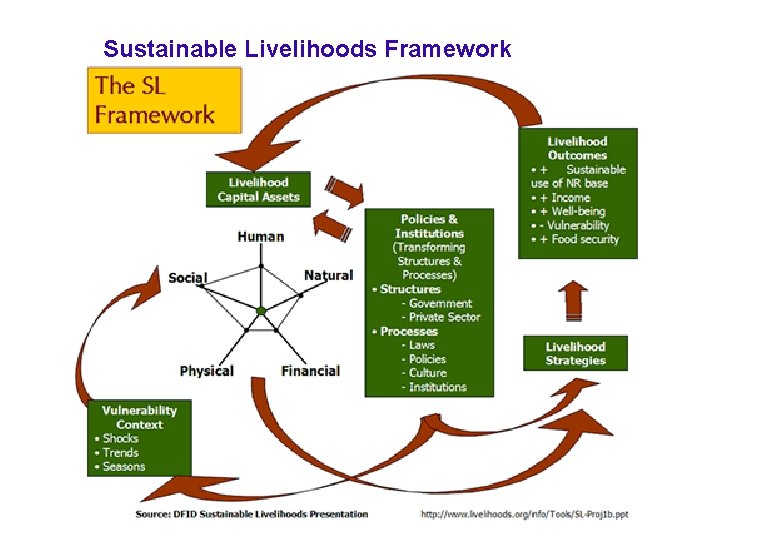
Sustainable Livelihoods Framework
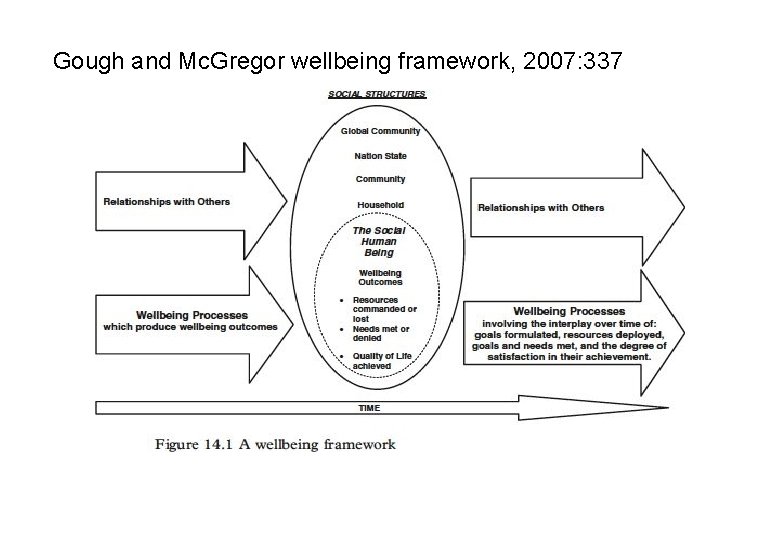
Gough and Mc. Gregor wellbeing framework, 2007: 337
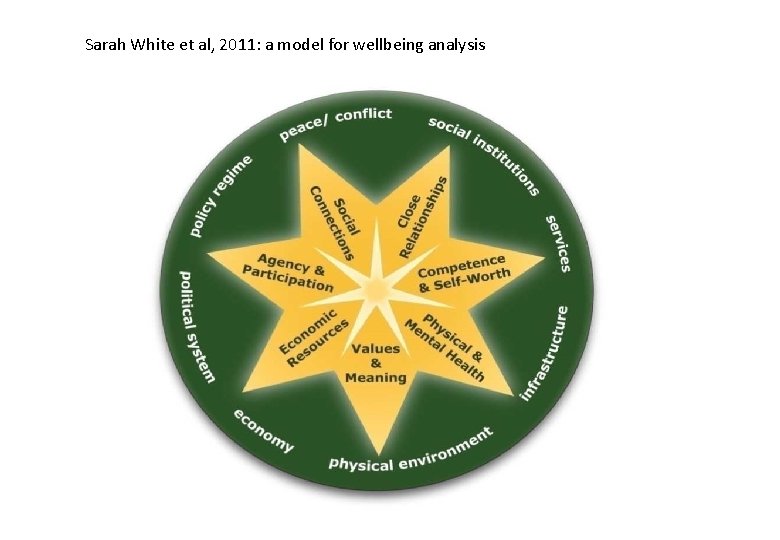
Sarah White et al, 2011: a model for wellbeing analysis
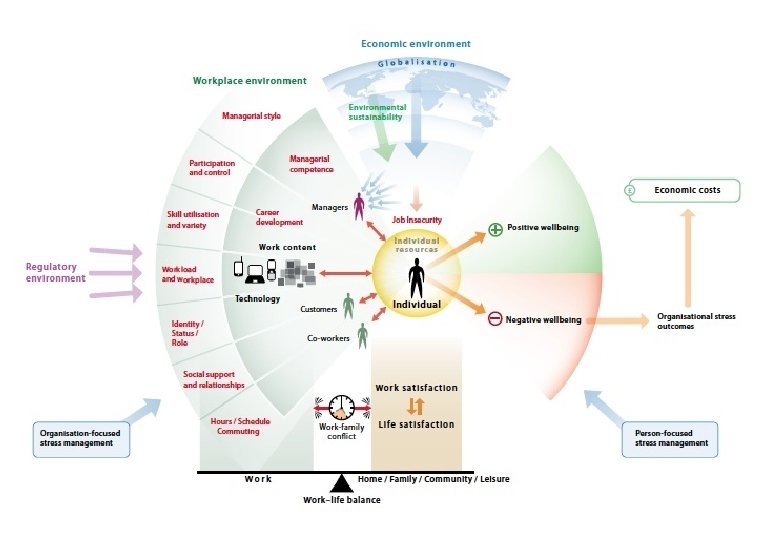
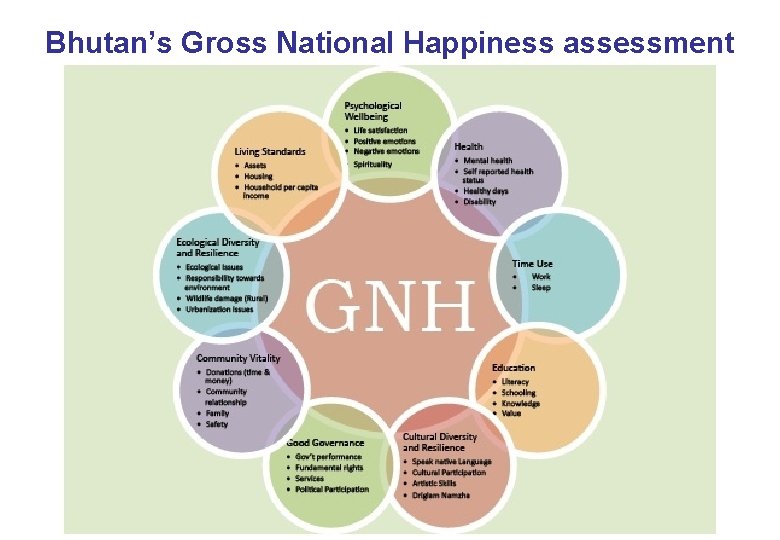
Bhutan’s Gross National Happiness assessment
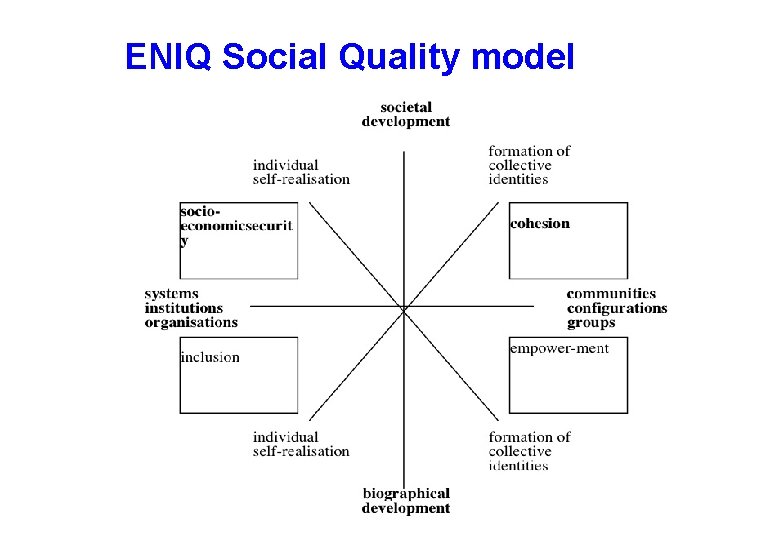
ENIQ Social Quality model
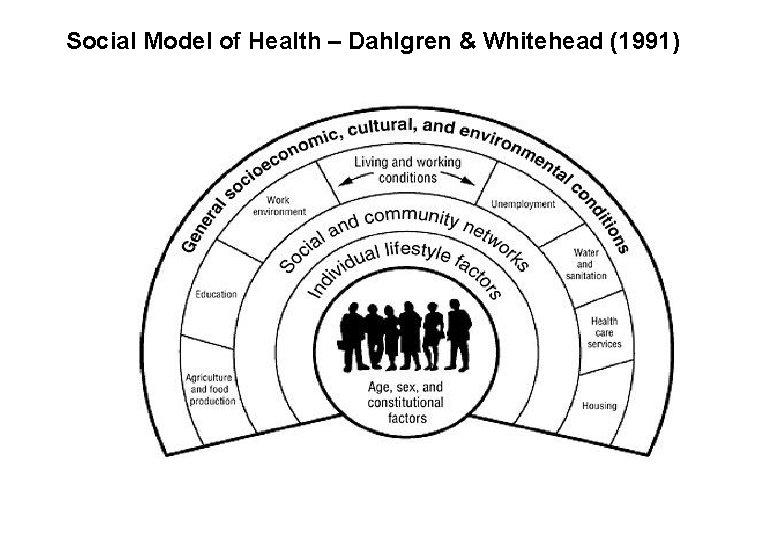
Social Model of Health – Dahlgren & Whitehead (1991)
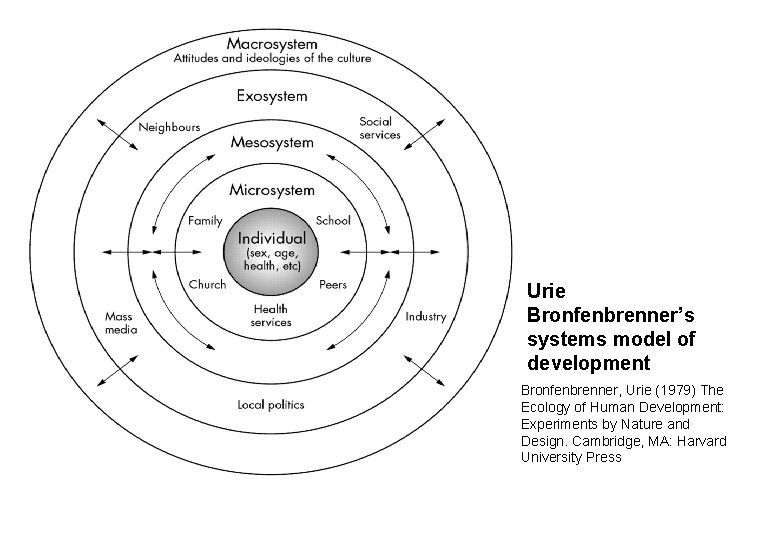
Urie Bronfenbrenner’s systems model of development Bronfenbrenner, Urie (1979) The Ecology of Human Development: Experiments by Nature and Design. Cambridge, MA: Harvard University Press
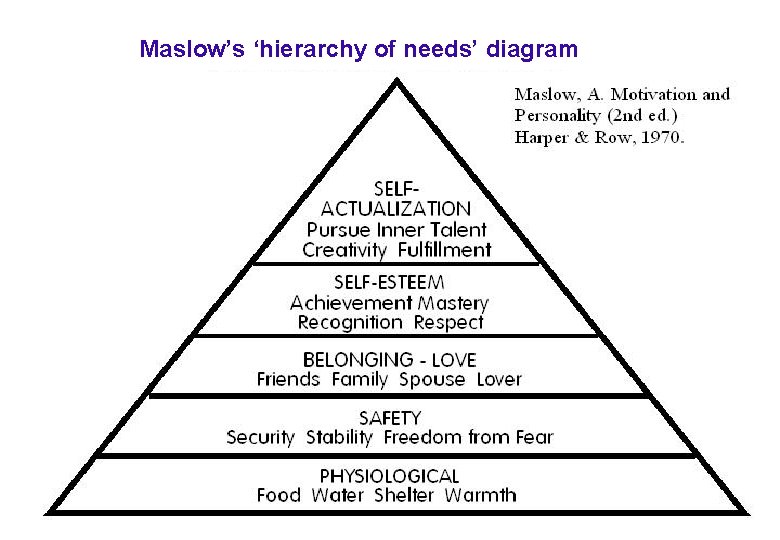
Maslow’s ‘hierarchy of needs’ diagram Urie Bronfenbrenner. (1979). The Ecology of Human Development. Cambridge, MA: Harvard University Press .
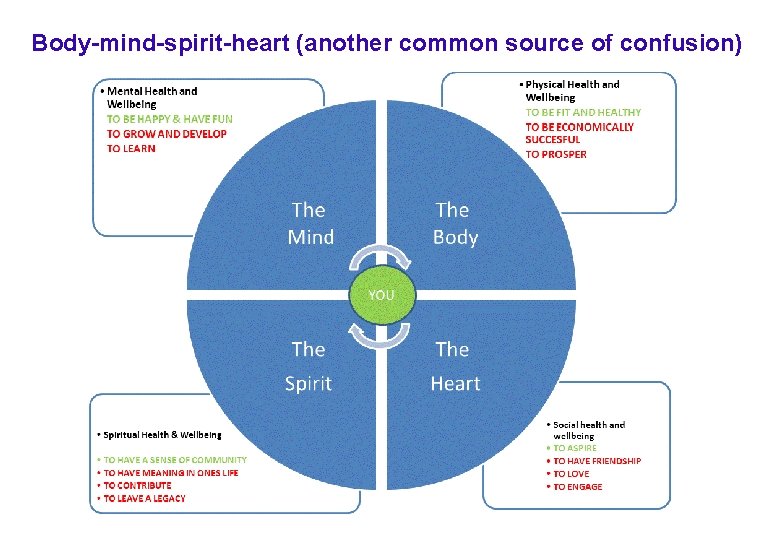
Body-mind-spirit-heart (another common source of confusion)
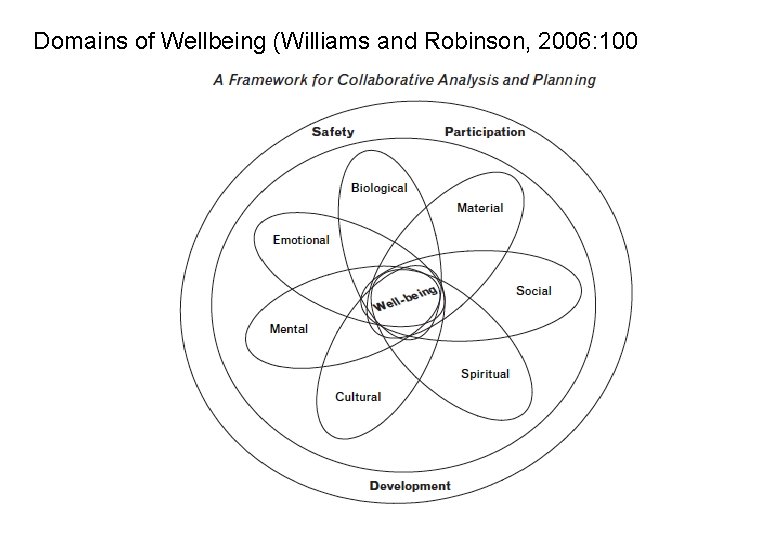
Domains of Wellbeing (Williams and Robinson, 2006: 100
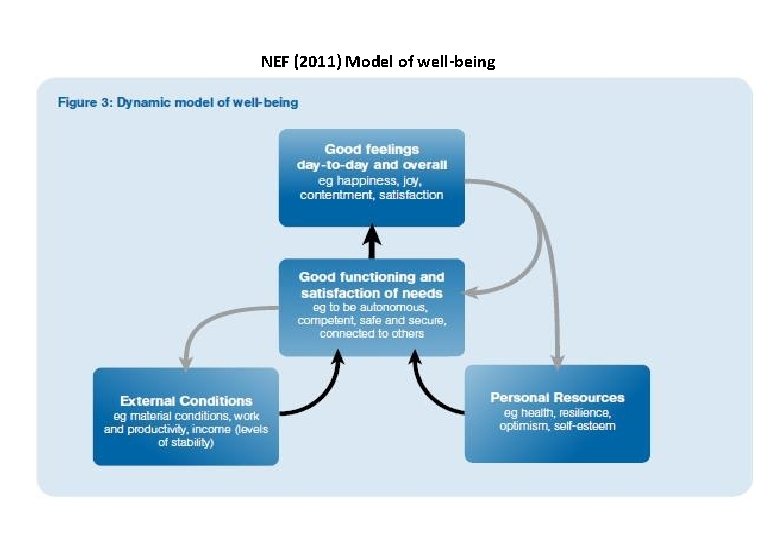
NEF (2011) Model of well-being
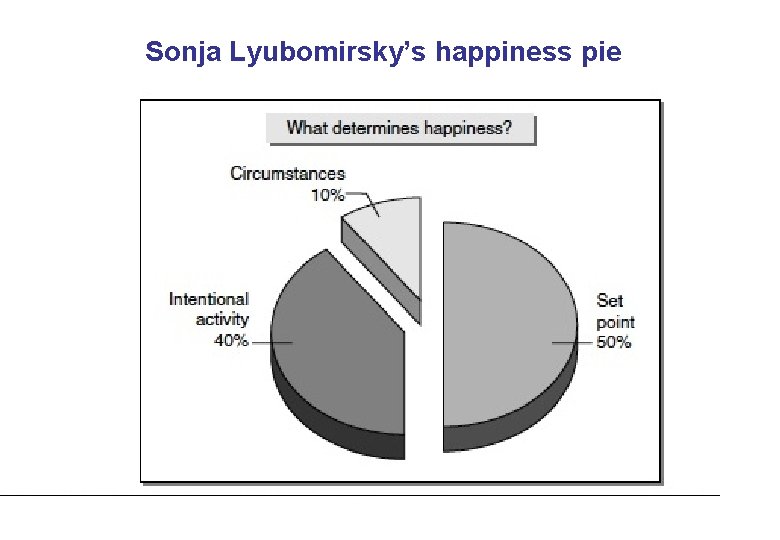
Sonja Lyubomirsky’s happiness pie
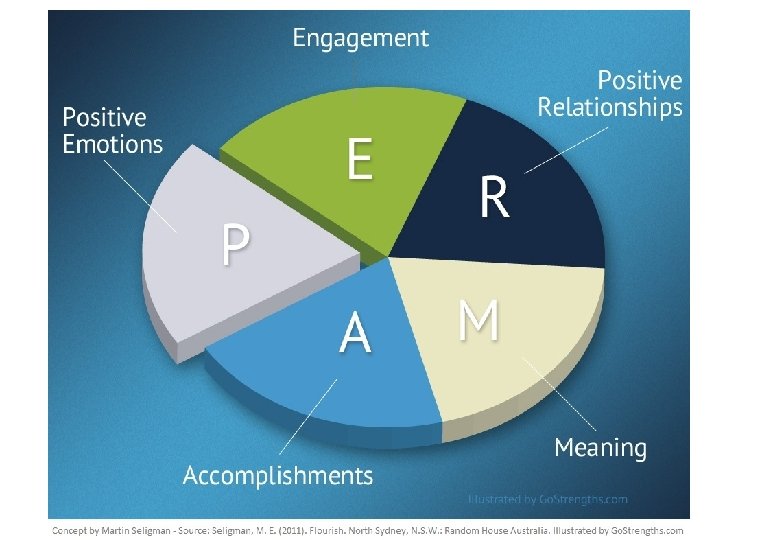

Suggested matrix for analysing social goods
- Slides: 39