
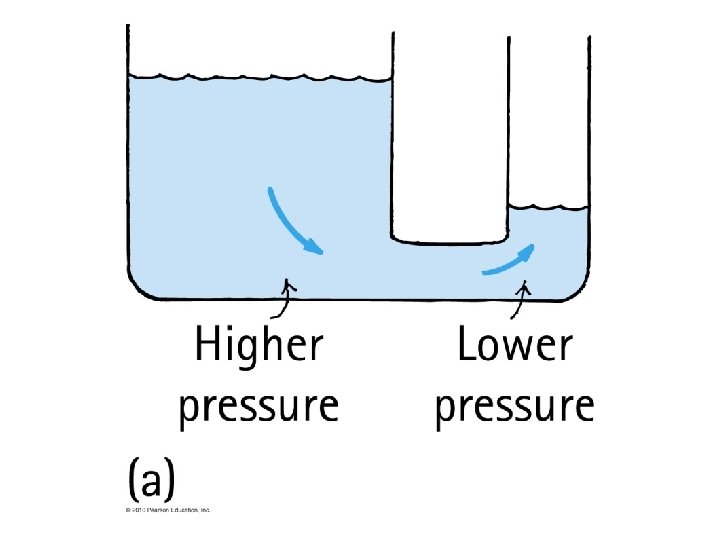
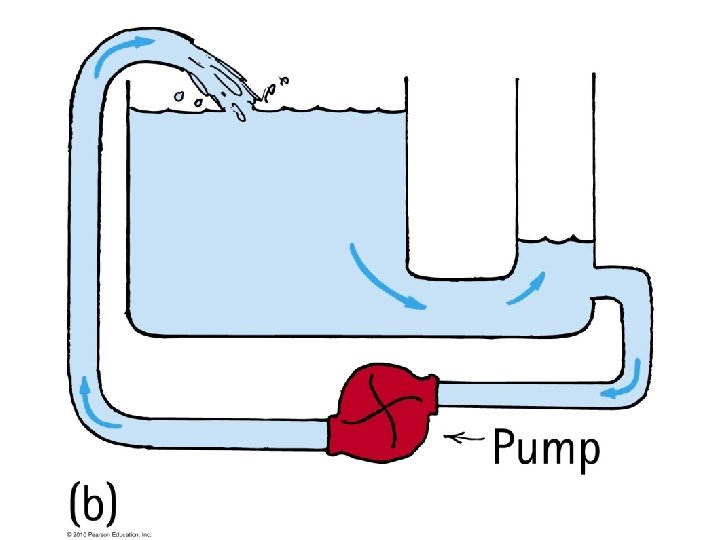
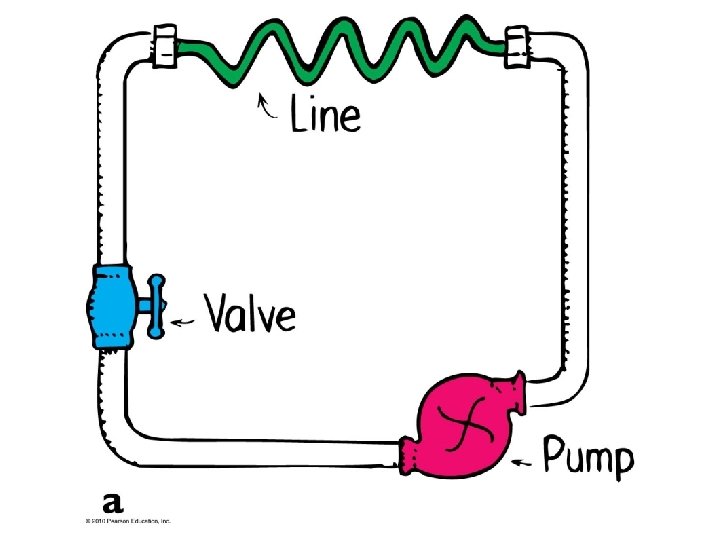
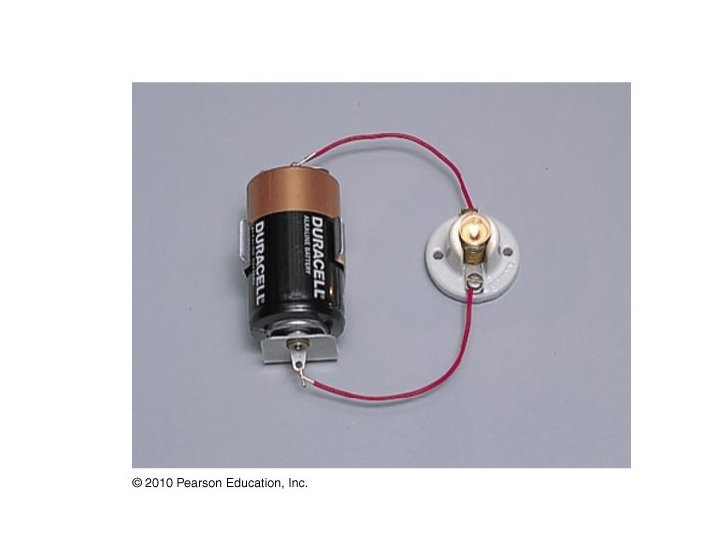
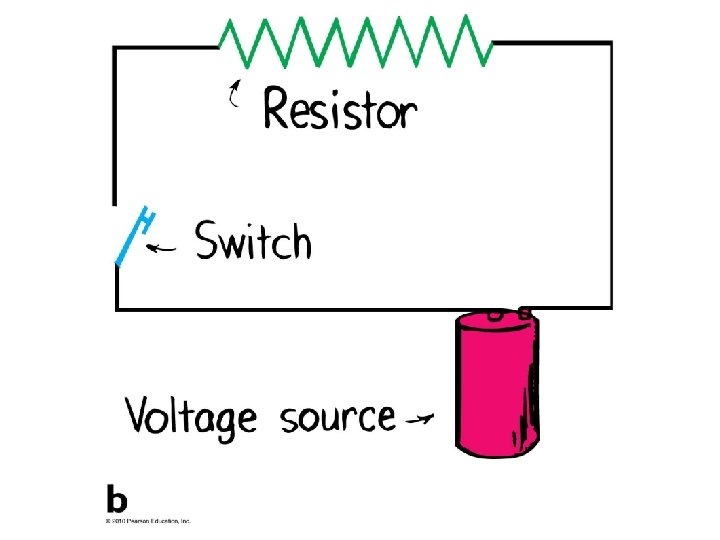
Analogy of Electric Circuit to Water Circuit http

- Slides: 39
Analogy of Electric Circuit to Water Circuit http: //faraday. physics. utoronto. ca/IYear. Lab/In tros/DCI/Flash/Water. Analogy. html
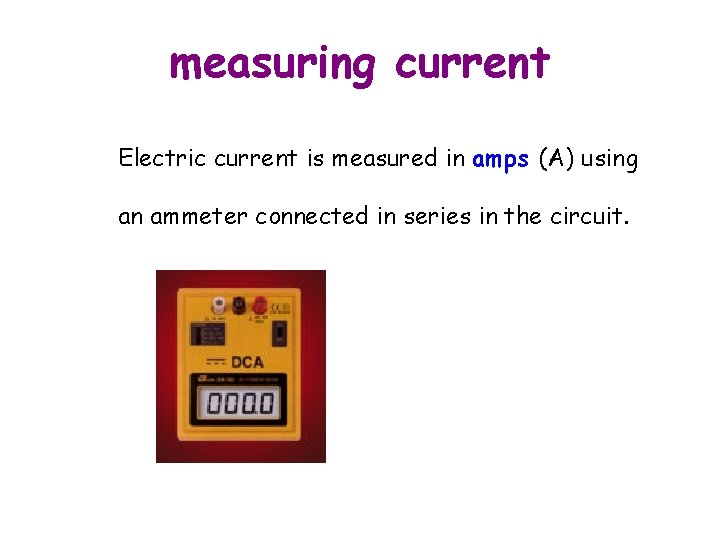
measuring current Electric current is measured in amps (A) using an ammeter connected in series in the circuit. A
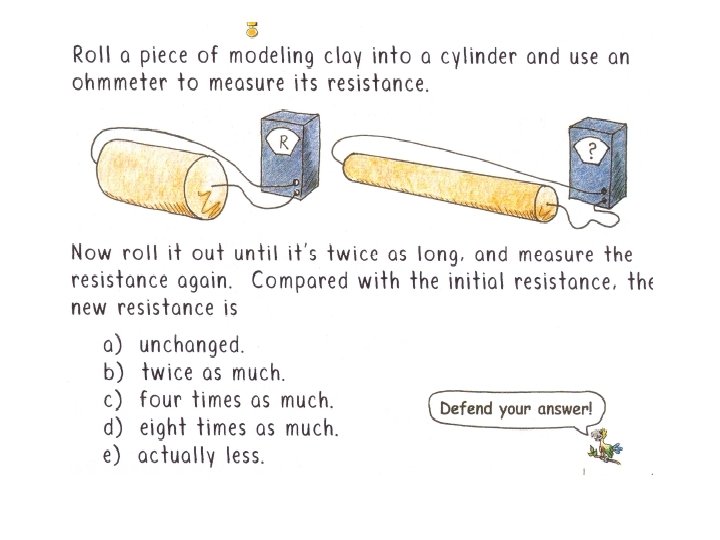
• Underlying causes of resistance
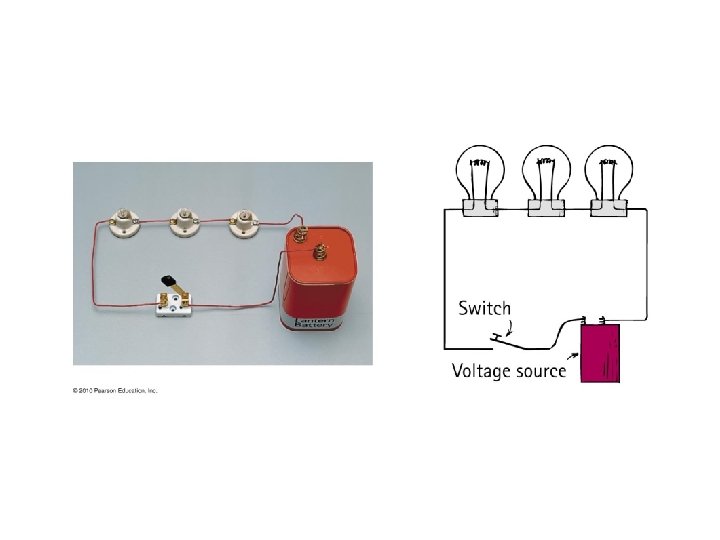
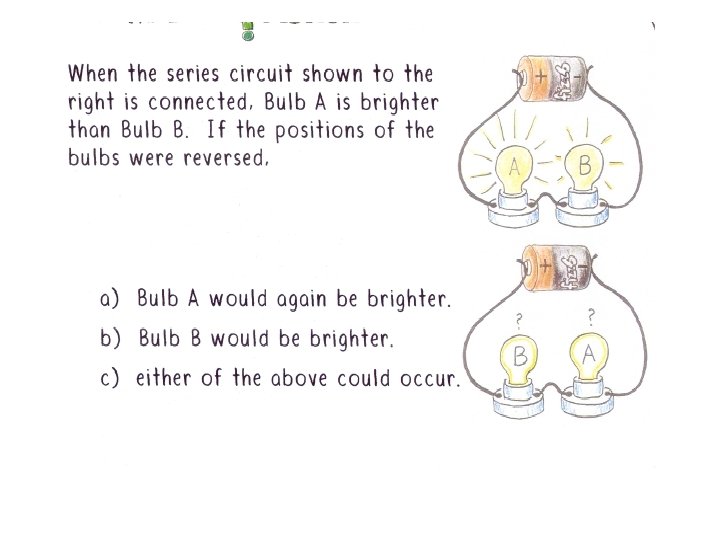
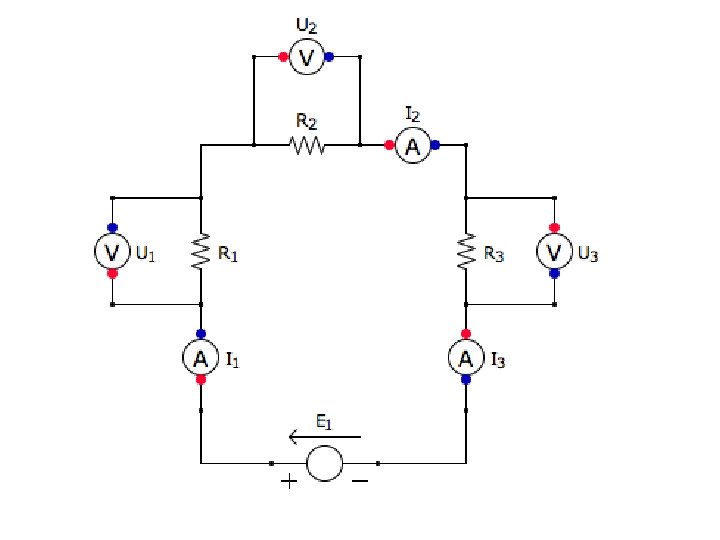
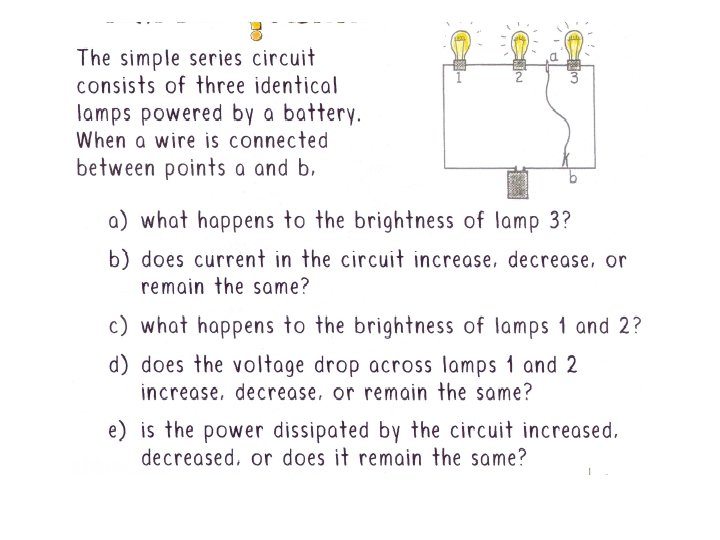
Series • Current only takes one path. • Current flows through every part of the circuit equally.
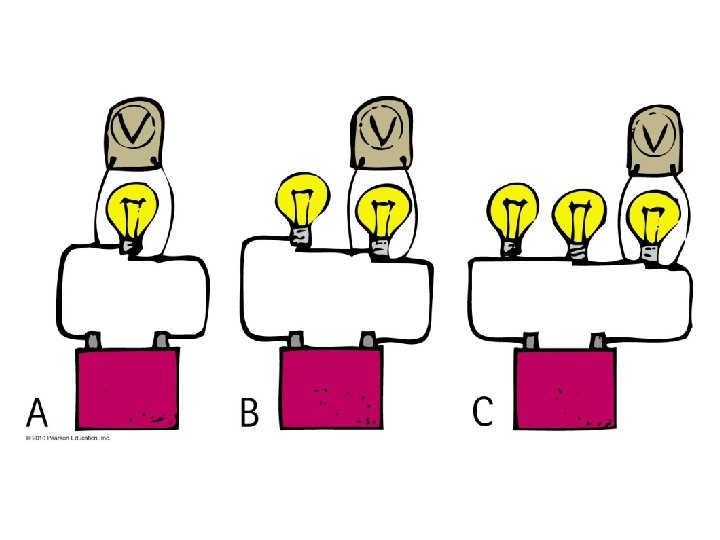
Voltage in Series • Voltage is reduced by each resistance – voltage drop
Adding Resistors to Series: –Current in the circuit will go DOWN (lights will dim) –If you remove a light bulb or one burns out—all go out!
Resistance in Series • Add up all resistors to get total –Total resistance will go up because all of the current must go through each resistor.
Sample Problem #1 Draw a series circuit with a 3 v potential difference, 3 identical resistors, and a current of 0. 5 A. 1. What is the total voltage of the circuit? 2. What is the resistance of each resistor? 3. What is the voltage drop across each resistor? Label on your circuit. •
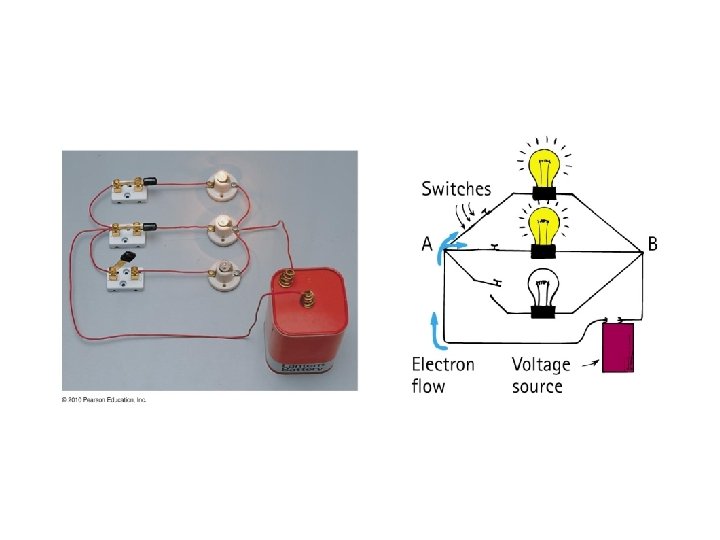
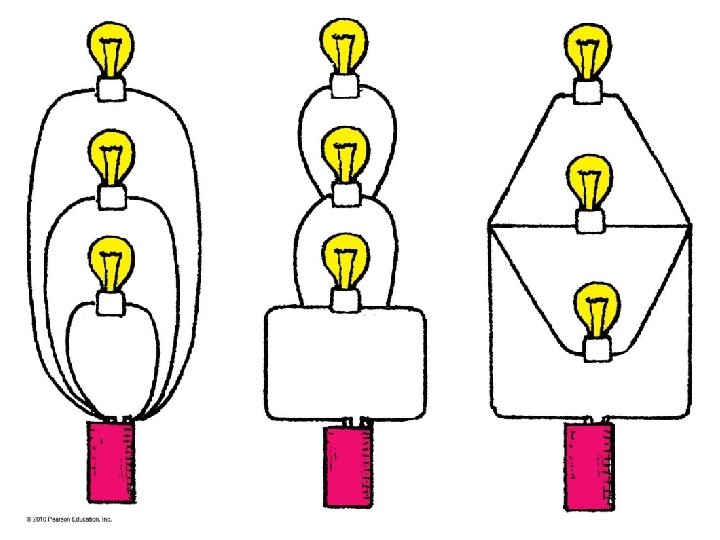
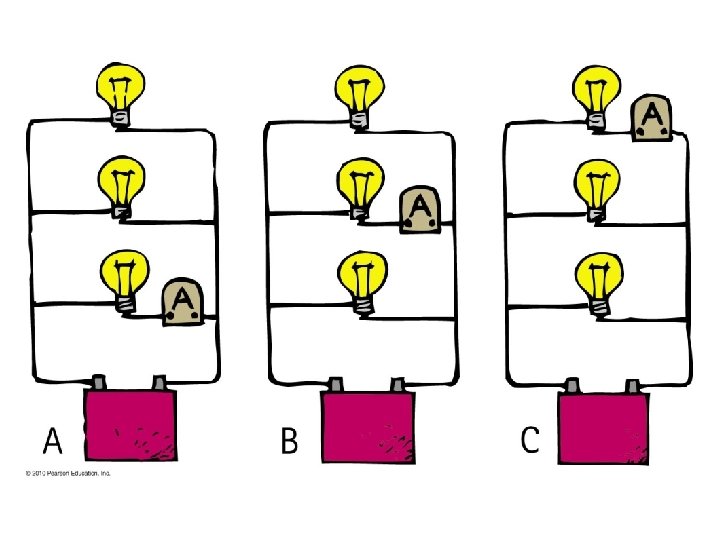
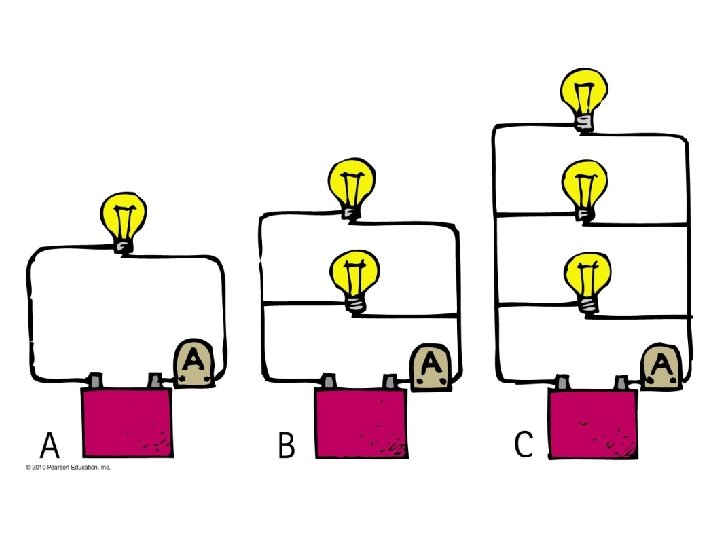
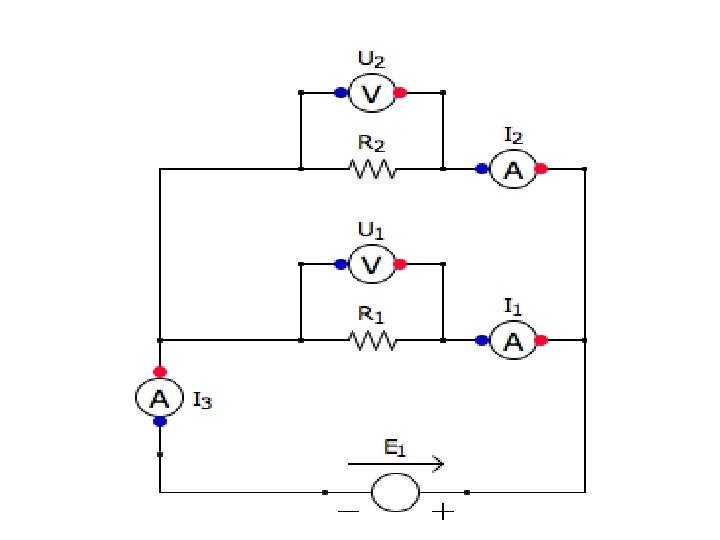
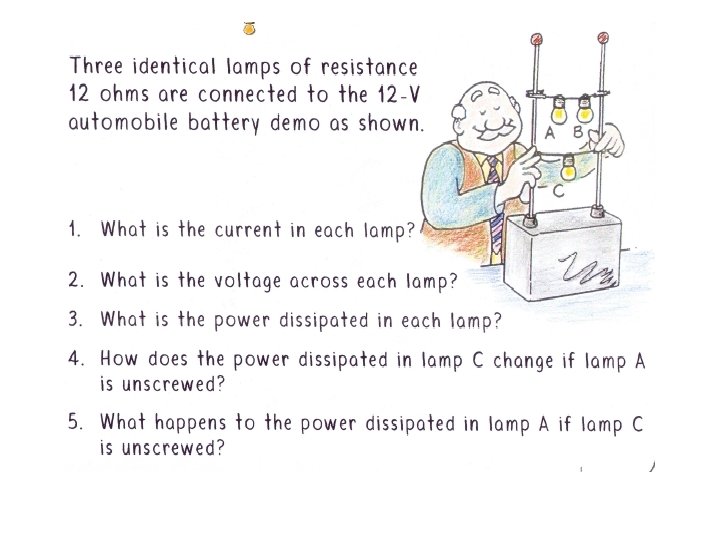
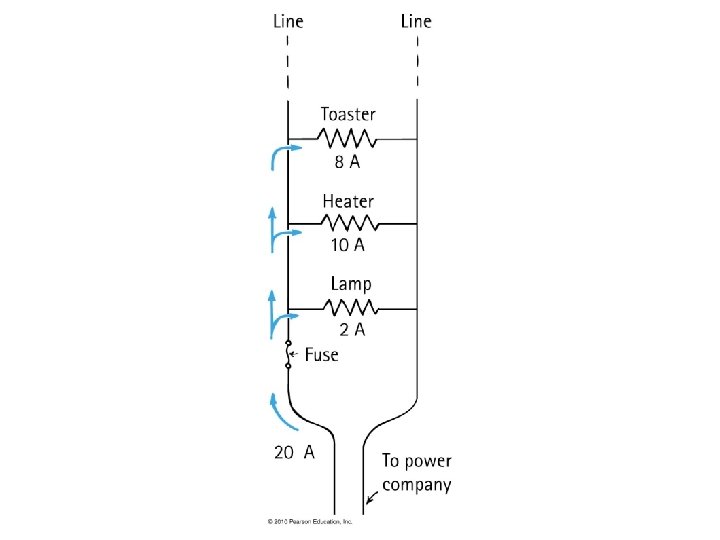
Parallel Circuits • Has at least one point where current divides • More than one path for current to flow • Paths are also known as branches
Current in Parallel • Current flows into a branching point, the same total current must flow out again • Current depends on resistance in each branch
Voltage in Parallel • Voltage is the same across each branch – because each branch represents one path back to the source.
Resistance in Parallel • Calculate current in each branch based on resistance in each branch by using Ohm’s Law
Practice problem #2 • Draw a parallel circuit with two resistors (one on each branch) and a 12 V battery. 1. What is the voltage through each resistor? 2. What is the current flowing through each branch?
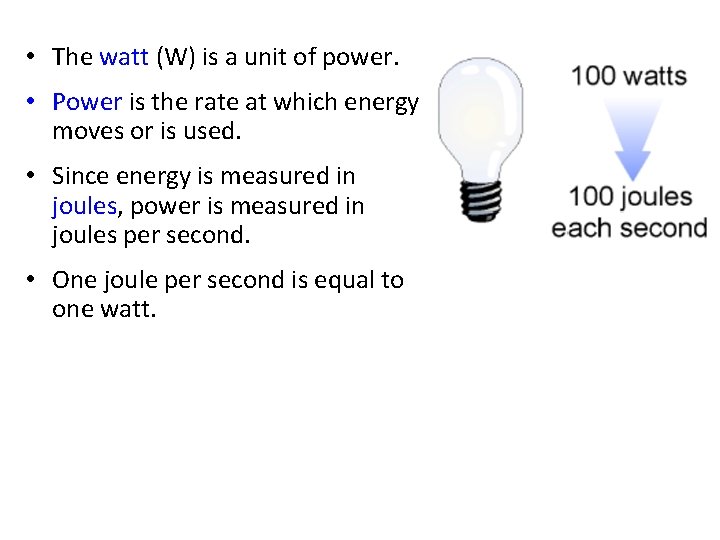
• The watt (W) is a unit of power. • Power is the rate at which energy moves or is used. • Since energy is measured in joules, power is measured in joules per second. • One joule per second is equal to one watt.
Power in electric circuits • One watt is a pretty small amount of power. • In everyday use, larger units are more convenient to use. • A kilowatt (k. W) is equal to 1, 000 watts.