
An overview of the MESSENGER spacecraft Joshua V
- Slides: 14
An overview of the MESSENGER spacecraft Joshua V. Nelson Chairman, SEDS-USA Note: All images contained in this presentation are courtesy NASA/JPL unless otherwise stated.
Overview: • • Why go? What will we accomplish? Spacecraft design Payload design Getting there Operations Follow up?
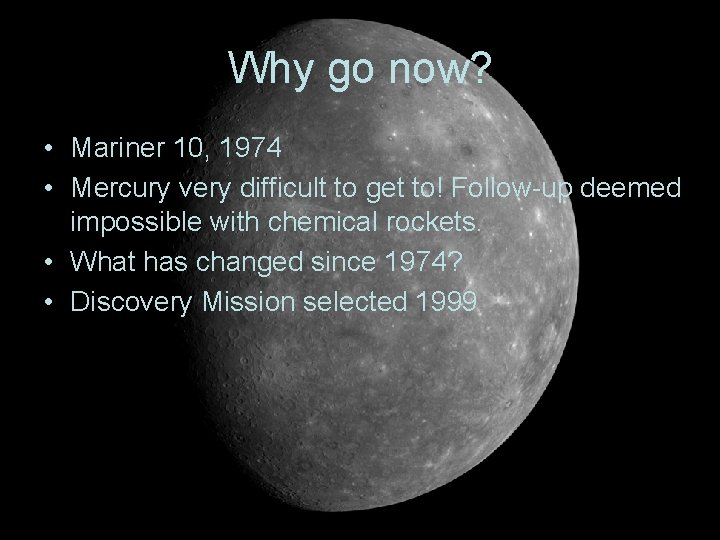
Why go now? • Mariner 10, 1974 • Mercury very difficult to get to! Follow-up deemed impossible with chemical rockets. • What has changed since 1974? • Discovery Mission selected 1999
The Discovery Missions • • • NEAR Pathfinder Prospector Stardust GENESIS CONTOUR MESSENGER Deep Impact DAWN Kepler GRAIL
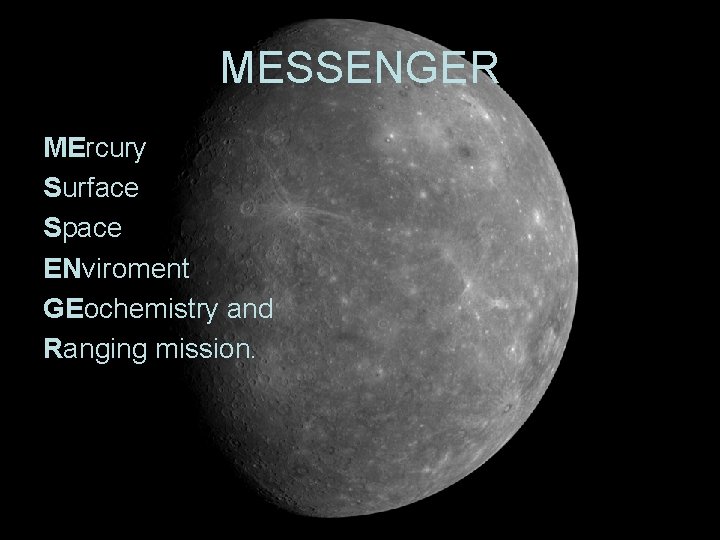
MESSENGER MErcury Surface Space ENviroment GEochemistry and Ranging mission.
Question asked of Messenger: • • • Why is Mercury so dense? What is the geological history of Mercury? What characterizes Mercury's magnetic field? How is Mercury’s core structured? What are the reflective materials on the poles? What chemical processes maintain the composition of the exosphere?
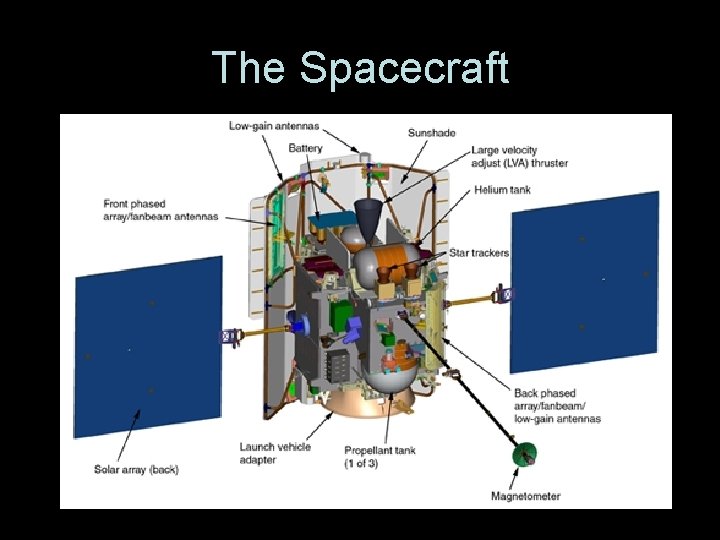
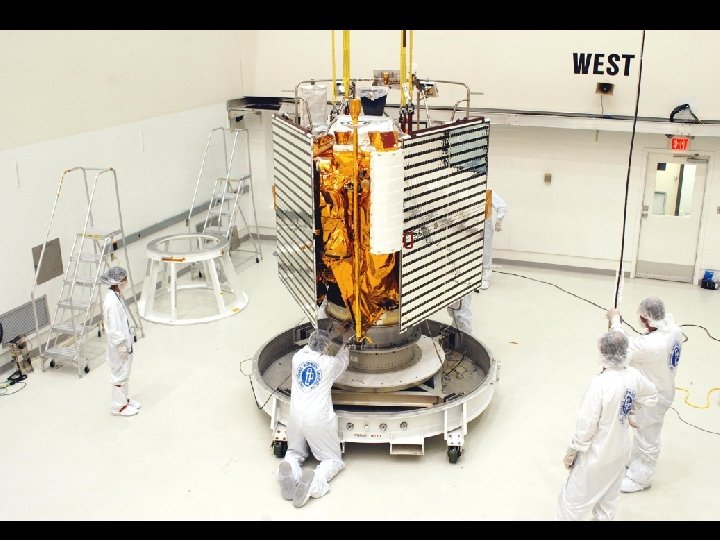
The Spacecraft
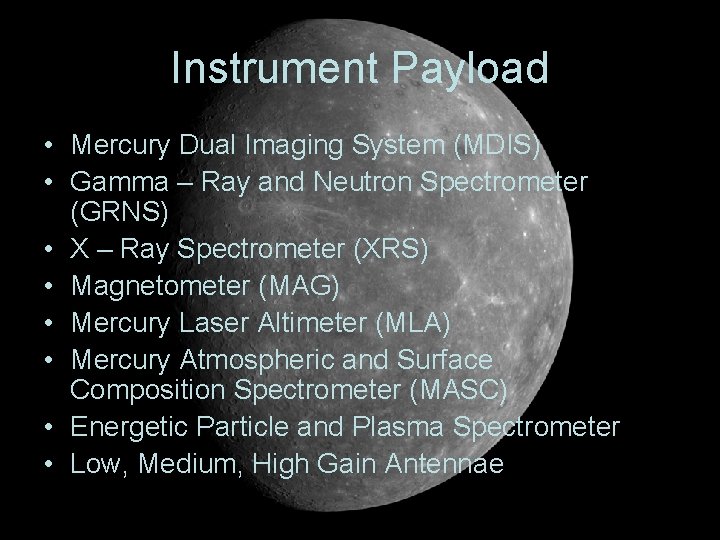
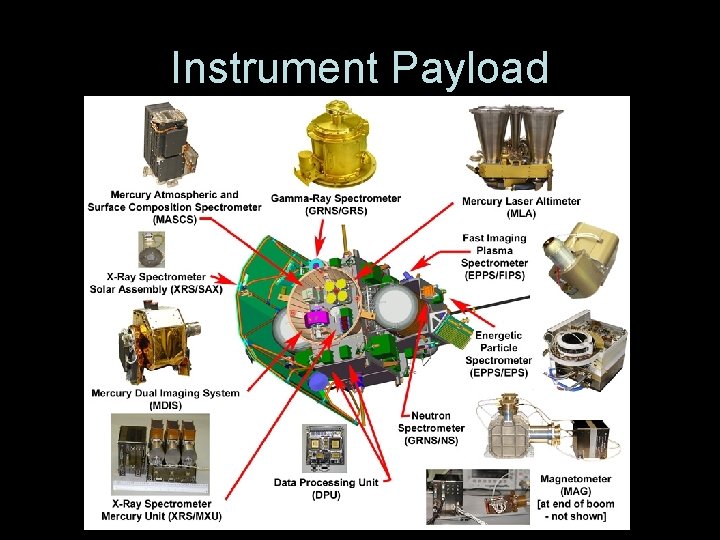
Instrument Payload • Mercury Dual Imaging System (MDIS) • Gamma – Ray and Neutron Spectrometer (GRNS) • X – Ray Spectrometer (XRS) • Magnetometer (MAG) • Mercury Laser Altimeter (MLA) • Mercury Atmospheric and Surface Composition Spectrometer (MASC) • Energetic Particle and Plasma Spectrometer • Low, Medium, High Gain Antennae
Instrument Payload
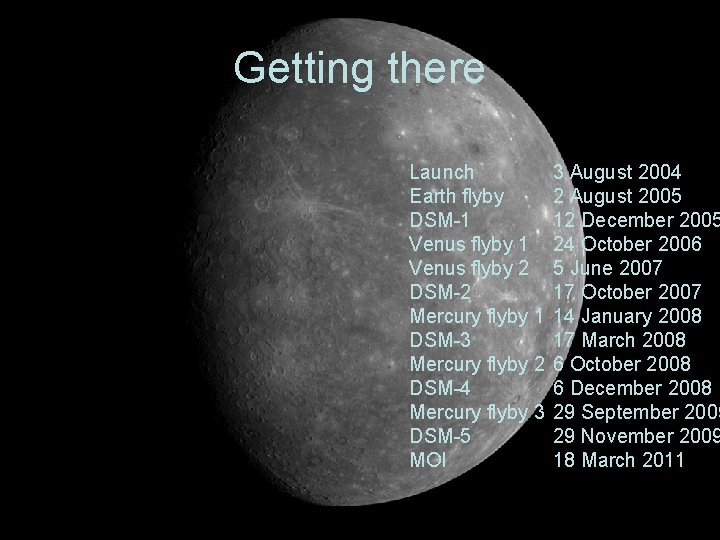
Getting there Launch Earth flyby DSM-1 Venus flyby 2 DSM-2 Mercury flyby 1 DSM-3 Mercury flyby 2 DSM-4 Mercury flyby 3 DSM-5 MOI 3 August 2004 2 August 2005 12 December 2005 24 October 2006 5 June 2007 17 October 2007 14 January 2008 17 March 2008 6 October 2008 6 December 2008 29 September 2009 29 November 2009 18 March 2011
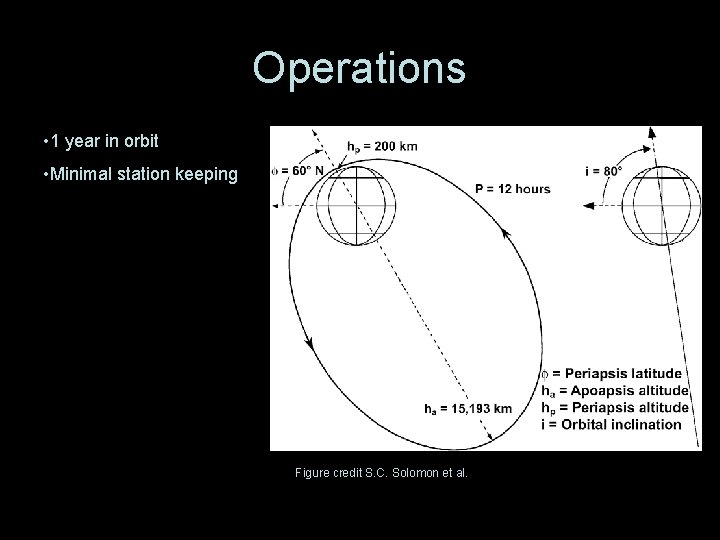
Operations • 1 year in orbit • Minimal station keeping Figure credit S. C. Solomon et al.
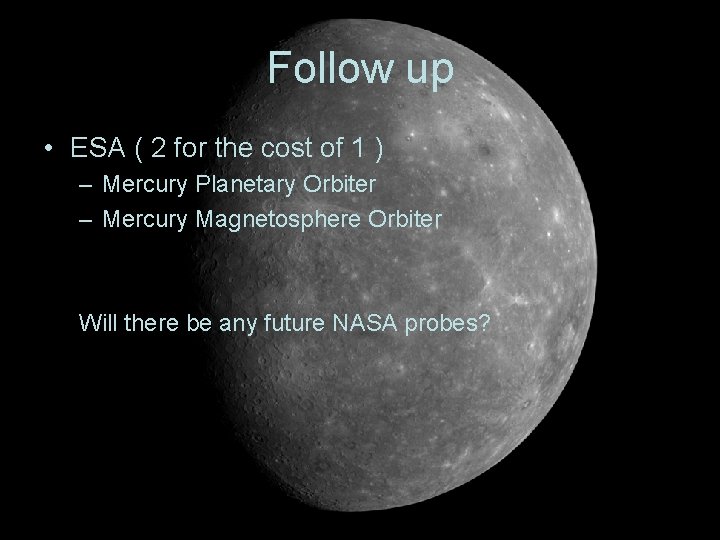
Follow up • ESA ( 2 for the cost of 1 ) – Mercury Planetary Orbiter – Mercury Magnetosphere Orbiter Will there be any future NASA probes?
References: Information drawn from: • PTYS 411 Geology of the Solar System, Shane Byrne, Fall 07 • Soloman, S. C. et al. “MESSENGER Mission Overview”. Space Science Review (2007) 131: 3 -39. © Springer Science+Business Media B. V. 2007. • NASA / JPL / APL MESSENGER Mission homepage: http: //messenger. jhuapl. edu/index. php accessed January 2008