
An overview of management algorithm of type 2
- Slides: 70
An overview of management algorithm of type 2 DIABETES Dr. Mathew job vachaparampil
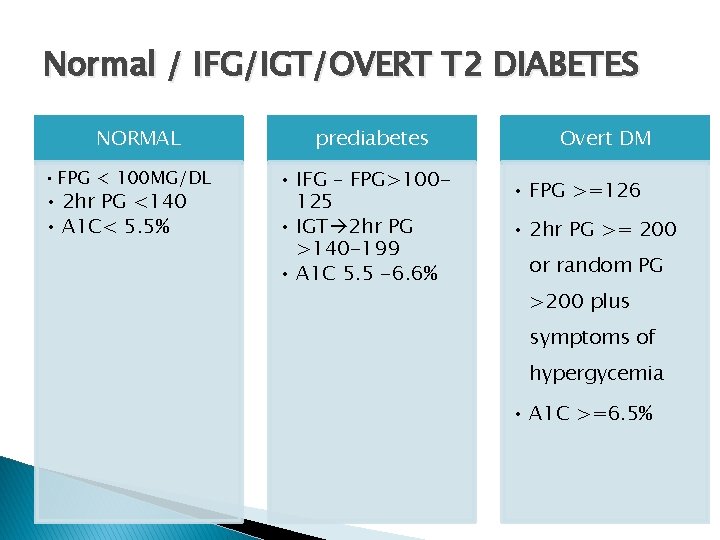
Normal / IFG/IGT/OVERT T 2 DIABETES NORMAL • FPG < 100 MG/DL • 2 hr PG <140 • A 1 C< 5. 5% prediabetes • IFG – FPG>100125 • IGT 2 hr PG >140 -199 • A 1 C 5. 5 -6. 6% Overt DM • FPG >=126 • 2 hr PG >= 200 or random PG >200 plus symptoms of hypergycemia • A 1 C >=6. 5%
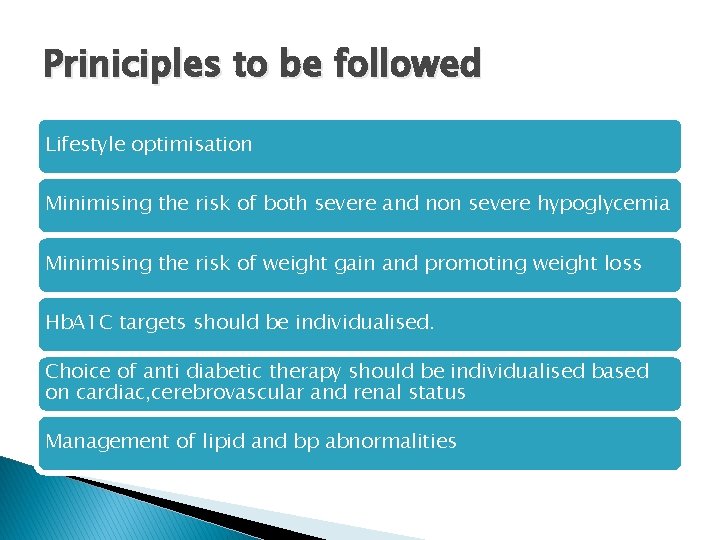
Priniciples to be followed Lifestyle optimisation Minimising the risk of both severe and non severe hypoglycemia Minimising the risk of weight gain and promoting weight loss Hb. A 1 C targets should be individualised. Choice of anti diabetic therapy should be individualised based on cardiac, cerebrovascular and renal status Management of lipid and bp abnormalities
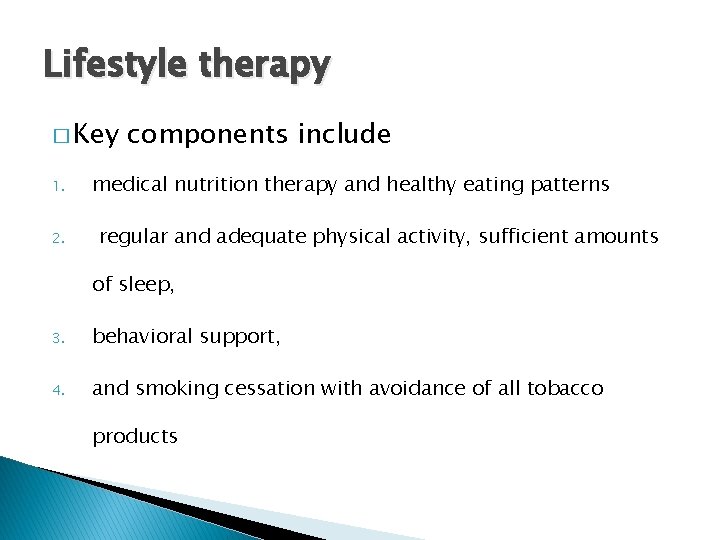
Lifestyle therapy � Key 1. 2. components include medical nutrition therapy and healthy eating patterns regular and adequate physical activity, sufficient amounts of sleep, 3. behavioral support, 4. and smoking cessation with avoidance of all tobacco products
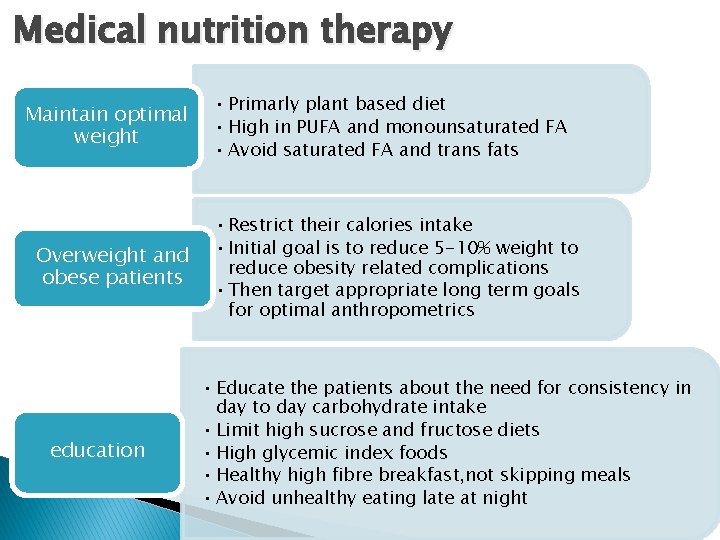
Medical nutrition therapy Maintain optimal weight Overweight and obese patients education • Primarly plant based diet • High in PUFA and monounsaturated FA • Avoid saturated FA and trans fats • Restrict their calories intake • Initial goal is to reduce 5 -10% weight to reduce obesity related complications • Then target appropriate long term goals for optimal anthropometrics • Educate the patients about the need for consistency in day to day carbohydrate intake • Limit high sucrose and fructose diets • High glycemic index foods • Healthy high fibre breakfast, not skipping meals • Avoid unhealthy eating late at night
Doctor, what change Should I make in my diet?
We must help patients to understand � What to eat � How much to eat
Dietary pattern � Dietary pattern of the diabetic should be same as that of other members of the family � There is no need to separately cook their food � But it should be healthy and well balanced that is suitable for other members also � Drink 8 to 12 glasses of water
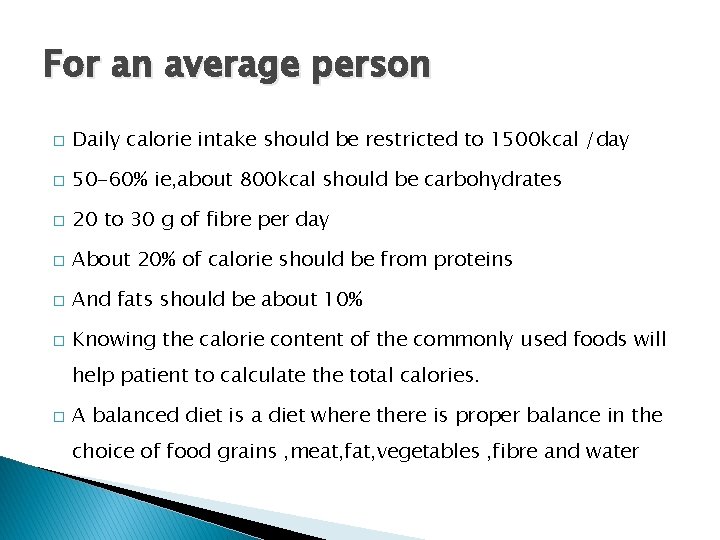
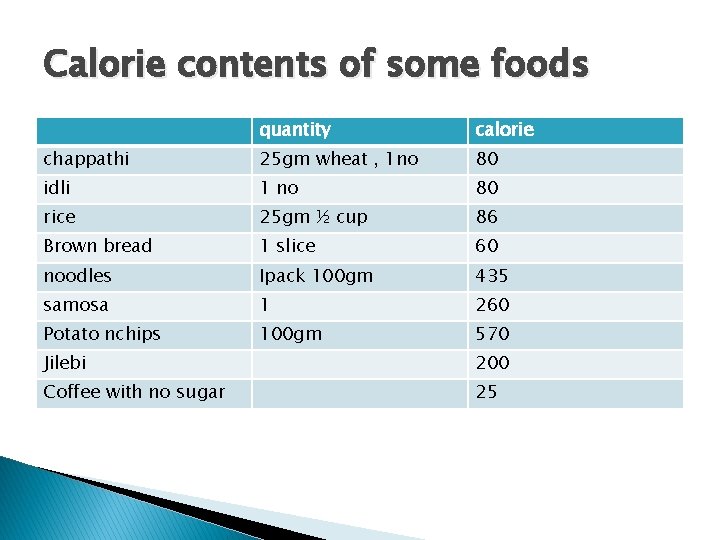
For an average person � Daily calorie intake should be restricted to 1500 kcal /day � 50 -60% ie, about 800 kcal should be carbohydrates � 20 to 30 g of fibre per day � About 20% of calorie should be from proteins � And fats should be about 10% � Knowing the calorie content of the commonly used foods will help patient to calculate the total calories. � A balanced diet is a diet where there is proper balance in the choice of food grains , meat, fat, vegetables , fibre and water
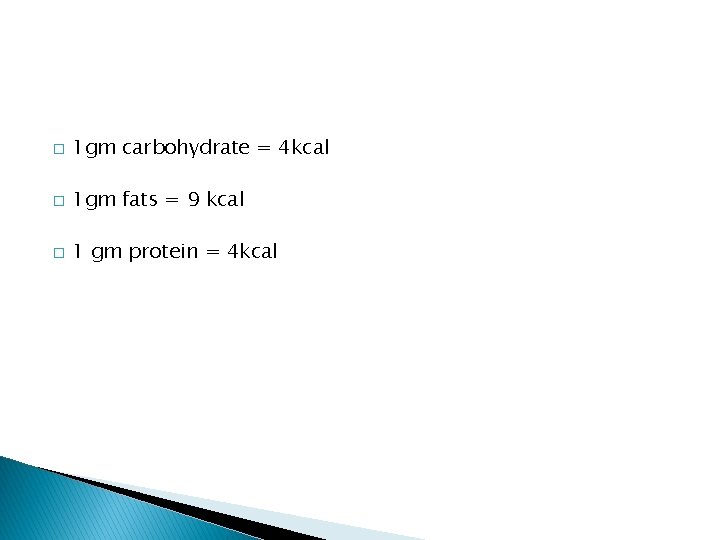
� 1 gm carbohydrate = 4 kcal � 1 gm fats = 9 kcal � 1 gm protein = 4 kcal
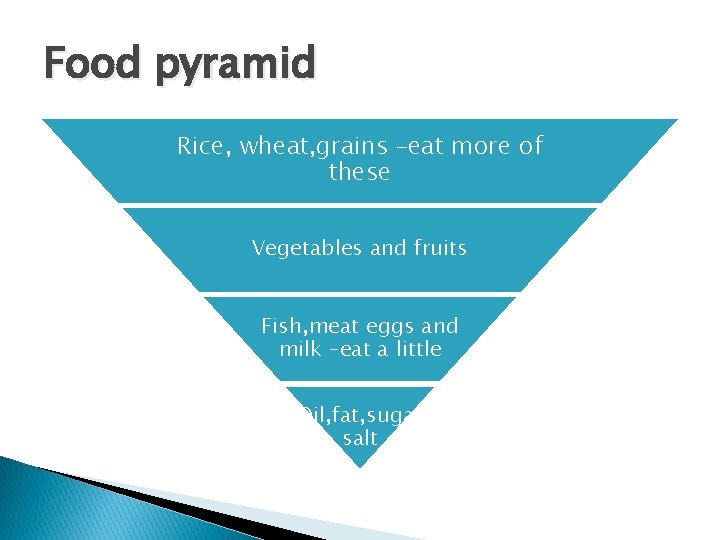
Food pyramid Rice, wheat, grains –eat more of these Vegetables and fruits Fish, meat eggs and milk –eat a little Oil, fat, sugar salt
Beans and legumes � All the different type of beans are good � Sprouted beans enhance the protein content � Try to include a bean food atleast in one of your meals daily.
Fish, meat, eggs � Do include fish in your daily diet � Fish contains omega fatty acids which help to protect heart � Avoid fry � Prefer fish curries � Mathy , ayala and choora are rich in omega FA � Meat can be had twice a week � Limit mutton(high saturated fat content) � Limit consumption of eggs to once or twice a week
Vegetable, greens , fruits � Try to include green leafy vegetable in every meal � One quarter of the plate should be vegetables and salads � Fruits should be included in daily diet
Food with high fibre � Grains with bran � Beans and other bean varieties with their skin � Vegetables � Green leafy vegetables � fruits
PUFA AND MUFA � Mufa is found in vegetable oils such as olive, peanut and canola oil and remain liquid at low temp � Pufa are found in vegetable oils such as corn oil, safflower oil and soyabean oil
Saturated fats � Usually solid at room temp � All animal fats such as those in meat, poultry, and dairy products � Processed foods and fast foods � Some vegetable oils like palm oils, coconut oil � Saturated oils increase LDL and total cholesterol
Avoid as far as possible � Bakery products � Porotta � Soft drinls , fresh juice snacks � Limit intake of salt � Do not take too many cupsw of coffee or tea � Mangoes , jackfruit , and dried fruits.
Calorie contents of some foods quantity calorie chappathi 25 gm wheat , 1 no 80 idli 1 no 80 rice 25 gm ½ cup 86 Brown bread 1 slice 60 noodles Ipack 100 gm 435 samosa 1 260 Potato nchips 100 gm 570 Jilebi 200 Coffee with no sugar 25
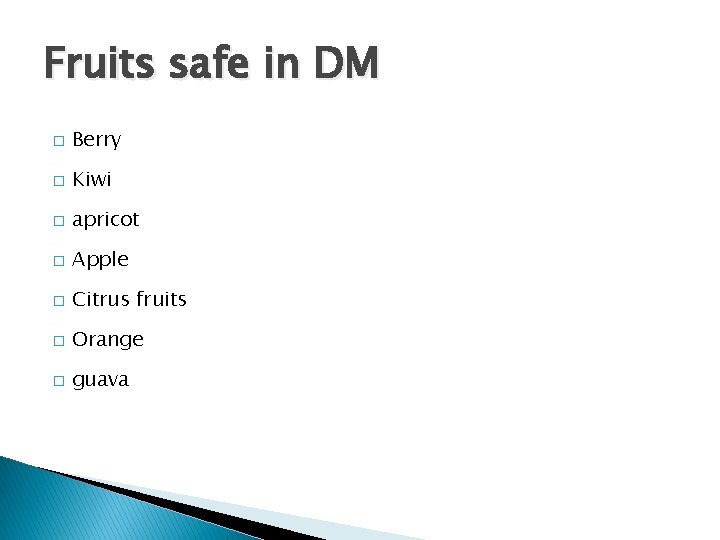
Fruits safe in DM � Berry � Kiwi � apricot � Apple � Citrus fruits � Orange � guava
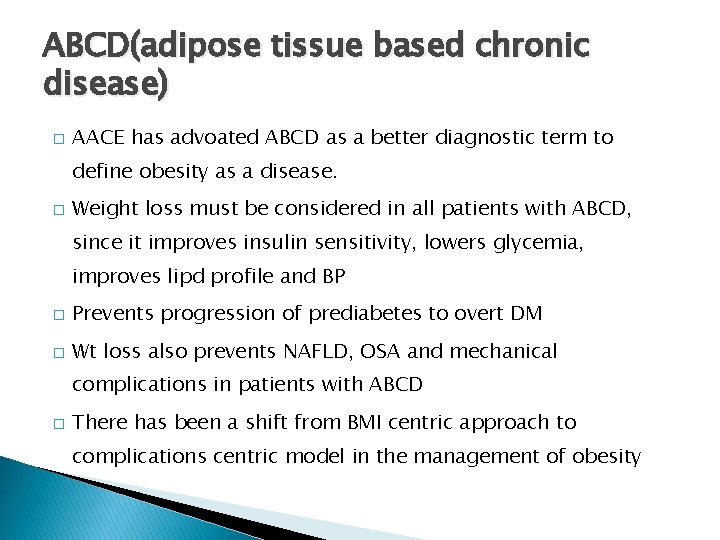
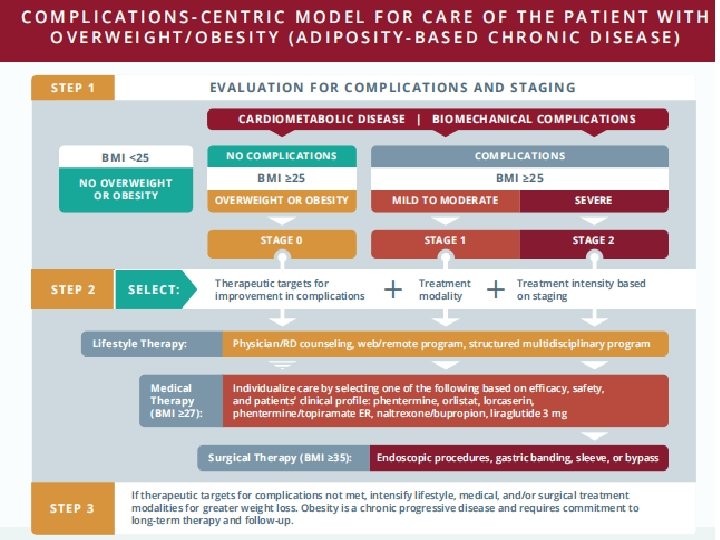
ABCD(adipose tissue based chronic disease) � AACE has advoated ABCD as a better diagnostic term to define obesity as a disease. � Weight loss must be considered in all patients with ABCD, since it improves insulin sensitivity, lowers glycemia, improves lipd profile and BP � Prevents progression of prediabetes to overt DM � Wt loss also prevents NAFLD, OSA and mechanical complications in patients with ABCD � There has been a shift from BMI centric approach to complications centric model in the management of obesity
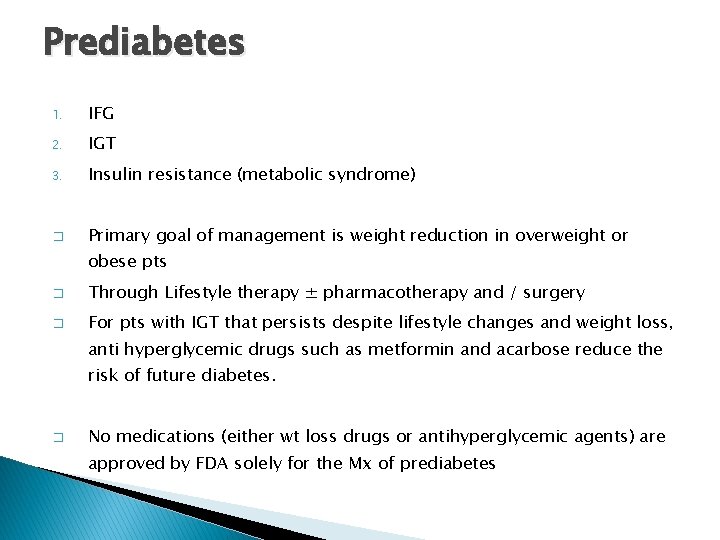
Prediabetes 1. IFG 2. IGT 3. Insulin resistance (metabolic syndrome) � Primary goal of management is weight reduction in overweight or obese pts � Through Lifestyle therapy ± pharmacotherapy and / surgery � For pts with IGT that persists despite lifestyle changes and weight loss, anti hyperglycemic drugs such as metformin and acarbose reduce the risk of future diabetes. � No medications (either wt loss drugs or antihyperglycemic agents) are approved by FDA solely for the Mx of prediabetes
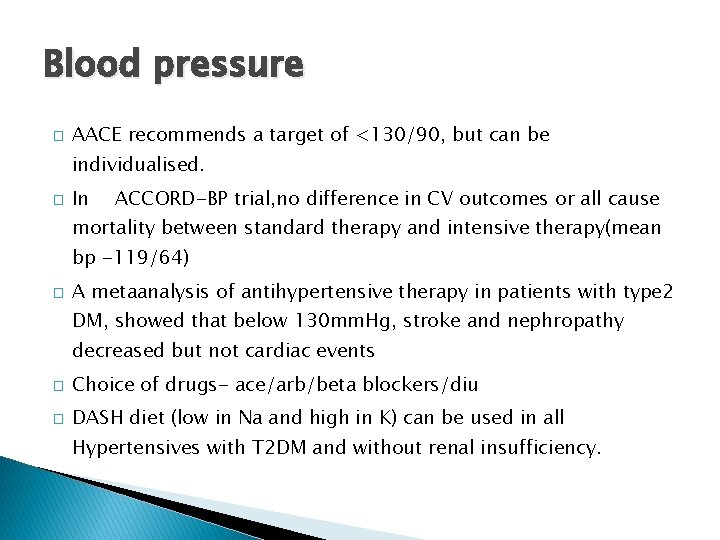
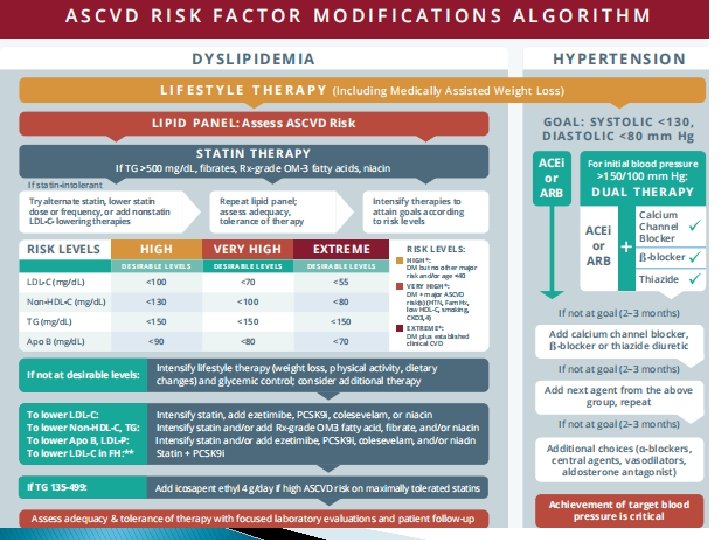
Blood pressure � AACE recommends a target of <130/90, but can be individualised. � In ACCORD-BP trial, no difference in CV outcomes or all cause mortality between standard therapy and intensive therapy(mean bp -119/64) � A metaanalysis of antihypertensive therapy in patients with type 2 DM, showed that below 130 mm. Hg, stroke and nephropathy decreased but not cardiac events � Choice of drugs- ace/arb/beta blockers/diu � DASH diet (low in Na and high in K) can be used in all Hypertensives with T 2 DM and without renal insufficiency.
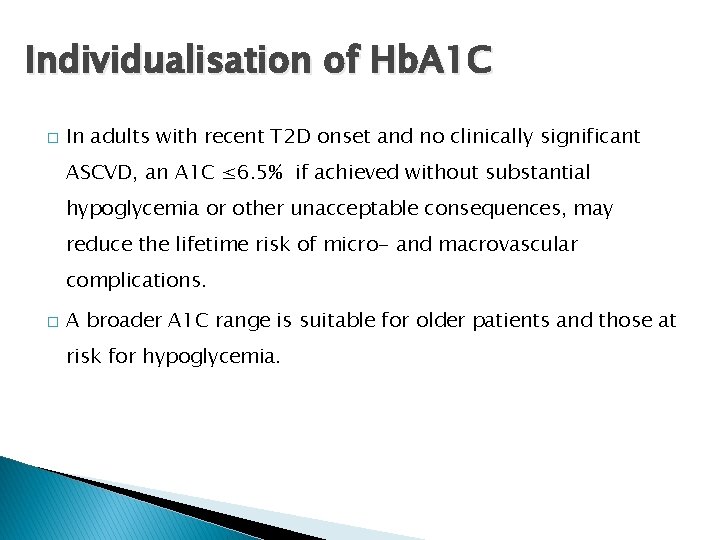
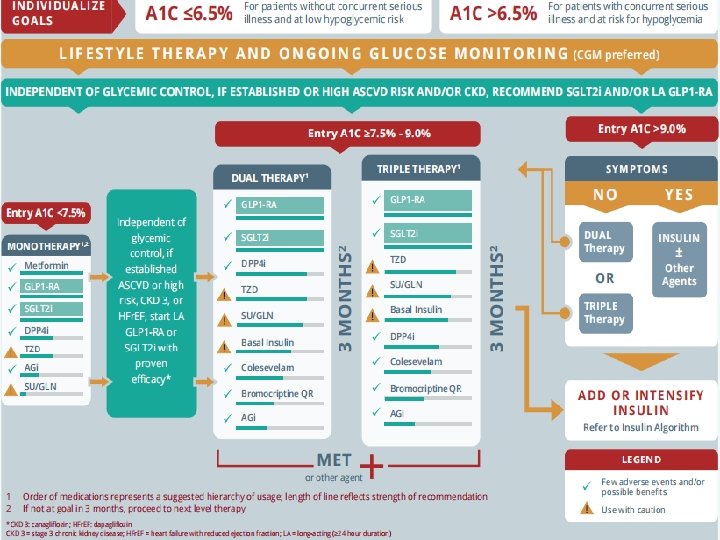
Individualisation of Hb. A 1 C � In adults with recent T 2 D onset and no clinically significant ASCVD, an A 1 C ≤ 6. 5% if achieved without substantial hypoglycemia or other unacceptable consequences, may reduce the lifetime risk of micro- and macrovascular complications. � A broader A 1 C range is suitable for older patients and those at risk for hypoglycemia.
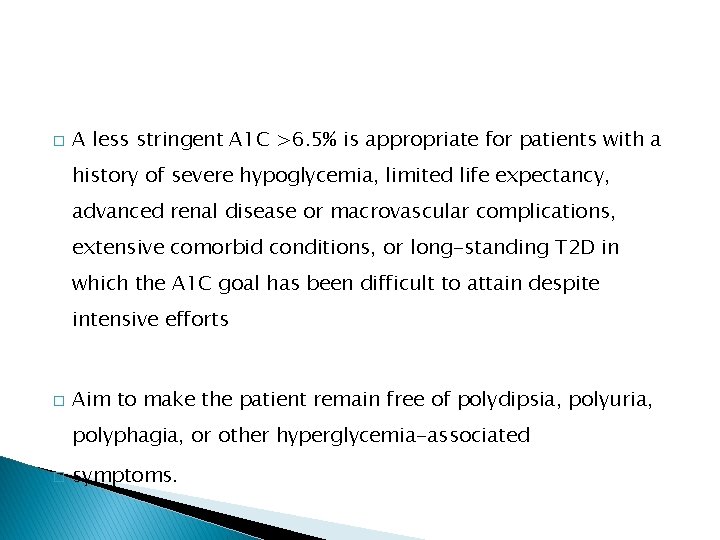
� A less stringent A 1 C >6. 5% is appropriate for patients with a history of severe hypoglycemia, limited life expectancy, advanced renal disease or macrovascular complications, extensive comorbid conditions, or long-standing T 2 D in which the A 1 C goal has been difficult to attain despite intensive efforts � Aim to make the patient remain free of polydipsia, polyuria, polyphagia, or other hyperglycemia-associated � symptoms.
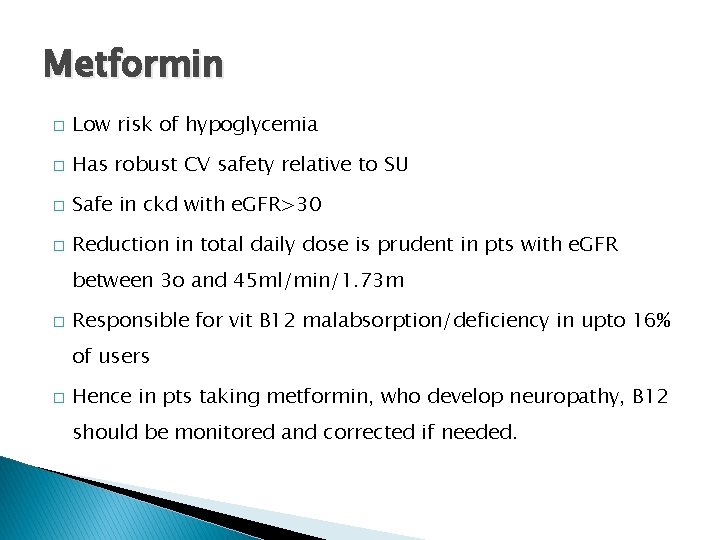
Metformin � Low risk of hypoglycemia � Has robust CV safety relative to SU � Safe in ckd with e. GFR>30 � Reduction in total daily dose is prudent in pts with e. GFR between 3 o and 45 ml/min/1. 73 m � Responsible for vit B 12 malabsorption/deficiency in upto 16% of users � Hence in pts taking metformin, who develop neuropathy, B 12 should be monitored and corrected if needed.
� Rare adverse effects include pancreatitis, hepatotoxicity � Maxiumum dose 2 to 2. 5 g/day
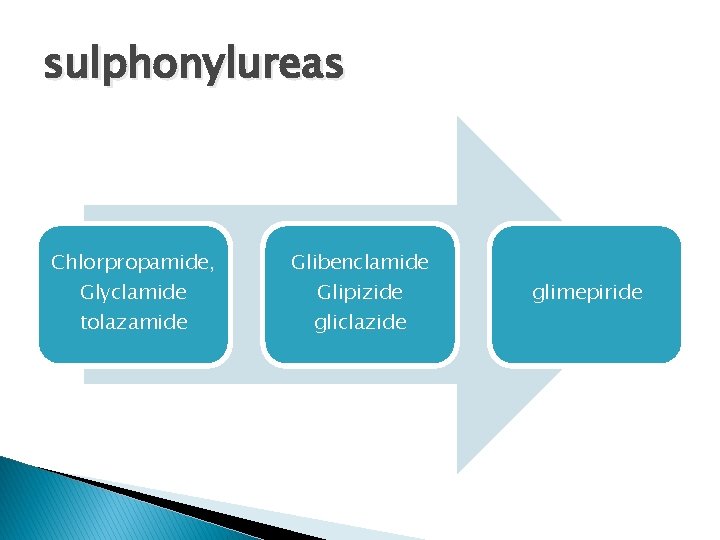
sulphonylureas Chlorpropamide, Glyclamide tolazamide Glibenclamide Glipizide gliclazide glimepiride
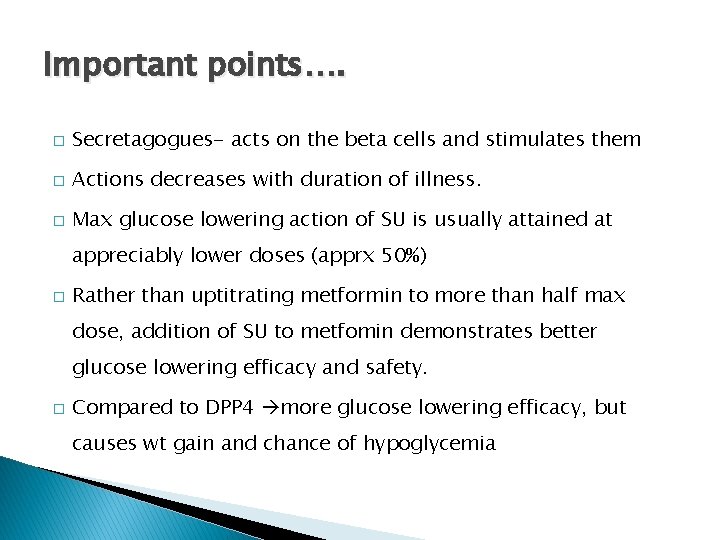
Important points…. � Secretagogues- acts on the beta cells and stimulates them � Actions decreases with duration of illness. � Max glucose lowering action of SU is usually attained at appreciably lower doses (apprx 50%) � Rather than uptitrating metformin to more than half max dose, addition of SU to metfomin demonstrates better glucose lowering efficacy and safety. � Compared to DPP 4 more glucose lowering efficacy, but causes wt gain and chance of hypoglycemia
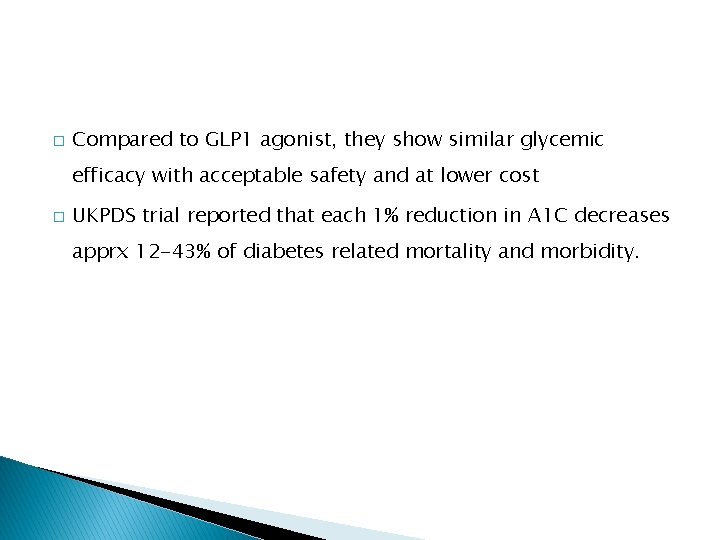
� Compared to GLP 1 agonist, they show similar glycemic efficacy with acceptable safety and at lower cost � UKPDS trial reported that each 1% reduction in A 1 C decreases apprx 12 -43% of diabetes related mortality and morbidity.
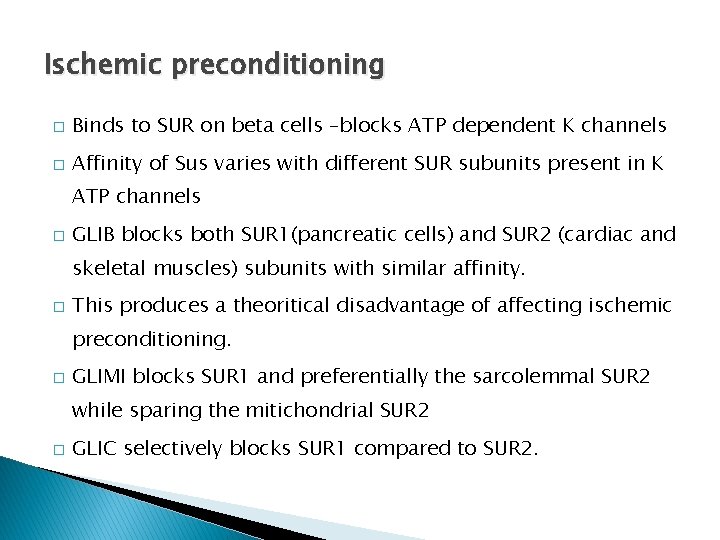
Ischemic preconditioning � Binds to SUR on beta cells –blocks ATP dependent K channels � Affinity of Sus varies with different SUR subunits present in K ATP channels � GLIB blocks both SUR 1(pancreatic cells) and SUR 2 (cardiac and skeletal muscles) subunits with similar affinity. � This produces a theoritical disadvantage of affecting ischemic preconditioning. � GLIMI blocks SUR 1 and preferentially the sarcolemmal SUR 2 while sparing the mitichondrial SUR 2 � GLIC selectively blocks SUR 1 compared to SUR 2.
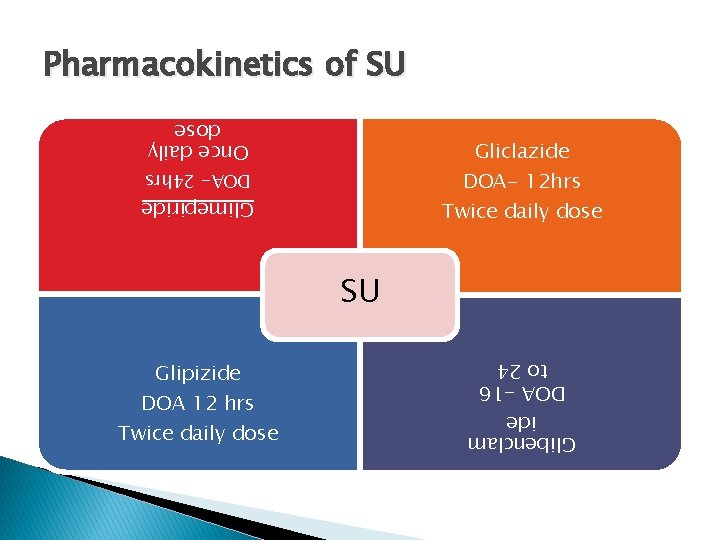
Pharmacokinetics of SU Once daily dose Gliclazide DOA- 12 hrs Twice daily dose DOA- 24 hrs Glimepiride SU Glibenclam ide DOA -16 to 24 Glipizide DOA 12 hrs Twice daily dose
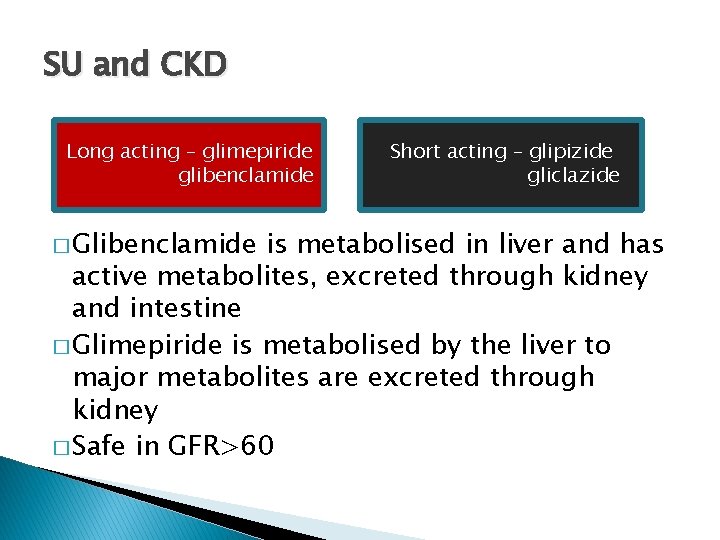
SU and CKD Long acting – glimepiride glibenclamide � Glibenclamide Short acting – glipizide gliclazide is metabolised in liver and has active metabolites, excreted through kidney and intestine � Glimepiride is metabolised by the liver to major metabolites are excreted through kidney � Safe in GFR>60
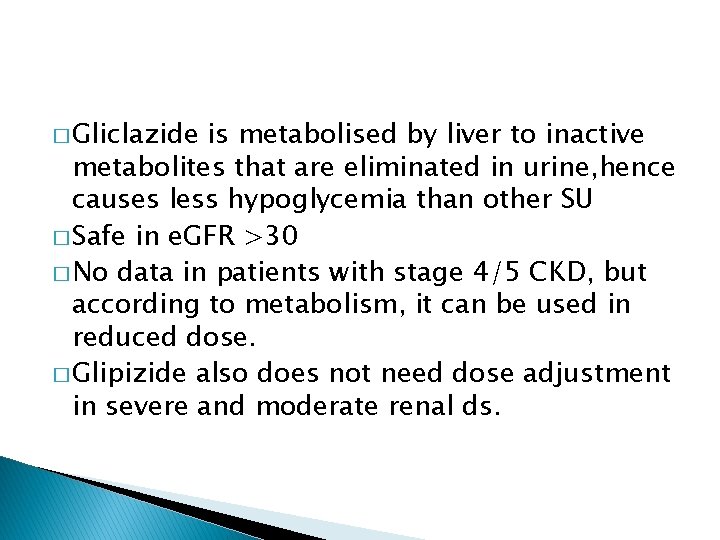
� Gliclazide is metabolised by liver to inactive metabolites that are eliminated in urine, hence causes less hypoglycemia than other SU � Safe in e. GFR >30 � No data in patients with stage 4/5 CKD, but according to metabolism, it can be used in reduced dose. � Glipizide also does not need dose adjustment in severe and moderate renal ds.
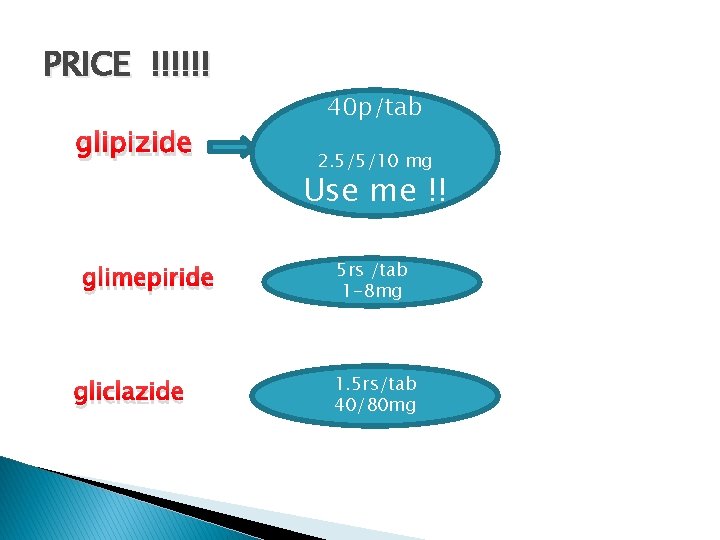
PRICE !!!!!! glipizide glimepiride gliclazide 40 p/tab 2. 5/5/10 mg Use me !! 5 rs /tab 1 -8 mg 1. 5 rs/tab 40/80 mg
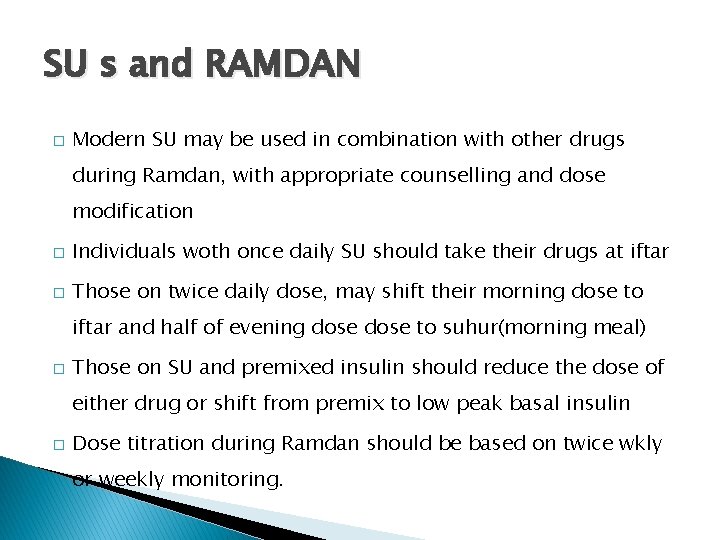
SU s and RAMDAN � Modern SU may be used in combination with other drugs during Ramdan, with appropriate counselling and dose modification � Individuals woth once daily SU should take their drugs at iftar � Those on twice daily dose, may shift their morning dose to iftar and half of evening dose to suhur(morning meal) � Those on SU and premixed insulin should reduce the dose of either drug or shift from premix to low peak basal insulin � Dose titration during Ramdan should be based on twice wkly or weekly monitoring.
GLP 1 agonists � Glucose dependent insulin release from beta cells � Inhibits glucagon release � Delays gastric emptying � Enhances satiety � Improves insulin sensitivity q Weight loss, bp and lipid reductions. v LEADER trial(liraglutide effect and action in diabetes, evaluation of CV outcome Results)- significant reduction in nephropathy and death from CV outocmes.
� Liraglutide has received FDA approval to reduce the risk of CV death, non fatal Miand non fatal stroke in adults with type 2 DM and established CV disese. � SUSTAIN 6 trial – semaglutide(ORAL) � REWIND trial –dulaglutide � HARMONY trial- albiglutide these trials suggests these GLP 1 agoists also have CV benefits.
� Should not be used in patients with a personal or family history of medullary thyroid cancer or MEN type 2 � Exenatide is CI below e. GFR of 30 � No dose adjustments liraglutide, semaglutide and dulaglutide in ckd � Needs caution in patients with gastroparesis.
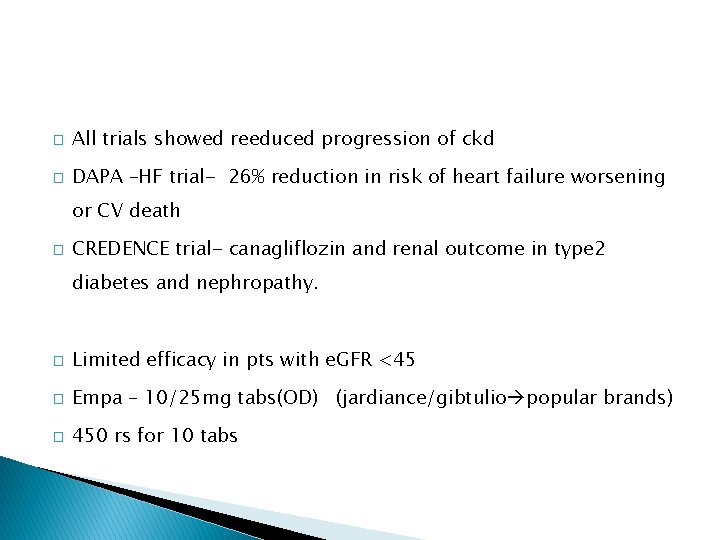
SGLT 2 inhibitors � EMPA-REG outcome trial- empagliflozin lowered the rates of all cause mortality , CV death and hospitalisation for heart failure. � CANVAS trial – canagliflozin (increased the risk of amputation) � DECLARE TIMI trial- dapagliflozin � Most of the benefits in the trials are from heart failure related end points. v In adults with T 2 D and established ASCVD, empagliflozin has an FDA-approved indication to reduce cardiac mortality and canagliflozin is indicated to reduce the risk of major cardiovascular events
� All trials showed reeduced progression of ckd � DAPA –HF trial- 26% reduction in risk of heart failure worsening or CV death � CREDENCE trial- canagliflozin and renal outcome in type 2 diabetes and nephropathy. � Limited efficacy in pts with e. GFR <45 � Empa – 10/25 mg tabs(OD) (jardiance/gibtulio popular brands) � 450 rs for 10 tabs
� Dapagliflozin OXRA( sun pharma) 5/10 mg tab once daily
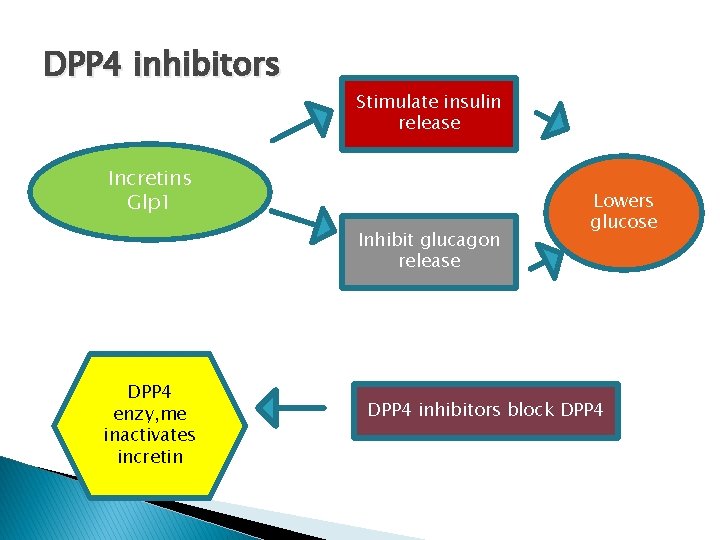
DPP 4 inhibitors Stimulate insulin release Incretins Glp 1 Inhibit glucagon release DPP 4 enzy, me inactivates incretin Lowers glucose DPP 4 inhibitors block DPP 4
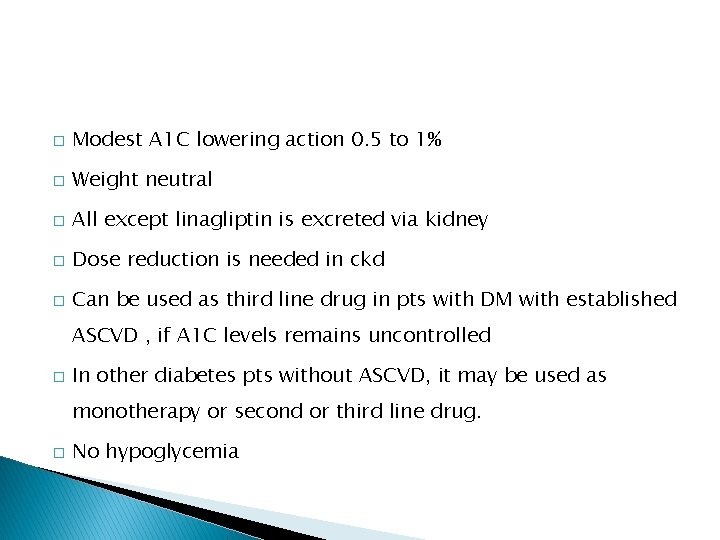
� Modest A 1 C lowering action 0. 5 to 1% � Weight neutral � All except linagliptin is excreted via kidney � Dose reduction is needed in ckd � Can be used as third line drug in pts with DM with established ASCVD , if A 1 C levels remains uncontrolled � In other diabetes pts without ASCVD, it may be used as monotherapy or second or third line drug. � No hypoglycemia
� Tenligliptin – 20 mg once daily upto 40 mg � Prefer morning dose � About 34% excreted unchanged via the kidney and the remaining is metabolised and eliminated via renal and hepatic excretion. � Vildagliptin – 25/50/100 twice daily
� All DPP 4 inhibitors can be used in stage 1 and 2 ckd, with no dose adjustment � But for e. GFR < 50 , dose reduction is needed for all except linagliptin � Vildagliptin dose is reduced by 50% when egfr <50
Pioglitazone � It may confer ASCVD benefits � Risk of fluid retention may be mitigated by combining with SGLT 2 inhibitor. � Side effects can also be reduced by using a moderate dose of 30 mg. � 15/30/45 mg � Once daily � CI in patients with established NYHA class ¾ heart failure � CI in moderate to severe hepatic impairment(ALT >2. 5 ULN) � Monitor ALT monthly initially
Alpha glucosidase inhibitors � Modest A 1 C lowering action � Contraindiacated in severe ckd
� In metforminintolerant patients, two drugs with complementary mechanisms of action from other classes should be used � Fixed-dose (single-pill) combinations of oral agents including metformin and/or SGLT 2 inhibitors, DPP 4 inhibitors, TZDs, and SUs are available. � Addition of a third line agent may be needed to enhance Rx efficacy, although any third line agent is likely to have less efficacy than when the same medication is used as 1 st /2 nd line drug.
Liver diseases � Drugs usually do not require dose modification in mild to moderate liver disease. � But risk of hypoglycemia increases in severe cases.
Decision to start insulin!! When ? ? ? � Decision should be made in collaberation with the patient, depending on patients motivation, � CV and end organ complications, � age � risk of hypoglycemia and overall health status � COST considerations. v Patients taking two oral anti hyperglycemic agents who have an A 1 C >8. 0% and or long-standing T 2 D are less likely to reach their target A 1 C with a third oral anti hyperglycemic agent
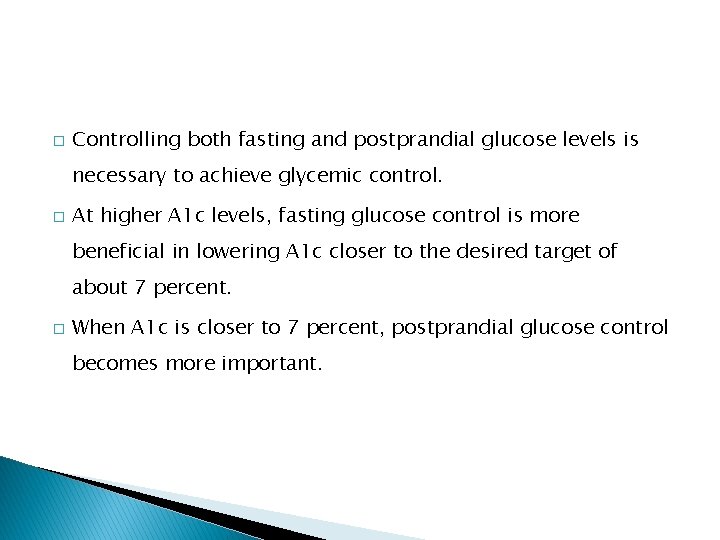
� Controlling both fasting and postprandial glucose levels is necessary to achieve glycemic control. � At higher A 1 c levels, fasting glucose control is more beneficial in lowering A 1 c closer to the desired target of about 7 percent. � When A 1 c is closer to 7 percent, postprandial glucose control becomes more important.
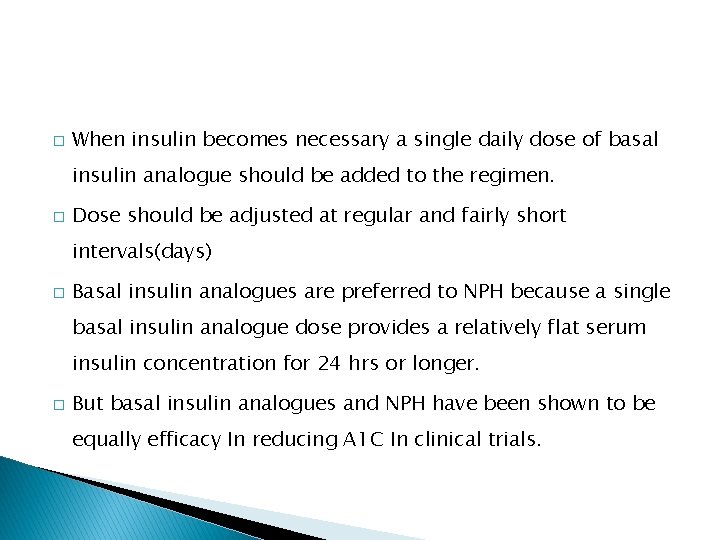
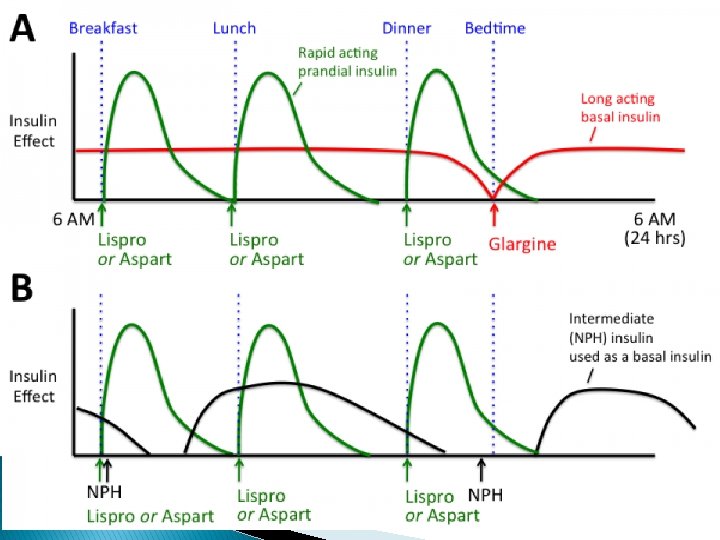
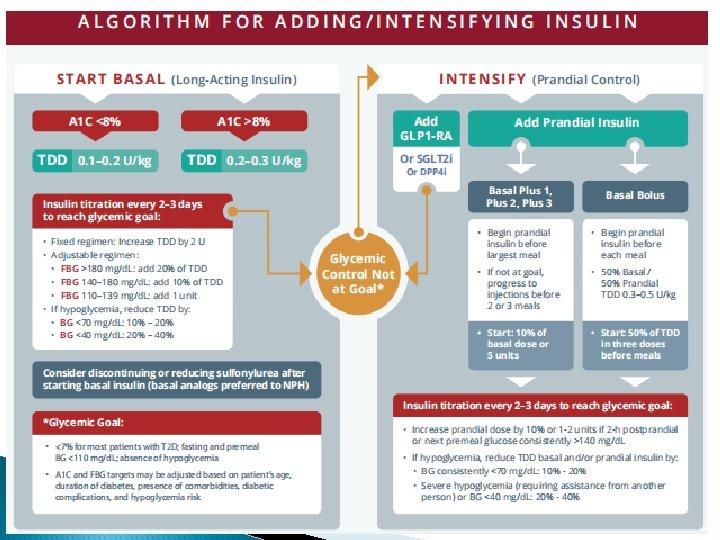
� When insulin becomes necessary a single daily dose of basal insulin analogue should be added to the regimen. � Dose should be adjusted at regular and fairly short intervals(days) � Basal insulin analogues are preferred to NPH because a single basal insulin analogue dose provides a relatively flat serum insulin concentration for 24 hrs or longer. � But basal insulin analogues and NPH have been shown to be equally efficacy In reducing A 1 C In clinical trials.
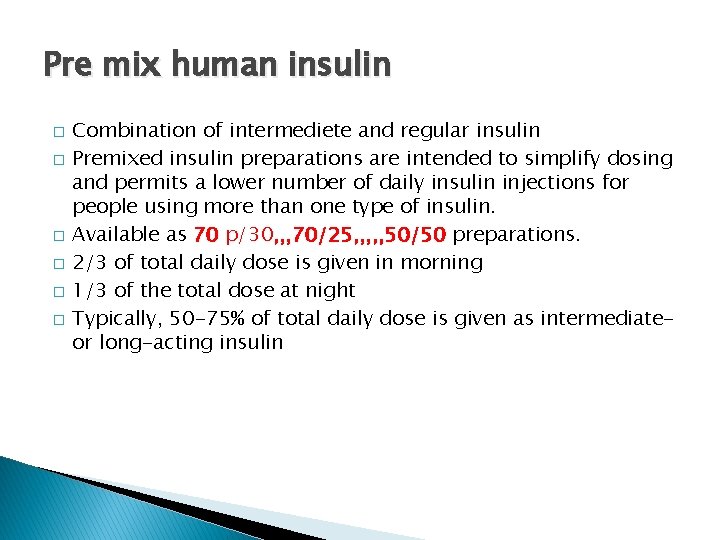
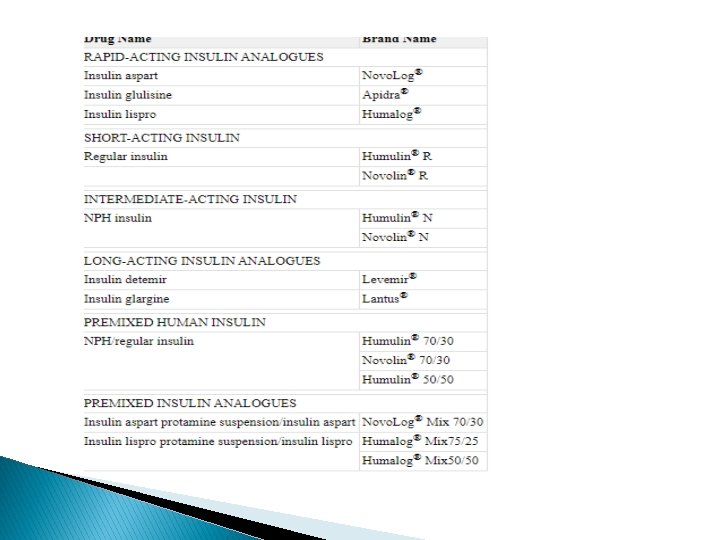
Pre mix human insulin � � � Combination of intermediete and regular insulin Premixed insulin preparations are intended to simplify dosing and permits a lower number of daily insulin injections for people using more than one type of insulin. Available as 70 p/30, , , 70/25, , , 50/50 preparations. 2/3 of total daily dose is given in morning 1/3 of the total dose at night Typically, 50 -75% of total daily dose is given as intermediateor long-acting insulin
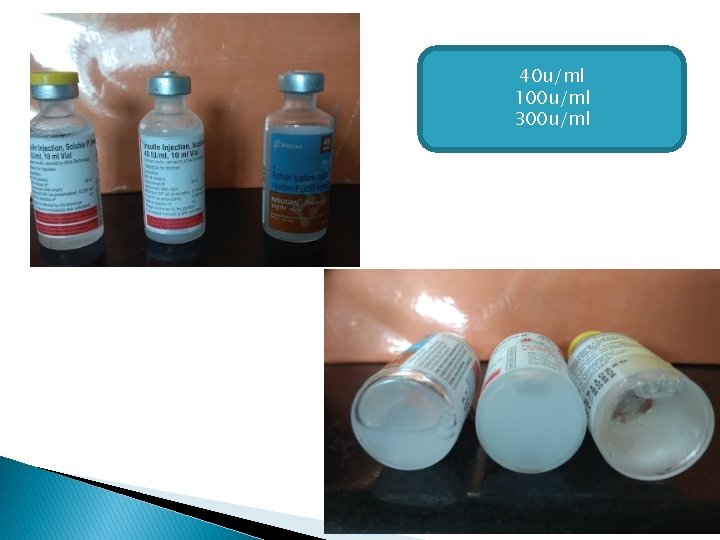
40 u/ml 100 u/ml 300 u/ml
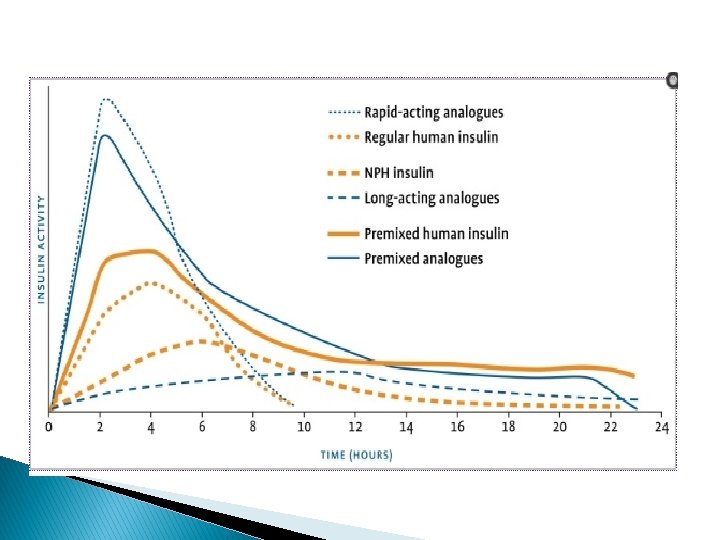
Premix insulin analogue � Combination of short acting insulin analogues and intermediete acting protamine suspension � Premixed insulin analogues and premixed human insulin have similar effects on A 1 c and fasting glucose. � However, premixed insulin analogues lead to lower postprandial glucose levels.
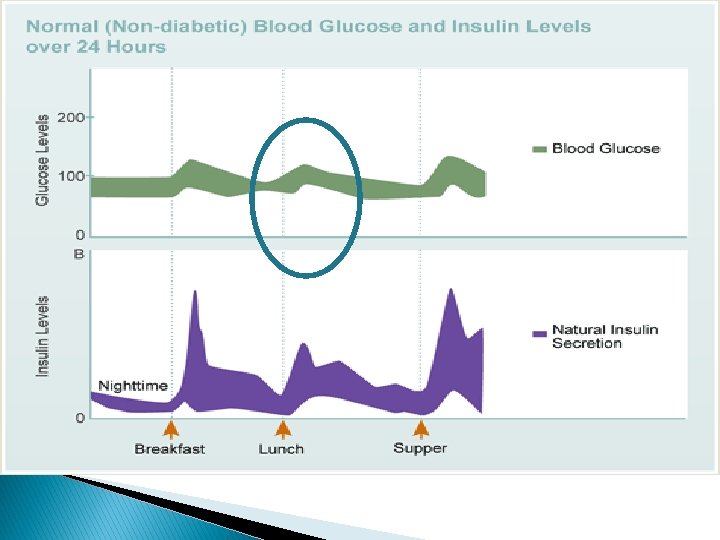
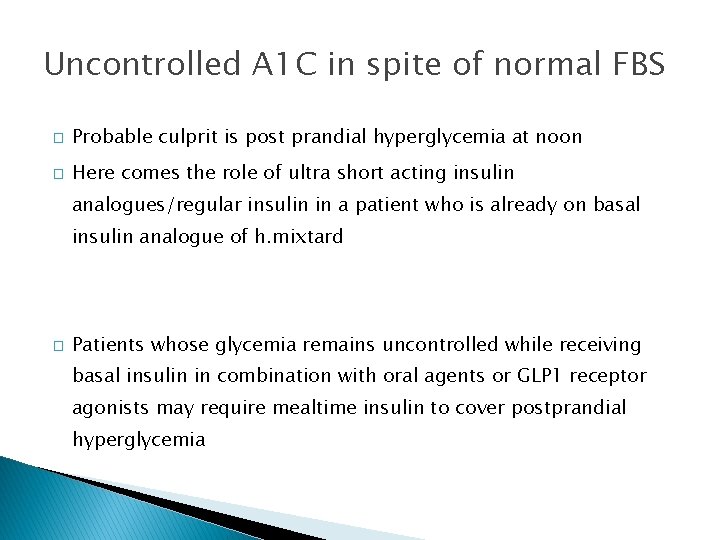
Uncontrolled A 1 C in spite of normal FBS � Probable culprit is post prandial hyperglycemia at noon � Here comes the role of ultra short acting insulin analogues/regular insulin in a patient who is already on basal insulin analogue of h. mixtard � Patients whose glycemia remains uncontrolled while receiving basal insulin in combination with oral agents or GLP 1 receptor agonists may require mealtime insulin to cover postprandial hyperglycemia
How to convert from nph to basal long acting insulin analogue � � � Add total NPH given per day and give 80% as a single dose of a basal analogue daily Similarly regular insulin can be changed to ultra short cting insulin analogues with a 20% reduction in dose 10 units RI change to 8 units of aspart
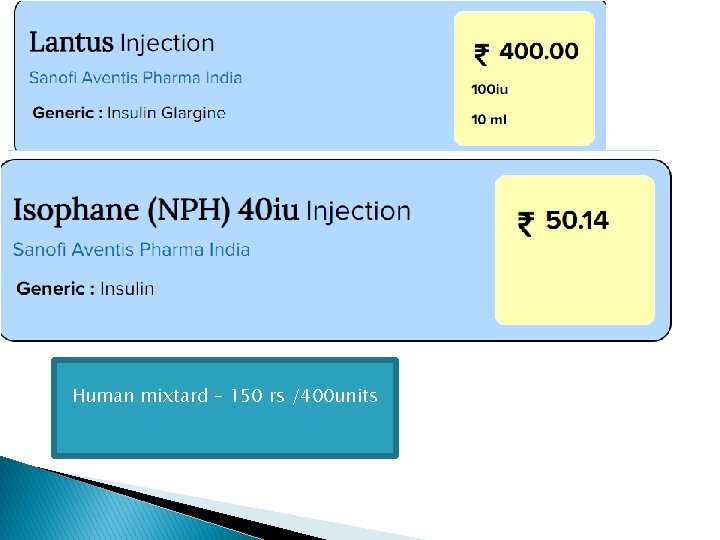
Human mixtard – 150 rs /400 units