
An introduction to using the stethoscope History What
- Slides: 33
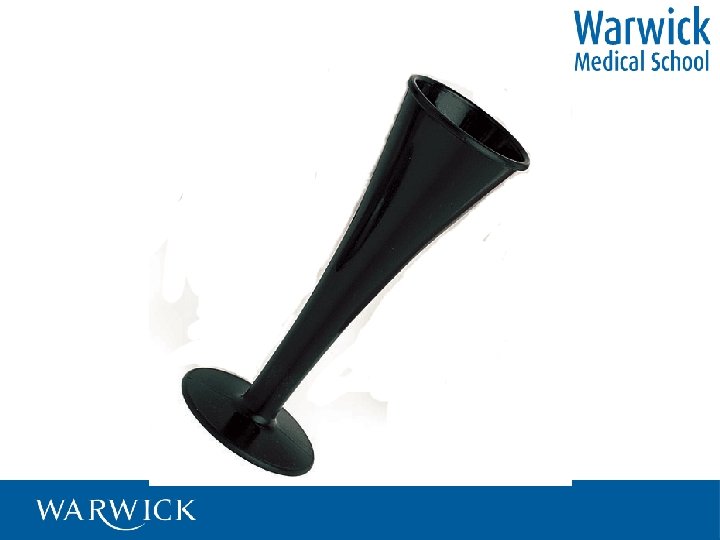
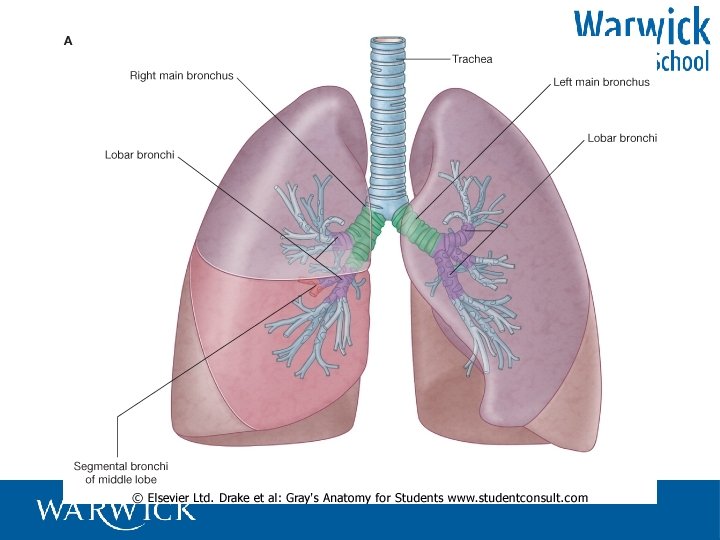
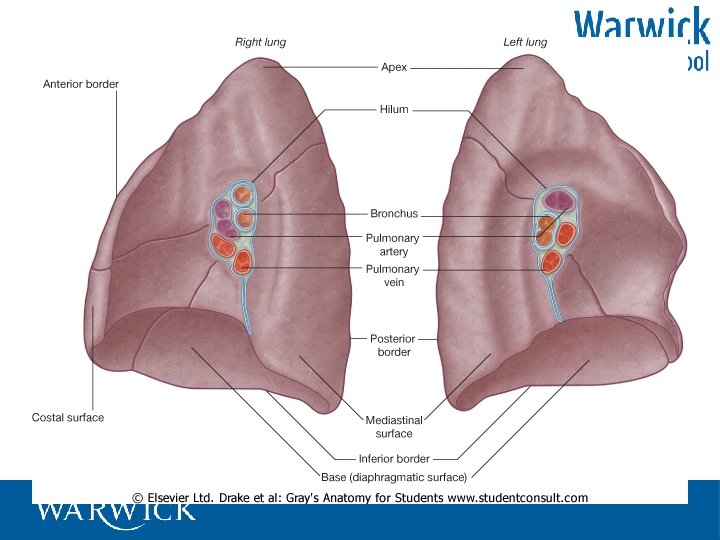
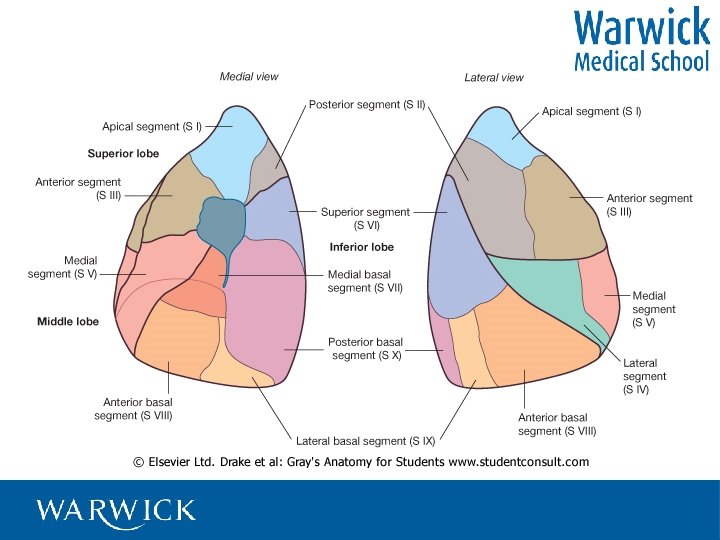
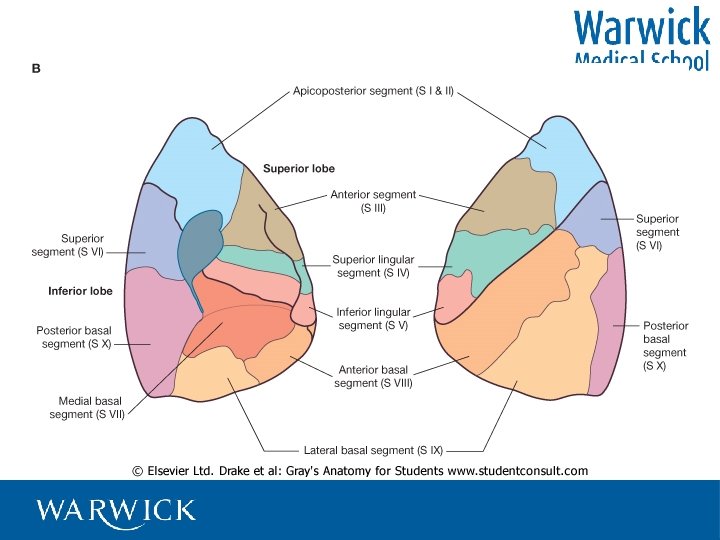
An introduction to using the stethoscope • History • What it is • How to care for it • Normal and abnormal breath sounds • Added sounds • Surface marking of the lungs
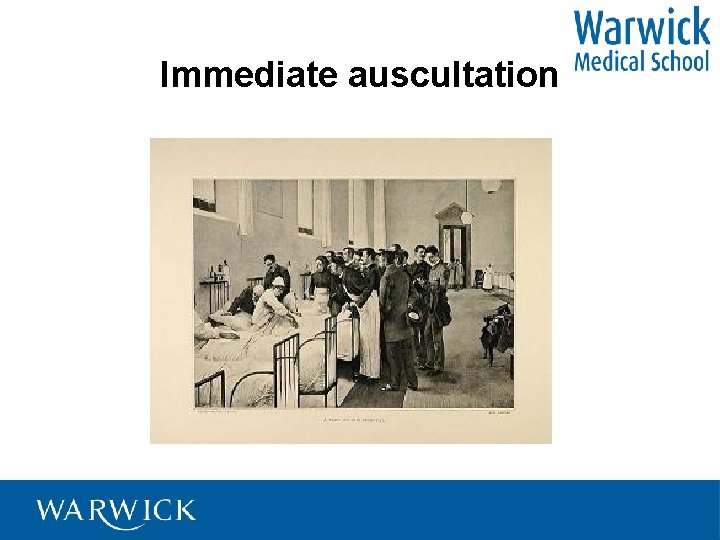
Immediate auscultation
Stethoscope – what do you hear? • Breath sounds • Added sounds from lung • Added sounds from elsewhere
Stethoscope – what do you hear? Breath sounds • Vesicular • Bronchial May be modified in volume– increased or decreased
Stethoscope – what do you hear? Added sounds from the lungs • Crackles – ‘wet sounds’ [crepitations] • Wheezes – ‘dry sounds’ [rhonchi]
Stethoscope – what do you hear? Added sounds from elsewhere • Pleura – rub [creaky shoe] • Chest wall – fractured rib • Superficial tissues – surgical emphysema • Clothes!!
How do you describe what you hear? • What heard • Where heard • When heard E. g. Inspiratory crackles at the left base
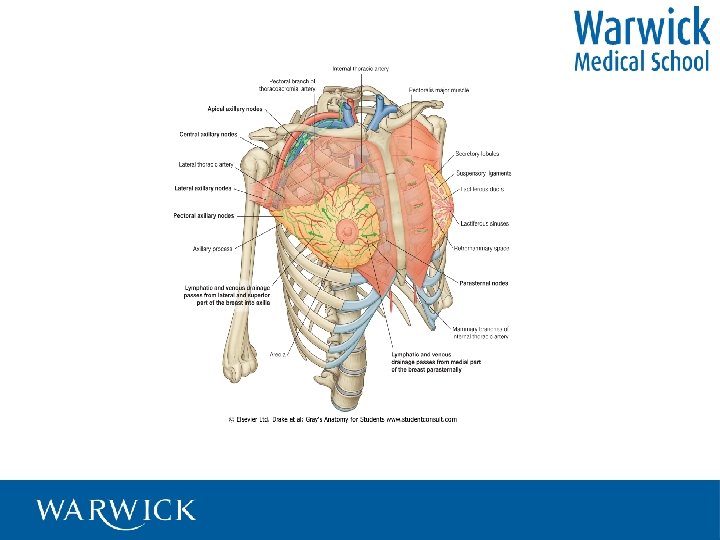
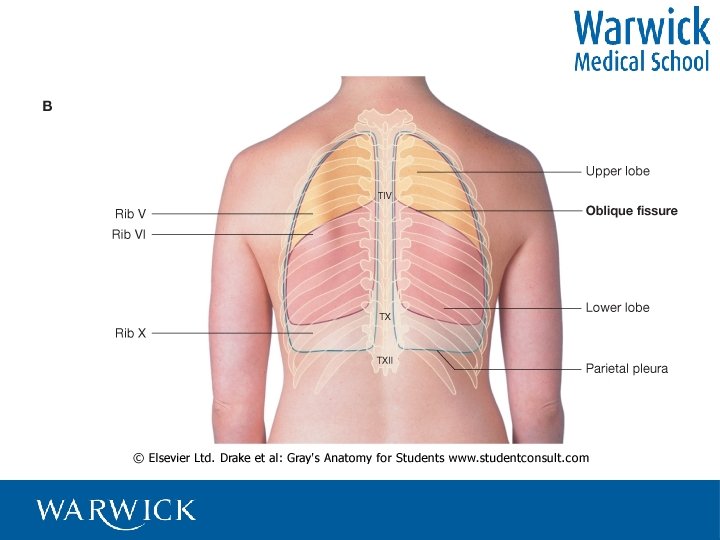
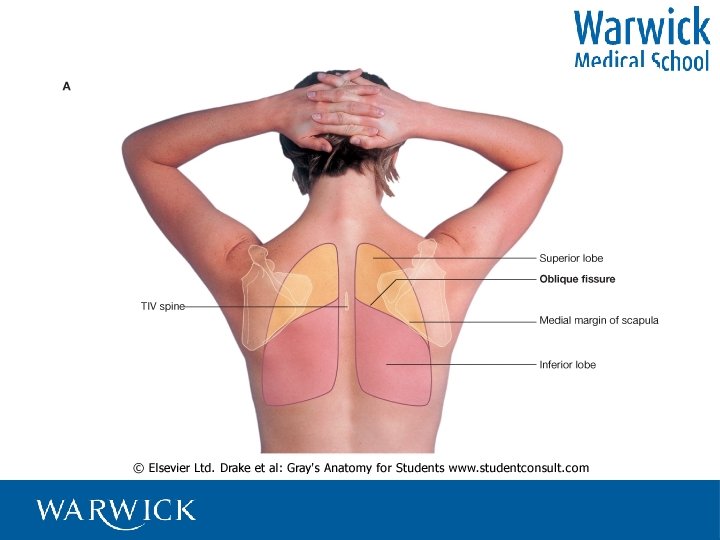
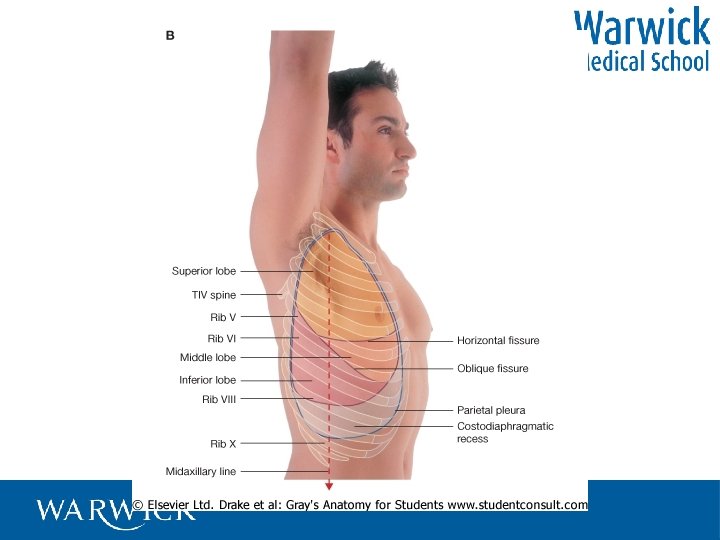
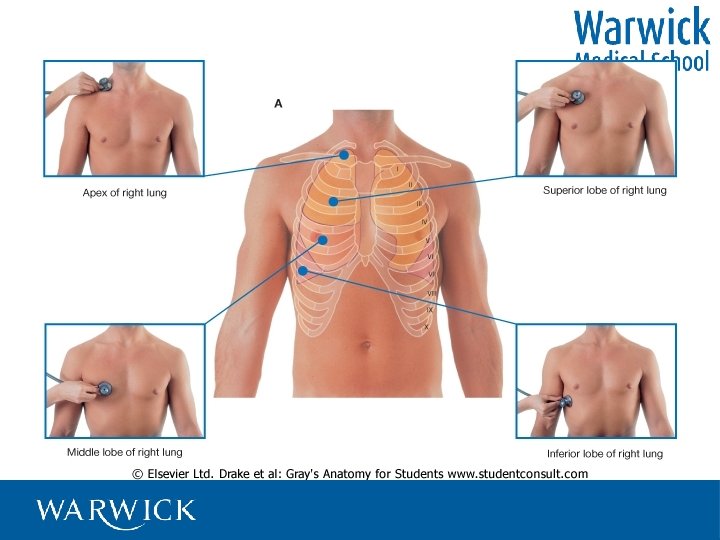
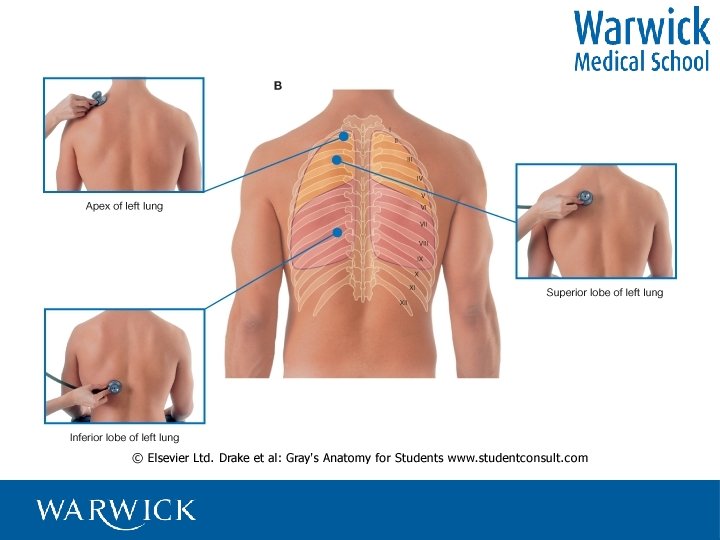
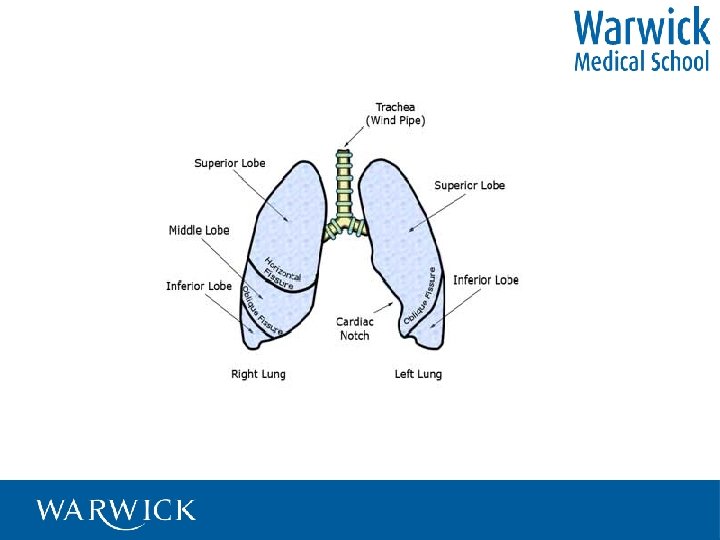
Where do you listen? Over the lungs! Other structures may interfere • Superficial – breast, fat, scapulae • Underlying - liver, heart
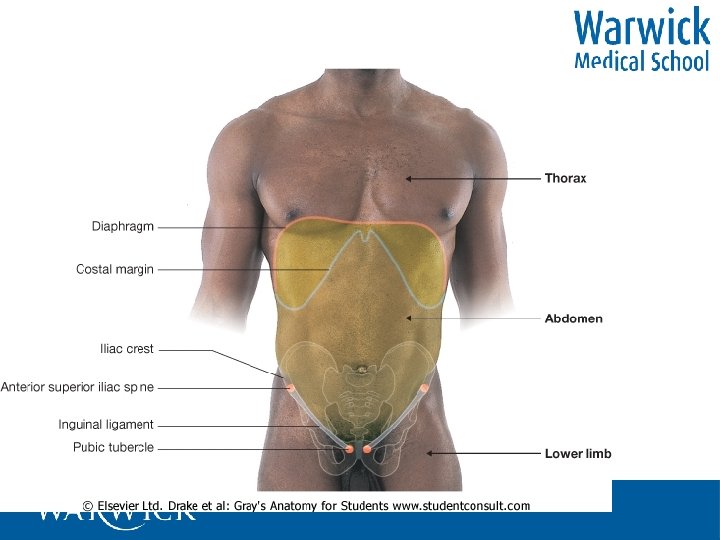
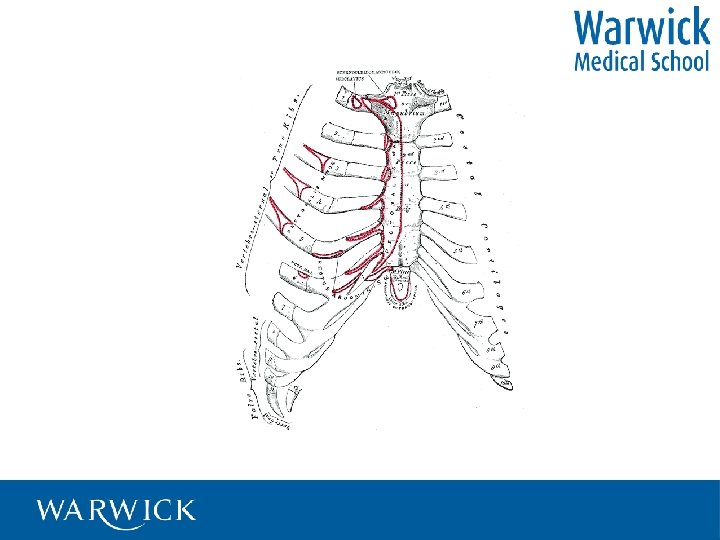
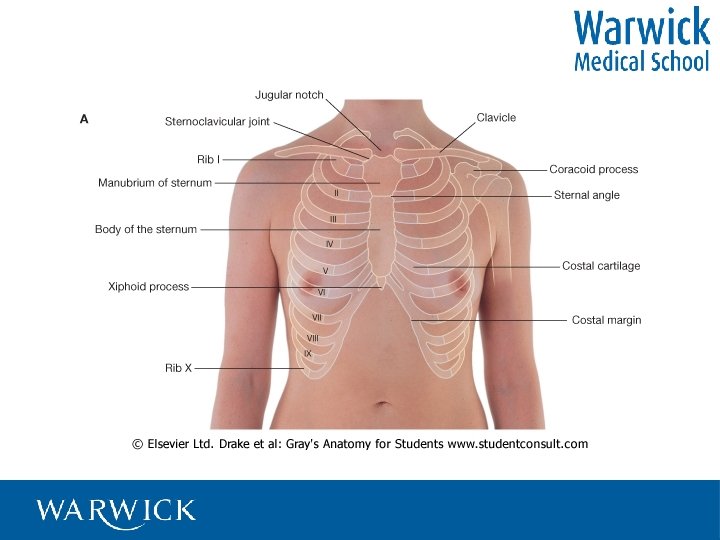
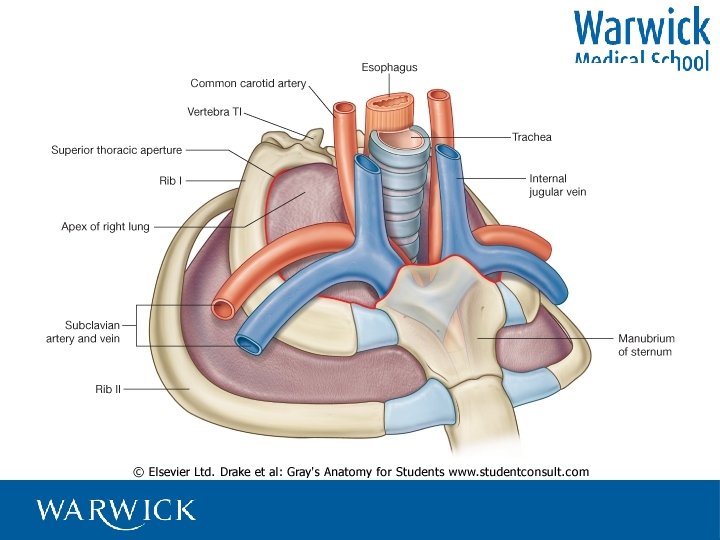
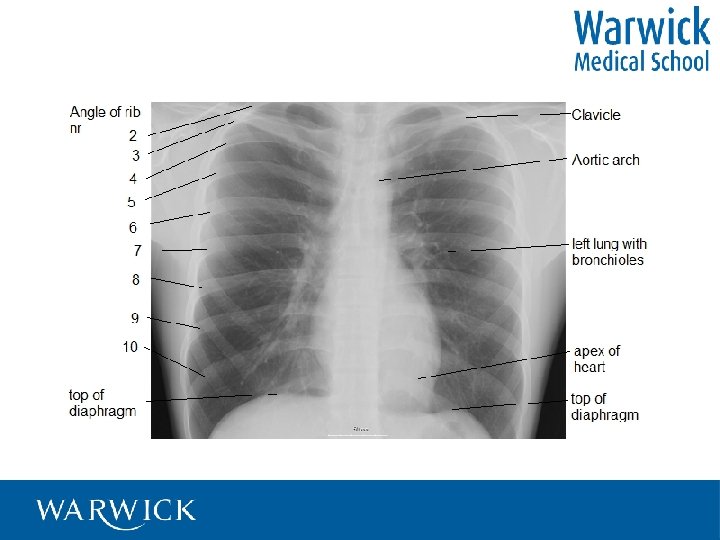
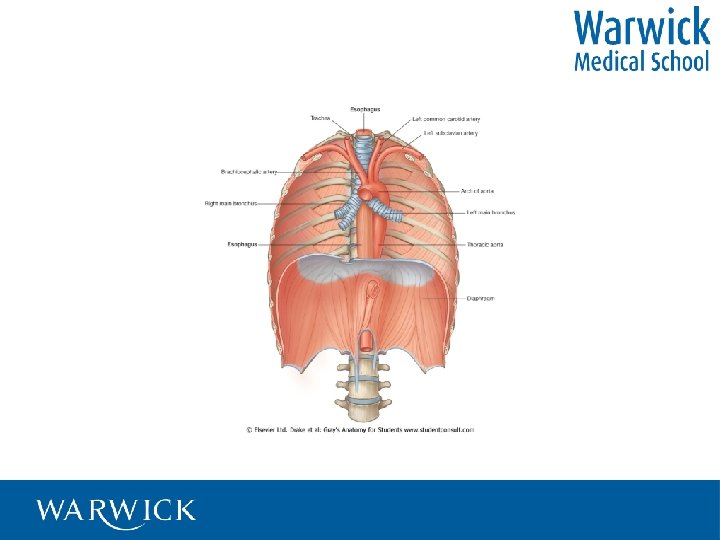
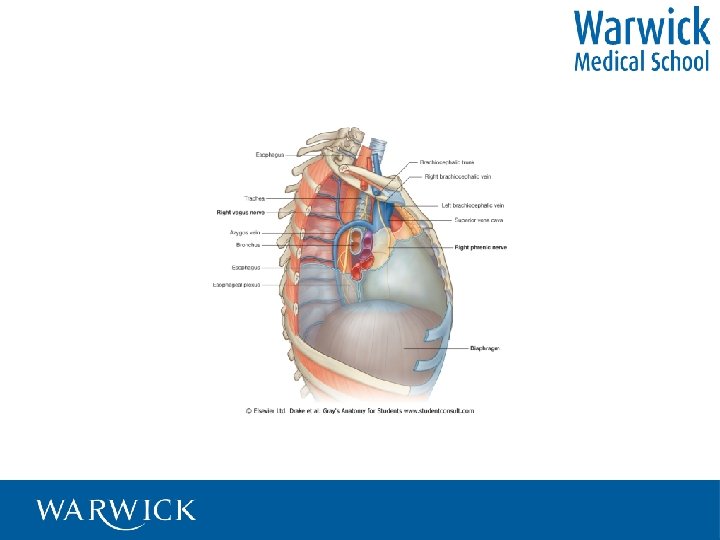
Surface anatomy • Vertebra prominens - C 7 • Sternal notch – overlies trachea • Manubrio sternal angle - T 4/5, bifurcation of trachea, 2 nd costal cartilage, upper order of atria, aortic arch • Xiphoid process – T 9
Warning! You cannot tell everything from your stethoscope. The history and other physical signs derived from observation, palpation and percussion are essential to make a diagnosis.