
An Introduction to Thinking Maps Thinking Maps are
- Slides: 24
An Introduction to Thinking Maps
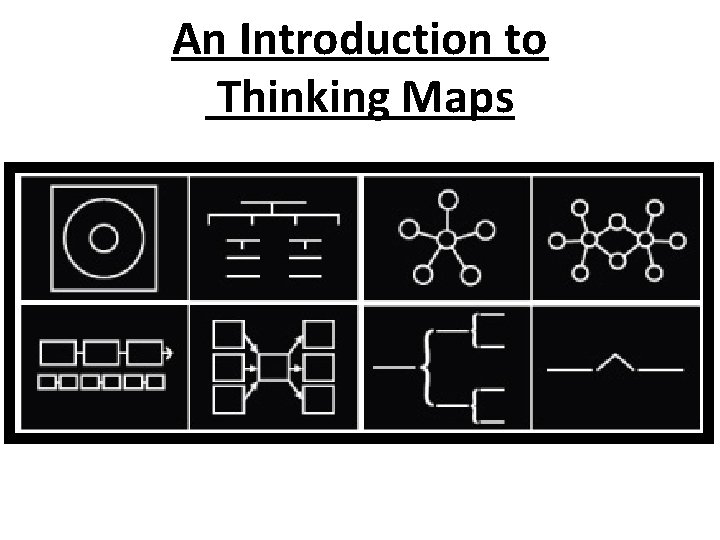
Thinking Maps are a set of graphic organiser techniques used in both primary and secondary education. There are eight diagram types that are intended to correspond with eight different fundamental cognitive processes. They provide a common visual language designed to help students structure their thinking.
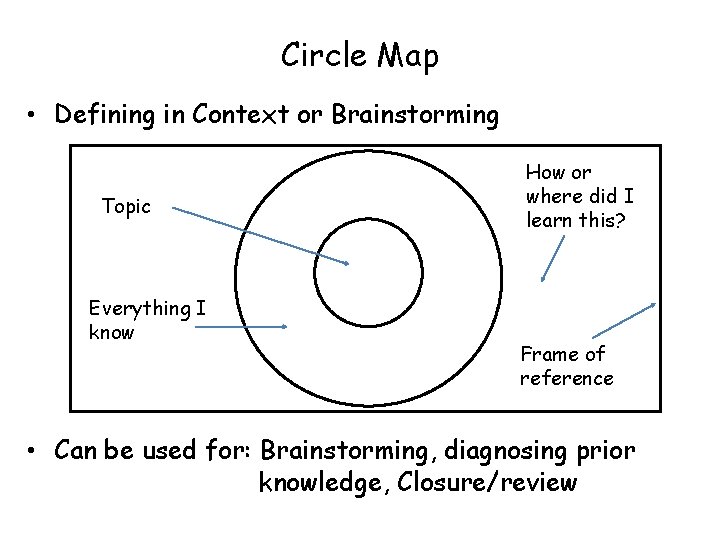
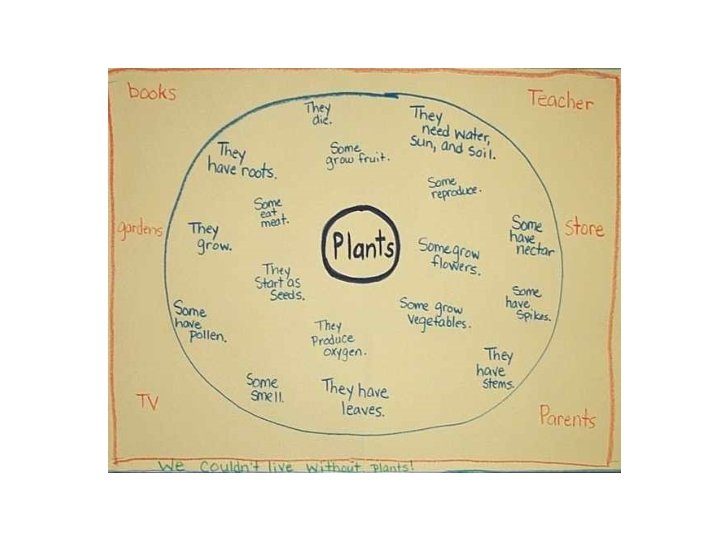
Circle Map • Defining in Context or Brainstorming Topic Everything I know How or where did I learn this? Frame of reference • Can be used for: Brainstorming, diagnosing prior knowledge, Closure/review
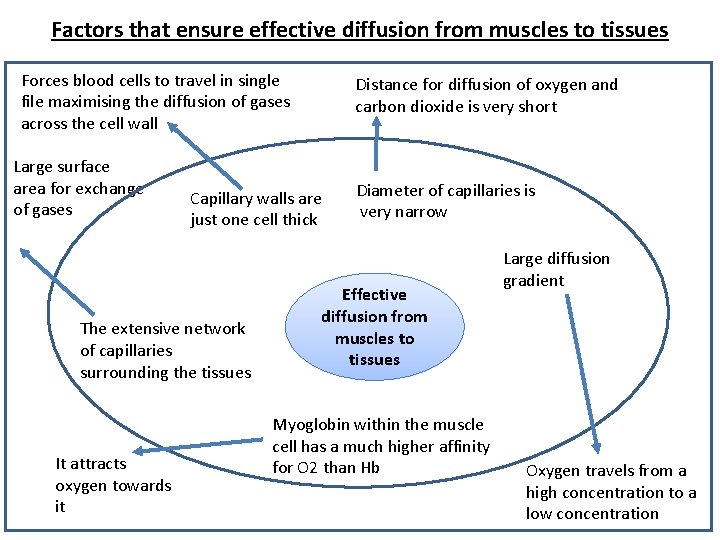
Factors that ensure effective diffusion from muscles to tissues Forces blood cells to travel in single file maximising the diffusion of gases across the cell wall Large surface area for exchange of gases Capillary walls are just one cell thick The extensive network of capillaries surrounding the tissues It attracts oxygen towards it Distance for diffusion of oxygen and carbon dioxide is very short Diameter of capillaries is very narrow Effective diffusion from muscles to tissues Myoglobin within the muscle cell has a much higher affinity for O 2 than Hb Large diffusion gradient Oxygen travels from a high concentration to a low concentration
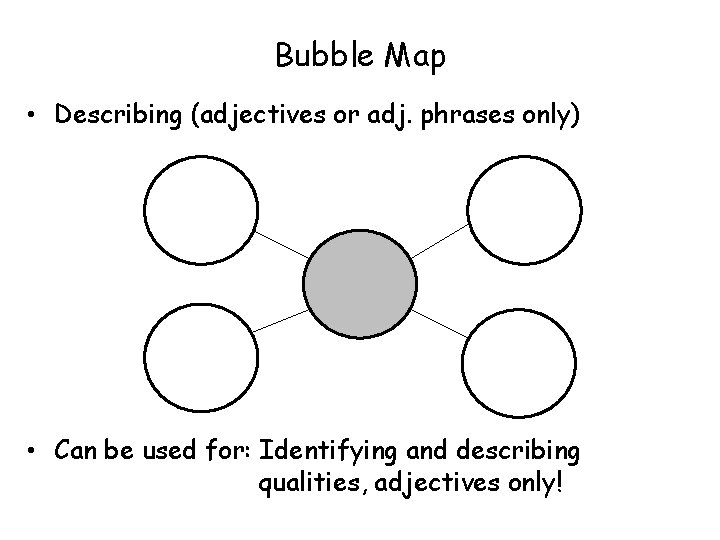
Bubble Map • Describing (adjectives or adj. phrases only) • Can be used for: Identifying and describing qualities, adjectives only!
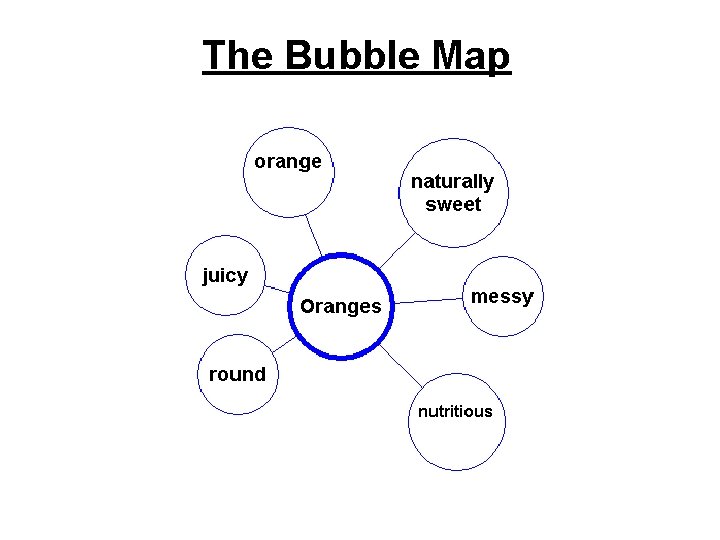
The Bubble Map
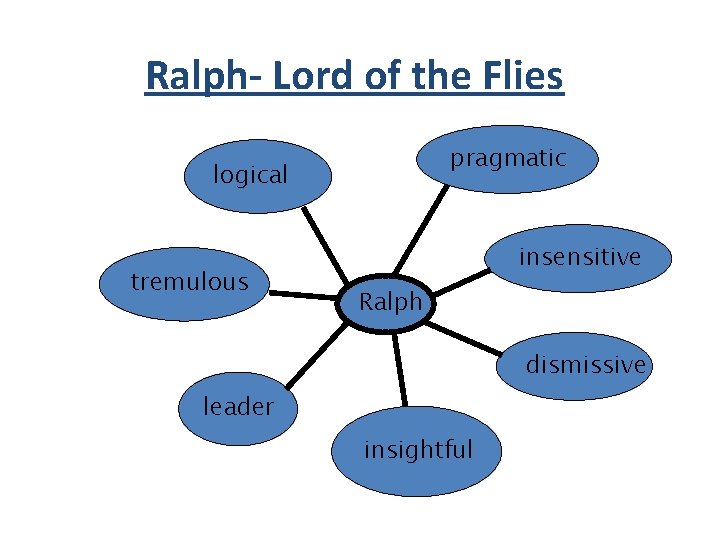
Ralph- Lord of the Flies pragmatic logical tremulous insensitive Ralph dismissive leader insightful
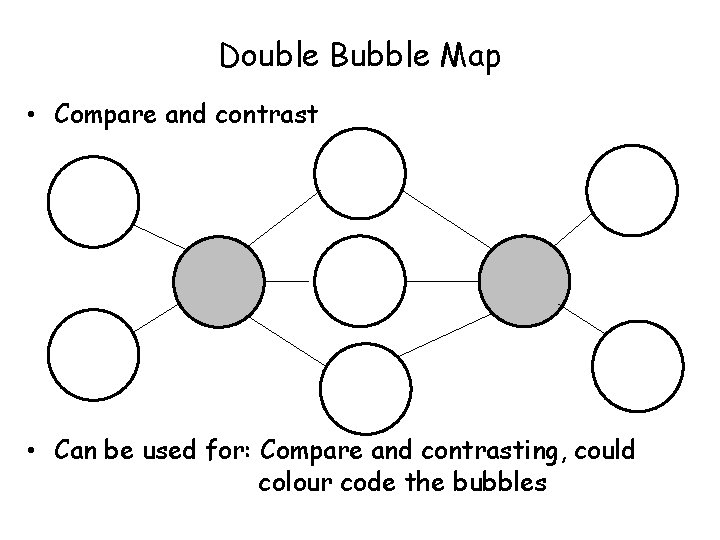
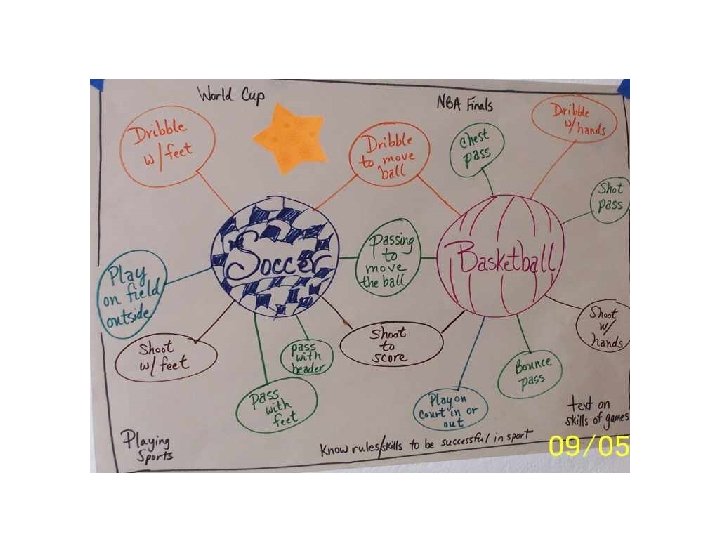
Double Bubble Map • Compare and contrast • Can be used for: Compare and contrasting, could colour code the bubbles
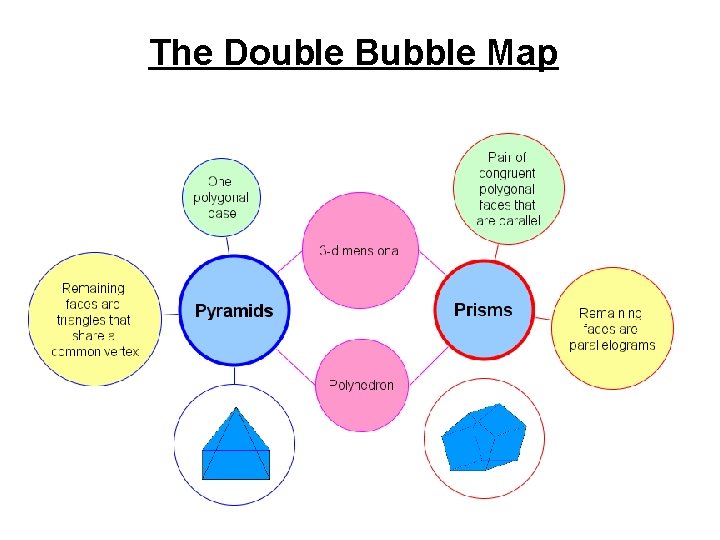
The Double Bubble Map
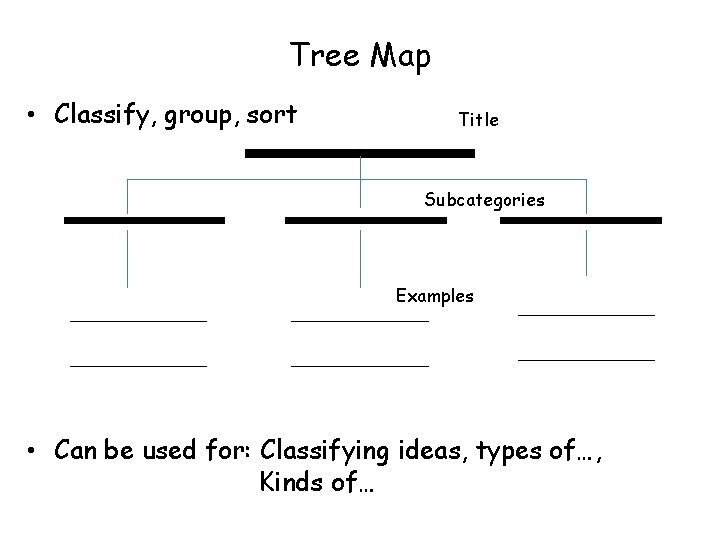
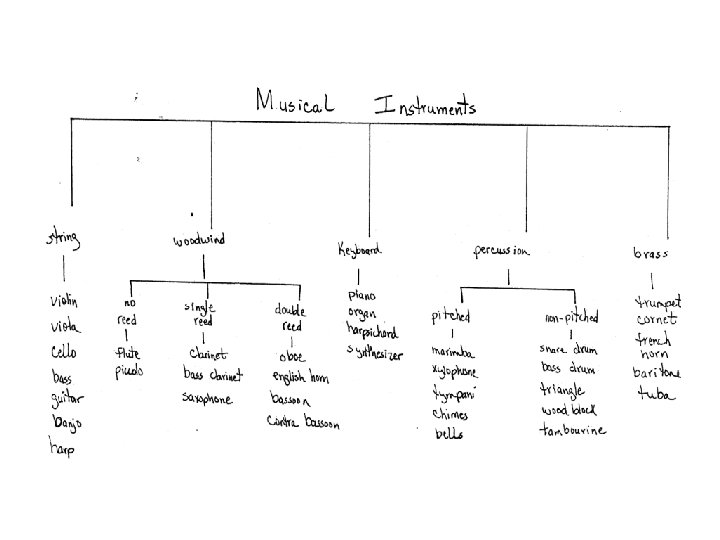
Tree Map • Classify, group, sort Title Subcategories Examples • Can be used for: Classifying ideas, types of…, Kinds of…
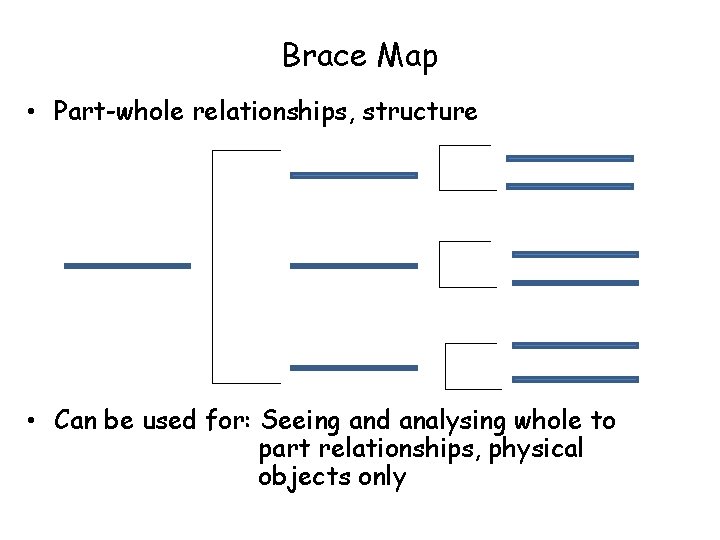
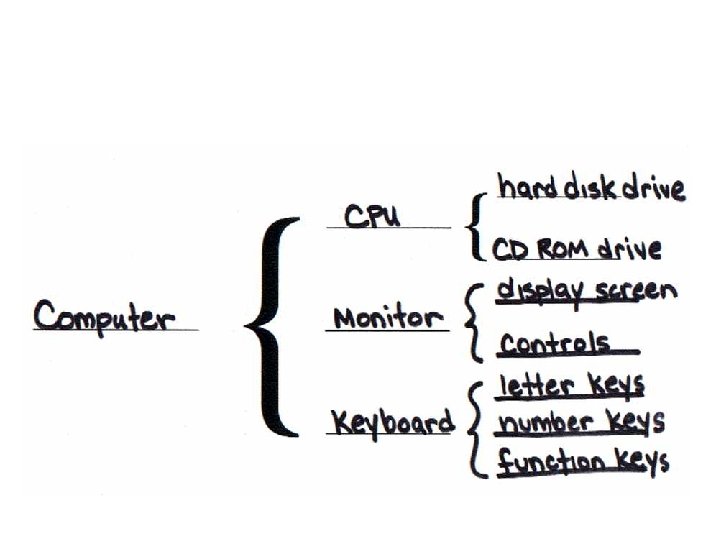
Brace Map • Part-whole relationships, structure • Can be used for: Seeing and analysing whole to part relationships, physical objects only
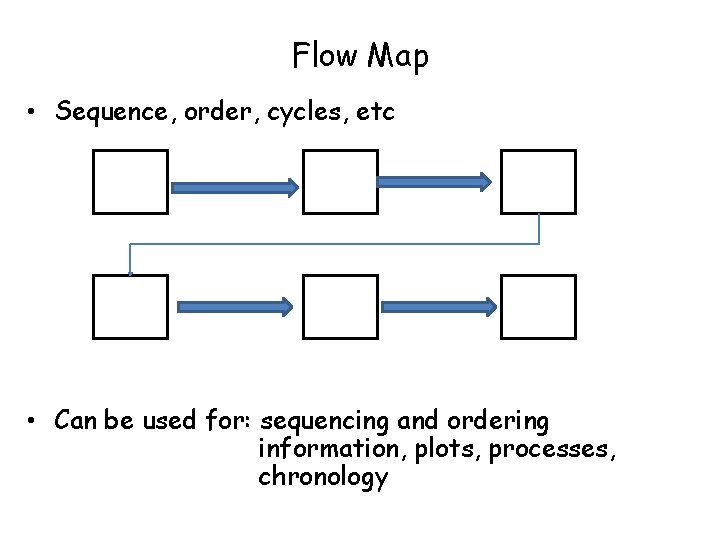
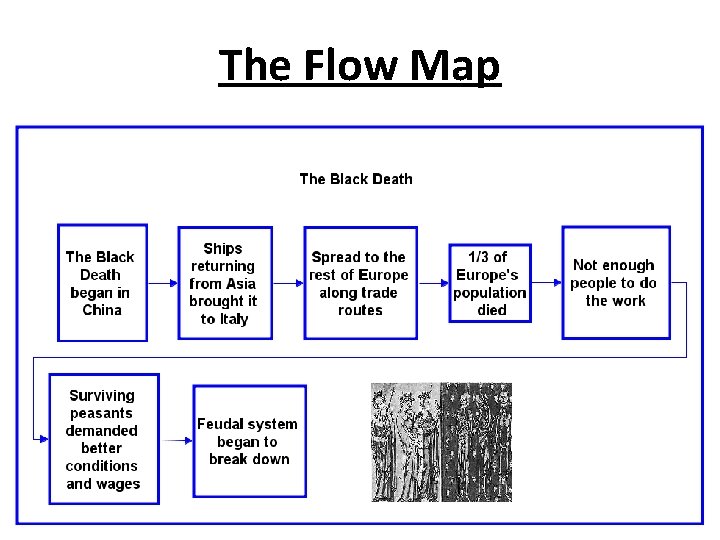
Flow Map • Sequence, order, cycles, etc • Can be used for: sequencing and ordering information, plots, processes, chronology
The Flow Map
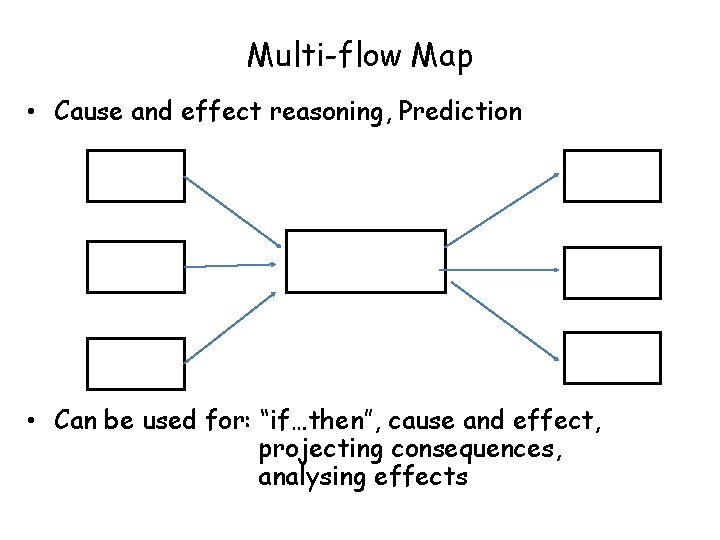
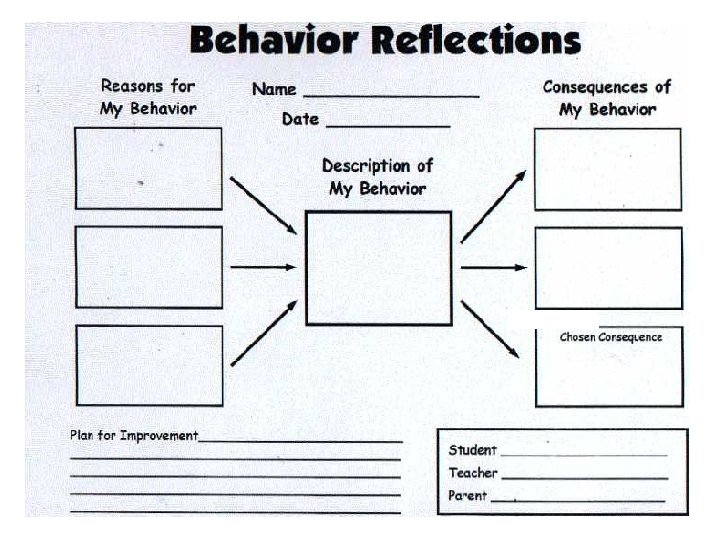
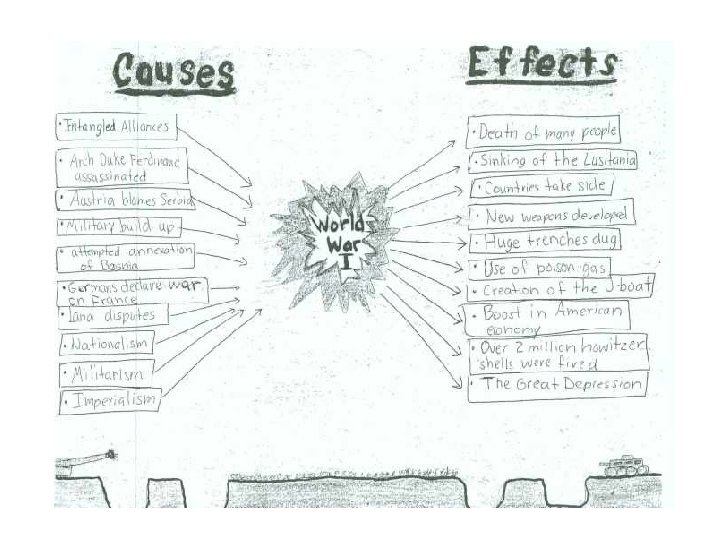
Multi-flow Map • Cause and effect reasoning, Prediction • Can be used for: “if…then”, cause and effect, projecting consequences, analysing effects
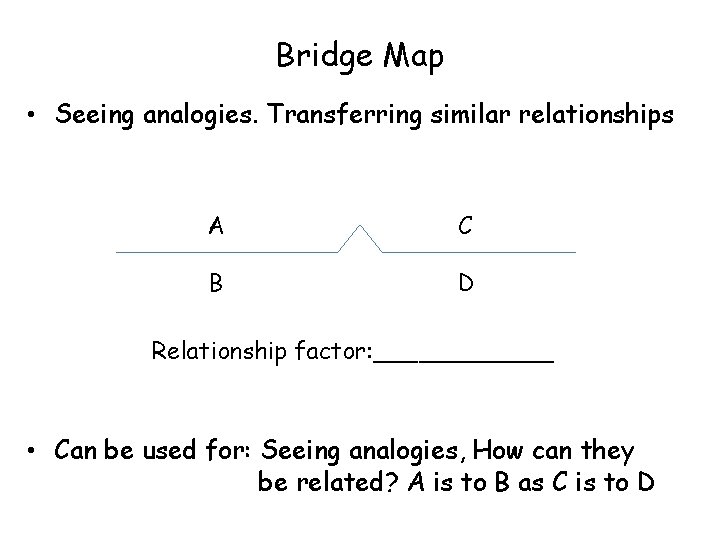
Bridge Map • Seeing analogies. Transferring similar relationships A C B D Relationship factor: ______ • Can be used for: Seeing analogies, How can they be related? A is to B as C is to D
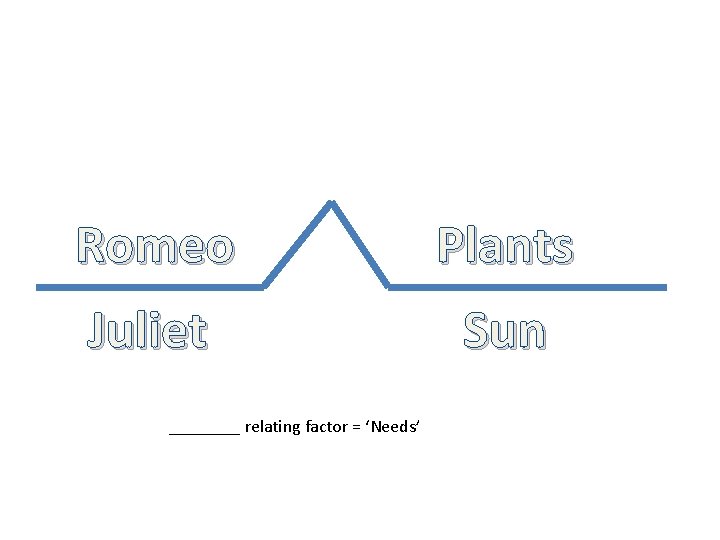
Romeo Plants Juliet Sun ____ relating factor = ‘Needs’
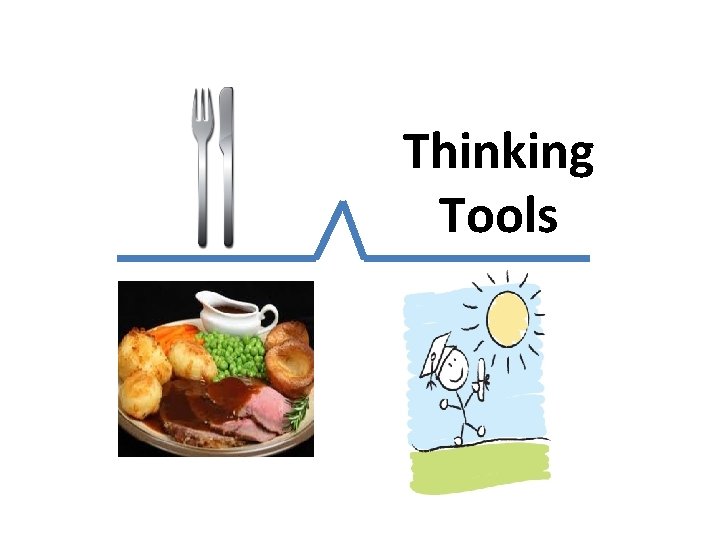
Thinking Tools