
An Introduction to the Kessler Syndrome Collisional Cascade
- Slides: 20
An Introduction to the Kessler Syndrome: Collisional Cascade of Orbital Debris National Climatic Data Center May 23, 2012 by Don Kessler Retired NASA Senior Scientist for Orbital Debris Research Asheville NC
Common Program Issues: Climate Change and Orbital debris • Require international agreements • Program elements include modeling, measurements, mitigation • Models predict a “tipping point” • Thermosphere • Shield spacecraft to ensure planned life
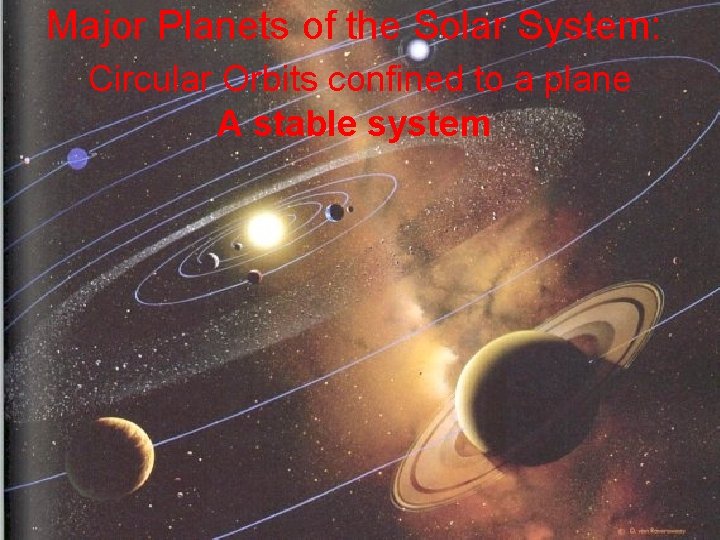
Major Planets of the Solar System: Circular Orbits confined to a plane A stable system
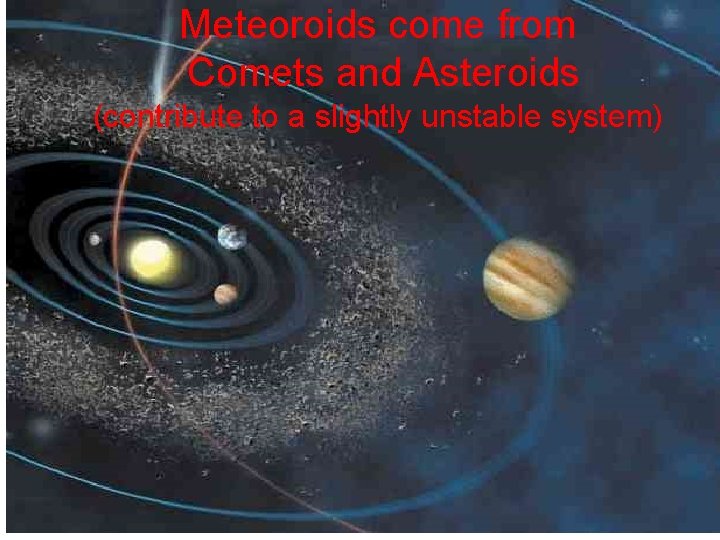
Meteoroids come from Comets and Asteroids (contribute to a slightly unstable system)
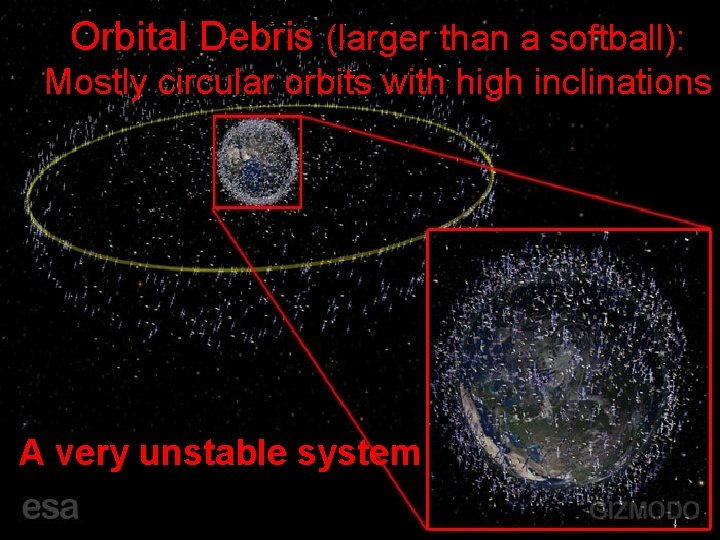
Orbital Debris (larger than a softball): Mostly circular orbits with high inclinations A very unstable system
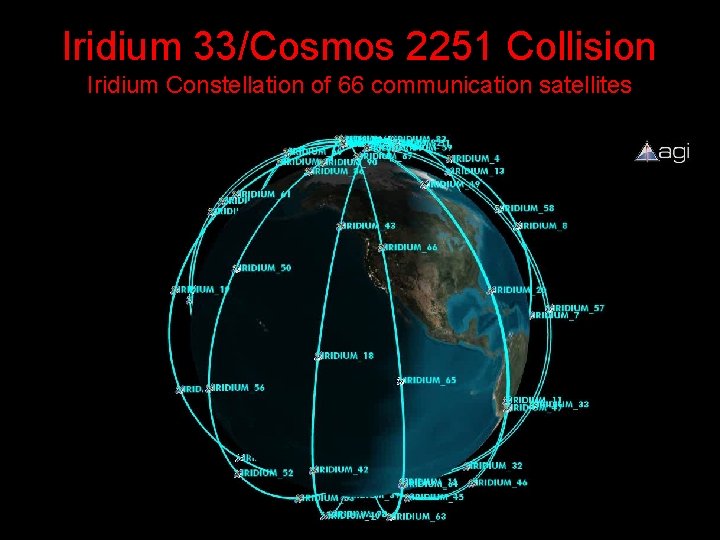
Iridium 33/Cosmos 2251 Collision Iridium Constellation of 66 communication satellites
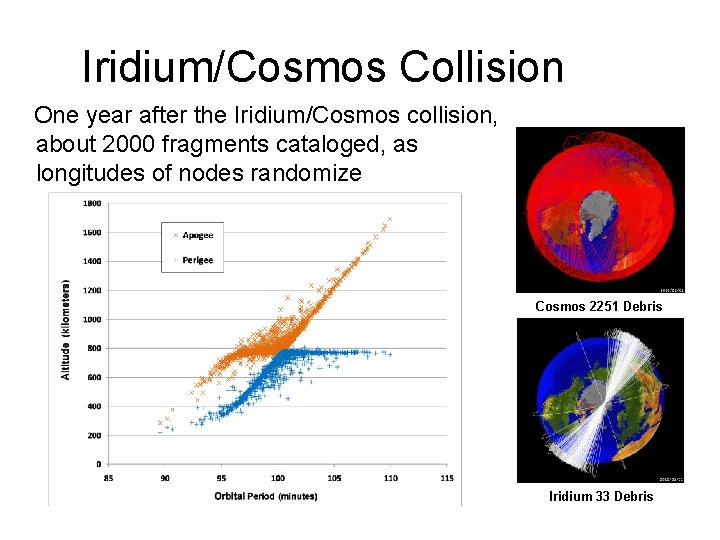
Iridium/Cosmos Collision One year after the Iridium/Cosmos collision, about 2000 fragments cataloged, as longitudes of nodes randomize Cosmos 2251 Debris Iridium 33 Debris
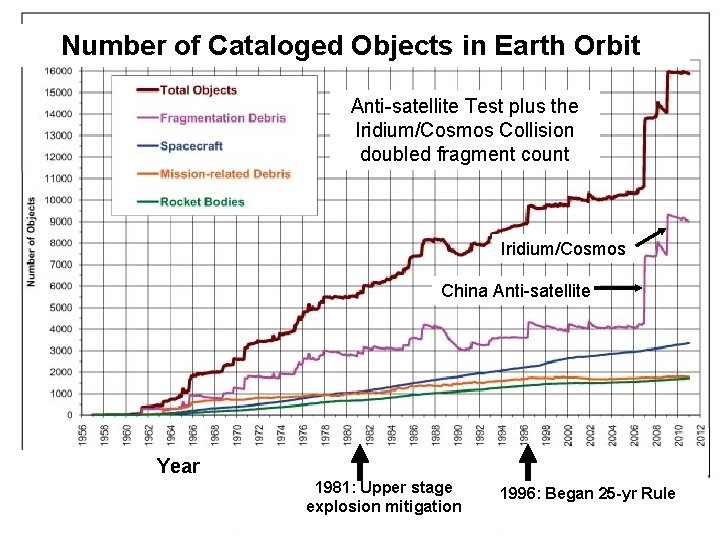
Number of Cataloged Objects in Earth Orbit Anti-satellite Test plus the Iridium/Cosmos Collision doubled fragment count Iridium/Cosmos China Anti-satellite Year 1981: Upper stage explosion mitigation 1996: Began 25 -yr Rule
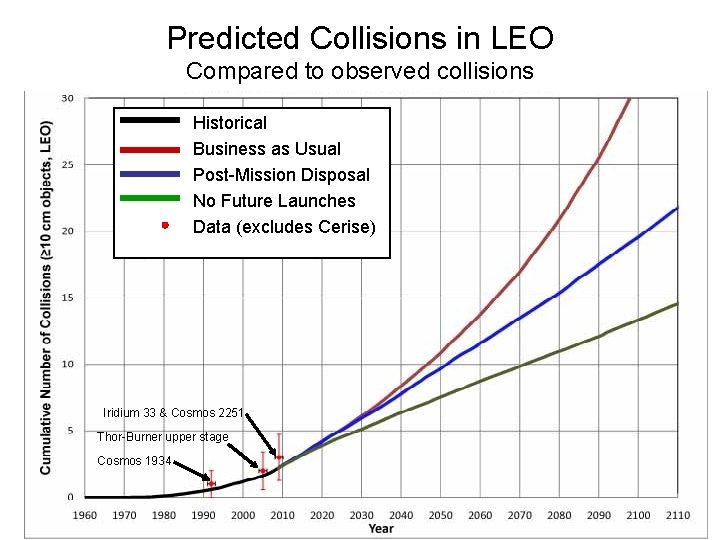
Predicted Collisions in LEO Compared to observed collisions Historical Business as Usual Post-Mission Disposal No Future Launches Data (excludes Cerise) Iridium 33 & Cosmos 2251 Thor-Burner upper stage Cosmos 1934
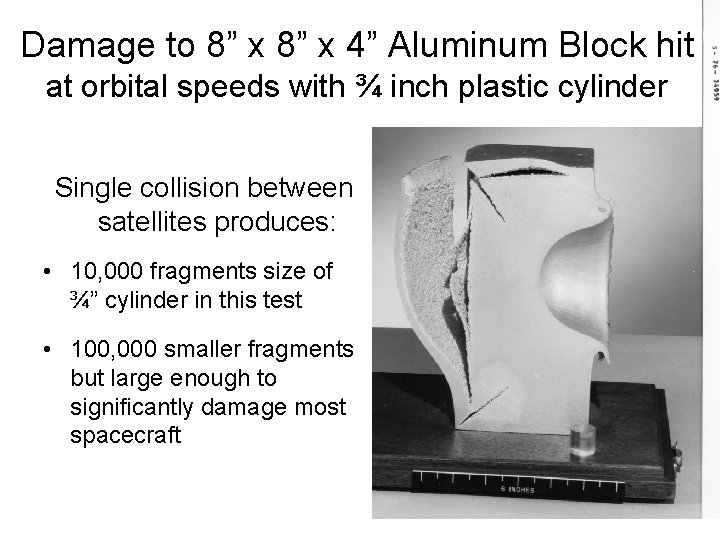
Damage to 8” x 4” Aluminum Block hit at orbital speeds with ¾ inch plastic cylinder Single collision between satellites produces: • 10, 000 fragments size of ¾” cylinder in this test • 100, 000 smaller fragments but large enough to significantly damage most spacecraft
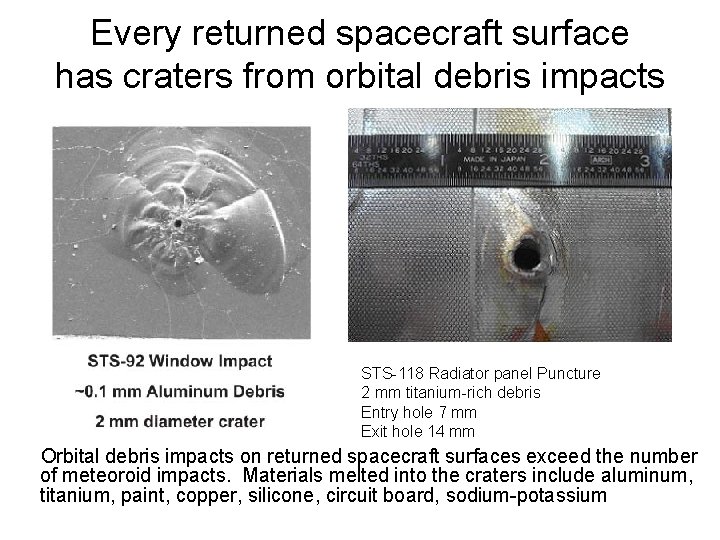
Every returned spacecraft surface has craters from orbital debris impacts STS-118 Radiator panel Puncture 2 mm titanium-rich debris Entry hole 7 mm Exit hole 14 mm Orbital debris impacts on returned spacecraft surfaces exceed the number of meteoroid impacts. Materials melted into the craters include aluminum, titanium, paint, copper, silicone, circuit board, sodium-potassium
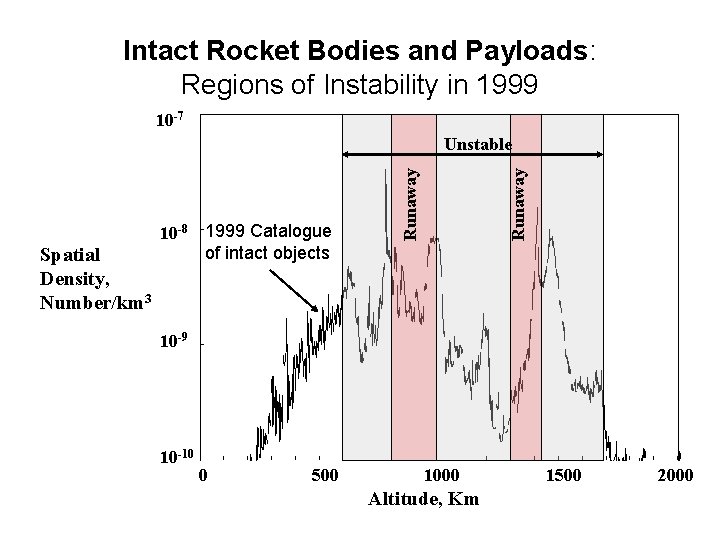
Intact Rocket Bodies and Payloads: Regions of Instability in 1999 10 -7 Spatial Density, Number/km 3 Runaway 10 -8 1999 Catalogue of intact objects Runaway Unstable 10 -9 0 10 -10 0 500 1000 500 Altitude, 1000 Km Altitude, Km 1500 2000
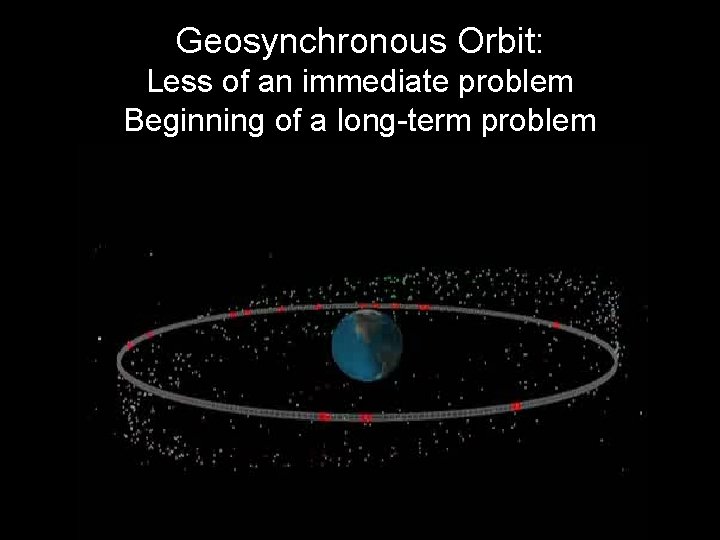
Geosynchronous Orbit: Less of an immediate problem Beginning of a long-term problem
Program Elements • • Modeling: Debris sources and sinks Measurements: Ground and in-situ Spacecraft shielding: Design and testing Mitigation 1: Minimize creation of debris Collision avoidance: Against tracked objects Reentry ground hazard: Largest tracked objects Remediation 2: Remove debris from orbit -----------------------------------------1 2 Supported in 1988 National Space Policy Added in 2010 National Space Policy
Summary • Collisions in orbit between spacecraft are the visible symptom of deeper problems • Runaway increase in hazardous fragments • Increasing cost of space related activities • Loss of critical satellites • Mitigation has proven insufficient • Remediation required • Interdisciplinary fields of study • Scientist and Engineers • Operations • Legal • Political • Coordination required between fields of study
End No plan to use remaining slides
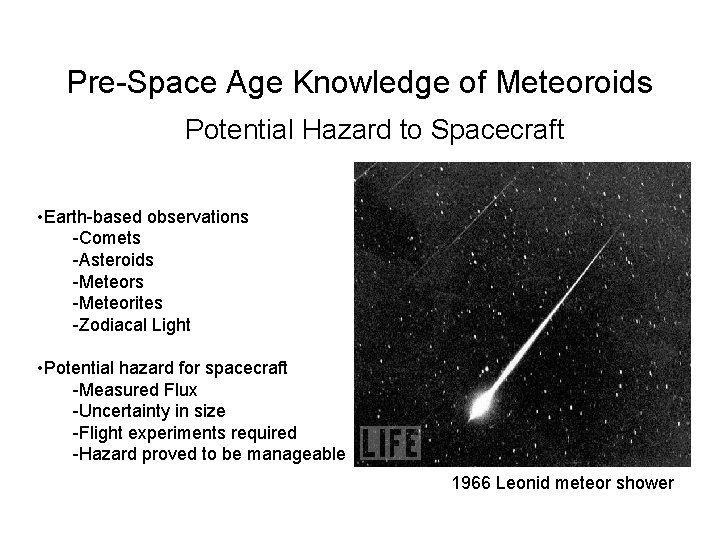
Pre-Space Age Knowledge of Meteoroids Potential Hazard to Spacecraft • Earth-based observations -Comets -Asteroids -Meteorites -Zodiacal Light • Potential hazard for spacecraft -Measured Flux -Uncertainty in size -Flight experiments required -Hazard proved to be manageable 1966 Leonid meteor shower
Major Accomplishments over the last 30 years • Measured the environment very small sizes • Established international organization (IADC) • UN acceptance of Debris Mitigation Guidelines – Minimize possibility of explosions in orbit – Require reentry within 25 years after operations • Concluded current debris environment has exceeded a “critical density” • Current National Space Policy expands debris activities
Necessary Remedial Action to Stabilize LEO • The only way to reduce or eliminate the instability is to reduce the number of intact objects – NASA study concludes removing between 5 and 10 massive objects per year is sufficient – Could be accomplished with fewer than 5 to 10 additional launches per year over the current average of 75. • 2010 President’s Space Policy: Pursue research and development of technologies and techniques …. to mitigate and remove on-orbit debris…
Techniques to Remove Debris • Debris Sweeper: Debris comes to Remover -Eliminates debris that happens to pass within 20 km -40 km diameter natural Earth moon -Very large “catcher” that can quickly maneuver 20 km -Space or Ground based laser • Debris Grabber: Remover goes to debris -Small spacecraft retrieves one intact object per launch -Large spacecraft retrieves several intact objects with similar inclinations per launch -Tethers