
An Introduction to Normal Development Specific Developmental Conditions
- Slides: 30
An Introduction to Normal Development & Specific Developmental Conditions Friday 16 th November 2007 1. 15 – 3. 15 RDM School, Scone Presented by Susan Doogan, Motorvate (Scotland) Ltd.
Course Outline • 1. 15 • 1. 20 Introduction Normal Development & Sensory Deprivation • 2. 00 Break followed by Interactive • 2. 05 Specific Developmental Conditions • 2. 45 Strategies ~ What can you do to help?
Who are We?
What is ‘Normal’ Development? “Speed of development naturally varies; every child grows and adjusts to the world at his or her own pace, oblivious to the fact that the baby boy down the street born three days later is already regarding his own hand. Human Development is no race, even if we sometimes mistake it for one”. “Child and Brain” Gerard Gabriel
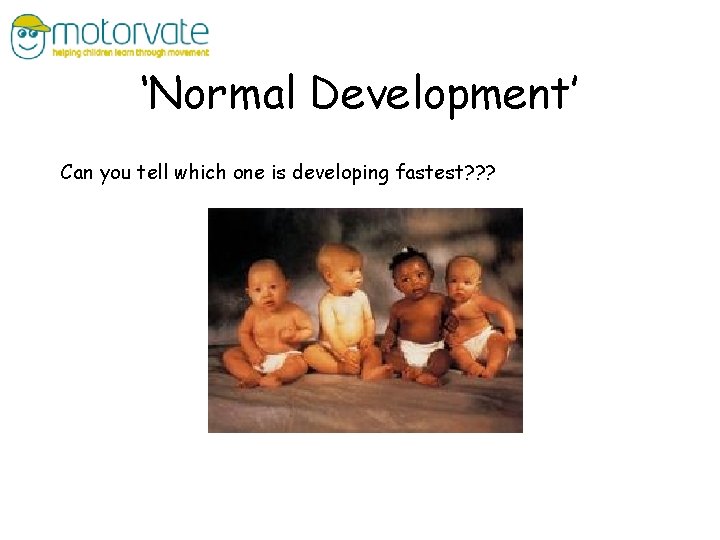
‘Normal Development’ Can you tell which one is developing fastest? ? ?
Developmental Questionnaire § What age can a baby sit up? § What age can a baby pick up a small item using a pincer grip? § What age can a child walk? § What age can a child hop? § What age can a child dress independently? § What age can a child speak one word?
Developmental Questionnaire ~ The Answers! § What age can a baby sit up? 6– 10 months § What age can a baby pick up a small item using a pincer grip? 6 -8 months § What age can a child walk? 10 -24 months § What age can a child hop? 36 -48 months § What age can a child dress independently? 4 -6 years § What age can a child speak one word? 10 -36 months
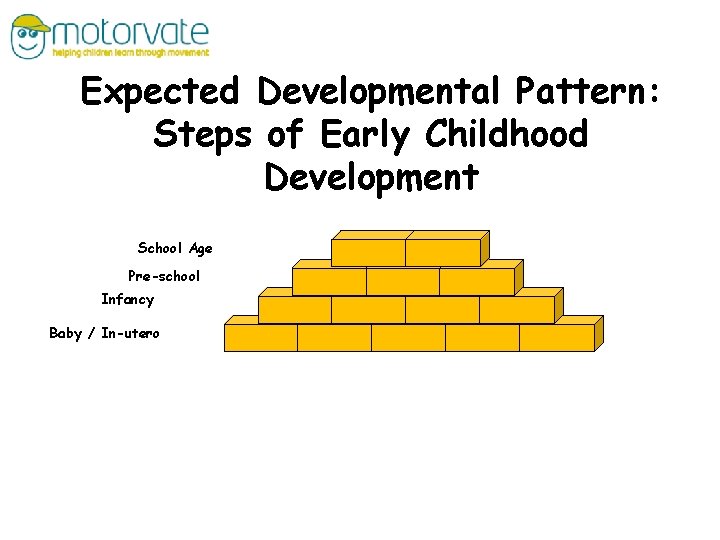
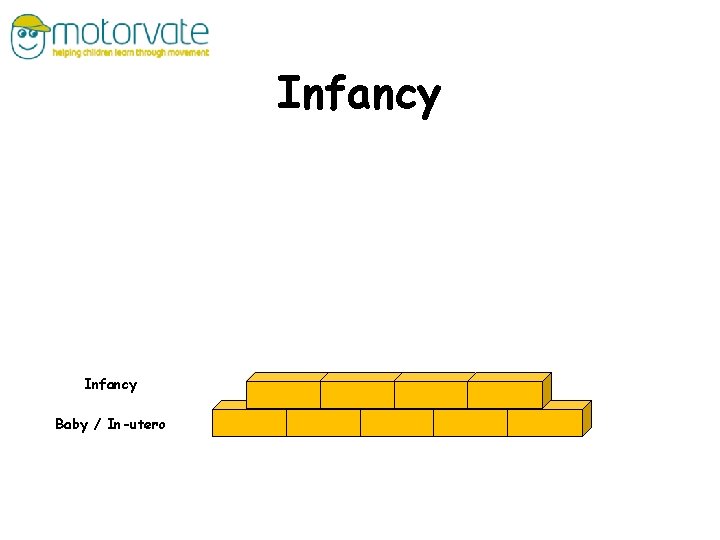
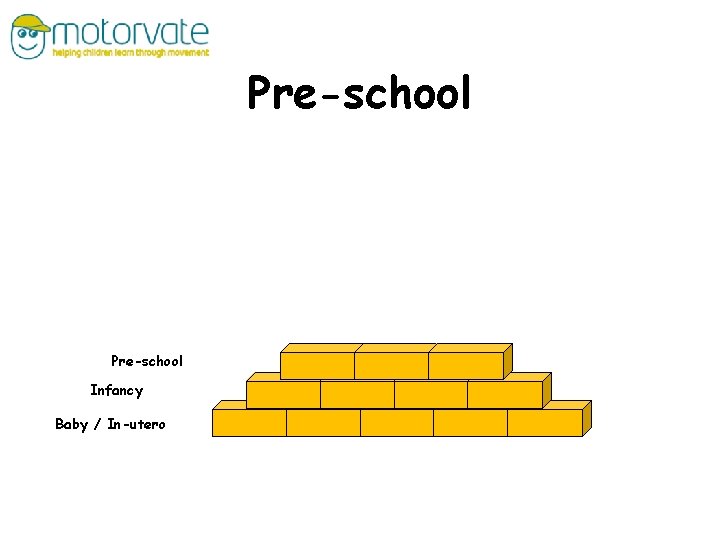
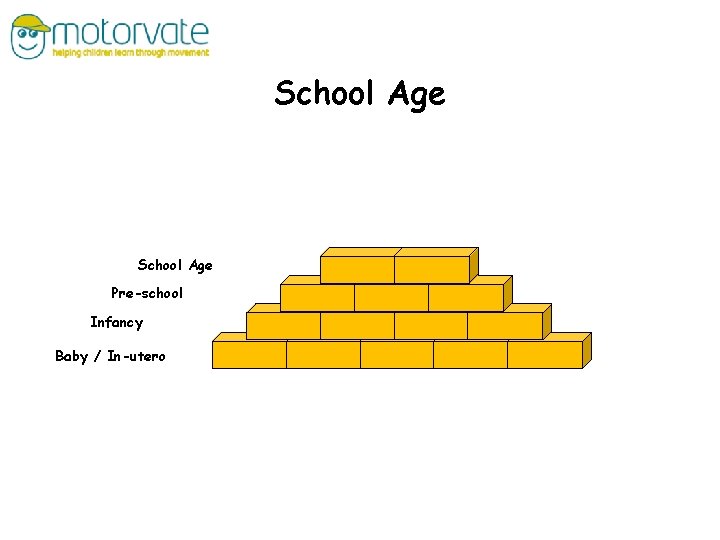
Expected Developmental Pattern: Steps of Early Childhood Development School Age Pre-school Infancy Baby / In-utero
Baby / In-utero Sensory Systems • Tactile • Vestibular • Proprioception
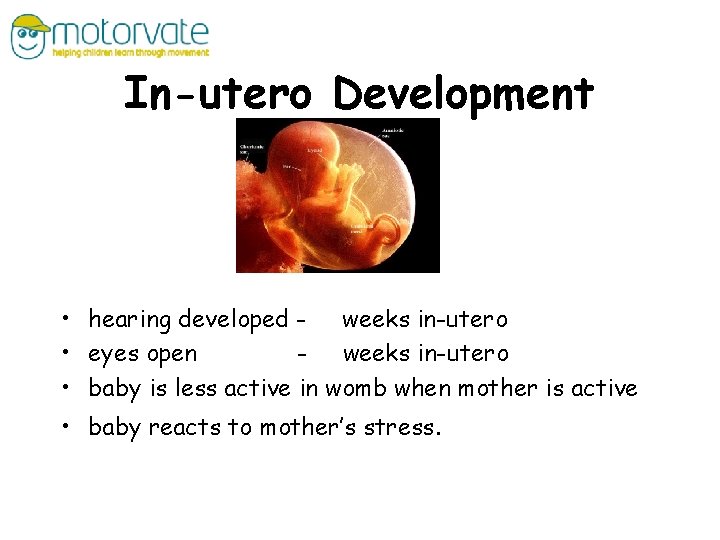
In-utero Development • hearing developed - weeks in-utero • eyes open - weeks in-utero • baby is less active in womb when mother is active • baby reacts to mother’s stress.
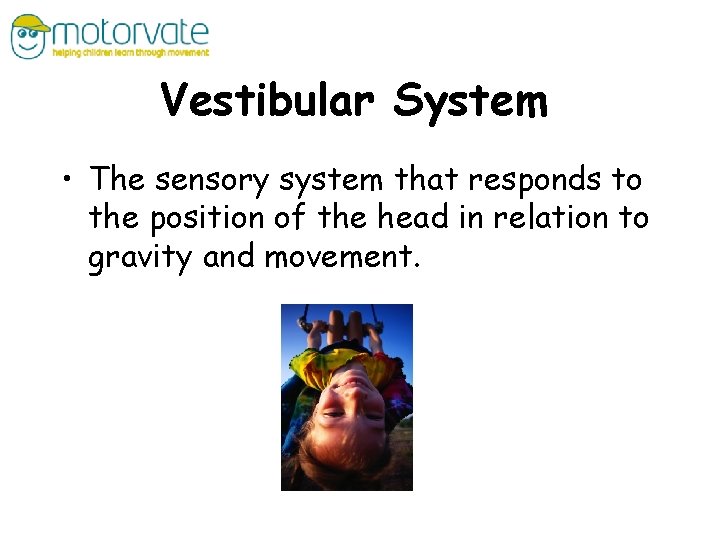
Vestibular System • The sensory system that responds to the position of the head in relation to gravity and movement.
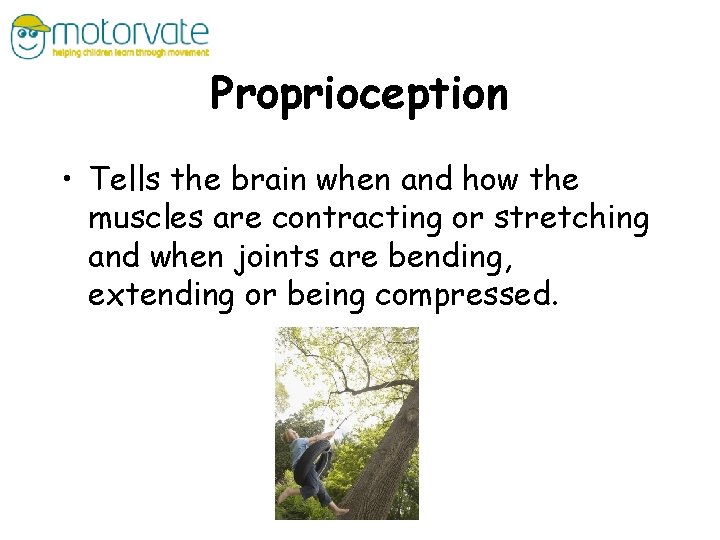
Proprioception • Tells the brain when and how the muscles are contracting or stretching and when joints are bending, extending or being compressed.
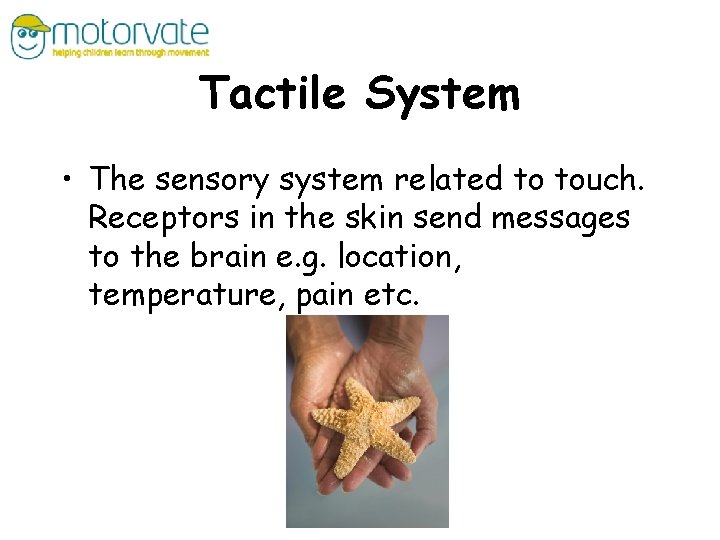
Tactile System • The sensory system related to touch. Receptors in the skin send messages to the brain e. g. location, temperature, pain etc.
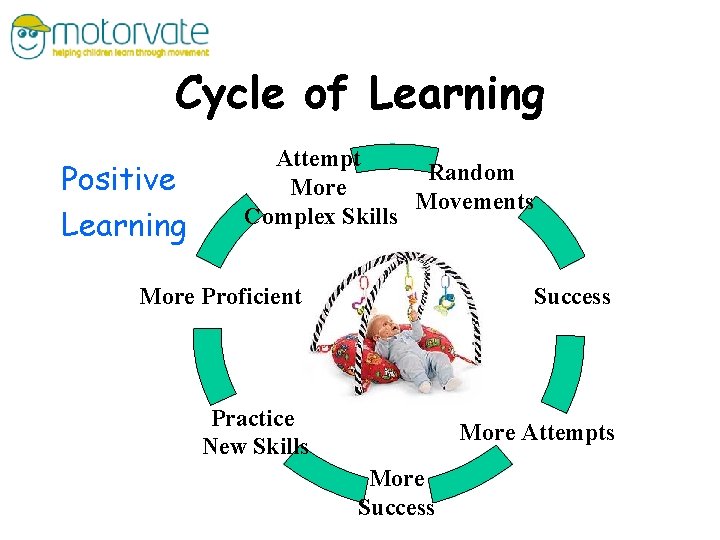
Cycle of Learning Positive Learning Attempt Random More Movements Complex Skills More Proficient Success Practice New Skills More Attempts More Success
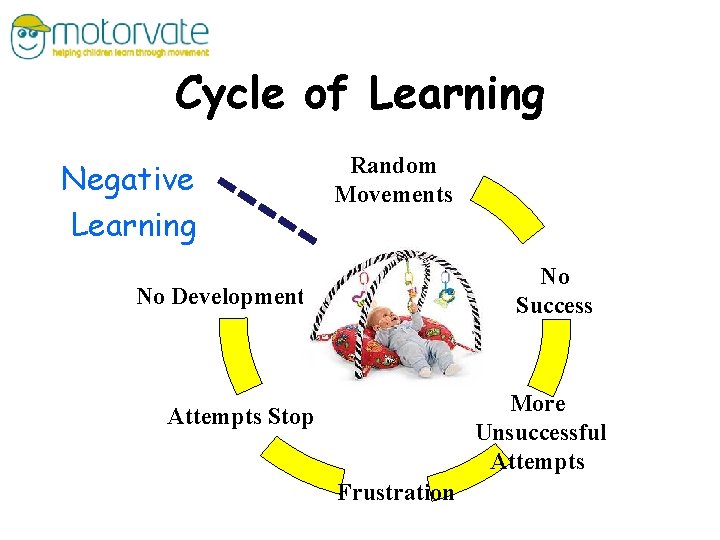
Cycle of Learning Negative Learning Random Movements No Success No Development More Unsuccessful Attempts Stop Frustration
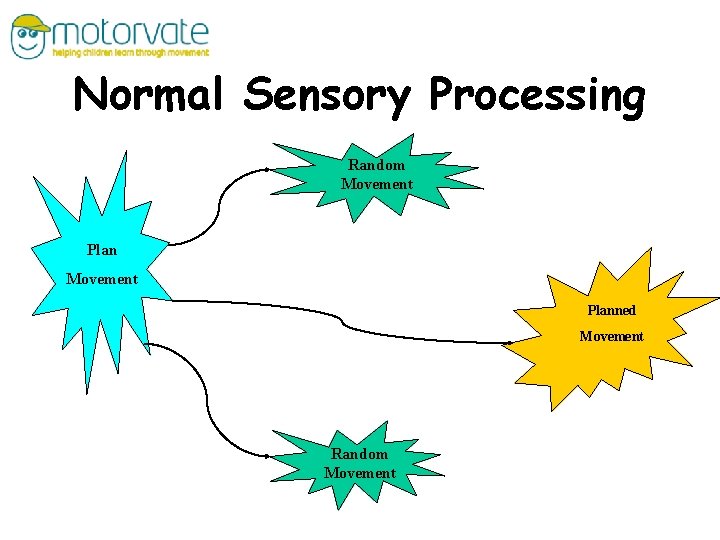
Normal Sensory Processing Random Movement Planned Movement Random Movement
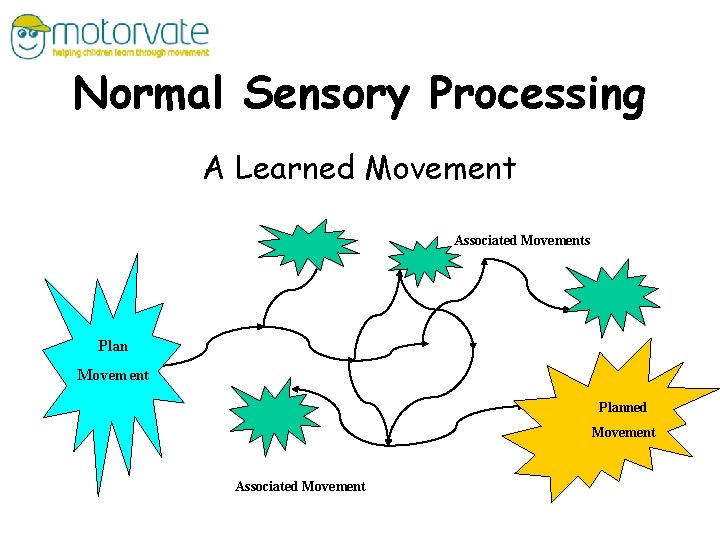
Normal Sensory Processing A Learned Movement Associated Movements Plan Movement Planned Movement Associated Movement
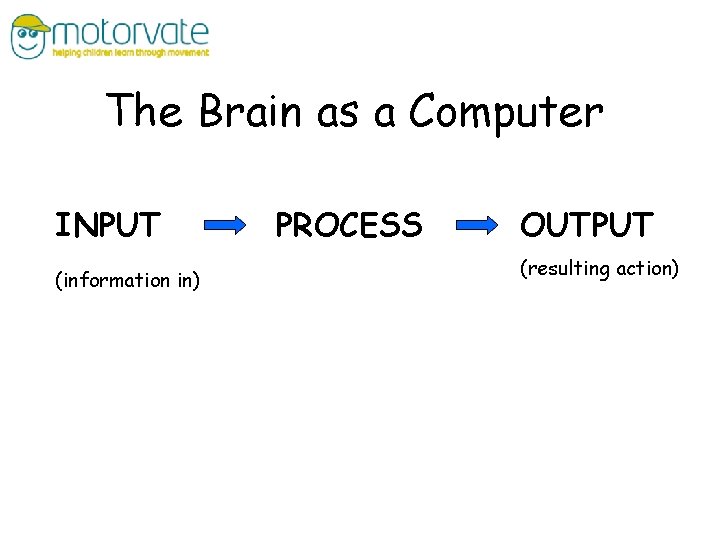
The Brain as a Computer INPUT (information in) PROCESS OUTPUT (resulting action)
Infancy Baby / In-utero
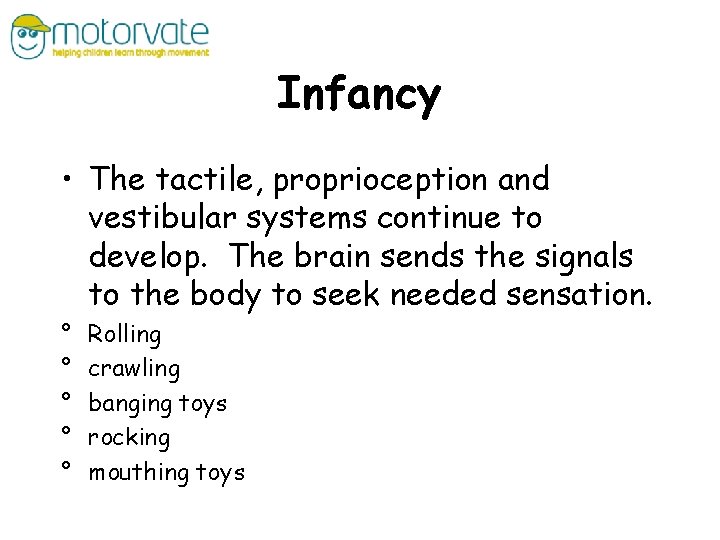
Infancy • The tactile, proprioception and vestibular systems continue to develop. The brain sends the signals to the body to seek needed sensation. ° ° ° Rolling crawling banging toys rocking mouthing toys
Infancy • • • Increasingly upright posture Increased neck stability Body awareness Bilateral integration Binocular vision.
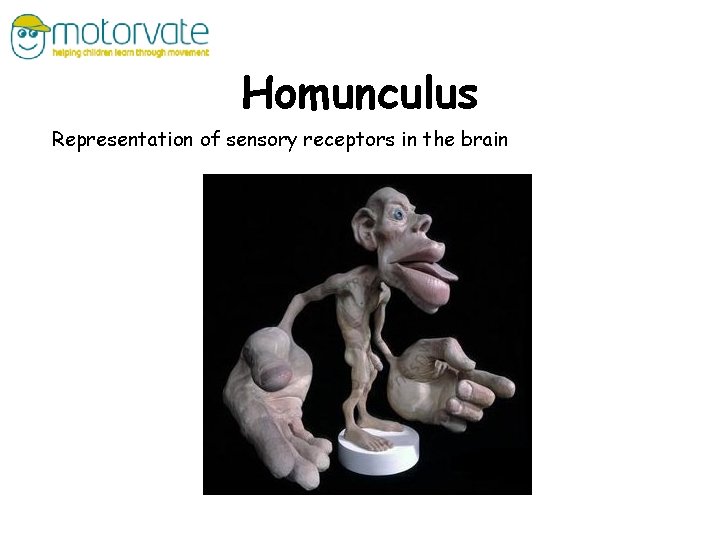
Homunculus Representation of sensory receptors in the brain
Pre-school Infancy Baby / In-utero
Pre-school • • Jumping Walking upstairs Running Scribbling with pencil Simple jigsaws Beginning to speak in sentences Toilet training
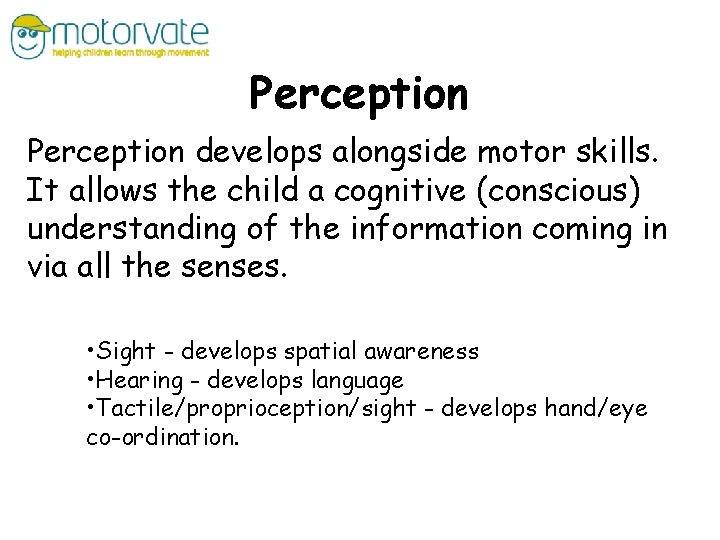
Perception develops alongside motor skills. It allows the child a cognitive (conscious) understanding of the information coming in via all the senses. • Sight - develops spatial awareness • Hearing - develops language • Tactile/proprioception/sight - develops hand/eye co-ordination.
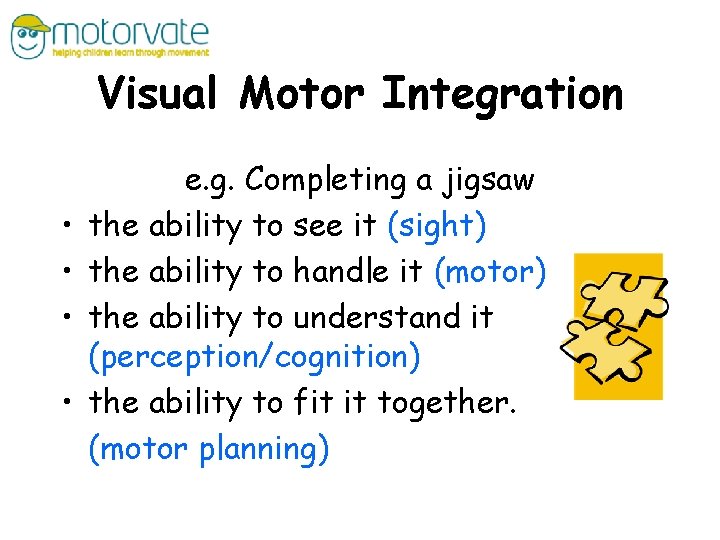
Visual Motor Integration • • e. g. Completing a jigsaw the ability to see it (sight) the ability to handle it (motor) the ability to understand it (perception/cognition) the ability to fit it together. (motor planning)
School Age Pre-school Infancy Baby / In-utero
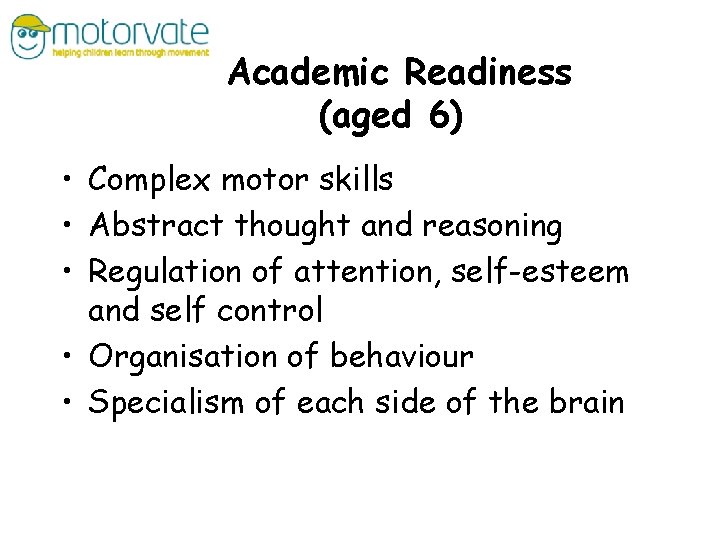
Academic Readiness (aged 6) • Complex motor skills • Abstract thought and reasoning • Regulation of attention, self-esteem and self control • Organisation of behaviour • Specialism of each side of the brain
Academic Readiness (aged 6) • Visualisation (past, present, future) • Eyes and ears are primary teaching tools • Regulate/organise sensory information from the environment.
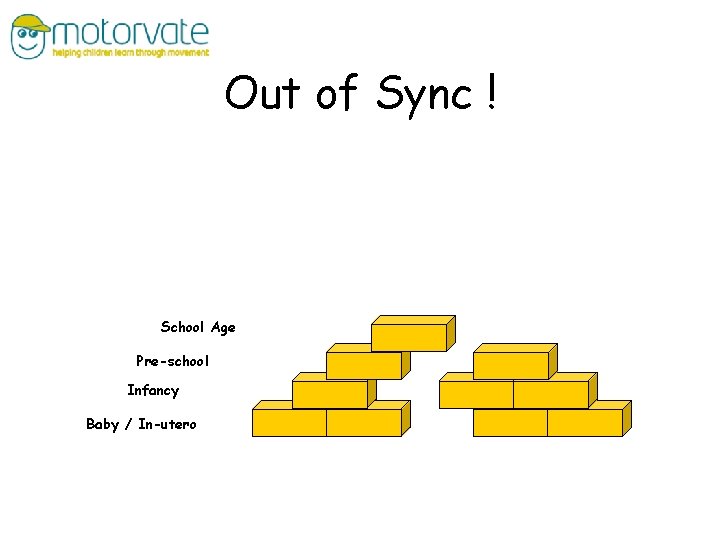
Out of Sync ! School Age Pre-school Infancy Baby / In-utero