
An Introduction to NCAR Community Climate System Model


- Slides: 43
An Introduction to NCAR Community Climate System Model (CCSM) Wanli Wu (wanliwu@ucar. edu) National Center for Atmospheric Research (NCAR)
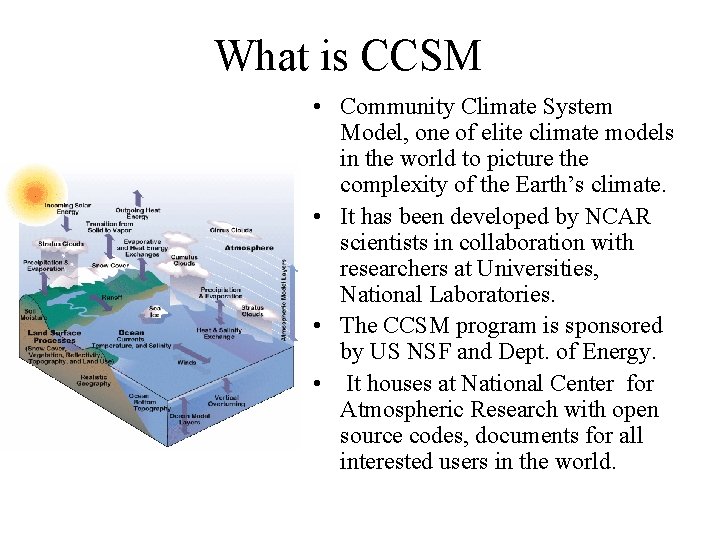
What is CCSM • Community Climate System Model, one of elite climate models in the world to picture the complexity of the Earth’s climate. • It has been developed by NCAR scientists in collaboration with researchers at Universities, National Laboratories. • The CCSM program is sponsored by US NSF and Dept. of Energy. • It houses at National Center for Atmospheric Research with open source codes, documents for all interested users in the world.
CCSM Program: Scientific Objectives & Recent Accomplishments • Develop a comprehensive model to study the Earth’s Climate. • Investigate seasonal and interannual variability of the climate. • Explore the history of the Earth’s climate. • Estimate the future of the climate. • Release of a new version (CCSM 3, June, 2004). • Studies linking SST fluctuations, extreme events and extratropic variability. • Simulations of paleoclimate. • Contributions to IPCC AR 4. • Special issues: J. Climate (June 1, 2006) and IJHPCA (2005)
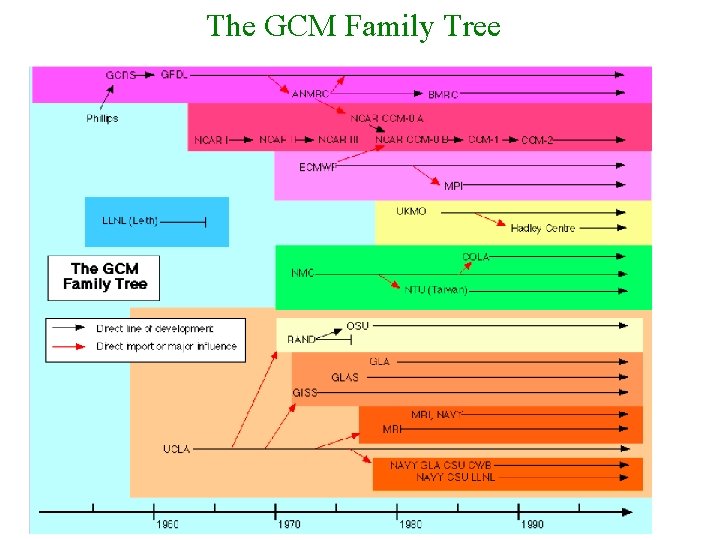
The GCM Family Tree
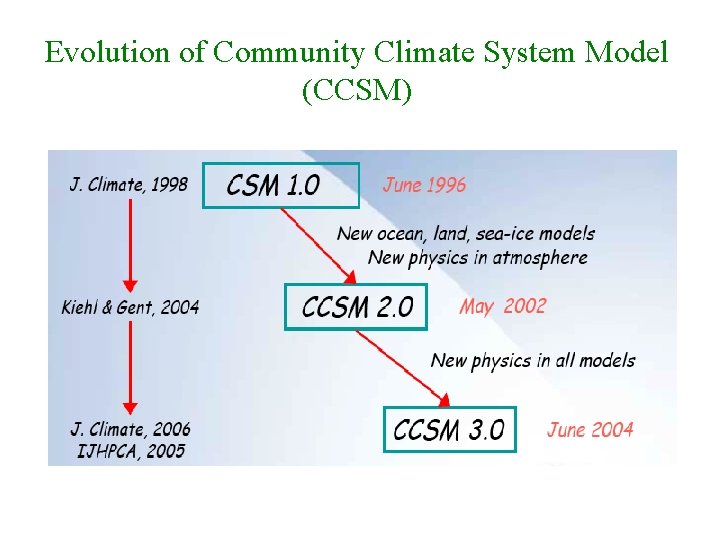
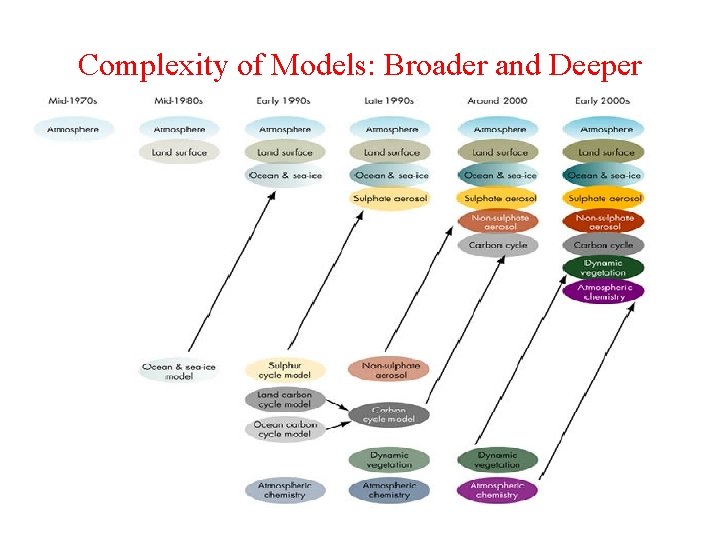
Evolution of Community Climate System Model (CCSM)
Complexity of Models: Broader and Deeper
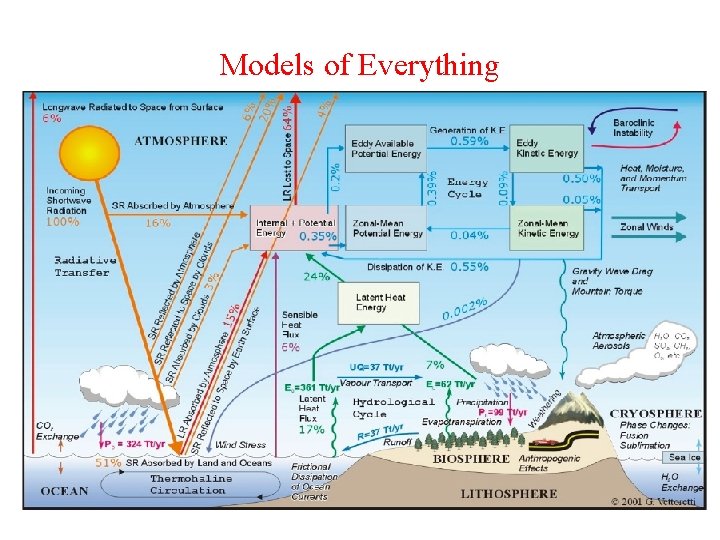
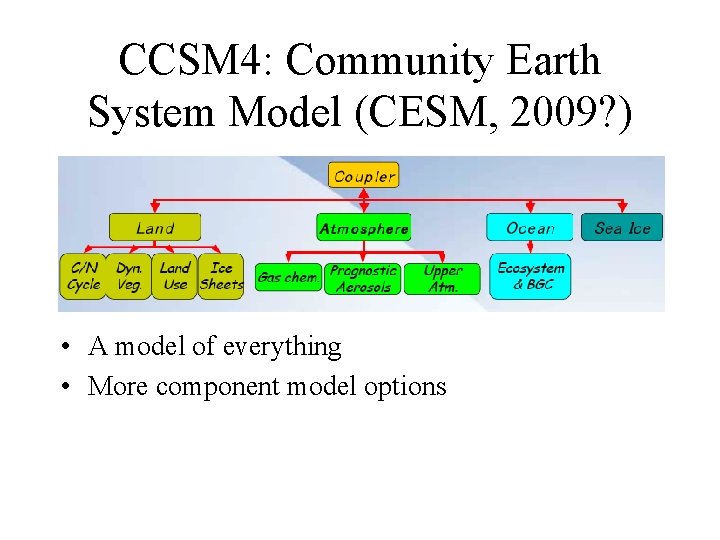
Models of Everything
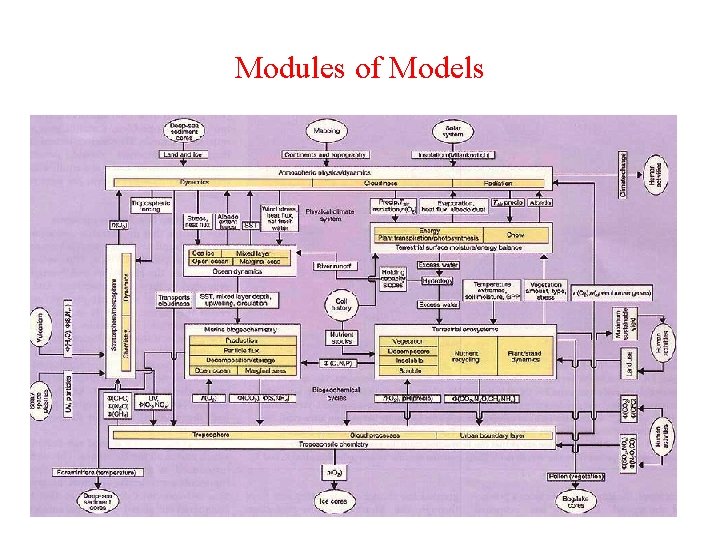
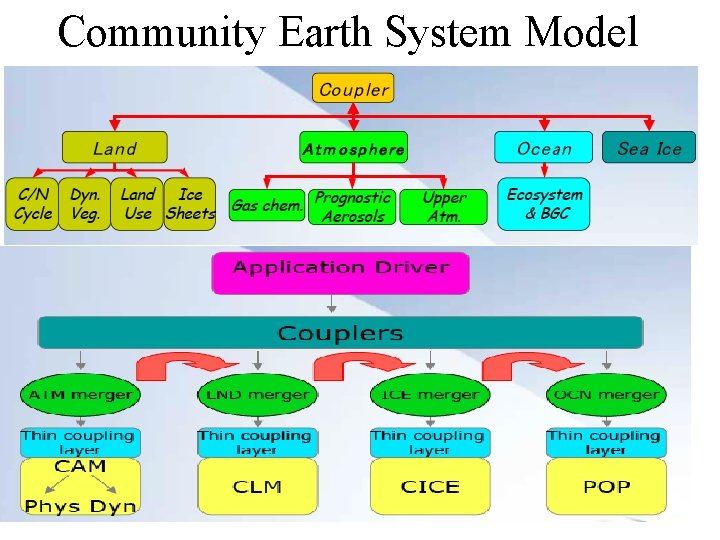
Modules of Models
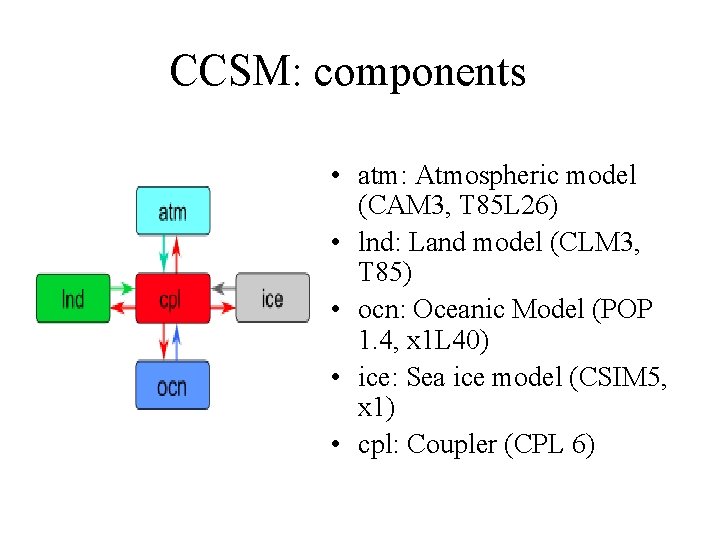
CCSM: components • atm: Atmospheric model (CAM 3, T 85 L 26) • lnd: Land model (CLM 3, T 85) • ocn: Oceanic Model (POP 1. 4, x 1 L 40) • ice: Sea ice model (CSIM 5, x 1) • cpl: Coupler (CPL 6)
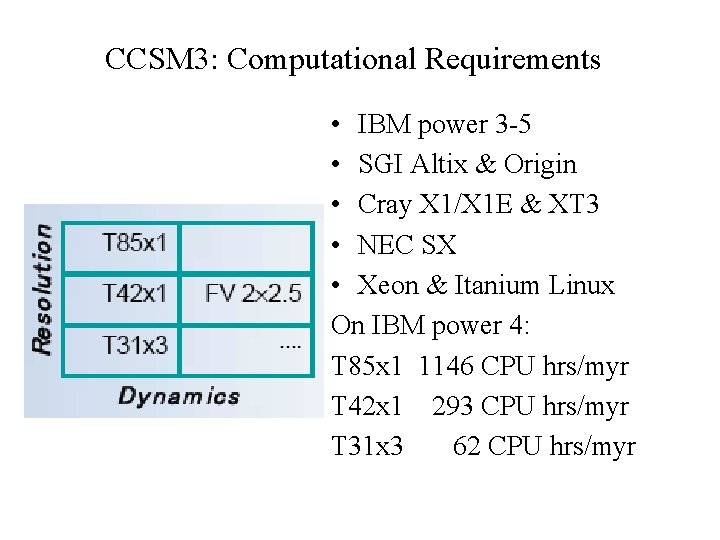
CCSM 3: Computational Requirements • IBM power 3 -5 • SGI Altix & Origin • Cray X 1/X 1 E & XT 3 • NEC SX • Xeon & Itanium Linux On IBM power 4: T 85 x 1 1146 CPU hrs/myr T 42 x 1 293 CPU hrs/myr T 31 x 3 62 CPU hrs/myr
The Atmospheric model: CAM • Dynamics: Ø Spectral Ø Finite volume • Physics: Ø Deep & shallow convection Ø Prognostics condensate & precipitation parameterization Ø Diagnostic parameterization of cloud fraction Ø Band-model radiative transfer Ø Prognostic and diagnostic aerosols
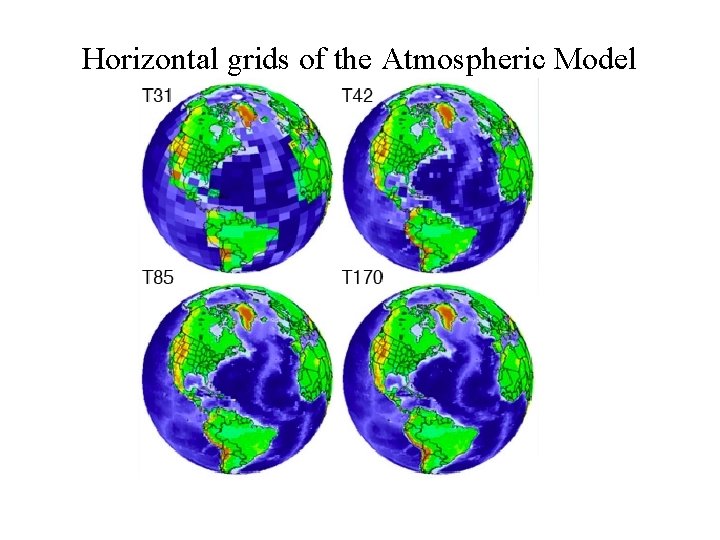
Horizontal grids of the Atmospheric Model
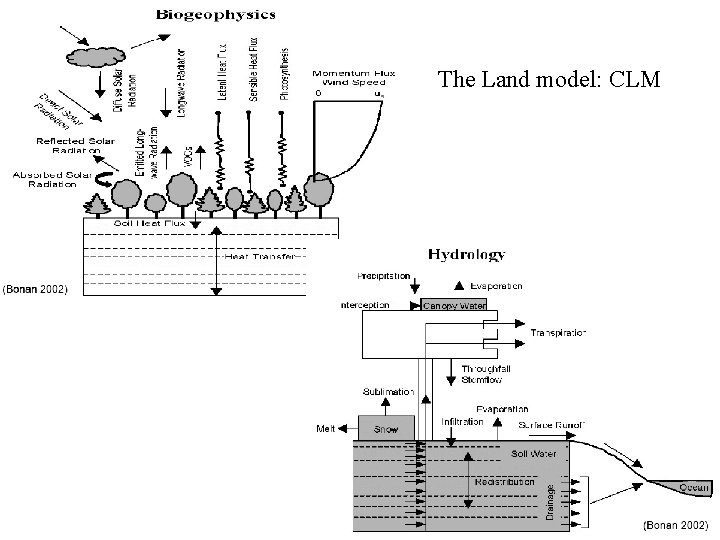
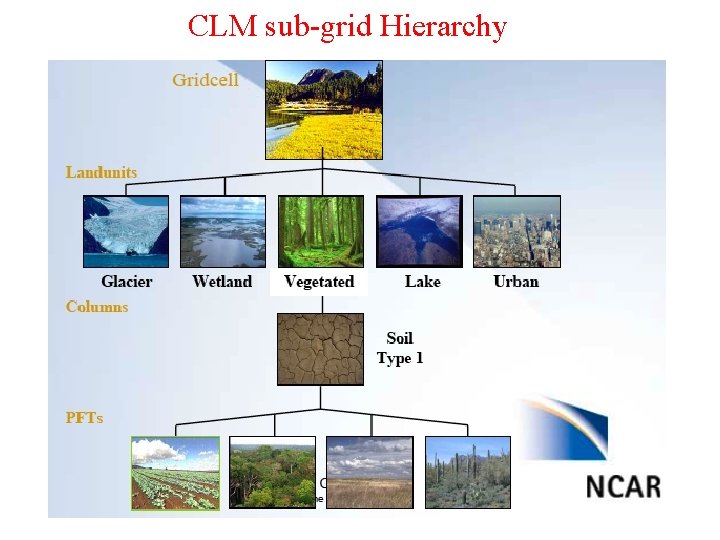
The Land model: CLM
CLM sub-grid Hierarchy
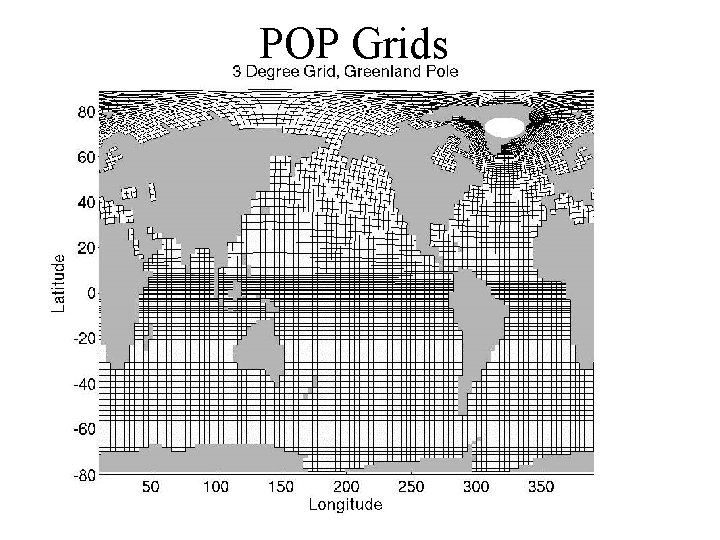
The Ocean model: POP • A Bryan-Cox type and z-coordinate model. • Controlled by primitive equations subject to hydrostatic & Boussinesq approximations. • Conserved global ocean volume • Gent-Mc. William isopycnal mixing • KPP vertical mixing • x 1 L 40 or x 3 L 25 • 1/10 degree
POP Grids
Sea ice model: CSIM • Ice dynamics • Ice thermodynamics • Subgrid scale ice thickness distribution (ITD)
Coupling methodology • The physical component models communicate through the coupler in a completely asynchronous manner (different grid and different time steps). • The coupler Ø governs the execution and time evolution of the entire system. Ø provides interface flux conditions and state information to each model. Ø enforces flux conservation.
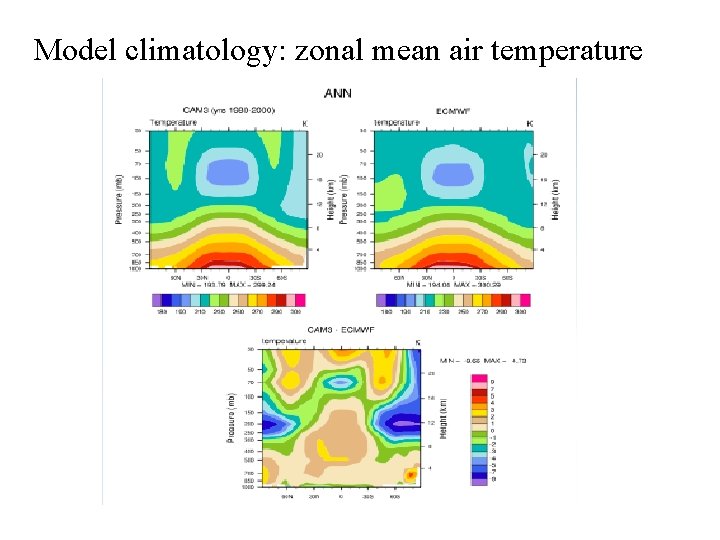
Model climatology: zonal mean air temperature
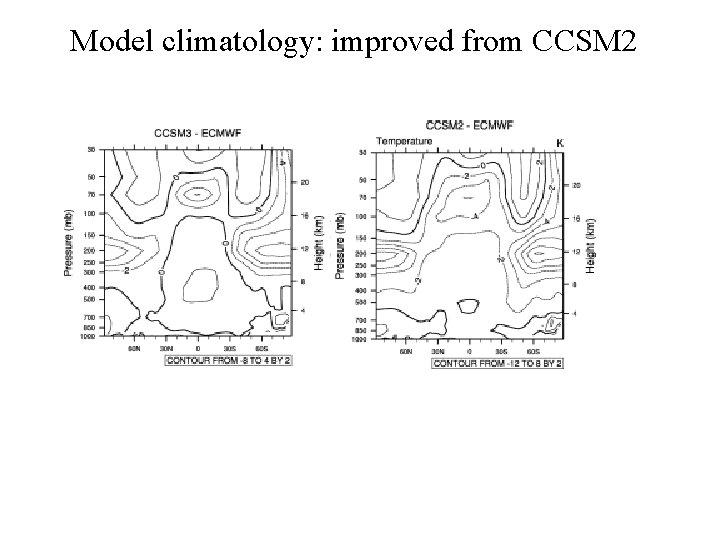
Model climatology: improved from CCSM 2
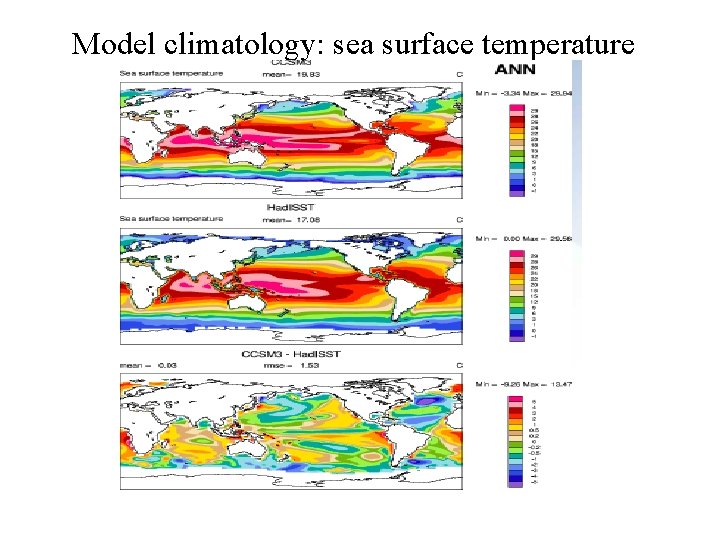
Model climatology: sea surface temperature
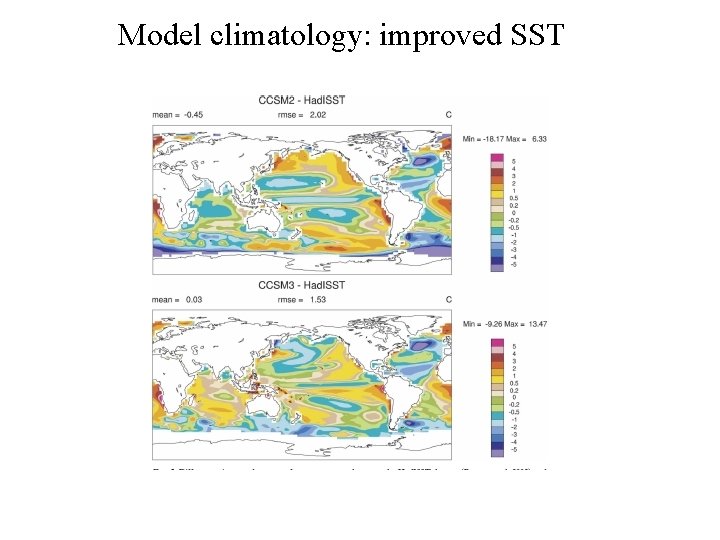
Model climatology: improved SST
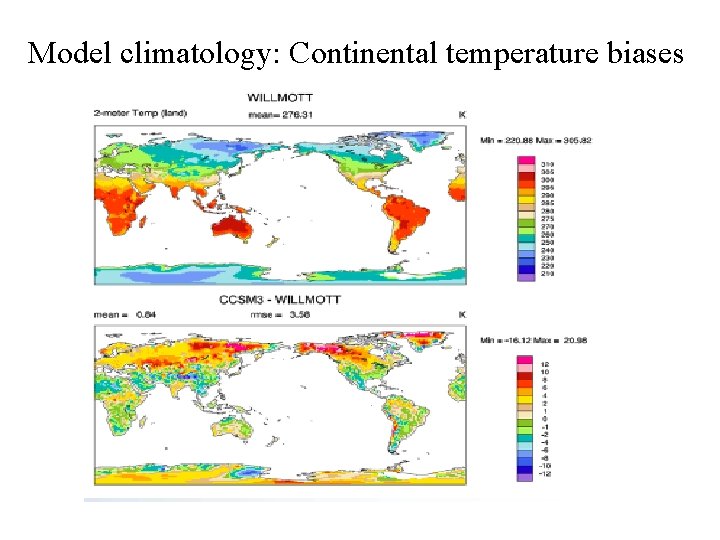
Model climatology: Continental temperature biases
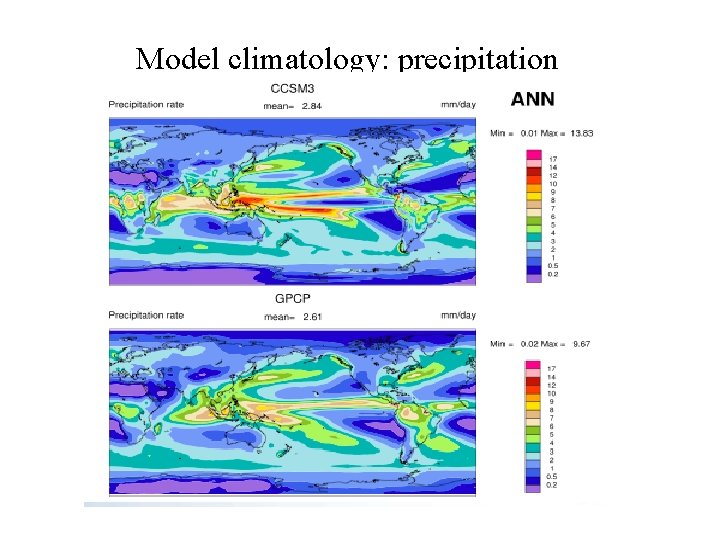
Model climatology: precipitation
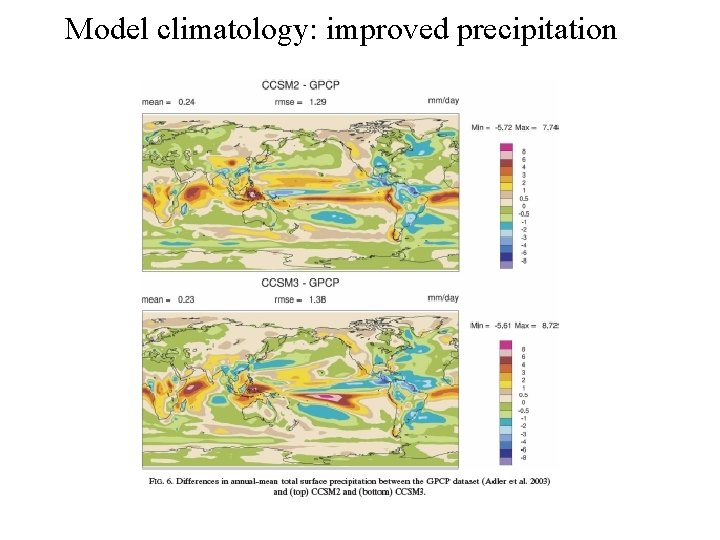
Model climatology: improved precipitation
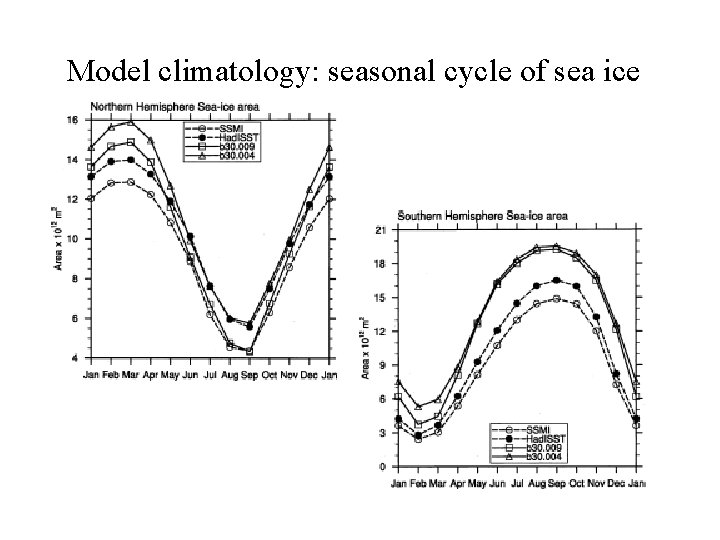
Model climatology: seasonal cycle of sea ice
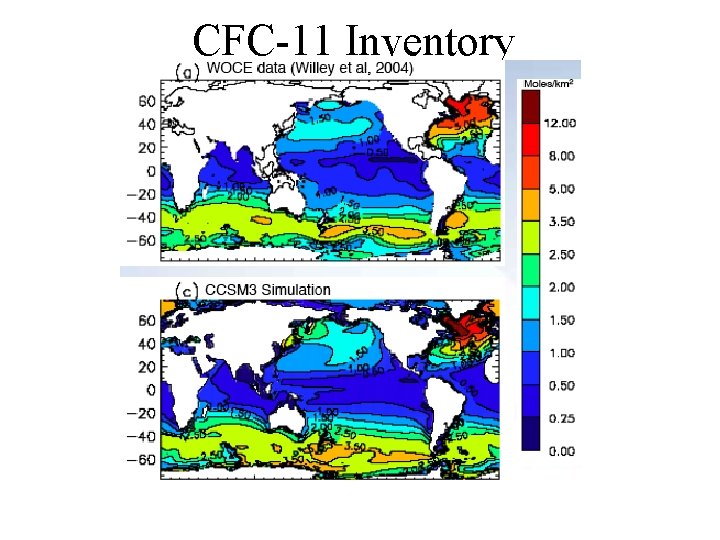
CFC-11 Inventory
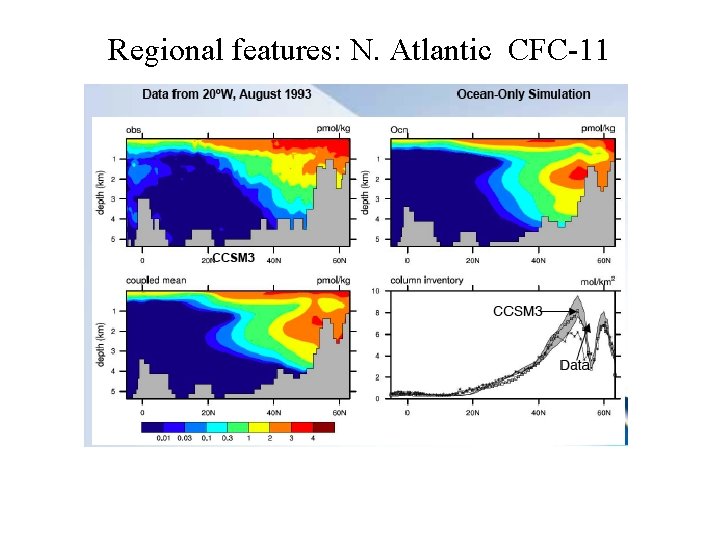
Regional features: N. Atlantic CFC-11
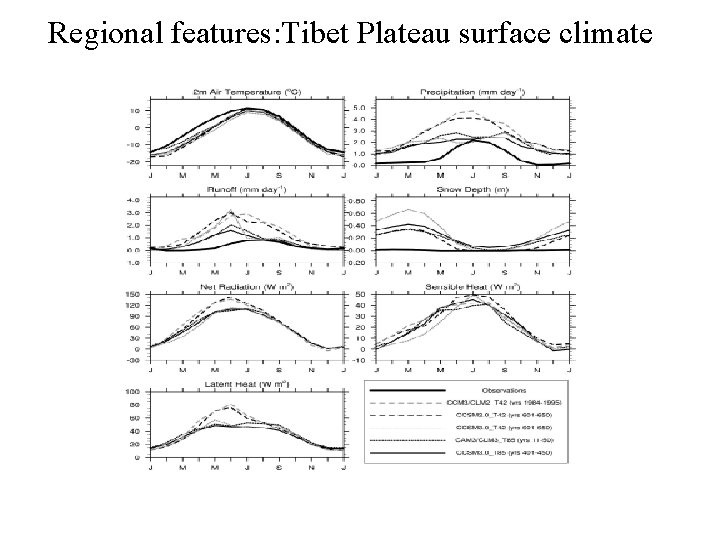
Regional features: Tibet Plateau surface climate
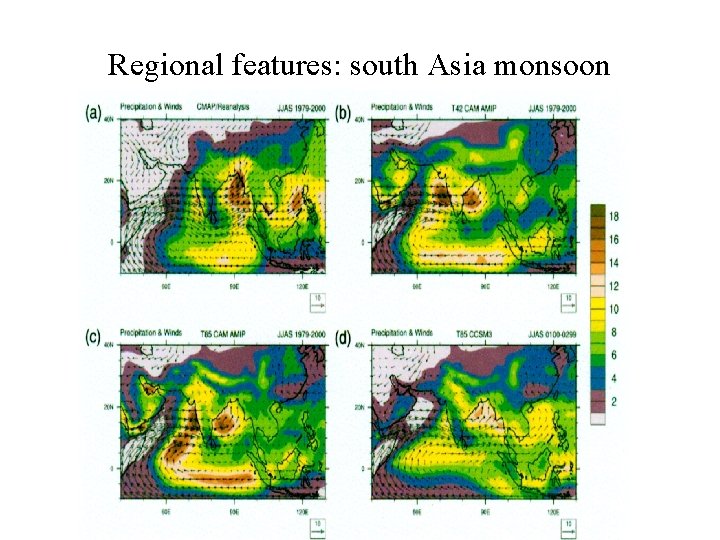
Regional features: south Asia monsoon
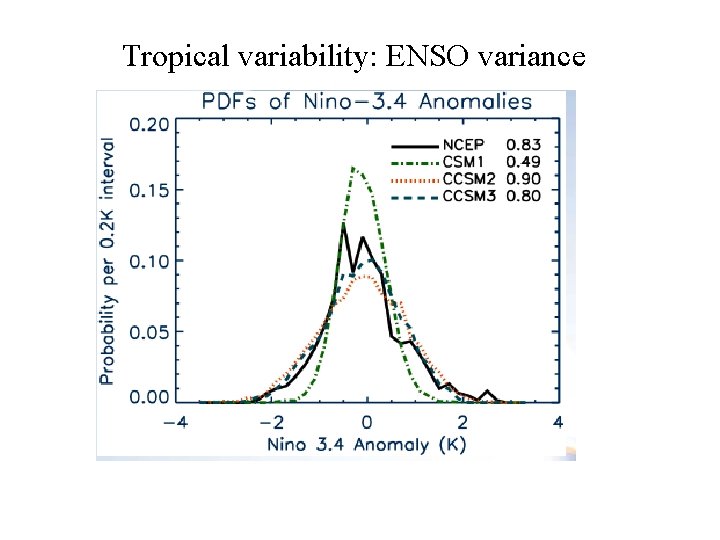
Tropical variability: ENSO variance
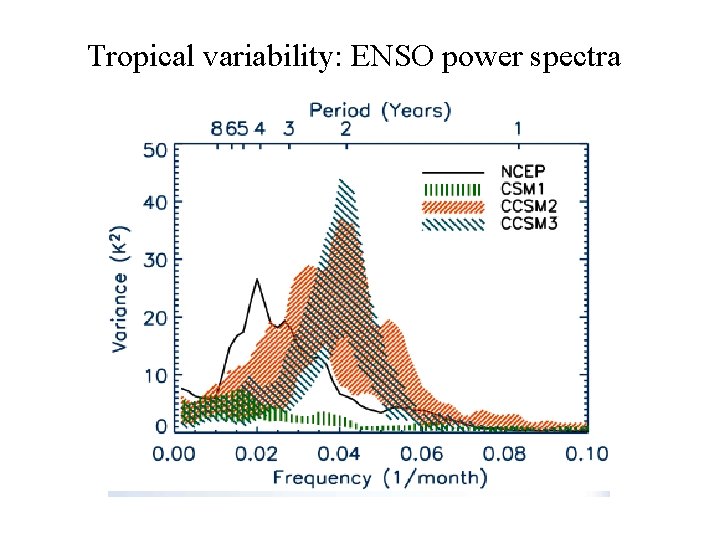
Tropical variability: ENSO power spectra
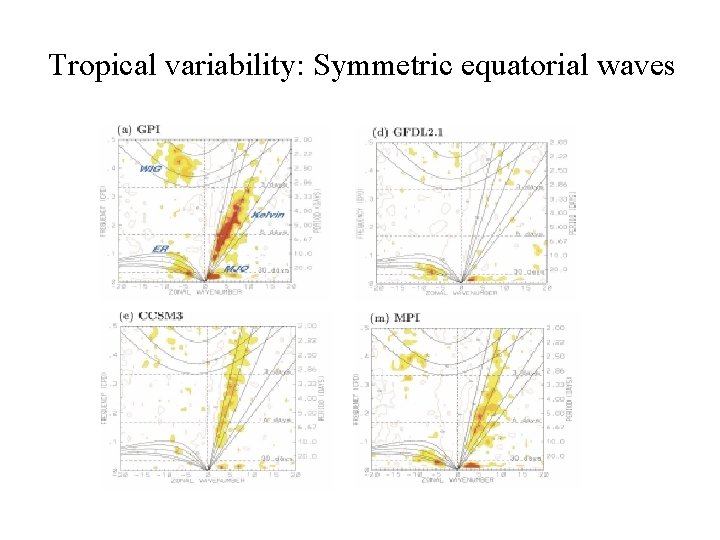
Tropical variability: Symmetric equatorial waves
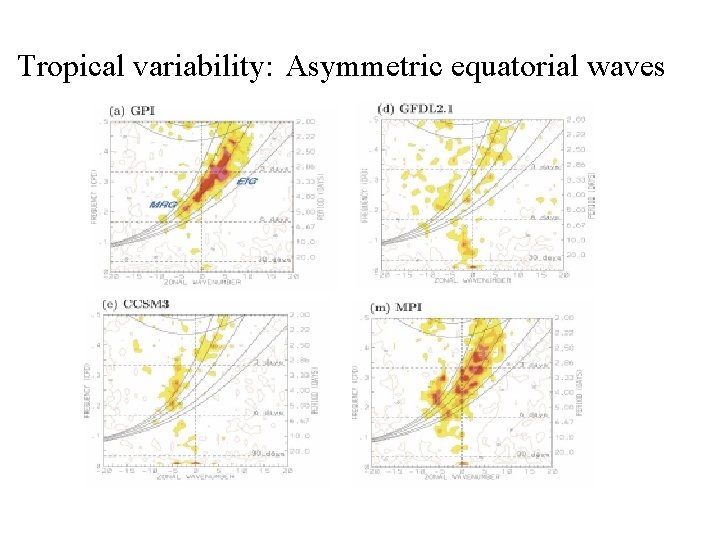
Tropical variability: Asymmetric equatorial waves
Pressing Issues, Challenges & Opportunity • Representation of major variability modes • Pacific double ITCZ • Continental precipitation and temperature biases • Eastern Ocean boundary SST biases • Eastern Pacific semiannual SST cycle • Arctic downward short-wave radiation bias
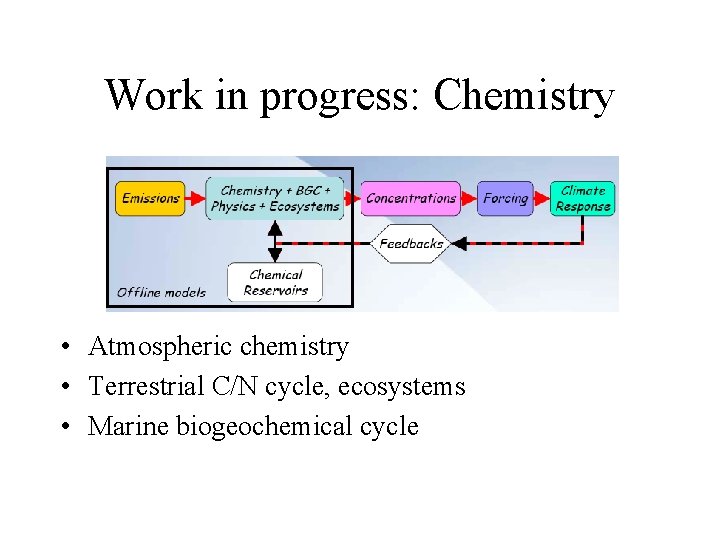
Work in progress: Chemistry • Atmospheric chemistry • Terrestrial C/N cycle, ecosystems • Marine biogeochemical cycle
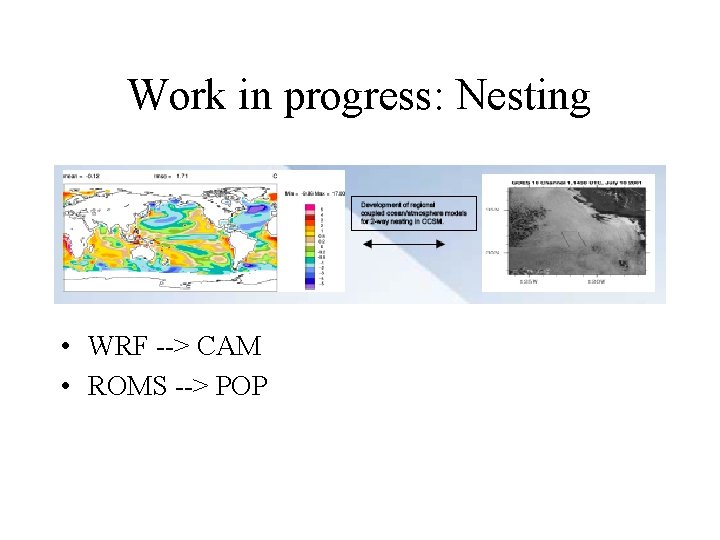
Work in progress: Nesting • WRF --> CAM • ROMS --> POP
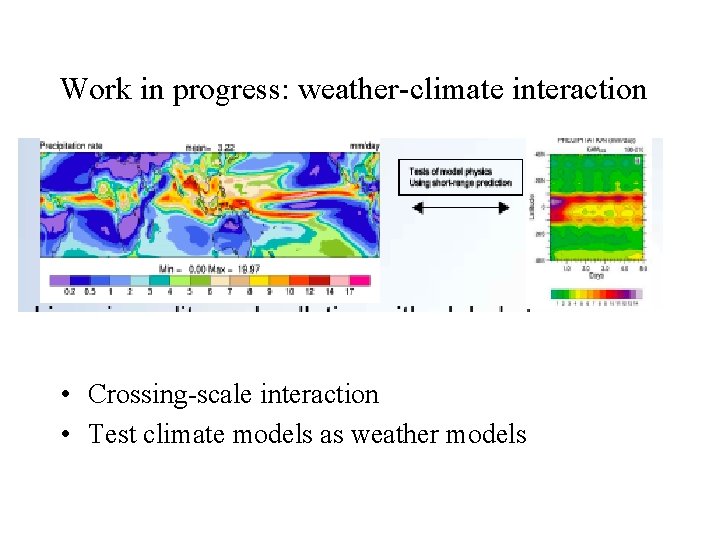
Work in progress: weather-climate interaction • Crossing-scale interaction • Test climate models as weather models
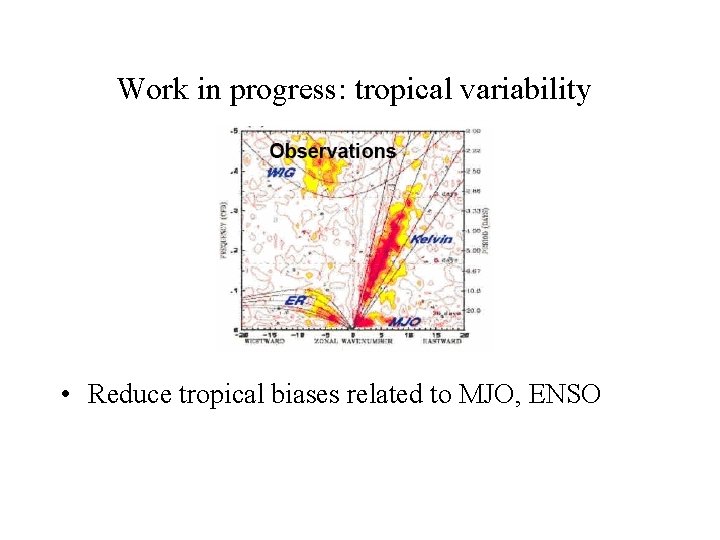
Work in progress: tropical variability • Reduce tropical biases related to MJO, ENSO
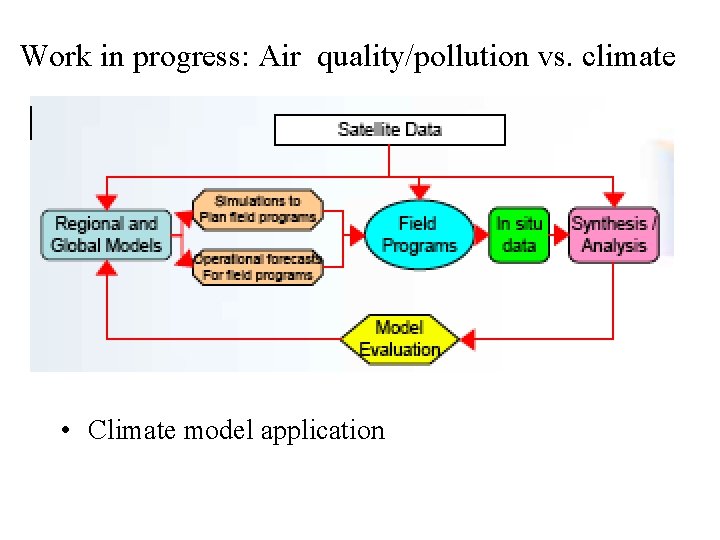
Work in progress: Air quality/pollution vs. climate • Climate model application
CCSM 4: Community Earth System Model (CESM, 2009? ) • A model of everything • More component model options
Community Earth System Model