
An Introduction to Lipid Metabolism and Dyslipidemia Hengameh
An Introduction to Lipid Metabolism and Dyslipidemia Hengameh Abdi Endocrine Research Center Research Institute for Endocrine sciences Shahid Beheshti University of Medical Sciences 24 January 2019 Symposium of Nutrition in Dyslipidemia Tehran
Outlines n n n Classification of lipid particles Brief overview of lipid metabolism Diabetic dyslipidemia Classification of dyslipidemia Screening and treatment of dyslipidemia at a glance Conclusions 2
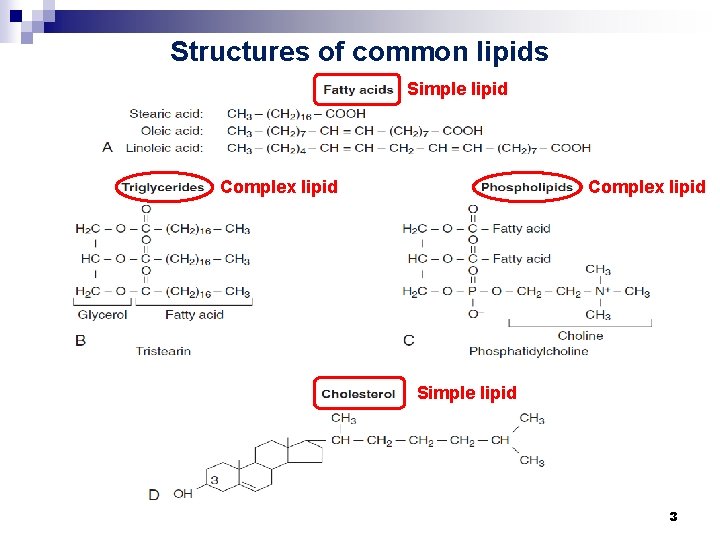
Structures of common lipids Simple lipid Complex lipid Simple lipid 3
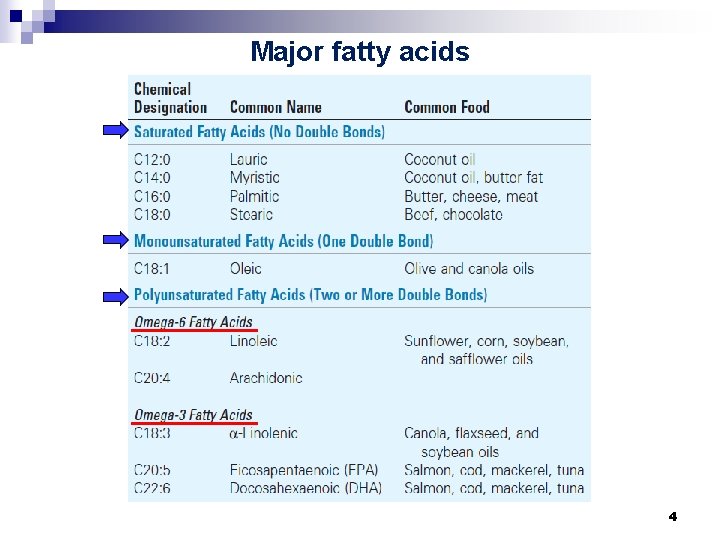
Major fatty acids 4

General structure of lipoproteins 5
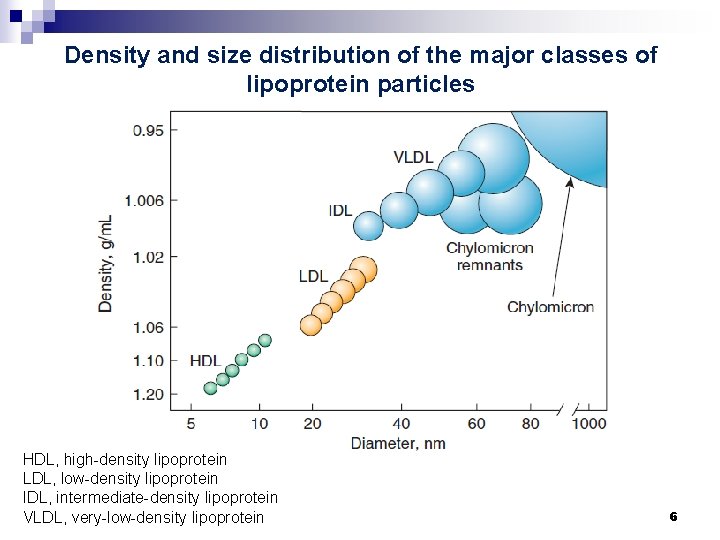
Density and size distribution of the major classes of lipoprotein particles HDL, high-density lipoprotein LDL, low-density lipoprotein IDL, intermediate-density lipoprotein VLDL, very-low-density lipoprotein 6
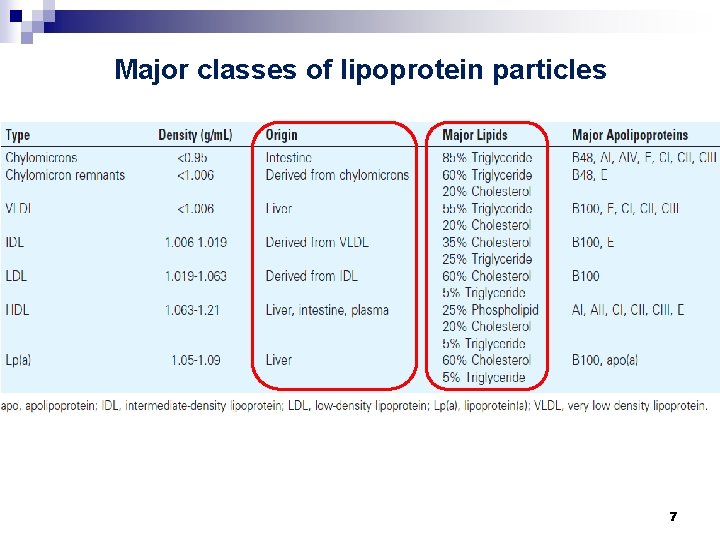
Major classes of lipoprotein particles 7
Outlines n n n Classification of lipid particles Brief overview of lipid metabolism Diabetic dyslipidemia Classification of dyslipidemia Screening and treatment of dyslipidemia at a glance Conclusions 8

Exogenous and endogenous lipoprotein metabolic pathways (Lipoprotein lipase) 9
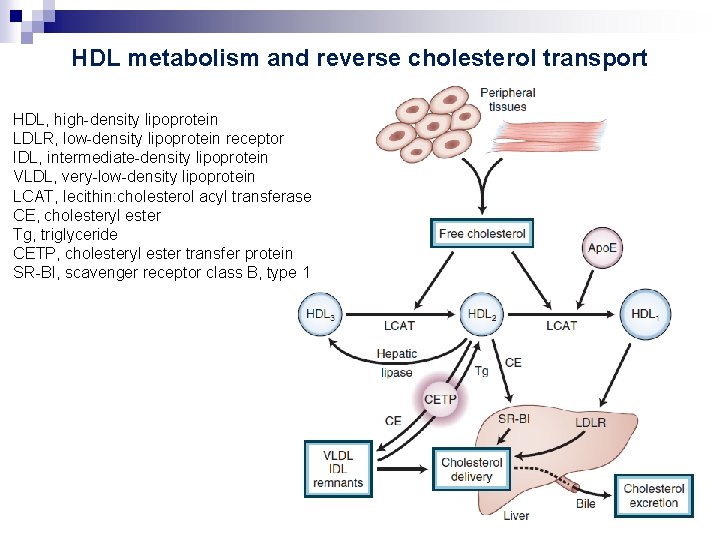
HDL metabolism and reverse cholesterol transport HDL, high-density lipoprotein LDLR, low-density lipoprotein receptor IDL, intermediate-density lipoprotein VLDL, very-low-density lipoprotein LCAT, lecithin: cholesterol acyl transferase CE, cholesteryl ester Tg, triglyceride CETP, cholesteryl ester transfer protein SR-BI, scavenger receptor class B, type 1 10
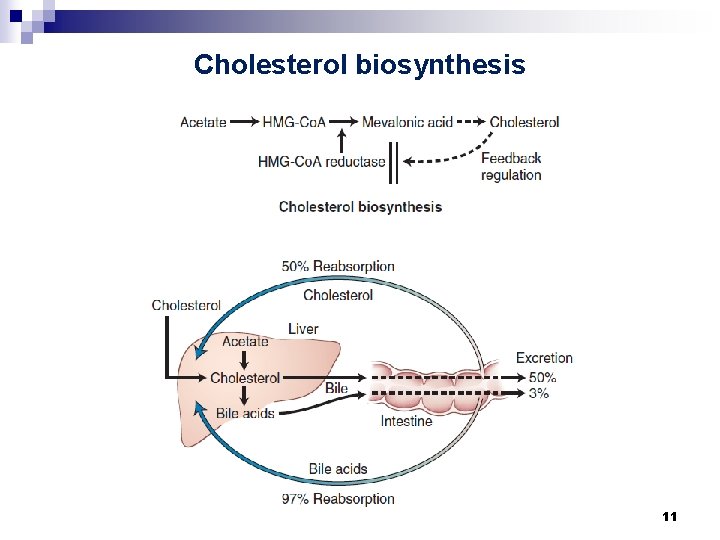
Cholesterol biosynthesis 11
Outlines n n n Classification of lipid particles Brief overview of lipid metabolism Diabetic dyslipidemia Classification of dyslipidemia Screening and treatment of dyslipidemia at a glance Conclusions 12
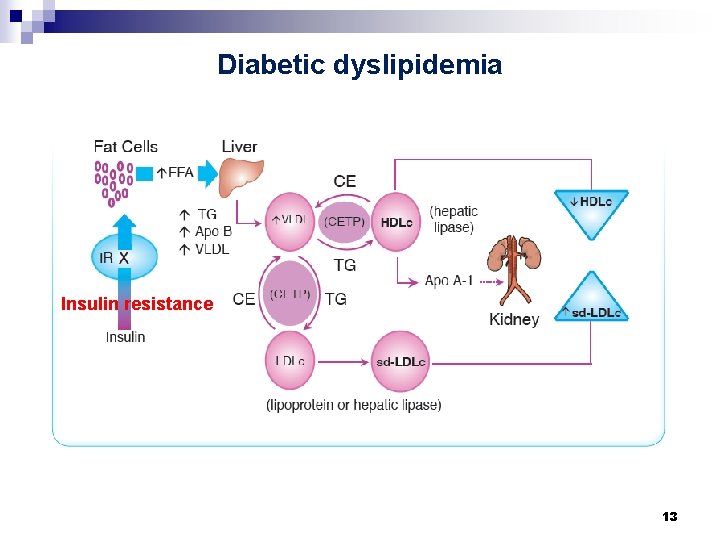
Diabetic dyslipidemia Insulin resistance 13
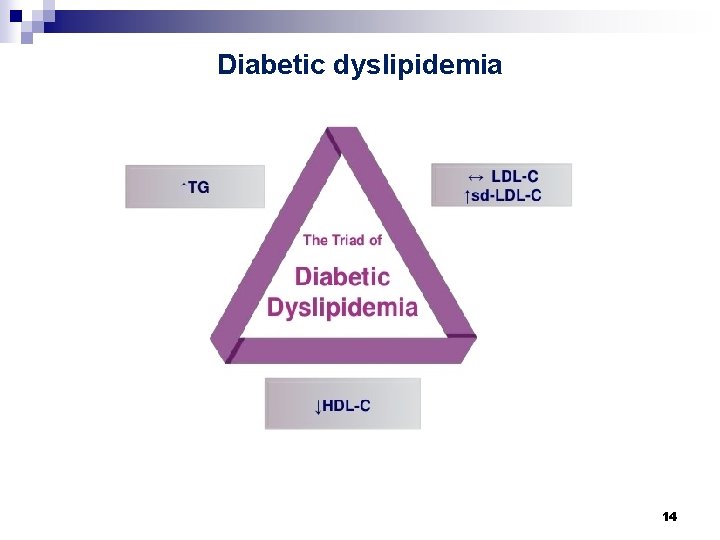
Diabetic dyslipidemia 14
Outlines n n n Classification of lipid particles Brief overview of lipid metabolism Diabetic dyslipidemia Classification of dyslipidemia Screening and treatment of dyslipidemia at a glance Conclusions 15
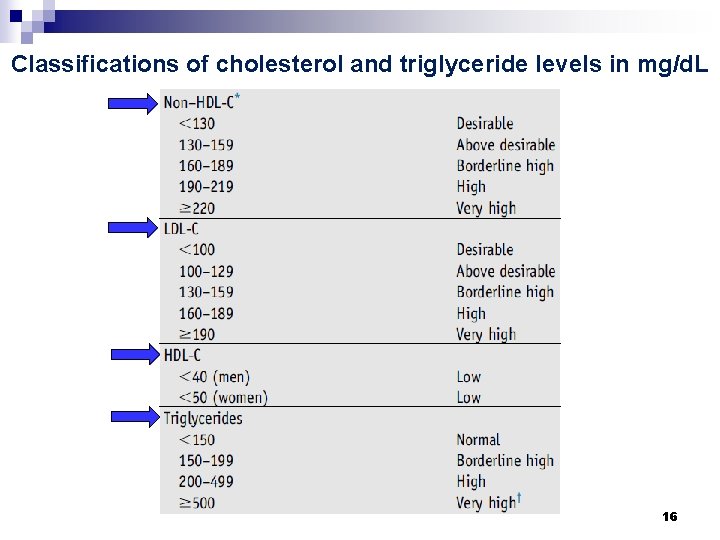
Classifications of cholesterol and triglyceride levels in mg/d. L 16
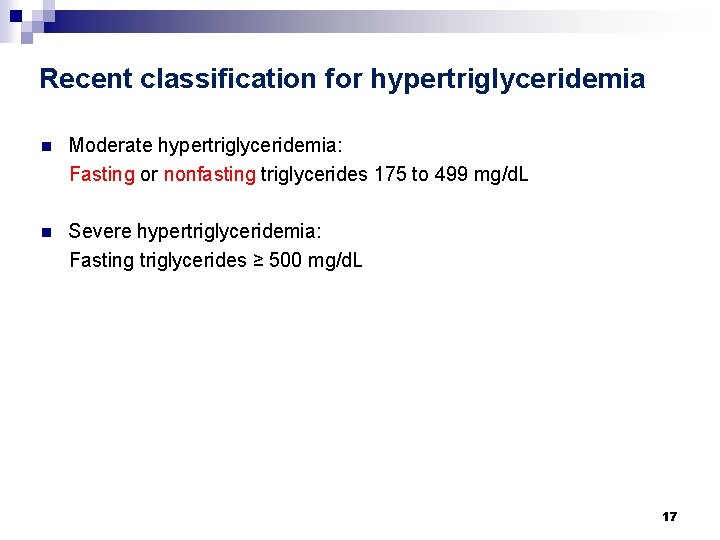
Recent classification for hypertriglyceridemia n Moderate hypertriglyceridemia: Fasting or nonfasting triglycerides 175 to 499 mg/d. L n Severe hypertriglyceridemia: Fasting triglycerides ≥ 500 mg/d. L 17
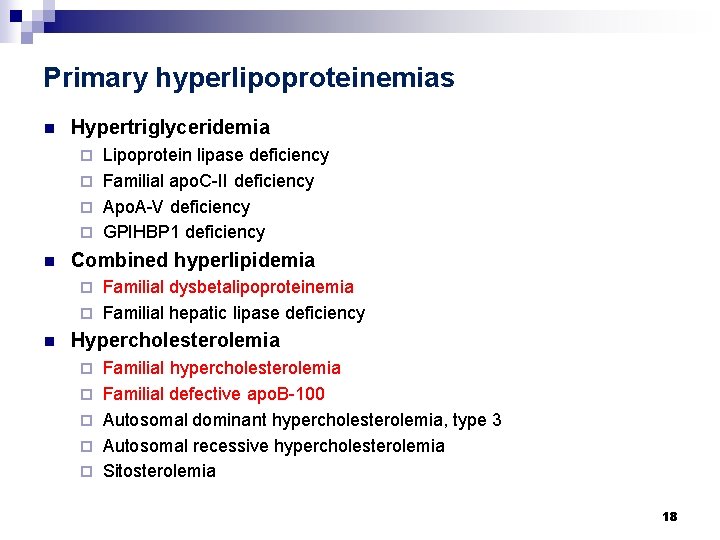
Primary hyperlipoproteinemias n Hypertriglyceridemia Lipoprotein lipase deficiency ¨ Familial apo. C-II deficiency ¨ Apo. A-V deficiency ¨ GPIHBP 1 deficiency ¨ n Combined hyperlipidemia Familial dysbetalipoproteinemia ¨ Familial hepatic lipase deficiency ¨ n Hypercholesterolemia ¨ ¨ ¨ Familial hypercholesterolemia Familial defective apo. B-100 Autosomal dominant hypercholesterolemia, type 3 Autosomal recessive hypercholesterolemia Sitosterolemia 18
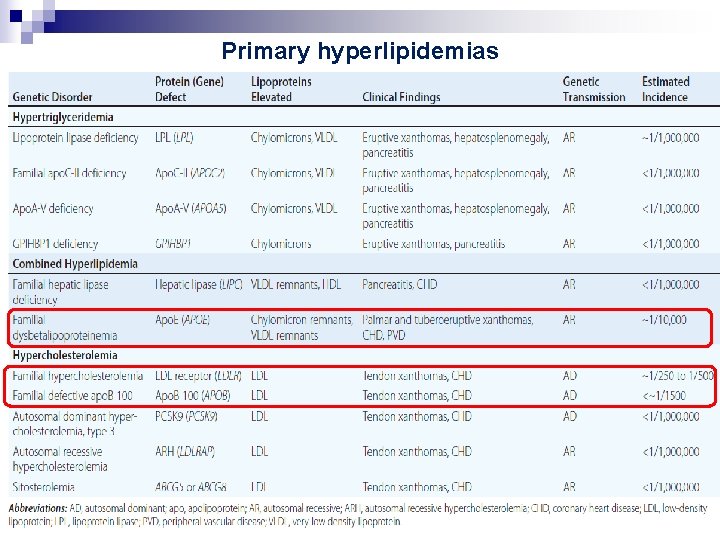
Primary hyperlipidemias 19
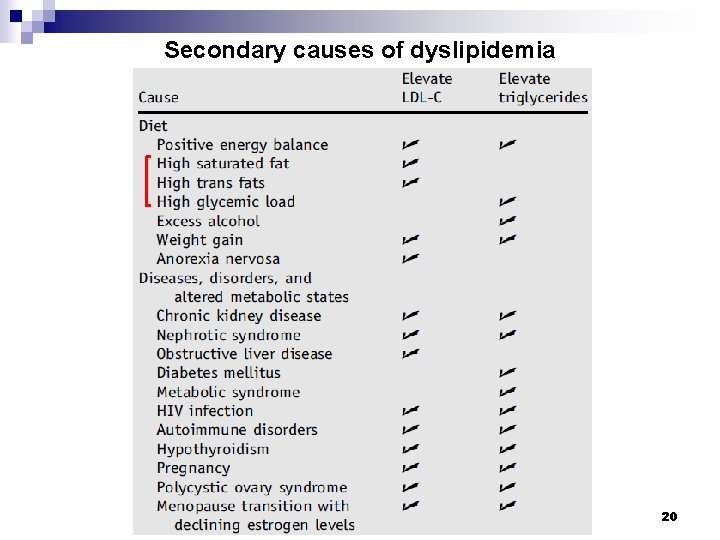
Secondary causes of dyslipidemia 20
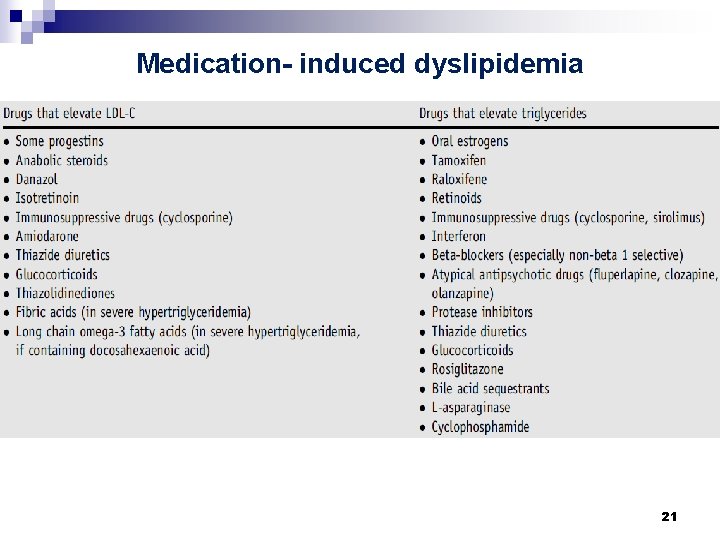
Medication- induced dyslipidemia 21
Outlines n n n Classification of lipid particles Brief overview of lipid metabolism Diabetic dyslipidemia Classification of dyslipidemia Screening and treatment of dyslipidemia at a glance Conclusions 23
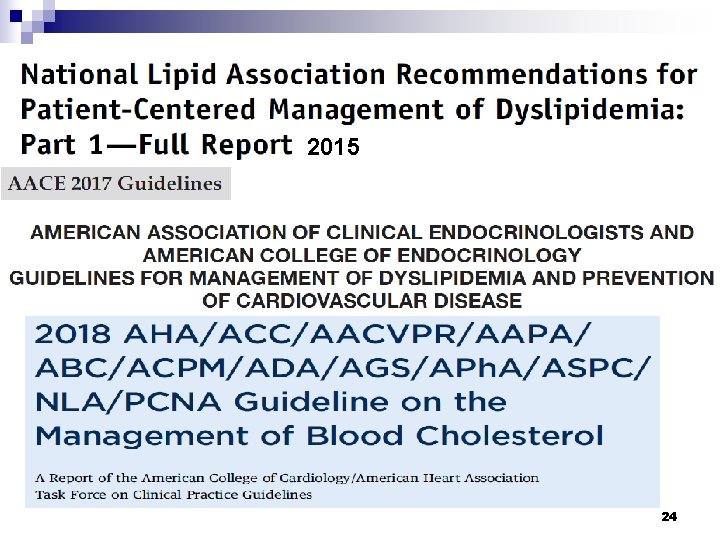
2015 24
Screening of initial lipoprotein lipid levels n n n All adults aged ≥ 20 years Fasting or non-fasting Total cholesterol, HDL-C, LDL-C, triglycerides (TG) TG ≥ 400 mg/d. L in the non-fasting state repeat lipid profile in the fasting state In adults with a family history of premature atherosclerotic cardiovascular disease (ASCVD) or genetic hyperlipidemia, a fasting lipid profile is reasonable. If atherogenic cholesterol levels (non–HDL-C and LDL-C) are in the desirable range, lipid measurement and ASCVD risk assessment should be repeated in 5 years, or sooner based on clinical judgment. 25

Lifestyle modification is always the backbone of treatment strategies. 26
Primary lipid-lowering drug classes n Cholesterol: ¨ HMG-Co. A reductase inhibitors (statins) ¨ Cholesterol absorption inhibitors (ezetimibe) ¨ PCSK 9 (Proprotein convertase subtilisin/kexin type 9) inhibitors (evolocumab) ¨ Bile acid sequestrants (cholestyramine) n Triglycerides: ¨ Fibric acid derivatives (gemfibrozil, fenofibrate) ¨ Niacin (nicotinic acid) ¨ Omega-3 fatty acids (icosapent ethyl, omega-3 -acid ethyl esters) 27
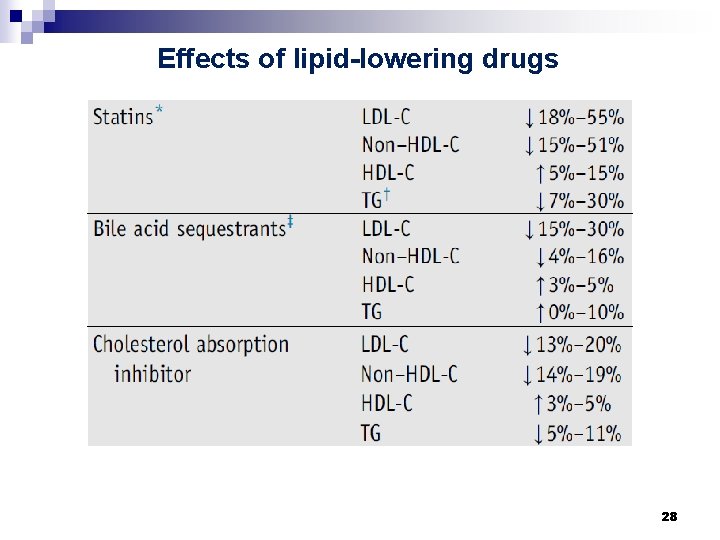
Effects of lipid-lowering drugs 28
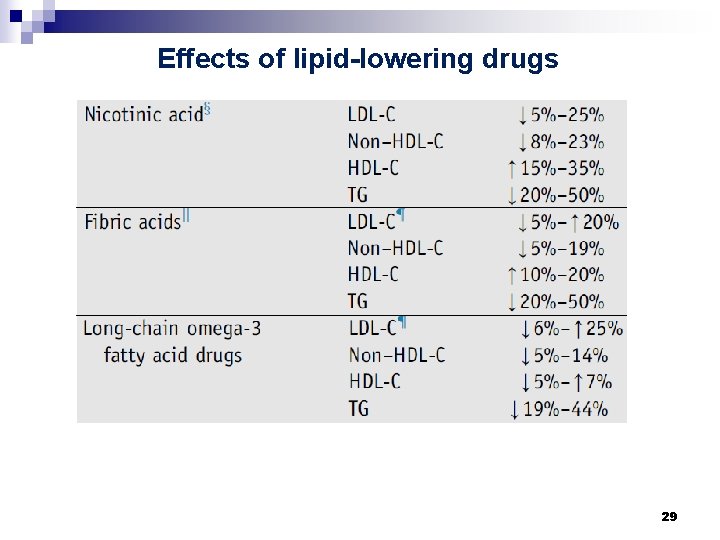
Effects of lipid-lowering drugs 29
Patient management groups regarding cholesterol: n Patients with clinical atherosclerotic (ASCVD)-Secondary ASCVD prevention cardiovascular n Patients with primary severe hypercholesterolemia (LDL-C ≥ 190 mg/d. L) n Patients with diabetes mellitus n Primary ASCVD prevention n Other populations at risk disease 30
Adults with hypertriglyceridemia n In adults with severe hypertriglyceridemia (fasting triglycerides ≥ 500 mg/d. L), especially fasting triglycerides ≥ 1000 mg/d. L, if triglycerides are persistently elevated or increasing, it is reasonable to further reduce triglycerides by implementation of a very low-fat diet, avoidance of refined carbohydrates and alcohol, consumption of omega-3 fatty acids, and, if necessary to prevent acute pancreatitis, fibrate therapy. 31
Concluding remarks: n Understanding the integrative physiology of lipid metabolism helps for a logical approach to the patient with dyslipidemia. n Lifestyle modification (medical nutrition therapy and physical activity) is always the backbone of treatment strategies for dyslipidemia. n Regarding cholesterol management, consider your patient belongs to which management group and then treat. n Regarding triglyceride management, remember that lifestyle modification can be the only therapeutic strategy in serum triglyceride levels up to 500 mg/d. L. 32
References: n Harrison's Principles of Internal Medicine, 20 th edition-2018 n Williams Textbook of Endocrinology, 13 th edition-2016 n National Lipid Association Recommendations for Patient-Centered Management of Dyslipidemia-2015 n American Association of Clinical Endocrinologists and American College of Endocrinology Guidelines for Management of Dyslipidemia and Prevention of Cardiovascular Disease-2017 n AHA/ACC/AACVPR/AAPA/ABC/ACPM/ADA/AGS/APh. A/ASPC/NLA/ PCNA Guideline on the Management of Blood Cholesterol-2018 33
Thanks for your attention. Photo by Majid Valizadeh, MD.
- Slides: 33