
An introduction to Immunology Mic 405 Autumn 2016



- Slides: 49
An introduction to Immunology Mic 405 Autumn 2016 Kate Eaton, DVM, Ph. D Diplomate ACVP Department of Microbiology and Immunology, 6746 Med Sci II 936 -3883 kateaton@umich. edu
Class details • Lecture notes: – Intermittent posted reading – Please read before lecture so that you can participate – ppts on Canvas • Approach: Lecture/discussion • Contact: – Email: kateaton@umich. edu – Office hours by appointment – Office 6746 MSII
Immunology resources • Texts: – – – Clinical key Abbas and Lichtman, Basic Immunology Male et al, Immunology Delves et al, Roitt’s Essential Immunology Murphy et al, Janeway’s Immunobiology • Web: – www. microbiologybook. org/book/immunol-sta. htm – http: //www. niaid. nih. gov/topics/immune. System/Pages/def ault. aspx – https: //en. wikipedia. org/wiki/Outline_of_immunology#Essence_of_im munology
Schedule of classes • • Introduction Innate Immunity Adaptive immunity II Vaccines Immunity gone wrong Problems in immunology II
Schedule for today • Introduction to the immune system: – Functions and characteristics – Innate and adaptive immunity – Organs, cells, and mediators • Language of immunology
The language of immunology • Historical basis: names describe functions (complement) • Different names for the same thing (chemokines, cytokines) • Alphabet soup (cytokines) • Numerical suffixes (interleukins)
Infection Inflammation Immune response
Functions of the immune system ?
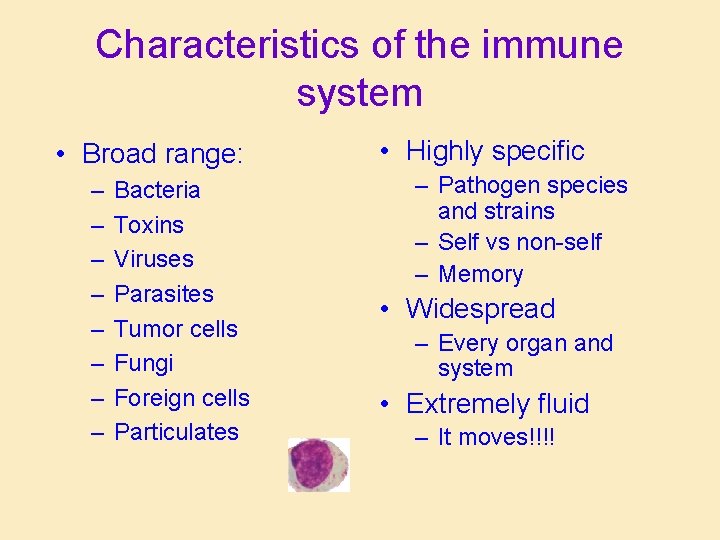
Characteristics of the immune system • Broad range: – – – – Bacteria Toxins Viruses Parasites Tumor cells Fungi Foreign cells Particulates • Highly specific – Pathogen species and strains – Self vs non-self – Memory • Widespread – Every organ and system • Extremely fluid – It moves!!!!
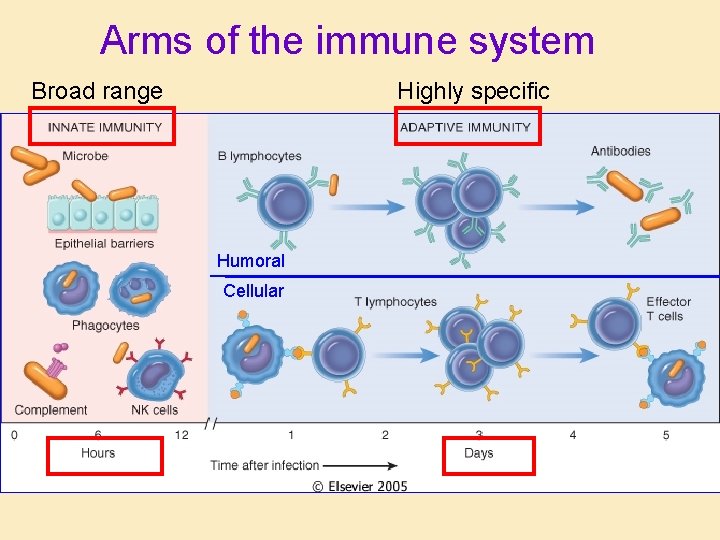
Arms of the immune system Broad range Highly specific Humoral Cellular
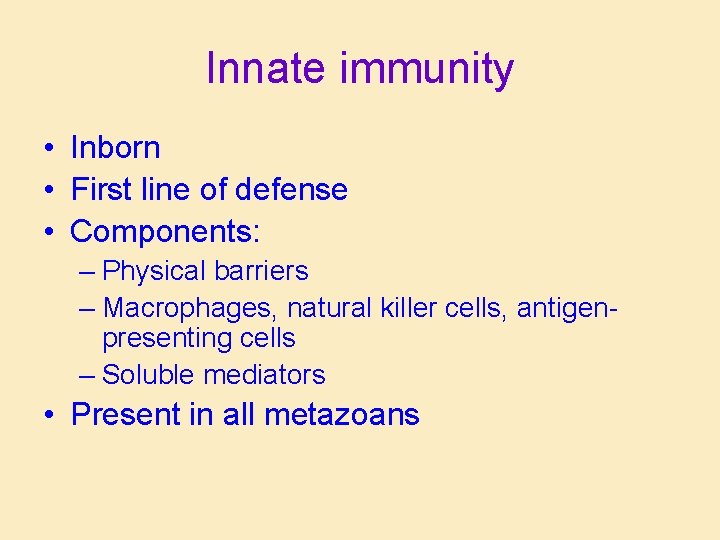
Innate immunity • Inborn • First line of defense • Components: – Physical barriers – Macrophages, natural killer cells, antigenpresenting cells – Soluble mediators • Present in all metazoans
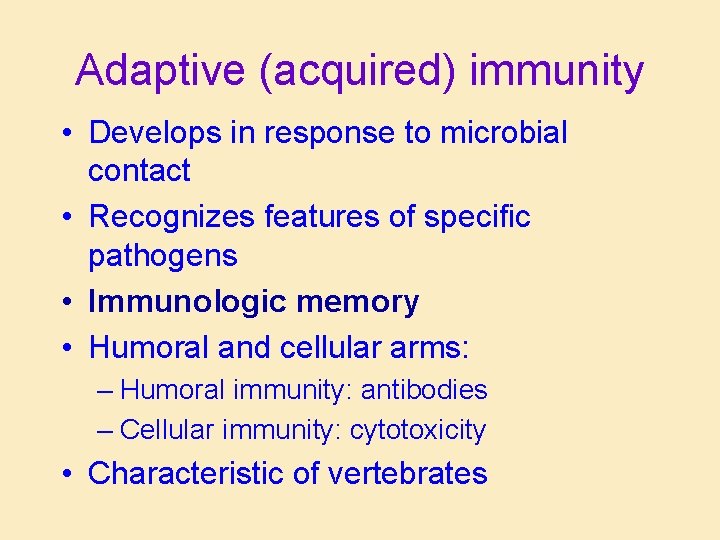
Adaptive (acquired) immunity • Develops in response to microbial contact • Recognizes features of specific pathogens • Immunologic memory • Humoral and cellular arms: – Humoral immunity: antibodies – Cellular immunity: cytotoxicity • Characteristic of vertebrates
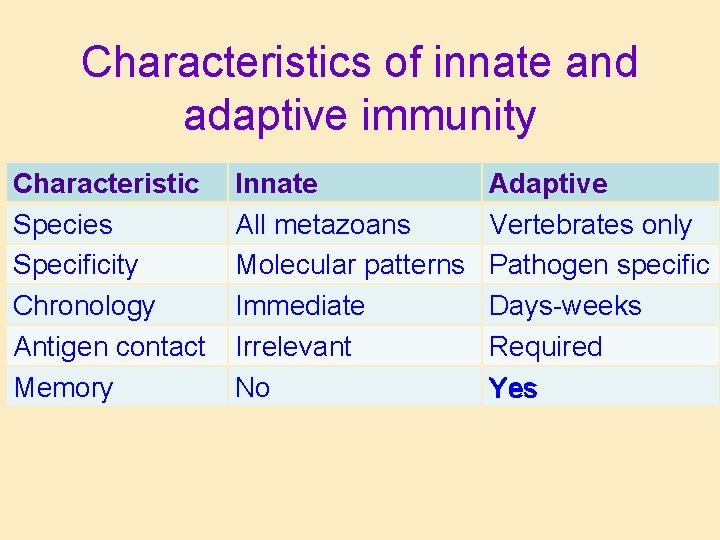
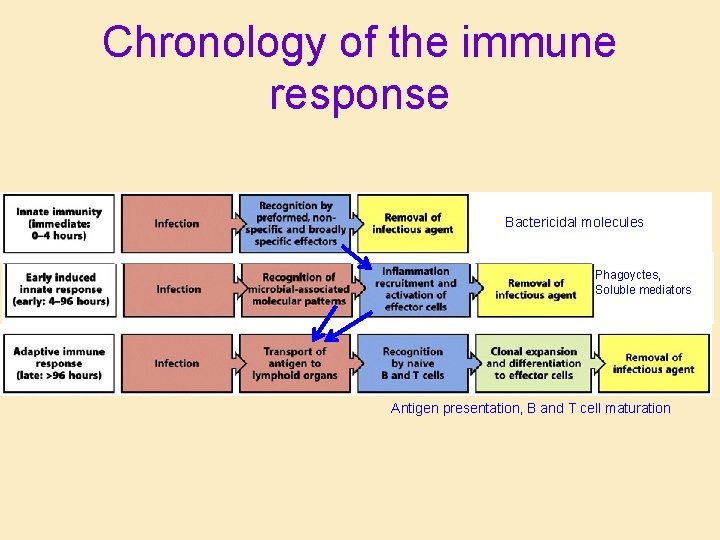
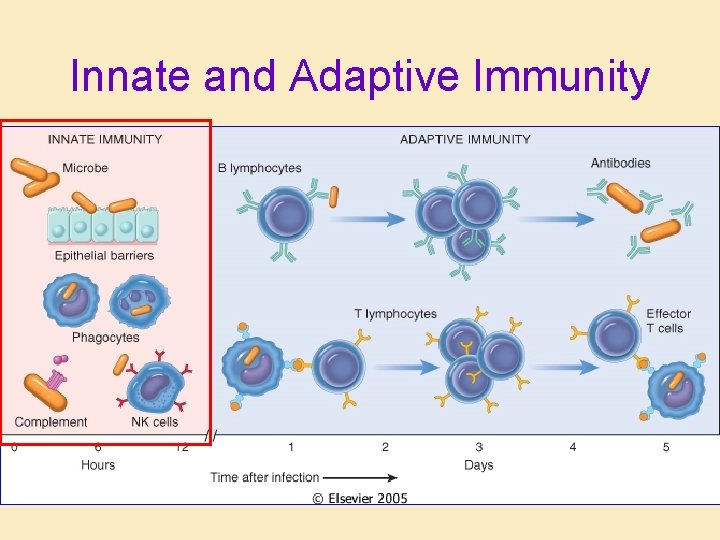
Characteristics of innate and adaptive immunity Characteristic Species Specificity Chronology Antigen contact Memory Innate All metazoans Molecular patterns Immediate Irrelevant No Adaptive Vertebrates only Pathogen specific Days-weeks Required Yes
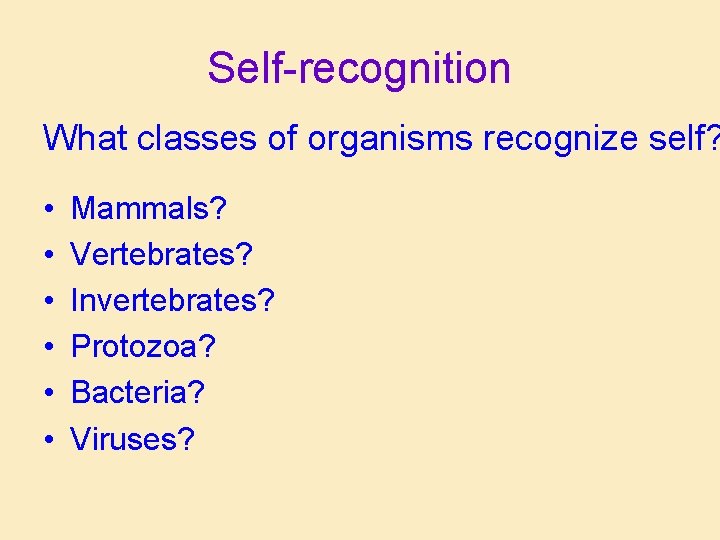
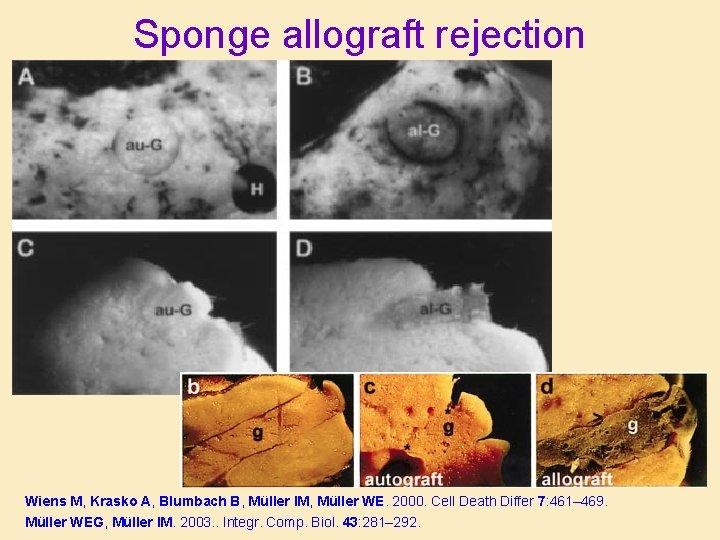
Self-recognition What classes of organisms recognize self? • • • Mammals? Vertebrates? Invertebrates? Protozoa? Bacteria? Viruses?
Sponge allograft rejection Wiens M, Krasko A, Blumbach B, Müller IM, Müller WE. 2000. Cell Death Differ 7: 461– 469. Müller WEG, Müller IM. 2003. . Integr. Comp. Biol. 43: 281– 292.
Self-recognition in vertebrates • Molecular patterns – Characteristic of broad groups: • Bacteria: Lipopolysaccharide, flagella, peptidoglycan • Viruses: DS RNA, Cp. G motifs – Innate immune response • Antigens – Pathogen-specific – Adaptive immune response
Components of the immune system • Cells • Organs • Soluble mediators
Cells of the immune system • Phagocytes: – Macrophages – Granulocytes • Lymphocytes: – T cells – B cells • Antigen-presenting cells: – Dendritic cells
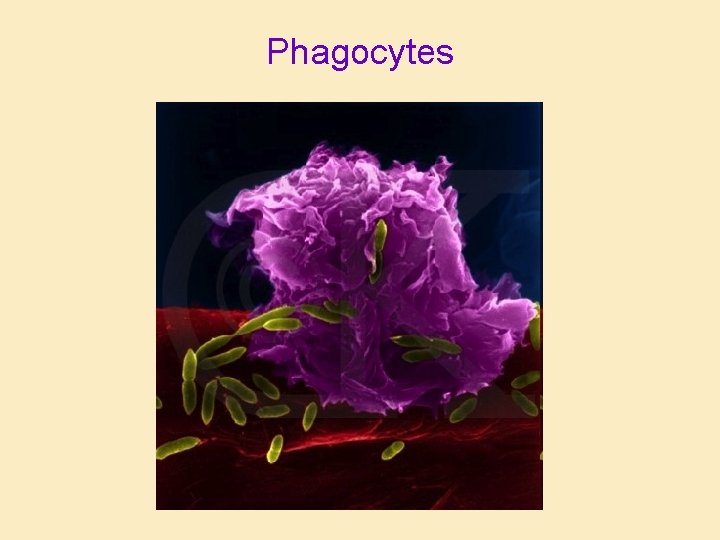
Phagocytes
Phagocytes • First steps of the innate immune response • Engulf and digest pathogens and particulates • Recognize pathogen-specific patterns: – Pathogen-associated molecular patterns (PAMPs) – Microbe-associated molecular patterns (MAMPs) • Regulate other immune cells – Secrete mediators – Direct contact • Macrophages, granulocytes, dendritic cells
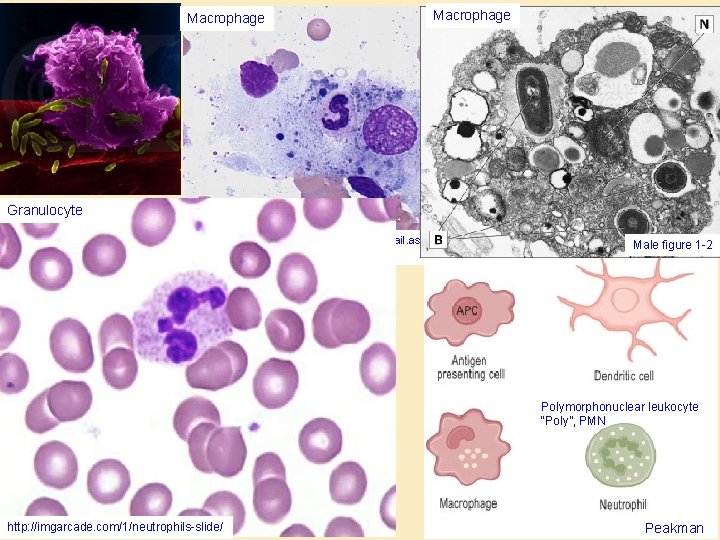
Macrophage Granulocyte http: //imagebank. hematology. org/Asset. Detail. aspx? Asset. ID=3742&Asset. Type=As set Male figure 1 -2 Polymorphonuclear leukocyte “Poly”, PMN http: //imgarcade. com/1/neutrophils-slide/ Peakman
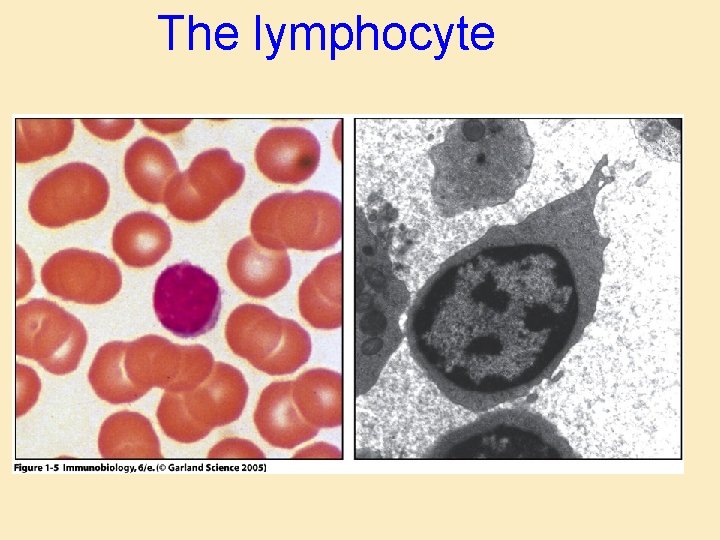
Lymphocytes • Adaptive immunity • Recognize antigens • B cells - Recognize antigen directly - Produce antibodies • T cells - Recognize antigen in association with antigenpresenting cells - T helper cells (Th): Soluble mediators - T cytotoxic cells (Tc): Kill infected cells
The lymphocyte
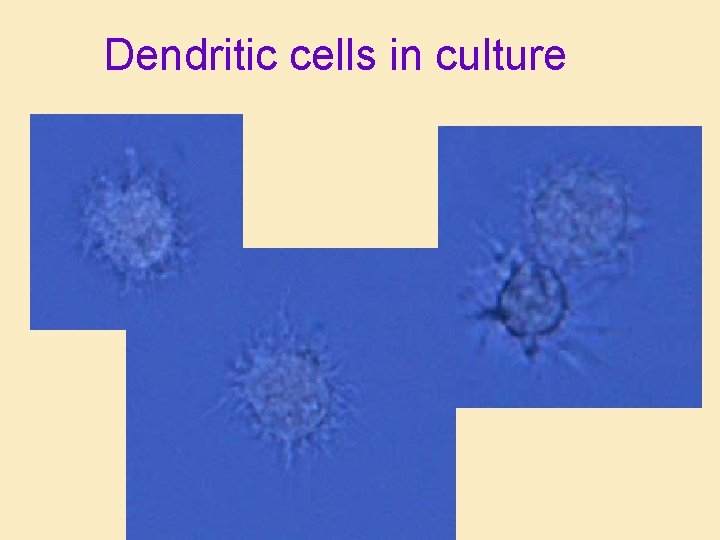
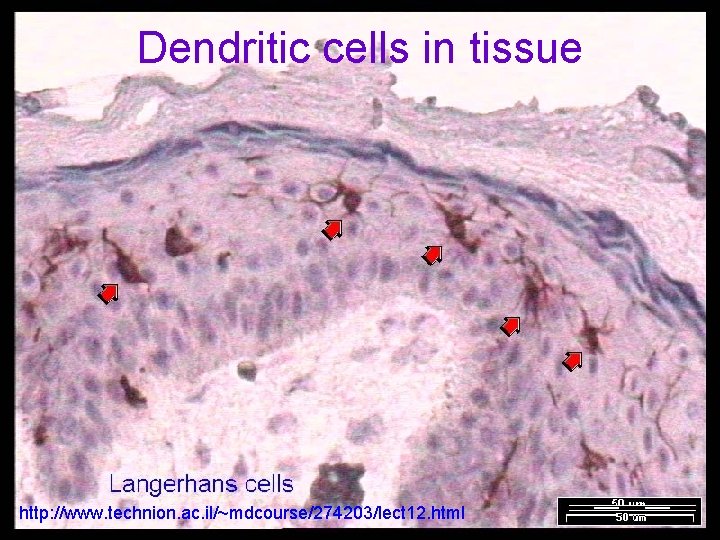
Antigen-presenting cells • Link innate and adaptive immunity • Process antigen and “present” it to T cells • Dendritic cells – Phagocytic and motile – Resident in epithelial surfaces and lymphoid tissues – Mature in response to molecular patterns
Dendritic cells in culture
Skin: Langerhans cells Dendritic cells in tissue http: //www. technion. ac. il/~mdcourse/274203/lect 12. html
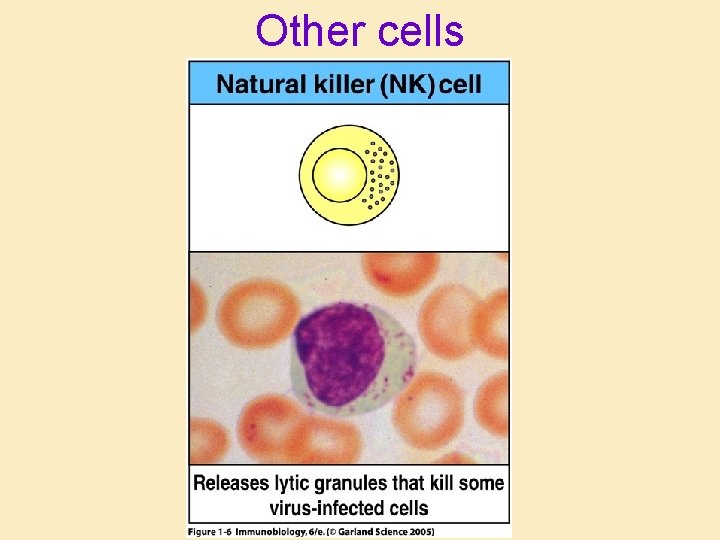
Other cells
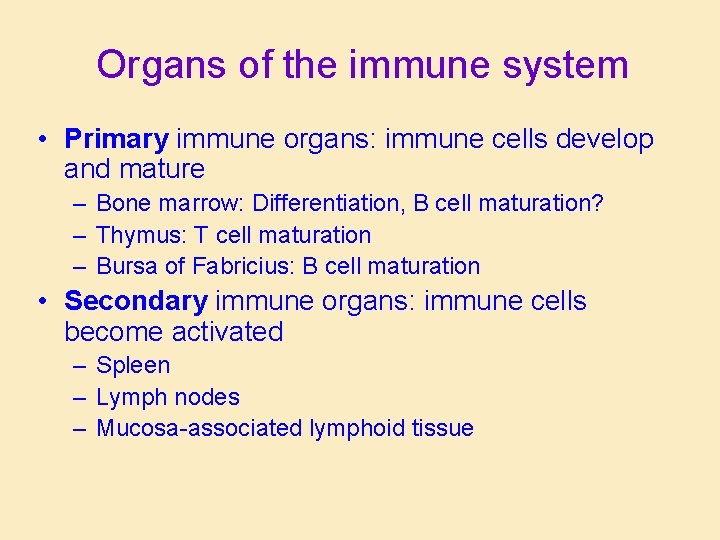
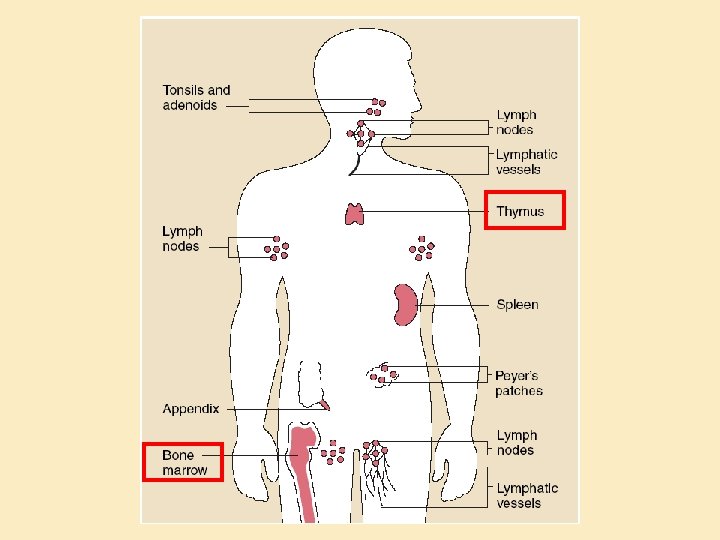
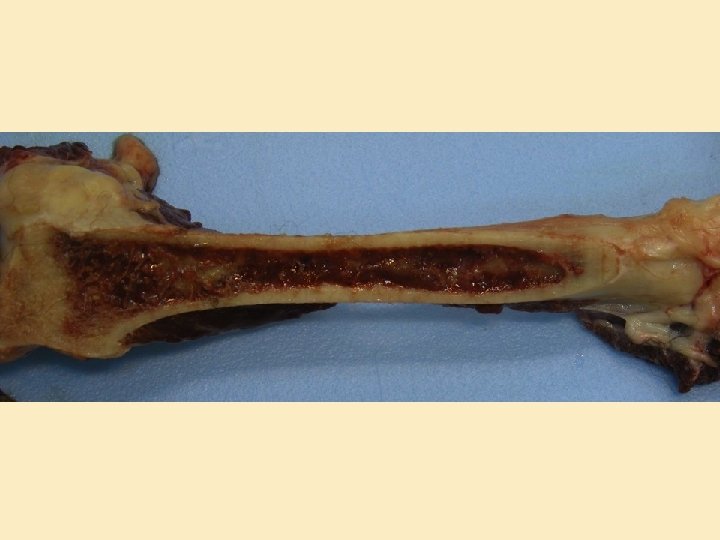
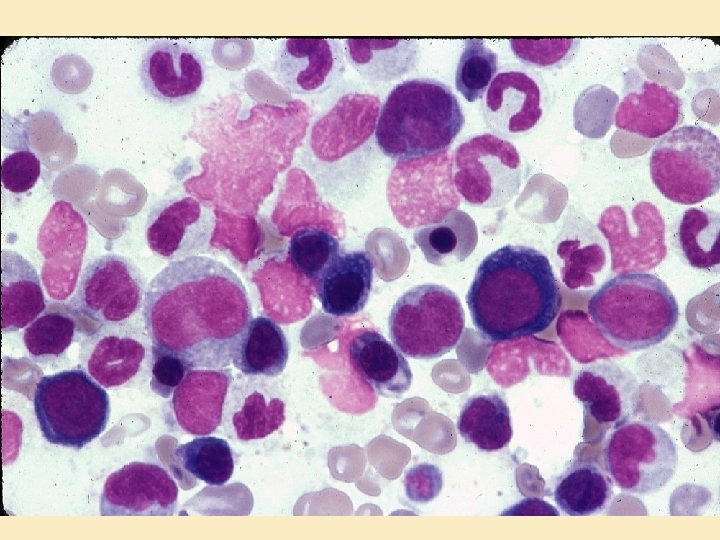
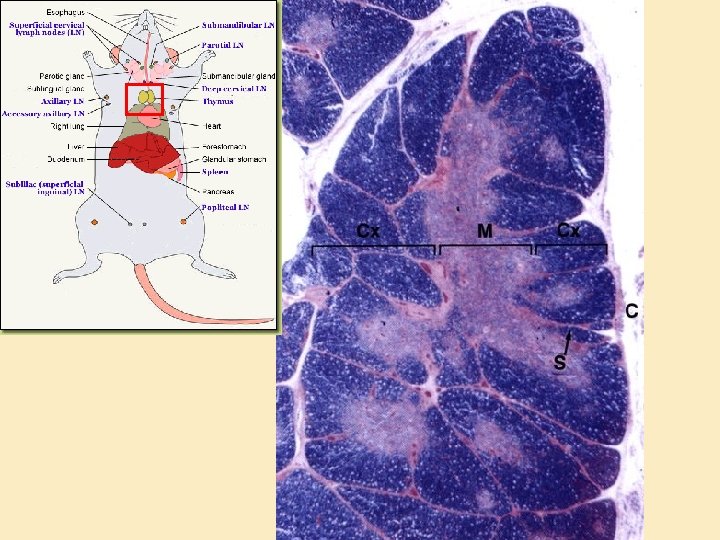
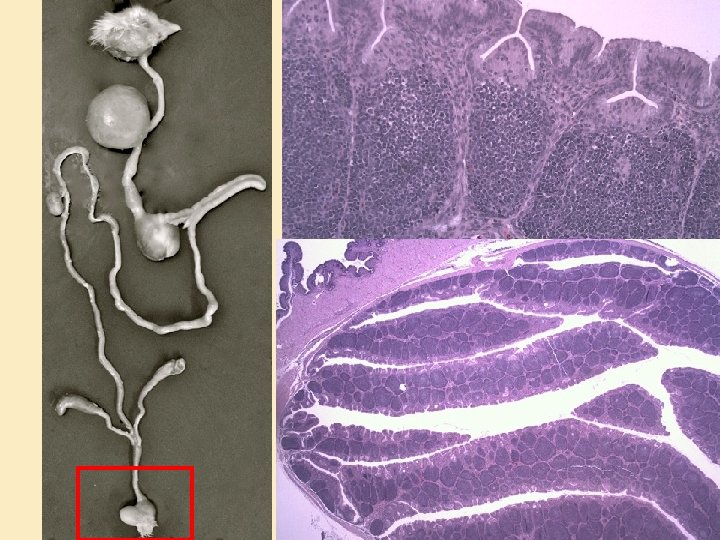
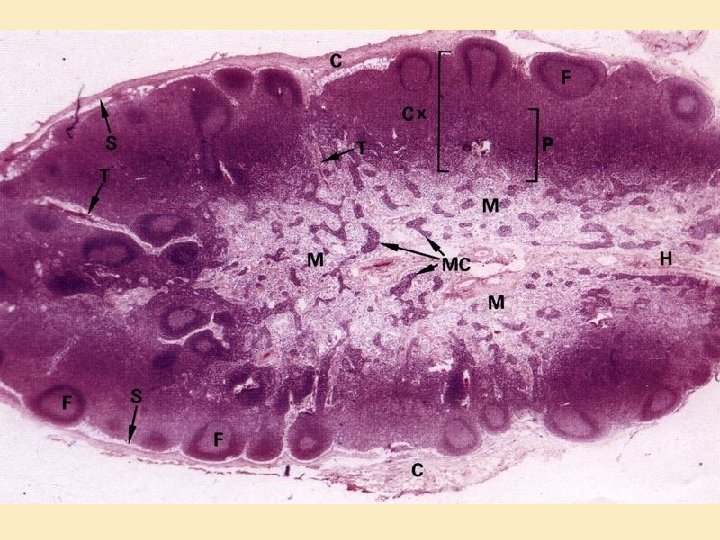
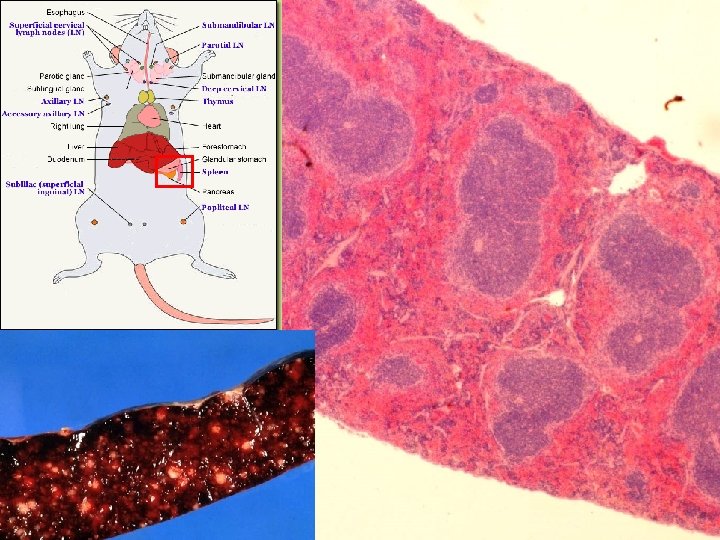
Organs of the immune system • Primary immune organs: immune cells develop and mature – Bone marrow: Differentiation, B cell maturation? – Thymus: T cell maturation – Bursa of Fabricius: B cell maturation • Secondary immune organs: immune cells become activated – Spleen – Lymph nodes – Mucosa-associated lymphoid tissue
Gross photo alert!
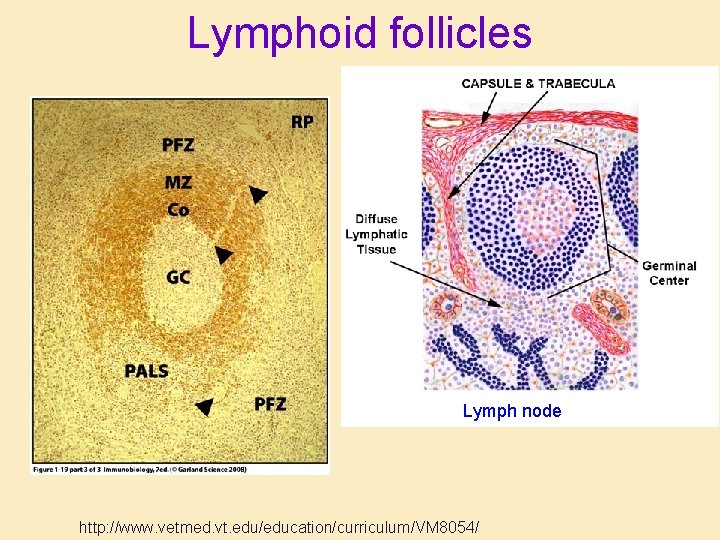
Lymphoid follicles Lymph node http: //www. vetmed. vt. edu/education/curriculum/VM 8054/
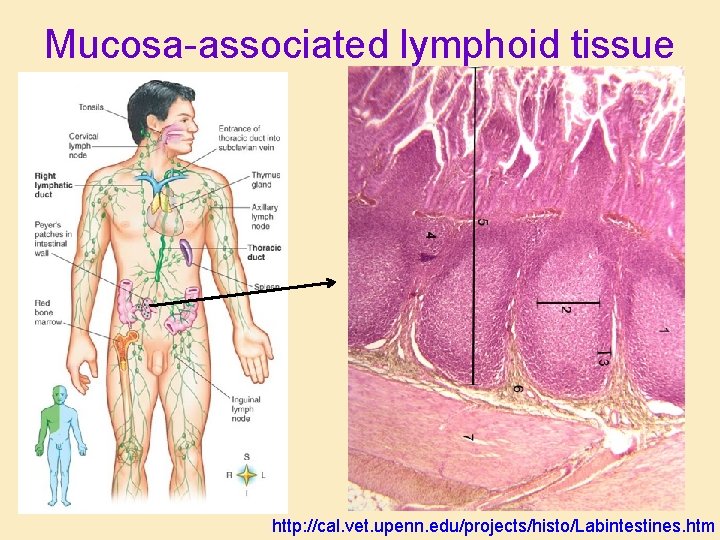
Mucosa-associated lymphoid tissue http: //cal. vet. upenn. edu/projects/histo/Labintestines. htm
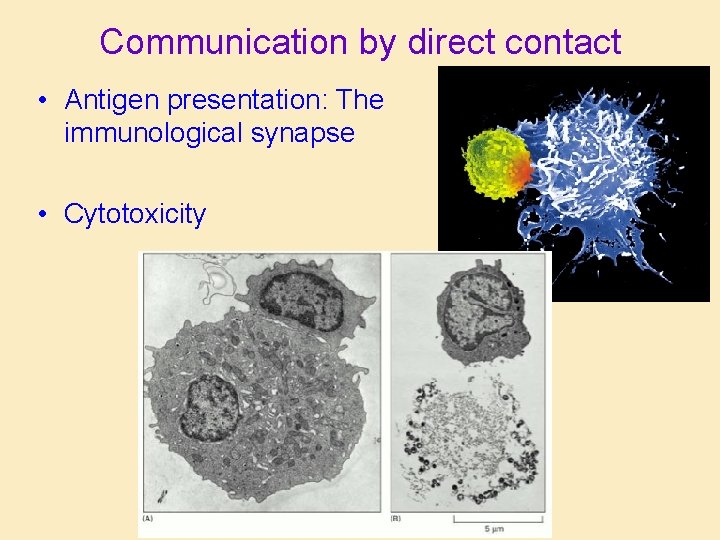
How immune cells communicate • Soluble mediators – Extracellular – Receptor/ligand-specific – Paracrine vs endocrine • Signal transduction • Direct contact: – Antigen presentation – Cytotoxicity
Soluble mediators of the immune response • Signaling molecules – Innate: Cytokines, complement – Adaptive: Cytokines, antibodies, chemokines, interleukins • Cytotoxic molecules – Innate: Enzymes, reactive oxygen mediators – Adaptive: Enzymes, reactive oxygen mediators
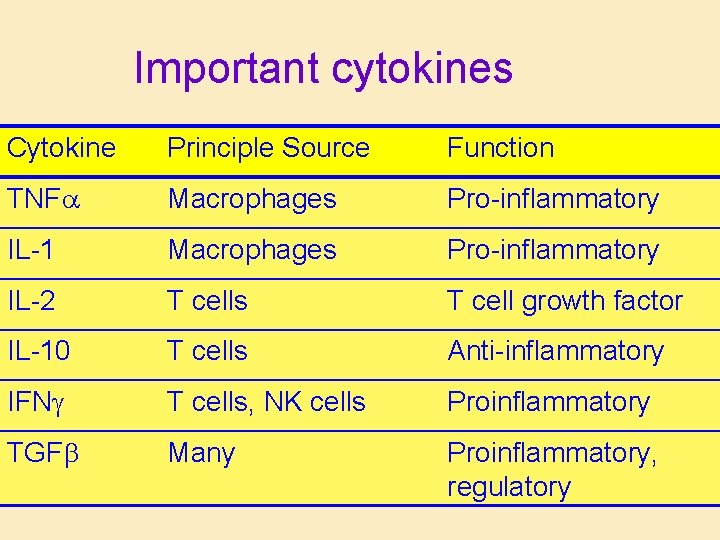
Cytokines • “Low molecular weight proteins that stimulate or inhibit the differentiation, proliferation, or function of cells” • Hundreds exist • Multifunctional • Overlapping functions • Produced by immune and non-immune cells - One cell may produce many cytokines - One cytokine may be produced by many cells • Interleukins: – Subset of cytokines that communicate between leukocytes – Named consecutively by IL- designation
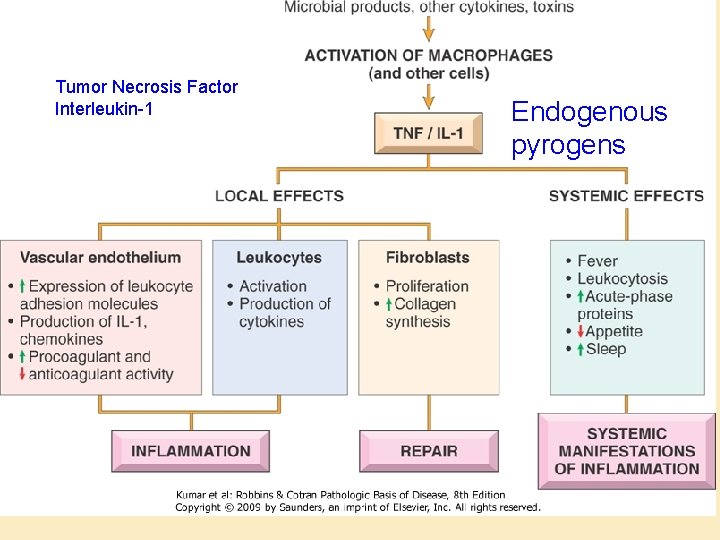
Tumor Necrosis Factor Interleukin-1 Endogenous pyrogens
Important cytokines Cytokine Principle Source Function TNFa Macrophages Pro-inflammatory IL-1 Macrophages Pro-inflammatory IL-2 T cells T cell growth factor IL-10 T cells Anti-inflammatory IFNg T cells, NK cells Proinflammatory TGFb Many Proinflammatory, regulatory
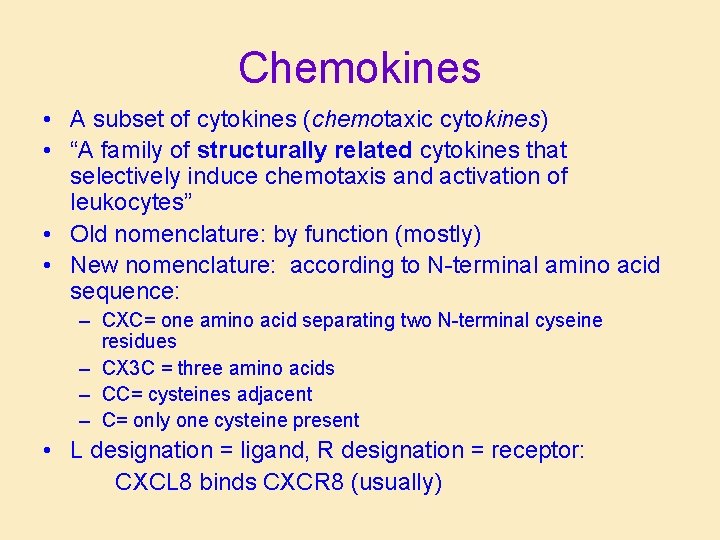
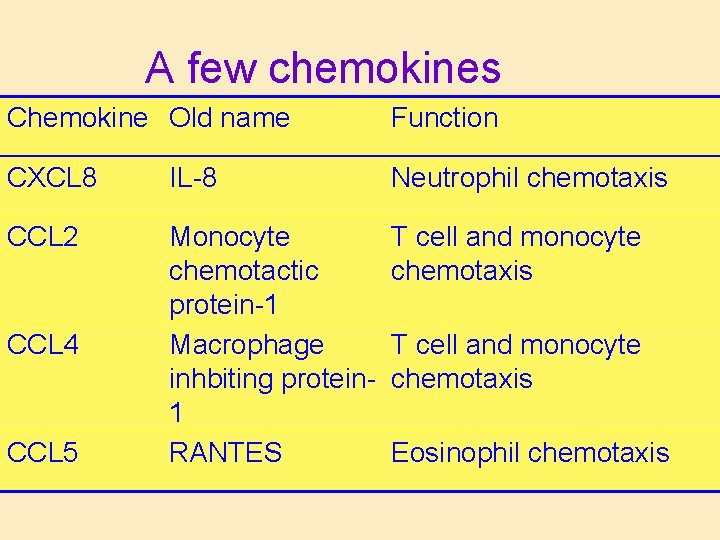
Chemokines • A subset of cytokines (chemotaxic cytokines) • “A family of structurally related cytokines that selectively induce chemotaxis and activation of leukocytes” • Old nomenclature: by function (mostly) • New nomenclature: according to N-terminal amino acid sequence: – CXC= one amino acid separating two N-terminal cyseine residues – CX 3 C = three amino acids – CC= cysteines adjacent – C= only one cysteine present • L designation = ligand, R designation = receptor: CXCL 8 binds CXCR 8 (usually)
A few chemokines Chemokine Old name Function CXCL 8 IL-8 Neutrophil chemotaxis CCL 2 Monocyte chemotactic protein-1 Macrophage inhbiting protein 1 RANTES T cell and monocyte chemotaxis CCL 4 CCL 5 T cell and monocyte chemotaxis Eosinophil chemotaxis
Communication by direct contact • Antigen presentation: The immunological synapse • Cytotoxicity
Chronology of the immune response Bactericidal molecules Phagoyctes, Soluble mediators Antigen presentation, B and T cell maturation
Innate and Adaptive Immunity