
An Introduction to Human Geography The Cultural Landscape
- Slides: 36
An Introduction to Human Geography The Cultural Landscape James M. Rubenstein Chapter 3 Migration PPT adapted from Abe Goldman
Terms Migration: a type of relocation diffusion • Emigration: from a location (country) • Immigration: to a location (country) • Other forms of migration – Transhumance (seasonal w/animals or crops) – Circulation: daily, monthly, annually – Migration within a country or state • State (sovereign state): a political unit (formal region) ruled by a government, i. e. a country • Nation State: State (ie a formal region) containing individuals of one cultural or ethnic identity.
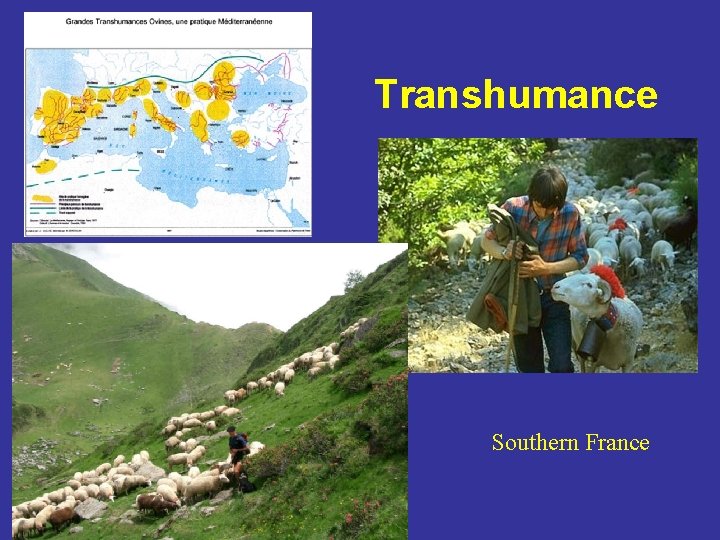
Transhumance Southern France
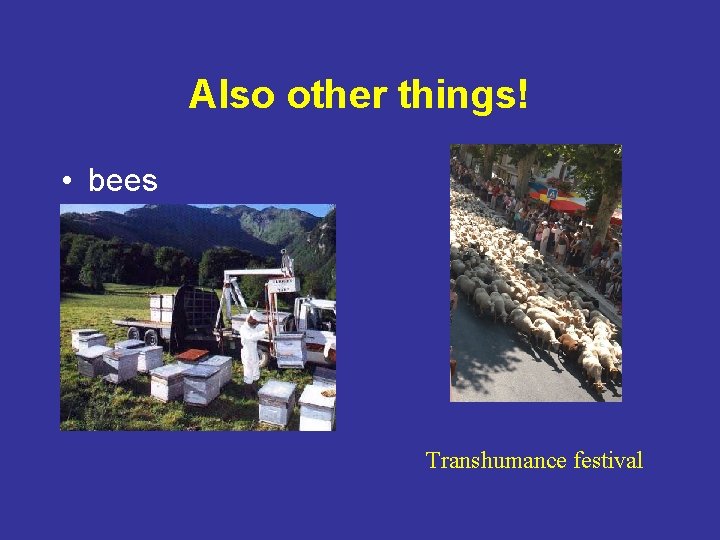
Also other things! • bees Transhumance festival
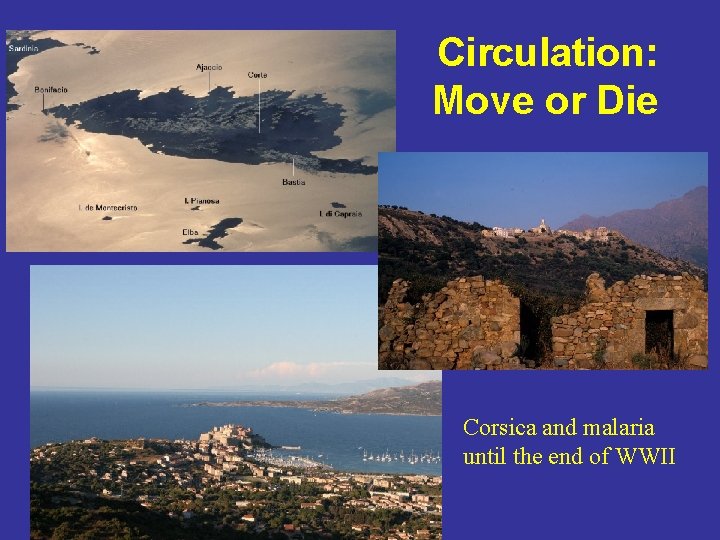
Circulation: Move or Die Corsica and malaria until the end of WWII
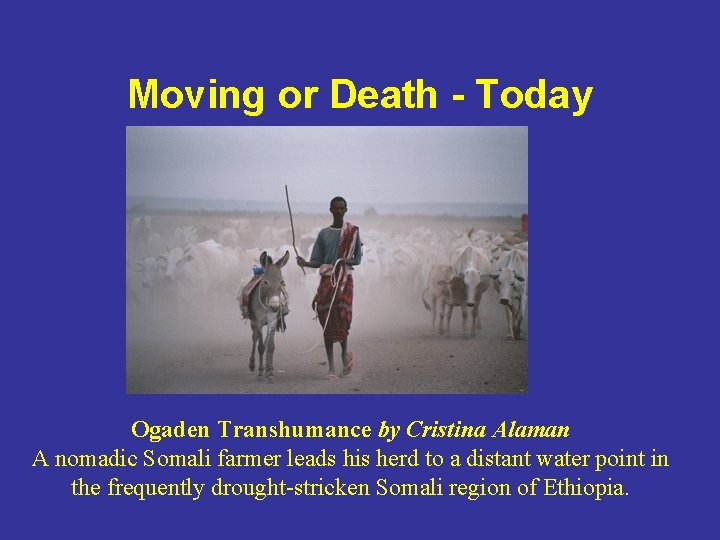
Moving or Death - Today Ogaden Transhumance by Cristina Alaman A nomadic Somali farmer leads his herd to a distant water point in the frequently drought-stricken Somali region of Ethiopia.
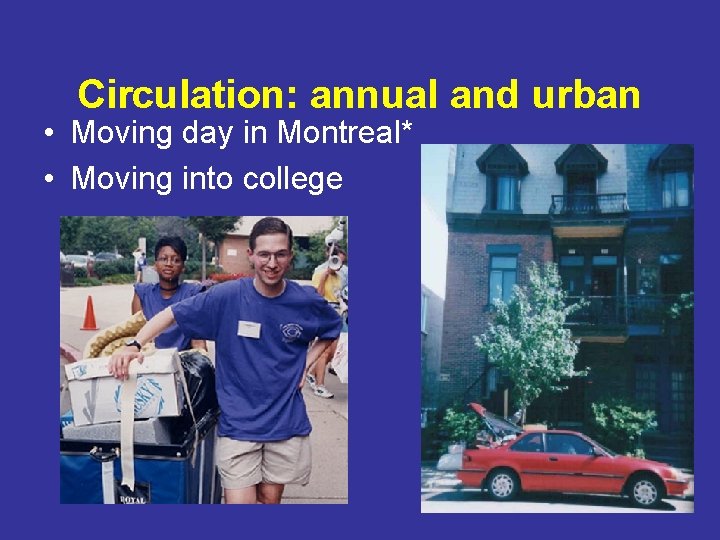
Circulation: annual and urban • Moving day in Montreal* • Moving into college
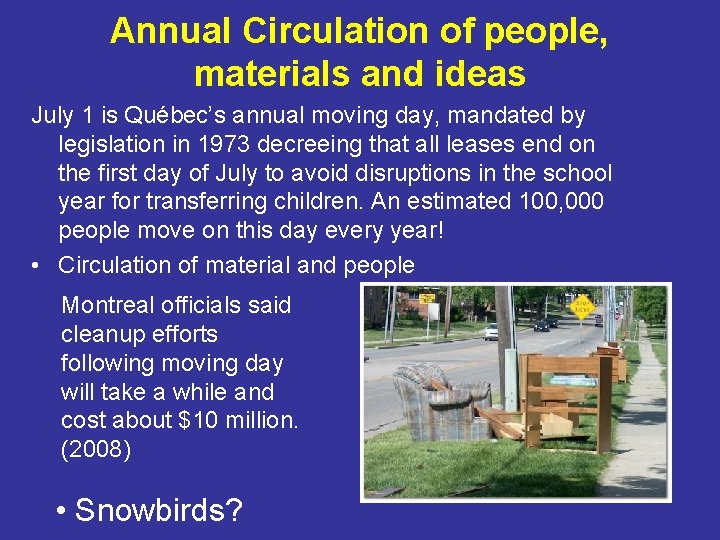
Annual Circulation of people, materials and ideas July 1 is Québec’s annual moving day, mandated by legislation in 1973 decreeing that all leases end on the first day of July to avoid disruptions in the school year for transferring children. An estimated 100, 000 people move on this day every year! • Circulation of material and people Montreal officials said cleanup efforts following moving day will take a while and cost about $10 million. (2008) • Snowbirds?
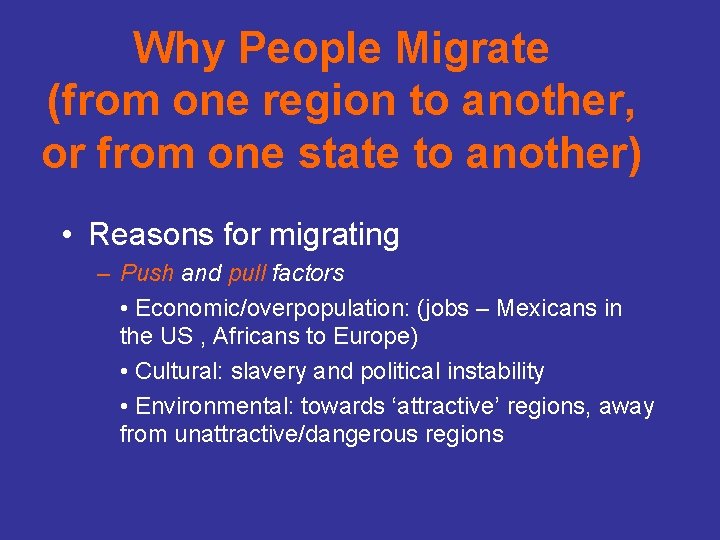
Why People Migrate (from one region to another, or from one state to another) • Reasons for migrating – Push and pull factors • Economic/overpopulation: (jobs – Mexicans in the US , Africans to Europe) • Cultural: slavery and political instability • Environmental: towards ‘attractive’ regions, away from unattractive/dangerous regions
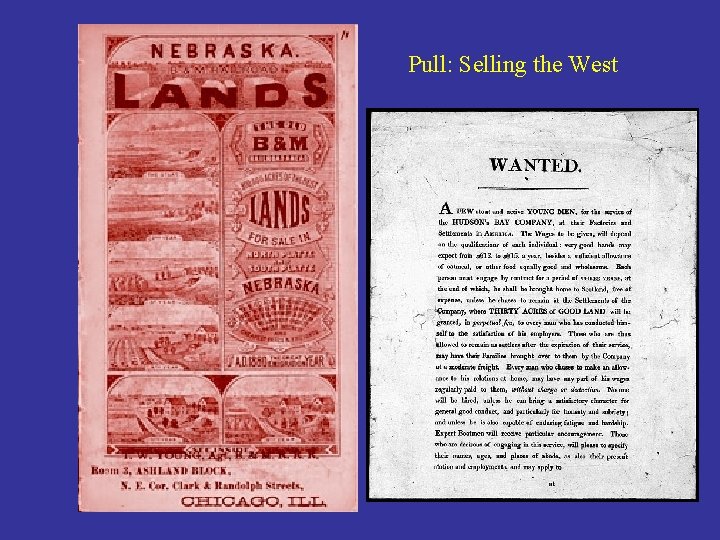
Pull: Selling the West
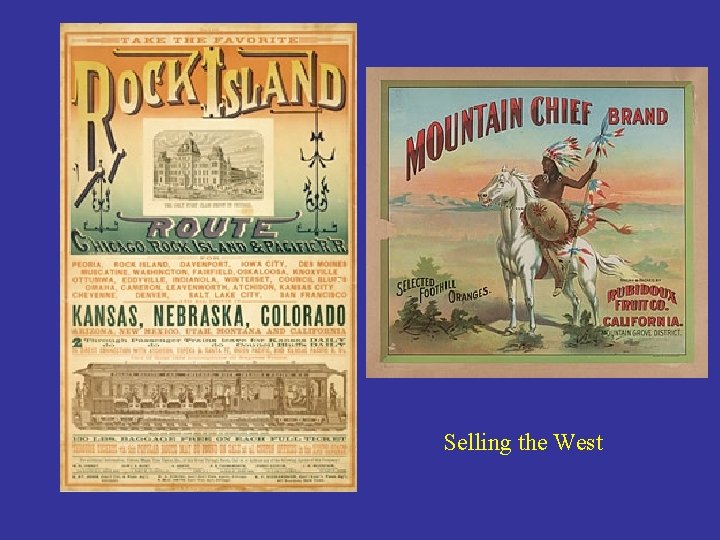
Selling the West
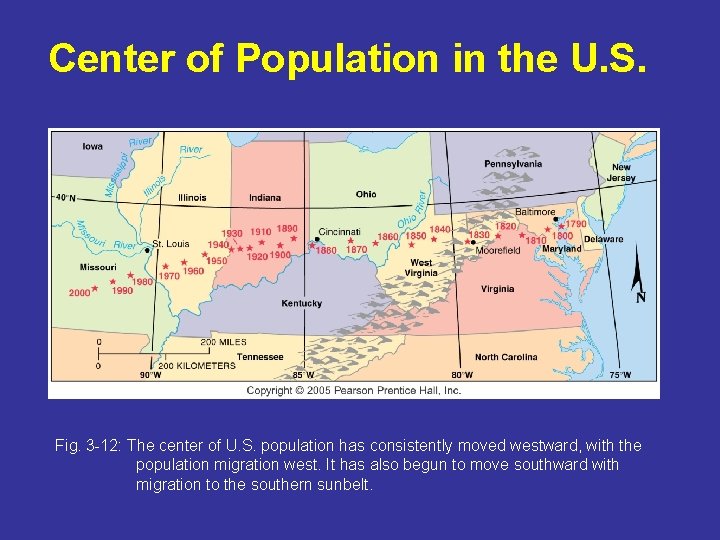
Center of Population in the U. S. Fig. 3 -12: The center of U. S. population has consistently moved westward, with the population migration west. It has also begun to move southward with migration to the southern sunbelt.
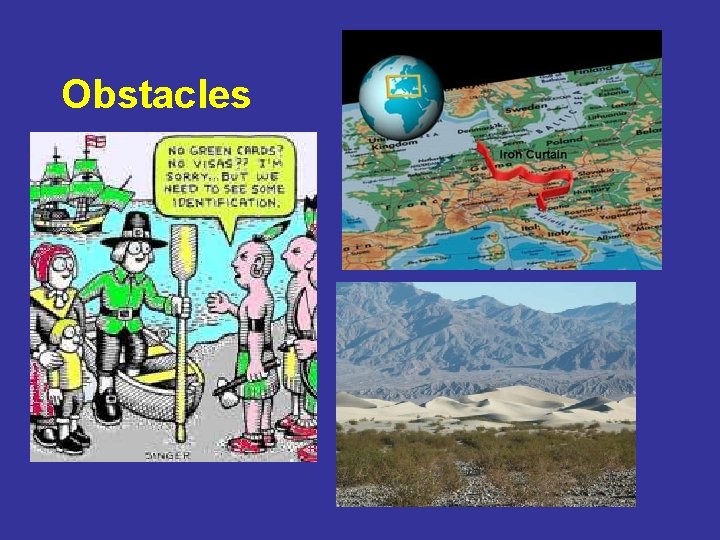
End Location – End point of a migration may not be what people had in mind due to Intervening obstacles • physical (Oregon trail people who only got as far as Baker City, Oregon or places in Ohio; people who get swindled and left somewhere other than their destination) • Visas
Obstacles
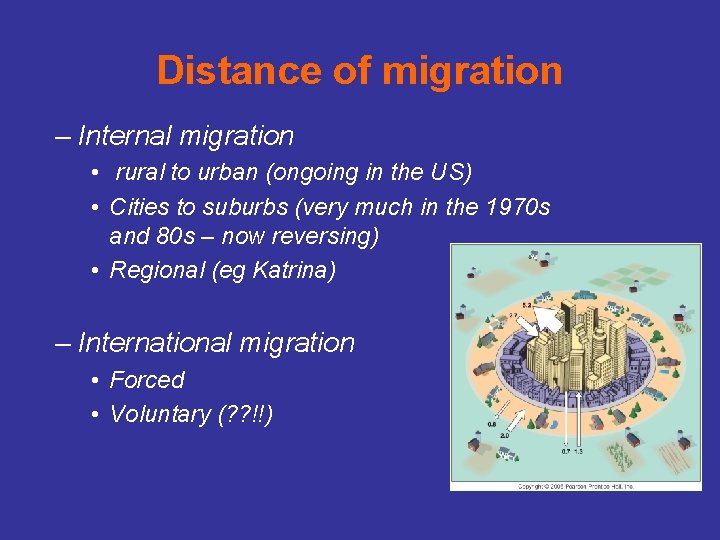
Distance of migration – Internal migration • rural to urban (ongoing in the US) • Cities to suburbs (very much in the 1970 s and 80 s – now reversing) • Regional (eg Katrina) – International migration • Forced • Voluntary (? ? !!)
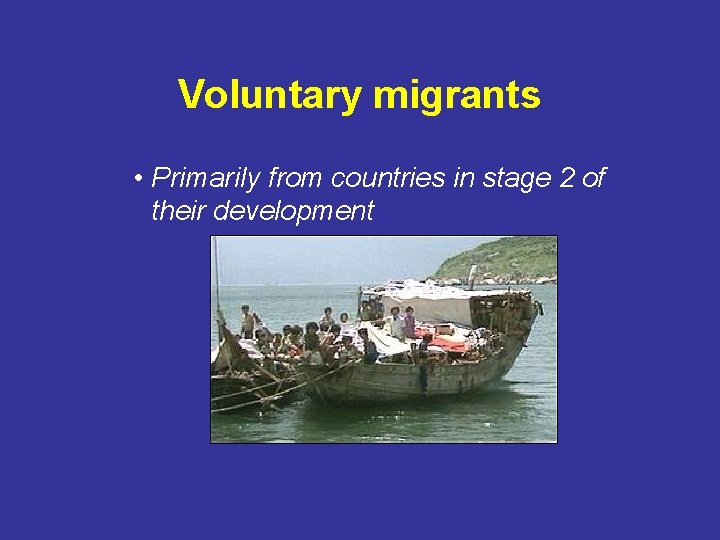
Voluntary migrants • Primarily from countries in stage 2 of their development
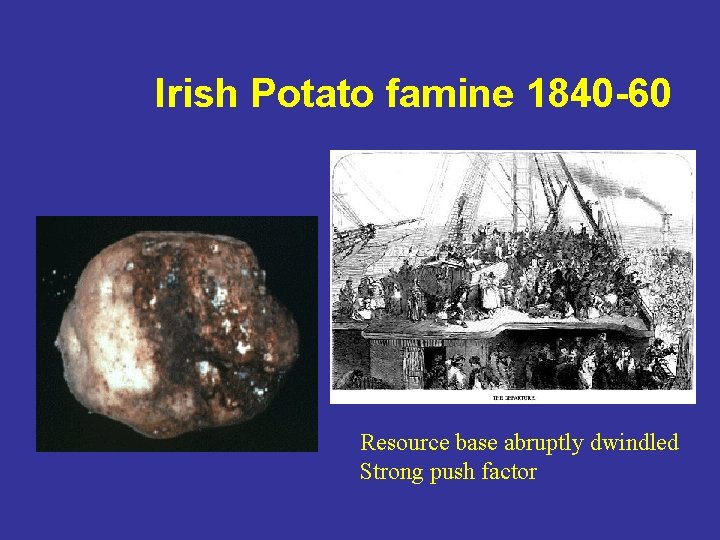
Irish Potato famine 1840 -60 Resource base abruptly dwindled Strong push factor
Characteristics of migrants* Gender • Largely males looking for work • But change to this pattern over time, and with reason, for the migrants leaving their home country Age and education • Young adults • less well-educated. Do you agree? * According to Ravenstein, 1885 “The Laws of Migration”
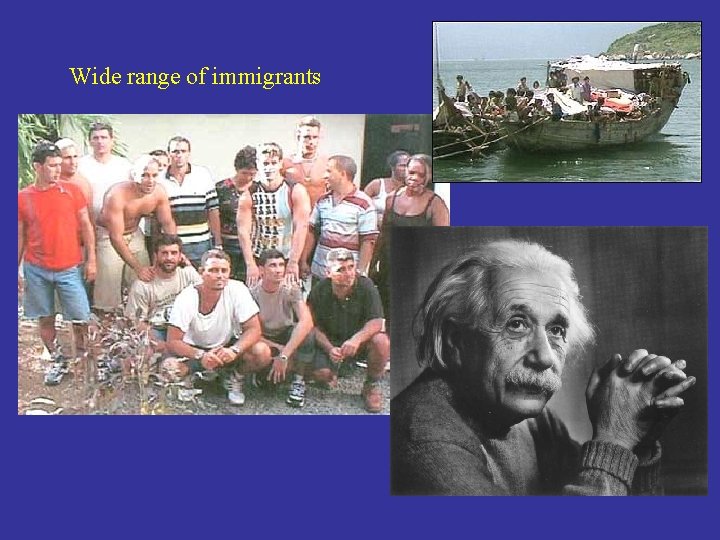
In reality … • Characteristics – Many poor, uneducated, unskilled – Often enterprising, working age looking for opportunity – Many also highly educated and skilled (brain drain)
Wide range of immigrants
Segment of NASA JPL phone book Abakians, Henry Abarientos, Jason Abbey, William J. Abbod, Mike G. Abbott, Elsa A. Abbott, Tracey S. Abdou, Wedad A. Abdul-Malik, Rukiah S. Abdus-Samad, Anwar J Abeyta, Pedro L. Abid, Mohamed M. Abilleira, Fernando Abohebeish, Eman Abraham, Douglas S. Abraham, John Abrahamian, Tomik Abrahamy, Ezra R. Abrami, Arbi Abramovici, Alexander
Refugees – Geneva convention Under the 1951 Convention on Refugees and the 1967 Protocol, a nation must grant asylum to refugees and cannot forcibly return refugees to their nations of origin. – Refugee (definition? ) – Asylum (definition? )
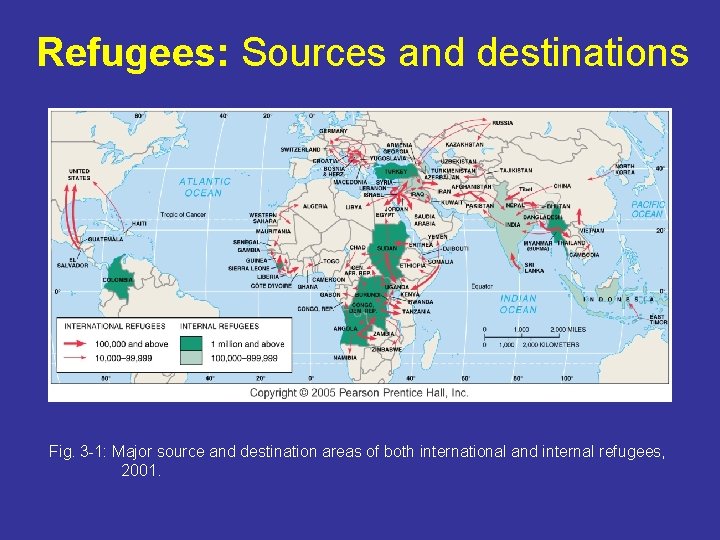
Refugees: Sources and destinations Fig. 3 -1: Major source and destination areas of both international and internal refugees, 2001.
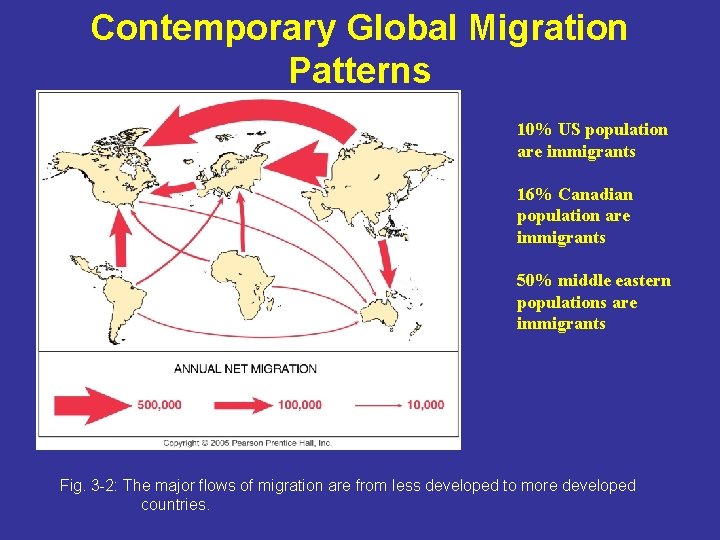
Contemporary Global Migration Patterns 10% US population are immigrants 16% Canadian population are immigrants 50% middle eastern populations are immigrants Fig. 3 -2: The major flows of migration are from less developed to more developed countries.
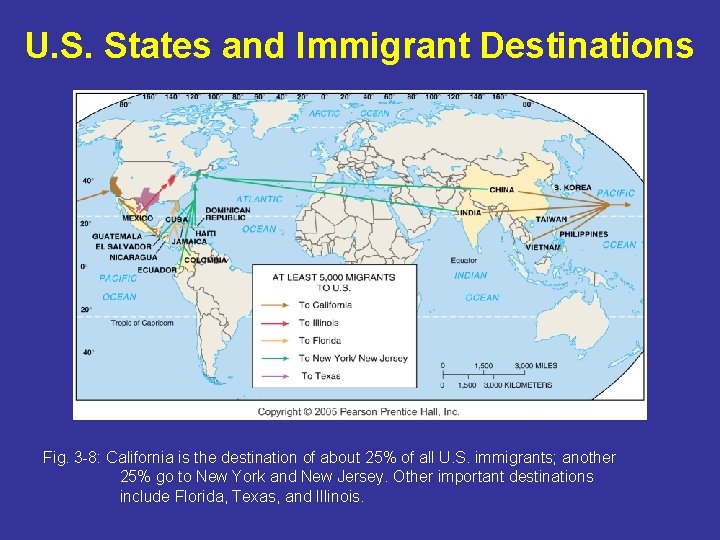
U. S. States and Immigrant Destinations Fig. 3 -8: California is the destination of about 25% of all U. S. immigrants; another 25% go to New York and New Jersey. Other important destinations include Florida, Texas, and Illinois.
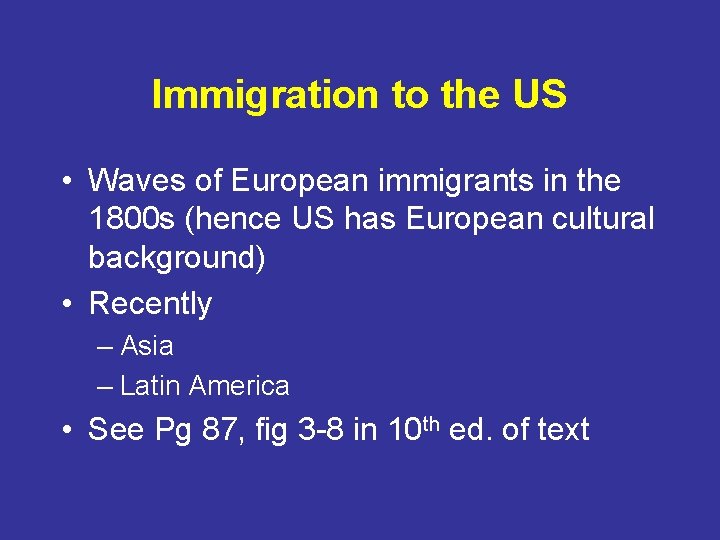
Immigration to the US • Waves of European immigrants in the 1800 s (hence US has European cultural background) • Recently – Asia – Latin America • See Pg 87, fig 3 -8 in 10 th ed. of text
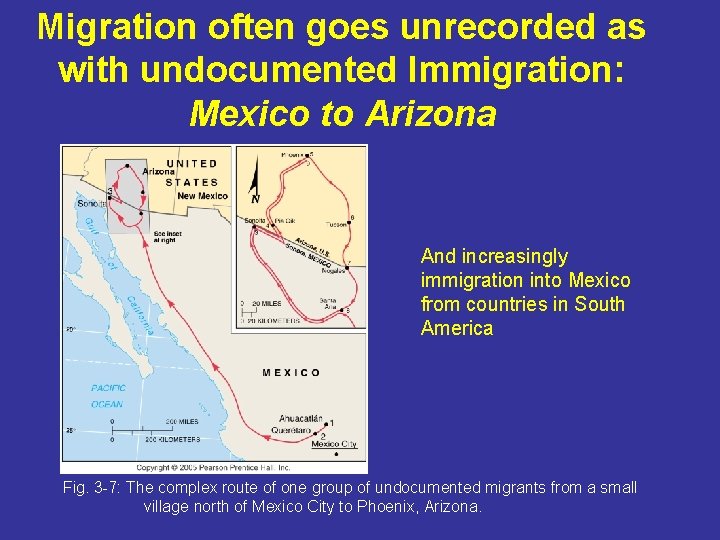
Migration often goes unrecorded as with undocumented Immigration: Mexico to Arizona And increasingly immigration into Mexico from countries in South America Fig. 3 -7: The complex route of one group of undocumented migrants from a small village north of Mexico City to Phoenix, Arizona.
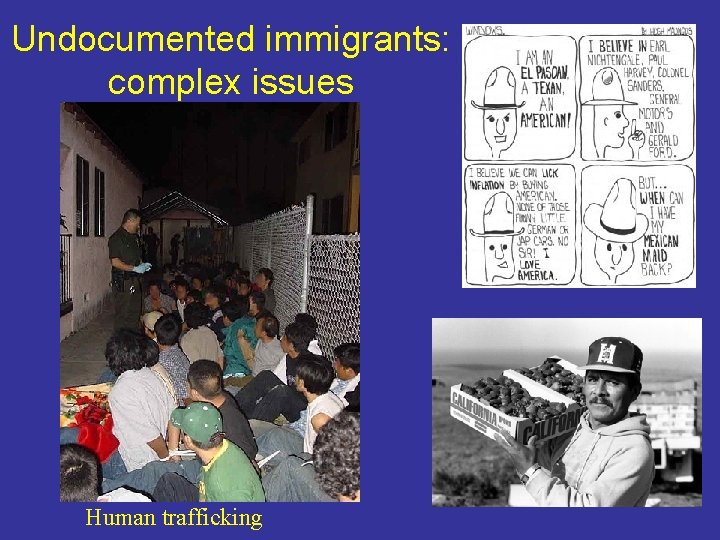
Undocumented immigrants: complex issues Human trafficking
Undocumented migrants in the USA • Why are migrants undocumented? • What happens if there a lot of undocumented migrants? • What happens if all of a sudden there are only 1% of current numbers of immigrants?
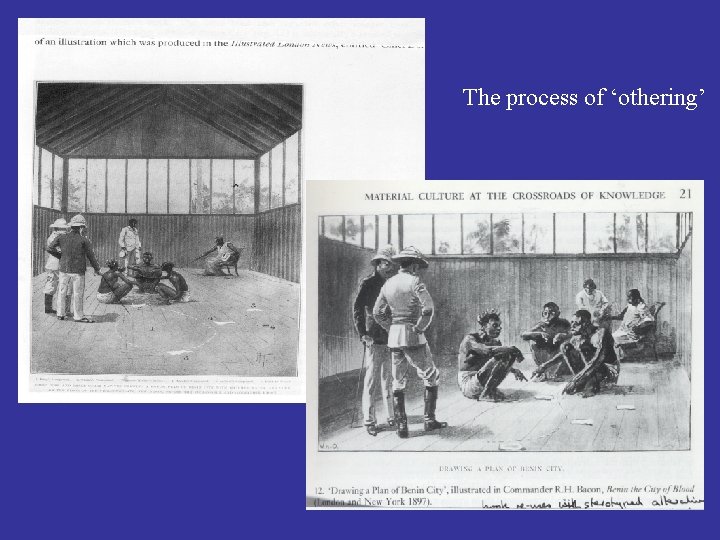
Issues facing Migrants (documented and otherwise) – – – Language Awareness of rights Culture shock Attitudes to immigrants Living away from families and culture Scapegoats for unemployment and crimes • Othering as a process resulting in discrimination • Other?
Refugees • Refugees – 1951 Geneva convention defines a refugee as “A person who is outside his/her country of nationality or habitual residence; has a well-founded fear of persecution because of his/her race, religion, nationality, membership in a particular social group or political opinion; and is unable or unwilling to avail himself/herself of the protection of that country, or to return there, for fear of persecution. ” – Somali refugees in Kenya from Al. Jazeera English http: //www. youtube. com/watch? v=w 2 j 2 S 78 p. Tck – Voice of America story on Iraqi refugees http: //www. youtube. com/watch? v=DZ-7 Xw. O 4 Rm. Y
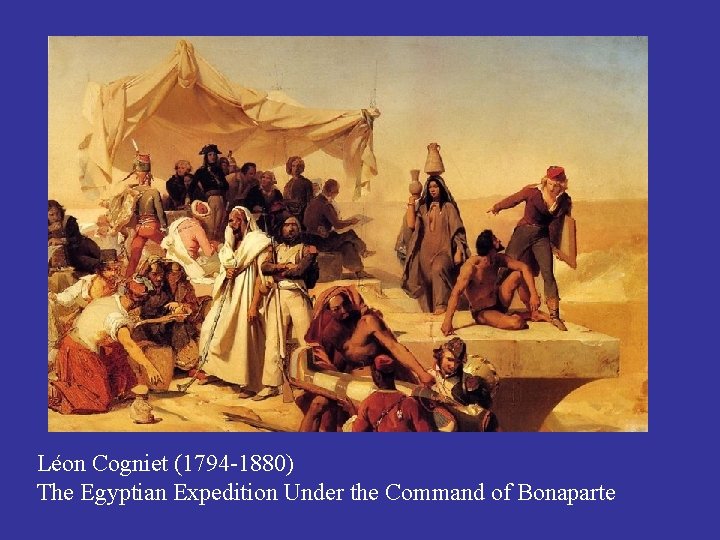
The process of ‘othering’
Léon Cogniet (1794 -1880) The Egyptian Expedition Under the Command of Bonaparte
Further issues – Remittances (vs. foreign aid) – “Compassion fatigue” – Approaches: USA “Melting pot” or Canadian “cultural mosaic”?
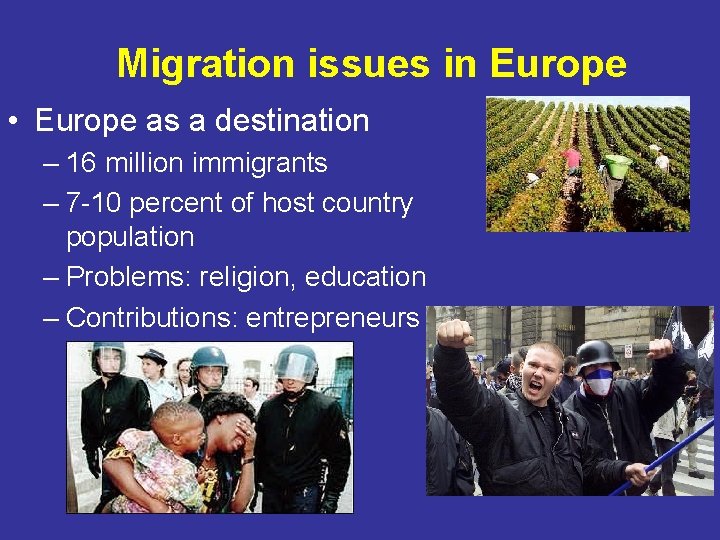
Migration issues in Europe • Europe as a destination – 16 million immigrants – 7 -10 percent of host country population – Problems: religion, education – Contributions: entrepreneurs
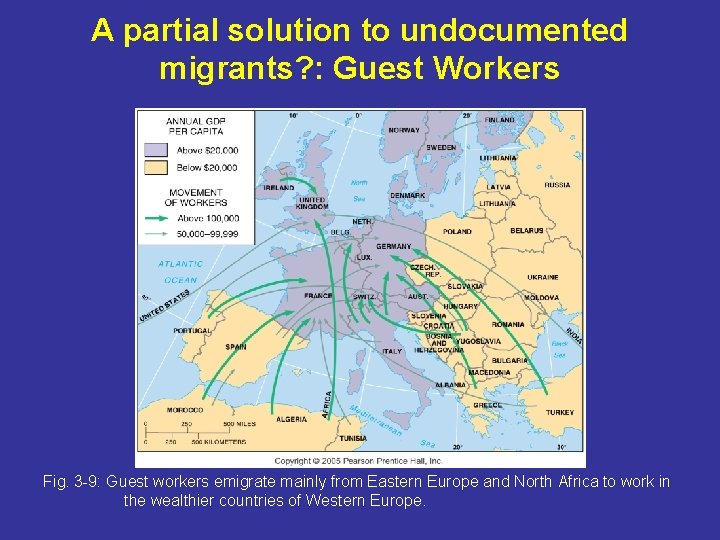
A partial solution to undocumented migrants? : Guest Workers Fig. 3 -9: Guest workers emigrate mainly from Eastern Europe and North Africa to work in the wealthier countries of Western Europe.