
An introduction to Global Citizenship Education Lizzy Noone
An introduction to Global Citizenship Education Lizzy Noone St Louis SS Carrickmacross 26 th of October, 2018
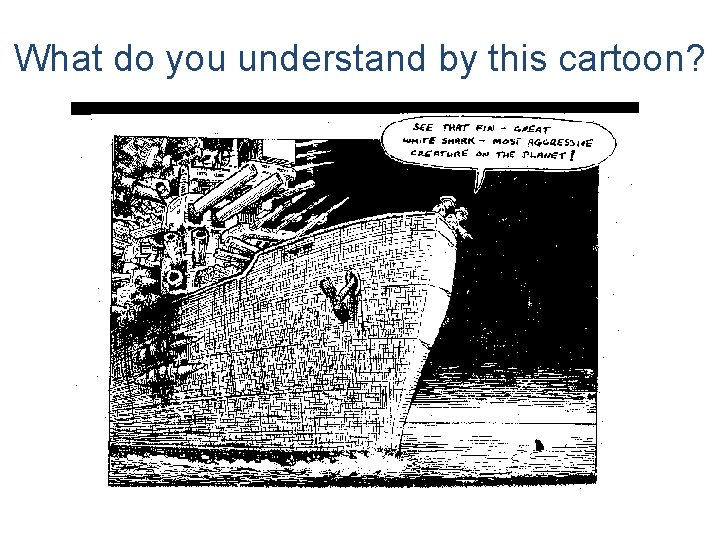
What do you understand by this cartoon?
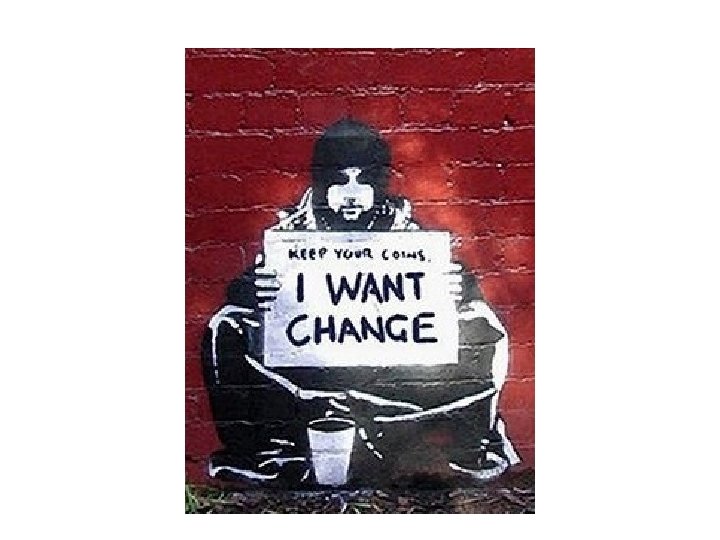
Agree or Disagree o Global Citizenship Education is providing school books for children in poor countries o Global Citizenship Education is fundraising for a project o GCE is about making students understand how lucky they are
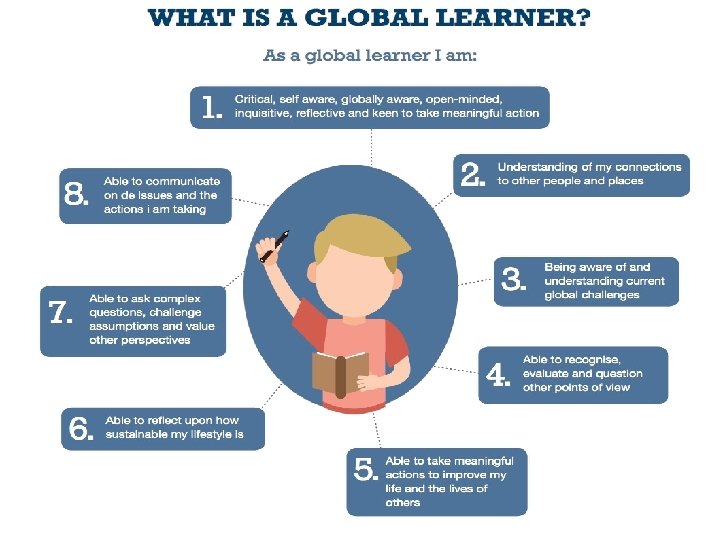
What is Global Citizenship Education? Irish Aid define GCE as: “an educational process aimed at increasing awareness and understanding of the rapidly changing, interdependent and unequal world in which we live”
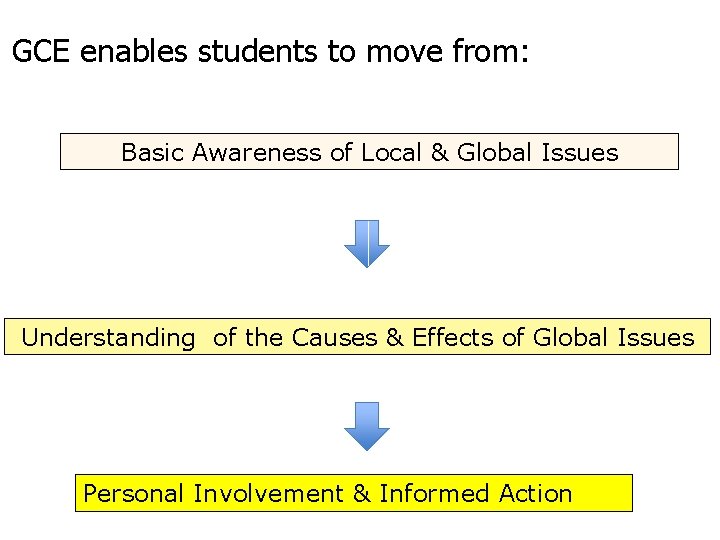
GCE enables students to move from: Basic Awareness of Local & Global Issues Understanding of the Causes & Effects of Global Issues Personal Involvement & Informed Action
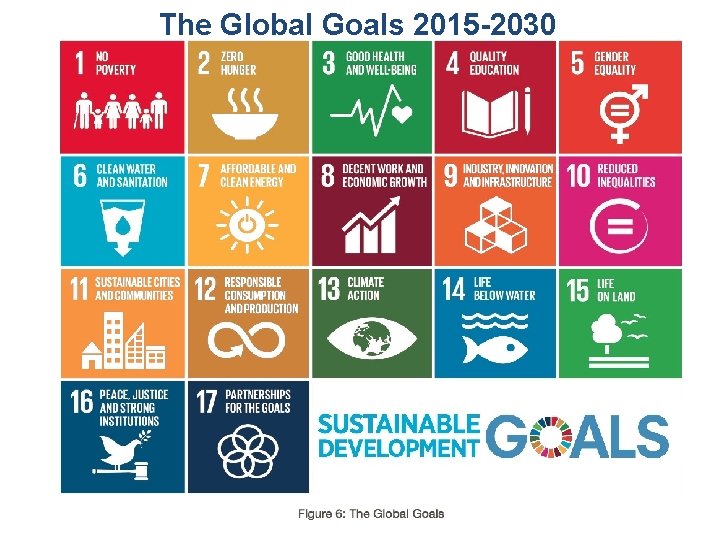
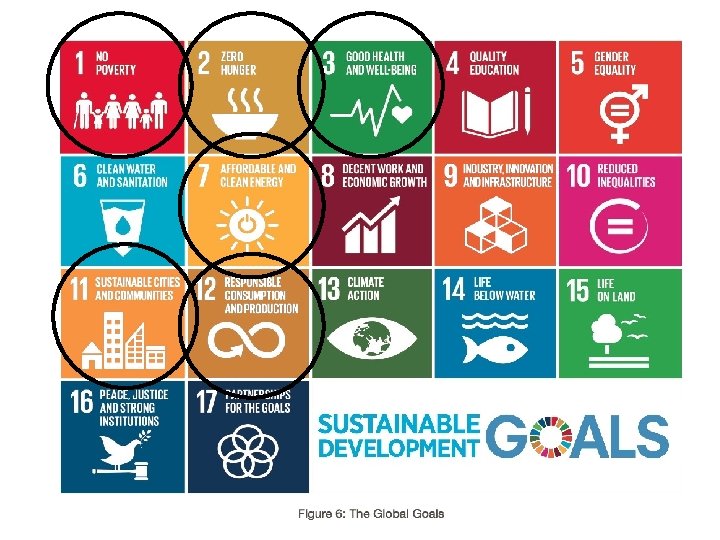
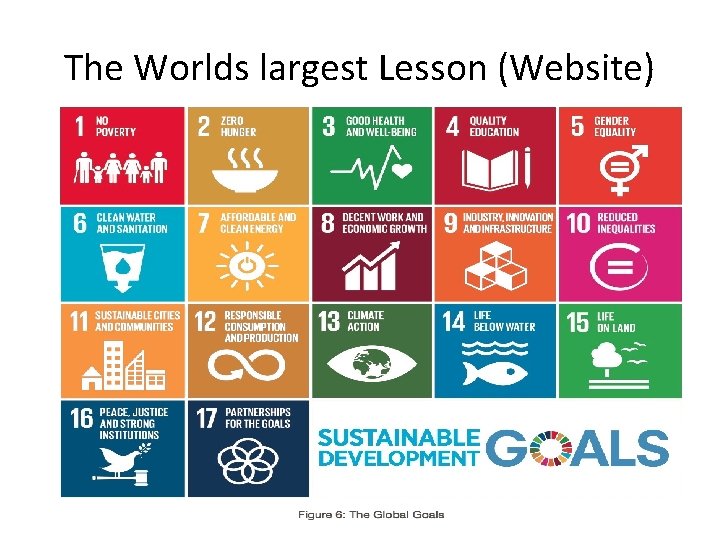
The Global Goals 2015 -2030
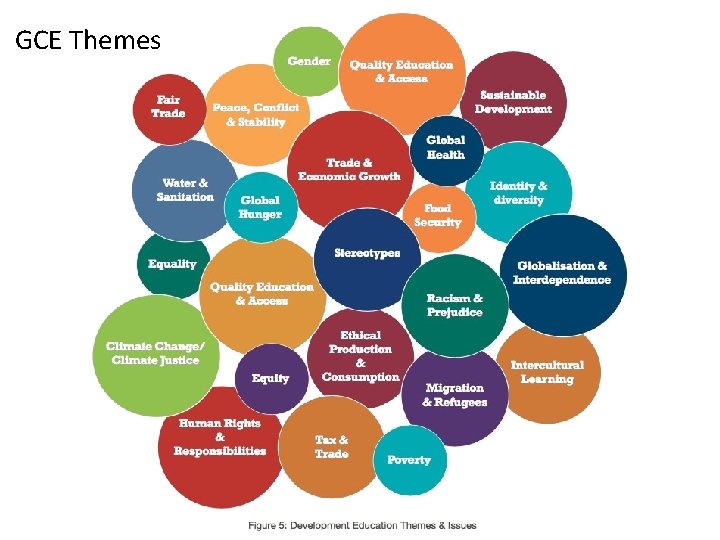
GCE Themes
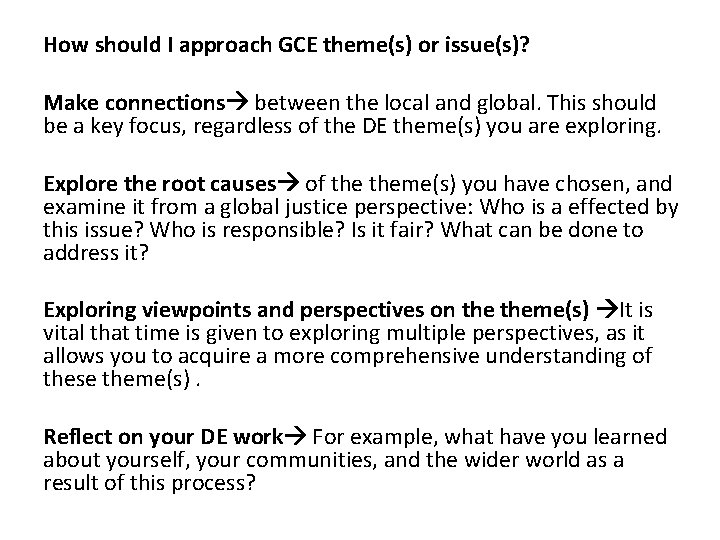
How should I approach GCE theme(s) or issue(s)? Make connections between the local and global. This should be a key focus, regardless of the DE theme(s) you are exploring. Explore the root causes of theme(s) you have chosen, and examine it from a global justice perspective: Who is a effected by this issue? Who is responsible? Is it fair? What can be done to address it? Exploring viewpoints and perspectives on theme(s) It is vital that time is given to exploring multiple perspectives, as it allows you to acquire a more comprehensive understanding of these theme(s). Reflect on your DE work For example, what have you learned about yourself, your communities, and the wider world as a result of this process?
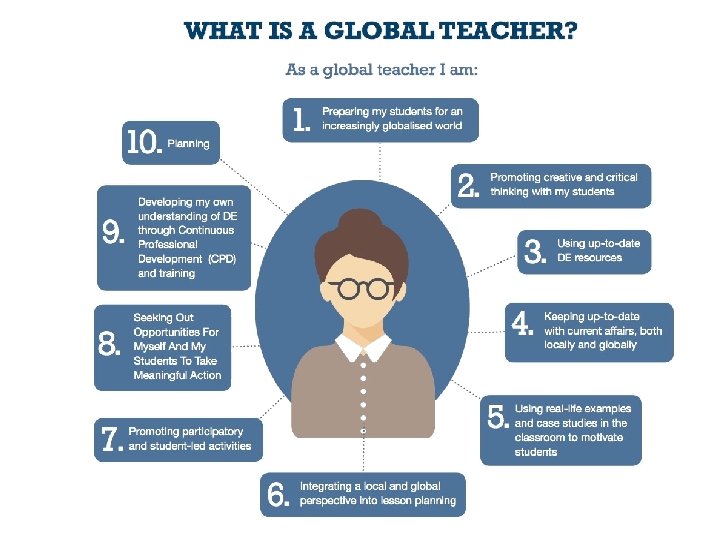
Finding the Global Citizenship Education Nuggets in your Subject The idea is not to rewrite every lesson that you teach, but simply to be aware of where you can make GCE connections.
Home Economics & Global Citizenship Education…what is the link?
Home Economics and Global Citizenship…what is the link? • Home economics play a key role in this ever-changing, interdependent world house, called the global community • Home economics serve a unique bridging role between households and other sectors of society • The purpose of the subject is to empower individuals and families and to equip them in dealing with their world, to cope and to function with given situations • Home economics has a role in contributing to the solutions, not adding to the problems (i. e local or global issues)
• Home economics educators have an opportunity to communicate the significance of creating and sustaining an improved quality of life for individuals and families from a global perspective • educator have a powerful influence on generations of individuals and families • Basic skills, such as consumer behavior, decision-making, problem- solving, and group interaction are the content of home economics curriculum, as well as the events and transactions of daily life
• Provide the ability to see the world as an interdependent system; to be aware of one's influence in the interactions of the world's system. The ability to perceive • the world as a single system to be aware of one's involvement in it; to act to influence the system • information, attitudes, awareness, and skills, which, taken together, can help us understand our world, how we affect it, and how it affects us
JUNIOR CYCLE
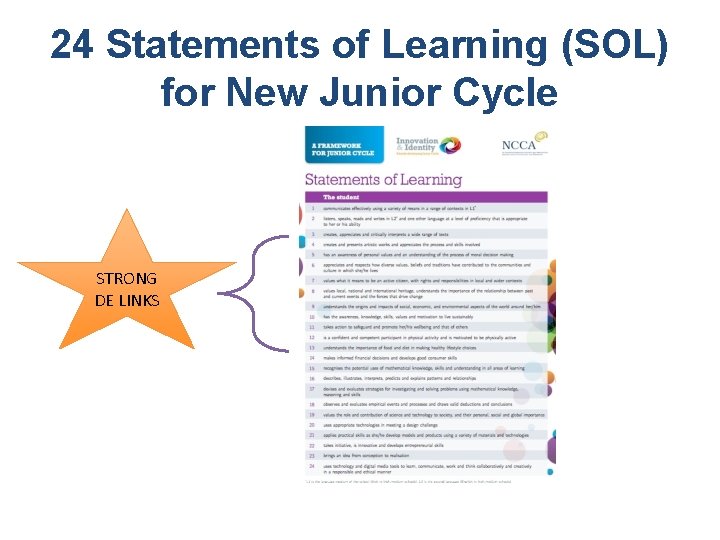
24 Statements of Learning (SOL) for New Junior Cycle STRONG DE LINKS
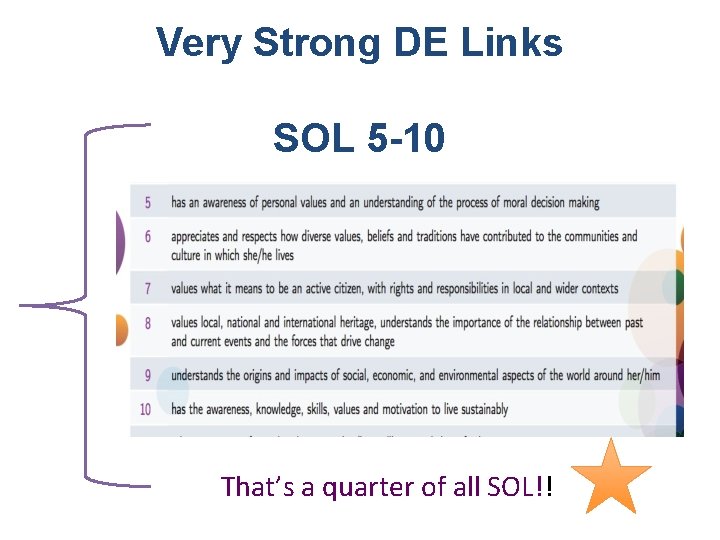
Very Strong DE Links SOL 5 -10 That’s a quarter of all SOL!!
Junior Cycle Home Economics Aim Home Economics aims to develop students’ knowledge, understanding, skills and competences to achieve optimal, healthy and sustainable living for every person as an individual, and as a member of families and society. Home Economics aims to develop students’ practical food and health literacy skills so that they are enabled to adopt a healthy lifestyle and make informed decisions that positively impact their health and wellbeing as individuals as well as within their families and society. It aims to cultivate students who are creative, innovative, adaptable and competent consumers. Home Economics aims to develop students who are environmentally conscious and dedicated to a sustainable and responsible way of life.
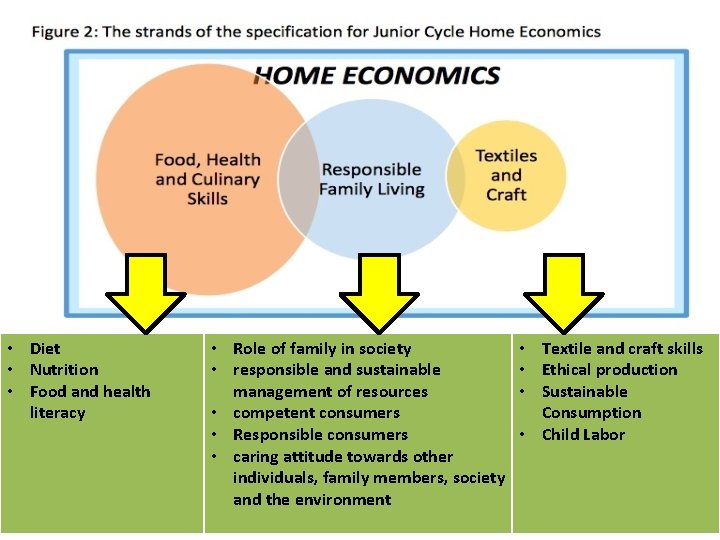
• Diet • Nutrition • Food and health literacy • Role of family in society • responsible and sustainable management of resources • competent consumers • Responsible consumers • caring attitude towards other individuals, family members, society and the environment • Textile and craft skills • Ethical production • Sustainable Consumption • Child Labor
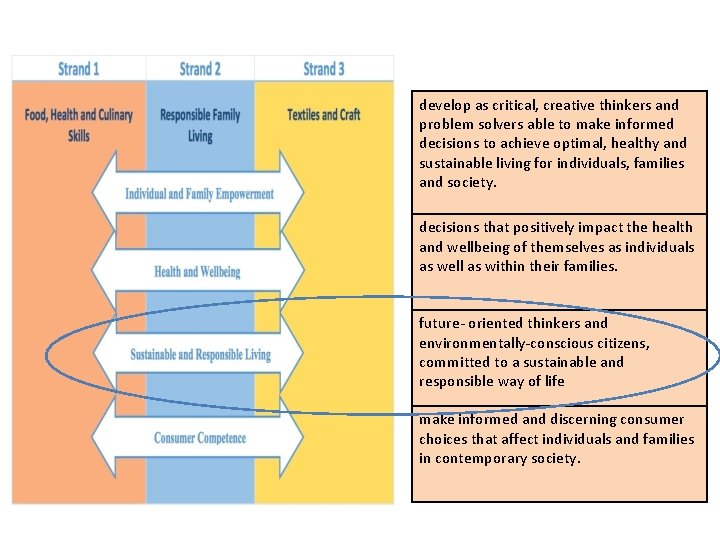
develop as critical, creative thinkers and problem solvers able to make informed decisions to achieve optimal, healthy and sustainable living for individuals, families and society. decisions that positively impact the health and wellbeing of themselves as individuals as well as within their families. future- oriented thinkers and environmentally-conscious citizens, committed to a sustainable and responsible way of life make informed and discerning consumer choices that affect individuals and families in contemporary society.
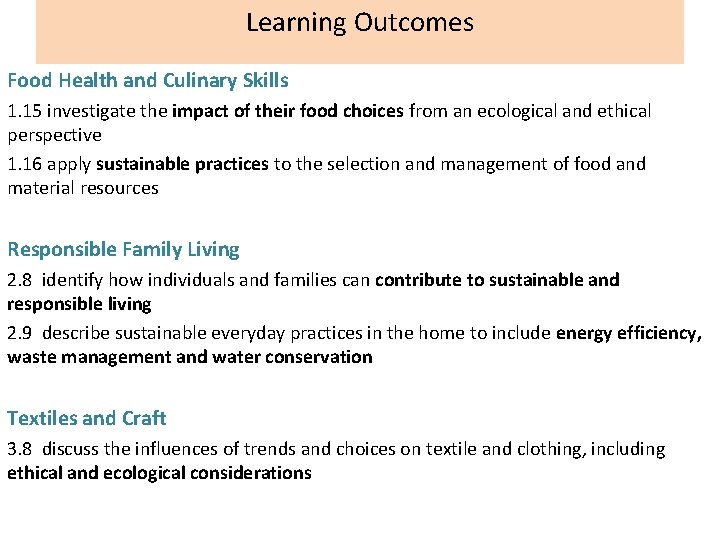
Learning Outcomes Food Health and Culinary Skills 1. 15 investigate the impact of their food choices from an ecological and ethical perspective 1. 16 apply sustainable practices to the selection and management of food and material resources Responsible Family Living 2. 8 identify how individuals and families can contribute to sustainable and responsible living 2. 9 describe sustainable everyday practices in the home to include energy efficiency, waste management and water conservation Textiles and Craft 3. 8 discuss the influences of trends and choices on textile and clothing, including ethical and ecological considerations
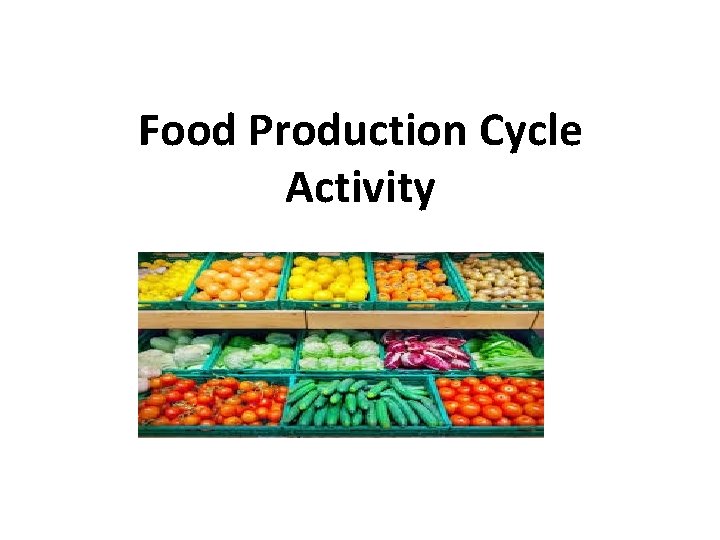
Food Production Cycle Activity
CBA 1 Creative Textiles Option 2: Recycle or upcycle a textile item for an individual or the home • Applying the design brief process and the principles of design and sustainability, students are asked to recycle or up-cycle a textile item for an individual or the home. • As part of the project, students will show evidence of: • • • Applying the design brief process Applying the principles of design and sustainability Using basic hand sewing and/or machine sewing techniques in the making of the product Fabric embellishment techniques (where applicable) Appropriate textile care and maintenance.
SENIOR CYCLE
Senior Cycle 1. FOOD STUDIES Food choices: Factors affecting food choices, to include: • culture, eating patterns, sensory aspects, nutritional awareness, health status, availability, finance, marketing and advertising Food Packaging: Packaging and materials used, to include: • evaluation of their suitability for • purpose and environmental impact
2. RESOURCE MANAGEMENT AND CONSUMER STUDIES Housing: Factors that determine individual and family housing choices, to include: socio-economic factors, national housing policy, trends in housing development, availability Consumer Responsibility of the consumer in informed decision-making, with regard to: • consumer information and rights • management of the environment, • to include use of renewable and non-renewable resources, recycling, pollution 3. SOCIAL STUDIES • The family in society
Electives Elective 1: HOME DESIGN AND MANAGEMENT The energy efficient home Elective 2: TEXTILES, FASHION, AND DESIGN Contemporary clothing and fashion Elective 3: SOCIAL STUDIES Education : Equality of opportunity in education, with reference to gender inequity, socio-economic status etc. Poverty: • The extent and distribution of poverty in Ireland today and identification of those groups at risk of poverty • Reasons why poverty continues to be a feature of modern western society
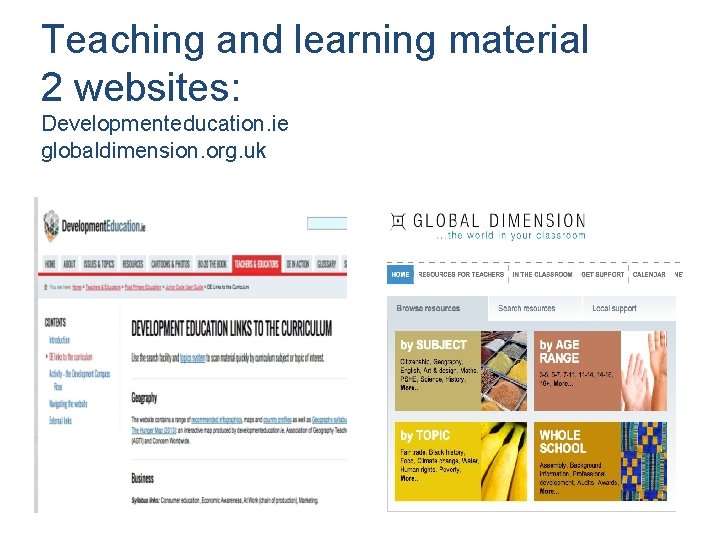
Teaching and learning material 2 websites: Developmenteducation. ie globaldimension. org. uk
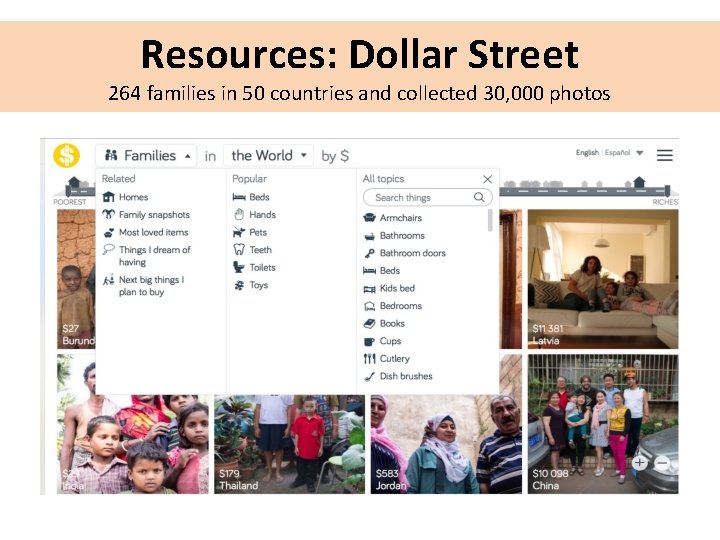
Resources: Dollar Street 264 families in 50 countries and collected 30, 000 photos
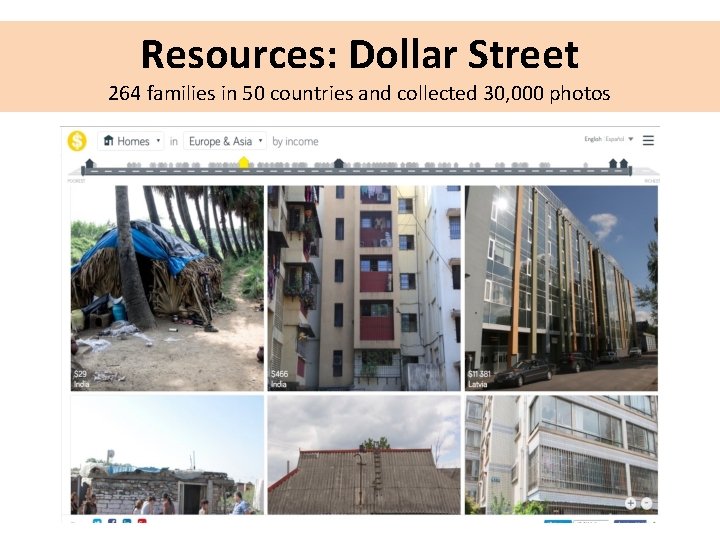
Resources: Dollar Street 264 families in 50 countries and collected 30, 000 photos
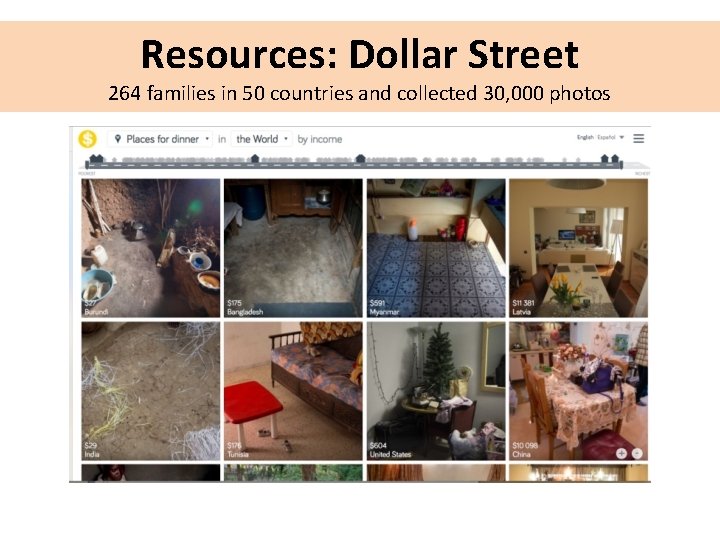
Resources: Dollar Street 264 families in 50 countries and collected 30, 000 photos
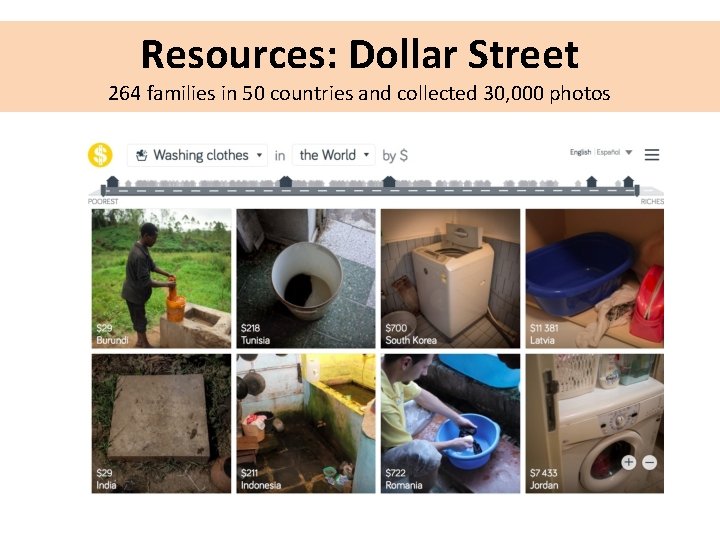
Resources: Dollar Street 264 families in 50 countries and collected 30, 000 photos
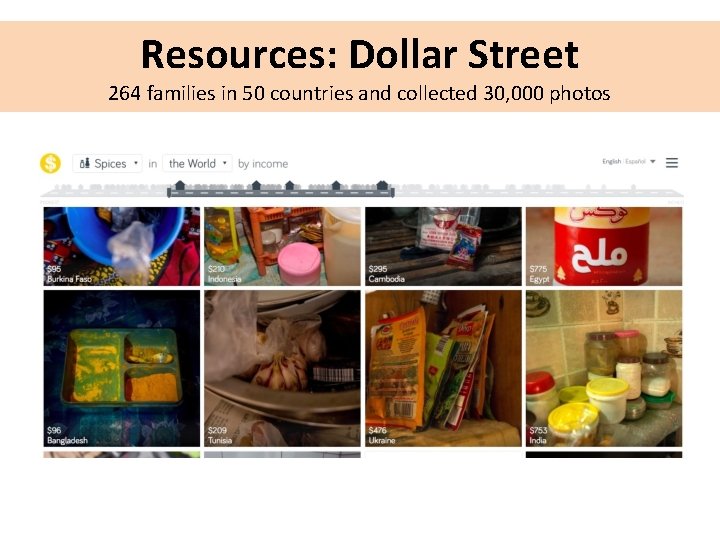
Resources: Dollar Street 264 families in 50 countries and collected 30, 000 photos
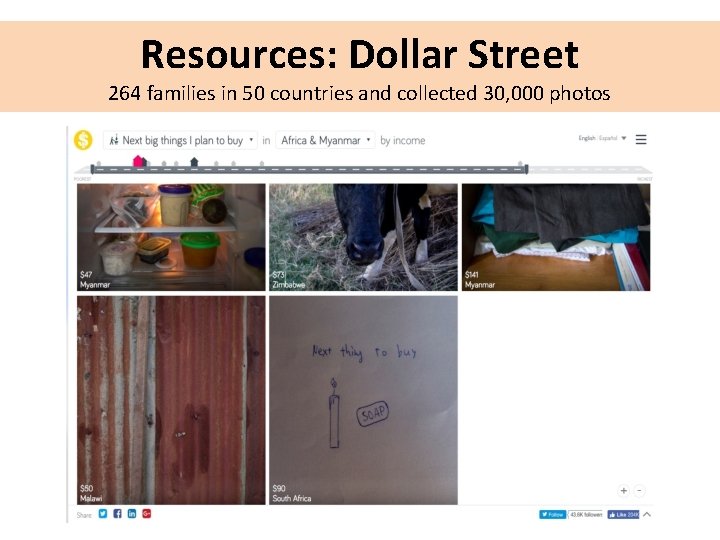
Resources: Dollar Street 264 families in 50 countries and collected 30, 000 photos
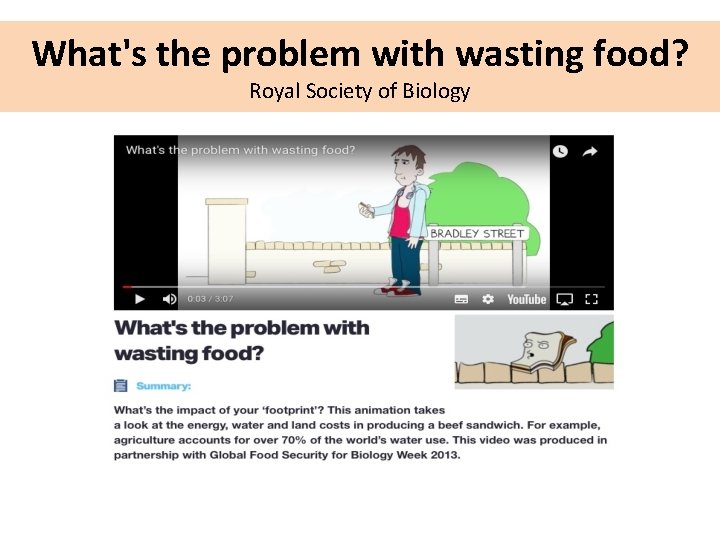
What's the problem with wasting food? Royal Society of Biology
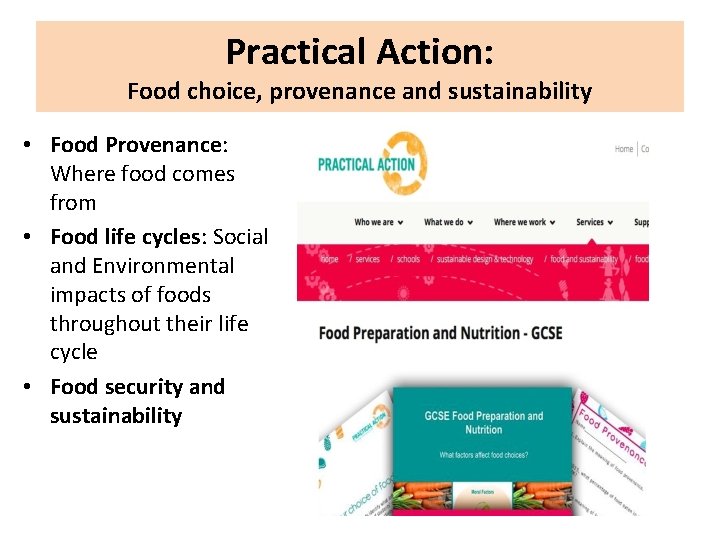
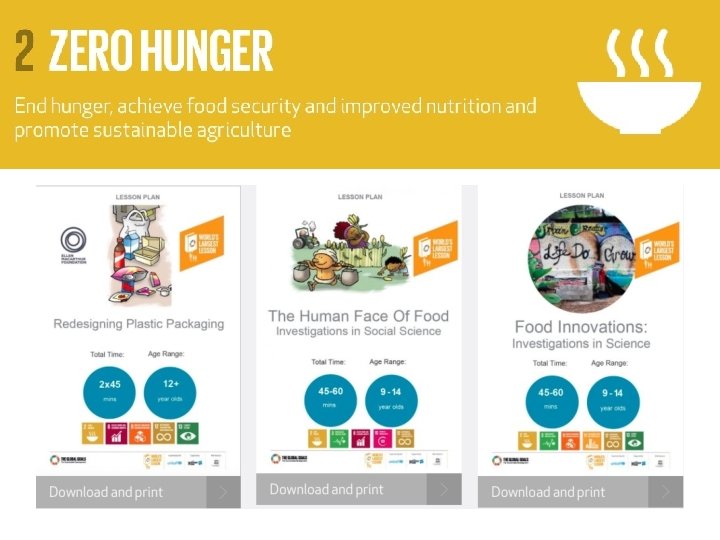
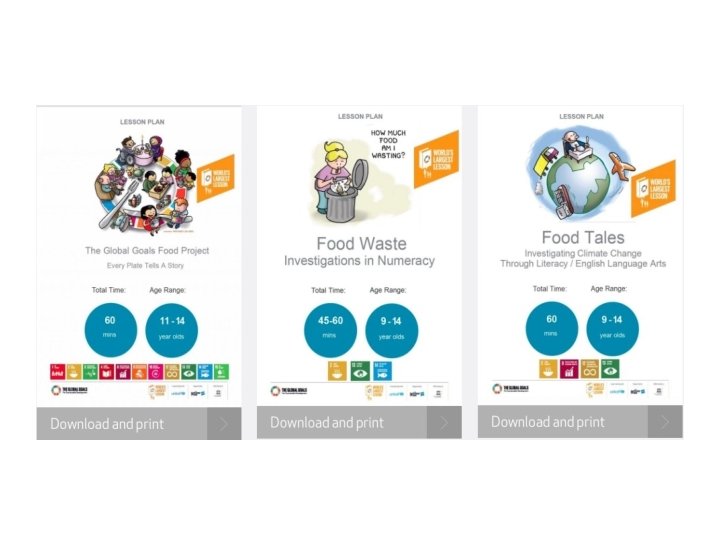
Practical Action: Food choice, provenance and sustainability • Food Provenance: Where food comes from • Food life cycles: Social and Environmental impacts of foods throughout their life cycle • Food security and sustainability
Taking Action: Rank the different actions!
The Worlds largest Lesson (Website)
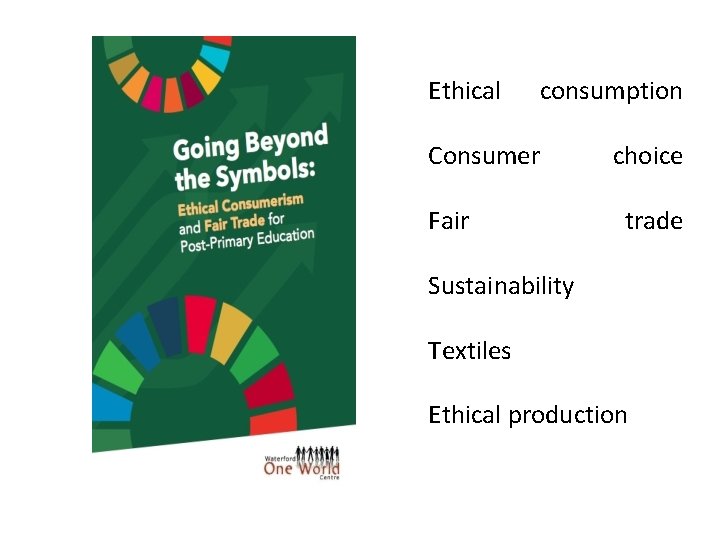
Ethical consumption Consumer Fair choice trade Sustainability Textiles Ethical production
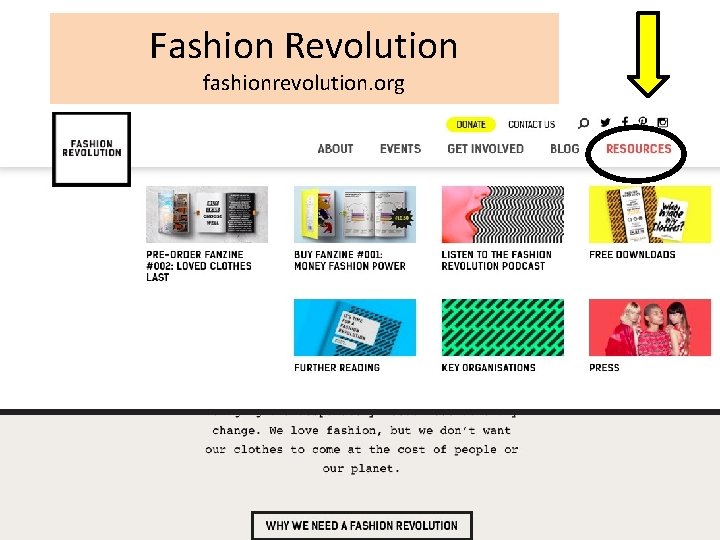
Fashion Revolution fashionrevolution. org
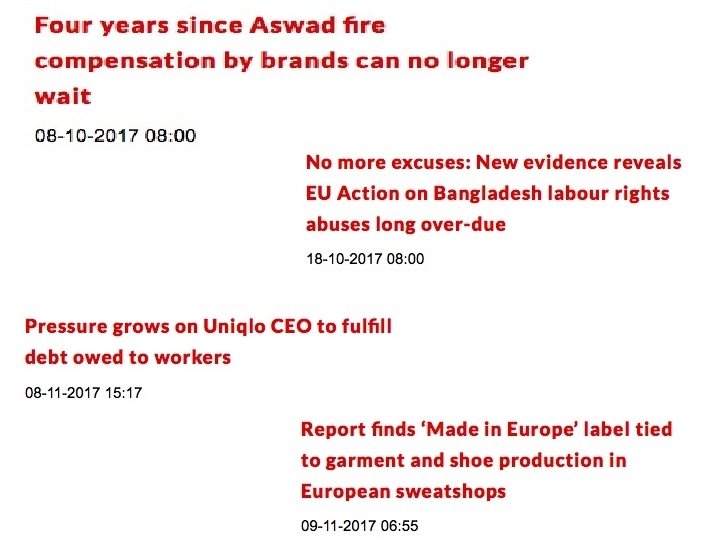
Fashion/Textiles
Biology 1. 3: Nutrition 1. 3. 1 Function of food • Compare consumption patterns and calorie intake in different regions/countries • Discuss causes of unequal access to health and nutrition 1. 4 Ecology: 1. 4. 9 Human impact on an ecosystem: • Pollution, Conservation, Waste management - importance of waste minimisation • Pollution: The ecological impact of one human activity 1. 4. 12 Population dynamics Movement of populations for food availability to more abundant locations. The effect on the human population of: • War • Famine • Disease
Large community of NGOs involved in Post. Primary GCE in Ireland
Facebook: World. Wise Global Schools
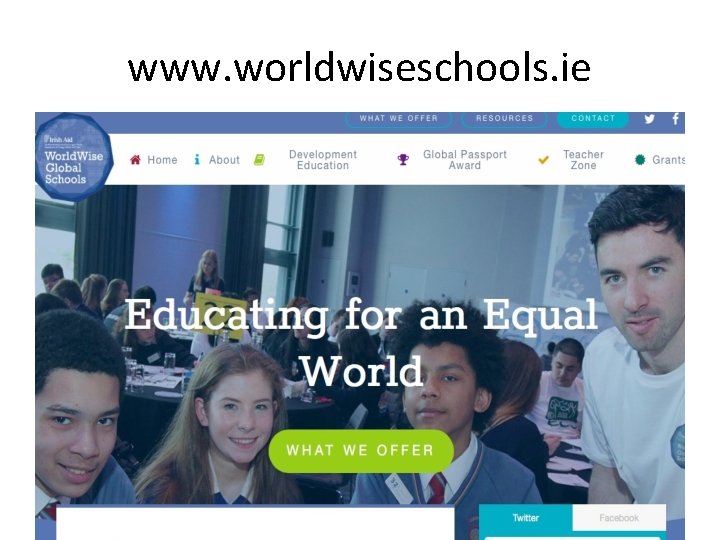
www. worldwiseschools. ie
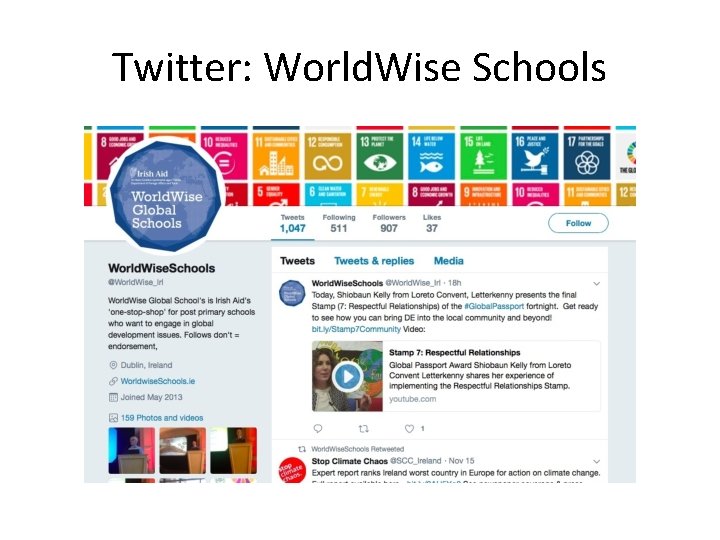
Twitter: World. Wise Schools
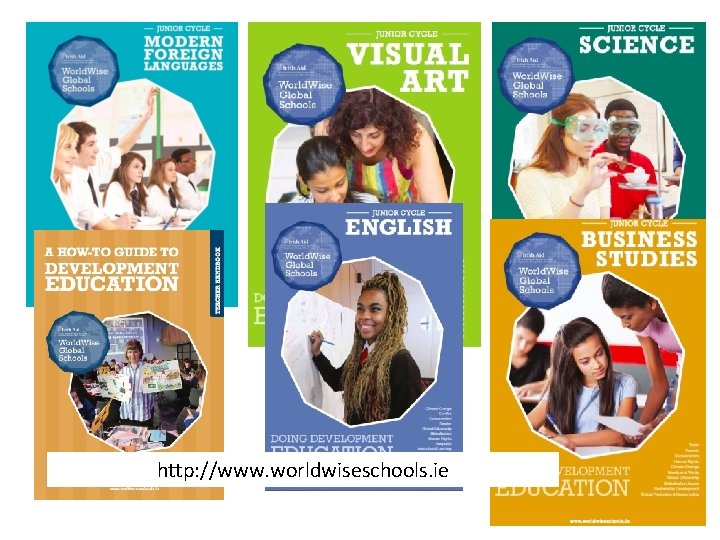
http: //www. worldwiseschools. ie
- Slides: 55