
AN INTRODUCTION TO ANATOMY SKIN FASCIA MUSCLES VESSELS

- Slides: 34
AN INTRODUCTION TO ANATOMY
SKIN, FASCIA, MUSCLES, VESSELS Objectives: 1. Distinguish the two layers of the skin & its appendages 2. Note how skin changes over different body parts & relate it to tension lines. 3. Distinguish the two types of fascia 4. Identify the types of muscles 5. Identify the parts of a skeletal muscle & how to study it/Compare smooth to skeletal muscles 6. Distinguish arteries from veins & capillaries 7. Understand lymph formation & circulation
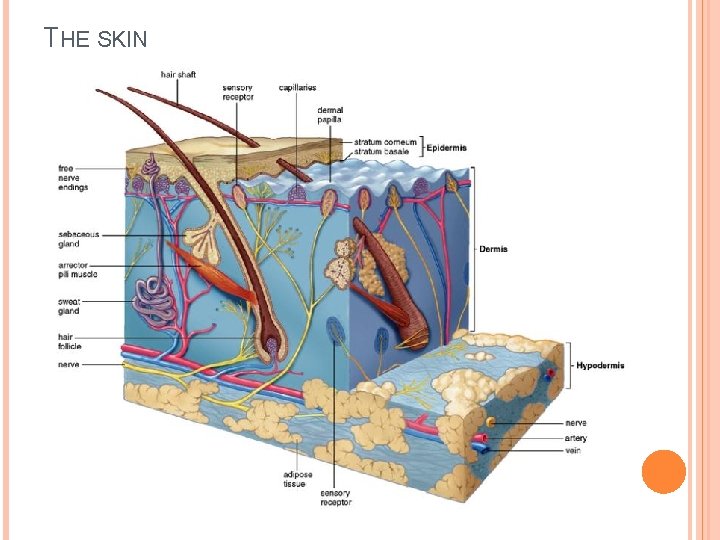
THE SKIN
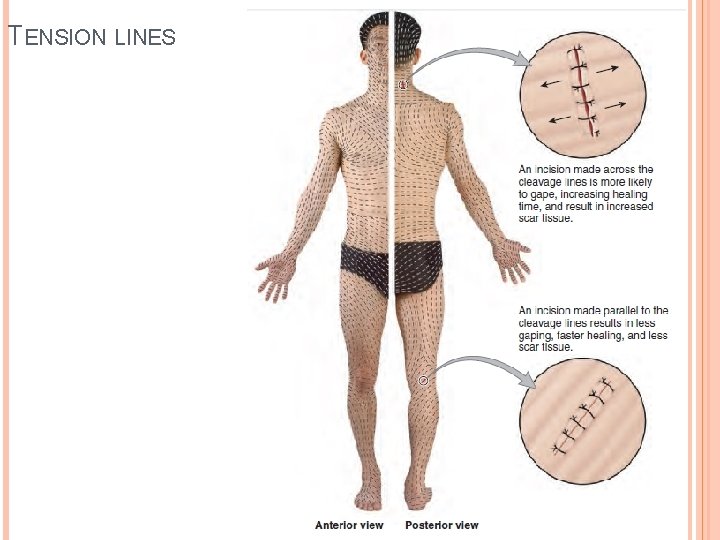
TENSION LINES
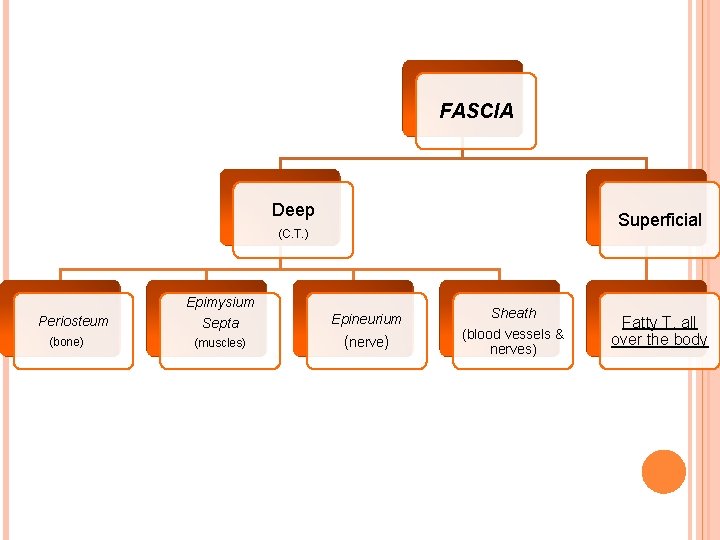
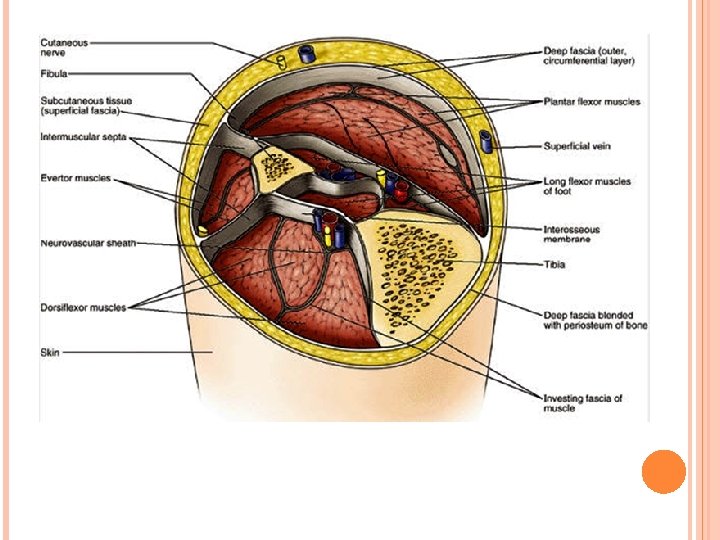
FASCIA Deep Superficial (C. T. ) Epimysium Periosteum (bone) Septa Epineurium (muscles) (nerve) Sheath (blood vessels & nerves) Fatty T. all over the body
MUSCLE TYPES
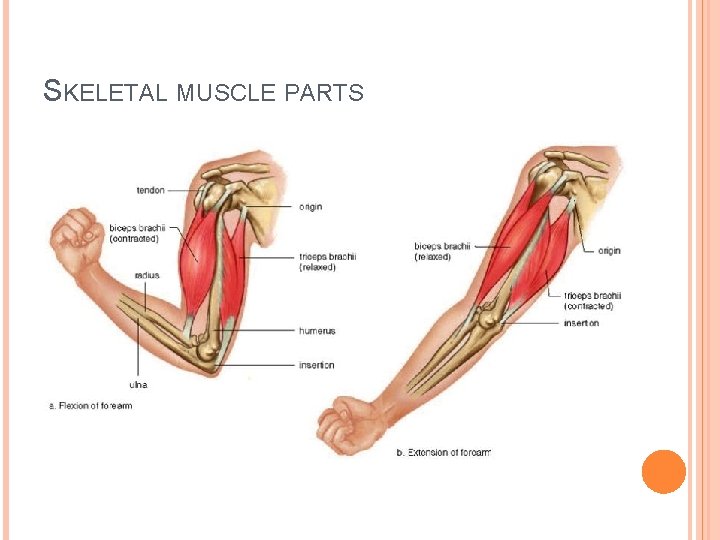
SKELETAL MUSCLE PARTS
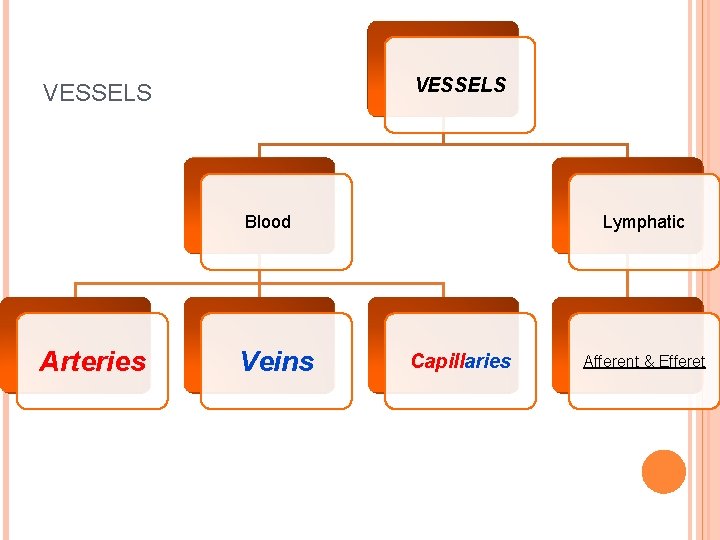
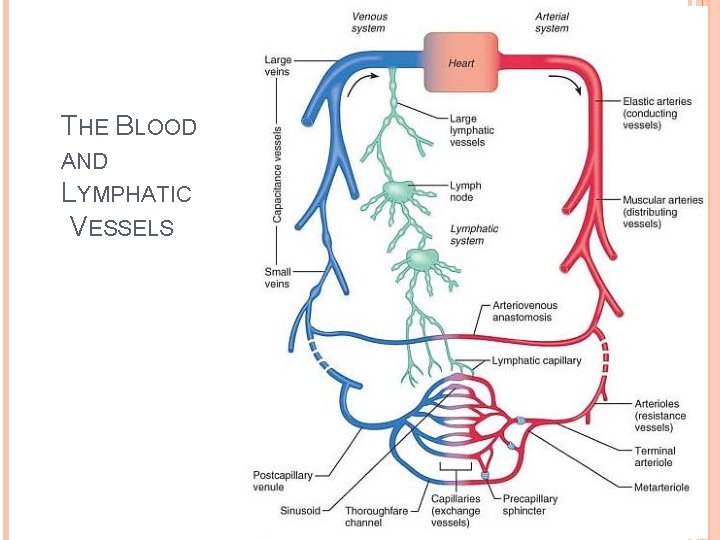
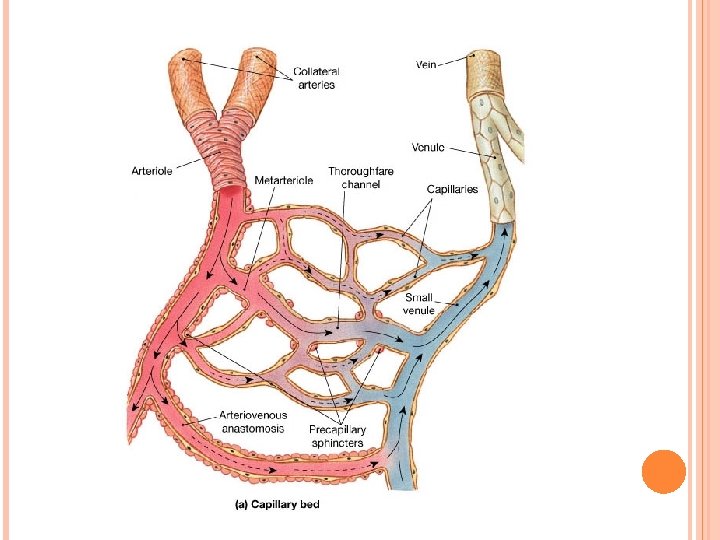
VESSELS Blood Arteries Veins Lymphatic Capillaries Afferent & Efferet
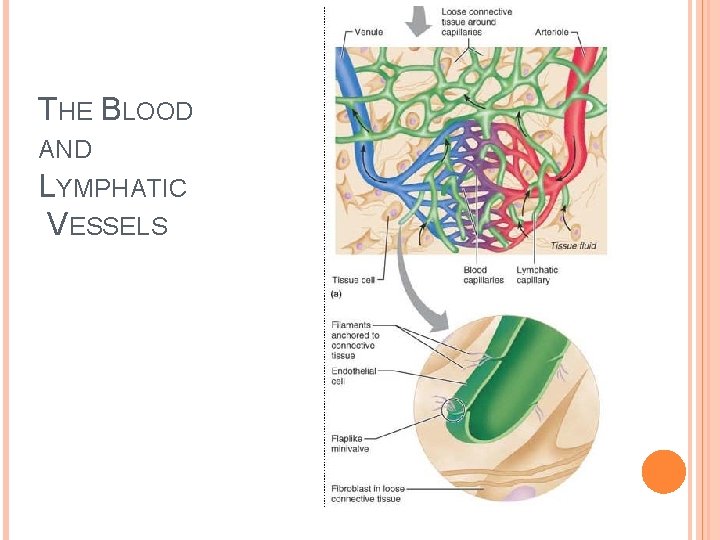
THE BLOOD AND LYMPHATIC VESSELS
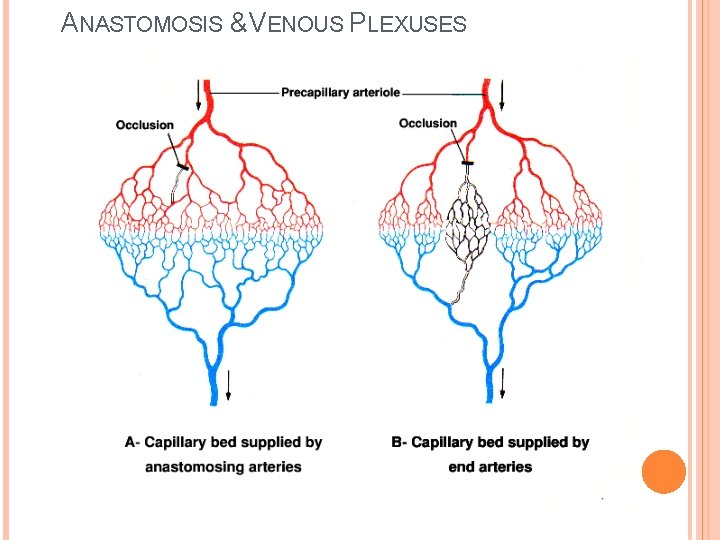
ANASTOMOSIS & VENOUS PLEXUSES
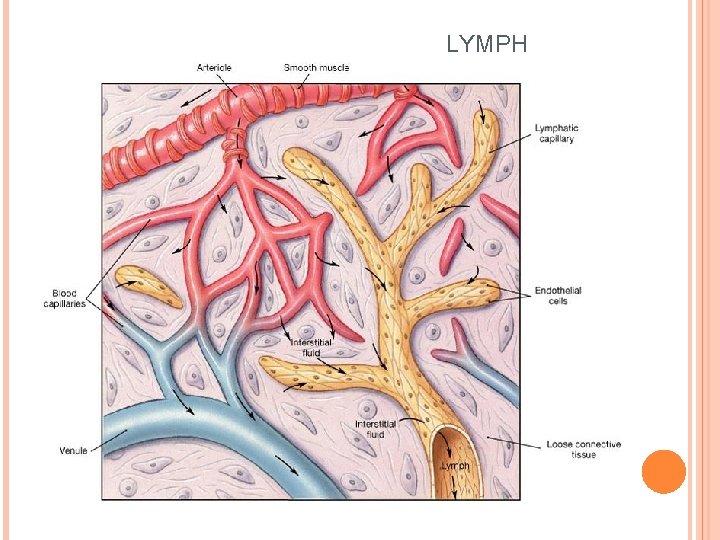
LYMPH
THE BLOOD AND LYMPHATIC VESSELS
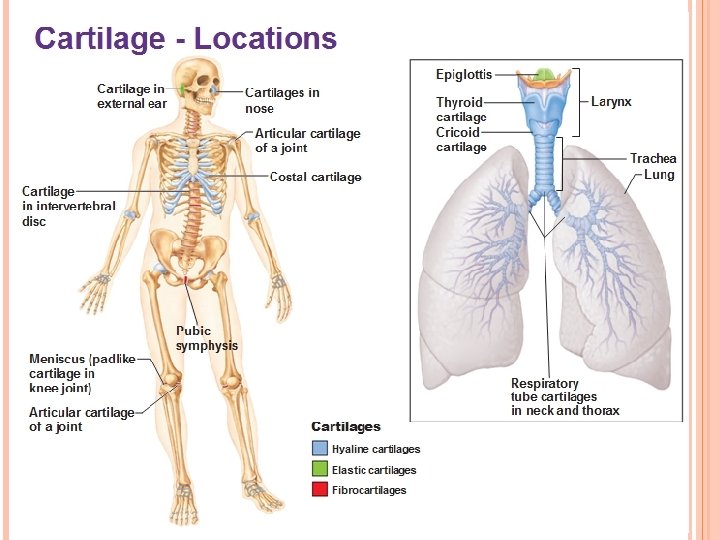
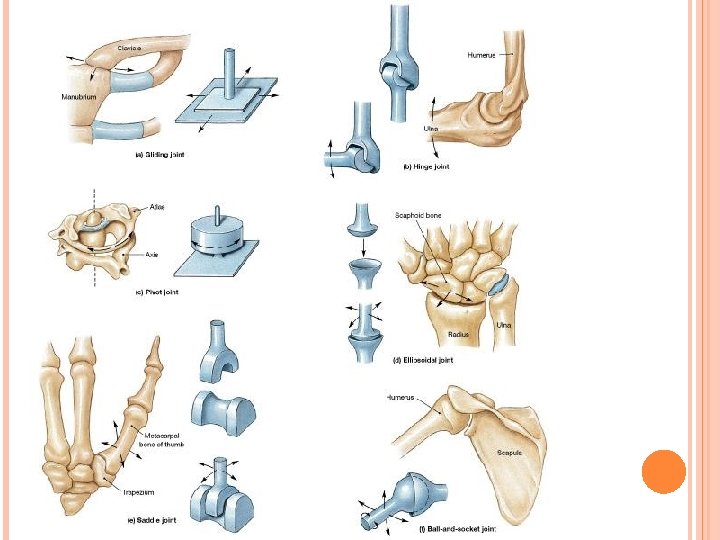
BONES & JOINTS Objectives: 1. Identify the anatomical & histological types of bone 2. Identify the types of cartilage 3. Divide the skeleton into its major parts 4. Define a joint & its major types 5. Identify the types of synovial joints, factors that affect their stability & the movements they perform
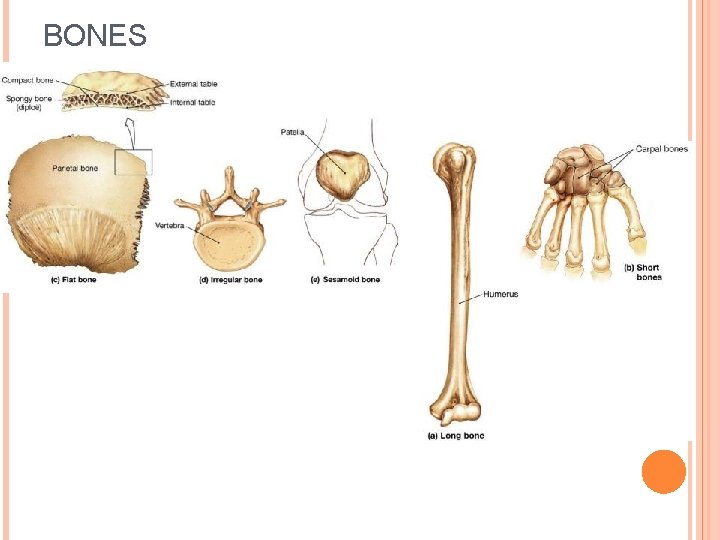
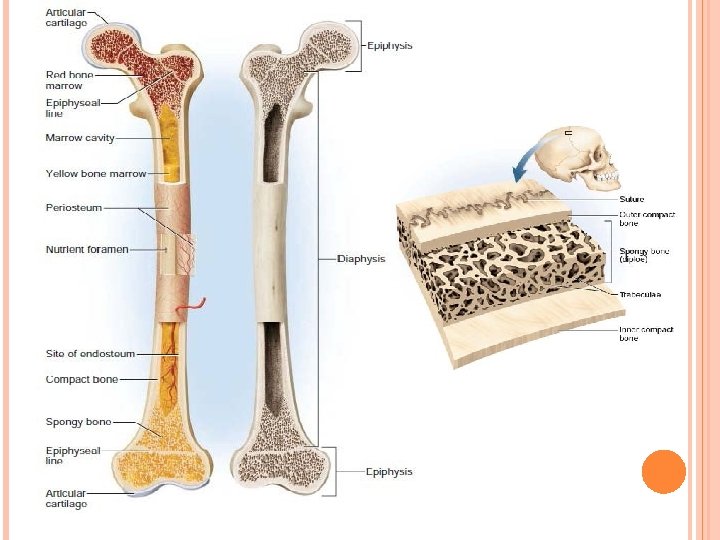
BONES
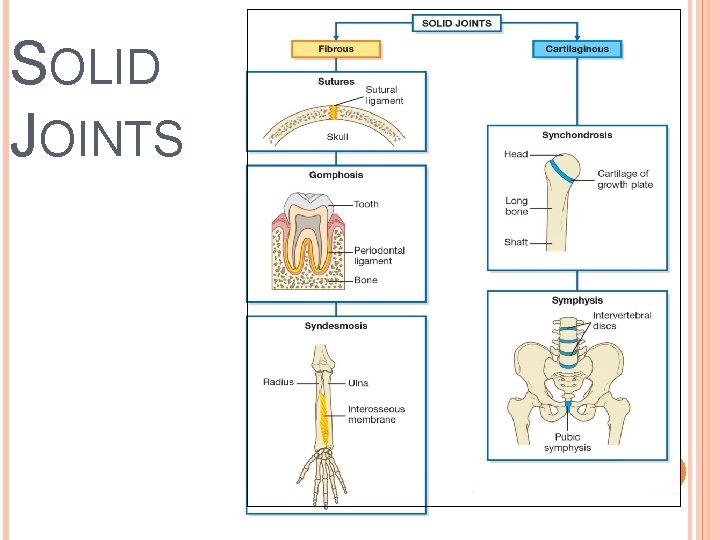
SOLID JOINTS
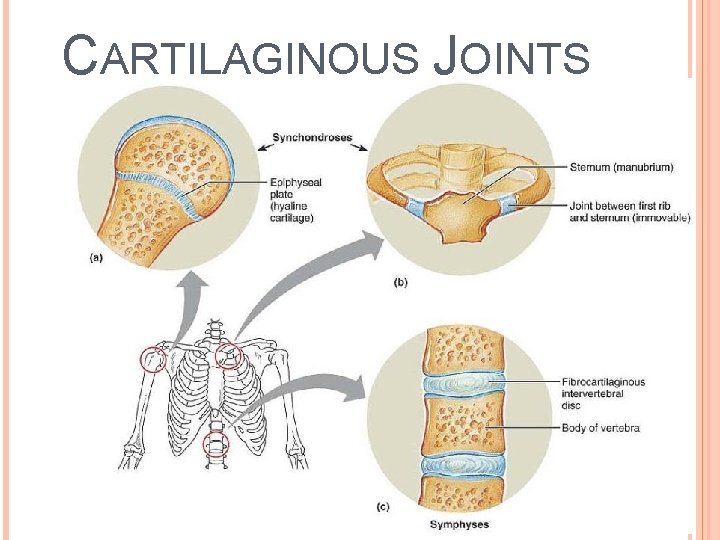
CARTILAGINOUS JOINTS
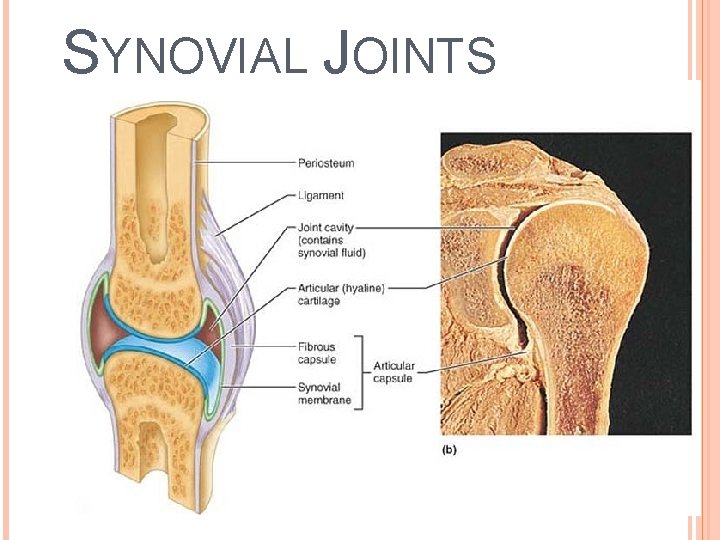
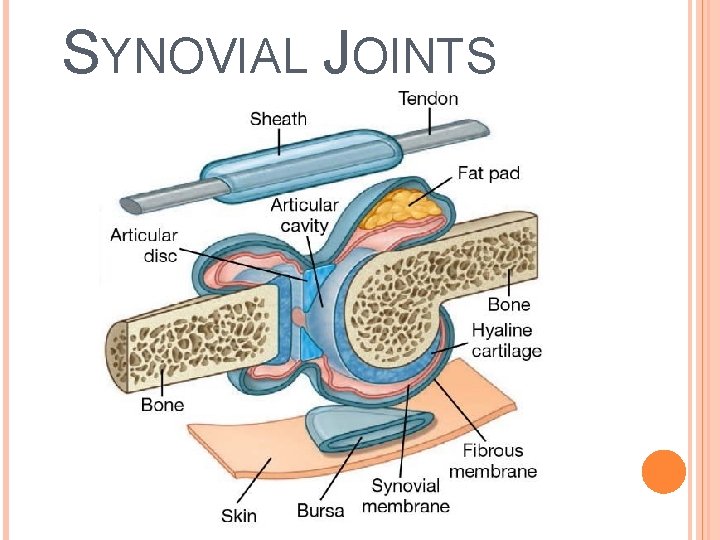
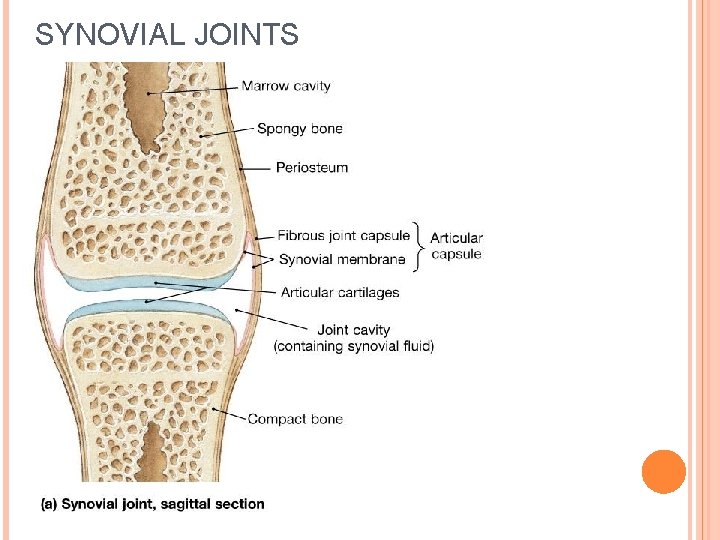
SYNOVIAL JOINTS
SYNOVIAL JOINTS
SYNOVIAL JOINTS
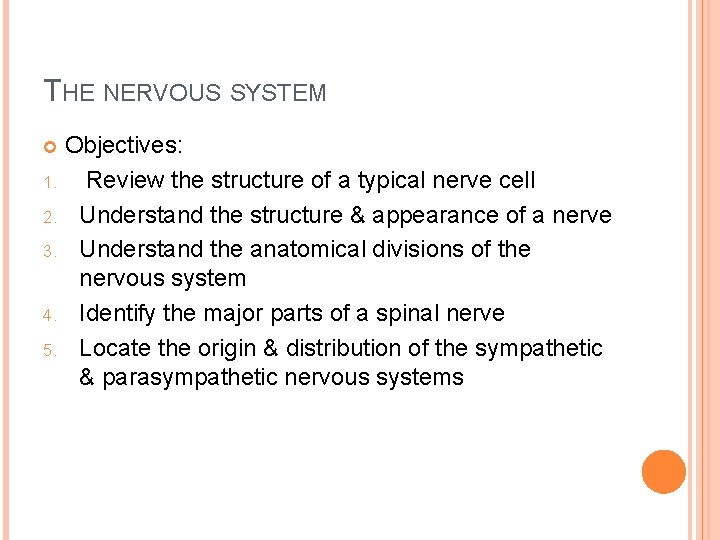
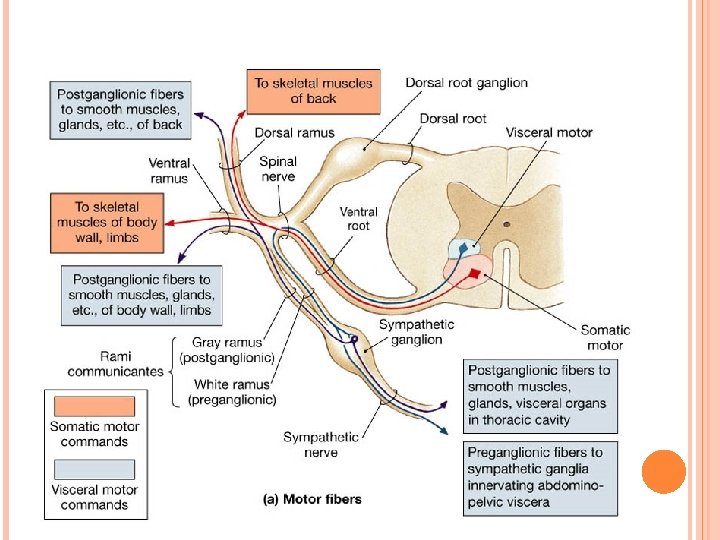
THE NERVOUS SYSTEM Objectives: 1. Review the structure of a typical nerve cell 2. Understand the structure & appearance of a nerve 3. Understand the anatomical divisions of the nervous system 4. Identify the major parts of a spinal nerve 5. Locate the origin & distribution of the sympathetic & parasympathetic nervous systems
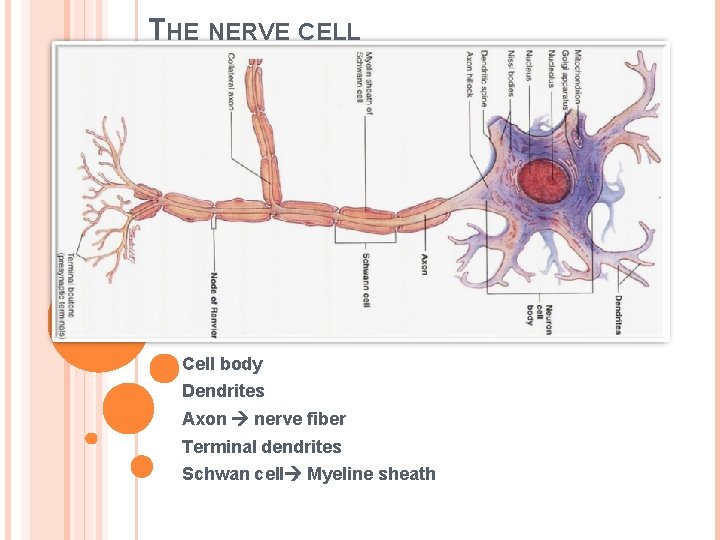
THE NERVE CELL Cell body Dendrites Axon nerve fiber Terminal dendrites Schwan cell Myeline sheath
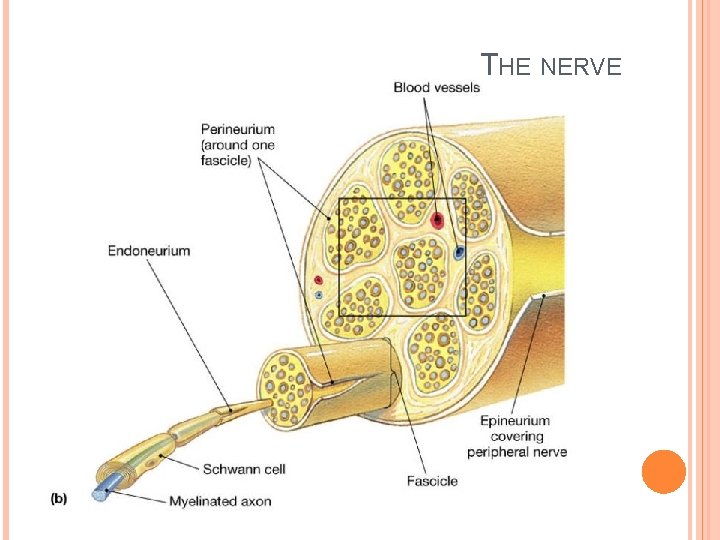
THE NERVE
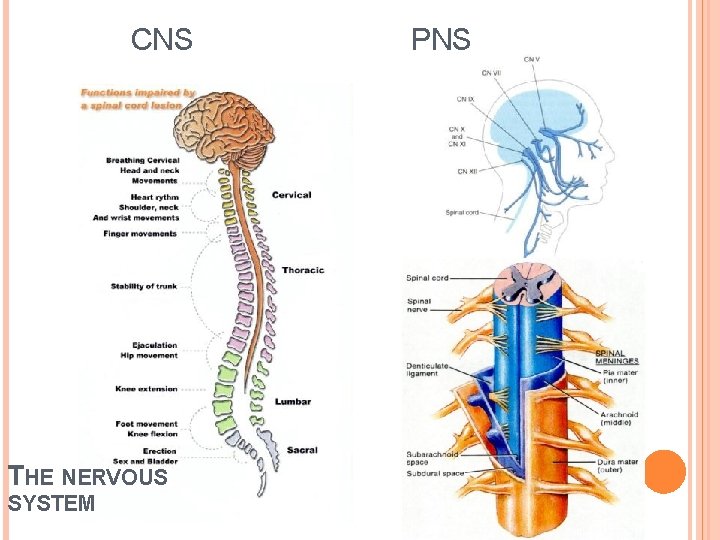
CNS THE NERVOUS SYSTEM PNS
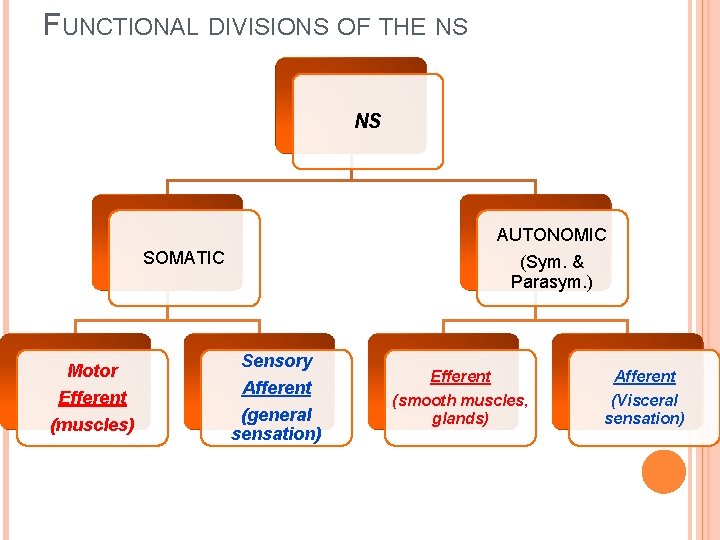
FUNCTIONAL DIVISIONS OF THE NS NS AUTONOMIC SOMATIC Motor Efferent (muscles) (Sym. & Parasym. ) Sensory Afferent (general sensation) Efferent (smooth muscles, glands) Afferent (Visceral sensation)
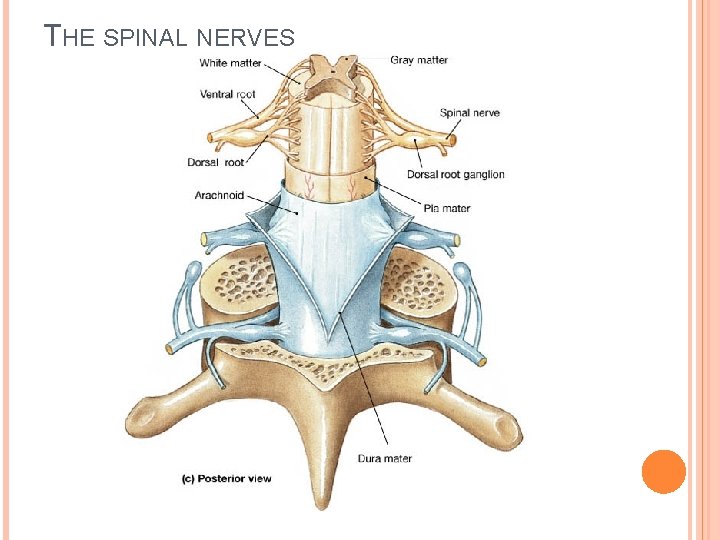
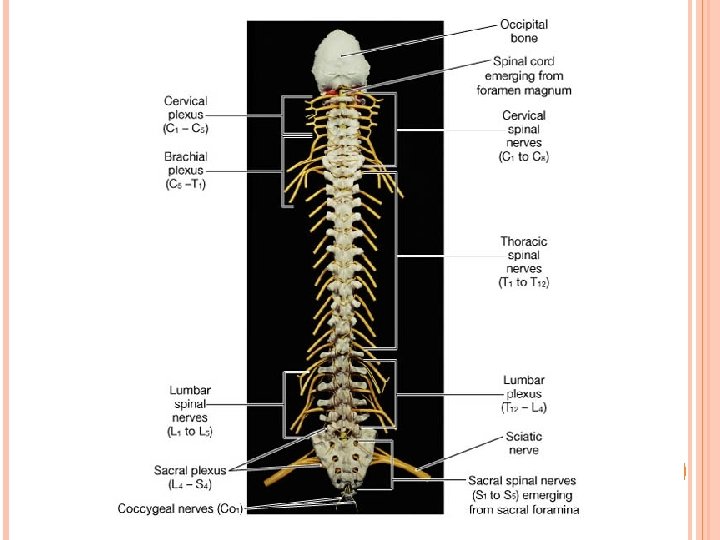
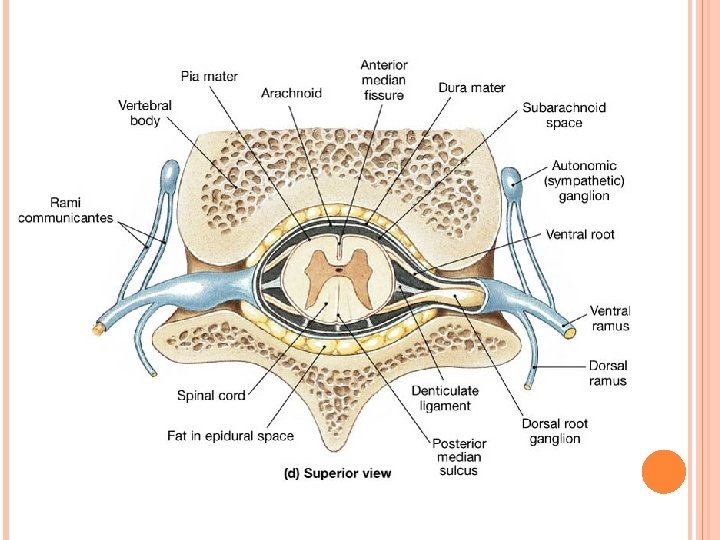
THE SPINAL NERVES
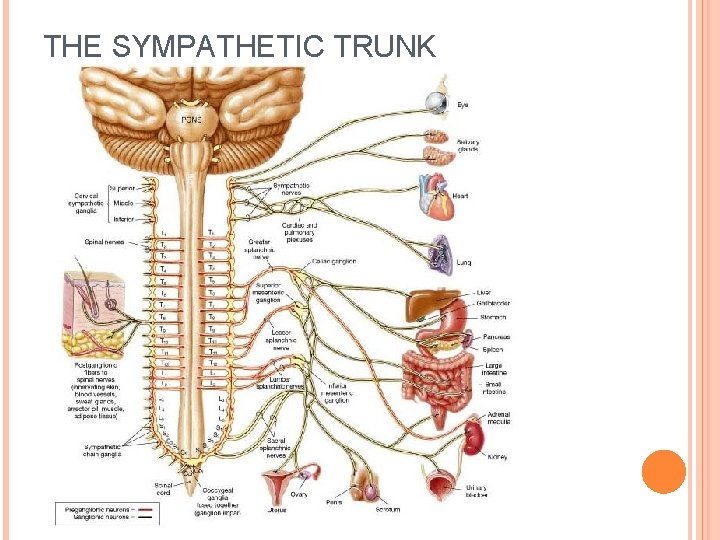
THE SYMPATHETIC TRUNK