
AN INTRODUCTION TO ABORIGINAL MENTAL HEALTH Dr Adriana
AN INTRODUCTION TO ABORIGINAL MENTAL HEALTH Dr Adriana Lattanzio 28 June 2012
OUTLINE o o o o General introduction History and Culture Colonisation Statistics Factors influencing engagement with health services Mental health assessments Treatment considerations
o Indigenous Australians is a term that refers to 2 distinct cultural categories n n Mainland Aboriginal people Torres Strait Islander People
INTRODUCTION o o o ABS June 2006 – estimated Indigenous population of Australia was 517 000 or 2. 5% of the population. In SA, estimated population is 26 000 (5%) but proportionally 1. 7% of total SA population. NT, estimated population 66 600 (12. 9%) but proportionally 31. 6%
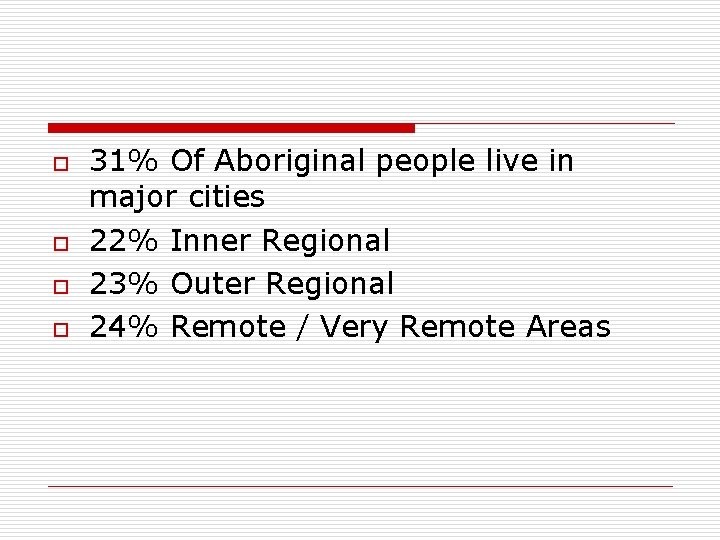
o o 31% Of Aboriginal people live in major cities 22% Inner Regional 23% Outer Regional 24% Remote / Very Remote Areas

History and Culture o o Pre-colonisation, conservative estimates of Aboriginal people inhabiting Australia suggest between 300 000 and 750 000 There were about 500 clan groups, each having their own distinctive territory, history, language and culture Estimated that Aboriginal people had been living in Australia for the last 70 000 years It is the oldest living culture in the world
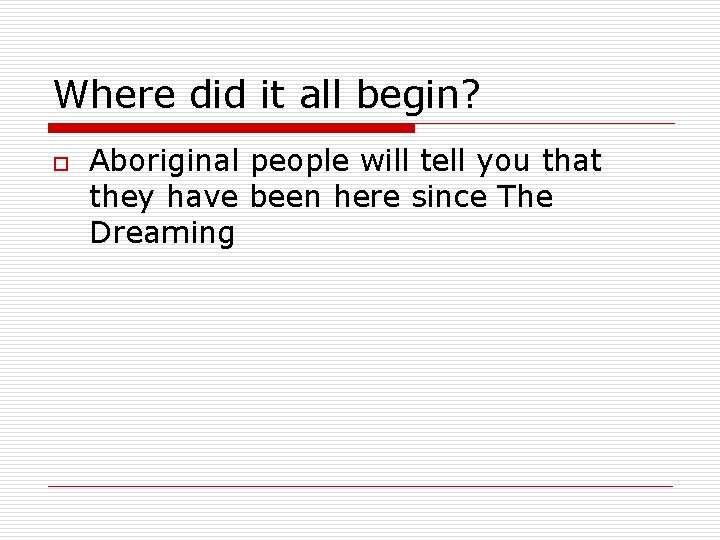
Where did it all begin? o Aboriginal people will tell you that they have been here since The Dreaming
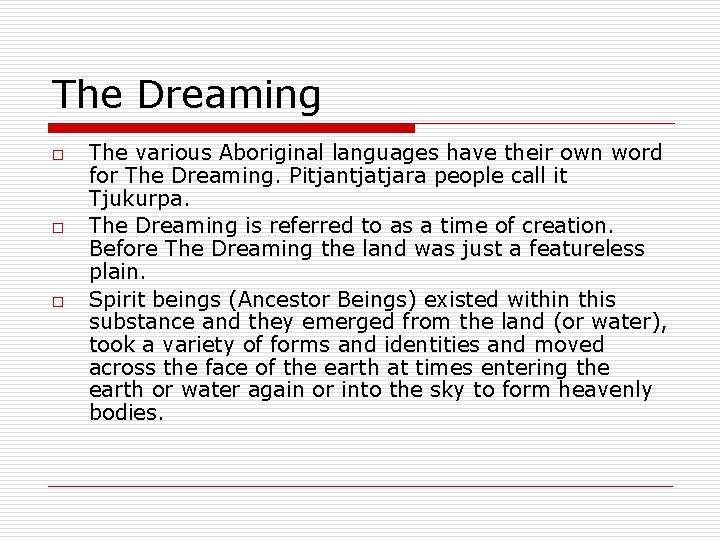
The Dreaming o o o The various Aboriginal languages have their own word for The Dreaming. Pitjantjatjara people call it Tjukurpa. The Dreaming is referred to as a time of creation. Before The Dreaming the land was just a featureless plain. Spirit beings (Ancestor Beings) existed within this substance and they emerged from the land (or water), took a variety of forms and identities and moved across the face of the earth at times entering the earth or water again or into the sky to form heavenly bodies.
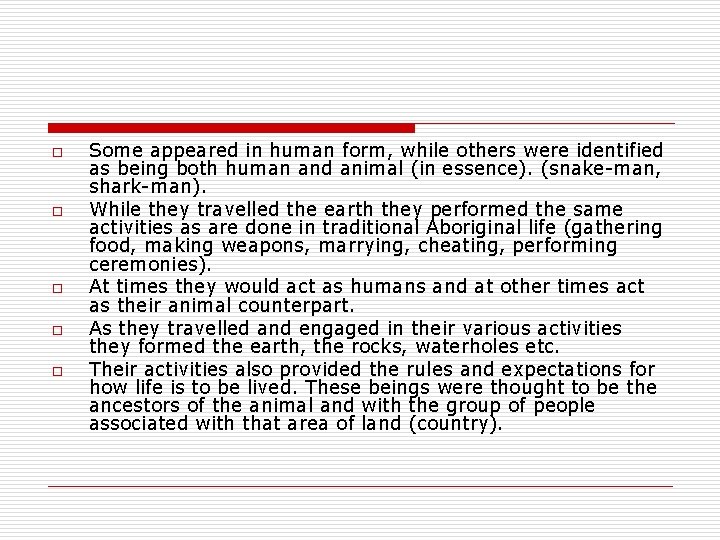
o o o Some appeared in human form, while others were identified as being both human and animal (in essence). (snake-man, shark-man). While they travelled the earth they performed the same activities as are done in traditional Aboriginal life (gathering food, making weapons, marrying, cheating, performing ceremonies). At times they would act as humans and at other times act as their animal counterpart. As they travelled and engaged in their various activities they formed the earth, the rocks, waterholes etc. Their activities also provided the rules and expectations for how life is to be lived. These beings were thought to be the ancestors of the animal and with the group of people associated with that area of land (country).
o o Understanding the dreaming helps to understand the significance of land to Aboriginal people and their references to sacred sites or sites of significance Our cathedrals and churches are the equivalent of sacred sites for the Aboriginal people. Think about impact of mining, land development, what is our / your concept of civilisation? Why is it inappropriate to take photos of landmarks without asking first?
Mythology o o o There were no books or written material handed down from generation to generation, but rather stories, songs and paintings. These stories derived from The Dreaming. Some stories were told to children but others were restricted to men only or women only after they had passed through various rituals which lead to manhood or womanhood. Consider why we prefer to use Narrative therapy with Aboriginal patients.
Social Organisation o o Relationships are of vital importance and allows them to identify their relationship to every other member of the society. This also allows them to determine the obligations which flow from the relationship Roles and responsibilities are also determined by relationships
Kinship o o There is an intricate system of relationships within a family structure. Basically each person in a language group can identify their relationship to every other member in that group. The family is therefore enlarged to embrace all. Example – Paternal uncle = Father Maternal aunt = mother, Paternal uncles children are brothers and sisters (cousin brother, cousin sister)
Avoidance Relationships o o o In societies where members spend a lot of time in close contact there is always the risk of problems and conflict developing. Aboriginal societies guard against this by imposing rules on members of that society by having rules that either limit or forbid interactions between certain members, example, a man and his mother – in – law or father – in – law. When they need to communicate it is either done through sign language or through the use of a third person. As brothers and sisters become adults they are expected to observe some reserve in their relationship.
Mens Business / Womens Business o o o As children enter adolescence they undergo initiation. This involves the handing down of stories specifically to women or to men. Consequently there are topics that are only for men to discuss, or things that only men are allowed to do and others that are only for women. It is taboo for a woman to speak about mens business and vice versa. Womens business is usually to do with child birth, mothering, gathering food. Mens business is usually about hunting, law.
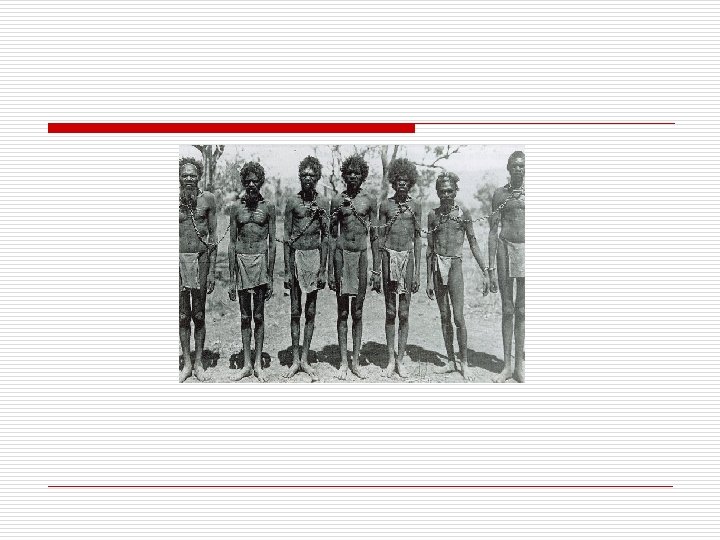
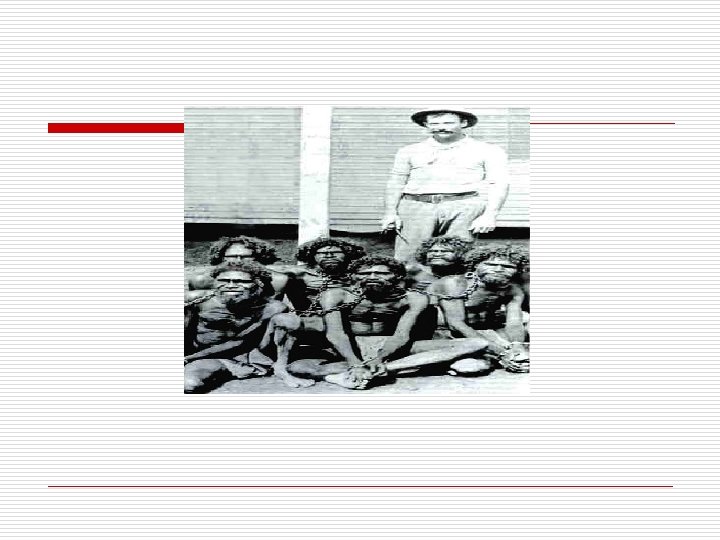
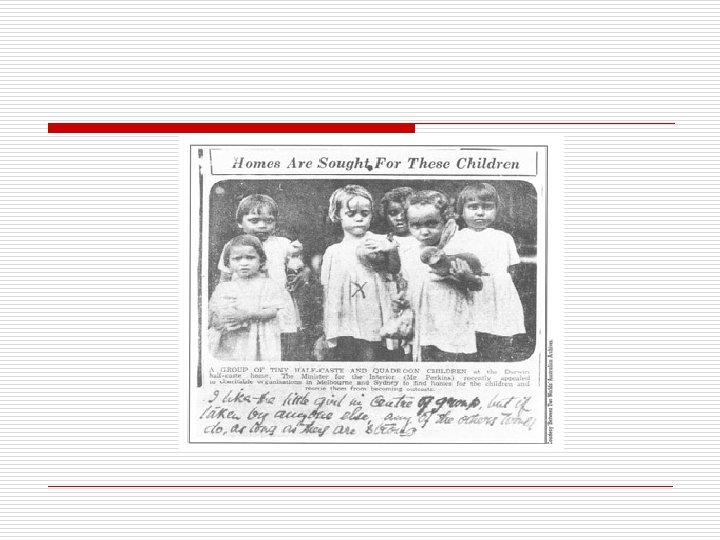
Colonisation o o Aboriginal people have been here for around the last 70 000 years. Colonisation occurred 1788 (223 years ago). Yet this country was colonised on the legal fiction of “terra nullius” With the expansion of colonisation, the Aboriginal population rapidly declined and was decimated by massacres and diseases (measles, smallpox, whooping cough, syphilis, gonorrhoea). The physical and psychological effects of displacement from their land (country) and incarceration of Aboriginals forcibly removed from their traditional lands contributed to the decline.
Impact Of Policy o o o 1905 Aborigines Act, which gave the Chief Protectors and Police sweeping powers to control every aspect of Aboriginal peoples lives 1936 Native Administration Bill which ensured familial separation 1946 Aboriginal returned servicemen are refused membership to the RSL
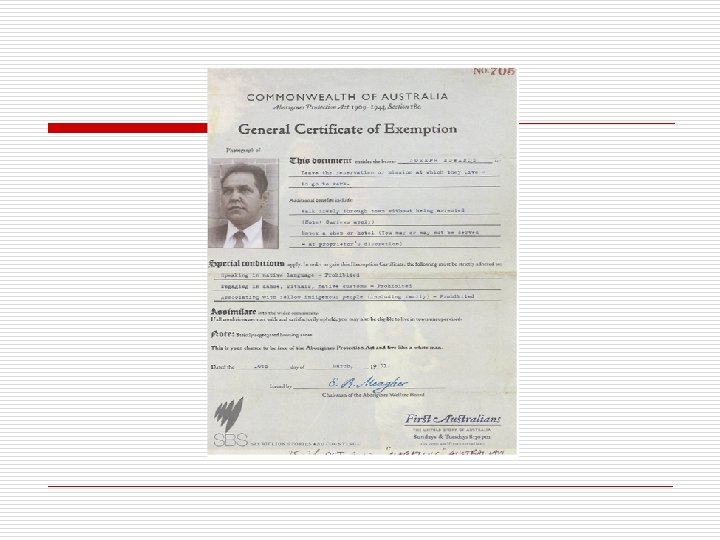
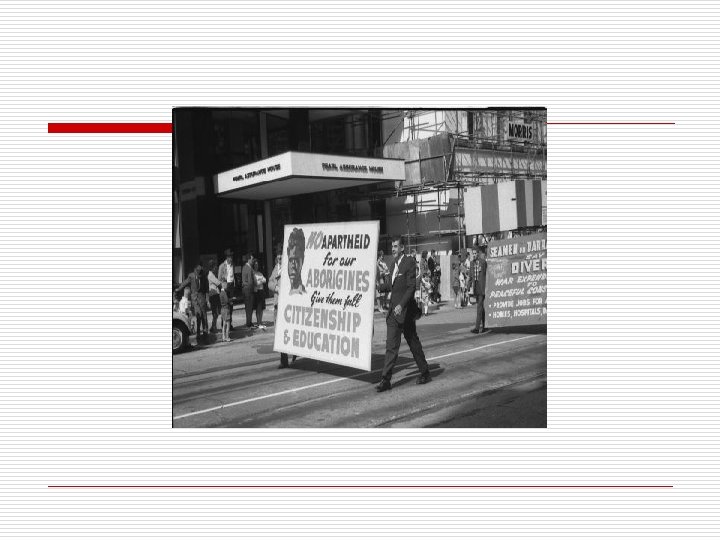
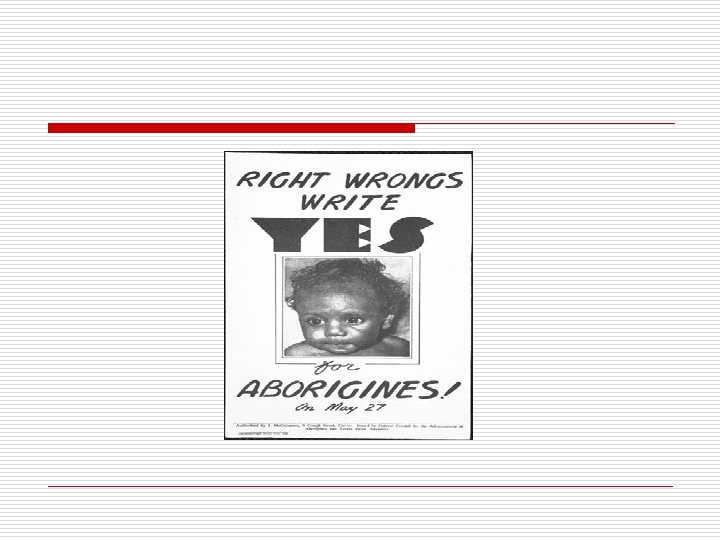
o 1967 Referendum. In the Australian Constitution, Section 127 excluded people of full blood descent from being counted in the census. Section 51 prohibited the Federal Government from passing laws relating to the Aboriginal people living in Australian states.
o o o 1992 Mabo Case. Determined that Native Title exists over particular types of land that Australia was never “terra nullius” 1 / 05 / 1998 – First National Sorry Day 13 / 02 / 2008 – Apology by Prime Minister Kevin Rudd
Health Statistics o o In 2005 – 2006 Aboriginal people were hospitalised at 14 times the rate of non-Aboriginal people for care involving dialysis, and at 3 times the rate for endocrine, nutritional and metabolic diseases. Australian Aboriginals were hospitalised for potentially preventable conditions at 5 times the rate of non. Aboriginal Australians In 2004 – 2005 half of the Indigenous adults were regular smokers, twice the rate of non – Indigenous adults. 1 in 6 Indigenous adults (16%) had consumed alcohol at long term risky / high risk levels in the past week. This was similar to the rate for non-Indigenous adults.
o o Life expectancy for Aboriginal adults was 59 years for males and 65 years for females, compared with 77 years for all males and 82 years for all females. A difference of around 17 years. In Qld, WA, NT and SA combined, approximately 75% of all Indigenous males and 65% of all Indigenous females died before the age of 65 years. Compare this to the non-Indigenous population where 26% of males and 16% of females die aged less than 65 years.
o For the period of 2001 – 2005 Indigenous infant deaths represented 6. 4% of total Indigenous male deaths and 5. 7% of total Indigenous female deaths. Compare this to 0. 8% and 0. 9% of the total for non-Indigenous male and female deaths.
o o o Indigenous males were 6 times more likely and Indigenous females were 3 times more likely to die from mental and behavioural disorders compared to non-Indigenous males and females. In the period 2001 – 2005 the suicide rate was almost 3 times that of non – Indigenous males. Age group 0 – 24 was 3 times and for age group 25 – 34 was 4 times. Suicide rates for Indigenous females aged 0 – 24 was 5 times the corresponding rate.
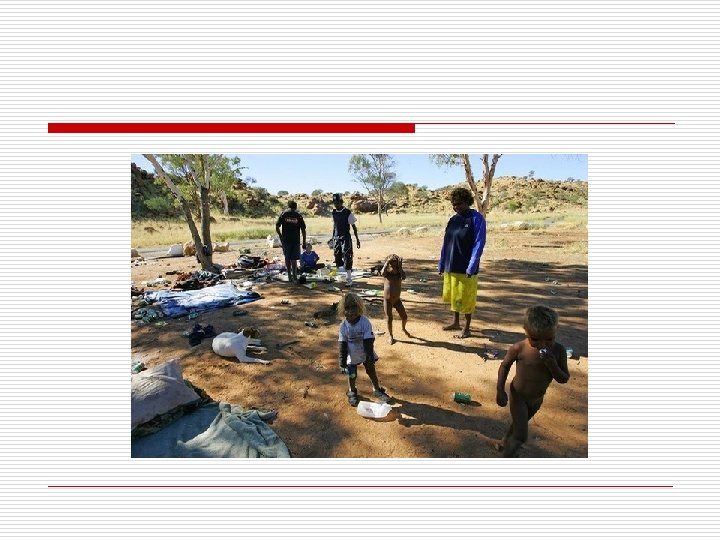
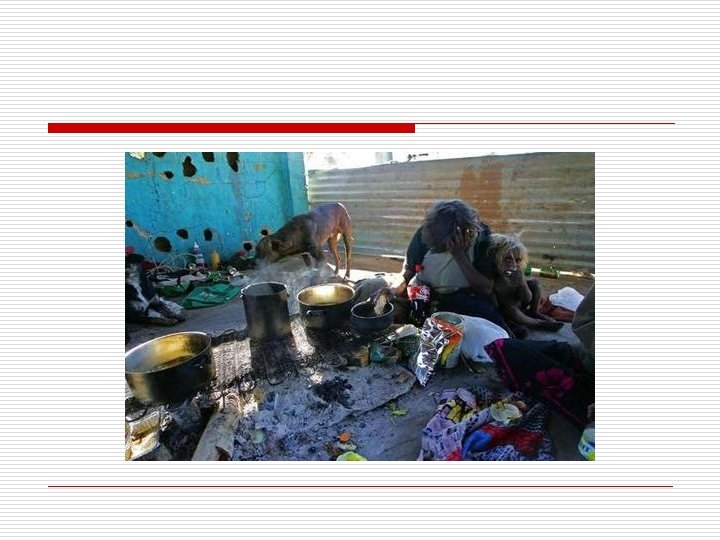
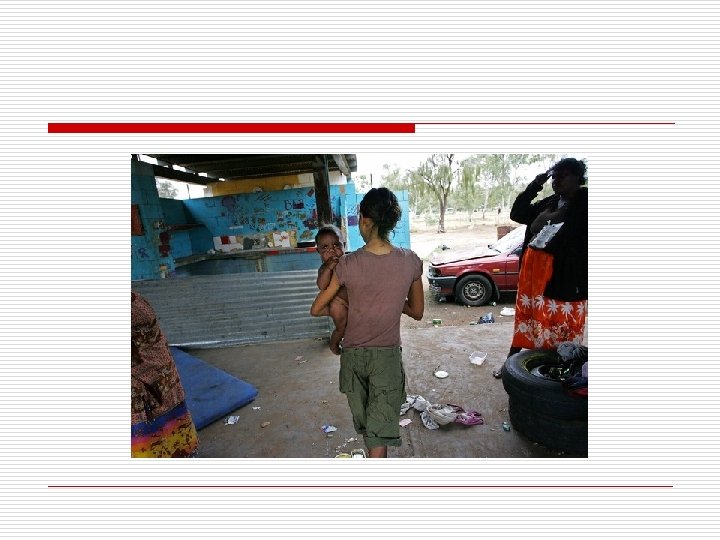
WHY? o o In considering the present we need to consider the past. We are products of our historical experiences, in the same way as we are biologically and socially products of our parents and upbringing.
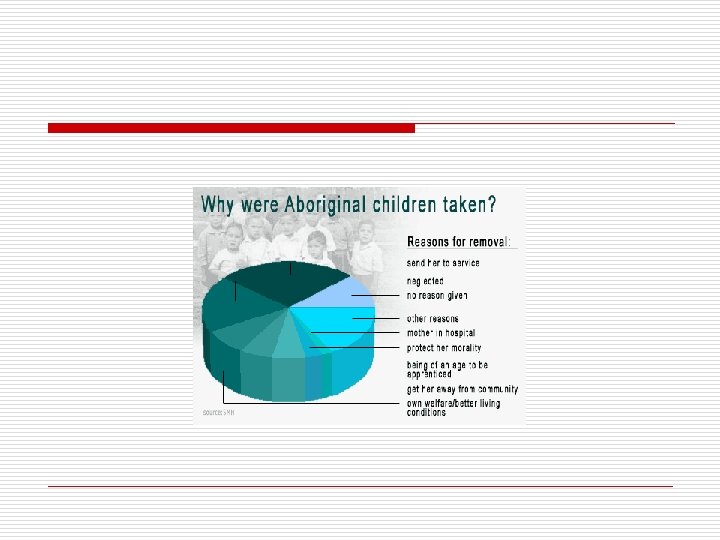
o o o Australian Aboriginals have endured multiple and ongoing trauma and oppression over many years and generations. Their culture, their cultural identity, their history has been devalued and until recently ignored. The historical losses and separations experienced by Aboriginal families are compounded by adverse health conditions, high rates of early death, substance abuse, suicide, mental health problems and family separation through incarceration or welfare intervention.
Factors Influencing Engagement With Health Services o o History and mistrust of white man. Cultural Reasons n n n o o Beliefs about illnesses ( externalisation) Traditional Healers (Ngangkaris) Fear of being sent away and dying away from their land / country Mens business / womens business Language Stigma associated with mental illness / shame Poor health literacy Inability to access services
o o Poor understanding of how services work Lack of services Financial reasons Racism
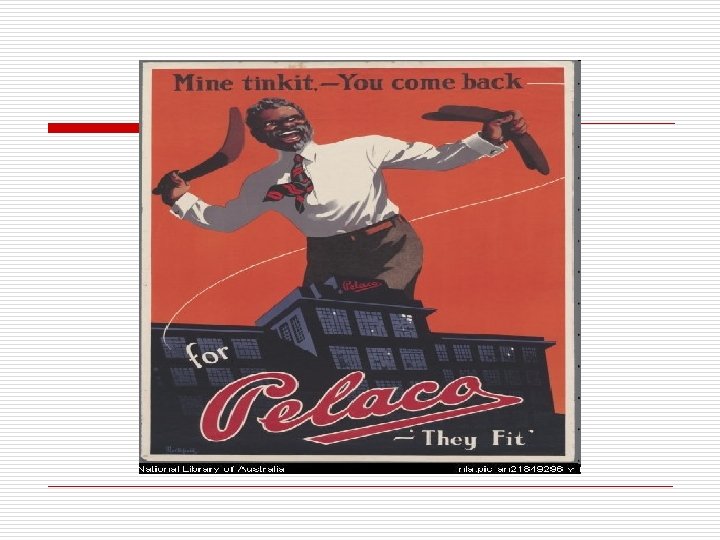
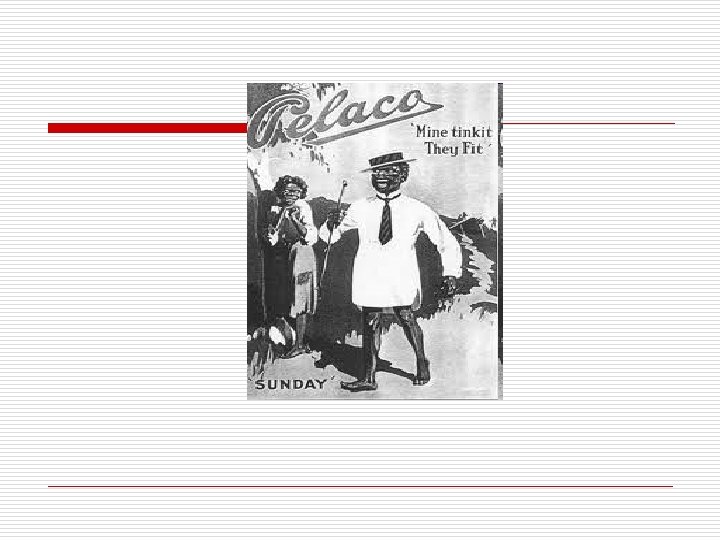
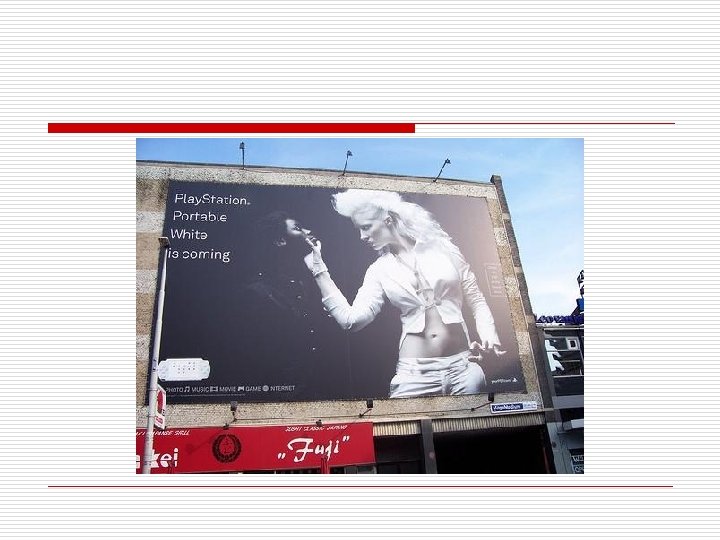
Ethnocentrism o o This is the practice of using one’s own cultural values and standards as the basis from which to judge all others. It assumes the superiority of one’s own way of life and is often accompanied by contempt for the customs and values of others. It also refers to the failure to realise that one’s point of view is based on assumptions, values and ways of perceiving the world that are culturally specific.
Aboriginal Definition of Health o Health does not just mean the physical well being of an individual, but refers to the social, emotional, spiritual and cultural well being of the whole community.
Mental Health Assessments o Referrals n n Community disturbances Often quite late, when the patient is already very sick Shame contributes to late referrals Somatisation is common with depression
The Interview o o o o o Location Gender (entering rooms, accompanying to appointments) Seniority ? Elders (respect) Seating Family / Confidentiality Body Language Tone of voice Closed questions Length of interviews
o o o Aboriginal Health workers / Vouching Your introduction Interpreters Taboo topics Don’t use Aboriginal words
Profile o o Marital status and children Extended family Living arrangements Income
History of Presenting Complaint o o o Symptoms Duration (concept of time) Attribution (don’t be dismissive of cultural attribution systems) Functioning (Changes) Collateral Stressors – what is happening in the community
Mental State Examination o o o Appearance – don’t judge Behaviour – eye contact, length of time taken to answer questions, attempting to discuss taboo topics Conversation – language Affect – can be difficult to assess Perception – don’t be fooled (example – dead people talking, Ngangkaris) Cognition – MMSE Vs KICA
- Slides: 48