
AN INTEGRATED ENGLISH COURSE BOOK TWO UNIT ONE
AN INTEGRATED ENGLISH COURSE -- BOOK TWO UNIT ONE
TEXT 1 We’ve Been Hit !
Teaching Points • Pre-reading Questions • Background Information • Structural Analysis • Language Points
Pre-reading Questions 1. Tell what you know about the 9. 11 Attack. 2. Can you name some disasters, either natural ones or man-made ones. 3. Describe a disaster you have experienced or have heard of and how people involved reacted to it?
• 一、Background information: • 1. About the text: • 1. 1 about the WTC= WORD TRADE CENTER:
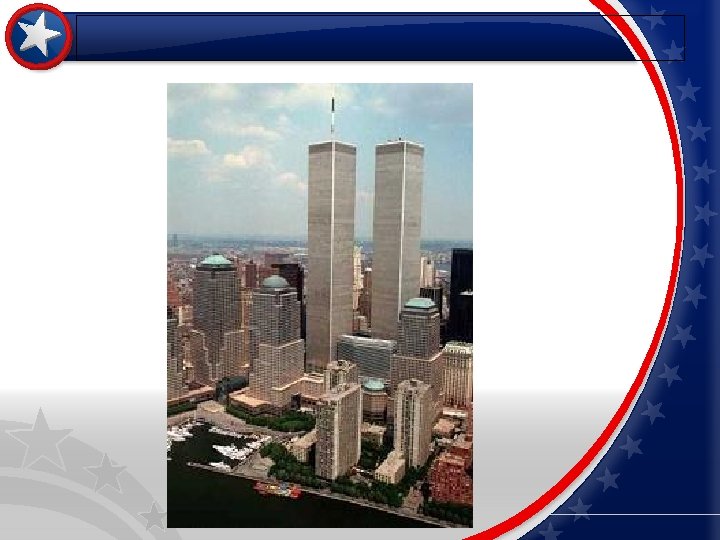
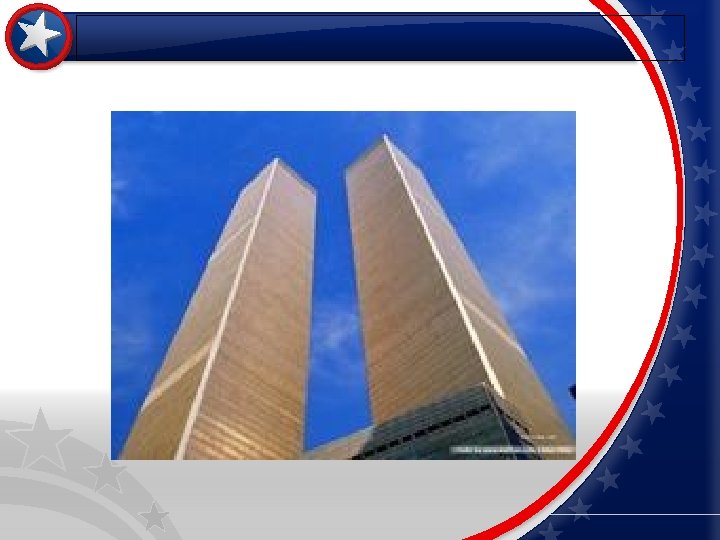
• 1. 1 The World Trade Center: • The World Trade Center is more than its signature twin towers: it is a complex of 7 buildings on 17 acres of land, constructed and operated by the Port Authority of New York and New Jersey. The towers rise at the heart of the complex, each climbing • more than 100 feet higher than the silver mast of the Empire State Building.
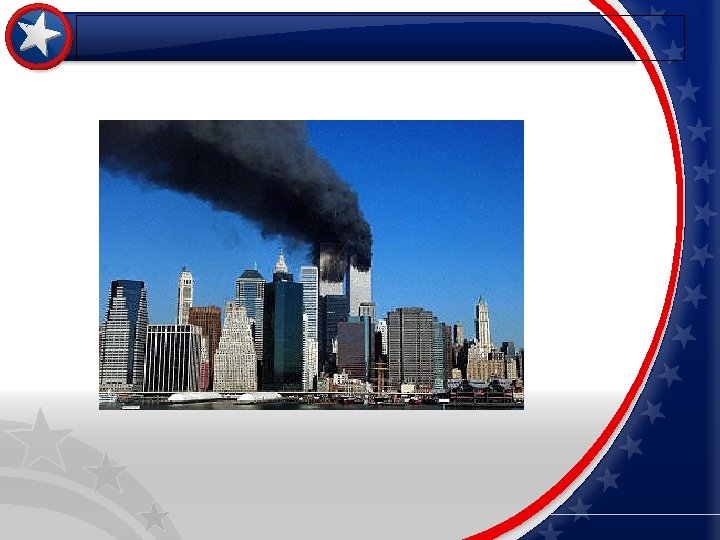
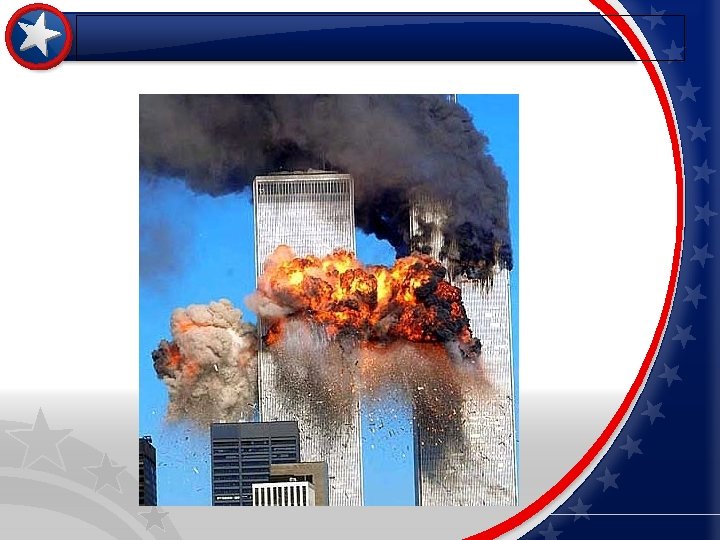
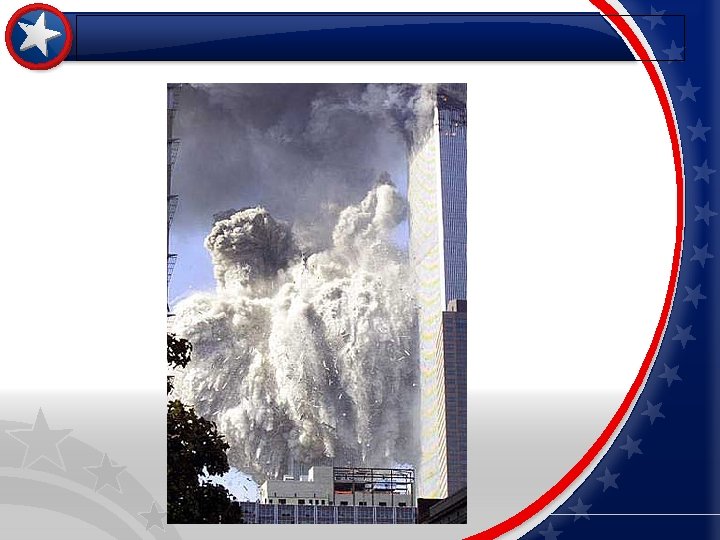
• 1. 2 (The 9. 11 attack:) • On Tuesday, September 11, 2001, at 8: 45 am New York local time, World Trade Center One, the north tower, was hit by a hijacked 767 commercial jet plane, loaded with fuel for a transcontinental flight. World Trade Center Two, the south tower, was hit by a similar hijacked jet 18 minutes later at 9: 03 am.
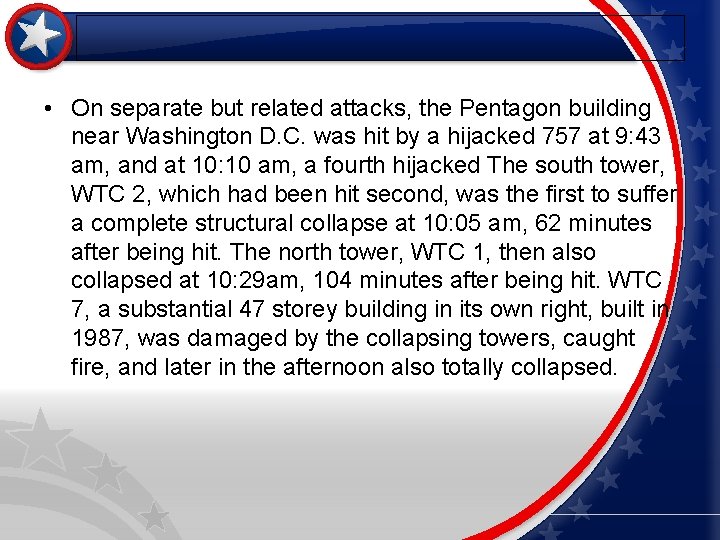
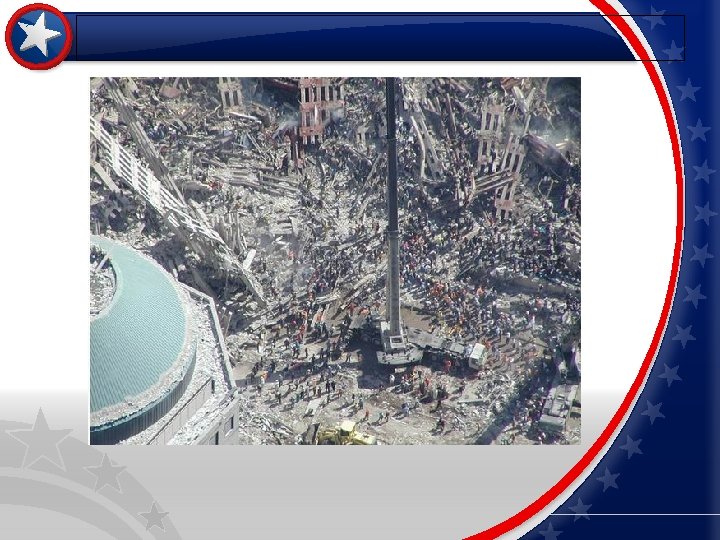
• On separate but related attacks, the Pentagon building near Washington D. C. was hit by a hijacked 757 at 9: 43 am, and at 10: 10 am, a fourth hijacked The south tower, WTC 2, which had been hit second, was the first to suffer a complete structural collapse at 10: 05 am, 62 minutes after being hit. The north tower, WTC 1, then also collapsed at 10: 29 am, 104 minutes after being hit. WTC 7, a substantial 47 storey building in its own right, built in 1987, was damaged by the collapsing towers, caught fire, and later in the afternoon also totally collapsed.
• 二、try to answer the following questions: • Part I paragraph 1 • The following question could be asked: • Where was Mayblum and which floor was he? • What is the height of this building? • What did Mayblum think of the WTC before the building was hit?
• Part II paragraph 2 -9 • The following question could be asked: • What does the author mean by saying “For some, it was a matter of geography…”(para 4)? • How many people were there in the aim building at that moment?
• How many of them were safe and how many were not? • What is the implication of the parallel sentences “For some … a matter of …” and “For some … as basic as…”? • Is there any evidence that showed people’s concern for others?
• Part III paragraph 10 -30 • What did Mayblum do to protect his colleagues and himself from the suffocating smoke? • What did Harry Ramous do on the 78 th, 3 rd, 44 th and 36 th floors respectively? • Why did the fireman shuted at Hong? What did he possibly do after. Hong left?
• Part IV paragraph 31 -34 • How many floors did they manage to help the heavyset man come down in the building? • What is the implied meaning of the last sentence of this article ". . . the picture began to fade on the 36 th floor"?
• 三、Text structure • Structural analysis of the text :
• Part 1(Para. 1): • In this paragraph two images are used to emphasize the power (steadiness) of the WTC. They are storms and drawstrings. Storms were nothing compared with the giant building, and even the swaying of the drawstrings was only an illusion.
• Part 2(Para. 2 -9): • Paragraphs 2 -5 present a picture of what happened immediately after the hit. Note the author uses the image of the drawstrings again, instead of an explicit description, to indicate the terrible force of the strike.
• After a few second of initial confusion, people began to try to find their way out. Such attempts are epitomized by the effort of the employees in May Davis. • “burning jet fuel” refers to the fuel from the airplane. It is reported that the airplane struck into the WTC only a few minutes after it took off with its tanks full of fuel, which are said to have been the cause of the explosion that led to the collapse of the building.
• Part 3 (Para. 10 -30): • Paragraphs 10 -14 depict the scene of Mayblum’s encounter with the heavyset man on the 53 rd floor where Ramos and Hong offered timely help. Notice that the author uses various words to present the horrible situation inside the WTC: an extraordinary purgatory (Paragraph 3), pandemonium ( Paragraph 9 ).
• Part 3 • In paragraphs 15 -22, students could get an idea how the three persons (Ramos, Hong and the heavyset man ) managed to get down to the 36 th floor. Paragraphs 23 -30 are the most moving part of the story. It tells us how, in the most dangerous moment when the heavyset man was completely exhausted, Ramos and Hong still insisted on helping him out of the building, how the fireman ordered Hong to leave, and how Ramos decided stay behind with the heavyset man.
• Part 4 (Para. 31 -34): • These paragraphs make up the last part of the text which relates the gathering of some of the survivors and victims’ family memory of the dead after the disaster.
• • The last paragraph is a condensed account of Ramos’s heroic deed. It echoes that sentence with a very moving picture. Notice the word “fade”, which literally means “”to become unclear, suggests that Harry Ramos probably died in his attempt to save the heavy man.
• • • • 四. Language Work 1. lash vt. (1) to strike with or as if with a whip. 鞭打:用或仿佛用鞭子击打 (2) to strike against with force or violence: 猛烈打击:用强力或暴力 打击: e. g. Sleet is lashing the roof. 雨夹雪击打着屋顶 (3) to make a scathing oral or written attack against. 抨击:对 (某人)严厉的口头地或书面地攻击 2. scoff vt. /vi. to laugh or to mock at. 嘲笑或嘲弄 scoff at sb. [sth. ] 嘲弄某人[某事] scoff at difficulties 藐视困难 scoff sb. 's fear 嘲弄某人的恐惧 n. an expression of mocking or scorn. 嘲笑或讥笑 e. g. be the scoff of the town 成为全城的笑柄
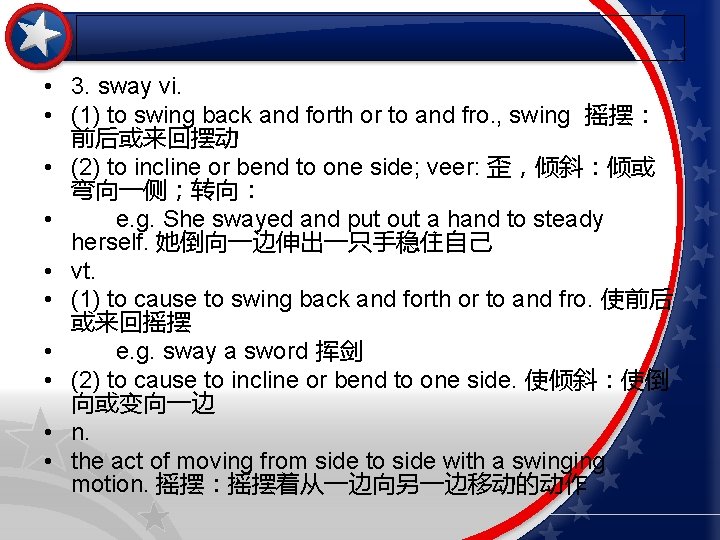
• 3. sway vi. • (1) to swing back and forth or to and fro. , swing 摇摆: 前后或来回摆动 • (2) to incline or bend to one side; veer: 歪,倾斜:倾或 弯向一侧;转向: • e. g. She swayed and put out a hand to steady herself. 她倒向一边伸出一只手稳住自己 • vt. • (1) to cause to swing back and forth or to and fro. 使前后 或来回摇摆 • e. g. sway a sword 挥剑 • (2) to cause to incline or bend to one side. 使倾斜:使倒 向或变向一边 • n. • the act of moving from side to side with a swinging motion. 摇摆:摇摆着从一边向另一边移动的动作
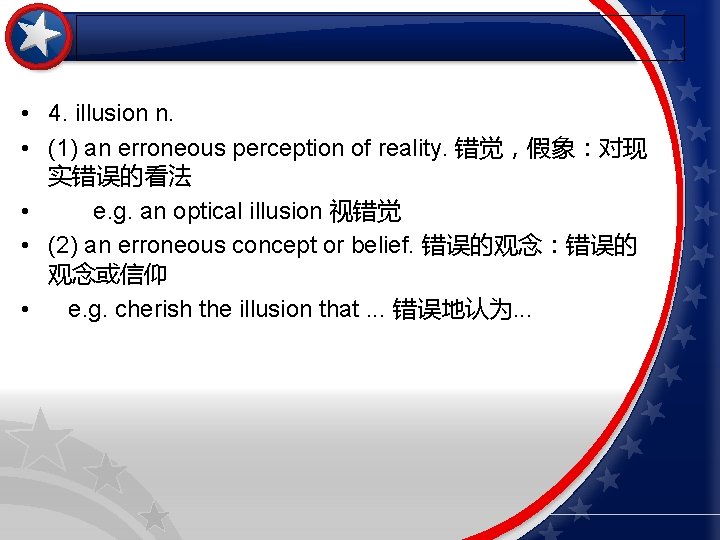
• 4. illusion n. • (1) an erroneous perception of reality. 错觉,假象:对现 实错误的看法 • e. g. an optical illusion 视错觉 • (2) an erroneous concept or belief. 错误的观念:错误的 观念或信仰 • e. g. cherish the illusion that. . . 错误地认为. . .
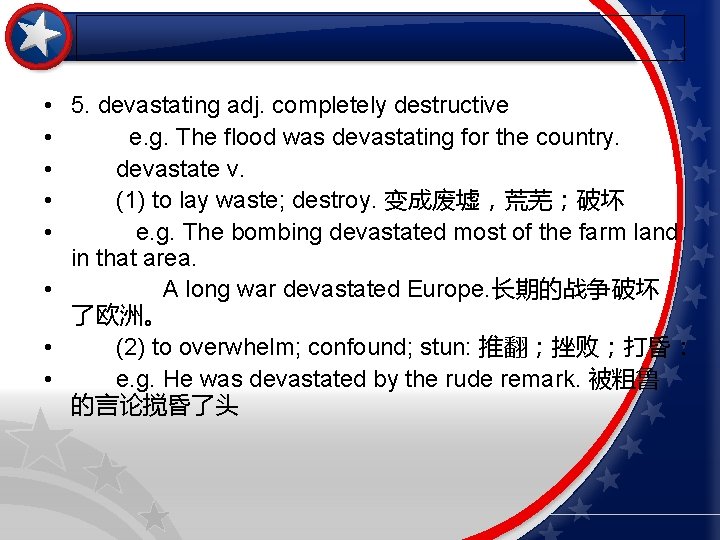
• 5. devastating adj. completely destructive • e. g. The flood was devastating for the country. • devastate v. • (1) to lay waste; destroy. 变成废墟,荒芜;破坏 • e. g. The bombing devastated most of the farm land in that area. • A long war devastated Europe. 长期的战争破坏 了欧洲。 • (2) to overwhelm; confound; stun: 推翻;挫败;打昏: • e. g. He was devastated by the rude remark. 被粗鲁 的言论搅昏了头
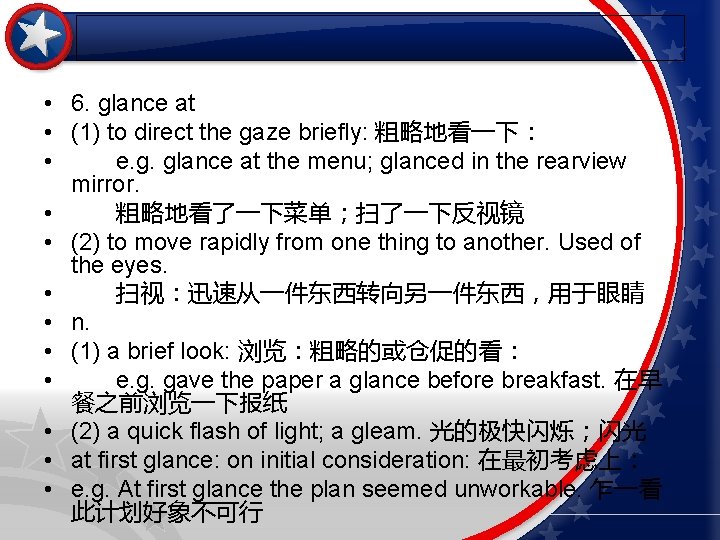
• 6. glance at • (1) to direct the gaze briefly: 粗略地看一下: • e. g. glance at the menu; glanced in the rearview mirror. • 粗略地看了一下菜单;扫了一下反视镜 • (2) to move rapidly from one thing to another. Used of the eyes. • 扫视:迅速从一件东西转向另一件东西,用于眼睛 • n. • (1) a brief look: 浏览:粗略的或仓促的看: • e. g. gave the paper a glance before breakfast. 在早 餐之前浏览一下报纸 • (2) a quick flash of light; a gleam. 光的极快闪烁;闪光 • at first glance: on initial consideration: 在最初考虑上: • e. g. At first glance the plan seemed unworkable. 乍一看 此计划好象不可行
• • 7. They were careening wildly, three feet in either direction: They were swaying up to three feet high from side to side, like a ship[ in a great storm. careen v (1) to lurch or swerve while in motion. 蹒跚而行:在 运动过程中突然侧倾或偏斜 (2) to rush headlong or carelessly; career: 冲撞:头 向前猛冲或漫不经心;急驰: e. g. The boy careened through forests desperately. 8. …cast into an extraordinary purgatory that morning: throw into the condition of great suffering that morning
purgatory n. • a place or condition of great suffering受难之时或受难之地:受 难、赎罪或忏悔的地方或状态: • e. g. a purgatory of drug abuse. 滥用毒品而引起的痛苦 • 9. For some, it was a matter of geography…: For some, whether they could survive depended on where they were… • • 10. dilemma n. • a situation that requires a choice between options that are or seem equally unfavorable or mutually exclusive. • 进退两难:需要在相等或相互排斥的选择物之间进行选择的处境 • e. g. be in a dilemma 左右为难 • be on the horns of a dilemma 左右为难 • place sb. in a dilemma 使某人处于进退两难的境地 • put sb. in/into a dilemma使人左右为难; 使人进退两难
• 11. off and on adv. • not happening continuously or regularly; in an intermittent manner: • 断断续续; 不规则地; 不时地 • e. g. She slept off and on last night. • 12 transfer vt. • (1) to convey or cause to pass from one place, person, or thing to another. • 转移:传递或使从一个地方、人或事物移到另一地方、 人或事物 • (2) (Law) to make over the possession or legal title of; convey. • 【法律】 转让:将财产或法律权利转让;让与
• vi. • (1) to move oneself from one location or job to another. 调动:使自己调换地方 作 • (2) to withdraw from one educational institution or course of study and enroll in another. 转学:退出一个教 育机构或一门课程并加入到另一个中去 • (3) to change from one public conveyance to another: 转乘:从一种公共交通设施转换到另一个: • e. g. We transferred to another bus at People’s square. 转乘另一辆公共汽车 • n.

• • • 13. reassuring adj. make someone feel less worried or frightened 安心的, 可靠的 reassure vt. (1) 再保证; 使安心 (2) 使恢复信心和勇气 e. g. People are reassured. 人心安定了。 The captain's confidence during the storm reassured the passengers. 在风暴中船长的信念使旅客们恢复了信心。 reassurance n.
• 14. Ramos had waded into the pandemonium to help panicked workers onto a stairwell: He had walked into the wild chaos with great difficulty… • wade vi. • (1) to walk in or through water or something else that similarly impedes normal movement. 涉水:走进或趟过 水或其它同样阻碍正常运动的东西 •
• (2) to make one's way arduously: 艰难地行进: • e. g. waded through a boring report. 不耐烦地听一个 枯燥的报告 • vt. • to cross or pass through (water, for example) with difficulty: • 跋涉:艰难地穿过或通过(如水): • e. g. wade a swift creek. 涉过险要的山涧 • n. • the act or an instance of wading. 跋涉:涉水或艰难 行走的动作或行为
• pandemonium n. • a very noisy place or noise 嘈杂的地方, 吵杂:狂乱 的喧闹 • e. g. The whole lobby was a perfect pandemonium. 整个门厅一片嘈杂 • panic n. • (1)a sudden, overpowering terror, often affecting many people at once; fear • 惊恐,恐慌:一种突然的难以抗拒的恐惧,常常同时 影响许多人 • (2) a sudden widespread alarm concerning finances, often resulting in a rush to sell property: 经济恐慌:有关 金融方面的突然的广泛的恐慌,常常导致倾销财产: • e. g. a stock-market panic. 股市恐慌
• • • adj. (1) of, relating to, or resulting from sudden, overwhelming terror: 惊慌失措的,恐慌的:突然的广泛传播的惊慌的,与 其有关的或由其引起的: e. g. panic flight. 惊慌失措的逃走 (2) of or resulting from a financial panic: 财务恐慌的: 金融大恐慌的,由其引起的: e. g. panic selling of securities. 金融大恐慌导致的债 券抛售 vt panicked, panicking, panics to affect or be affected with panic; frighten 使恐慌,受恐慌影响
• 15. descent n. • (1) the act or an instance of descending. 下降,降落: 下降的动作或实例 • e. g. The descent of the mountain took nearly two hours. • 下山差不多花了两个小时。 • (2) hereditary derivation; lineage: 出身,血统,祖籍: 遗传血统;家系: • e. g. a person of African descent. 一个非洲血统的人 • Many Americans are of English descent. 许多美 国人的祖籍是英国。 • descend v. • (1) to move from a higher to a lower place; come or go down. • 下来:从较高的地方移到较低的地方;降下
• • (2) to come from an ancestor or ancestry: 遗传下来, 传下:来自祖先: e. g. She was descended from a pioneer family. 她来 自一个早期的开拓者家庭 The house has descended through four generations. 这座房子已经传了四代 16. contract vt. (1) to enter into by contract; establish or settle by formal agreement: 定约:通过合同契约开始从事;通过正式协议制定或 确定: e. g. contract a marriage. 订婚 (2) to reduce in size by drawing together; shrink. 通过收 紧使…尺寸缩小;收缩
• vi. • (1) to enter into or make an agreement: 开始受协议约束 或制订协议: • e. g. contract for garbage collection. 同意垃圾收集 • (2) to become reduced in size by or as if by being drawn together: • 通过被收紧或者似乎通过收紧而缩小尺寸: • e. g. The pupils of the patient's eyes contracted. 病人 眼睛的瞳孔缩小了
• in size by or as if by being drawn together: • 通过被收紧或者似乎通过收紧而缩小尺寸: • e. g. The pupils of the patient's eyes contracted. • 病人眼睛的瞳孔缩小了 • Paragraphs 15 -22 • Language points
• • 17. So Hong …the guinea pig instead (Para. 16): So Hong decided to test the safety of the elevator himself. guinea pig [动]豚鼠, 天竺鼠 a person who is used as a subject for experimentation or research. 【非正式用语】 供实验的人:被用来做实验或进行研究的 人 e. g. Doctor Wang always uses himself as a human guinea pig to a treatment of Chinese medicine which may cure some diseases 18. collapse vi. (1) to fall down or inward suddenly; cave in. 倒塌: 突然倒下或塌陷;塌陷
• e. g. Numerous houses collapsed as a result of the Tangshan Earthquake in 1976. 在 1976年, 无数的房屋因唐山地震而倒坍。 • (2) to break down suddenly in strength or health and thereby cease to function: • 崩溃:力量或健康突然停顿并因此陷于瘫痪: • e. g. a monarchy that collapsed. 崩溃的君主制 • e. g. If you work too hard, your health may collapse. 如果你 作太累的话, 你可能病倒。 • (3) to fold compactly: 折叠:紧凑地对折起来: • e. g. chairs that collapse for storage. 折起椅子以便收藏 • This bridge table collapses. 这张桥牌桌子能折叠。 • vt. • to cause to fold, break down, or fall down or inward. 使折叠, 使崩溃或使倒塌 • e. g. Collapse the table and put it away, please. 请把桌子折叠起 来放在一边。 •
• n. • (1) the act of falling down or inward, as from loss of supports. • 倒塌:倒塌的行为,如因失去支撑 • (2) an abrupt failure of function, strength, or health; a breakdown. • 崩溃:功能、力量或健康方面的突然衰退;崩溃 • (3) an abrupt loss of perceived value or of effect: • 暴跌,瓦解:已获得的利益或效果的突然丧失: • e. g. the collapse of popular respect for the integrity of world leaders. • 对世界领袖的正直无私的普通尊敬的瓦解 • collapsibility n. 崩溃性, 退让性 • collapsible or collapsable adj.
• • • sap vt. to weaken slowly渐渐削弱; 耗竭. . . 的生命和力量 e. g. The criticism sapped his determination. 批评削 弱了他的决心。 sapped by disease [an unhealthy climate] 因疾病[有害健康的气候]而体力逐渐衰弱 20. persuade vt. to induce to undertake a course of action or embrace a point of view by means of argument, reasoning, or entreaty; to convince sb. 劝导,说服:通过讨论、推理或 哀求的方式诱导从事一项活动或接受一种观点 e. g. Who persuaded you to join this society? 谁说服 你参加这个团体?
• • 22. met up with: to come across偶遇 e. g. Ten years after graduation, I met up with my former university teacher in Thailand. • 23 the picture began to fade on the 36 th floor. Nothing was known about what had happened on the 36 th floor.
• 五、难句解析 • Mayblun would be one of thousands cast into an extraordinary purgatory that morning. (Para. 3, Lines 1 -2) • 【译文】那个早晨,数以千计的人们被投进了一个非常恐 怖的炼狱,梅布拉姆就是其中一个。 • 【改写】that morning, thousands of people in the WTC were thrown, all of a sudden, into a condition of extremely terrible suffering. Mayblum was one of them.
• For some, it was a matter of geography--not just which tower they worked in • Or on which floor, but in which corner of the building. (Para. 4) • 【译文】 • 对一些人来说,能否活下来取决于所处的地理位置——不仅要看在哪 座那层 作,还要看在大楼的那个角落。 • 【改写】 • for some people, their chance of survival was determined by their geographical position. It would make a difference where they were working--whether in the south tower or the north tower and on which floor and being in different parts of the tower would also be of significance.
• The rumbles of the collapsing tower next door seemed to sap the heavyset man of his last gasps of energy. (Para. 24, Lines 1 -2) • 【译文】临近塔楼倒塌的轰隆声好像耗完了大块头的最后 一丝气力。 • 【改写】it seemed that the tremendous sound of the collapse of the south tower destroyed the man's hope of climbing down the remaining stairs, and thus took away his remaining energy.
• But as hard as she tried. As many questions as she asked, the picture began to fade on the 36 th floor. • 【译文】可是,无论她怎么努力,也不管问多少问题,画 面到 36楼就慢慢模糊起来。 • 【改写】 but no matter how hard she tried and no matter how many questions she asked, she was still unable to make a clear picture because the story ended on the 36 th floor.
• Homework and discussion: • 1)what do you gain after learning this text? • 2)write a composition about heroic story from your experiences. • 参考资料(含参考书、文献等):the 911 attack 网站资 料,Google --WTC图片。
- Slides: 57