
An example in Biology 1 outline glycolysis to
An example in Biology 1
outline glycolysis to pyruvate with the yield of ATP and reduced NAD+
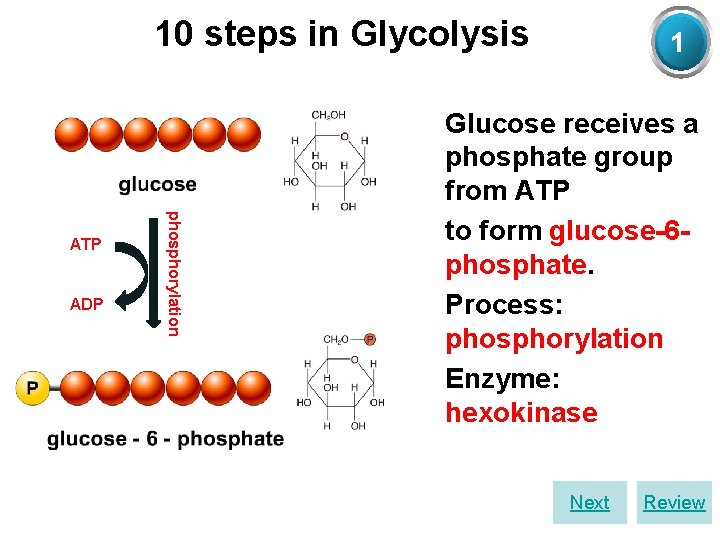
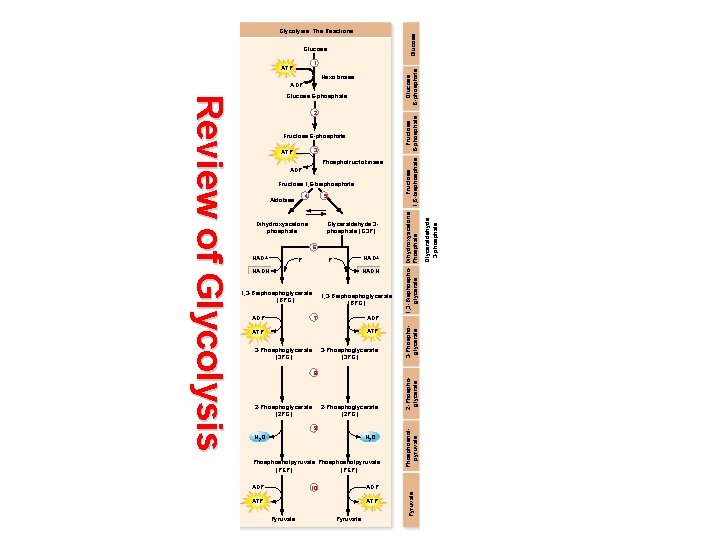
10 steps in Glycolysis ADP phosphorylation ATP hexokinase 1 Ø Glucose receives a phosphate group from ATP Ø to form glucose-6 phosphate. Ø Process: phosphorylation Ø Enzyme: hexokinase Next Review

2 isomerization Ø Glucose-6 phosphate converted to its isomer, fructose -6 -phosphate. Ø Process: Isomerization Next Review

3 ADP phosphorylation ATP Phosphofructokinase Ø Another ATP is invested to molecule, forming fructose 1, 6 -bisphosphate. Ø Process: Phosphorylation Ø Enzyme: Phosphofructokinase Next Review
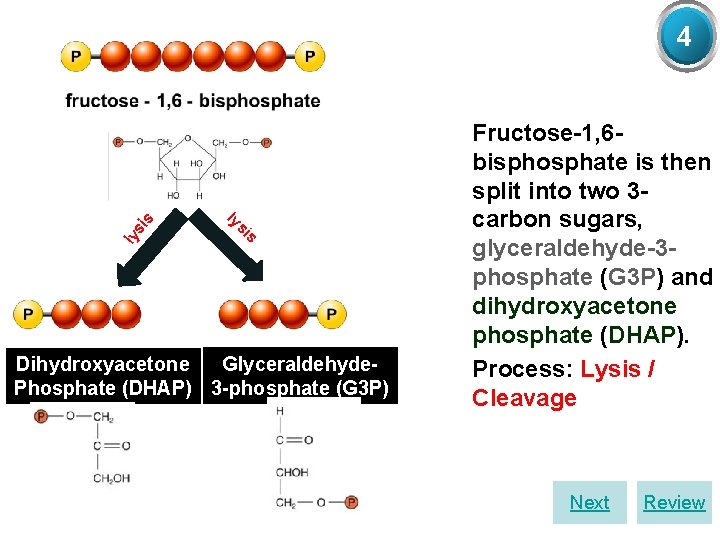
ly si s 4 ly si s Glyceraldehyde. Dihydroxyacetone Phosphate (DHAP) 3 -phosphate (G 3 P) Ø Fructose-1, 6 bisphosphate is then split into two 3 carbon sugars, glyceraldehyde-3 phosphate (G 3 P) and dihydroxyacetone phosphate (DHAP). Ø Process: Lysis / Cleavage Next Review

5 Ø Dihydroxyacetone phosphate (DHAP) is converted to its isomer, isomerization glyceraldehyde-3 phosphate Glyceraldehyde- Ø (G 3 P) a. k. a Dihydroxyacetone phosphoglycerate Phosphate (DHAP) 3 -phosphate (G 3 P) (PGAL) Ø Process: Isomerization Next Review
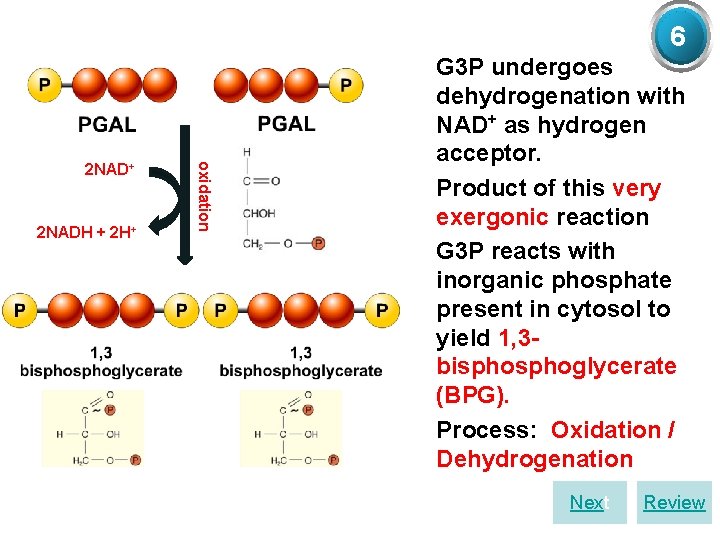
6 G 3 P/ 2 NADH + 2 H+ oxidation 2 NAD+ Ø G 3 P undergoes dehydrogenation with NAD+ as hydrogen acceptor. Ø Product of this very exergonic reaction Ø G 3 P reacts with inorganic phosphate present in cytosol to yield 1, 3 bisphoglycerate (BPG). Ø Process: Oxidation / Dehydrogenation Next Review
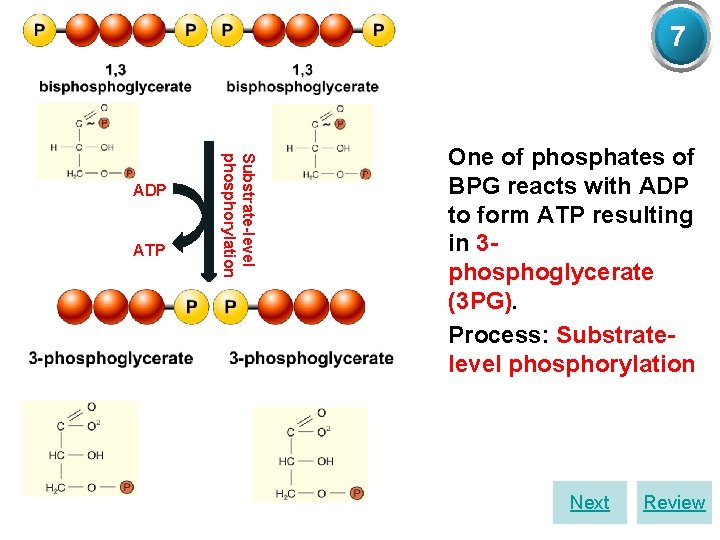
7 BPG/ ATP (3 PG) Substrate-level phosphorylation ADP Ø One of phosphates of BPG reacts with ADP to form ATP resulting in 3 phosphoglycerate (3 PG). Ø Process: Substratelevel phosphorylation (3 PG) Next Review
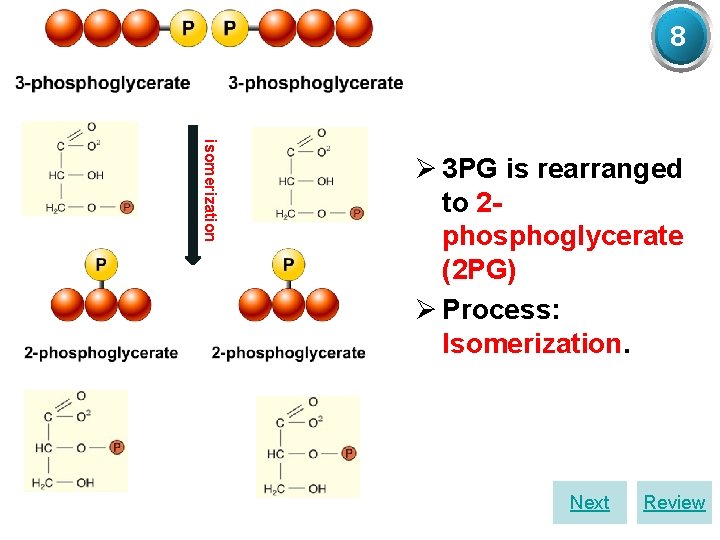
8 (3 PG) isomerization (2 PG) Ø 3 PG is rearranged to 2 phosphoglycerate (2 PG) Ø Process: Isomerization. (2 PG) Next Review
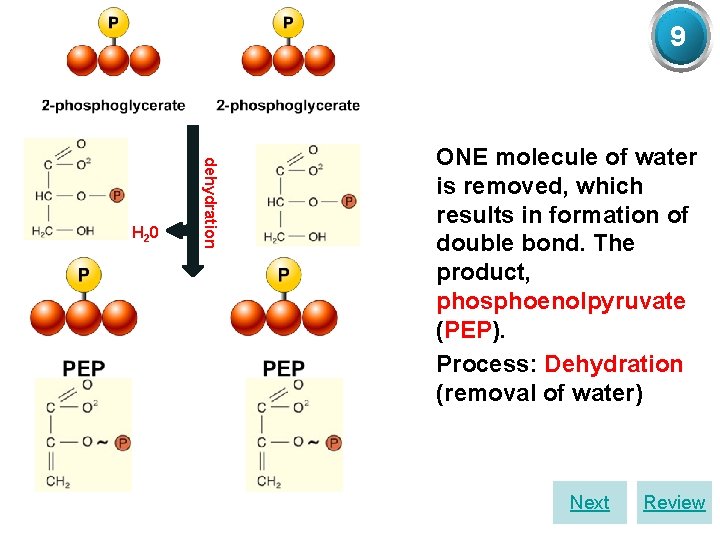
9 (2 PG) dehydration H 2 0 Ø ONE molecule of water is removed, which results in formation of double bond. The product, phosphoenolpyruvate (PEP). Ø Process: Dehydration (removal of water) Next Review
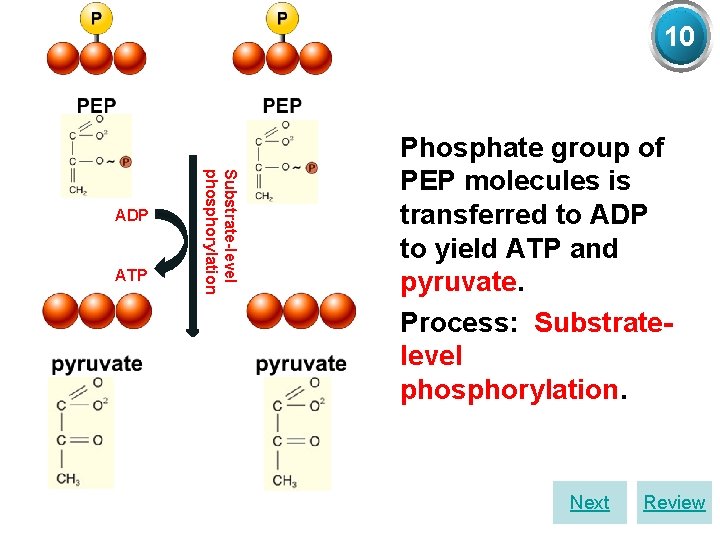
10 ATP Substrate-level phosphorylation ADP Ø Phosphate group of PEP molecules is transferred to ADP to yield ATP and pyruvate. Ø Process: Substratelevel phosphorylation. Next Review
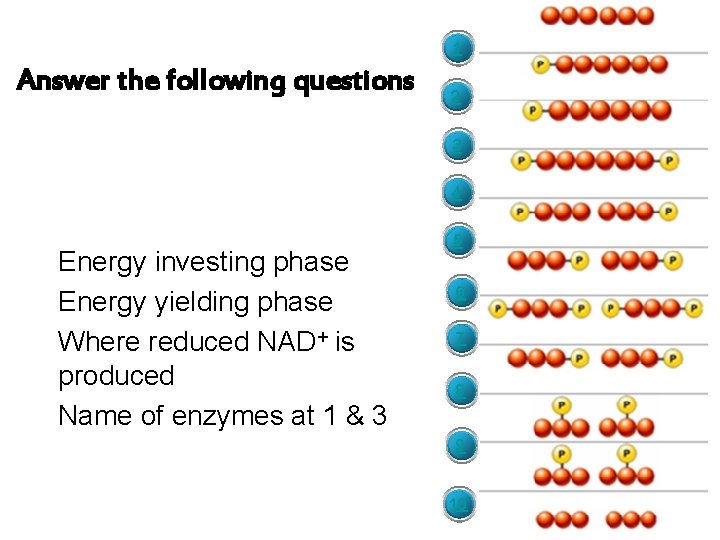
1 Answer the following questions 2 3 4 • Energy investing phase • Energy yielding phase • Where reduced NAD+ is produced • Name of enzymes at 1 & 3 5 6 7 8 9 10
Glycolysis in Lesson Study 14
15
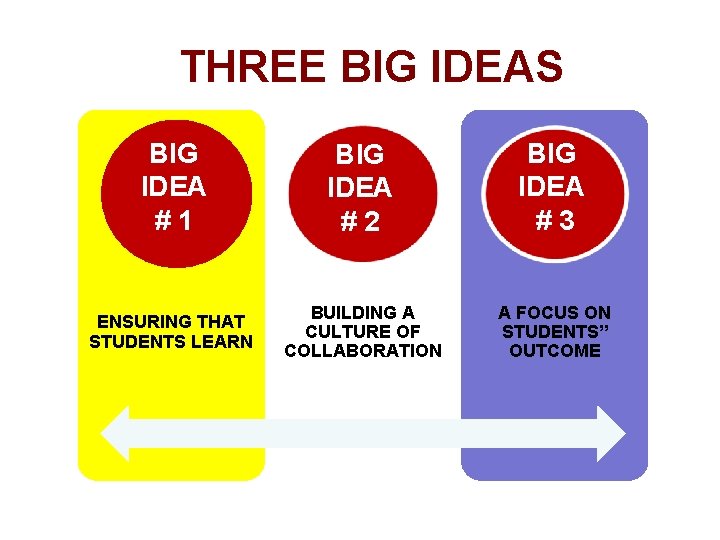
THREE BIG IDEAS BIG IDEA #1 BIG IDEA #2 BIG IDEA #3 ENSURING THAT STUDENTS LEARN BUILDING A CULTURE OF COLLABORATION A FOCUS ON STUDENTS” OUTCOME
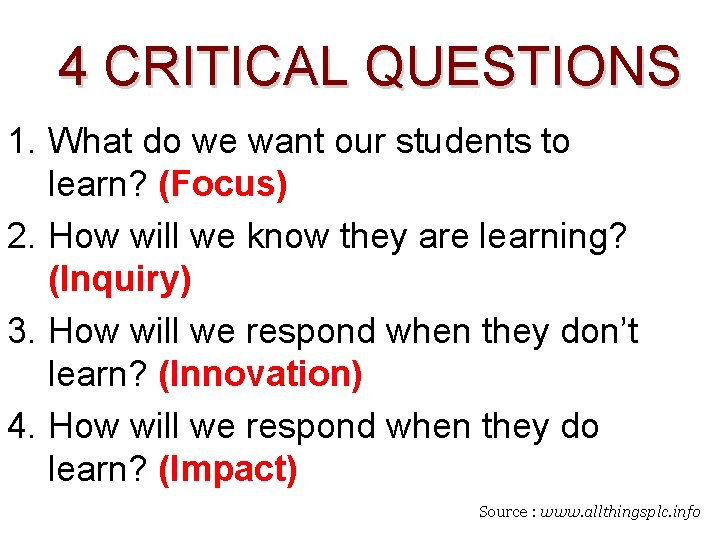
4 CRITICAL QUESTIONS 1. What do we want our students to learn? (Focus) 2. How will we know they are learning? (Inquiry) 3. How will we respond when they don’t learn? (Innovation) 4. How will we respond when they do learn? (Impact) Source : www. allthingsplc. info
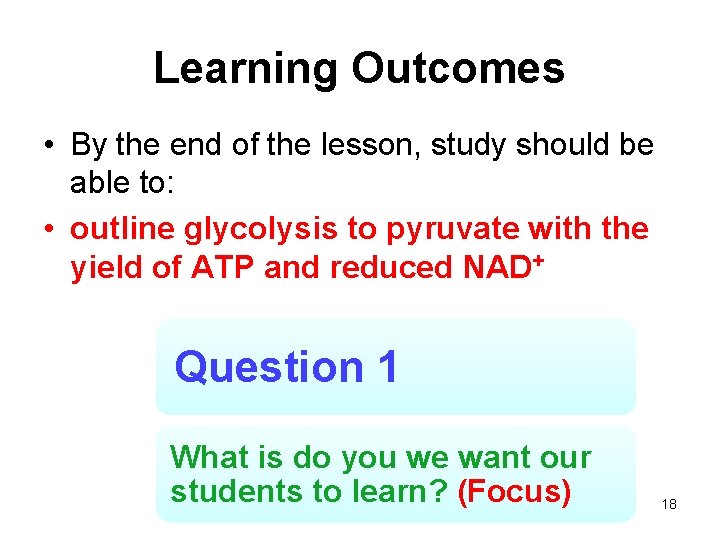
Learning Outcomes • By the end of the lesson, study should be able to: • outline glycolysis to pyruvate with the yield of ATP and reduced NAD+ Question 1 What is do you we want our students to learn? (Focus) 18
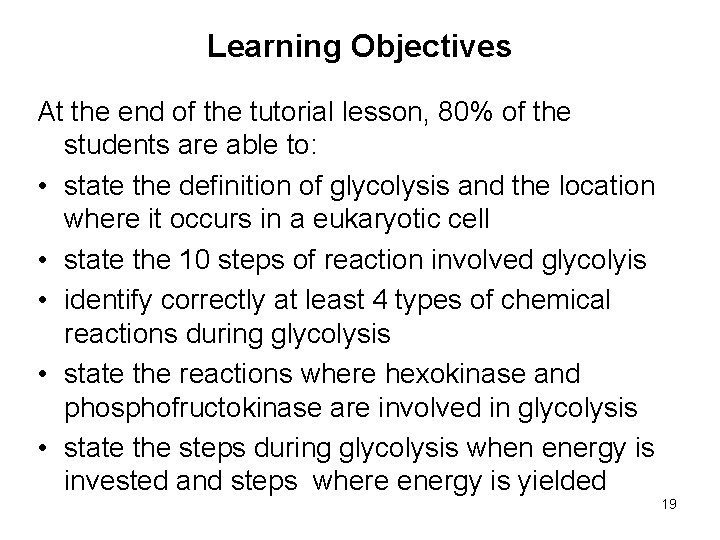
Learning Objectives At the end of the tutorial lesson, 80% of the students are able to: • state the definition of glycolysis and the location where it occurs in a eukaryotic cell • state the 10 steps of reaction involved glycolyis • identify correctly at least 4 types of chemical reactions during glycolysis • state the reactions where hexokinase and phosphofructokinase are involved in glycolysis • state the steps during glycolysis when energy is invested and steps where energy is yielded 19
Learning Objectives • indicate the free energy level for each intermediate product during glycolysis • show where ATP is invested & yielded and where NAD+ is reduced during glycolysis • indicate the two phases in glycolysis • justify the total ATP produced during glycolysis • able to score 80% of quiz questions the end of the lesson Question 2 How do we know they are learning? (Inquiry) 20
Glucose Glycolysis: The Reactions Glucose 6 -phosphate 1 Hexokinase ADP 3 ATP Phosphofructokinase ADP Fructose 1, 6 -bisphosphate 4 Aldolase 5 Dihydroxyacetone phosphate Glyceraldehyde 3 phosphate (G 3 P) 6 NAD+ Pi NADH 1, 3 -Bisphosphoglycerate (BPG) 7 ADP ATP 3 -Phosphoglycerate (3 PG) 2 -Phosphoglycerate (2 PG) 9 H 2 O Phosphoenolpyruvate (PEP) ADP 10 ATP Pyruvate Phosphoenolpyruvate 2 -Phosphoglycerate (2 PG) 2 -Phosphoglycerate 8 Pyruvate Glyceraldehyde 3 -phosphate Fructose 6 -phosphate 1, 3 -Bispho- Dihydroxyacetone Fructose glycerate Phosphate 1, 6 -bisphosphate Fructose 6 -phosphate 2 Pyruvate Revi ew o f G l yco l ysi s Glucose 6 -phosphate 3 -Phosphoglycerate ATP
BIG IDEA #1: Ensuring that Students Learn Question 3 What will we respond when they don’t learn? (Innovation) 22
BIG IDEA #2: Building a Culture of Collaboration BIG IDEA #3: A focus on Students’ Outcome Question 3 What will we respond when they don’t learn? (Innovation) 23
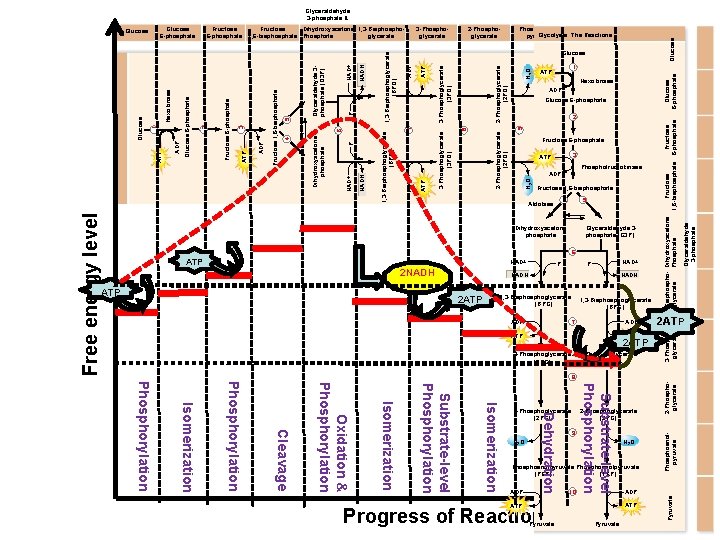
Glyceraldehyde 3 -phosphate & Glucose Phosphoenol. Glycolysis: The Pyruvate Reactions pyruvate Glucose 6 -phosphate Pyruvate Fructose 6 -phosphate 2 10 9 Glucose 6 -phosphate Pyruvate Fructose 6 -phosphate 3 ATP Phosphofructokinase ADP ATP H 2 O ADP Fructose 1, 6 -bisphosphate 4 Aldolase 5 Dihydroxyacetone phosphate Glyceraldehyde 3 phosphate (G 3 P) 6 ATP NAD+ 2 NADH ATP Pi NAD+ Pi NADH 2 ATP NADH 1, 3 -Bisphosphoglycerate (BPG) 7 ADP ATP 2 ATP 3 -Phosphoglycerate (3 PG) 2 ATP H 2 O Phosphoenolpyruvate (PEP) ADP 10 Progress of Reaction Pyruvate ADP ATP Pyruvate Phosphoenolpyruvate 9 Pyruvate Substrate-level Phosphorylation Dehydration Isomerization Substrate-level Phosphorylation Isomerization Oxidation & Phosphorylation Cleavage Phosphorylation Isomerization Phosphorylation H 2 O 2 -Phosphoglycerate (2 PG) 2 -Phosphoglycerate 8 2 -Phosphoglycerate (2 PG) Glyceraldehyde 3 -phosphate ADP ATP Hexokinase 1, 3 -Bispho- Dihydroxyacetone Fructose glycerate Phosphate 1, 6 -bisphosphate Phosphoenolpyruvate (PEP) 1 ATP ADP 2 -Phosphoglycerate (2 PG) 8 3 -Phosphoglycerate (3 PG) ATP H 2 O 2 -Phosphoglycerate (2 PG) 3 -Phosphoglycerate (3 PG) ATP ADP Glucose ADP NADH 1, 3 -Bisphoglycerate (BPG) 6 Pi NAD+ 2 -Phosphoglycerate 3 -Phosphoglycerate 7 1, 3 -Bisphoglycerate (BPG) NADH NAD+ Pi Glyceraldehyde 3 phosphate (G 3 P) 5 4 Dihydroxyacetone phosphate ADP Fructose 1, 6 -bisphosphate Fructose Dihydroxyacetone 1, 3 -Bispho 1, 6 -bisphosphate Phosphate glycerate 3 ATP Fructose 6 -phosphate 2 Hexokinase ADP 1 ATP Glucose Free energy level Glucose 6 -phosphate Glucose
Documentation and sharing When Students’ learn…. üLesson Study Sharing session Question 4 in KMPh (Jun 2016) üConvention (6 -8 Sep 2016) How will. PLC we respond when they do Learn? (Impact) 25
- Slides: 25