
An Environmental Overview of the Puget Sound Ecosystem
- Slides: 35
An Environmental Overview of the Puget Sound Ecosystem Timothy Quinn WA Dept Fish and Wildlife
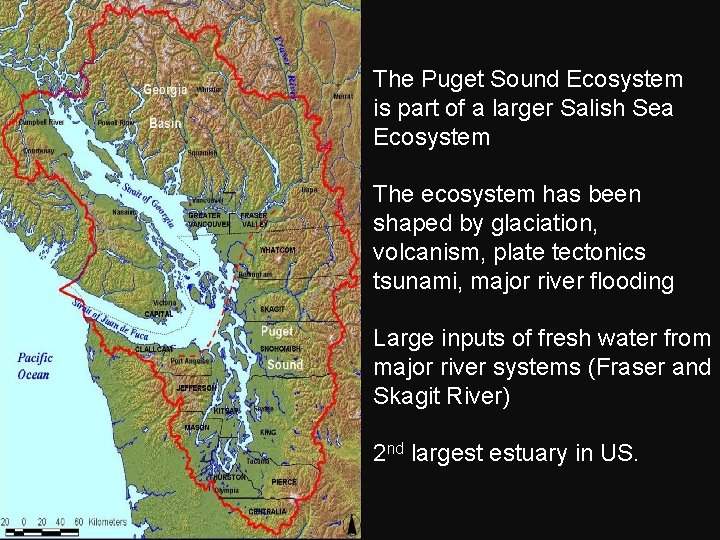
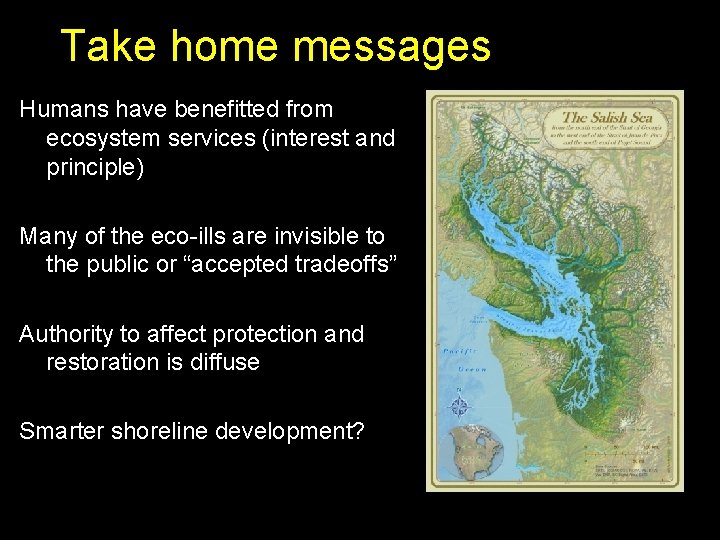
The Puget Sound Ecosystem is part of a larger Salish Sea Ecosystem The ecosystem has been shaped by glaciation, volcanism, plate tectonics tsunami, major river flooding Large inputs of fresh water from major river systems (Fraser and Skagit River) 2 nd largest estuary in US.
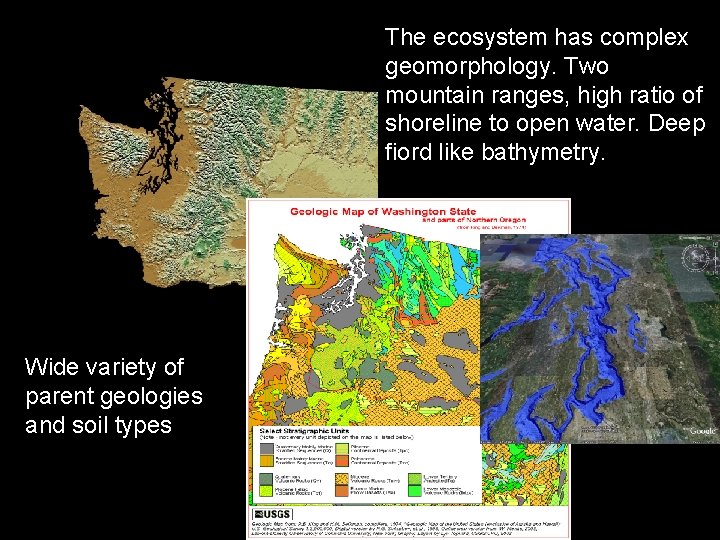
The ecosystem has complex geomorphology. Two mountain ranges, high ratio of shoreline to open water. Deep fiord like bathymetry. Wide variety of parent geologies and soil types
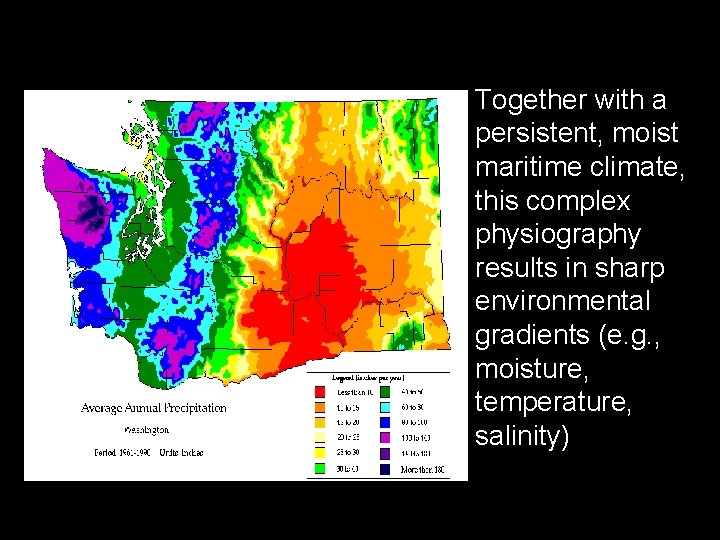
Together with a persistent, moist maritime climate, this complex physiography results in sharp environmental gradients (e. g. , moisture, temperature, salinity)
Fun Facts • • • Puget Sound Ecosystem ~ 16, 000 mi 2 Surface area of marine waters ~3, 200 mi 2 2354 mi of shoreline Deepest place is 930 ft Fastest current is 11. 5 mph Flushing time ~ 5 mo
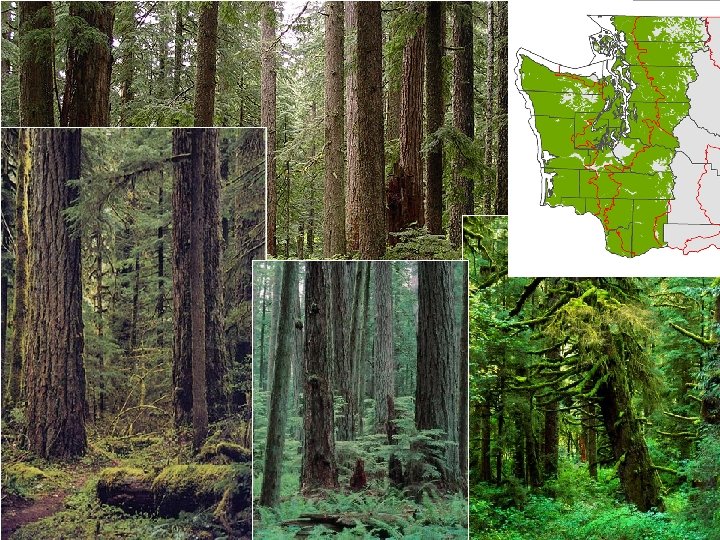
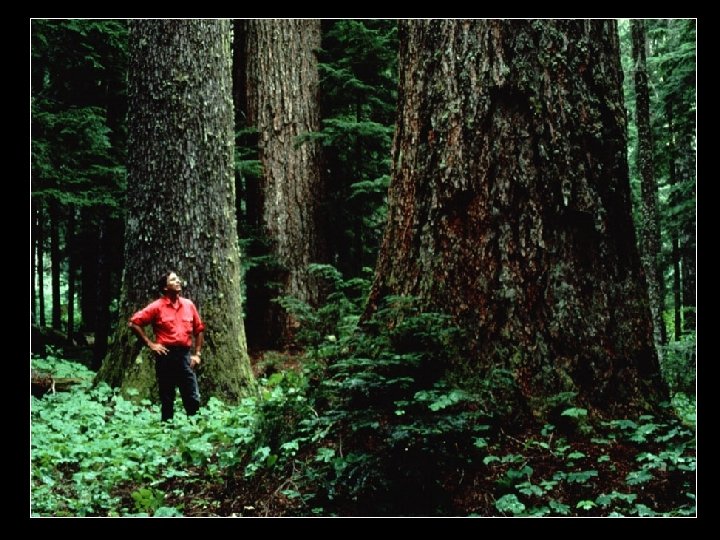
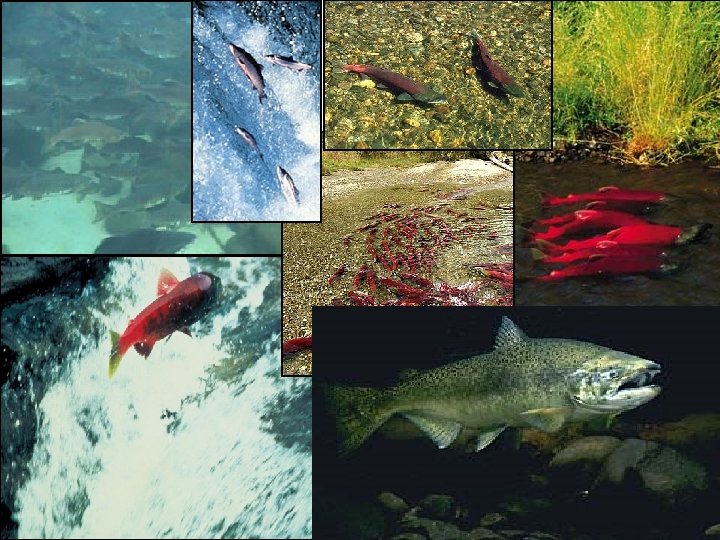
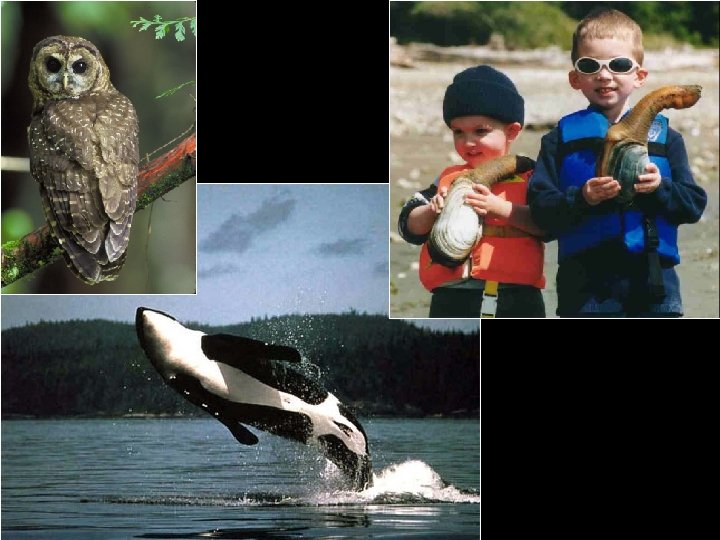
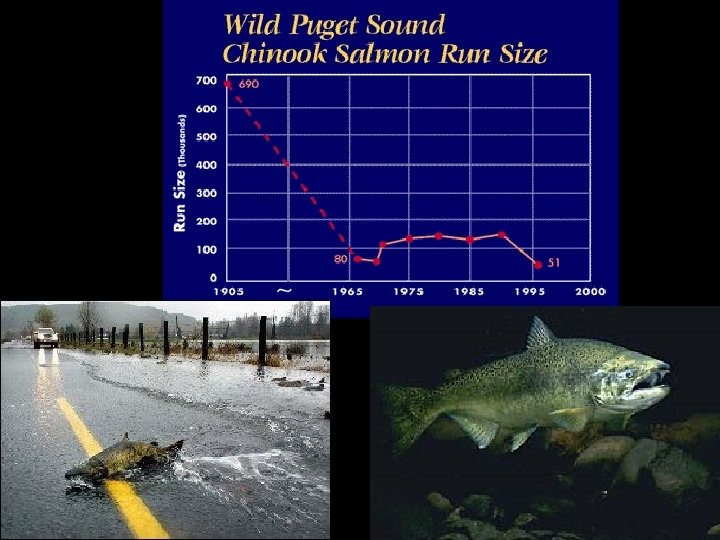
Biodiversity in the Puget Sound Ecosystem Significant biodiversity hotspot (Center for Biological Diversity) and 1 of 200 priority ecoregions for worldwide biodiversity, by virtue of globally outstanding “ecological phenomena” (WWF) – High species richness and endemism – World’s largest temperate rainforest lowland forest extremely productive – Salmon diversity high salmon species richness & large runs sizes – Large estuary with unique assemblage of marine biota
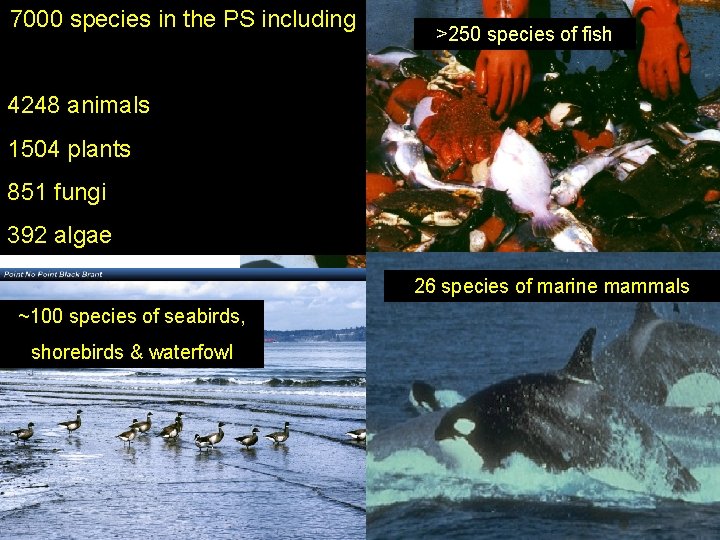
7000 species in the PS including >250 species of fish 4248 animals 1504 plants 851 fungi 392 algae 26 species of marine mammals ~100 species of seabirds, shorebirds & waterfowl
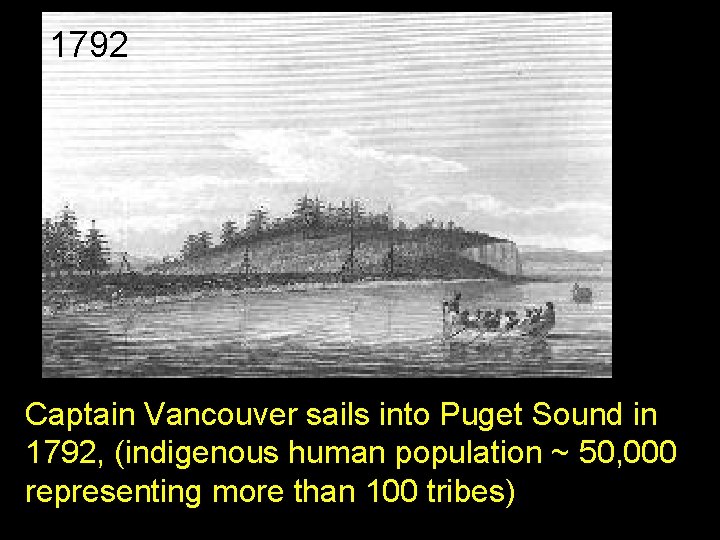
1792 Captain Vancouver sails into Puget Sound in 1792, (indigenous human population ~ 50, 000 representing more than 100 tribes)
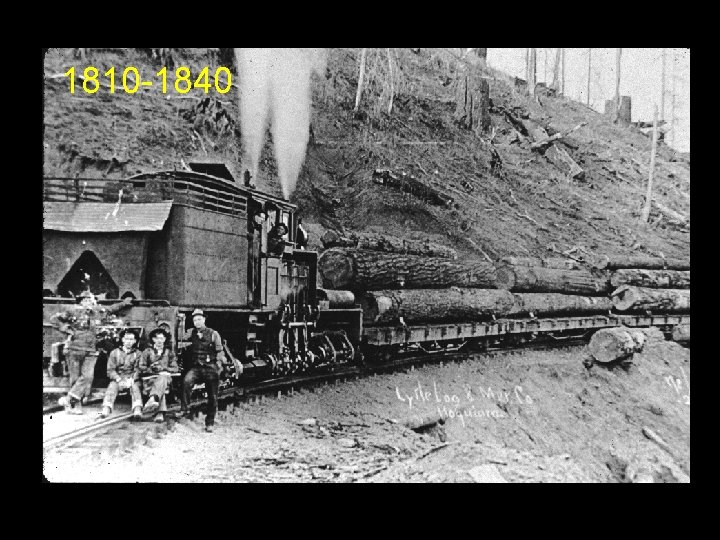
1810 -1840
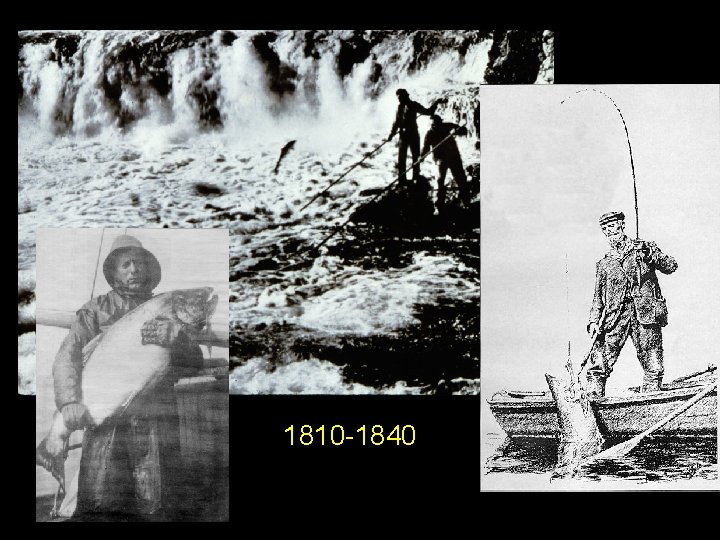
1810 -1840
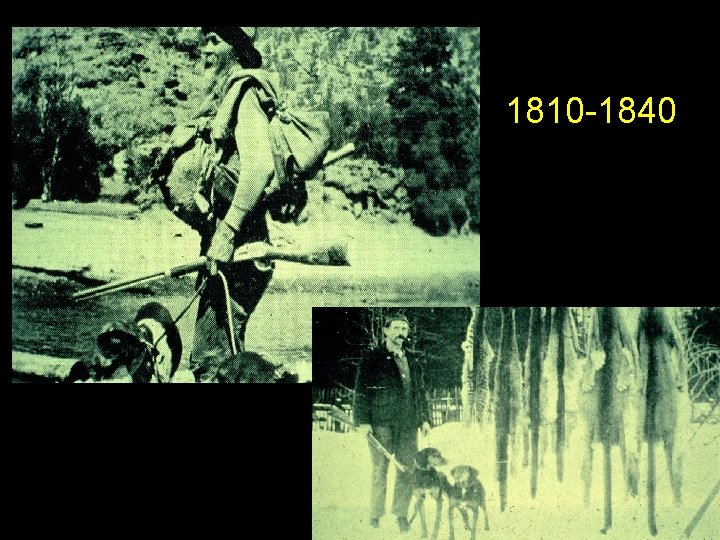
1810 -1840
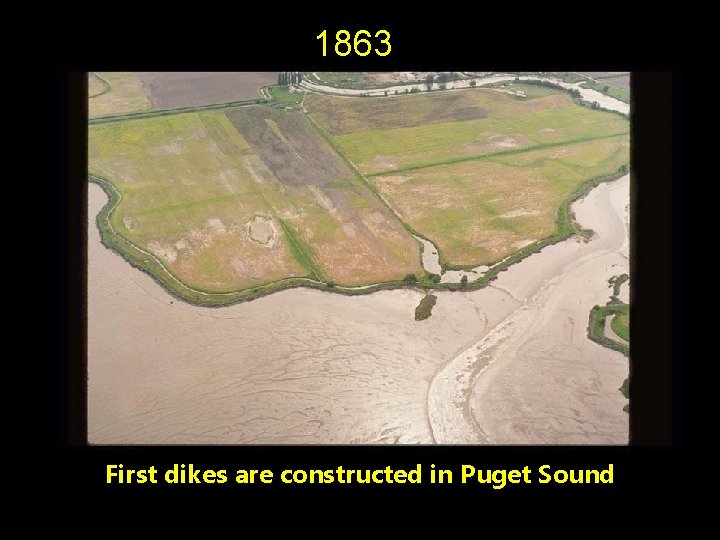
1863 First dikes are constructed in Puget Sound
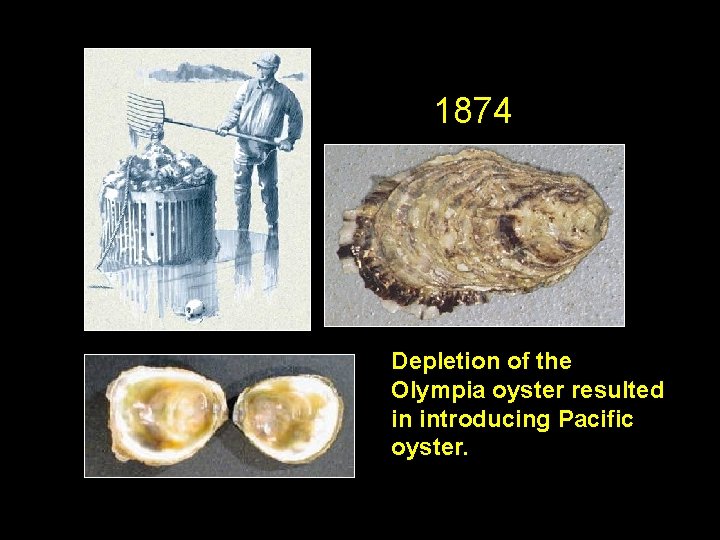
1874 Depletion of the Olympia oyster resulted in introducing Pacific oyster.
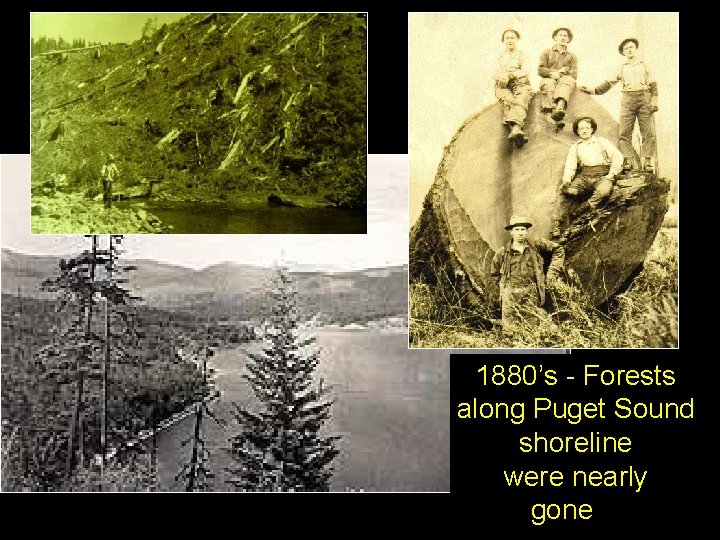
1880’s - Forests along Puget Sound shoreline were nearly gone”
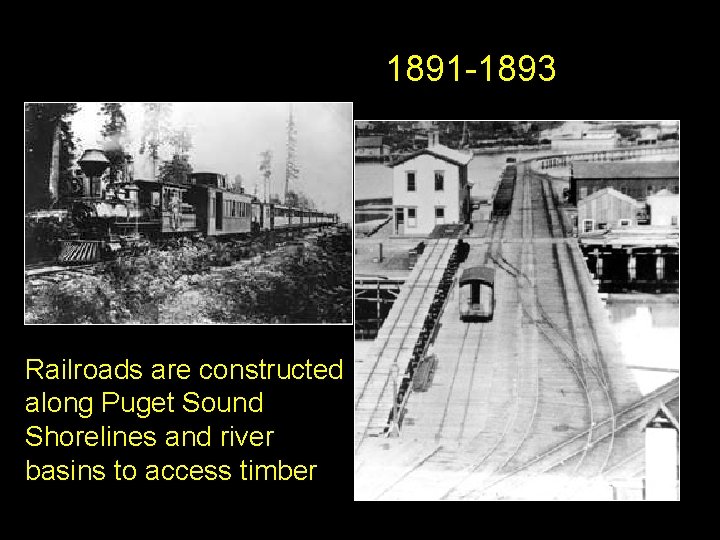
1891 -1893 Railroads are constructed along Puget Sound Shorelines and river basins to access timber
A Frontier Style Governance Model • Washington becomes a state in 1889 • State constitution reflects and encourages self reliance and entrepreneurship • Limited state gov and empowered local gov • 1 st legislature allowed the ‘disposal’ of state owned tidal lands – largely to encourage commerce
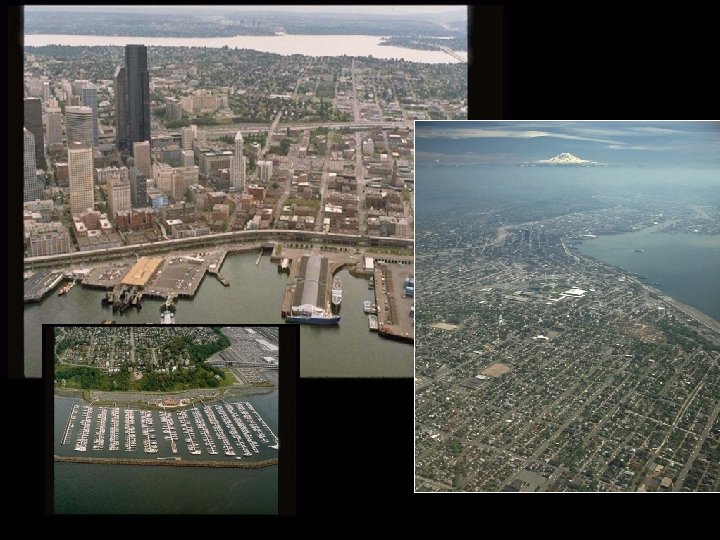
The State of the Puget Sound A Snap Shot Ecosystem in Time A Snapshot in 2009 The current state of the state
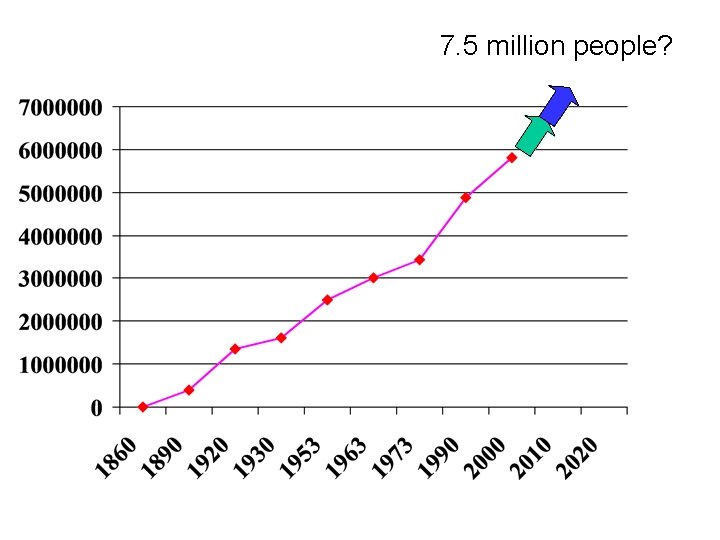
7. 5 million people?
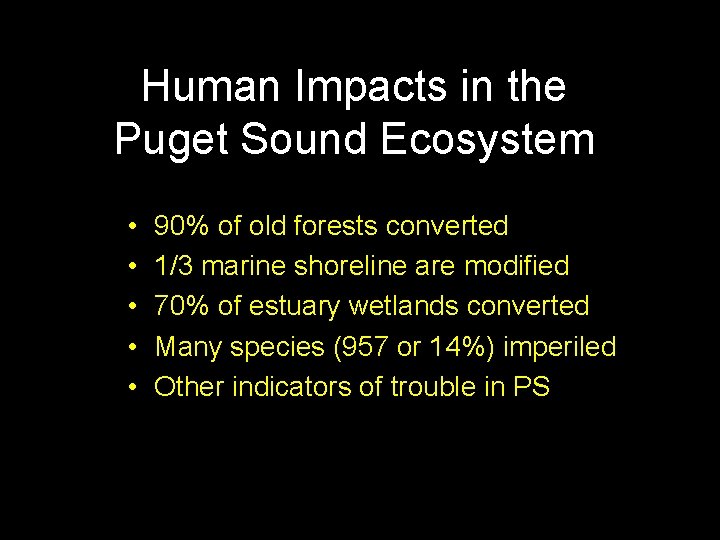
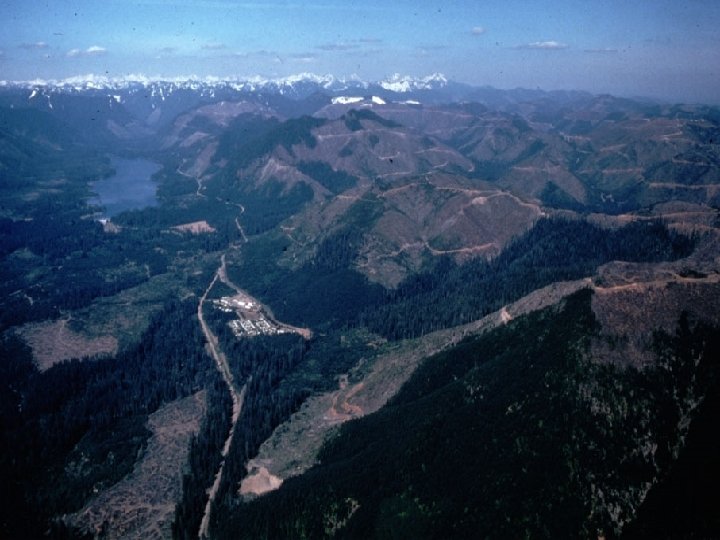
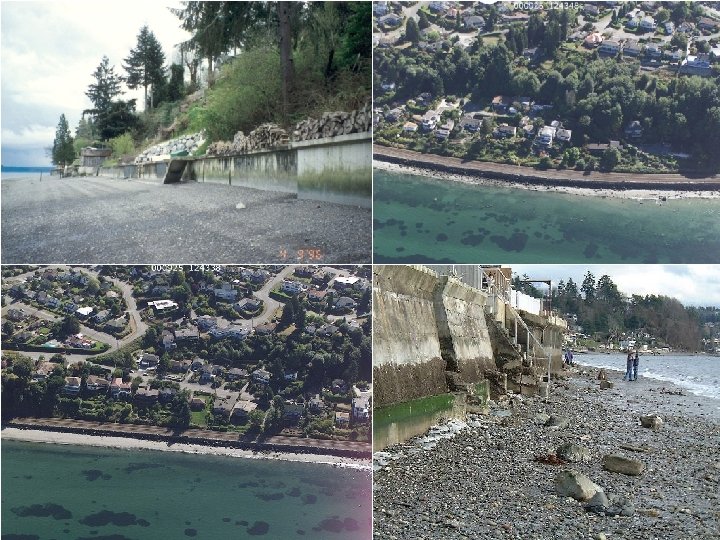
Human Impacts in the Puget Sound Ecosystem • • • 90% of old forests converted 1/3 marine shoreline are modified 70% of estuary wetlands converted Many species (957 or 14%) imperiled Other indicators of trouble in PS
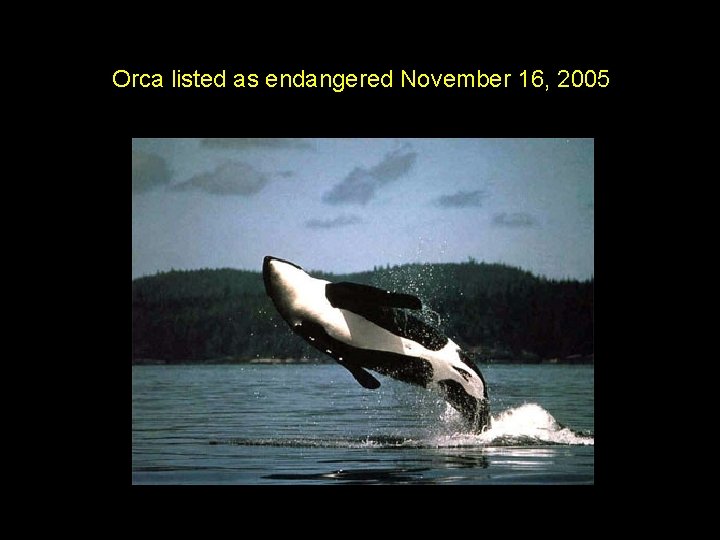
Orca listed as endangered November 16, 2005
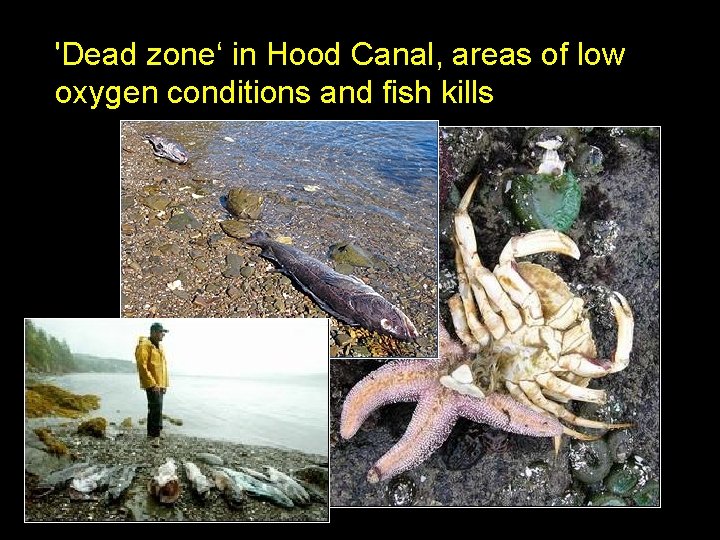
'Dead zone‘ in Hood Canal, areas of low oxygen conditions and fish kills
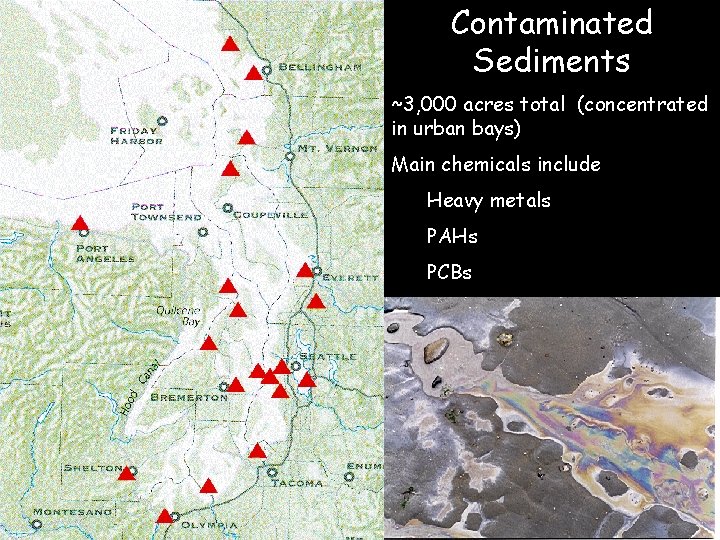
Contaminated Sediments ~3, 000 acres total (concentrated in urban bays) Main chemicals include Heavy metals PAHs PCBs
What’s New in the Effort to Restore Puget Sound
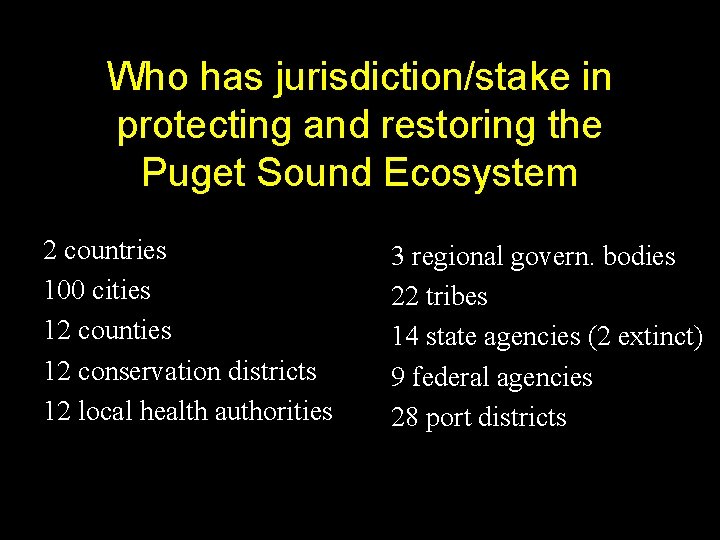
Who has jurisdiction/stake in protecting and restoring the Puget Sound Ecosystem 2 countries 100 cities 12 counties 12 conservation districts 12 local health authorities 3 regional govern. bodies 22 tribes 14 state agencies (2 extinct) 9 federal agencies 28 port districts
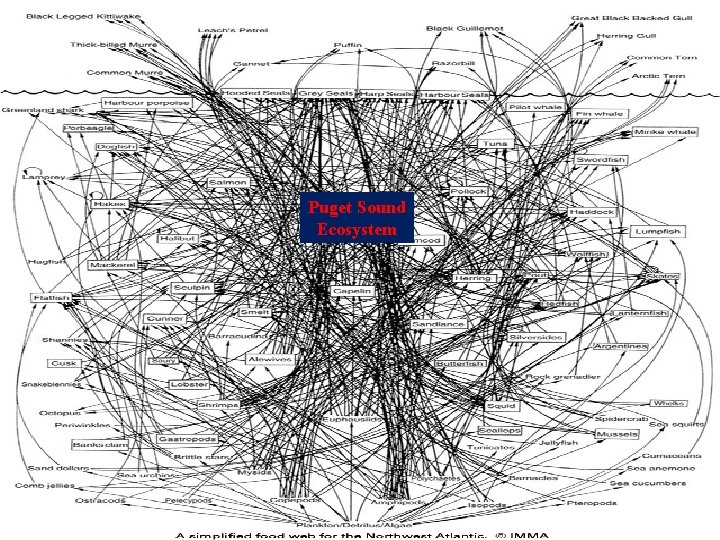
Puget Sound Ecosystem
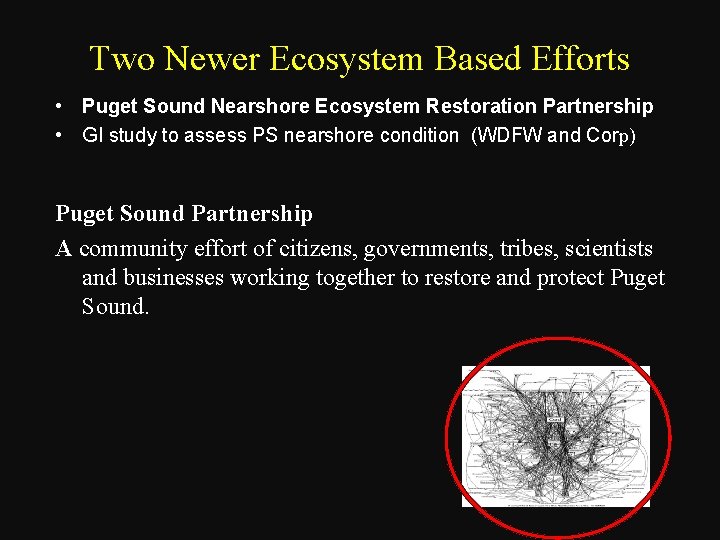
Two Newer Ecosystem Based Efforts • Puget Sound Nearshore Ecosystem Restoration Partnership • GI study to assess PS nearshore condition (WDFW and Corp) Puget Sound Partnership A community effort of citizens, governments, tribes, scientists and businesses working together to restore and protect Puget Sound.
Take home messages Humans have benefitted from ecosystem services (interest and principle) Many of the eco-ills are invisible to the public or “accepted tradeoffs” Authority to affect protection and restoration is diffuse Smarter shoreline development?