
An Emerging World Power United States Imperialism 1890
![Filipino Rebellion (1899 -1902) “[U. S. soldiers] have been relentless, have killed to exterminate](https://slidetodoc.com/presentation_image_h/0152c72e6e85587c3f95c170d49ad551/image-91.jpg "Filipino Rebellion (1899 -1902) “[U. S. soldiers] have been relentless, have killed to exterminate")
- Slides: 145
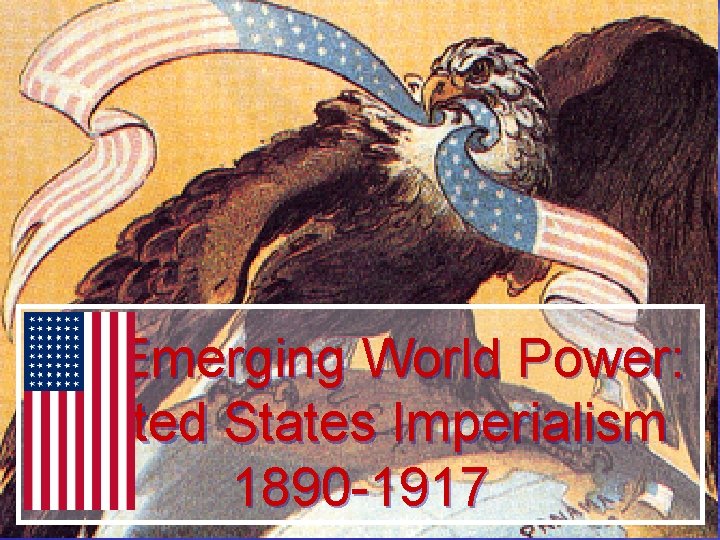
An Emerging World Power: United States Imperialism 1890 -1917
Objectives • 6. 01 – Examine the factors that led to the United States taking an increasingly active role in the affairs of the world. • 6. 02 – Identify areas of United States military, economic and political involvement and influence. • 6. 03 – Describe how the policies and actions of the United States government impacted the affairs of other countries.
Foreign Policy Review
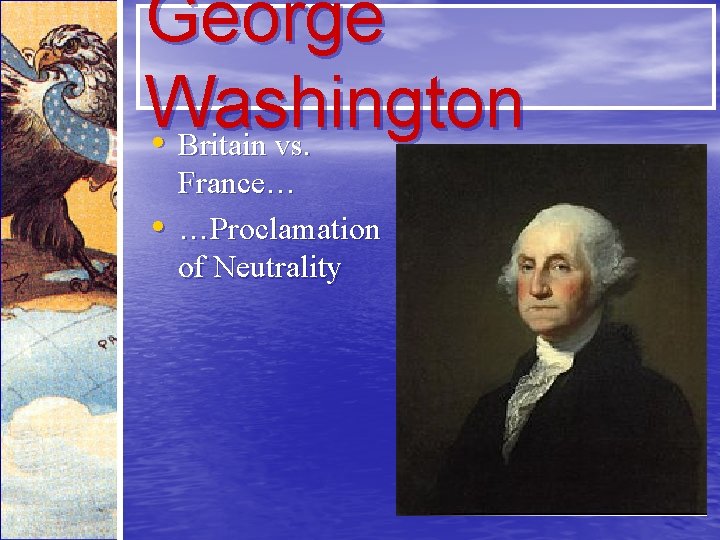
George Washington • Britain vs. • France… …Proclamation of Neutrality
Adams, Jefferson & Madison • Adams: XYZ Affair… Quasi War • Jefferson: Impressment… Embargo Act • Madison: Impressment… War of 1812
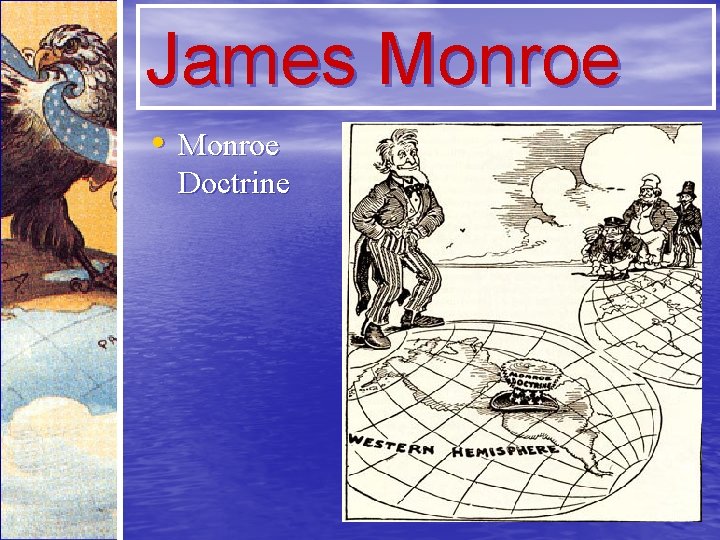
James Monroe • Monroe Doctrine
Objective 6. 01
Motivations for Imperial Growth
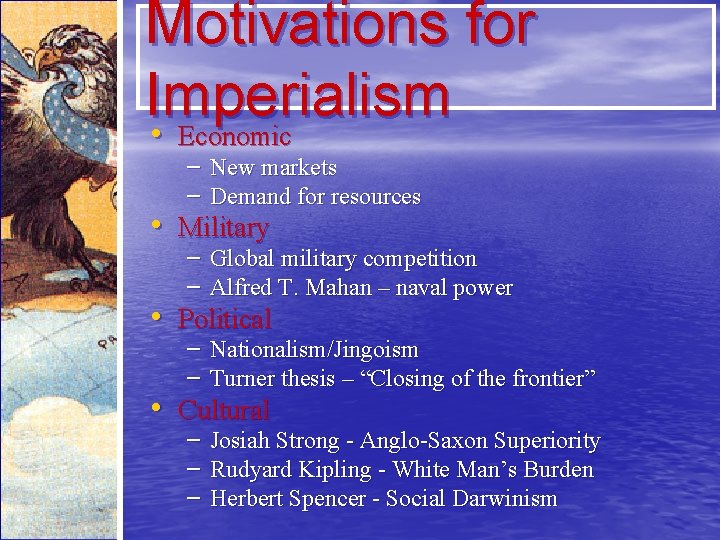
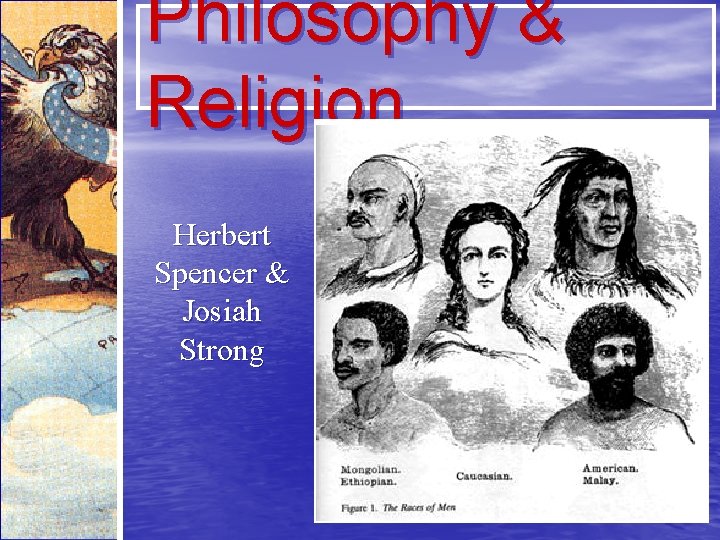
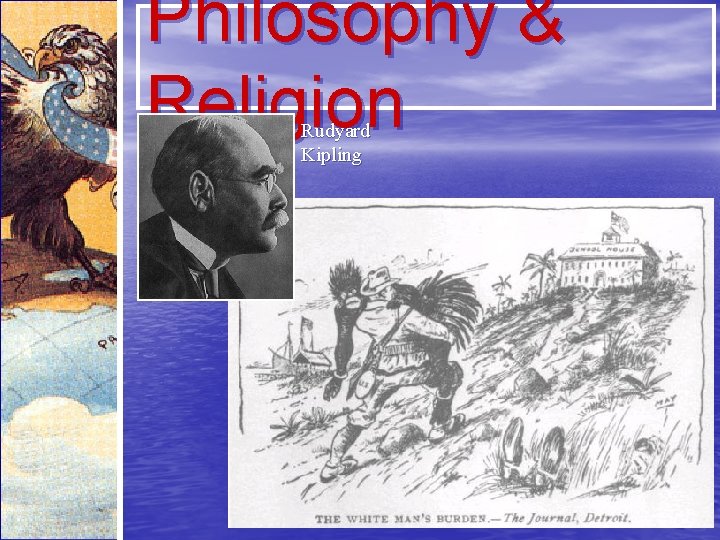
Motivations for Imperialism • Economic – New markets – Demand for resources • Military – Global military competition – Alfred T. Mahan – naval power • Political – Nationalism/Jingoism – Turner thesis – “Closing of the frontier” • Cultural – Josiah Strong - Anglo-Saxon Superiority – Rudyard Kipling - White Man’s Burden – Herbert Spencer - Social Darwinism
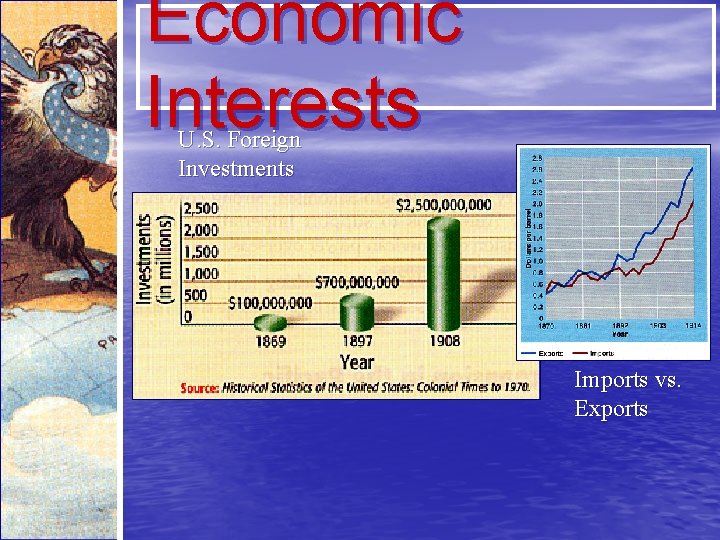
Economic Interests U. S. Foreign Investments Imports vs. Exports
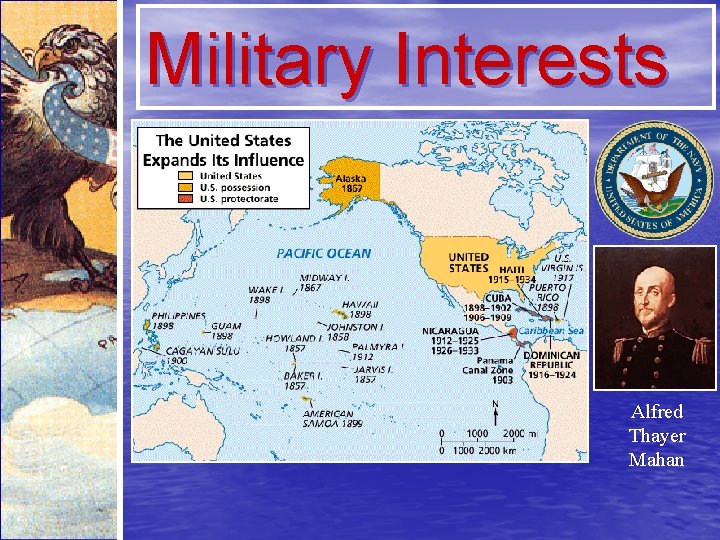
Military Interests Alfred Thayer Mahan
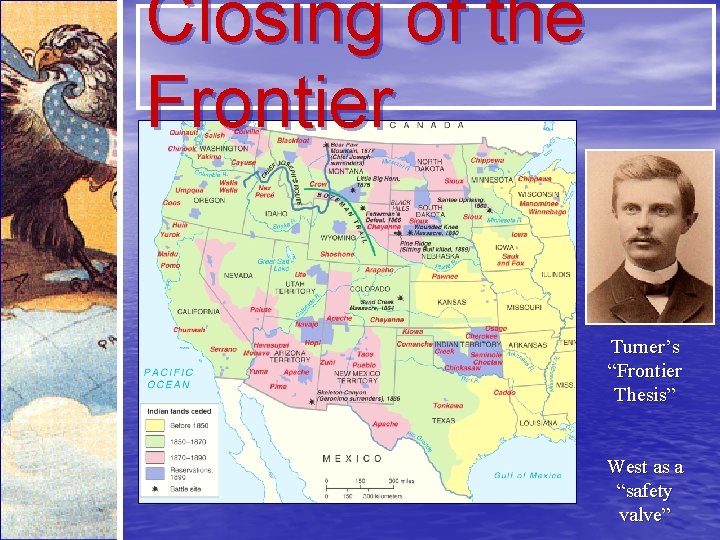
Closing of the Frontier Turner’s “Frontier Thesis” West as a “safety valve”
Philosophy & Religion Herbert Spencer & Josiah Strong
Philosophy & Religion Rudyard Kipling
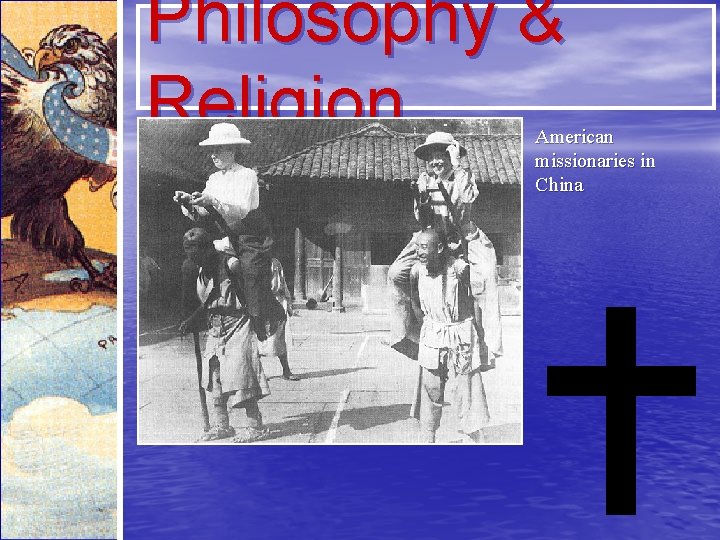
Philosophy & Religion American missionaries in China
Objective 6. 02
The United States & Japan
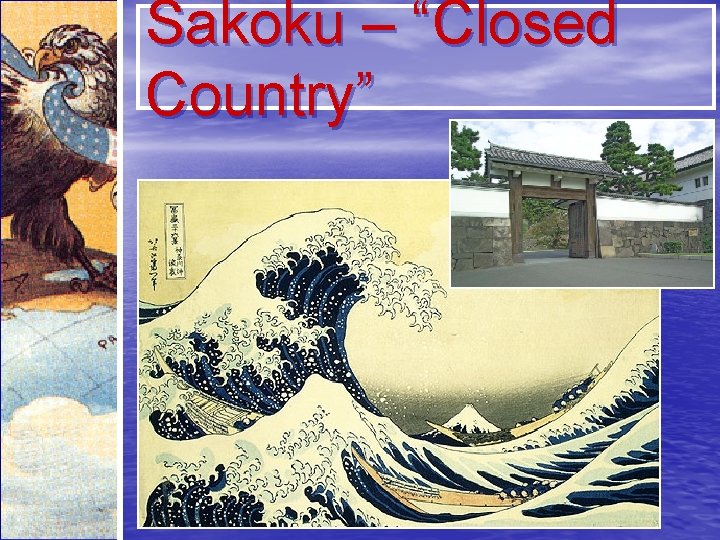
Sakoku – “Closed Country”
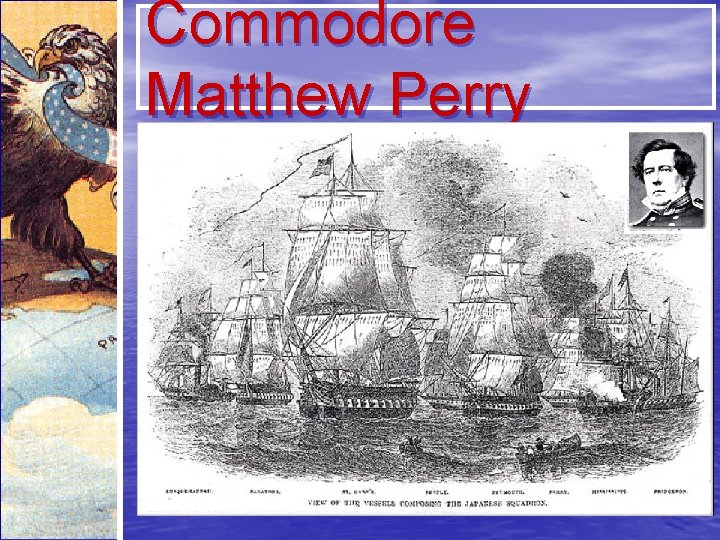
Commodore Matthew Perry
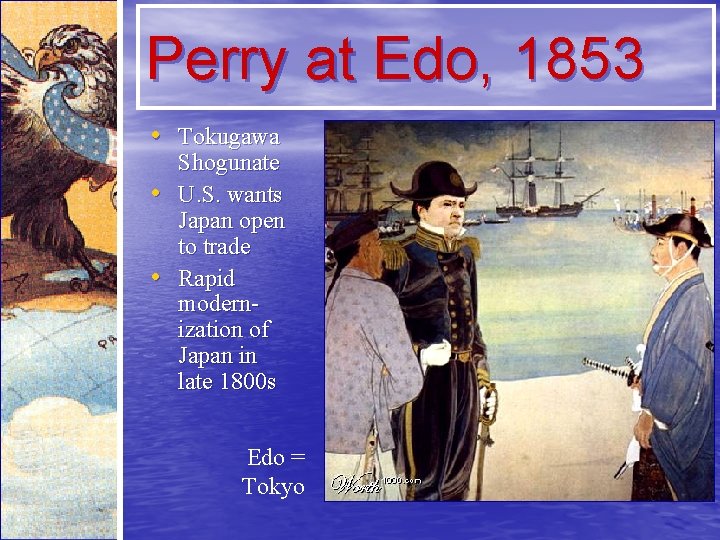
Perry at Edo, 1853 • Tokugawa • • Shogunate U. S. wants Japan open to trade Rapid modernization of Japan in late 1800 s Edo = Tokyo
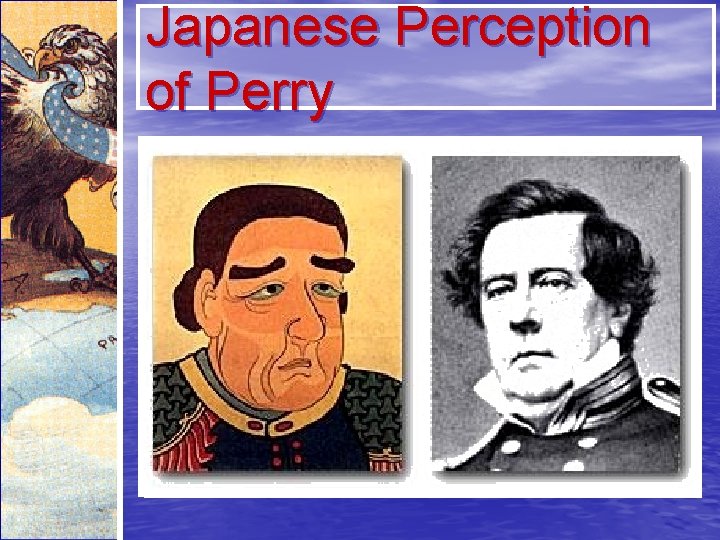
Japanese Perception of Perry
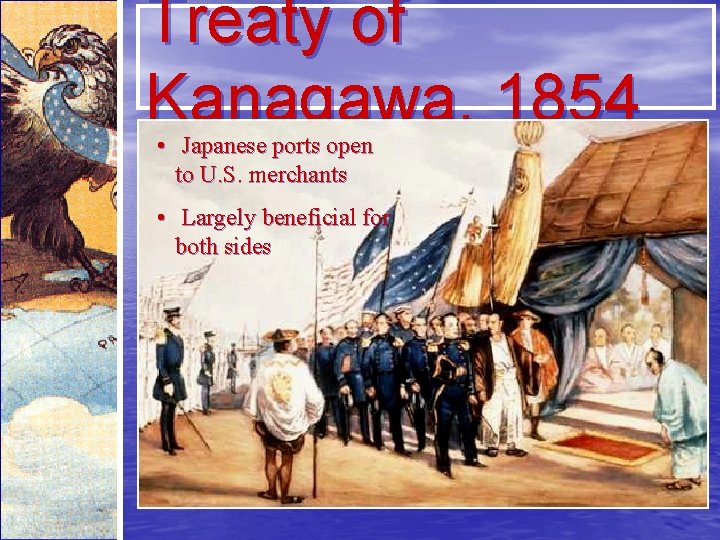
Treaty of Kanagawa, 1854 • Japanese ports open to U. S. merchants • Largely beneficial for both sides
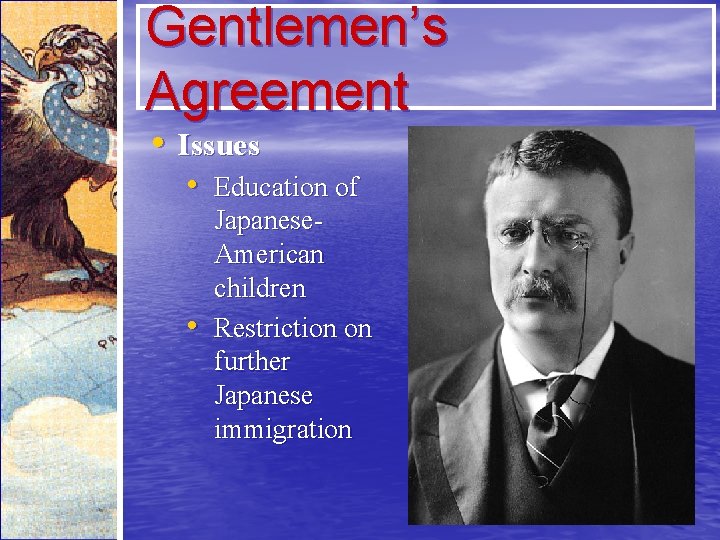
Gentlemen’s Agreement • Issues • Education of • Japanese. American children Restriction on further Japanese immigration
An “Open Door” Into China
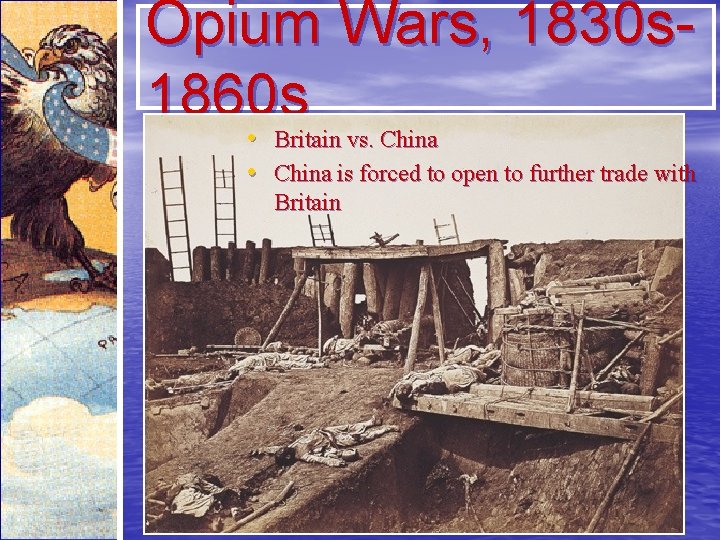
Opium Wars, 1830 s 1860 s • • Britain vs. China • China is forced to open to further trade with Britain
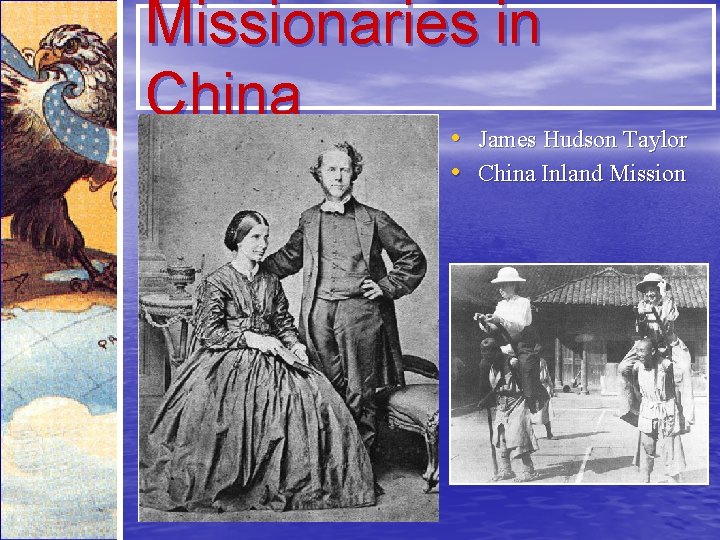
Missionaries in China • • James Hudson Taylor • China Inland Mission
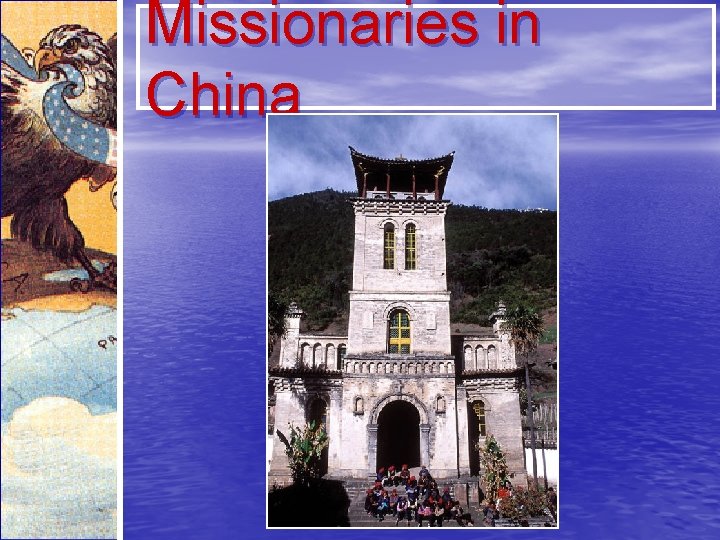
Missionaries in China
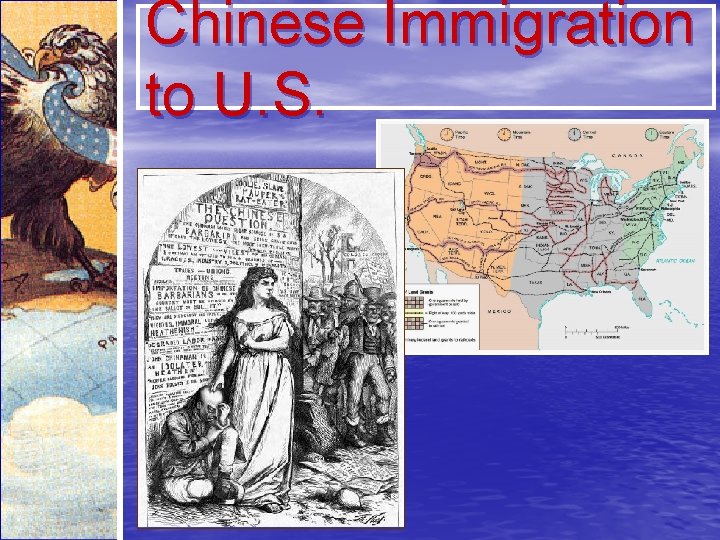
Chinese Immigration to U. S.
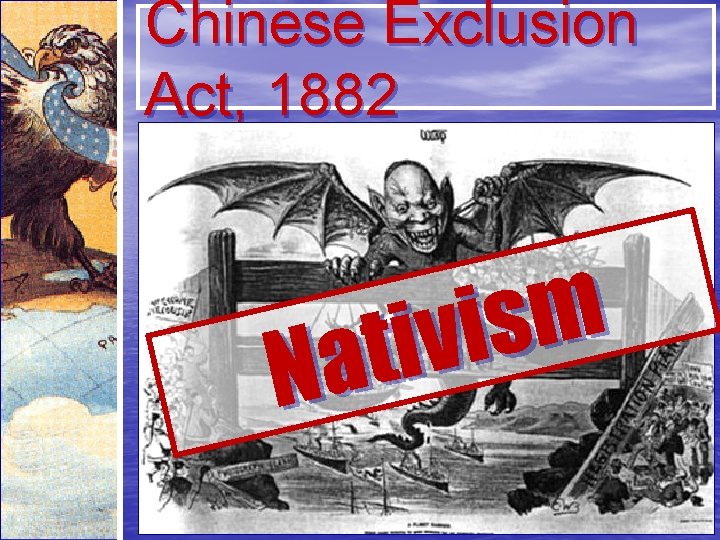
Chinese Exclusion Act, 1882 m s i v i t Na
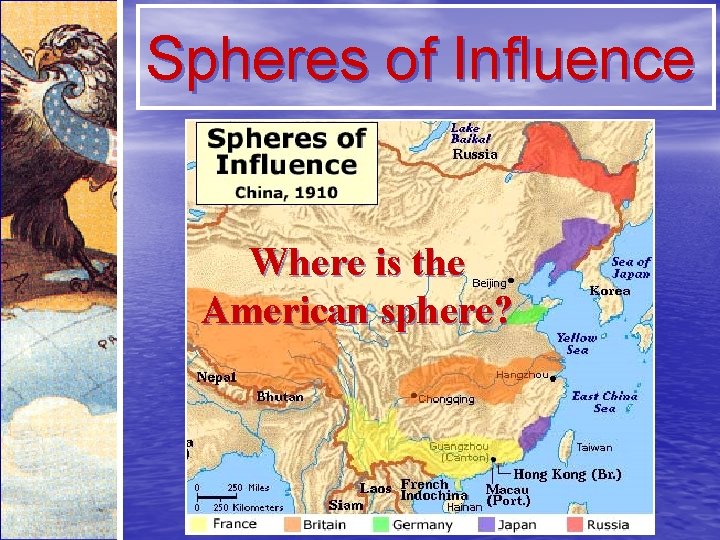
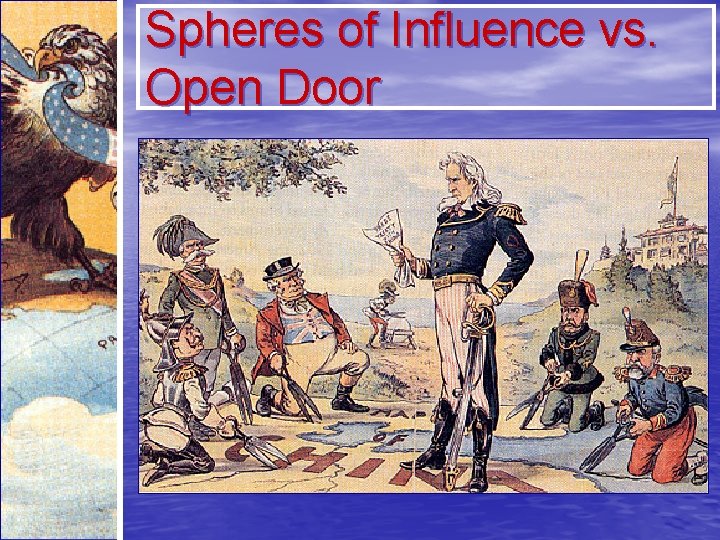
Spheres of Influence Where is the American sphere?
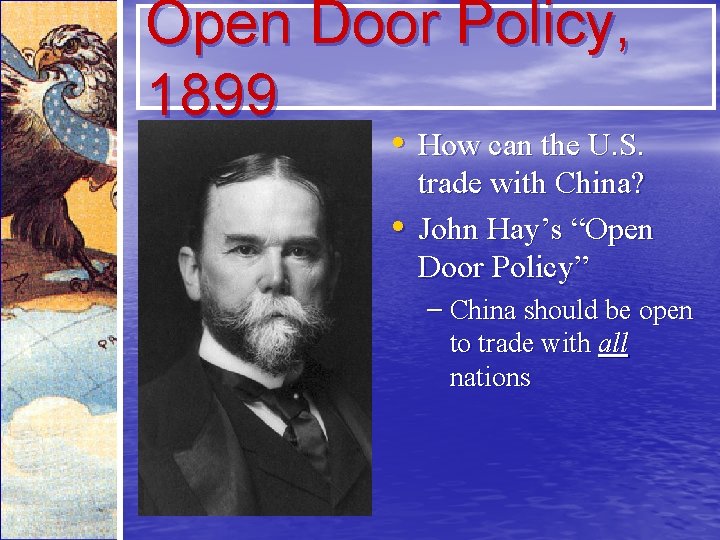
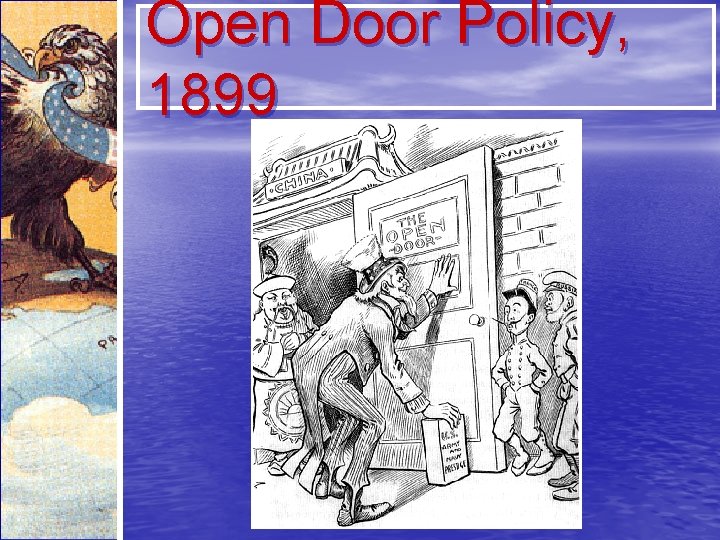
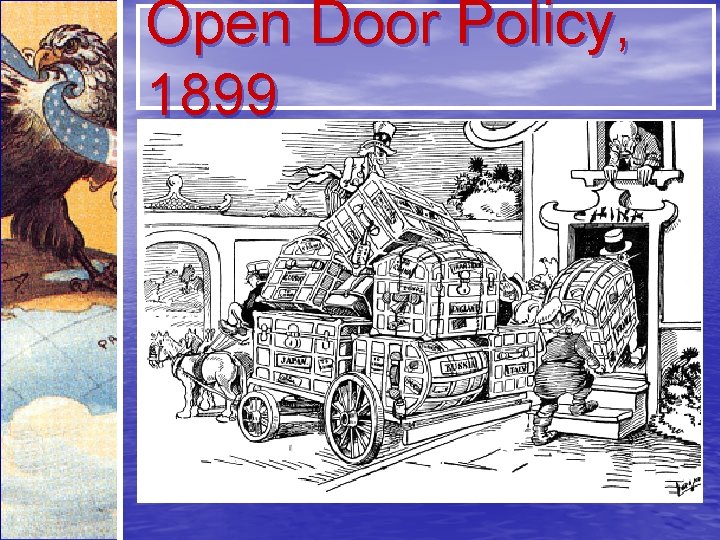
Open Door Policy, 1899 • How can the U. S. • trade with China? John Hay’s “Open Door Policy” – China should be open to trade with all nations
Open Door Policy, 1899
Open Door Policy, 1899
Spheres of Influence vs. Open Door
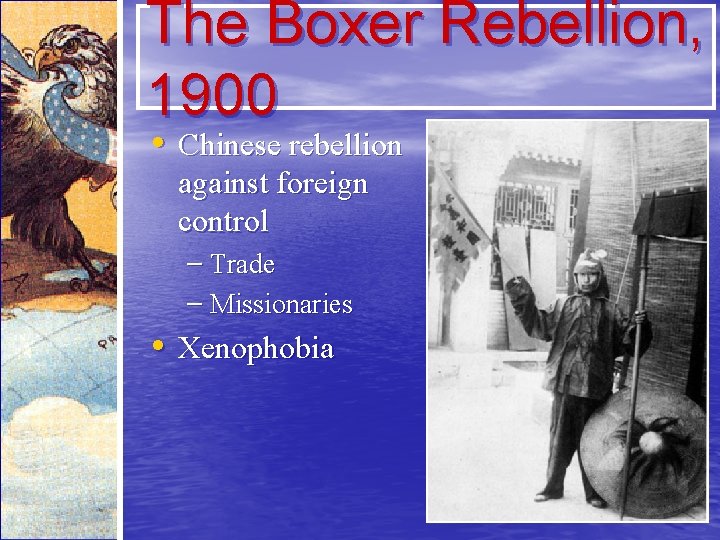
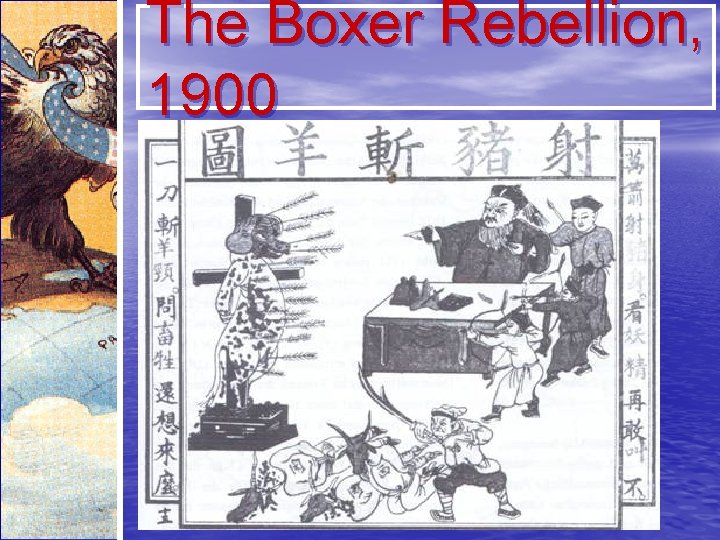
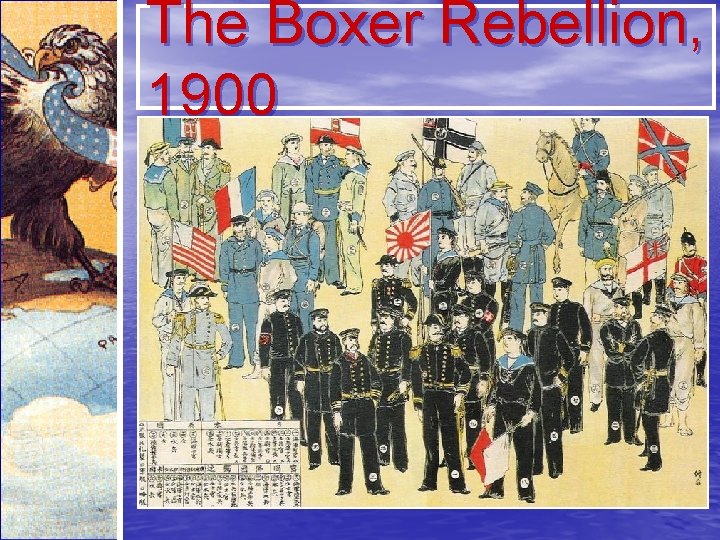
The Boxer Rebellion, 1900 • Chinese rebellion against foreign control – Trade – Missionaries • Xenophobia
The Boxer Rebellion, 1900
The Boxer Rebellion, 1900
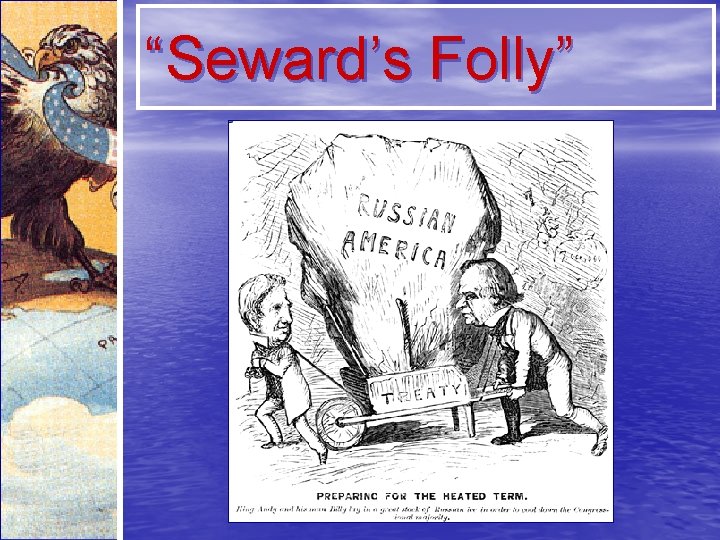
The Alaska Purchase: “Seward’s Folly”
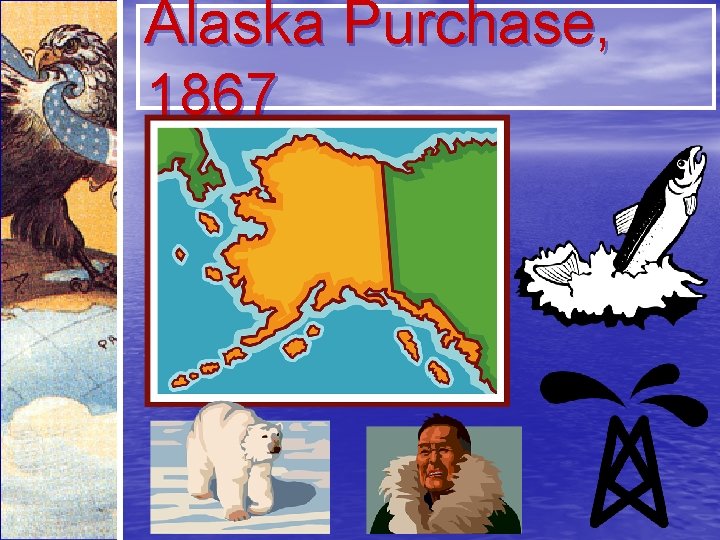
Alaska Purchase, 1867
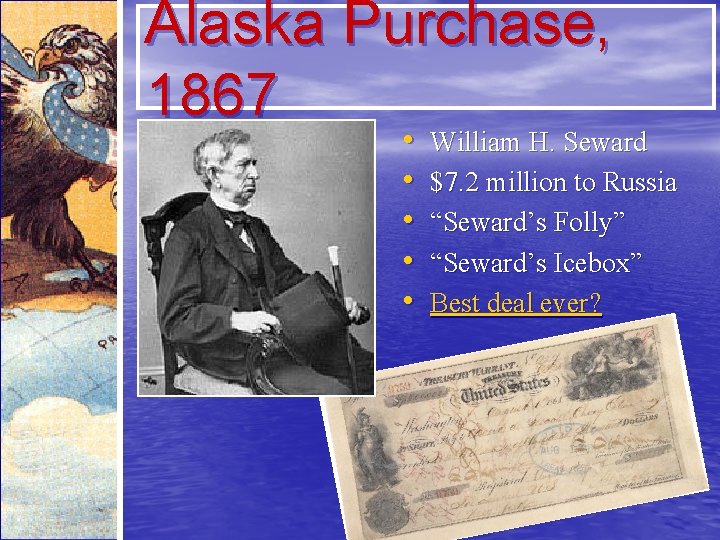
Alaska Purchase, 1867 • • • William H. Seward $7. 2 million to Russia “Seward’s Folly” “Seward’s Icebox” Best deal ever?
“Seward’s Folly”
Hawaii: Crossroads of the Pacific
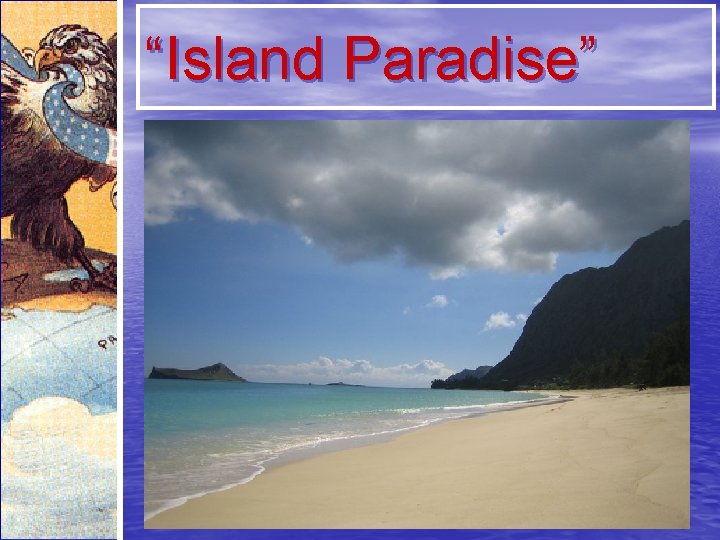
“Island Paradise”
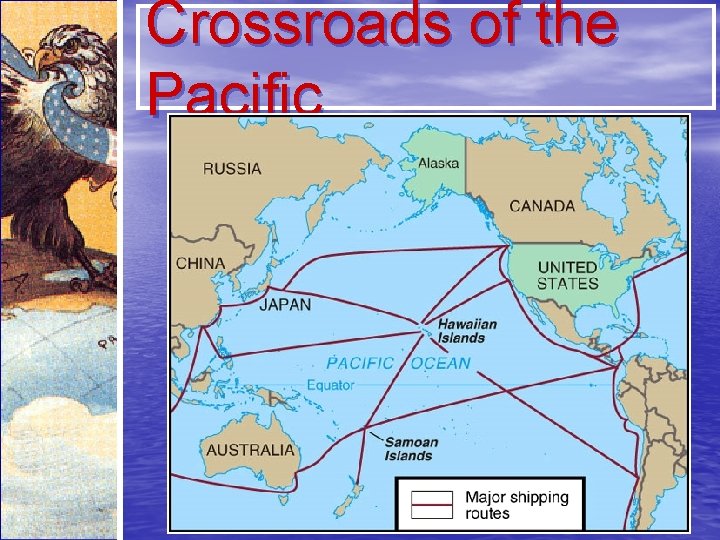
Crossroads of the Pacific
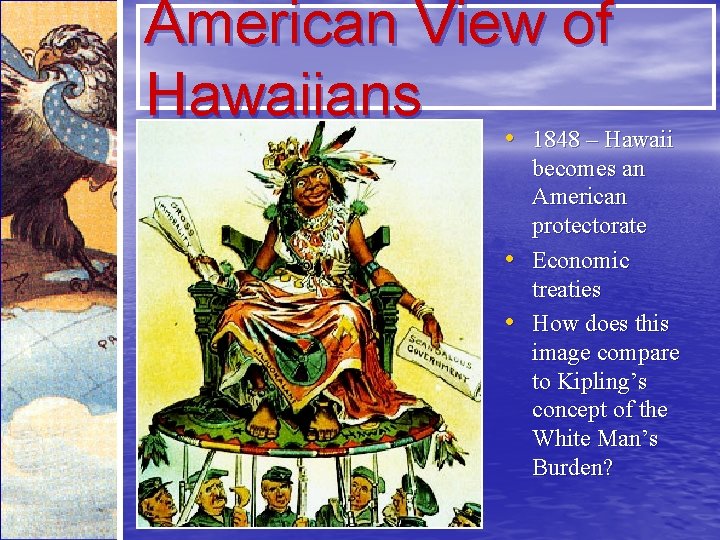
American View of Hawaiians • • 1848 – Hawaii • • becomes an American protectorate Economic treaties How does this image compare to Kipling’s concept of the White Man’s Burden?
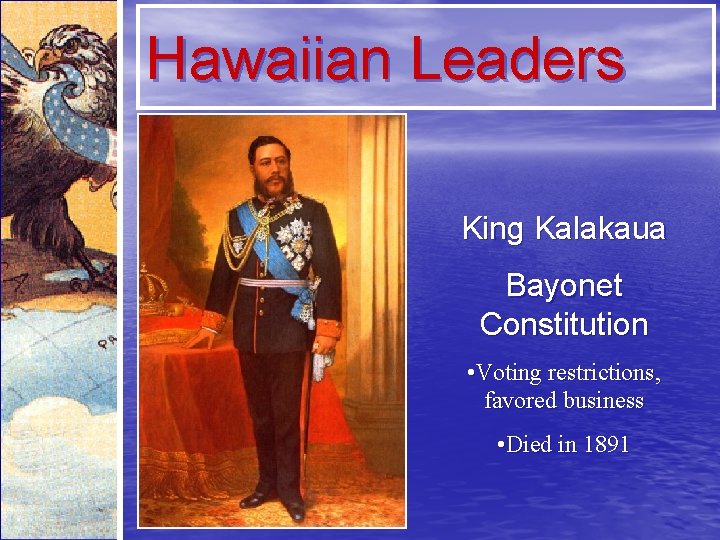
Hawaiian Leaders King Kalakaua Bayonet Constitution • Voting restrictions, favored business • Died in 1891
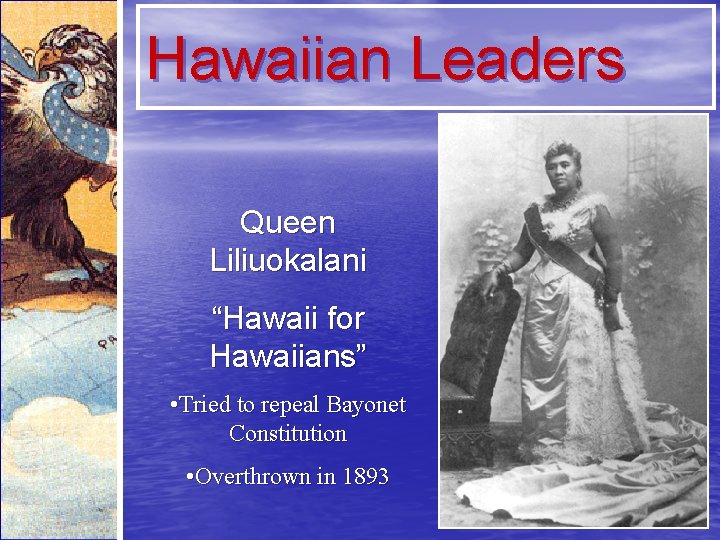
Hawaiian Leaders Queen Liliuokalani “Hawaii for Hawaiians” • Tried to repeal Bayonet Constitution • Overthrown in 1893
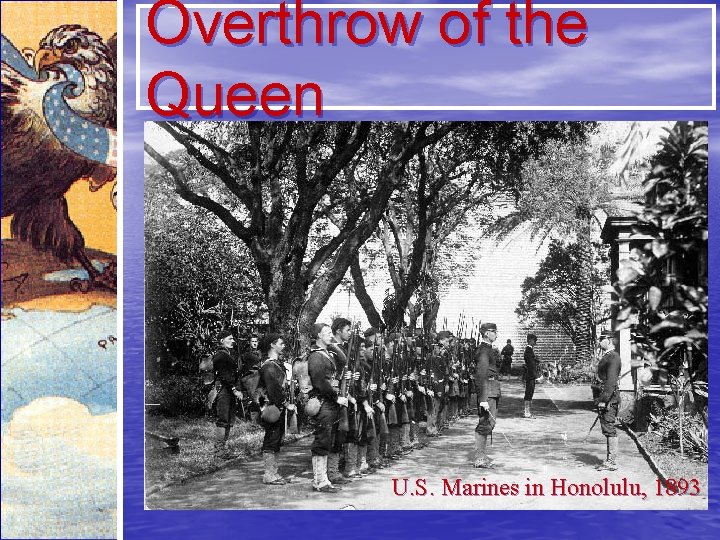
Overthrow of the Queen U. S. Marines in Honolulu, 1893
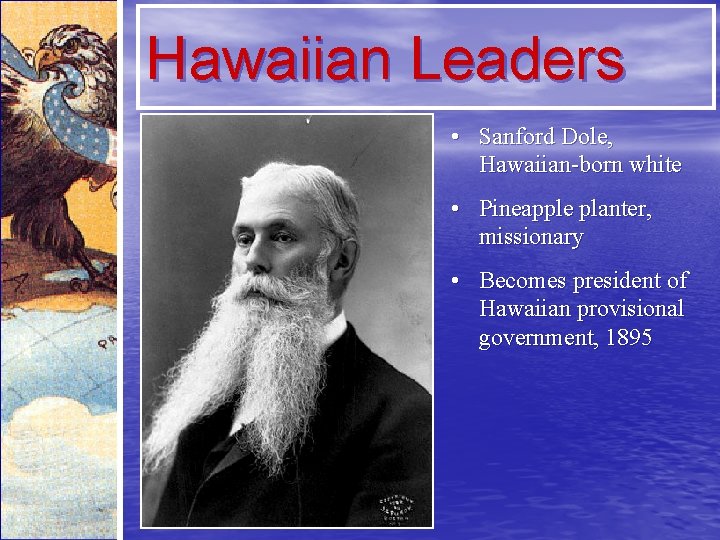
Hawaiian Leaders • Sanford Dole, Hawaiian-born white • Pineapple planter, missionary • Becomes president of Hawaiian provisional government, 1895
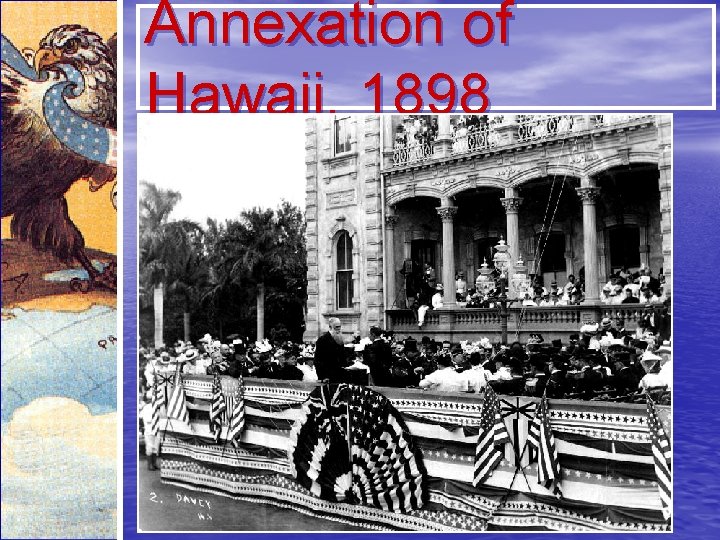
Annexation of Hawaii, 1898
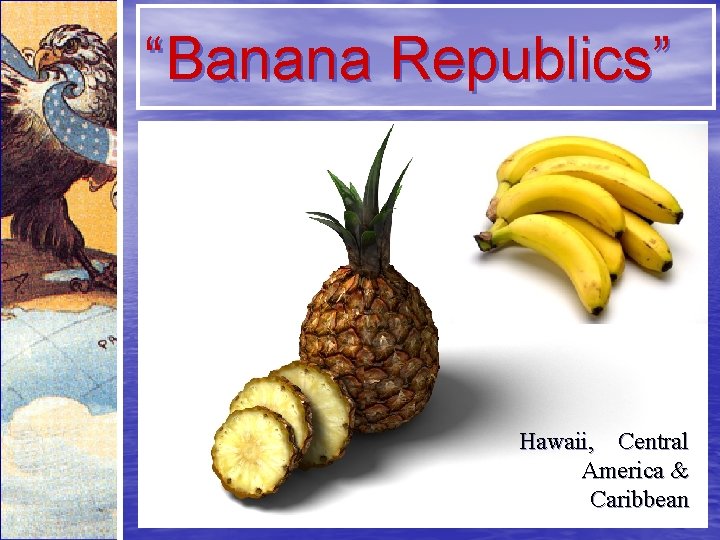
“Banana Republics” Hawaii, Central America & Caribbean
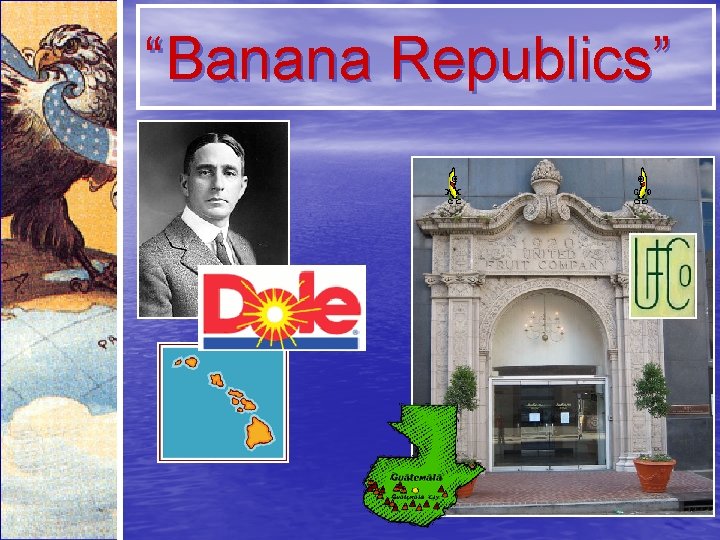
“Banana Republics”
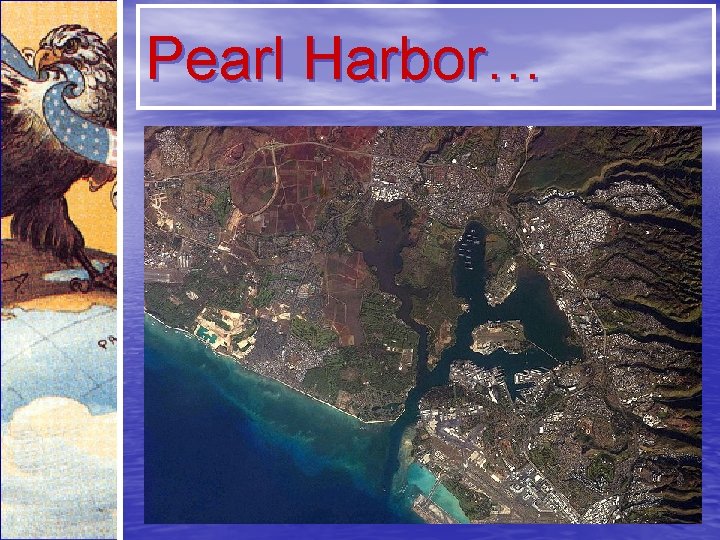
Pearl Harbor…
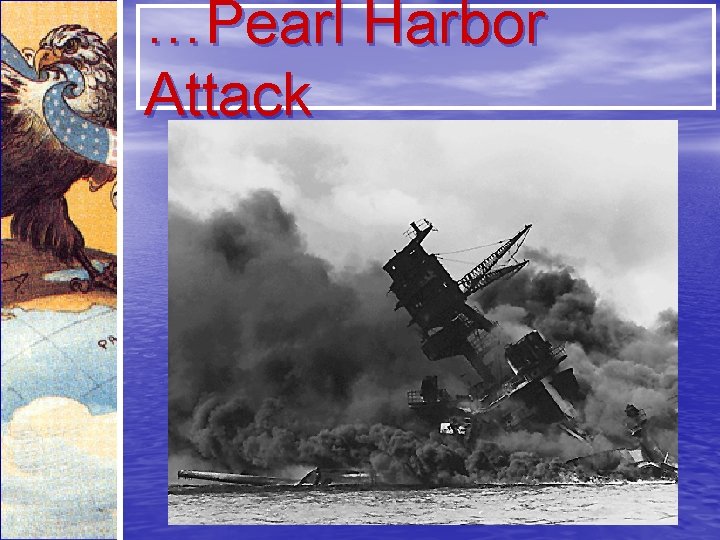
…Pearl Harbor Attack
Spanish. American War, 1898
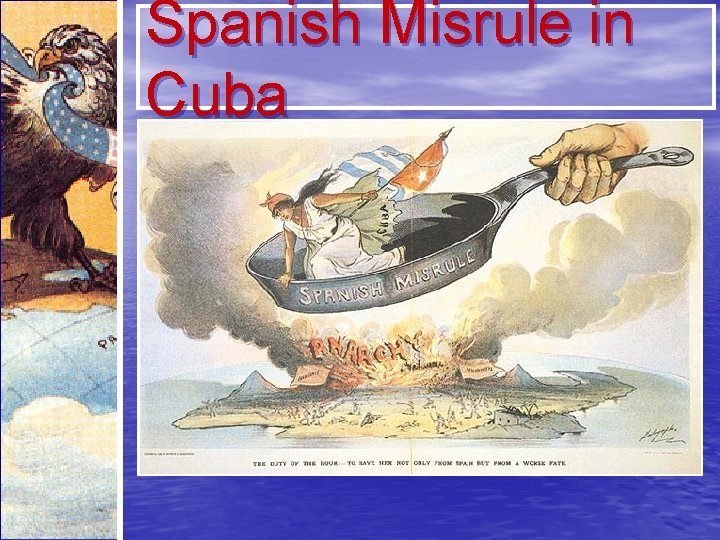
Spanish Misrule in Cuba
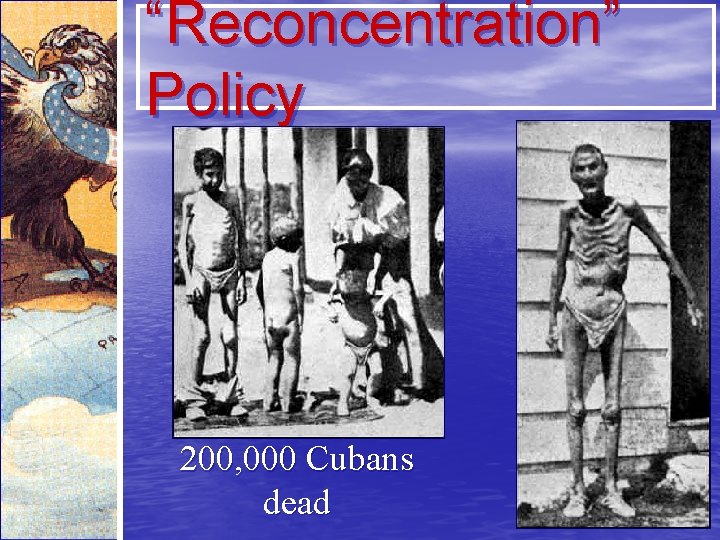
“Reconcentration” Policy 200, 000 Cubans dead
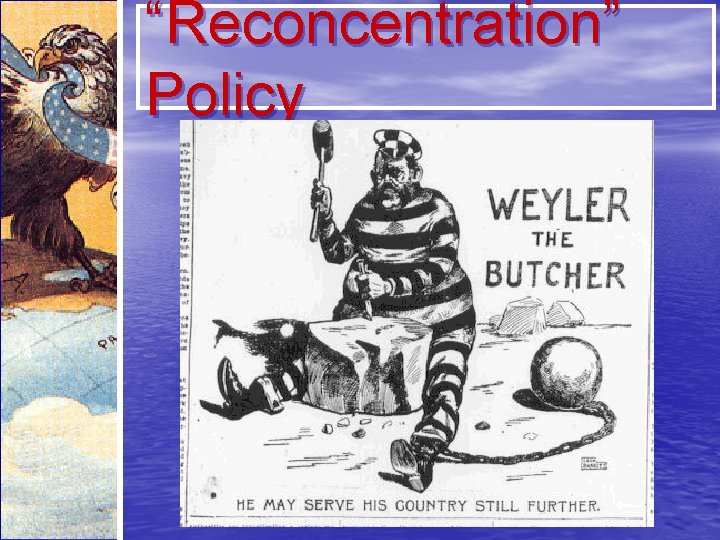
“Reconcentration” Policy
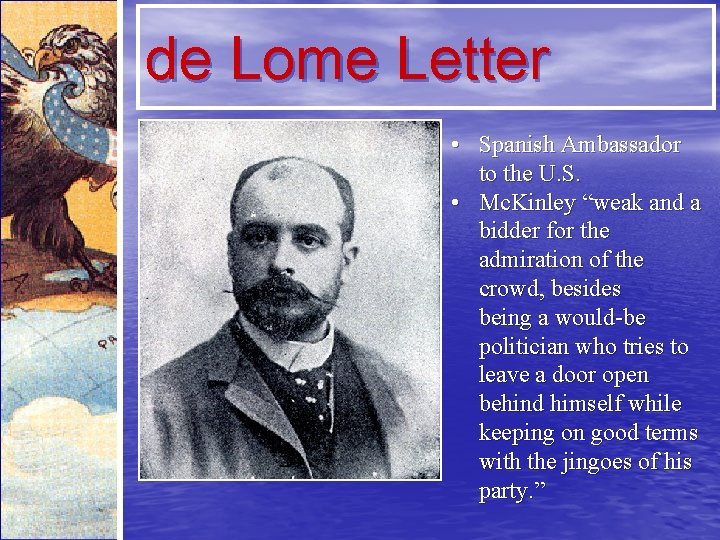
de Lome Letter • Spanish Ambassador to the U. S. • Mc. Kinley “weak and a bidder for the admiration of the crowd, besides being a would-be politician who tries to leave a door open behind himself while keeping on good terms with the jingoes of his party. ”
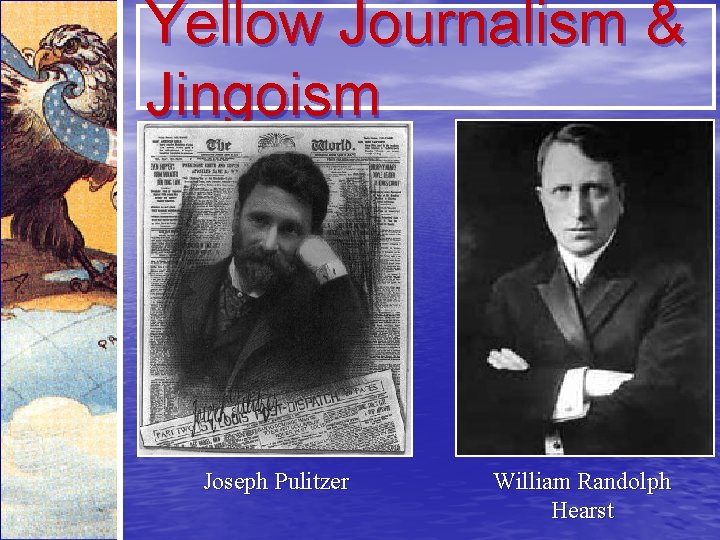
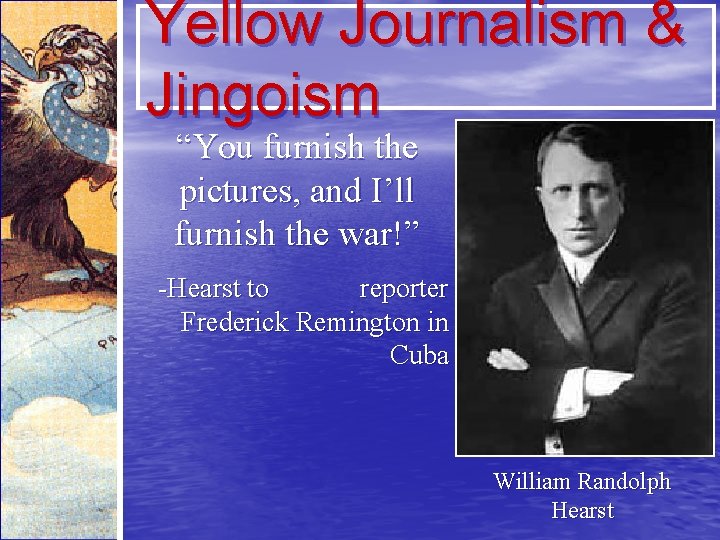
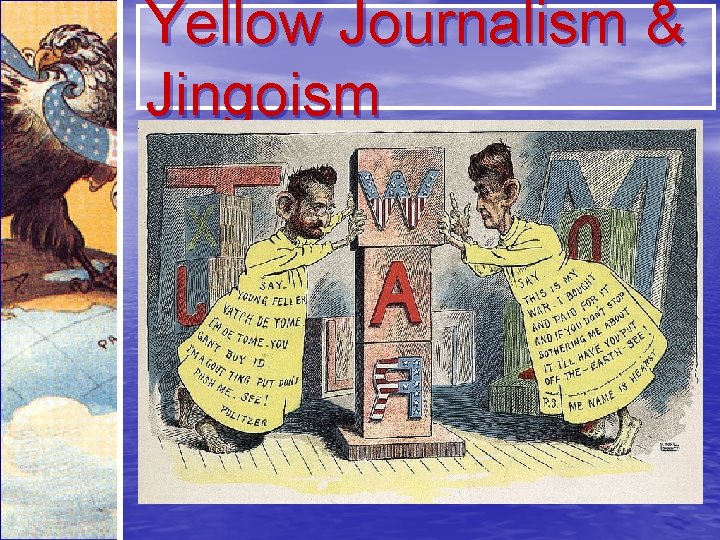
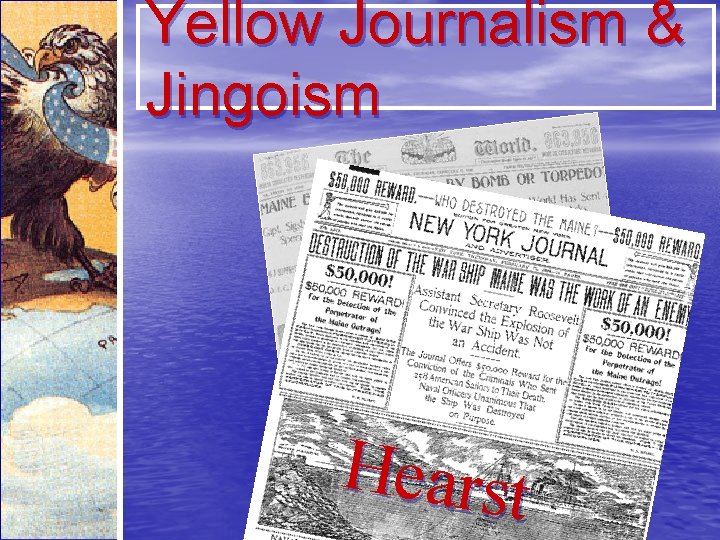
Yellow Journalism & Jingoism Joseph Pulitzer William Randolph Hearst
Yellow Journalism & Jingoism “You furnish the pictures, and I’ll furnish the war!” -Hearst to reporter Frederick Remington in Cuba William Randolph Hearst
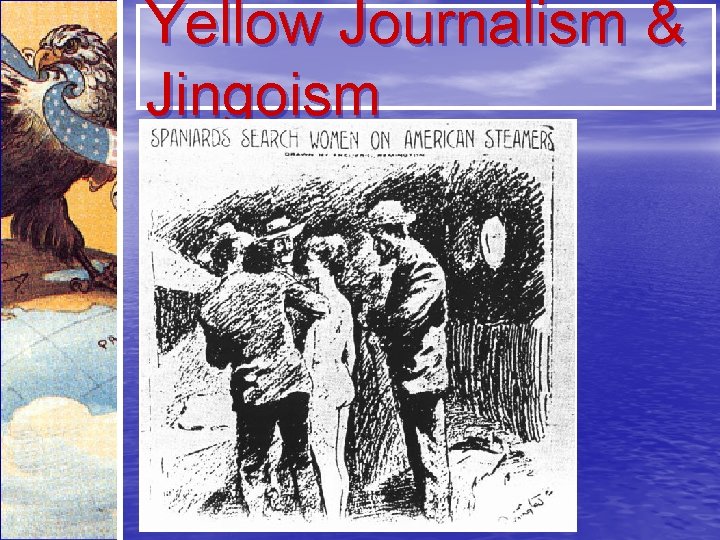
Yellow Journalism & Jingoism
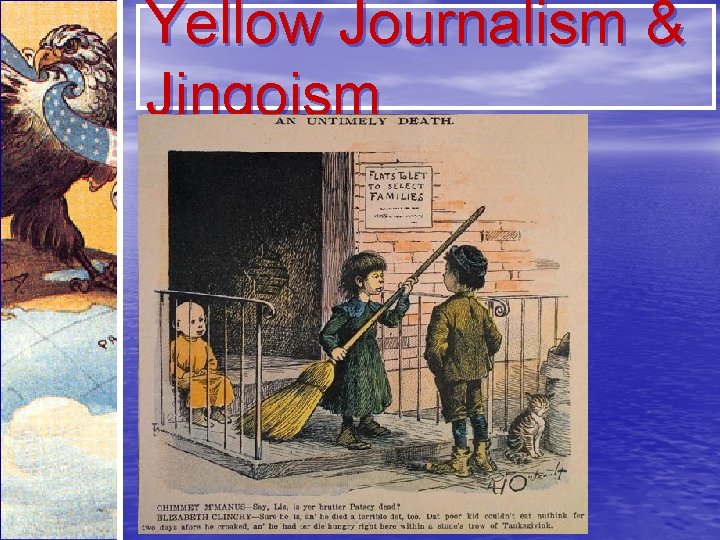
Yellow Journalism & Jingoism
Yellow Journalism & Jingoism
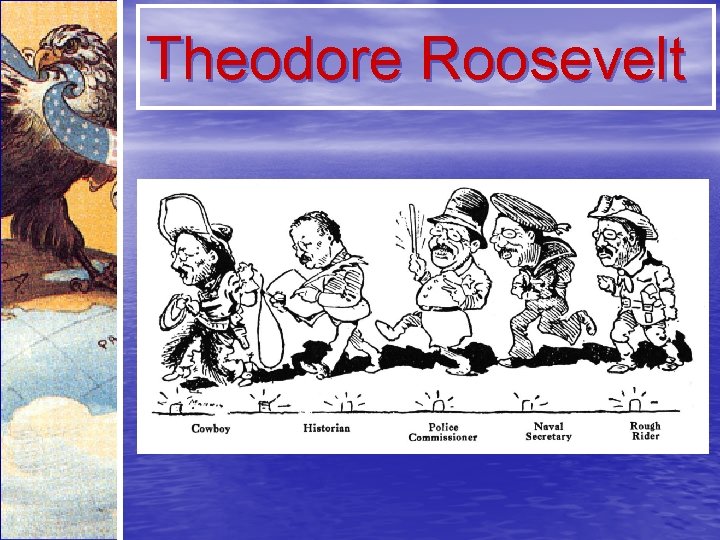
Theodore Roosevelt
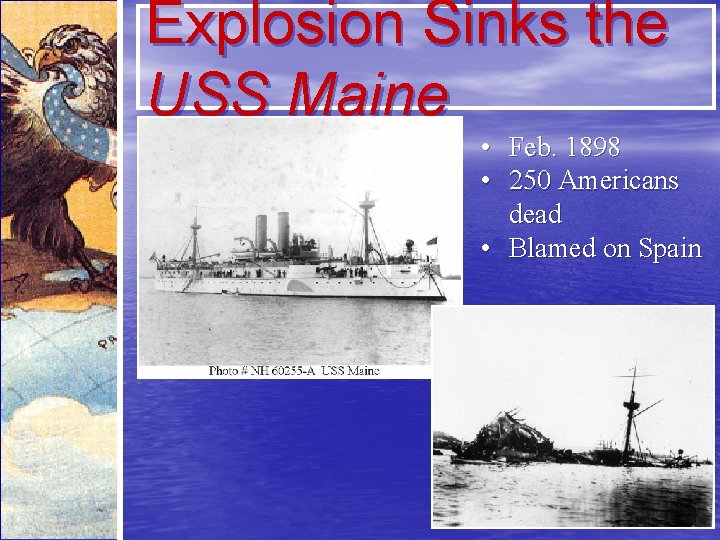
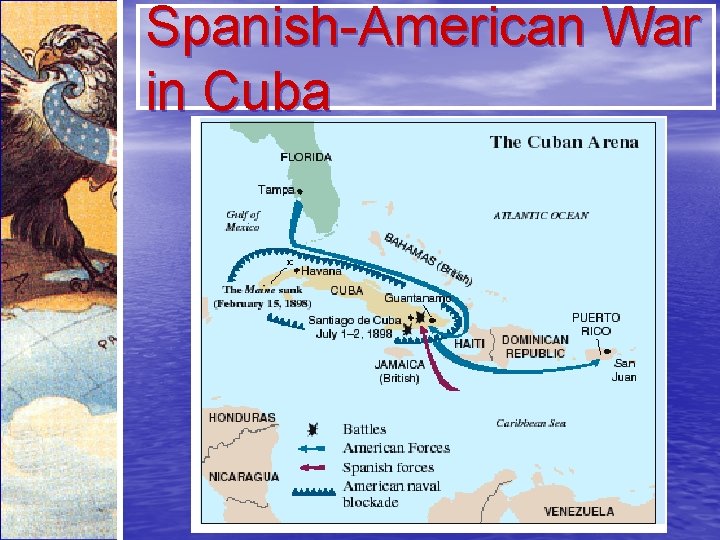
Explosion Sinks the USS Maine • Feb. 1898 • 250 Americans dead • Blamed on Spain
Yellow Journalism & Jingoism r e z t i l u P Hearst
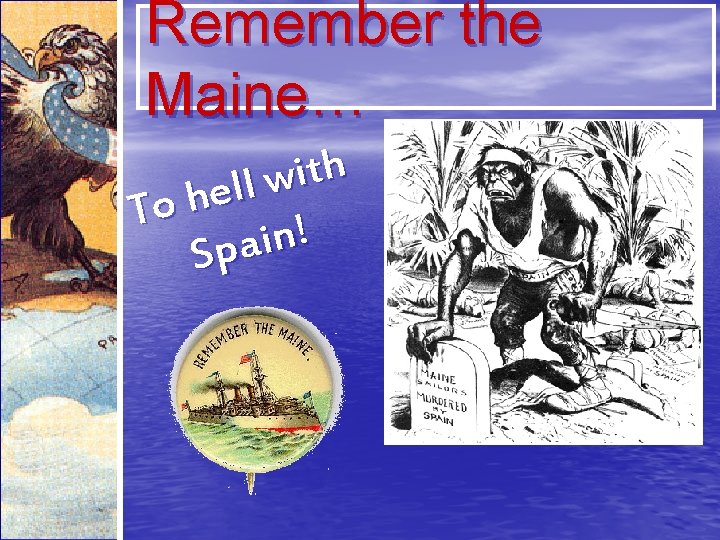
Remember the Maine… h t i w l l e To h ! n i a Sp
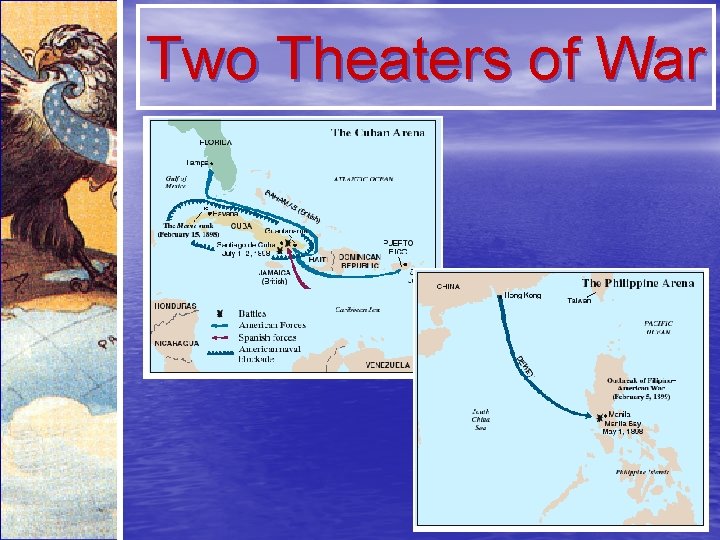
Two Theaters of War
Spanish-American War in Cuba
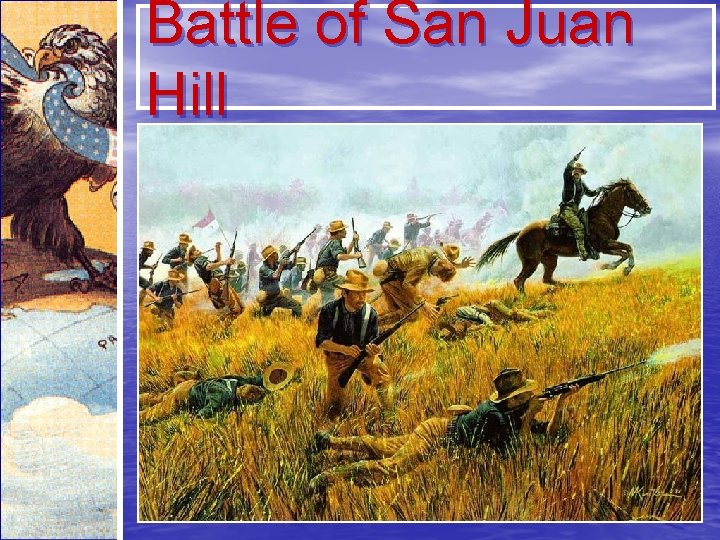
Battle of San Juan Hill
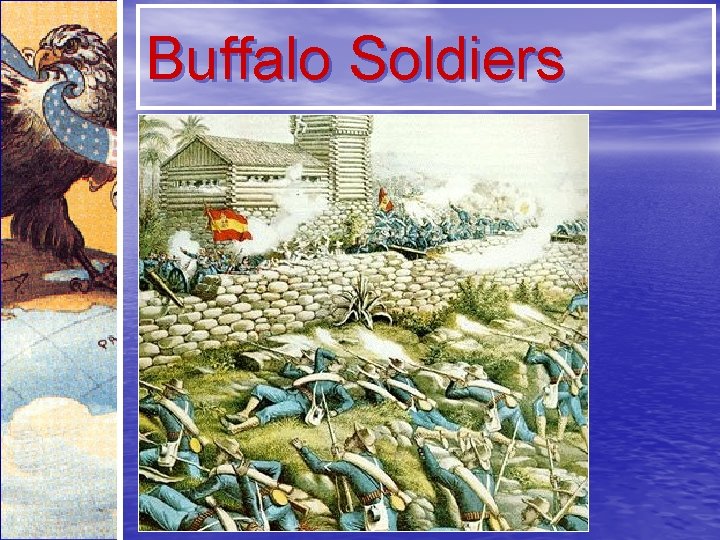
Buffalo Soldiers
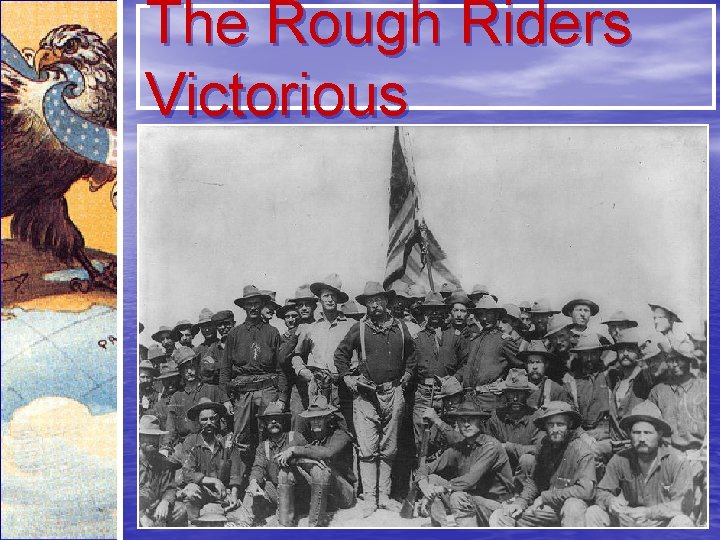
The Rough Riders Victorious
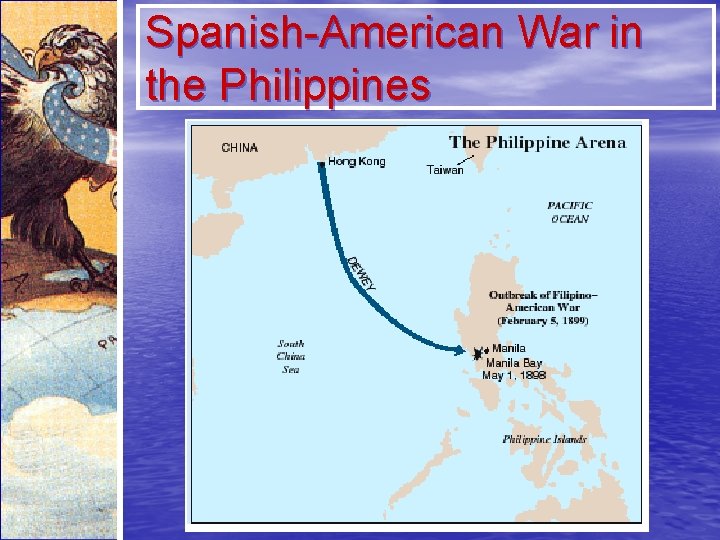
Spanish-American War in the Philippines
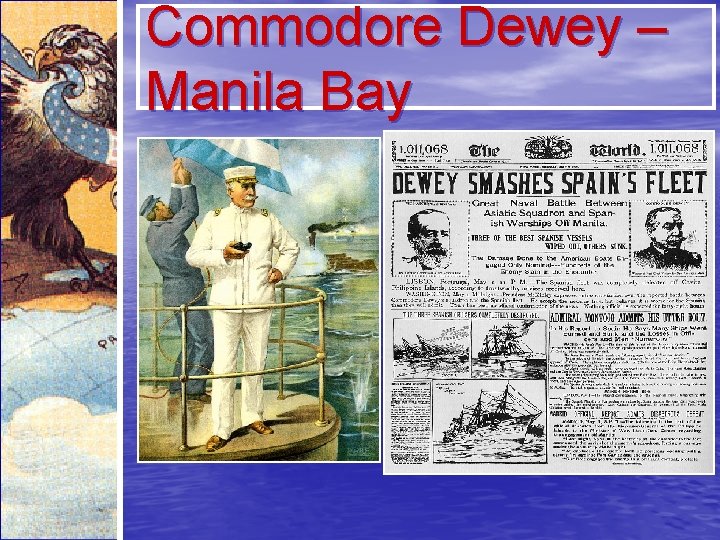
Commodore Dewey – Manila Bay
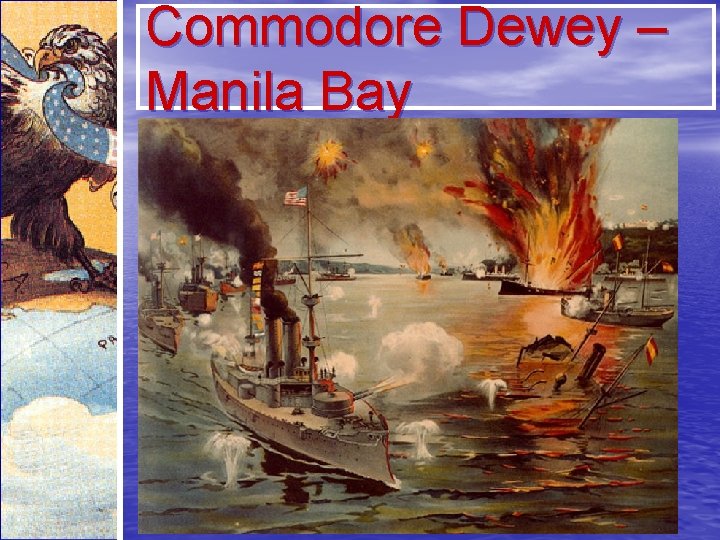
Commodore Dewey – Manila Bay
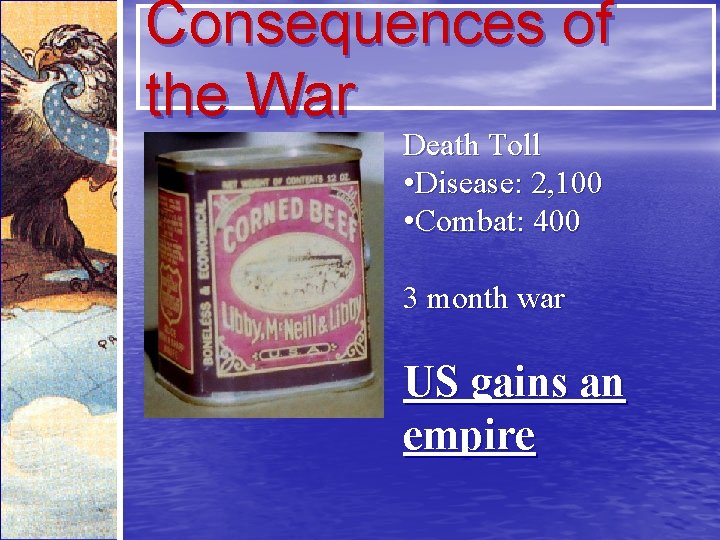
Consequences of the War Death Toll • Disease: 2, 100 • Combat: 400 3 month war US gains an empire
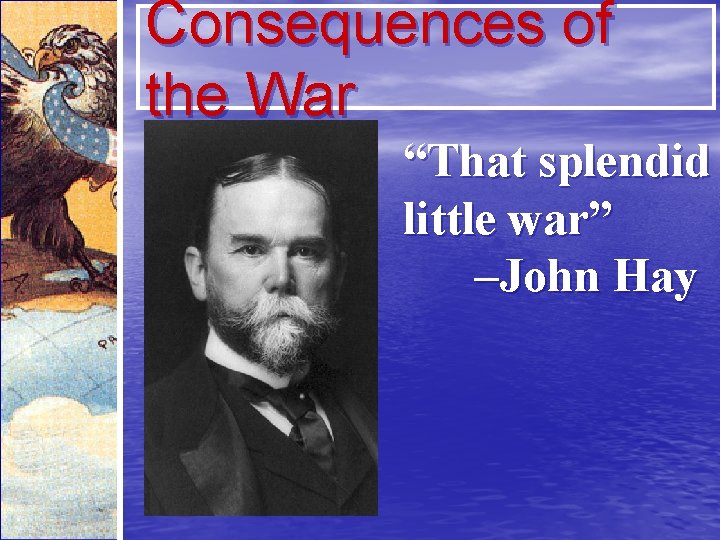
Consequences of the War “That splendid little war” –John Hay
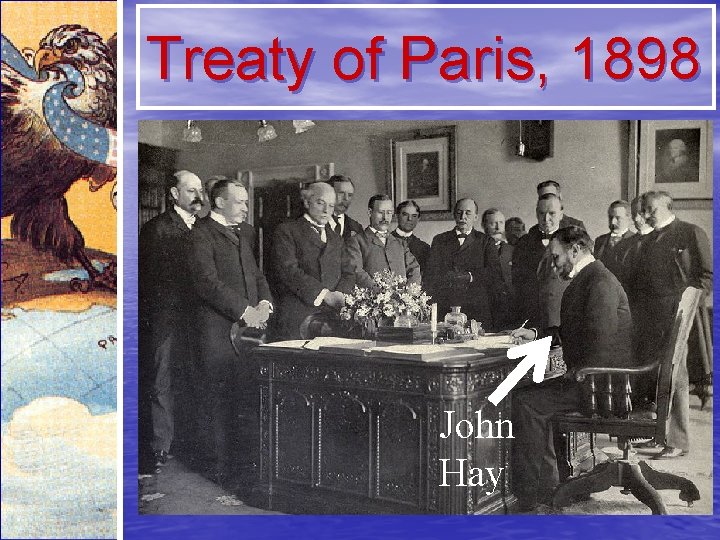
Treaty of Paris, 1898 John Hay
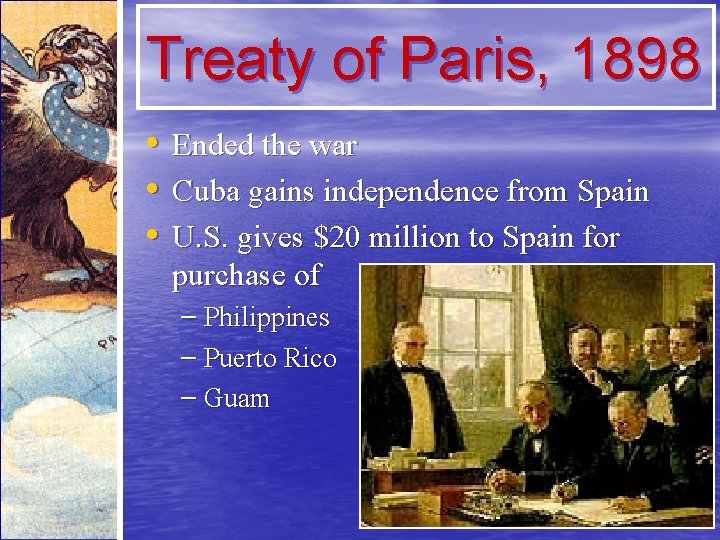
Treaty of Paris, 1898 • Ended the war • Cuba gains independence from Spain • U. S. gives $20 million to Spain for purchase of – Philippines – Puerto Rico – Guam
Aftermath: Cuba
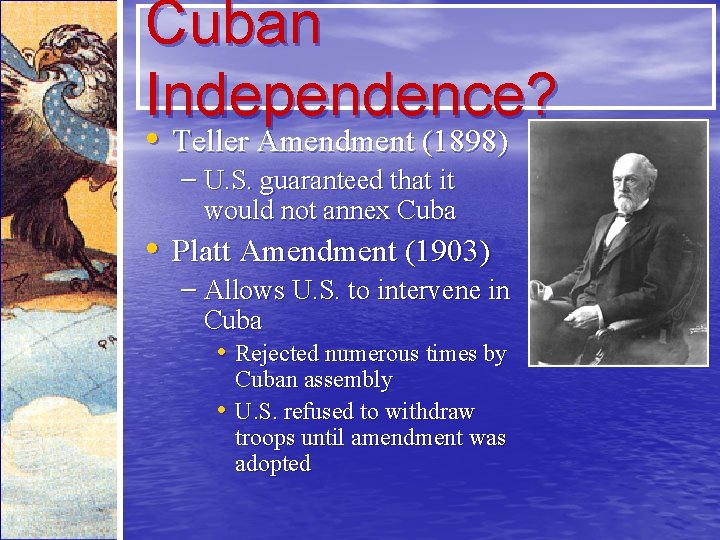
Cuban Independence? • Teller Amendment (1898) – U. S. guaranteed that it would not annex Cuba • Platt Amendment (1903) – Allows U. S. to intervene in Cuba • Rejected numerous times by Cuban assembly • U. S. refused to withdraw troops until amendment was adopted
Platt Amendment “There is, of course, little or no independence left Cuba under the Platt Amendment. ” -Gen. Leonard Wood to Teddy Roosevelt, 1901
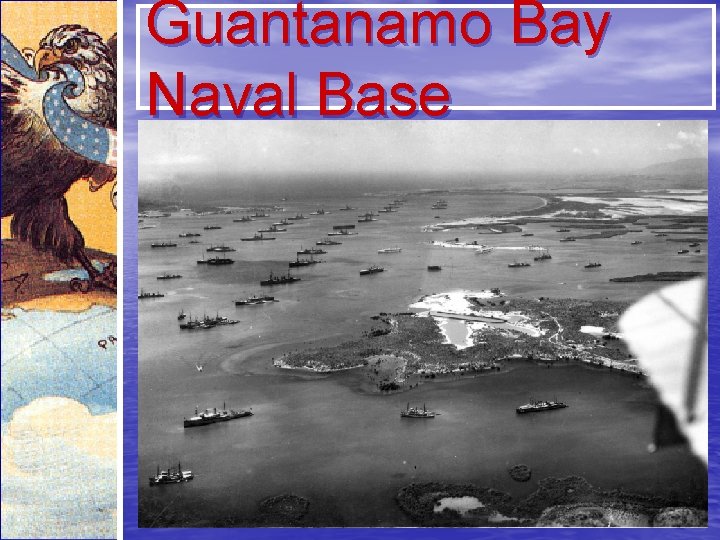
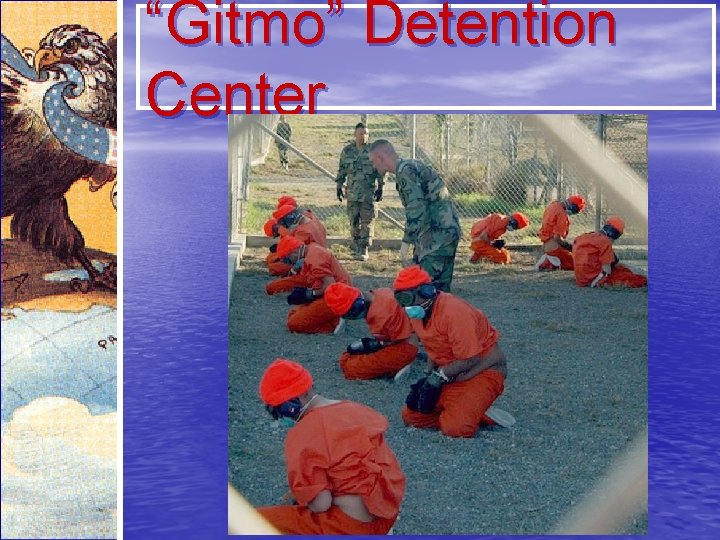
Guantanamo Bay Naval Base
“Gitmo” Detention Center
Aftermath: The Philippines
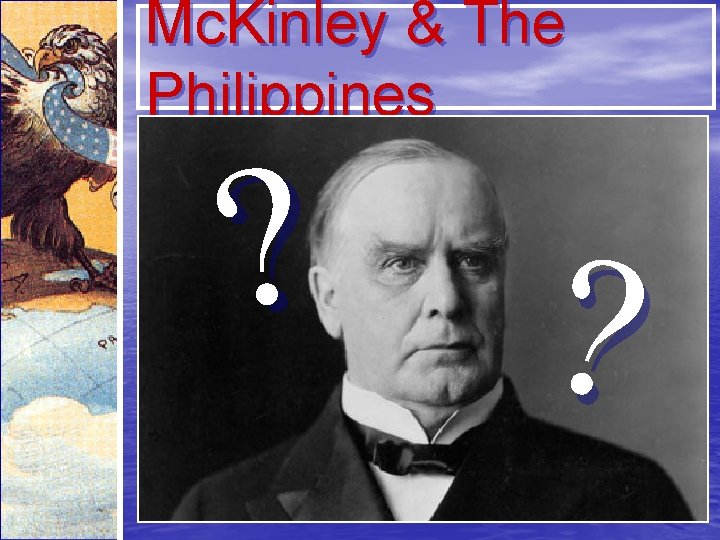
Mc. Kinley & The Philippines ? ?
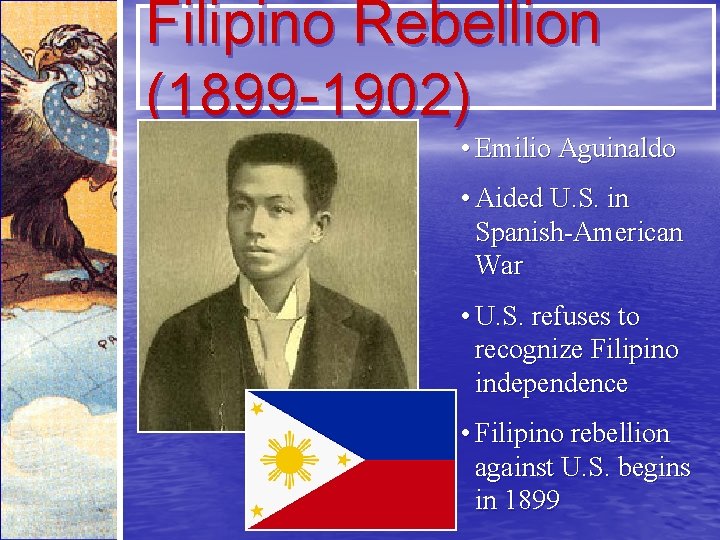
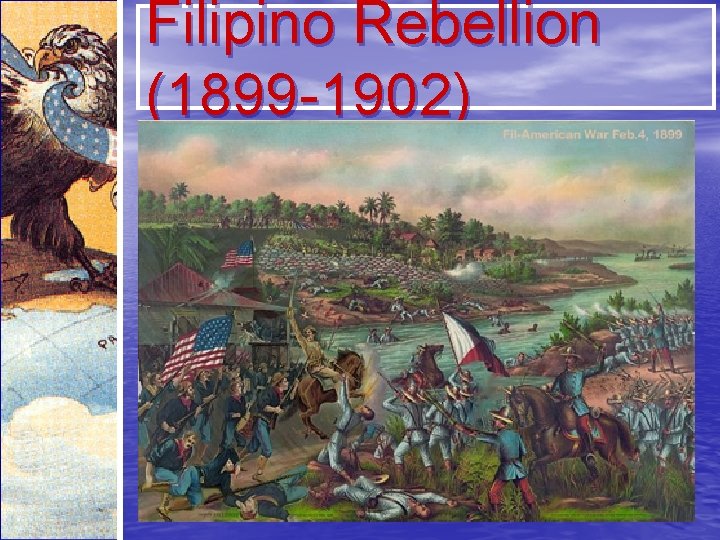
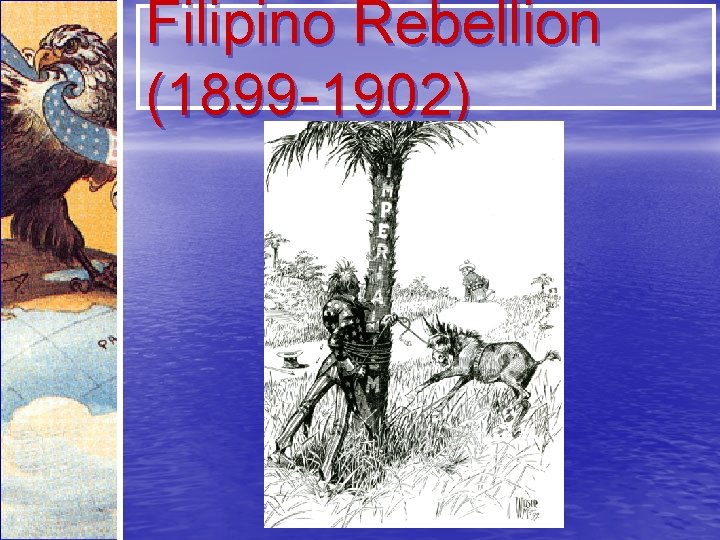
Filipino Rebellion (1899 -1902) • Emilio Aguinaldo • Aided U. S. in Spanish-American War • U. S. refuses to recognize Filipino independence • Filipino rebellion against U. S. begins in 1899
Filipino Rebellion (1899 -1902)
Filipino Rebellion (1899 -1902)
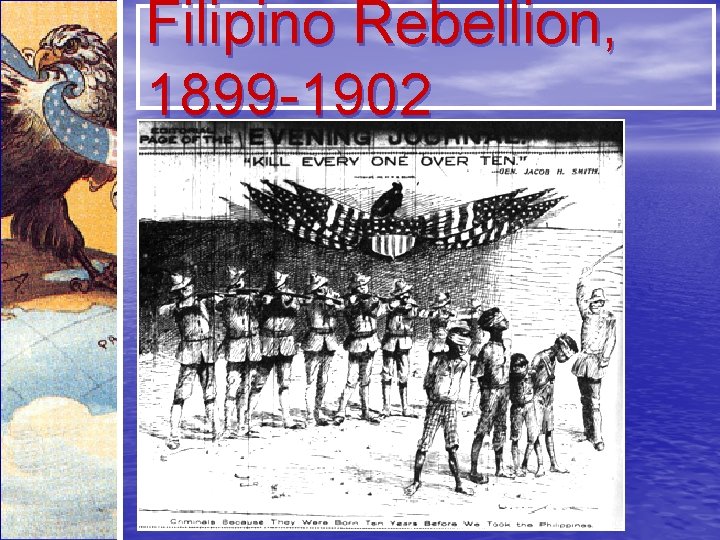
Filipino Rebellion (1899 -1902) “[U. S. soldiers] have been relentless, have killed to exterminate men, women, children, prisoners and captives, active insurgents and suspected people from lads of ten up, the idea prevailing that the Filipino as such was little better than a dog. ” -Manila correspondent to the Philadelphia Ledger
Filipino Rebellion, 1899 -1902
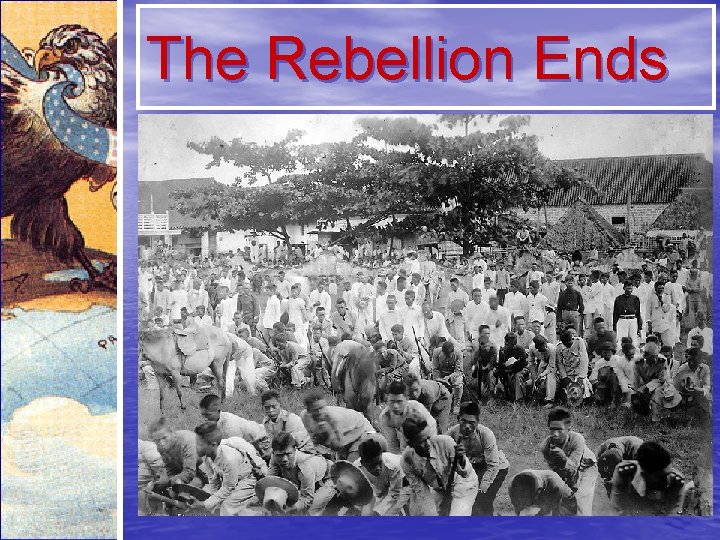
The Rebellion Ends
Aftermath: Puerto Rico
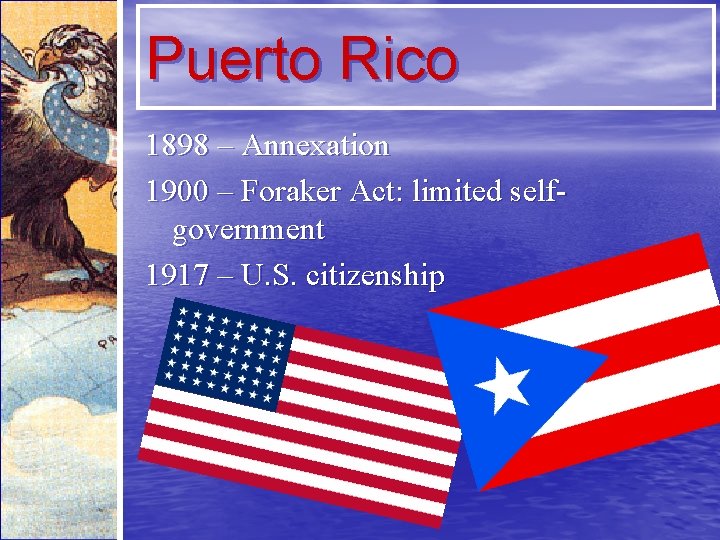
Puerto Rico 1898 – Annexation 1900 – Foraker Act: limited selfgovernment 1917 – U. S. citizenship
The Insular Cases What rights do the inhabitants of these new U. S. territories have? Supreme Court decision • Citizenship, but limited voting rights • (Insular = “island”)
Building a Canal in Central America
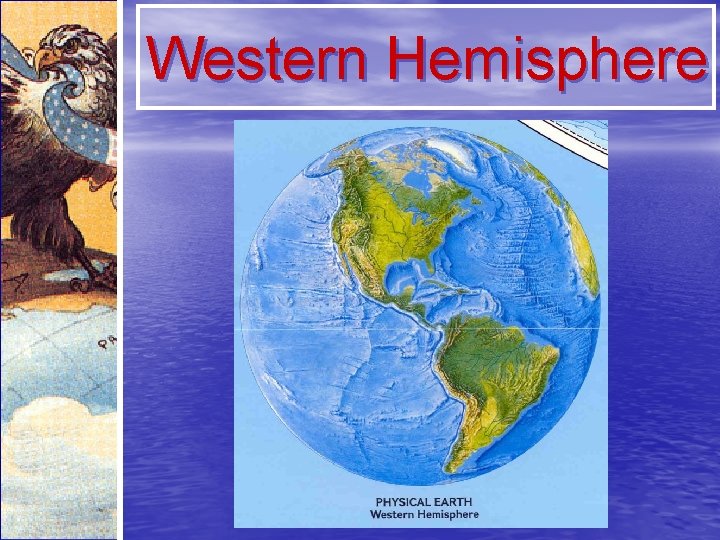
Western Hemisphere
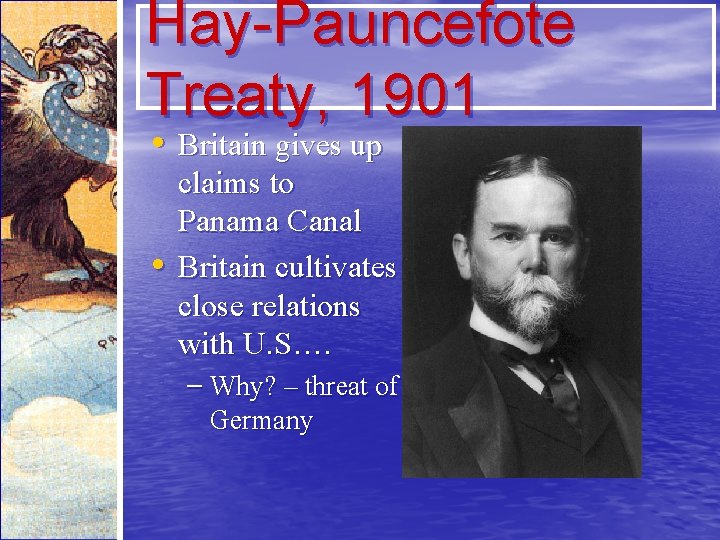
Hay-Pauncefote Treaty, 1901 • Britain gives up • claims to Panama Canal Britain cultivates close relations with U. S…. – Why? – threat of Germany
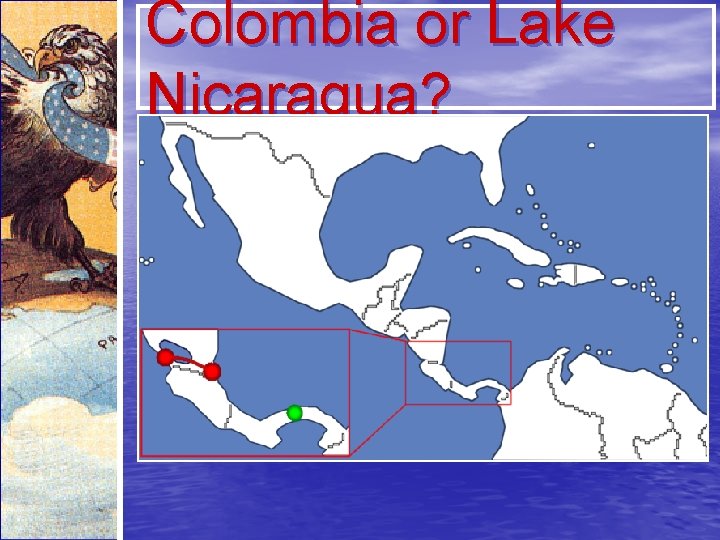
Colombia or Lake Nicaragua?
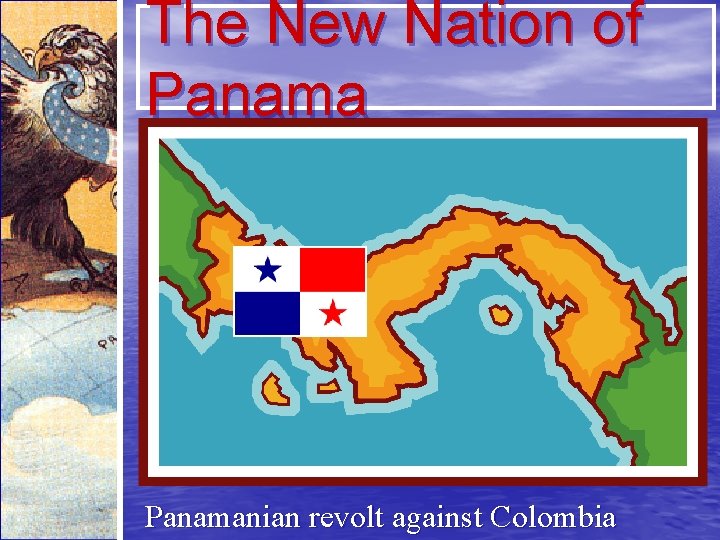
The New Nation of Panamanian revolt against Colombia
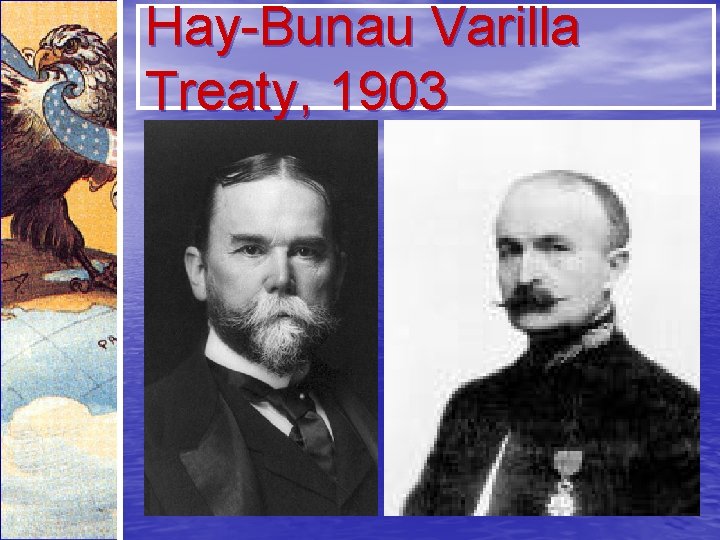
Hay-Bunau Varilla Treaty, 1903
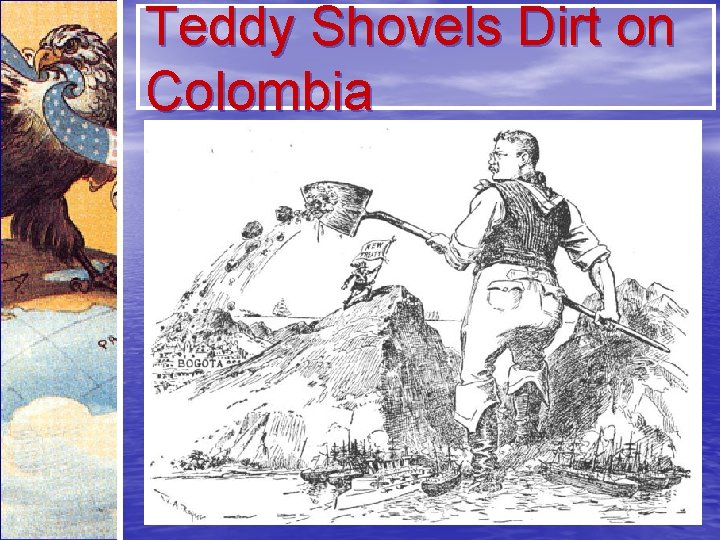
Teddy Shovels Dirt on Colombia
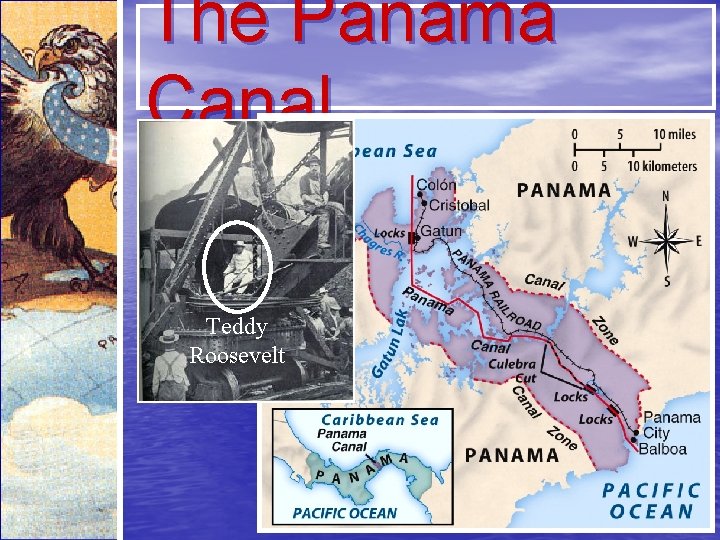
The Panama Canal Teddy Roosevelt
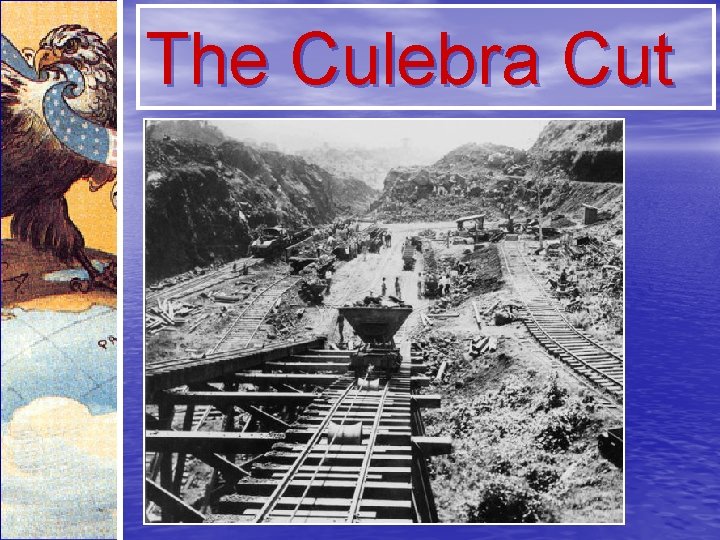
The Culebra Cut
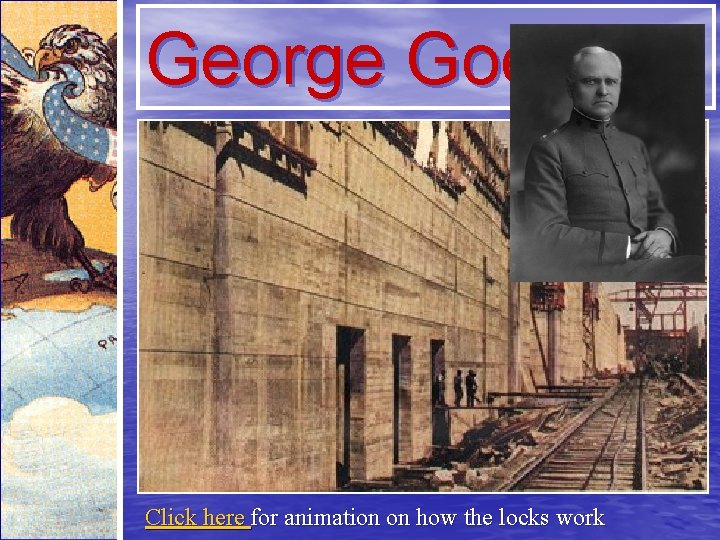
George Goethals Click here for animation on how the locks work
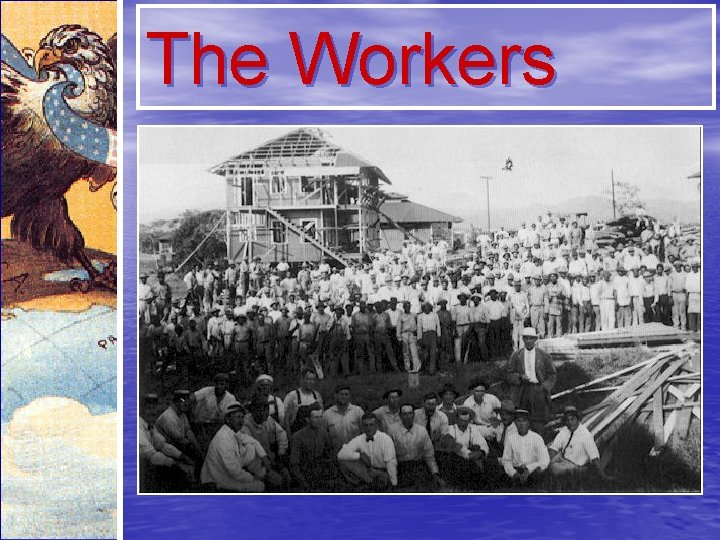
The Workers
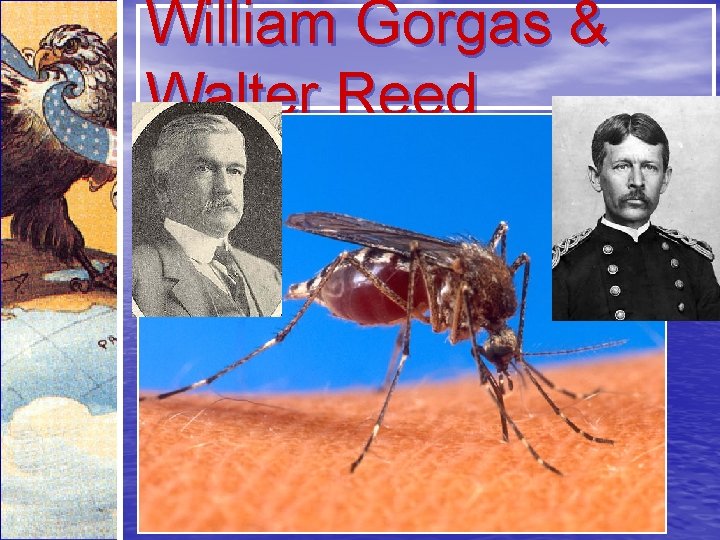
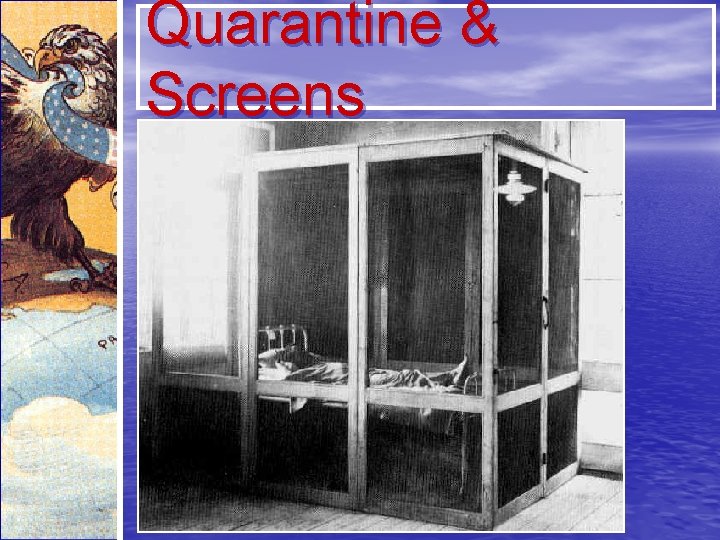
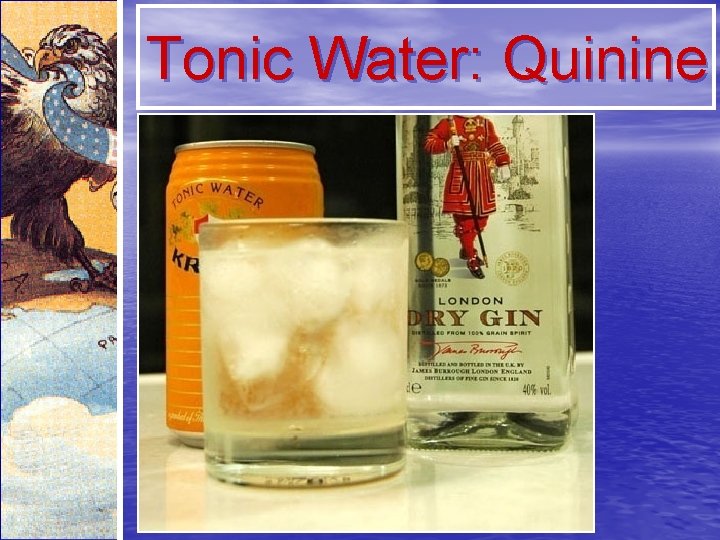
William Gorgas & Walter Reed
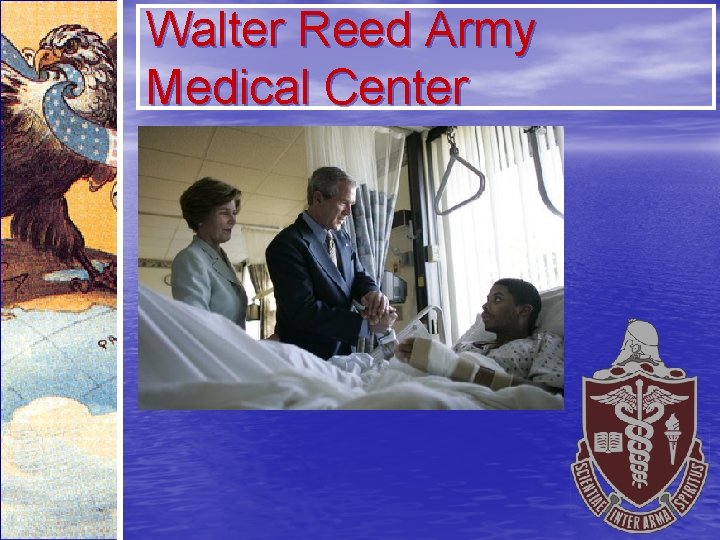
Walter Reed Army Medical Center
Quarantine & Screens
Tonic Water: Quinine
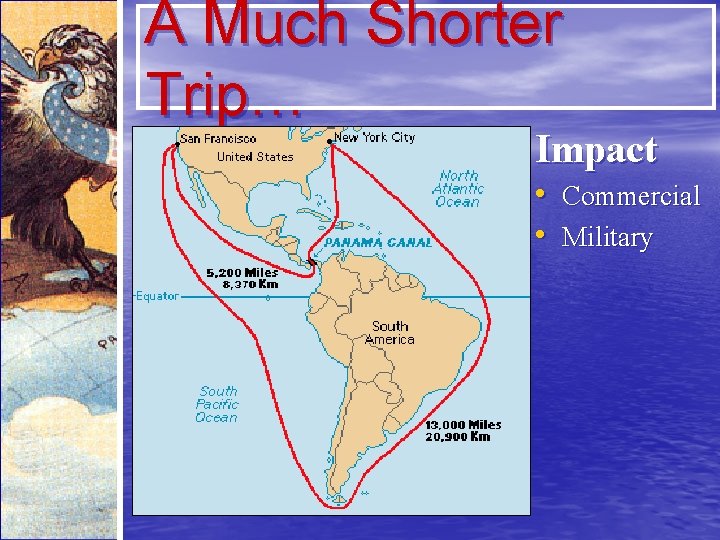
A Much Shorter Trip… Impact • Commercial • Military
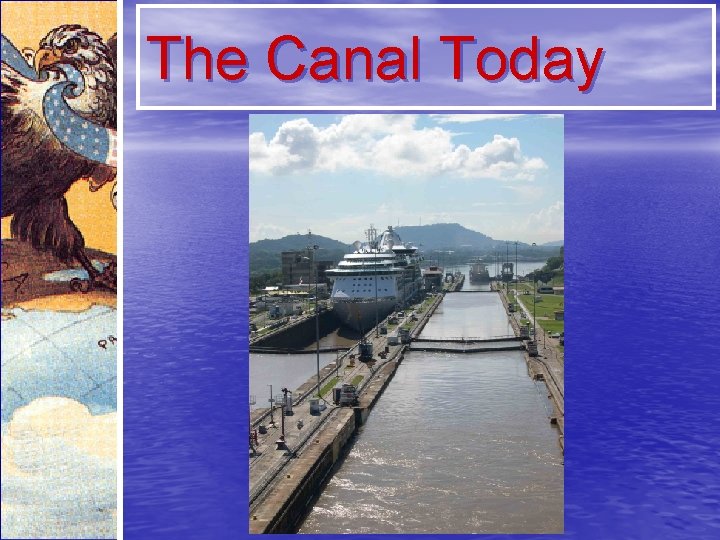
The Canal Today
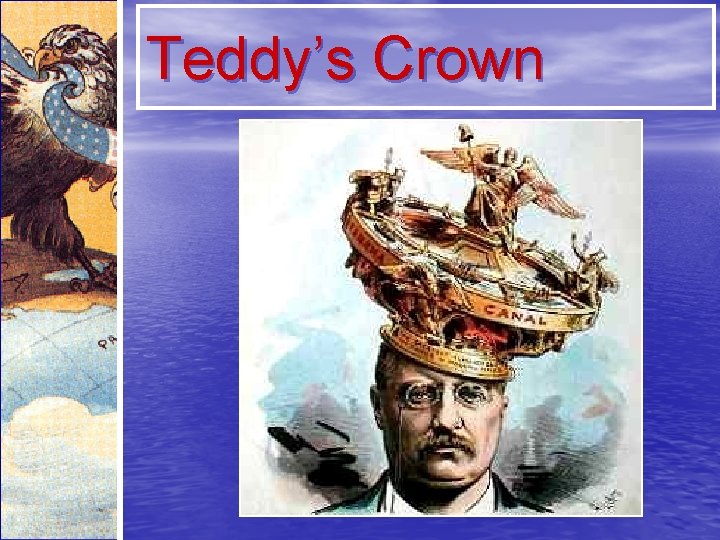
Teddy’s Crown
Objective 6. 03
The Debate Over Imperialism
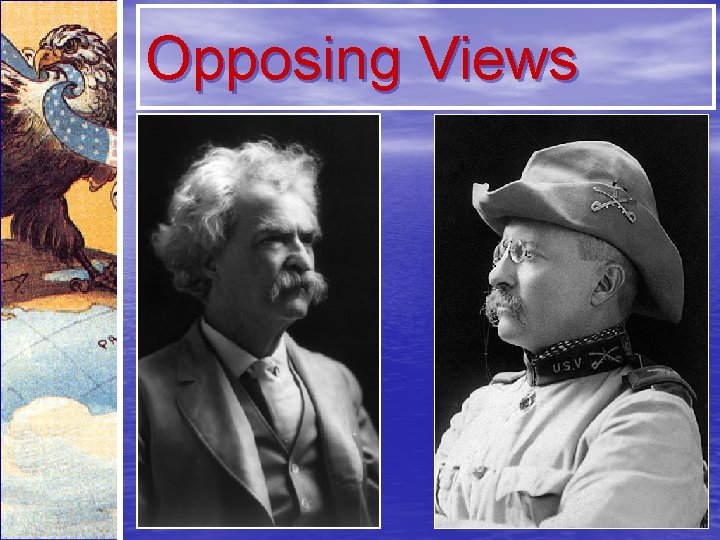
Opposing Views
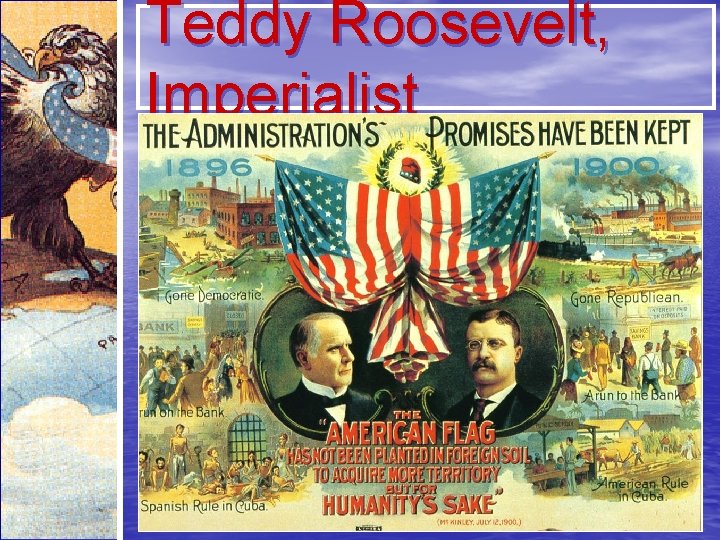
Teddy Roosevelt, Imperialist
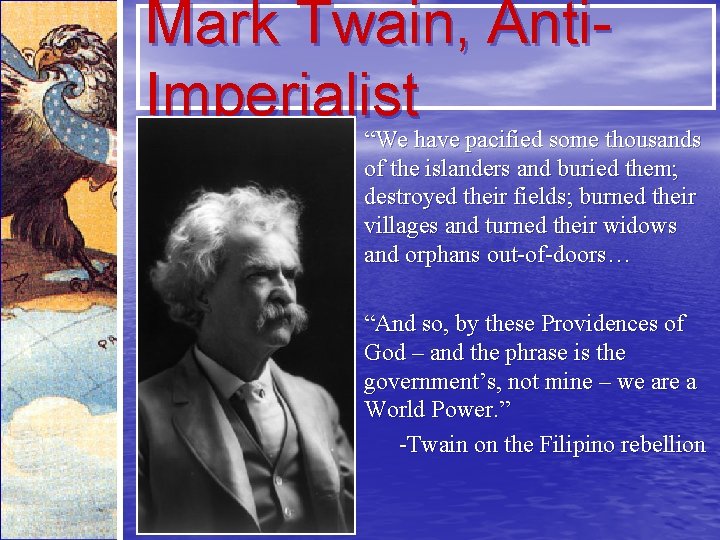
Mark Twain, Anti. Imperialist “We have pacified some thousands of the islanders and buried them; destroyed their fields; burned their villages and turned their widows and orphans out-of-doors… “And so, by these Providences of God – and the phrase is the government’s, not mine – we are a World Power. ” -Twain on the Filipino rebellion
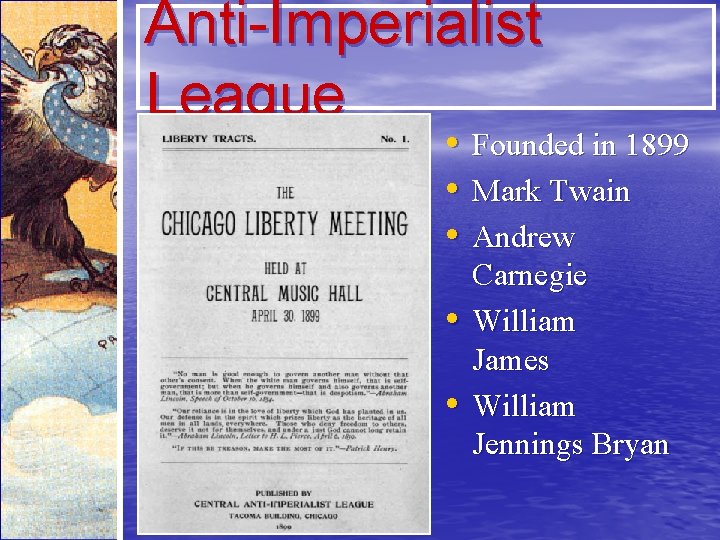
Anti-Imperialist League • Founded in 1899 • Mark Twain • Andrew • • Carnegie William James William Jennings Bryan
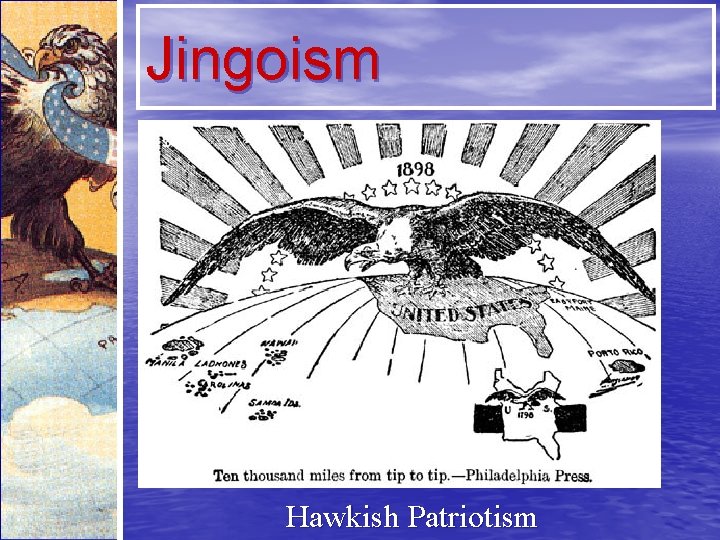
Jingoism Hawkish Patriotism
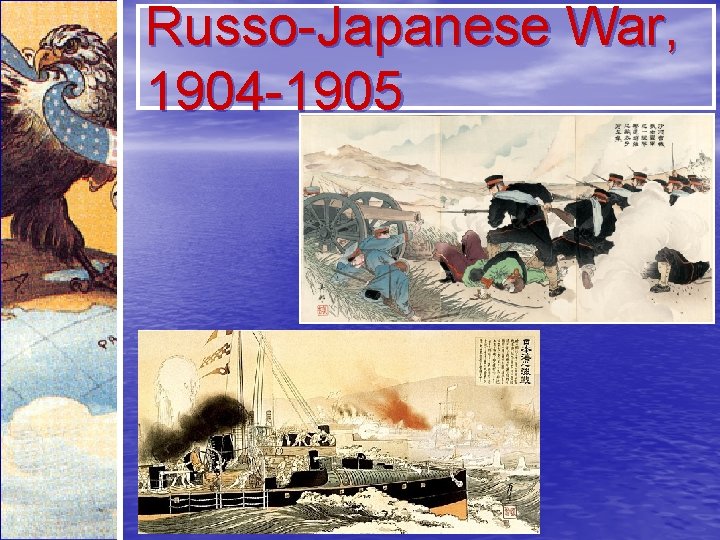
Russo-Japanese War, 1904 -1905
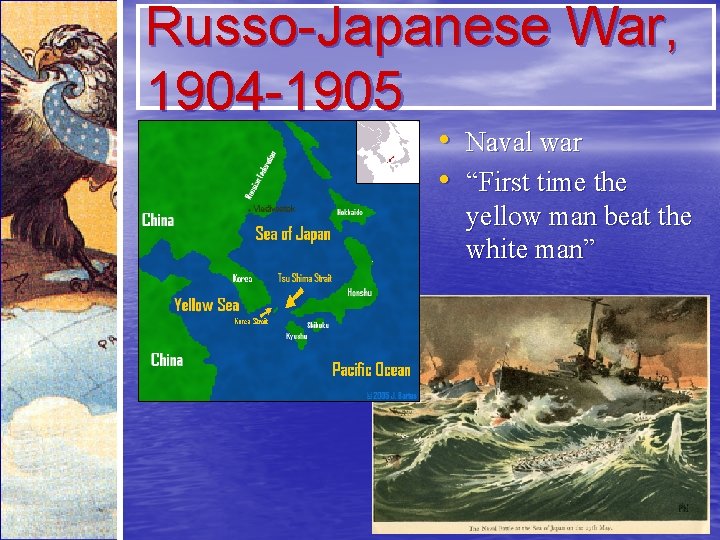
Russo-Japanese War, 1904 -1905 • Naval war • “First time the yellow man beat the white man”
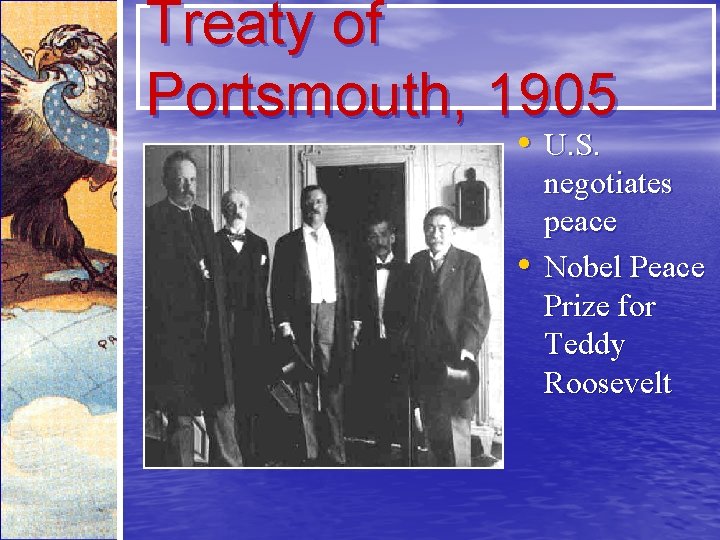
Treaty of Portsmouth, 1905 • U. S. • negotiates peace Nobel Peace Prize for Teddy Roosevelt
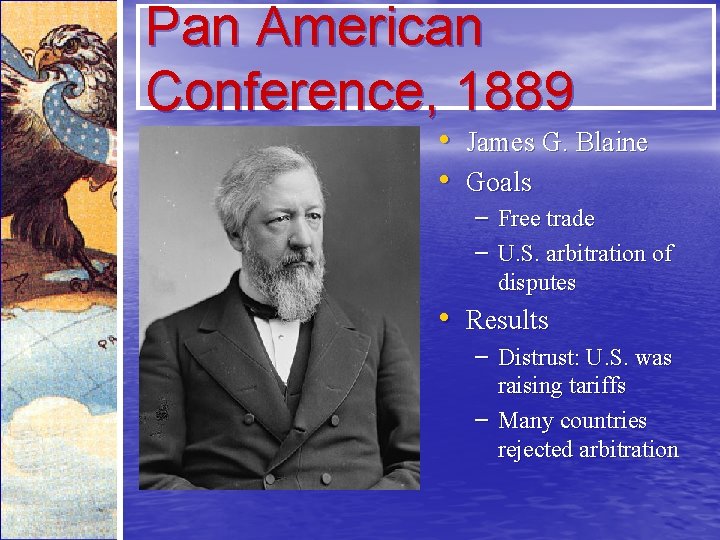
Pan American Conference, 1889 • James G. Blaine • Goals – Free trade – U. S. arbitration of disputes • Results – Distrust: U. S. was raising tariffs – Many countries rejected arbitration
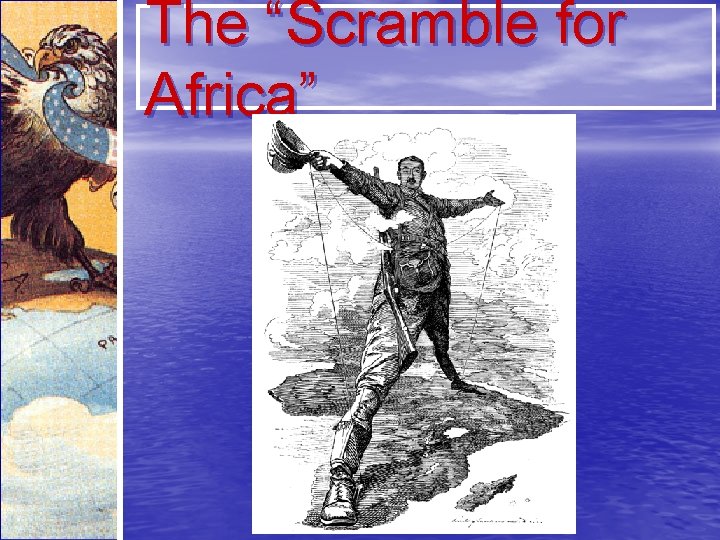
The “Scramble for Africa”
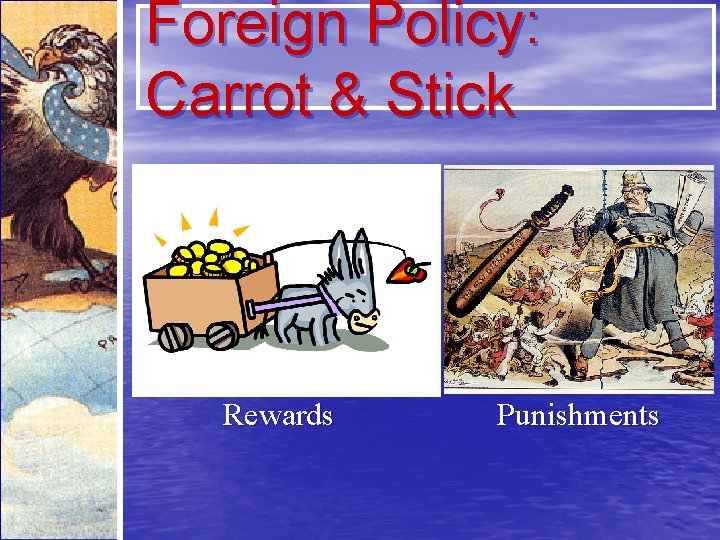
Foreign Policy: Carrot & Stick Rewards Punishments
Three Policies • Roosevelt – “Big Stick Diplomacy”/Roosevelt Corollary to the Monroe Doctrine • Taft – “Dollar Diplomacy” • Wilson – “Missionary/Moral Diplomacy”
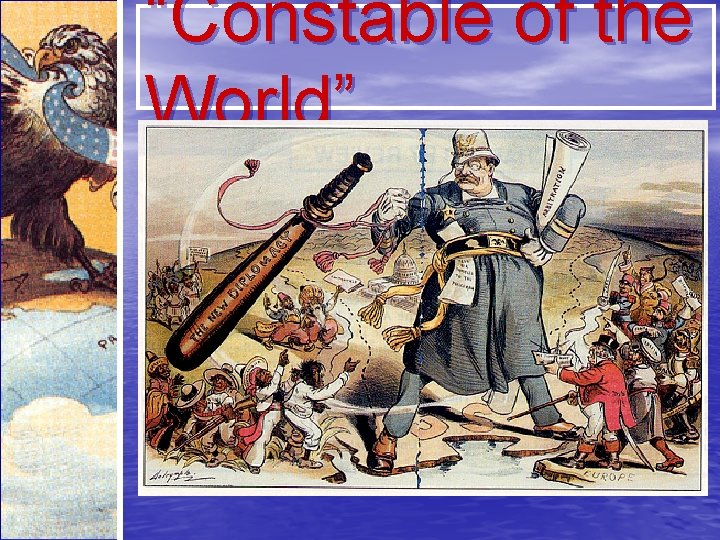
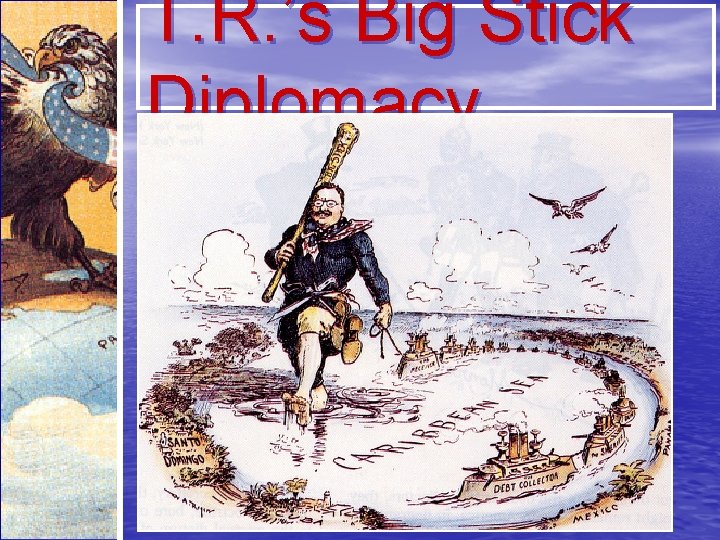
Roosevelt Corollary, 1905 “Chronic wrongdoing… may in America, as elsewhere, ultimately require intervention by some civilized nation, and in the Western Hemisphere the adherence of the United States to the Monroe Doctrine may force the United States, however reluctantly, in flagrant cases of such wrongdoing or impotence, to the exercise of an international police power. ”
“Constable of the World”
T. R. ’s Big Stick Diplomacy
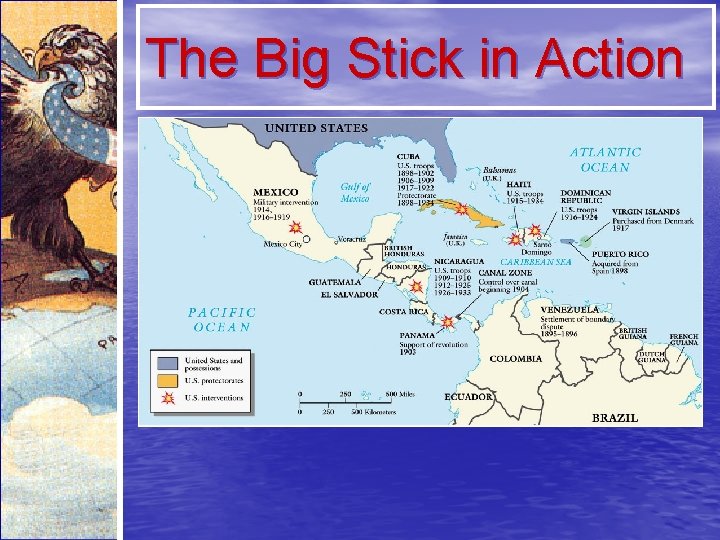
The Big Stick in Action
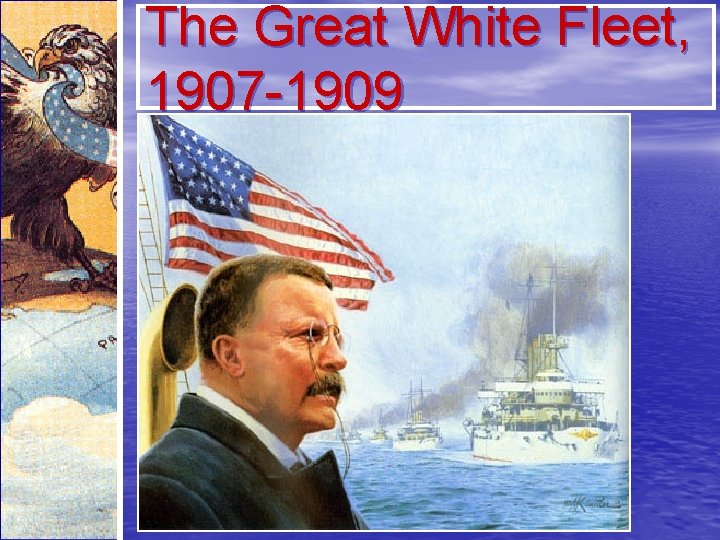
The Great White Fleet, 1907 -1909
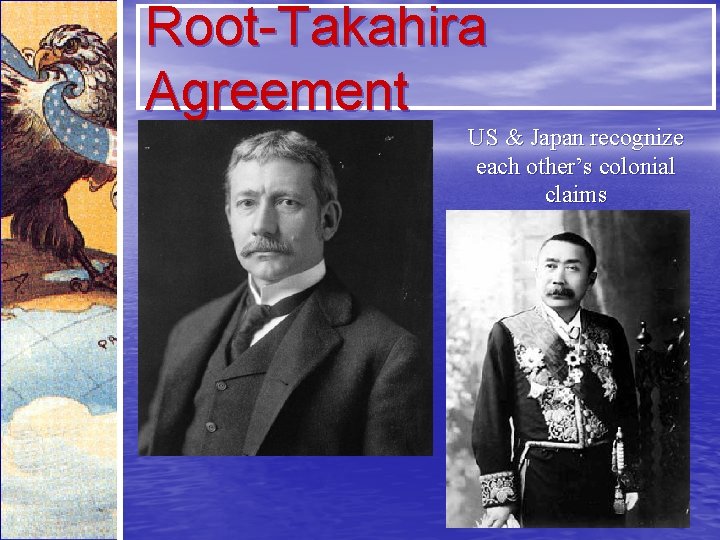
Root-Takahira Agreement US & Japan recognize each other’s colonial claims
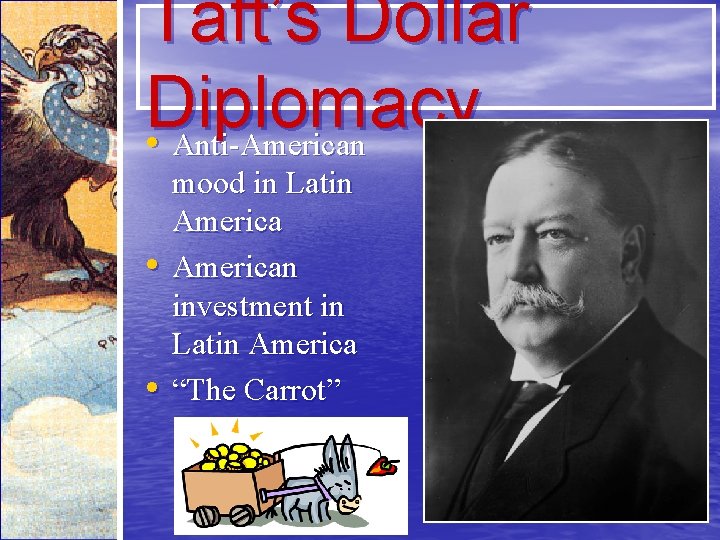
Taft’s Dollar Diplomacy • Anti-American • • mood in Latin American investment in Latin America “The Carrot”
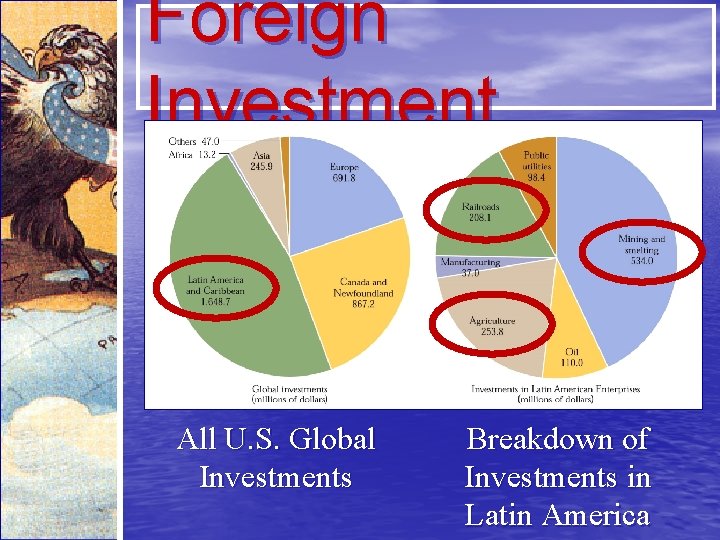
Foreign Investment All U. S. Global Investments Breakdown of Investments in Latin America
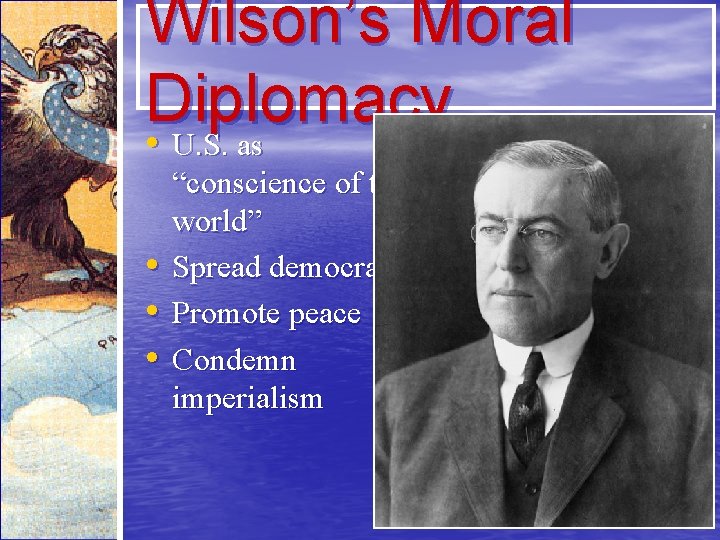
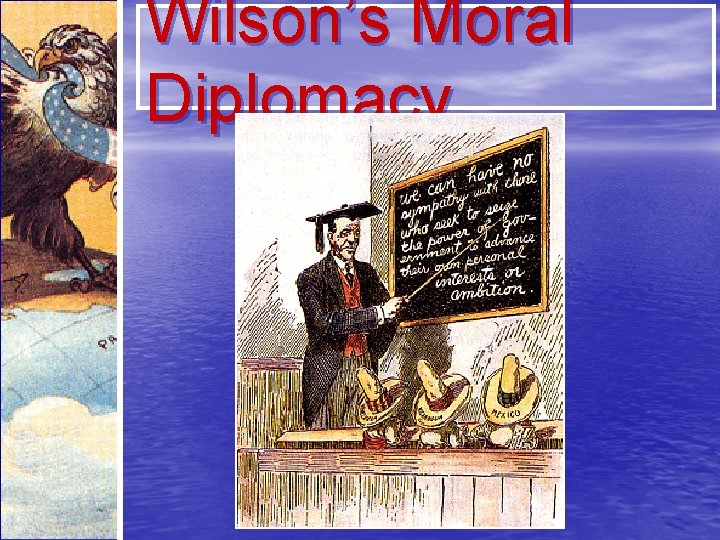
Wilson’s Moral Diplomacy • U. S. as • • • “conscience of the world” Spread democracy Promote peace Condemn imperialism
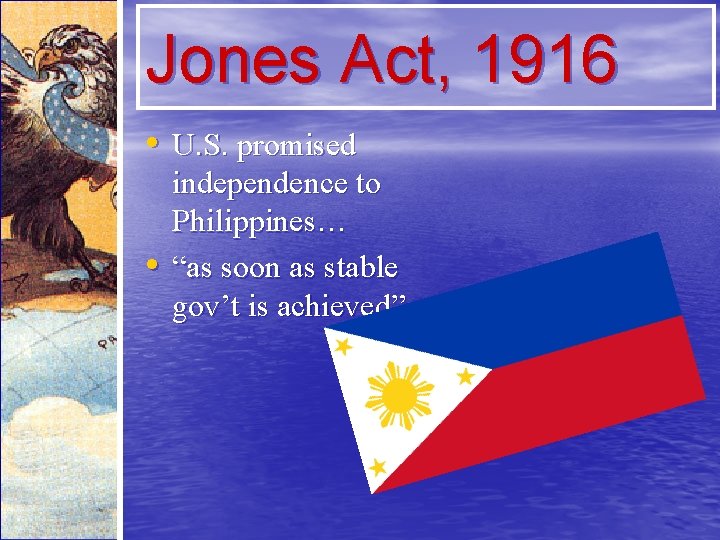
Jones Act, 1916 • U. S. promised • independence to Philippines… “as soon as stable gov’t is achieved”
Wilson’s Moral Diplomacy
Unrest in Mexico
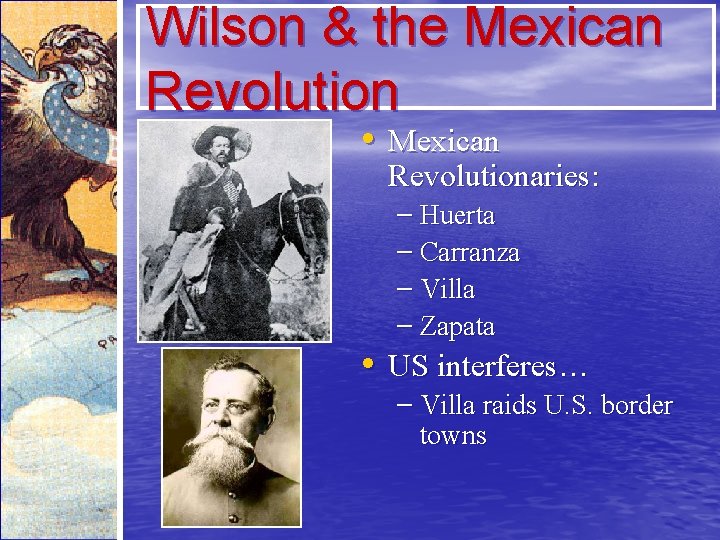
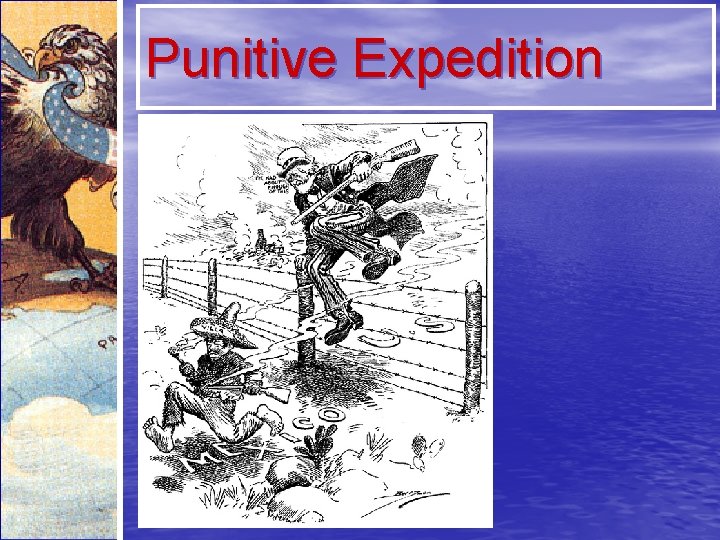
Wilson & the Mexican Revolution • Mexican Revolutionaries: – Huerta – Carranza – Villa – Zapata • US interferes… – Villa raids U. S. border towns
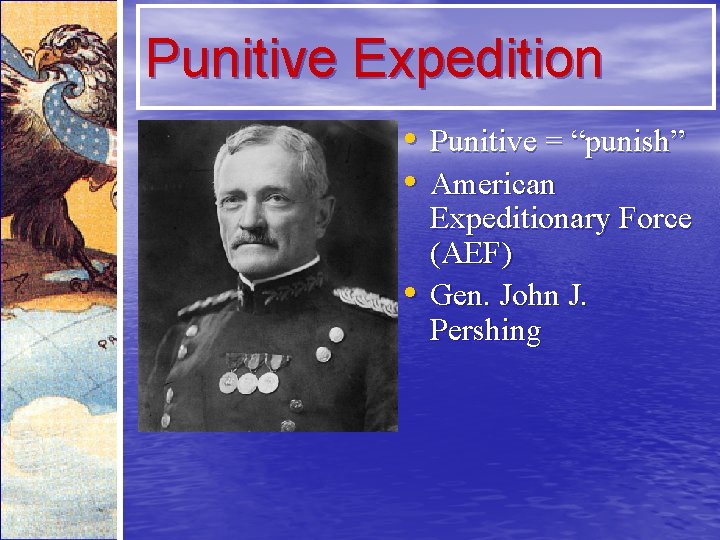
Punitive Expedition • Punitive = “punish” • American • Expeditionary Force (AEF) Gen. John J. Pershing
Punitive Expedition
In Conclusion…
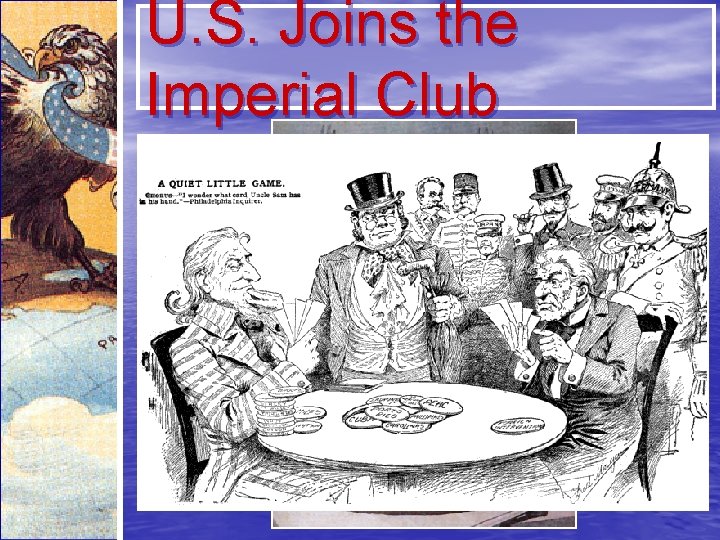
U. S. Joins the Imperial Club