
An Approach To Textbook Writing Vesna Jevremovic Ph
An Approach To Textbook Writing Vesna Jevremovic, Ph. D Faculty of Mathematics, University of Belgrade, Serbia
Present or Future? l There are many problems author can encounter when writing a textbook l Textbook is evaluated by colleagues (present) and students (future) l Future is more important l A textbook should be usable, likable, interesting and stimulating for students
Readers’ Characteristics l Previous knowledge l Intelligence l Interest in a subject l Persistence l l All these are normally distributed! Possibilities for improving the average values – textbook
Lecture vs. Textbook l Verba volant, scripta manent l No colloquial expressions l Avoid too long sentences l No digressions l Textbook should contain comments that follow the lecture
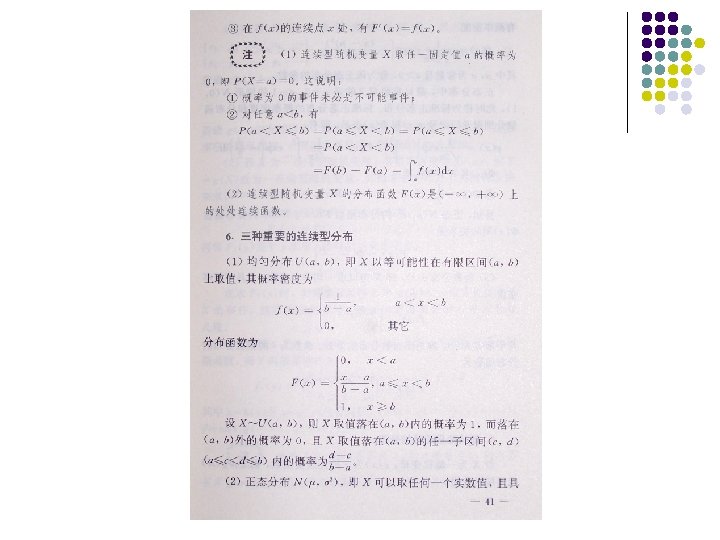
Terminology l Problems in translating to particular languages l Problems with the supremacy of English language terminology l “Stem and leaf” diagram (in statistics) l File, folder, download, . . .
What the Textbook is Not l l l Research paper Encyclopaedia Monograph l But, it can contain elements of the aforementioned It is not a series of facts without explanation Neither exclusively theoretical nor exclusively practical
Theory vs. Practice l Mathematics cannot be divided into theoretical and practical (applied m. ) l Numerical examples should be given with theory l In applied mathematics theoretical background should be provided
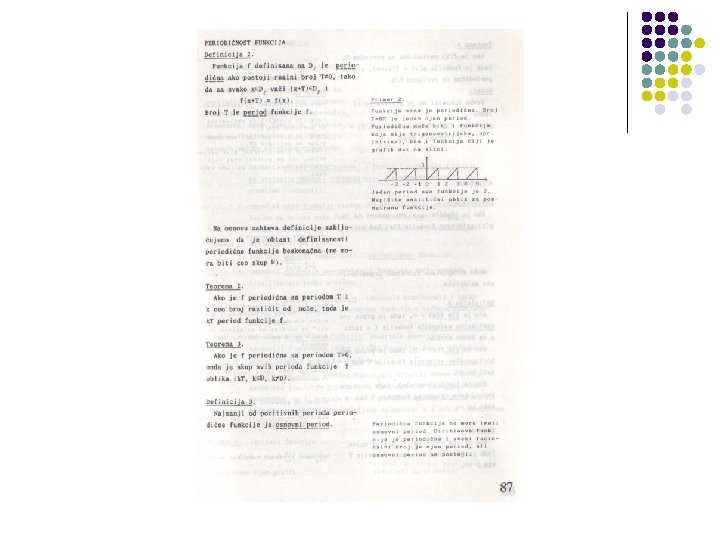
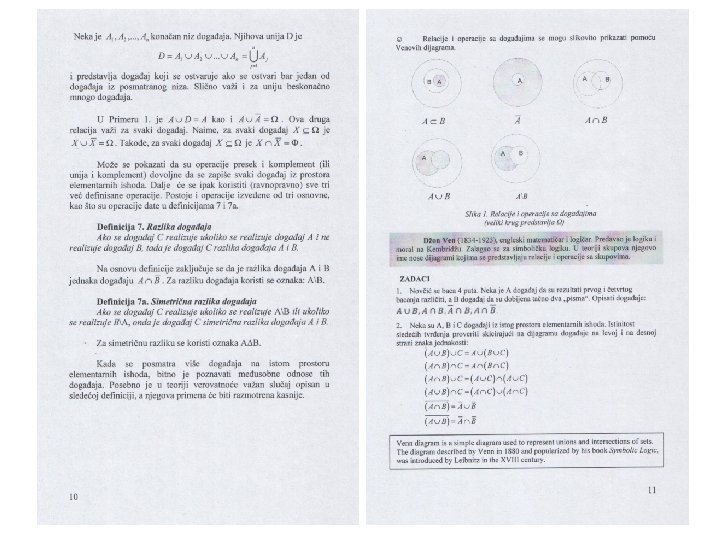
Old Textbooks l Wide range of information l Gradual and detailed elaboration of the topic l Font size agreeable l Explanations how to read mathematical symbols l Examples start from the simplest
Details l Authors comments l Additional historical data l Anecdotes l Pictures and illustrations l Special symbols (e. g. , , ) l Commending the reader
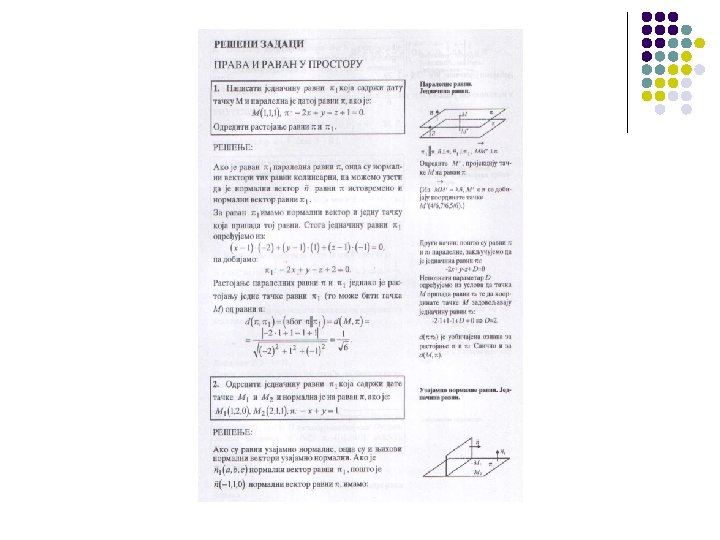
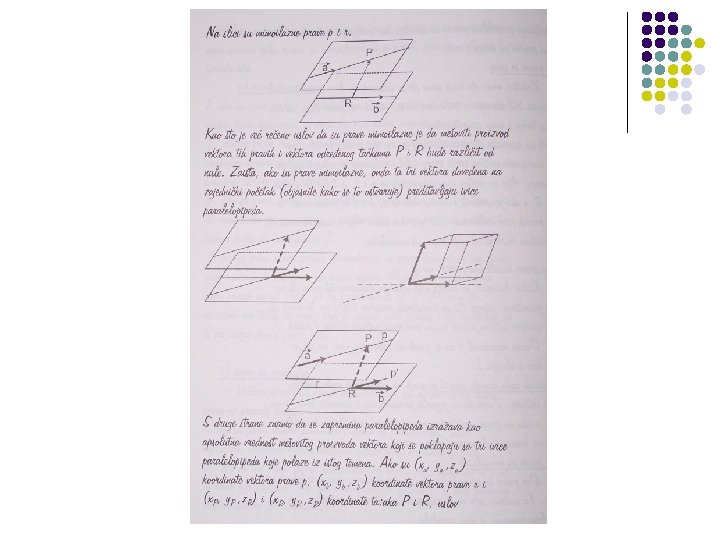
Illustrations l Freehand drawings l Descriptive geometry l Proofs of theorems illustrated when necessary l Not one large image but a series of smaller images, gradually leading towards the final picture
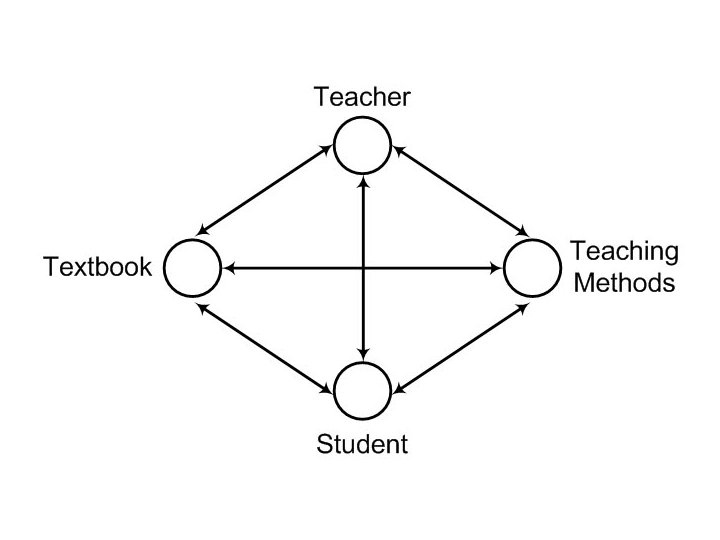
One Metaphore l Textbook is the road (a highway or. . . ? ) l Teacher is the whole system of road signs l Student is the traveller
Author and His/Her Readers l Author is well-grounded in a subject, while the reader is only getting to know it l Authors should think of textbooks they themself liked, as well as textbooks they disliked or found hard to follow l Author should find a way to commend the reader l “You got this far – well done!”
General Cultural Level l Textbook must not be a part of the cultural debasement trend l Quality language l Good visual presentation l Dictionary of terms in English or other foreign language l Historical background
Thought on Page Distribution l Textbook should be planned according to lessons l Such planning provides a feeling of advancement l 120 minutes ≈ 2 classes ≈ 20 -30 pages l l l 10 -15 pages – theoretical introduction 5 pages – comments 5 -10 pages – exercises and questions
Rules of Studying l Recognize l Repeat l Remember l Additional questions l Exercises l Special recognition exercises
Proofs of Theorems l Difference between proofs of existence and algorithmic proofs l Implications – example when the opposite is not true l Conditions – example(s) which show that every condition is essential l Accompanying drawings should be gradual
Teachers’ Textbooks l l Future teachers need to be provided with concrete models during their studies Three parts for every topic: l The lesson as in the students’ textbooks l Analysis of the lesson l Additional information for the teacher (elements of theory connected with the topic)
- Slides: 23