
An Alternative Pathway to Peace Nexus of humanitarian
- Slides: 21
An Alternative Pathway to Peace : Nexus of humanitarian, development, environment and peace Ilcheong Yi
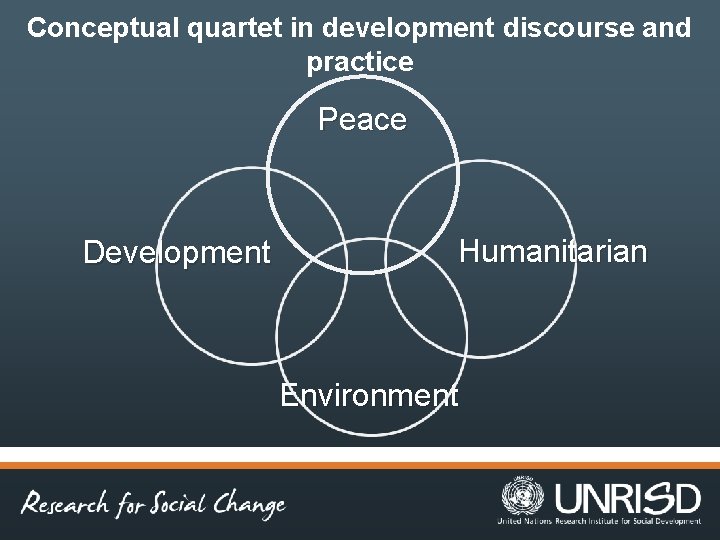
Conceptual quartet in development discourse and practice Peace Development Humanitarian Environment
Development • Development as a modernization (proxy : growth of national income) • Development : a fair distribution of income complemented by a fair distribution of entitlements to food, shelter, clean water, clothing and household utensils (capability approaches) • Sustainable development : meeting the needs of the present without compromising the ability of future generations to meet their own needs (the idea of limitation imposed by the state of technology and social organization on the environment’s ability to meet present and future needs)
Environment • “Development is needed to improve the environment” and “Environmental policy must not hamper development” (1972 UN Conference on Human Environment) • Enlarged meaning of development in the sense of improving the lives of people from the poorest nations” to that of improvement in social equity, economic efficiency and environmental sustainability with a special consideration for safeguarding the livelihood of future generations in both developed and developing countries
Humanitarian • Protracted conflicts and more intense and frequent climaterelated shocks including natural disaster • A new way of thinking to transcend the humanitariandevelopment divide at 2016 World Humanitarian Summit • Integrated into UN reform – the birth of the triple nexus – the nexus between humanitarian, development and – when appropriate – peace • Meeting immediate needs at the same time as ensuring longer-term investment addressing the systemic causes of conflict and vulnerability – such as poverty, inequality and the lack of functioning accountability systems
Peace • Peace : the absence of both direct, personal or institutional violence and indirect, structural violence (Galtung) • Peace policies : policies to create and strengthen the conditions for the absence of … • A fundamental or basic condition for peace : the survival of humankind (what if life on the planet is destroyed? ) • Importance of procedural peace (peace as peaceful dispute on peace)
Paradigm shift in the protection of environment and the management of resource • Joint management to avoid the “tragedy of the commons” • Environmental problems crossing geopolitical or national boundaries à Although natural resources can fuel conflict, they can also facilitate cooperation à From “how environmental degradation or resource scarcity trigger broader forms of intergroup violent conflict” to “whether and how environmental cooperation can trigger broader forms of peace”? à From a view of exploiting natural resources to a view of integrated management to promote sustainable development à Environmental peacemaking as a discipline in the early 1990 s
Interesting cases for research • Policies, instruments and tools for peacemaking or promoting peace among nations through nature conservation or joint management of natural resources in the borderlands • What social, physical or cognitive mechanisms affect the durability of peace? : the withdrawal of forces, creation of demilitarized zones or physical buffer zones (prevention of conflict caused by encounters of two parties but loss of beneficial use of this strip of land), conflict resolution as a process of relationship building formal cease-fire agreements, peacekeeping, third-party guarantees, and dispute resolution procedures, etc.
Challenges in theory building • Poor understanding of the links among natural resources, environmental cooperation, and peace • Tendency to come up with a golden principle: “Golden principle is not to have a golden principle”. https: //academic. oup. com/bioscience/article/68/3/157/4829561
Research questions and themes • Unpack and explain quadruple approach to peace (how and when do humanitarian, development, environment and peace action come together? ) • Explore what avenues are available to actors working in four sectors to engage and be a part of the discussions and practices • Understand unpack the challenges, the risks and opportunities for principled and effective quadruple nexus approach to peace • Identify and introduce the efforts and practices relevant to quadruple nexus approach • Share lessons learned
Operation • field level pilot projects • field level technical assistance (technical assessment, technical advice, environmental diplomacy and mediation support, etc. ) • Building capacities at all levels for preventing violence and combating terrorism and crime
UN efforts • The Environmental Cooperation for Peacebuilding(ECP) Programme under UNEP’s Post-conflict and Disaster Management (2008 -2016) Branch(PCDMB) • UN triple nexus approach • Sustainable Development Goals
Potential cases for a further study
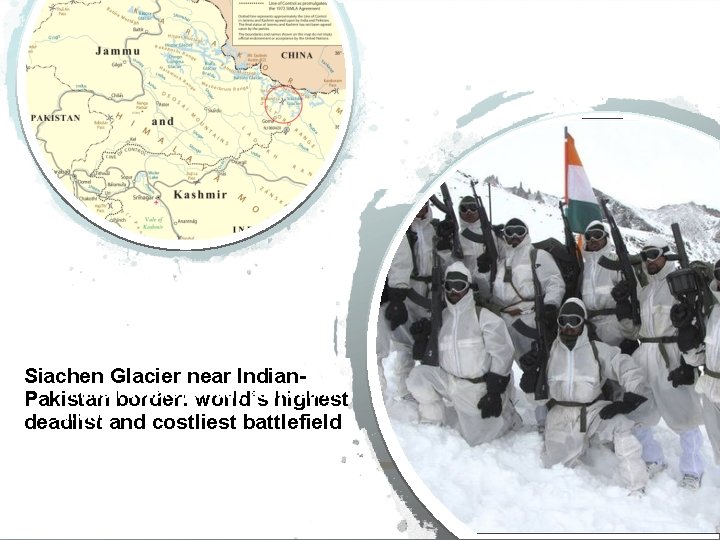
Siachen Glacier near Indian 1 millionborder: dollars per day stand off in Pakistan world’s highest futility deadlist and costliest battlefield
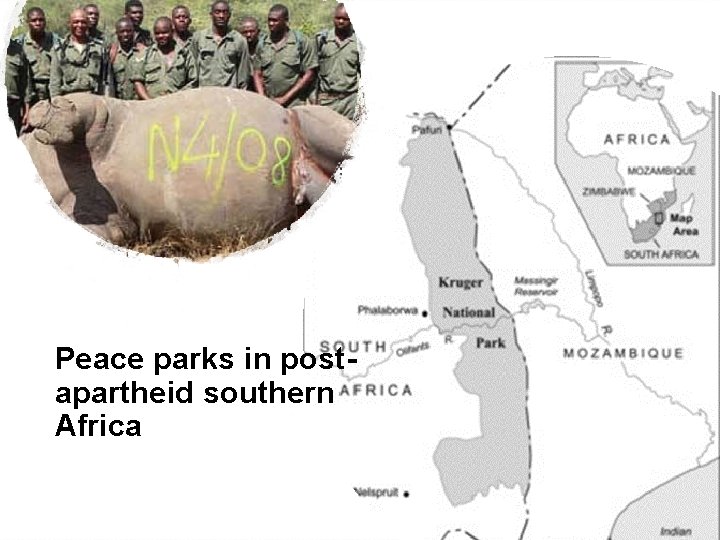
Peace parks in postapartheid southern Africa
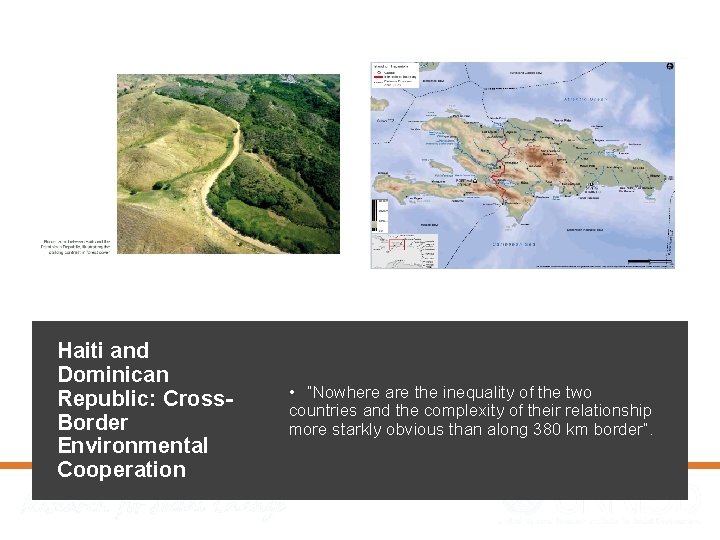
Haiti and Dominican Republic: Cross. Border Environmental Cooperation • “Nowhere are the inequality of the two countries and the complexity of their relationship more starkly obvious than along 380 km border”.
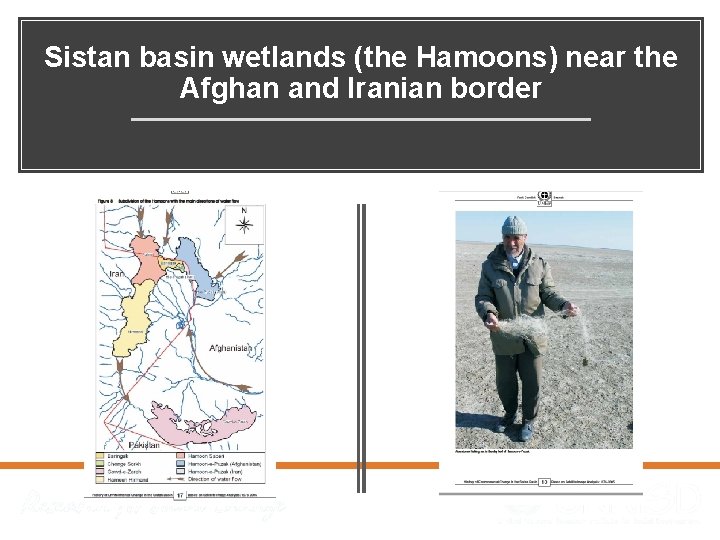
Sistan basin wetlands (the Hamoons) near the Afghan and Iranian border
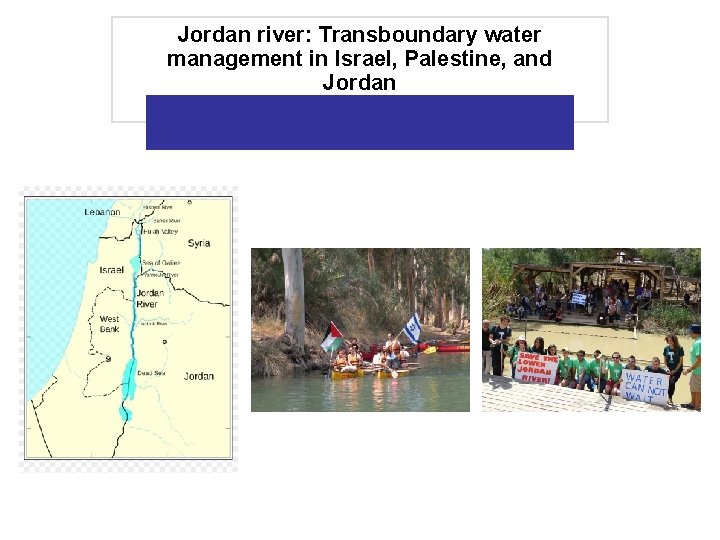
Jordan river: Transboundary water management in Israel, Palestine, and Jordan
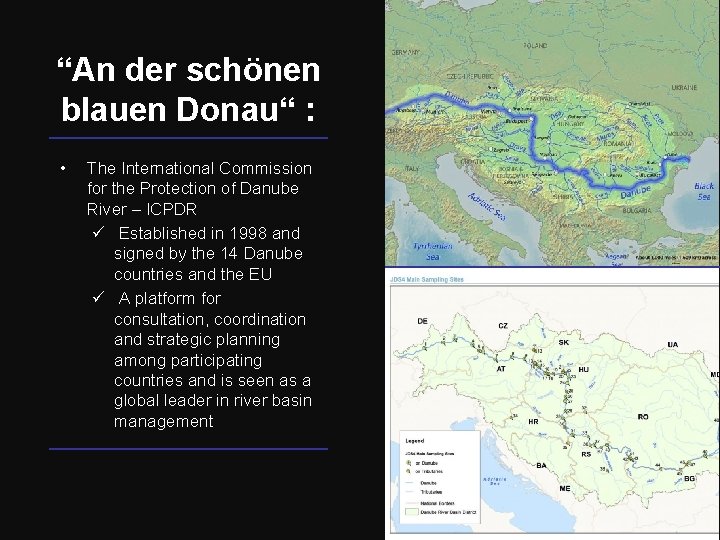
“An der schönen blauen Donau“ : • The International Commission for the Protection of Danube River – ICPDR ü Established in 1998 and signed by the 14 Danube countries and the EU ü A platform for consultation, coordination and strategic planning among participating countries and is seen as a global leader in river basin management
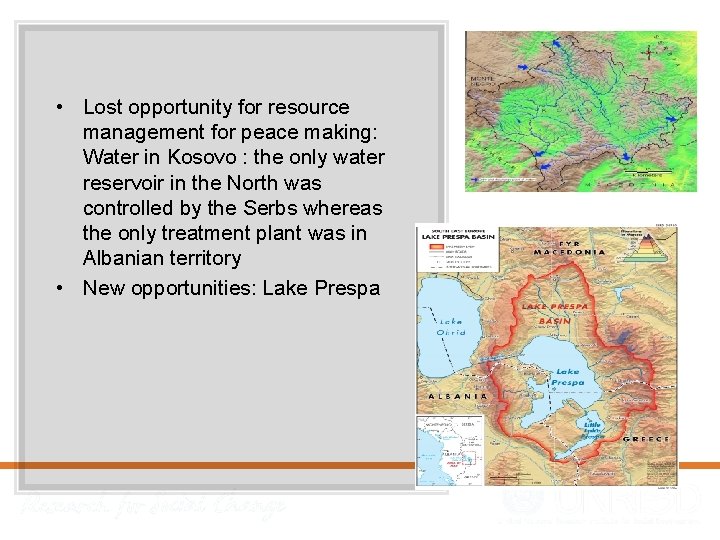
• Lost opportunity for resource management for peace making: Water in Kosovo : the only water reservoir in the North was controlled by the Serbs whereas the only treatment plant was in Albanian territory • New opportunities: Lake Prespa
DMZ • • Triangular dialogue between DPRK, ROK and the US Silent buildup of military power Misreading of each other’s can be a trigger Alternative pathways to peace?