
An Age of Anxiety Assessing and managing anxiety
- Slides: 19
An Age of Anxiety Assessing and managing anxiety in kids and teens Dr Peter Parry Child & Adolescent Psychiatrist CHQ-CYMHS GP Masterclass October 2016
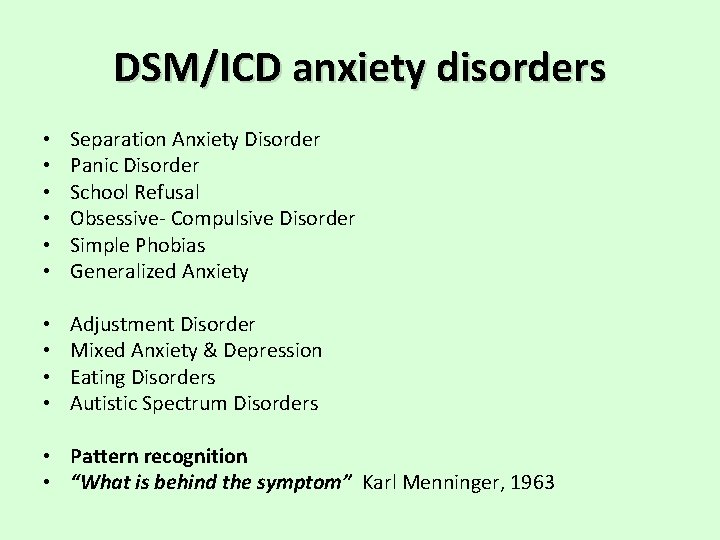
DSM/ICD anxiety disorders • • • Separation Anxiety Disorder Panic Disorder School Refusal Obsessive- Compulsive Disorder Simple Phobias Generalized Anxiety • • Adjustment Disorder Mixed Anxiety & Depression Eating Disorders Autistic Spectrum Disorders • Pattern recognition • “What is behind the symptom” Karl Menninger, 1963
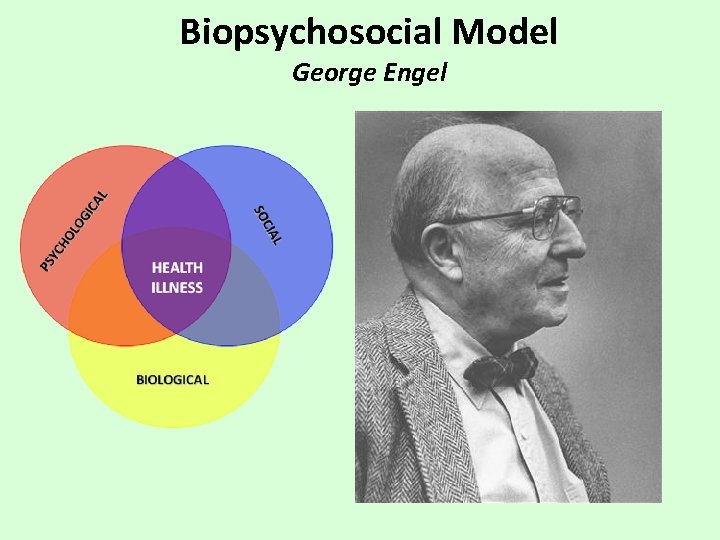
Biopsychosocial Model George Engel
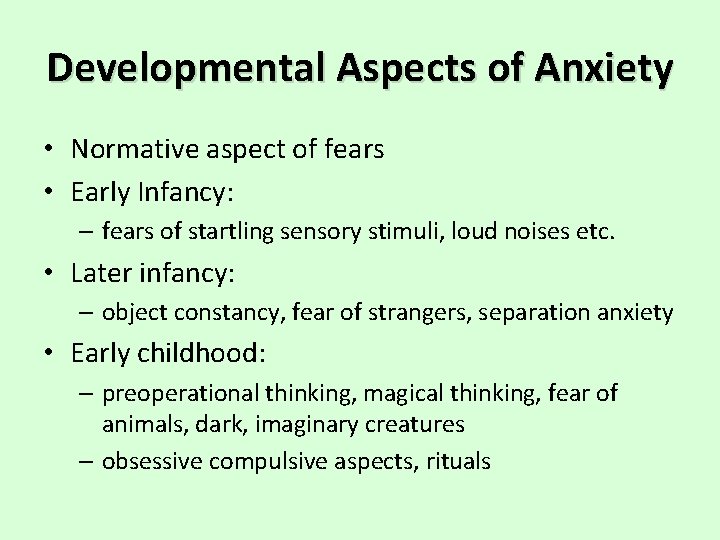
Developmental Aspects of Anxiety • Normative aspect of fears • Early Infancy: – fears of startling sensory stimuli, loud noises etc. • Later infancy: – object constancy, fear of strangers, separation anxiety • Early childhood: – preoperational thinking, magical thinking, fear of animals, dark, imaginary creatures – obsessive compulsive aspects, rituals
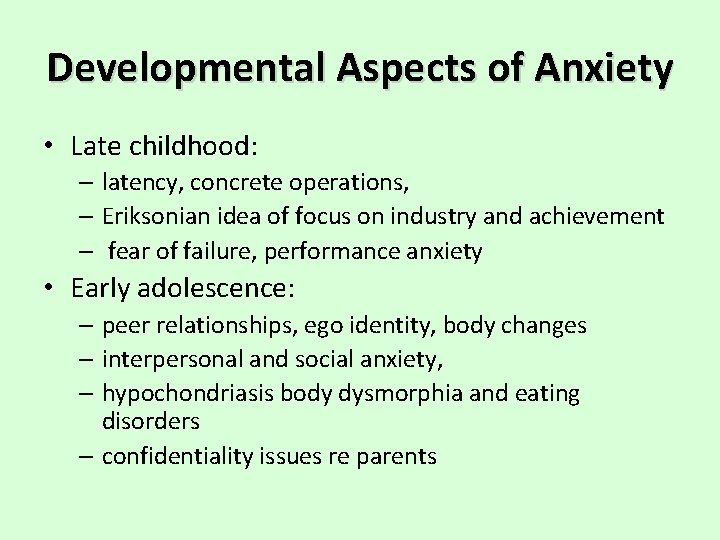
Developmental Aspects of Anxiety • Late childhood: – latency, concrete operations, – Eriksonian idea of focus on industry and achievement – fear of failure, performance anxiety • Early adolescence: – peer relationships, ego identity, body changes – interpersonal and social anxiety, – hypochondriasis body dysmorphia and eating disorders – confidentiality issues re parents
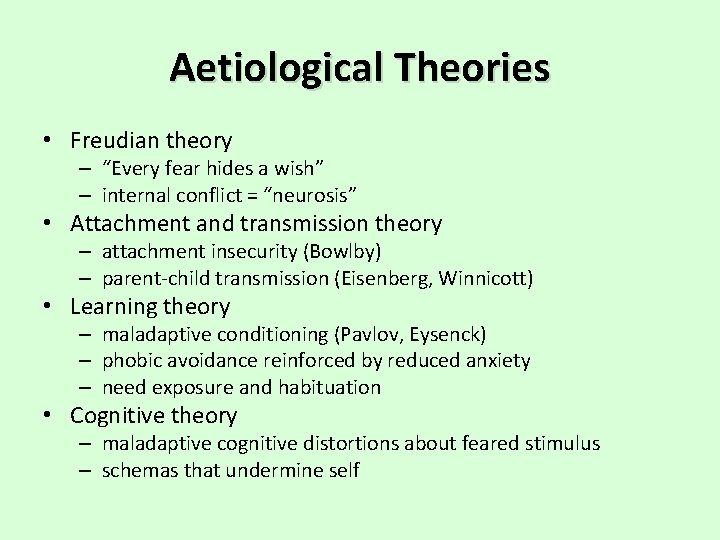
Aetiological Theories • Freudian theory – “Every fear hides a wish” – internal conflict = “neurosis” • Attachment and transmission theory – attachment insecurity (Bowlby) – parent-child transmission (Eisenberg, Winnicott) • Learning theory – maladaptive conditioning (Pavlov, Eysenck) – phobic avoidance reinforced by reduced anxiety – need exposure and habituation • Cognitive theory – maladaptive cognitive distortions about feared stimulus – schemas that undermine self
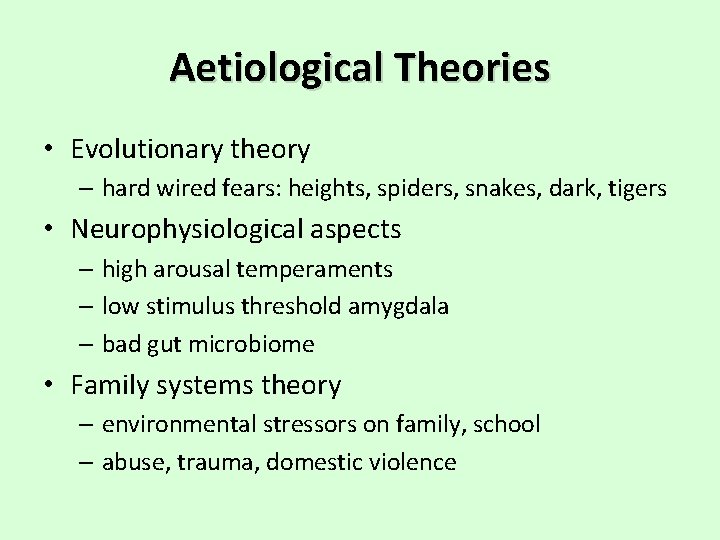
Aetiological Theories • Evolutionary theory – hard wired fears: heights, spiders, snakes, dark, tigers • Neurophysiological aspects – high arousal temperaments – low stimulus threshold amygdala – bad gut microbiome • Family systems theory – environmental stressors on family, school – abuse, trauma, domestic violence
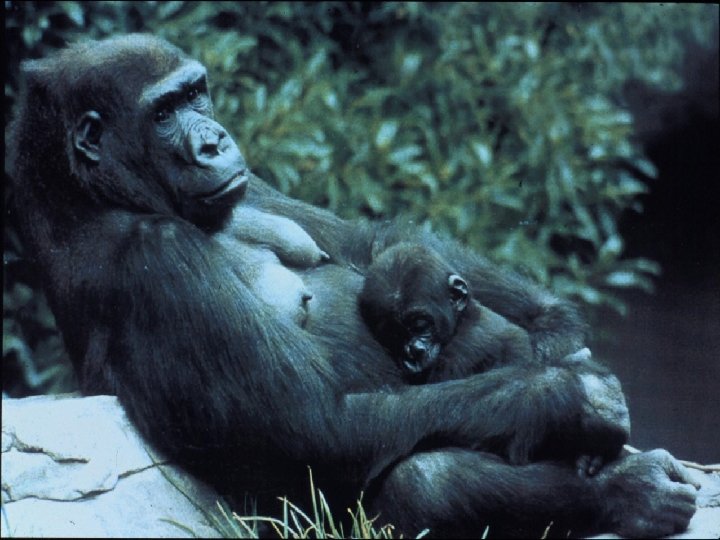
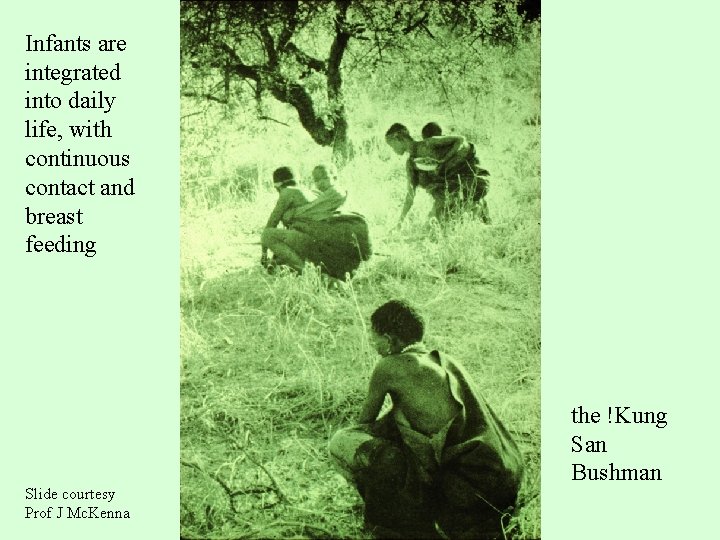
Infants are integrated into daily life, with continuous contact and breast feeding Slide courtesy Prof J Mc. Kenna the !Kung San Bushman
School Refusal Generally good children from average homes Family history anxiety Unresolved separation-anxiety with parent Distinct from truancy Often average/high IQ introverts with performance anxiety • 3 peak ages: • • • – 5 y. o. ; 12 y. o. ; 14 -16 y. o. • Serious sequelae if festers • Urgent to intervene early • Think systemically
OCD Three main groups: 1. Symptom profile of general anxiety in middle childhood 2. Autistic Spectrum Disorder related 3. Core OCD disorder – family history OCD/Tic Disorder – classic severe rituals – if CBT resistant, then SSRIs or Clomipramine often needed – rule out strep infection (PANDAS) – still biopsychosocial aspects to consider
Take a broad history • Pattern – symptoms – time course • Precipitants • Predisposing factors – family history • Perpetuating factors • How normative/pathological/impairment? • Protective factors
Psychoeducate • Explain biopsychosocial diagnostic formulation to child and family • Outline relevent theories • Thus get buy in for best therapeutic approaches • Address (as possible) obvious stressors • Convey need for exposure and habituation (CBT principles) – scaling, hierarchies
Psychoeducate My personal approach • Evolutionary neurobiology • ANS = autopilot • SNS = stress/survival – Fight/Flight/Freeze – Faint is old Vagus • PNS = peaceful – Rest&Digest, Grow – Vagus Nerve stimulation • sigh, yawn, laugh, yoga breath • soothing body contact • eye contact with trusted other – Breathing practices & apps galore
Emotional Bar-Charts
Medication • Generally not first-line • Benzodiazepines – diazepam – short term only – tolerance, paradoxical reactions, sedation • SSRIs – risks of suicidality/aggression, dependence – fluoxetine – slow titration • Quetiapine, pericyazine, risperidone, olanzapine – short-term, PRN second-line – serious adverse effects – ASD and severe OCD • Melatonin – importance of sleep • Omega-3, gut bacteria, diet
Consult/Refer • • CYMHS Private psychologist/psychiatrist School guidance officer But is a lot you can do
Exude Calmness • Practice our own meditation/mindfulness/ujjayi breaths • Anxiety and calmness are both contagious for mammals • Winnicott: “holding space” • Spend time with parents to assist them contain their own anxiety and thus children’s.