
AMPHIBIA LAB 4 External features 1 Skin smooth
AMPHIBIA LAB (4)
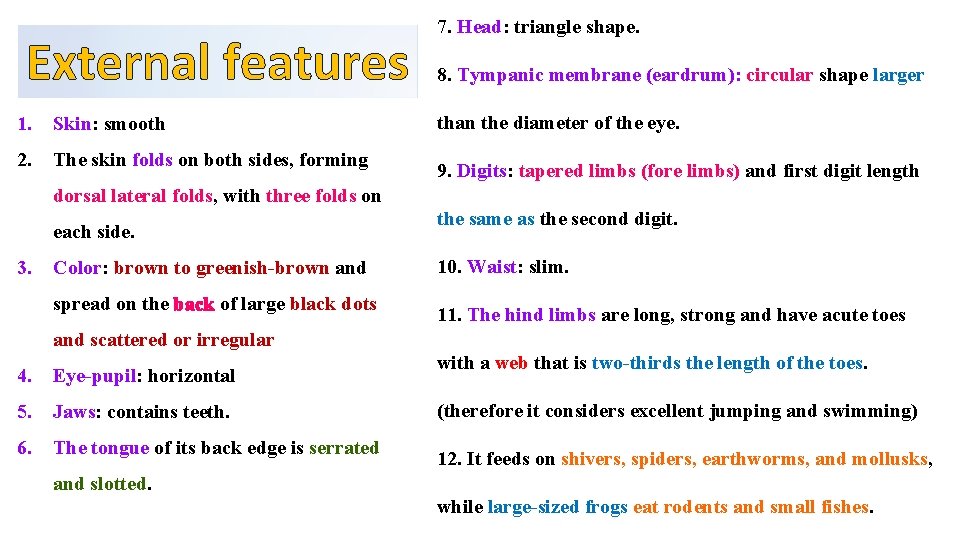
External features 1. Skin: smooth 2. The skin folds on both sides, forming 7. Head: triangle shape. 8. Tympanic membrane (eardrum): circular shape larger than the diameter of the eye. 9. Digits: tapered limbs (fore limbs) and first digit length dorsal lateral folds, with three folds on each side. 3. Color: brown to greenish-brown and spread on the back of large black dots the same as the second digit. 10. Waist: slim. 11. The hind limbs are long, strong and have acute toes and scattered or irregular 4. Eye-pupil: horizontal 5. Jaws: contains teeth. 6. The tongue of its back edge is serrated with a web that is two-thirds the length of the toes. (therefore it considers excellent jumping and swimming) 12. It feeds on shivers, spiders, earthworms, and mollusks, and slotted. while large-sized frogs eat rodents and small fishes.
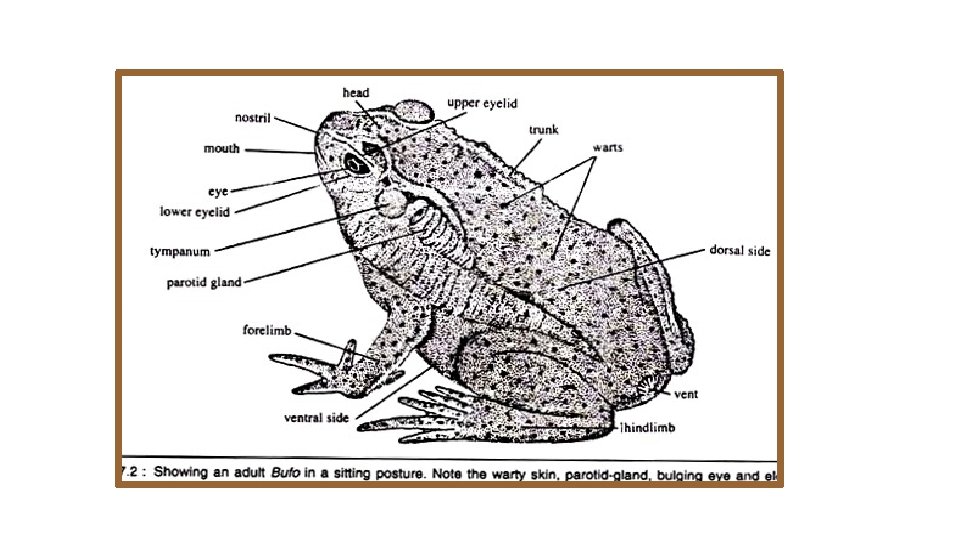
External features 1. Color: Olive Green. 2. The body surface: which is roughened by the presence of small protuberances or warts. 3. Eye-pupil: Vertical. 4. Jaws: does not contain teeth or edentulous mouth. 5. The tympanic membrane diameter is equal to the diameter of the eye. 6. The limbs are short. 7. The end of the digits are not tapered and did not have the adhesive discs of the end. 8. The web between the toes of the hind limb length to one-third of the toes.
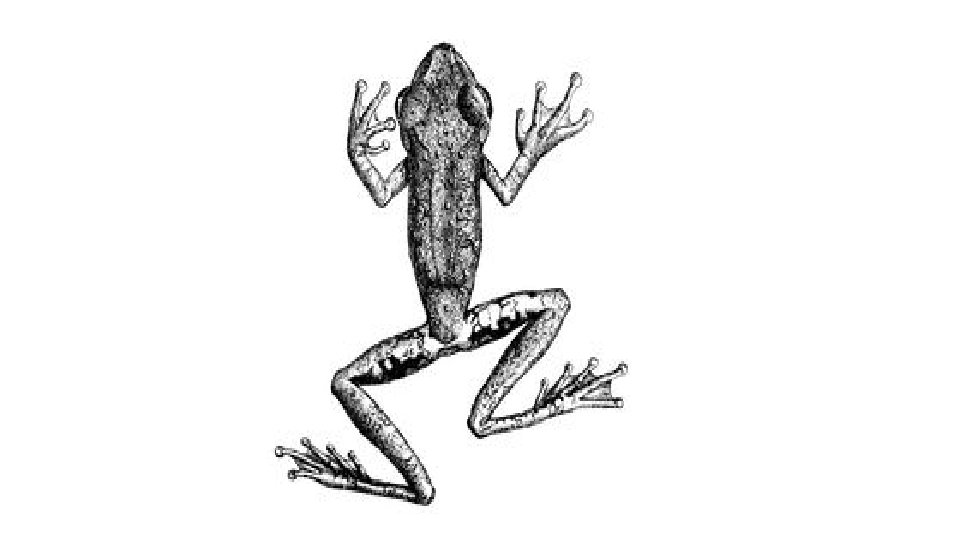
External features 1. Size: Small no more than 7 cm. 2. Body: slender. 3. Color: shiny green. 4. The body surface: Smooth, no warts, and no side folds. 5. The digits end: have adhesive discs that help them stick and climb trees. 6. Eye-pupil: horizontal. 7. The tympanic membrane (eardrum) diameter is smaller than the diameter of the eye. 8. The edge of the tongue is circular. 9. The web between the toes of the hind limb length to half of the toes. 10. Larvae: feed on aquatic plants. Adult frogs feed on insects, spiders, and mollusks.
- Slides: 7