
Amino Acid Sequence Analysis of Cytochrome C in

- Slides: 17
Amino Acid Sequence Analysis of Cytochrome C in Bacteria and Eukarya Using Bioinformatics
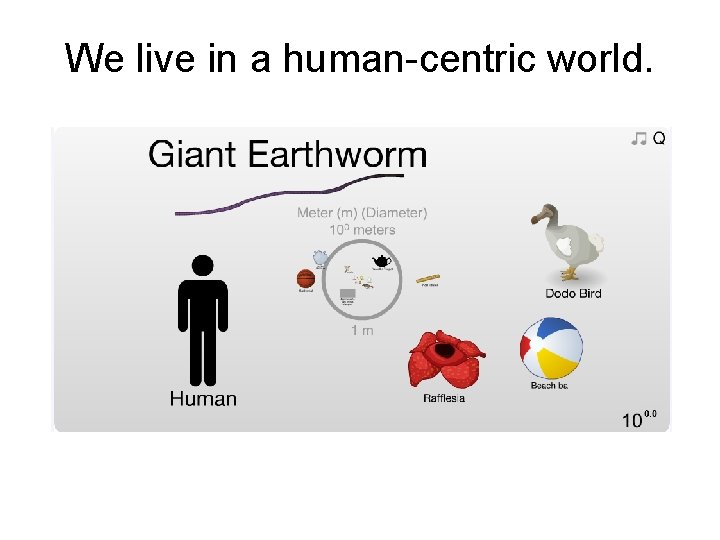
We live in a human-centric world.
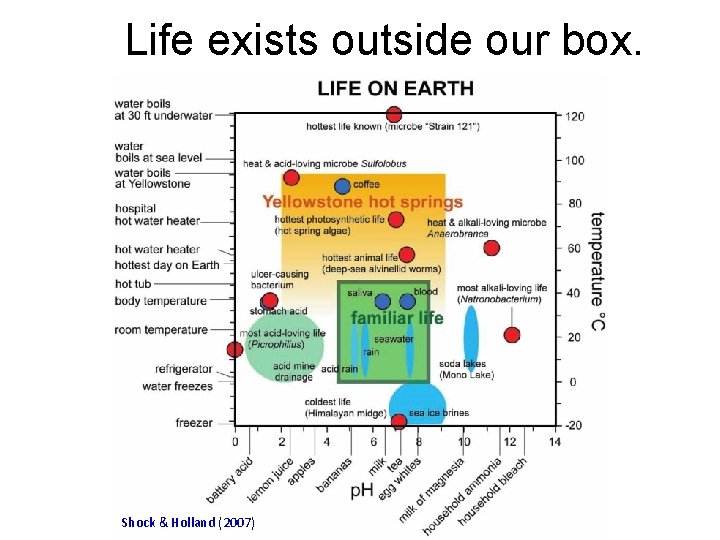
Life exists outside our box. Subtitle Text Shock & Holland (2007)
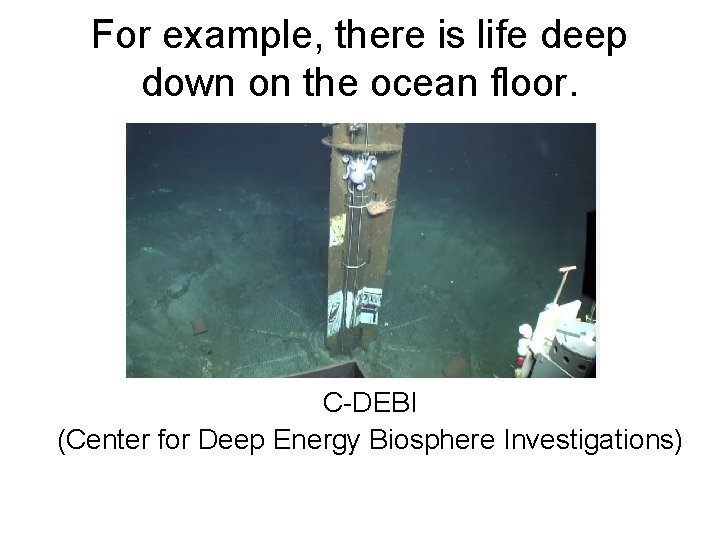
For example, there is life deep down on the ocean floor. C-DEBI (Center for Deep Energy Biosphere Investigations)
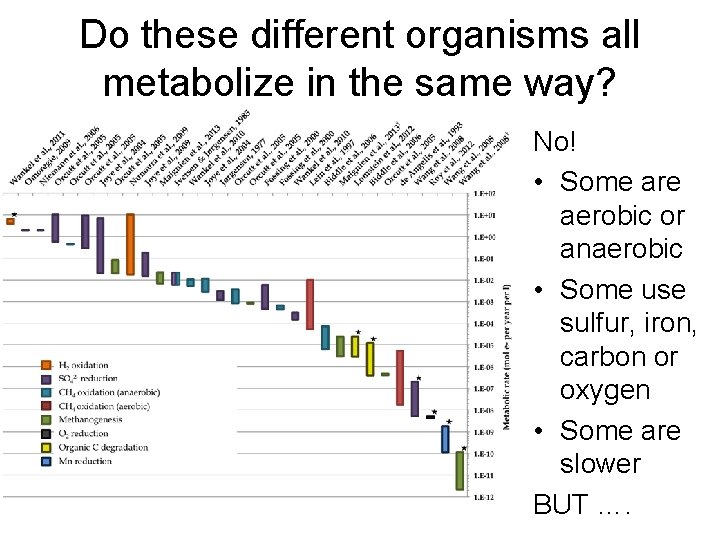
Do these different organisms all metabolize in the same way? No! • Some are aerobic or anaerobic • Some use sulfur, iron, carbon or oxygen • Some are slower BUT ….
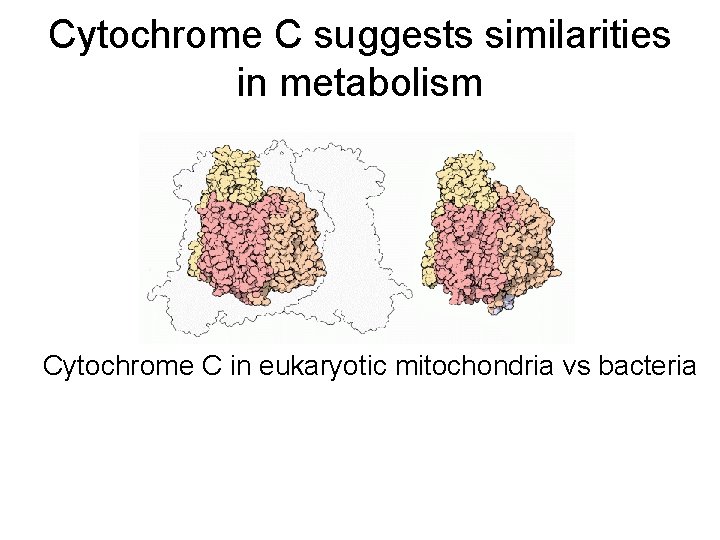
Cytochrome C suggests similarities in metabolism Cytochrome C in eukaryotic mitochondria vs bacteria
Today’s activity objectives are 1. Understand use bioinformatics. 2. Compare and contrast cytochrome C in humans, other animals and bacteria. 3. Relate cytochrome C from various species to genome evolution and protein function.
Hypotheses 1. Shared ancestry common amino acid sequences in cytochrome C 2. Similar metabolism function common amino acid sequences in cytochrome C
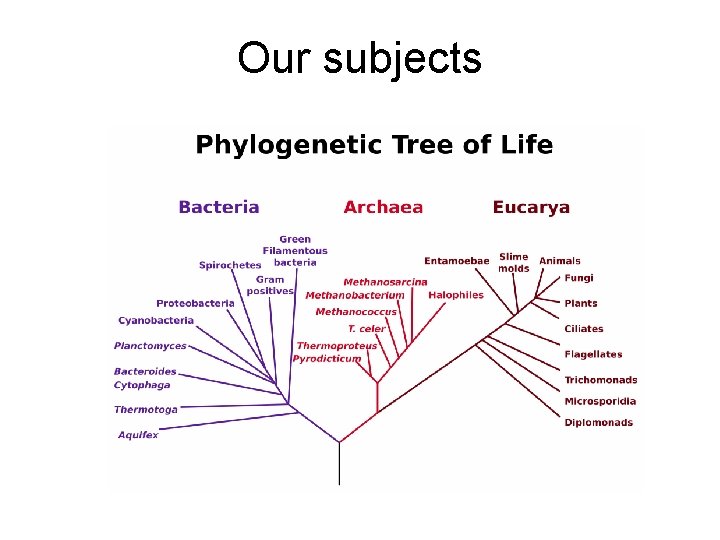
Our subjects
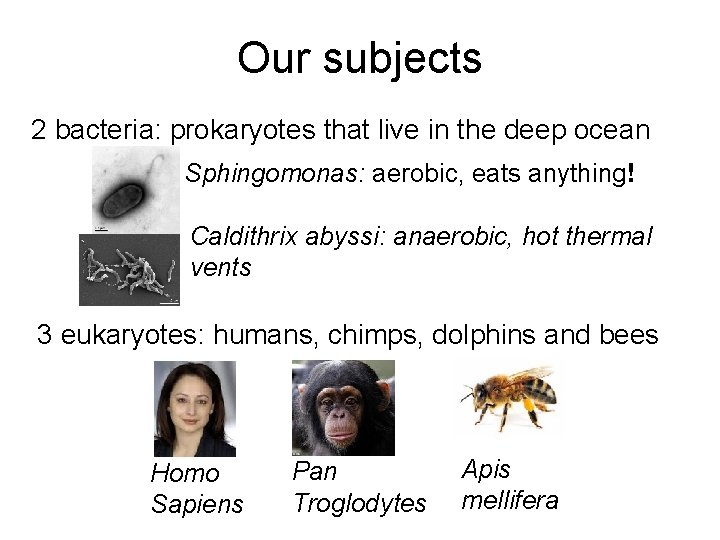
Our subjects 2 bacteria: prokaryotes that live in the deep ocean Sphingomonas: aerobic, eats anything! Caldithrix abyssi: anaerobic, hot thermal vents 3 eukaryotes: humans, chimps, dolphins and bees Homo Sapiens Pan Troglodytes Apis mellifera
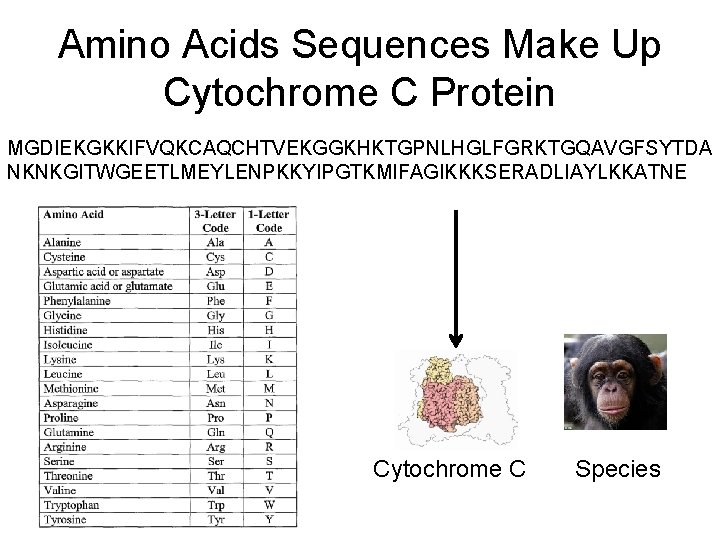
Amino Acids Sequences Make Up Cytochrome C Protein MGDIEKGKKIFVQKCAQCHTVEKGGKHKTGPNLHGLFGRKTGQAVGFSYTDA NKNKGITWGEETLMEYLENPKKYIPGTKMIFAGIKKKSERADLIAYLKKATNE Cytochrome C Species
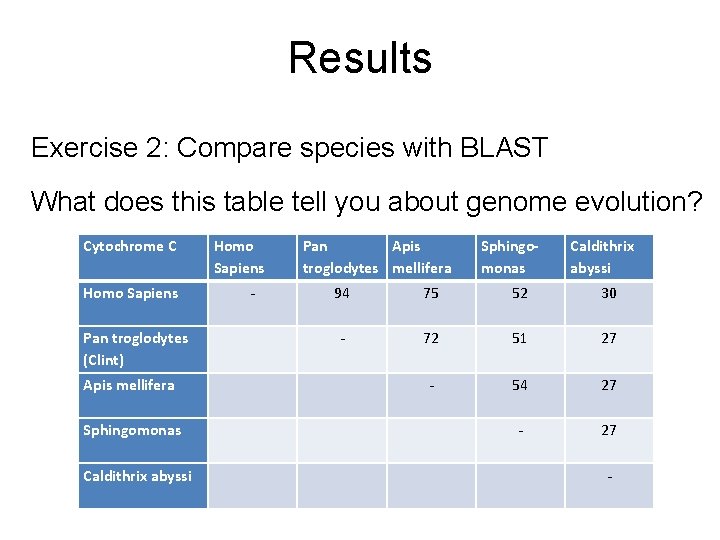
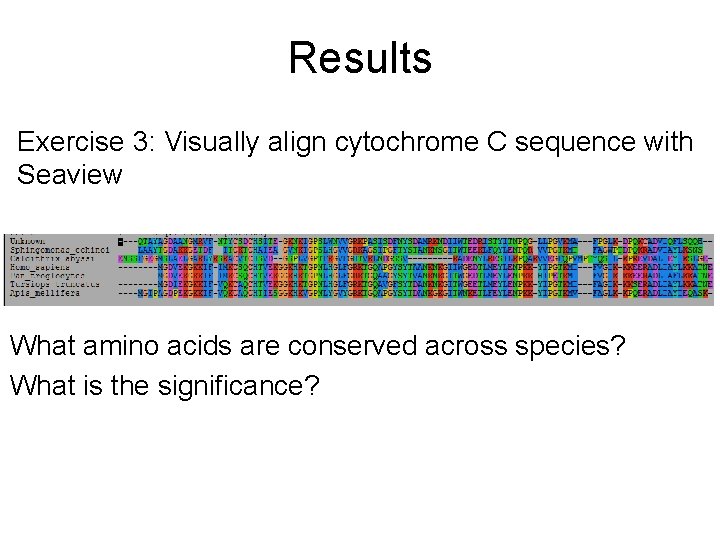
Start Comparing Sequences! Three exercises (watch posted youtube videos) 1. BLAST: identify accuracy of given amino acid sequences (figure out unknown) 2. BLAST: compare amino acid sequences for cytochrome C between species 3. Sea View: visually align cytochrome C amino acid sequences for all 6 species
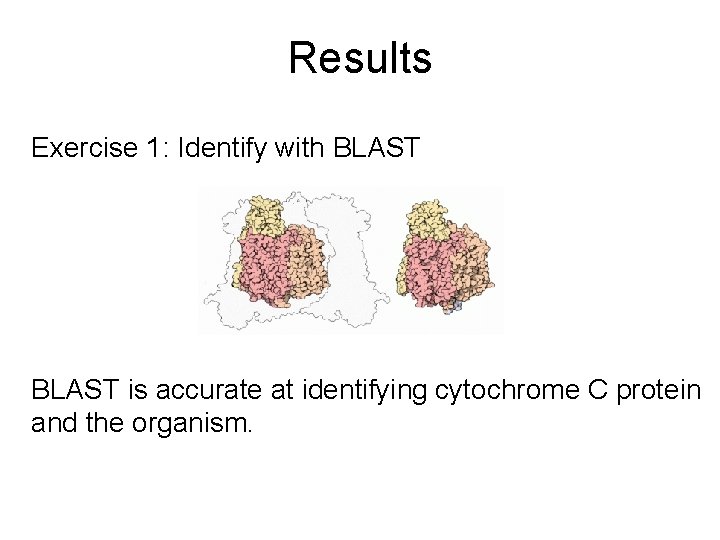
Results Exercise 1: Identify with BLAST is accurate at identifying cytochrome C protein and the organism.
Results Exercise 2: Compare species with BLAST What does this table tell you about genome evolution? Cytochrome C Homo Sapiens Pan Apis troglodytes mellifera Sphingomonas Caldithrix abyssi Homo Sapiens - 94 75 52 30 Pan troglodytes (Clint) - 72 51 27 Apis mellifera - 54 27 Sphingomonas - 27 Caldithrix abyssi -
Results Exercise 3: Visually align cytochrome C sequence with Seaview What amino acids are conserved across species? What is the significance?
Discussion • Do you support your hypotheses?