
Amino Acid peptides and proteins Amino acids Carboxylic
Amino Acid , peptides and proteins
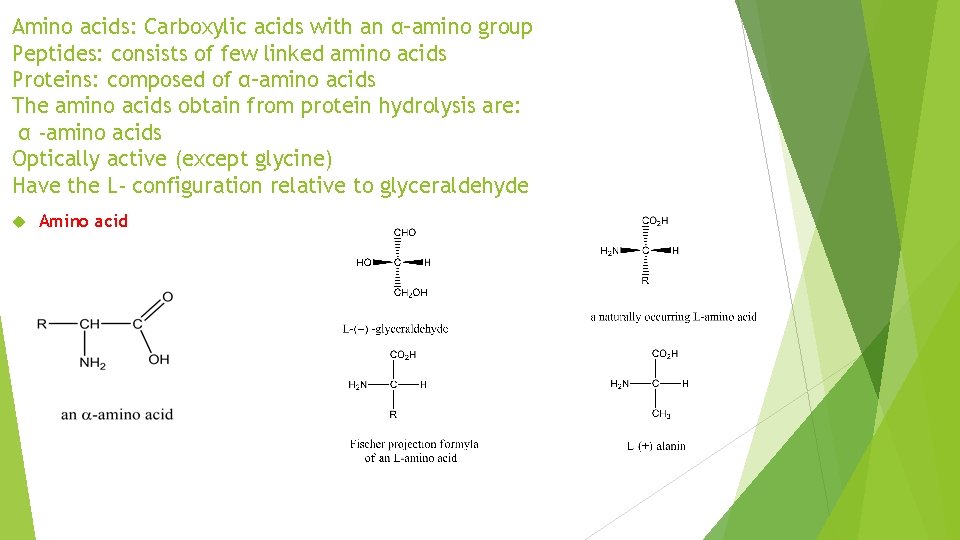
Amino acids: Carboxylic acids with an α–amino group Peptides: consists of few linked amino acids Proteins: composed of α–amino acids The amino acids obtain from protein hydrolysis are: α -amino acids Optically active (except glycine) Have the L- configuration relative to glyceraldehyde Amino acid
20 amino acids are commonly found in proteins 12 can be synthesized in the body 8 (essential amino acids ) can not be synthesized in the body, and must be obtain from the diet in the form of proteins A three letter abbreviation is used when writing the formulas of peptides A one letter abbreviation is used to describe the amino acid sequence in a protein
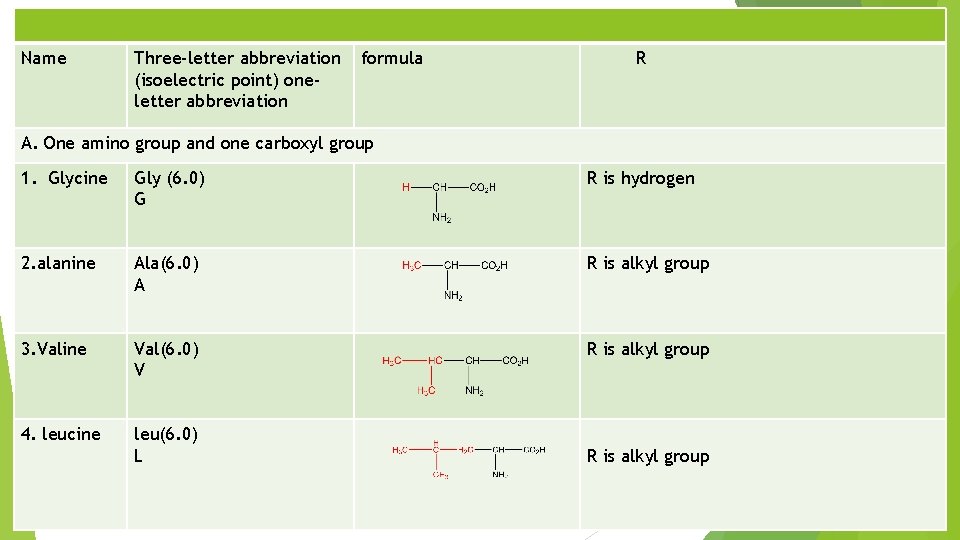
Name Three-letter abbreviation (isoelectric point) oneletter abbreviation formula R A. One amino group and one carboxyl group 1. Glycine Gly (6. 0) G R is hydrogen 2. alanine Ala(6. 0) A R is alkyl group 3. Valine Val(6. 0) V R is alkyl group 4. leucine leu(6. 0) L R is alkyl group
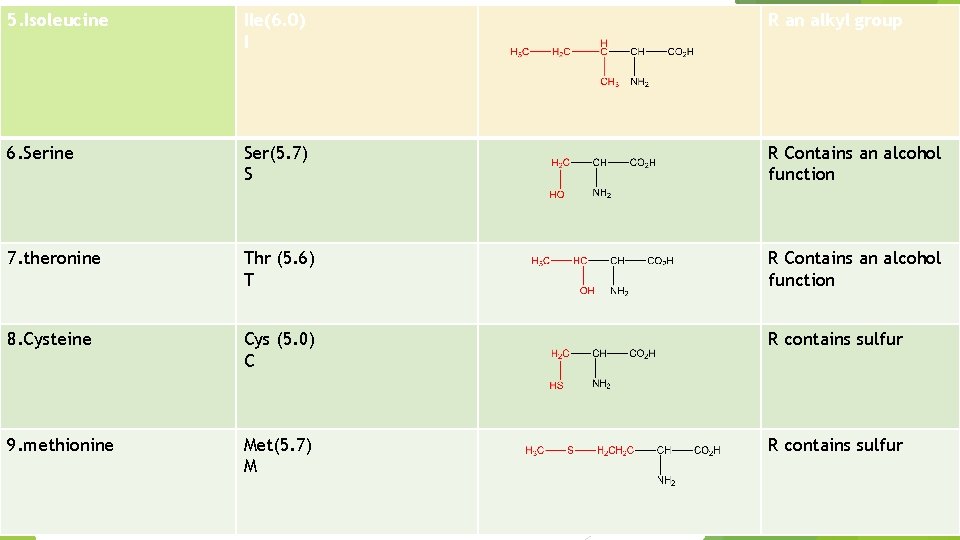
5. Isoleucine Ile(6. 0) I R an alkyl group 6. Serine Ser(5. 7) S R Contains an alcohol function 7. theronine Thr (5. 6) T R Contains an alcohol function 8. Cysteine Cys (5. 0) C R contains sulfur 9. methionine Met(5. 7) M R contains sulfur
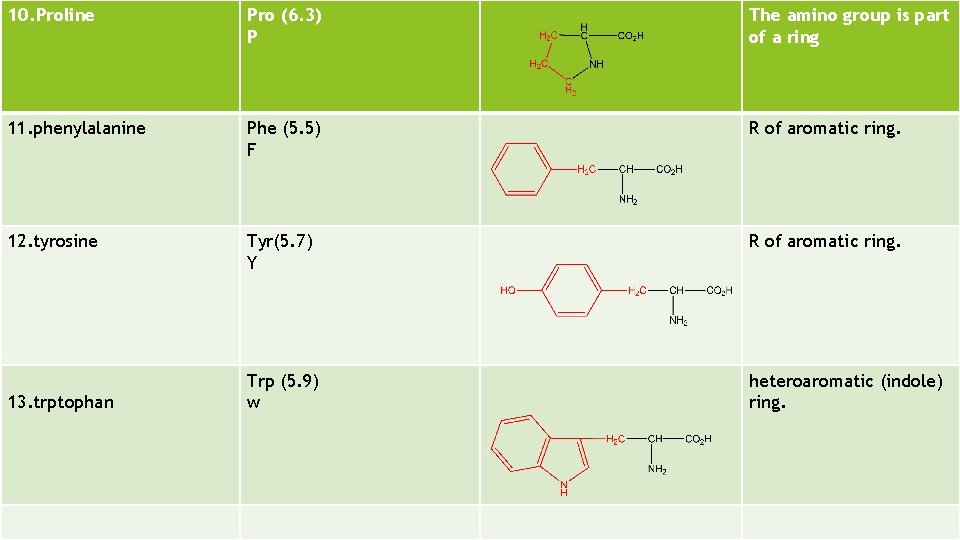
10. Proline Pro (6. 3) P The amino group is part of a ring 11. phenylalanine Phe (5. 5) F R of aromatic ring. 12. tyrosine Tyr(5. 7) Y R of aromatic ring. Trp (5. 9) w heteroaromatic (indole) ring. 13. trptophan
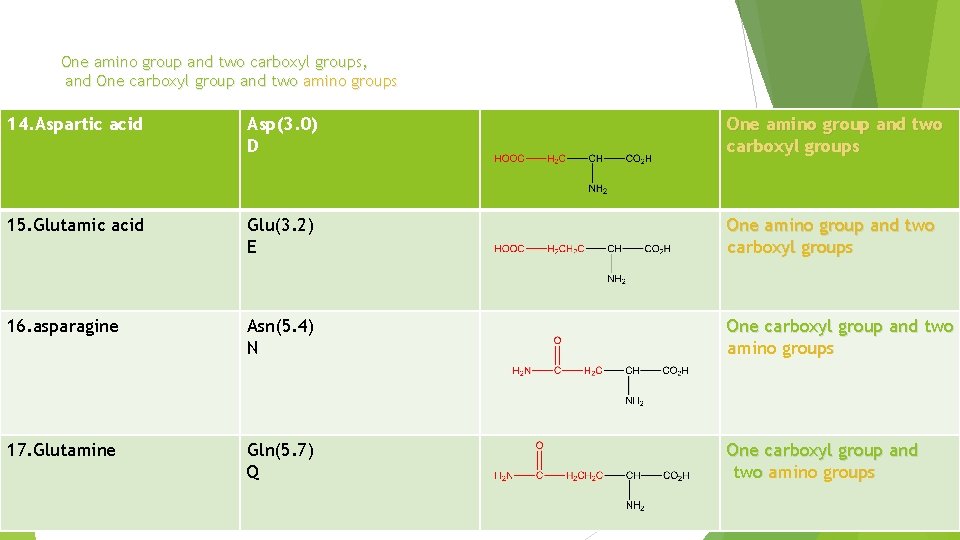
One amino group and two carboxyl groups, and One carboxyl group and two amino groups 14. Aspartic acid Asp(3. 0) D One amino group and two carboxyl groups 15. Glutamic acid Glu(3. 2) E One amino group and two carboxyl groups 16. asparagine Asn(5. 4) N One carboxyl group and two amino groups 17. Glutamine Gln(5. 7) Q One carboxyl group and two amino groups
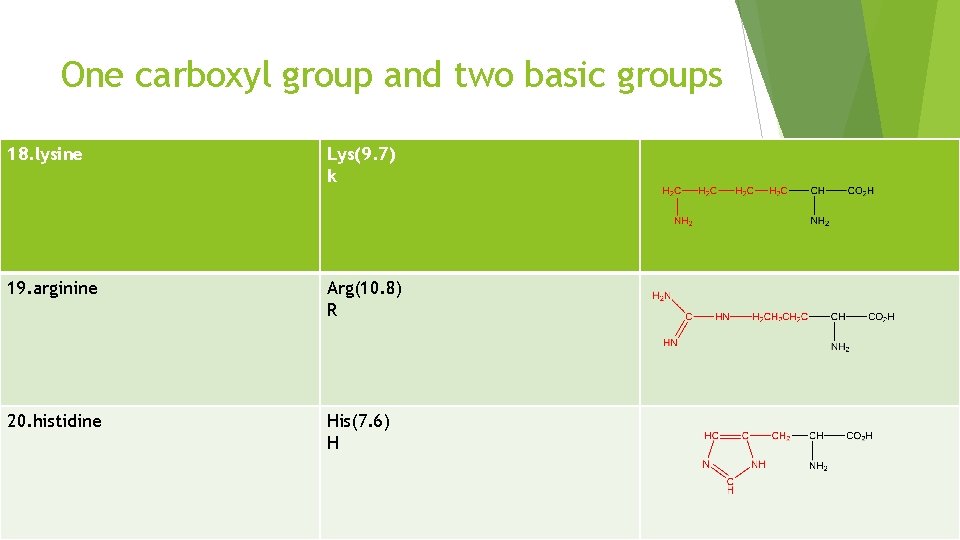
One carboxyl group and two basic groups 18. lysine Lys(9. 7) k 19. arginine Arg(10. 8) R 20. histidine His(7. 6) H
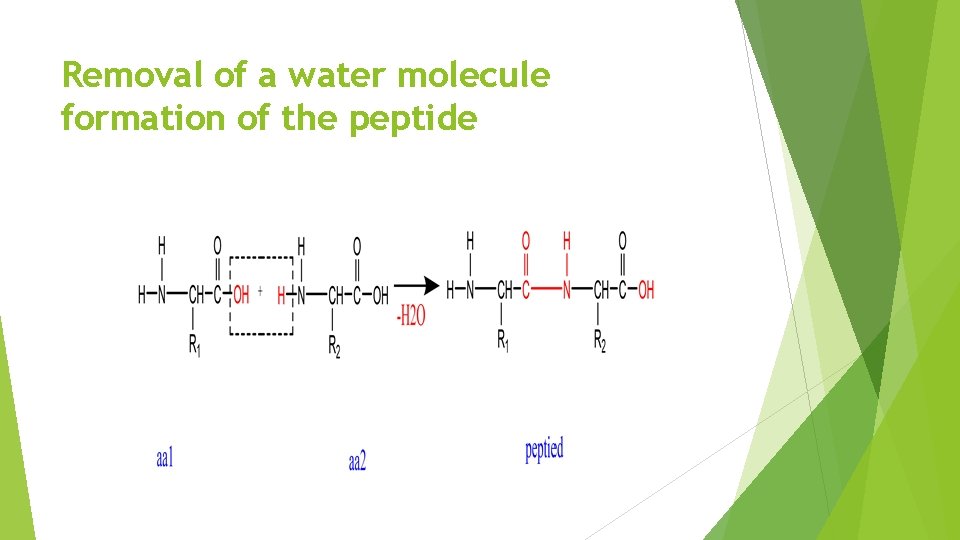
Removal of a water molecule formation of the peptide
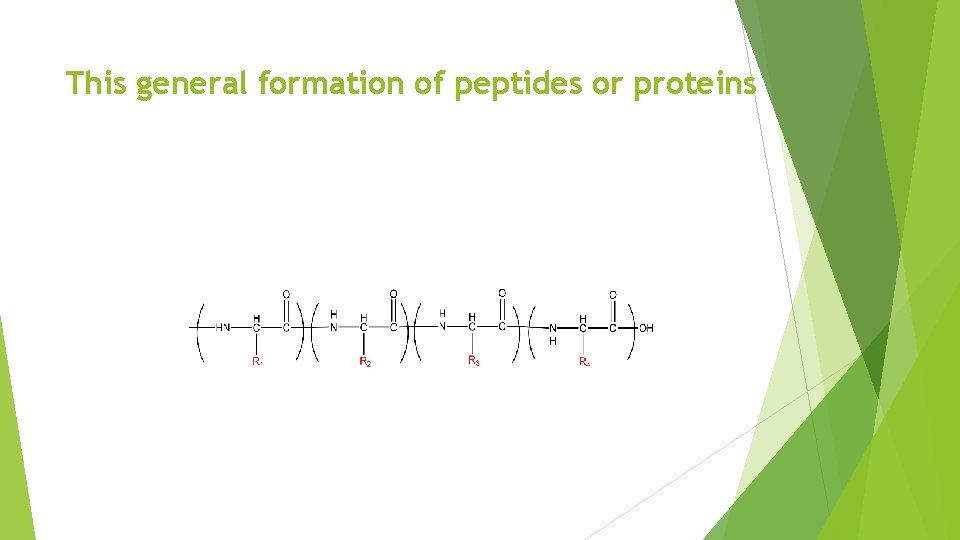
This general formation of peptides or proteins
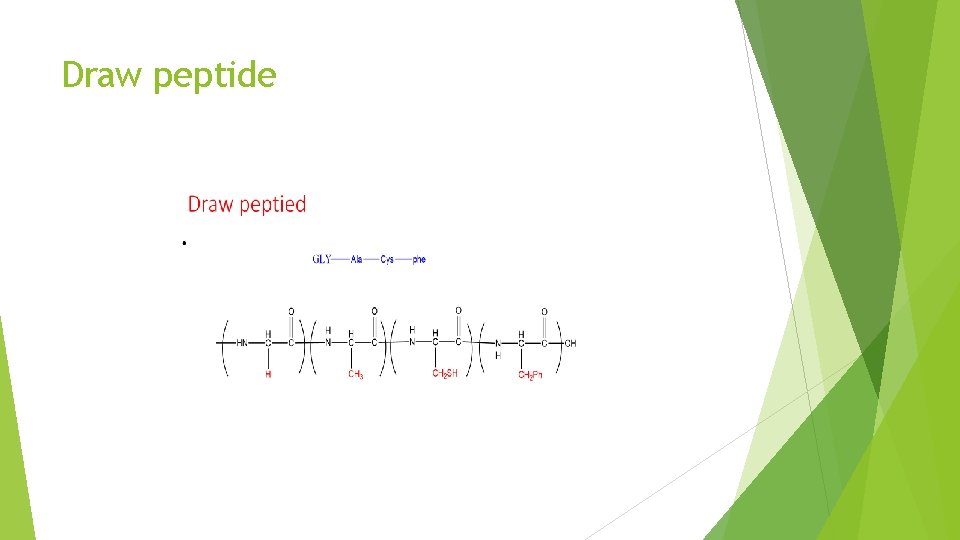
Draw peptide
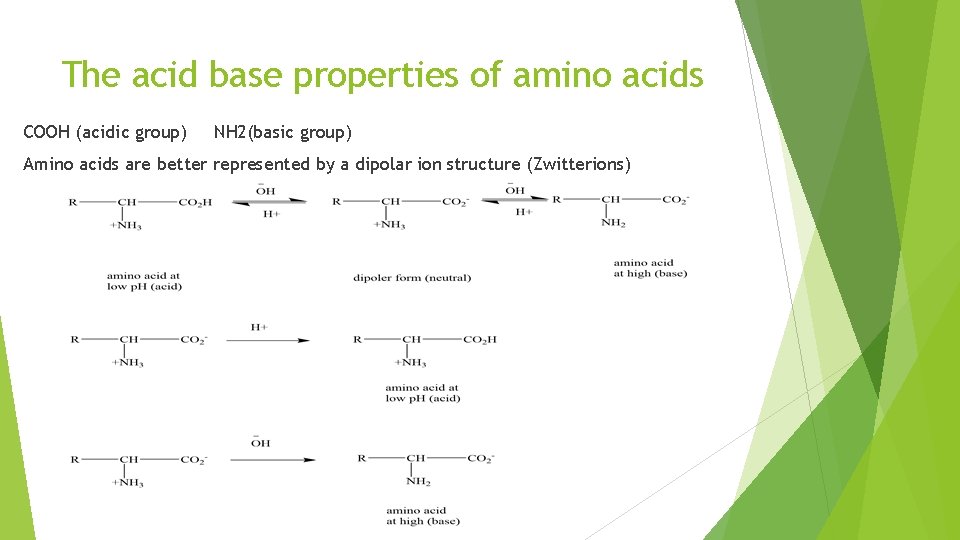
The acid base properties of amino acids COOH (acidic group) NH 2(basic group) Amino acids are better represented by a dipolar ion structure (Zwitterions)
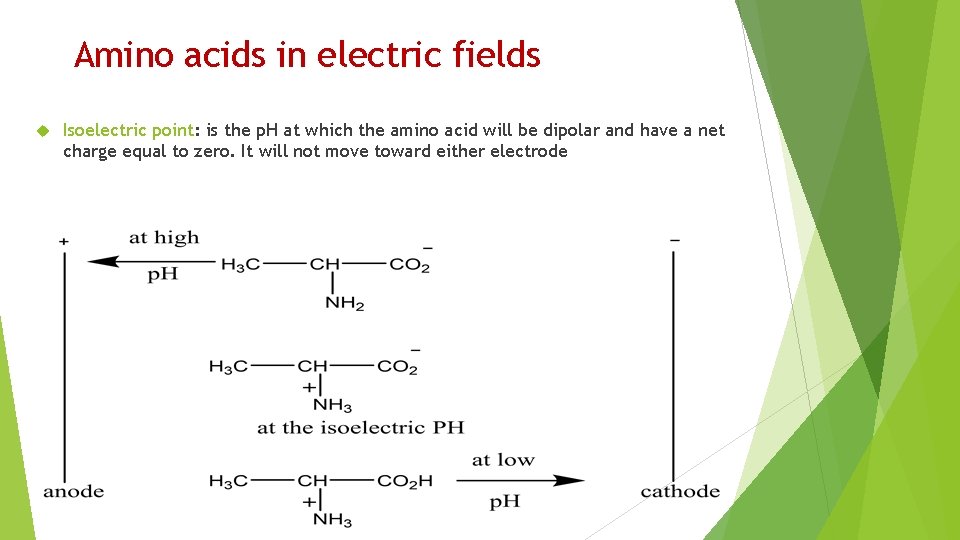
Amino acids in electric fields Isoelectric point: is the p. H at which the amino acid will be dipolar and have a net charge equal to zero. It will not move toward either electrode
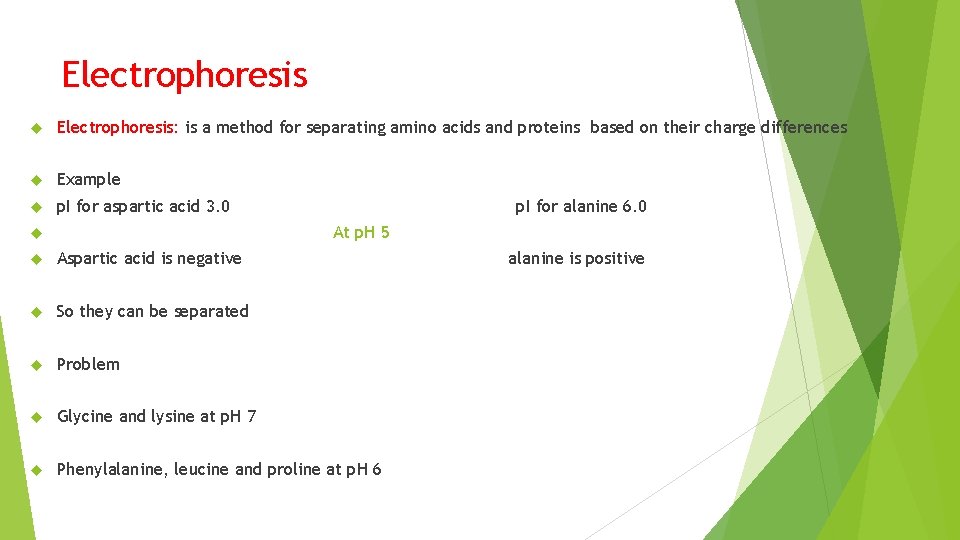
Electrophoresis Electrophoresis: is a method for separating amino acids and proteins based on their charge differences Example p. I for aspartic acid 3. 0 p. I for alanine 6. 0 At p. H 5 Aspartic acid is negative So they can be separated Problem Glycine and lysine at p. H 7 Phenylalanine, leucine and proline at p. H 6 alanine is positive
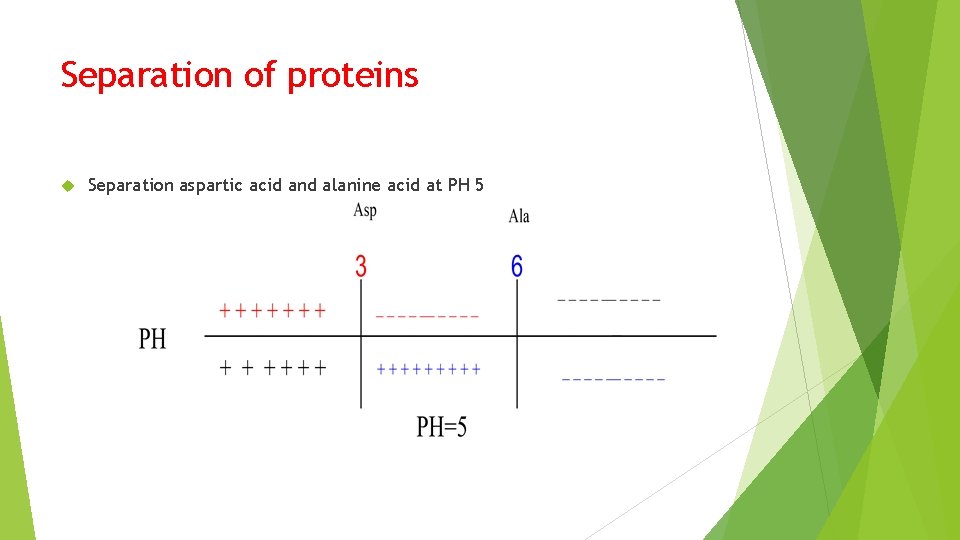
Separation of proteins Separation aspartic acid and alanine acid at PH 5
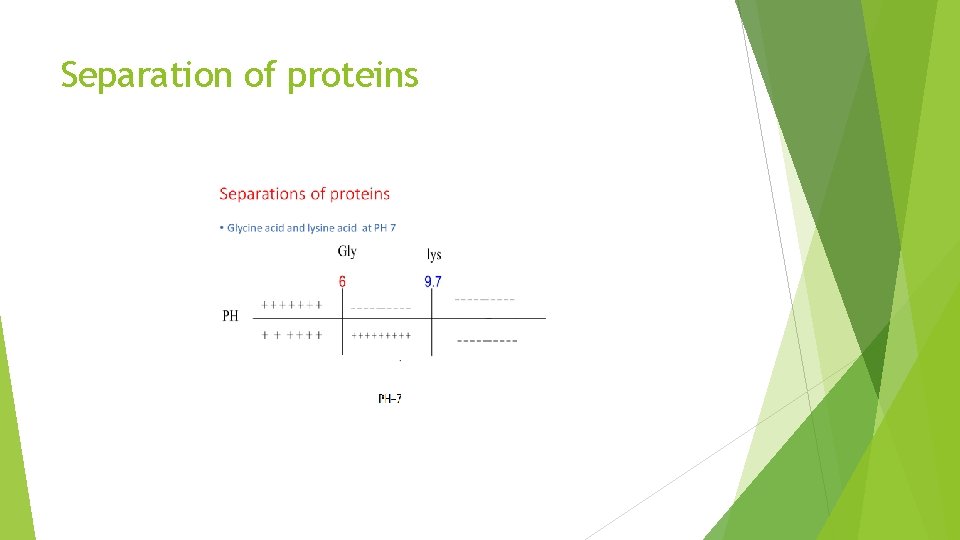
Separation of proteins
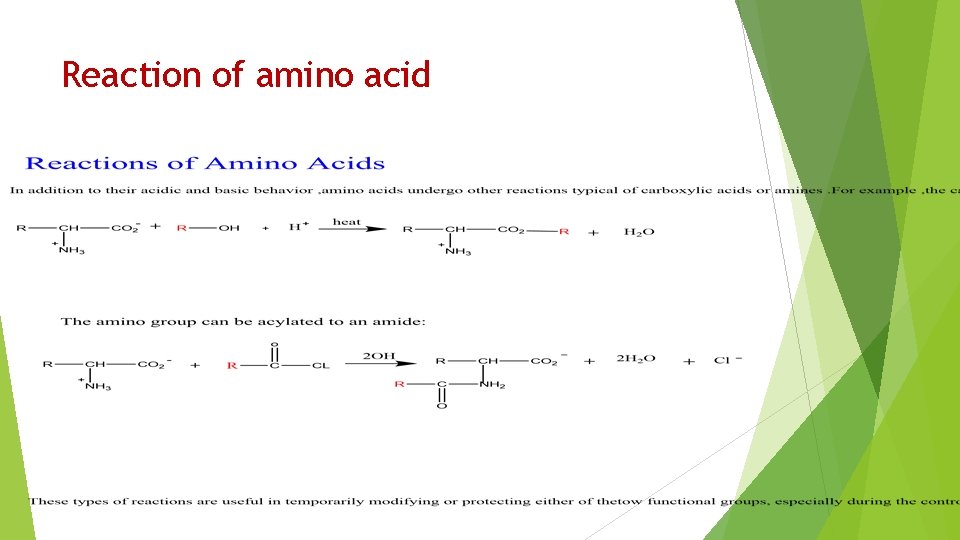
Reaction of amino acid
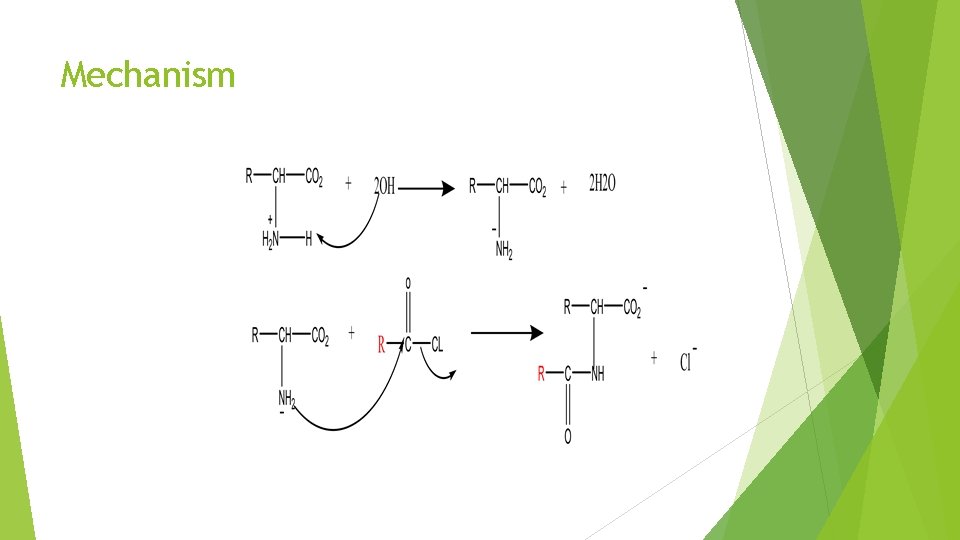
Mechanism
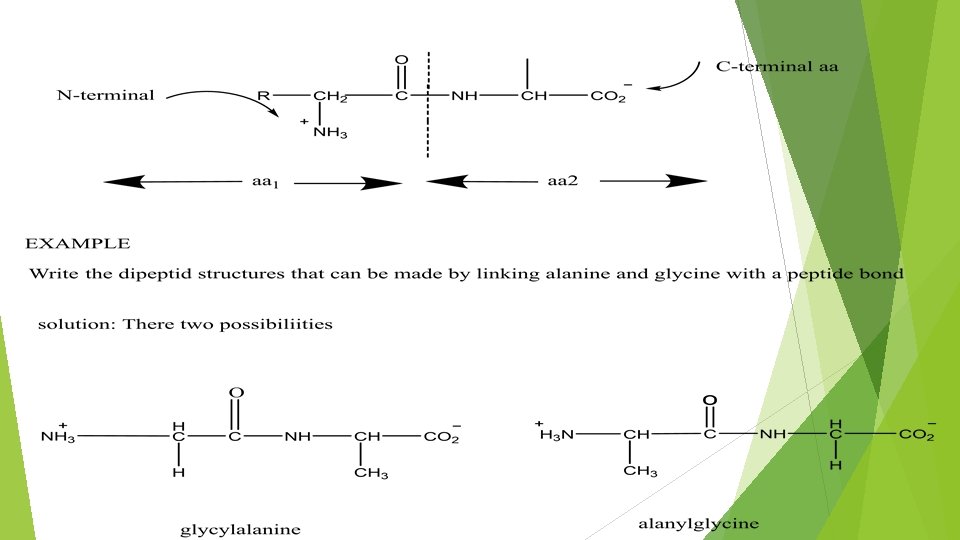
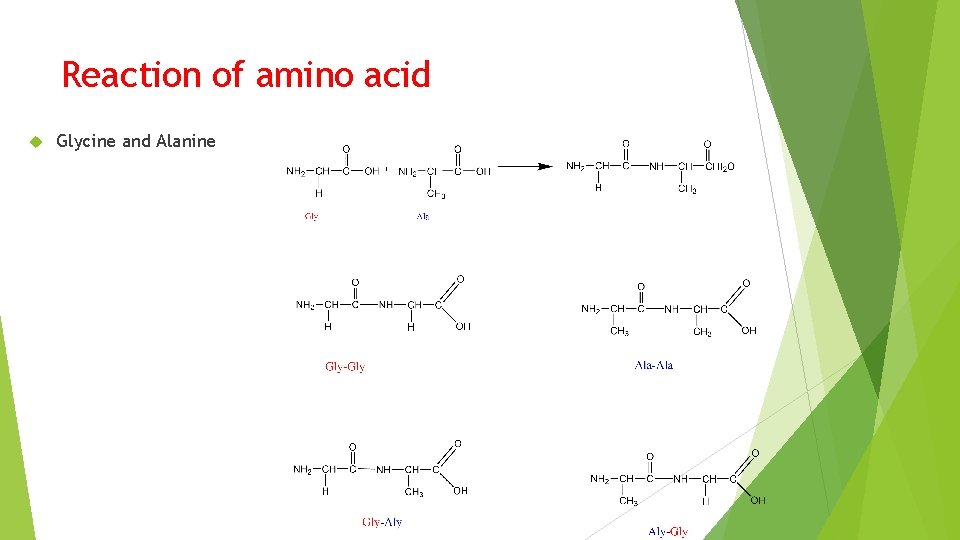
Reaction of amino acid Glycine and Alanine
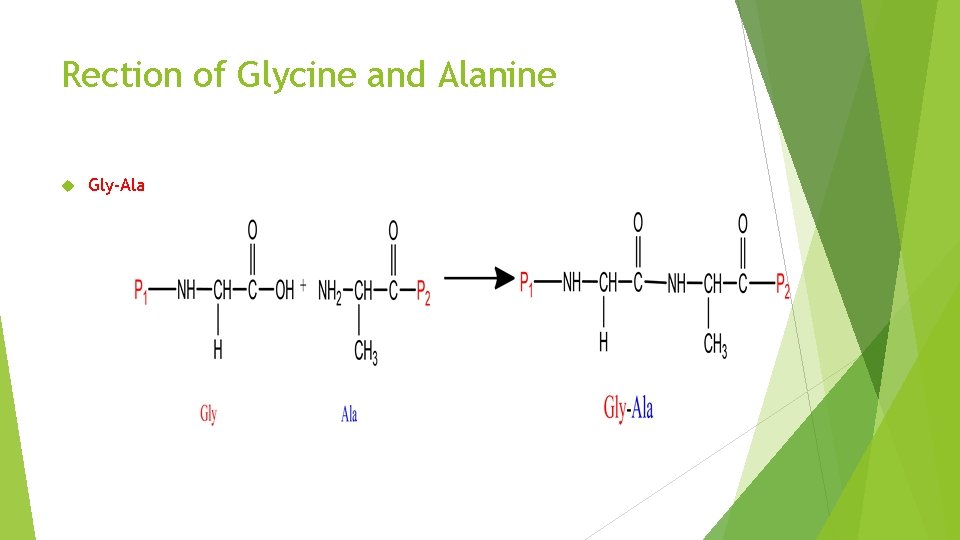
Rection of Glycine and Alanine Gly-Ala
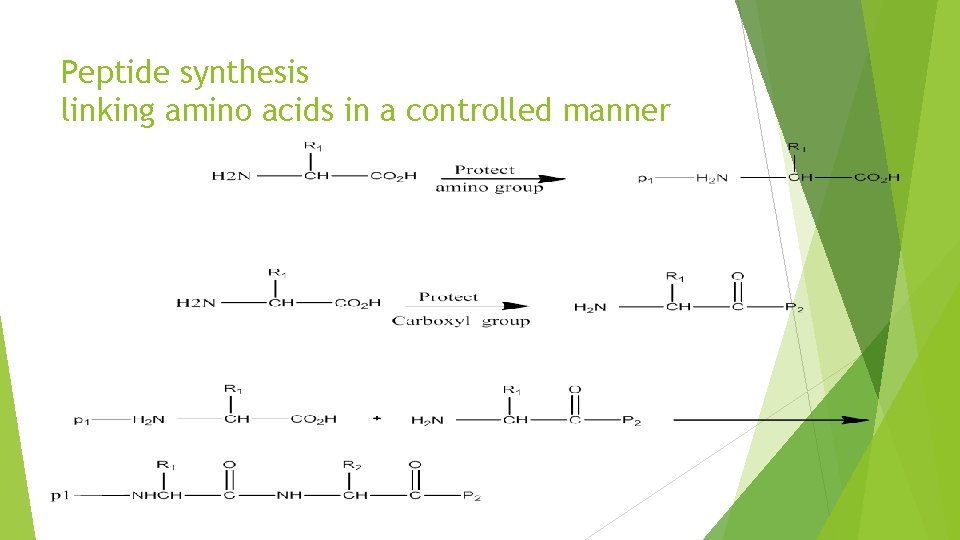
Peptide synthesis linking amino acids in a controlled manner
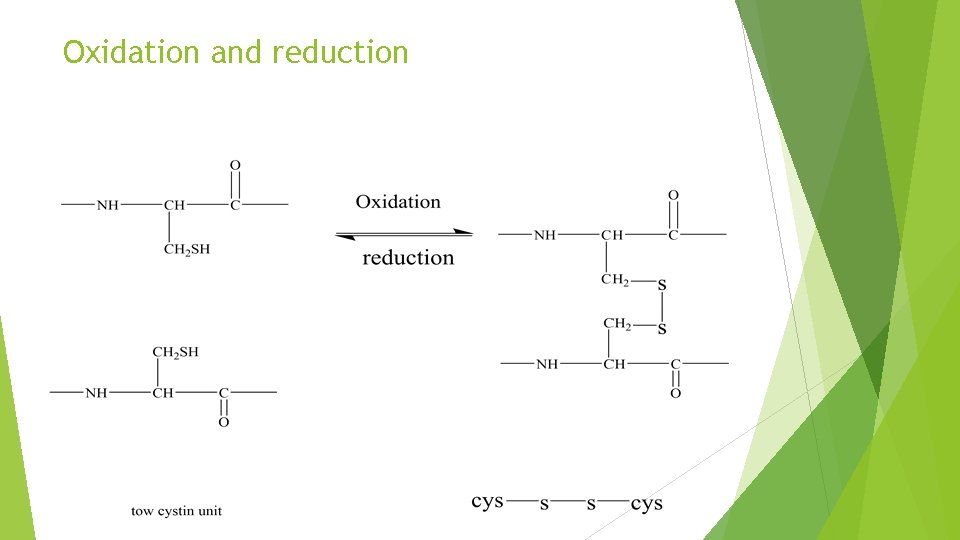
Oxidation and reduction
Proteins are major components of: Structural tissues (muscle, skin, nails, hair) Transport molecules (Hemoglobin) Enzymes (biological catalysts) Structure of Peptides and Proteins: Primary structure: Amino acids and sequence Secondary, tertiary and quaternary structures:
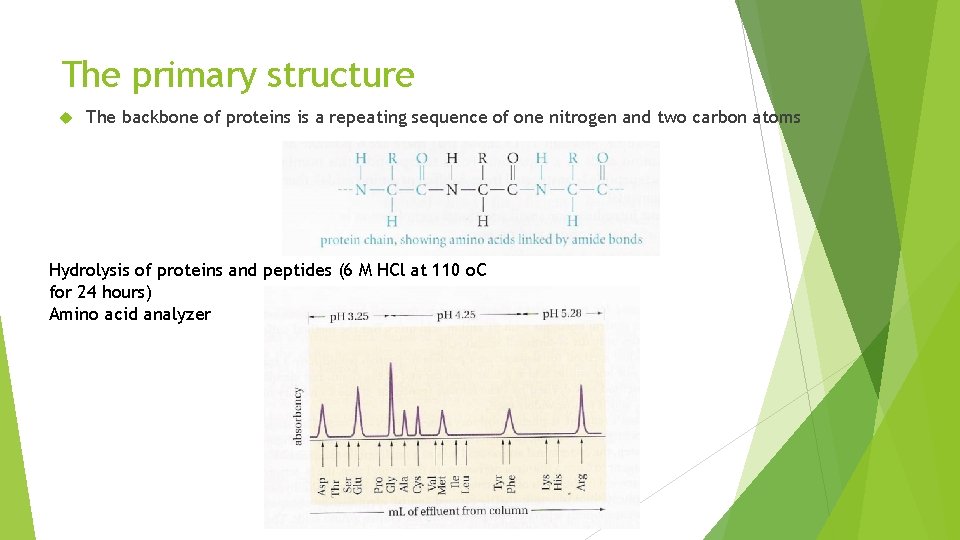
The primary structure The backbone of proteins is a repeating sequence of one nitrogen and two carbon atoms Hydrolysis of proteins and peptides (6 M HCl at 110 o. C for 24 hours) Amino acid analyzer
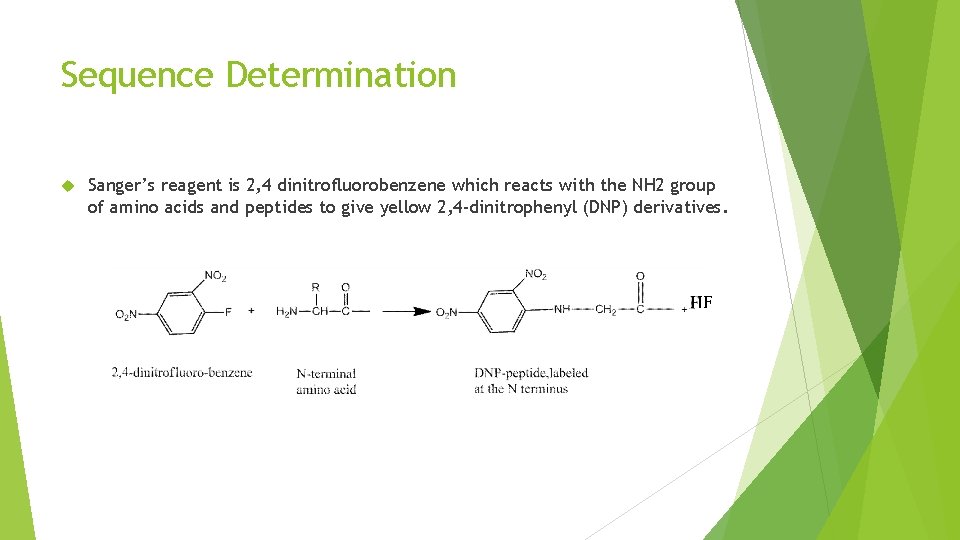
Sequence Determination Sanger’s reagent is 2, 4 dinitrofluorobenzene which reacts with the NH 2 group of amino acids and peptides to give yellow 2, 4 -dinitrophenyl (DNP) derivatives.
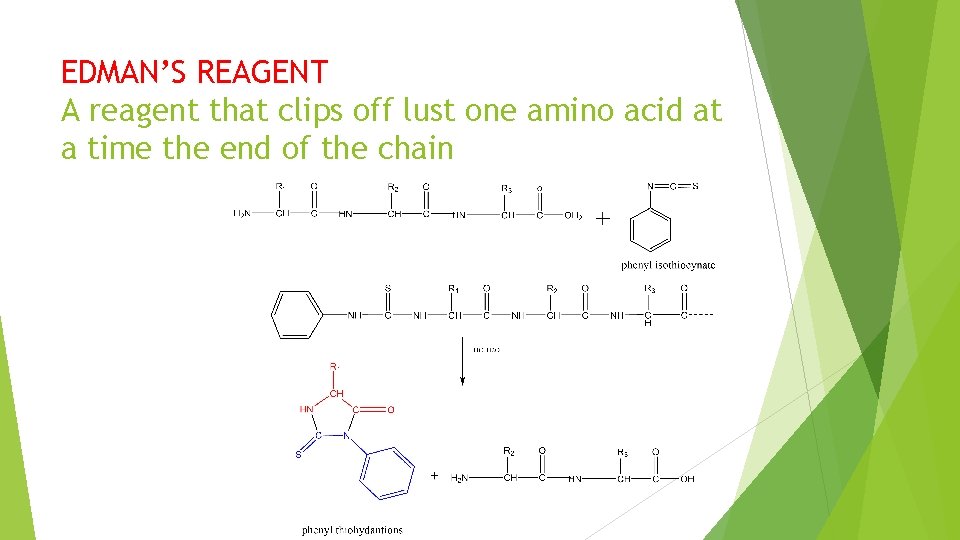
EDMAN’S REAGENT A reagent that clips off lust one amino acid at a time the end of the chain
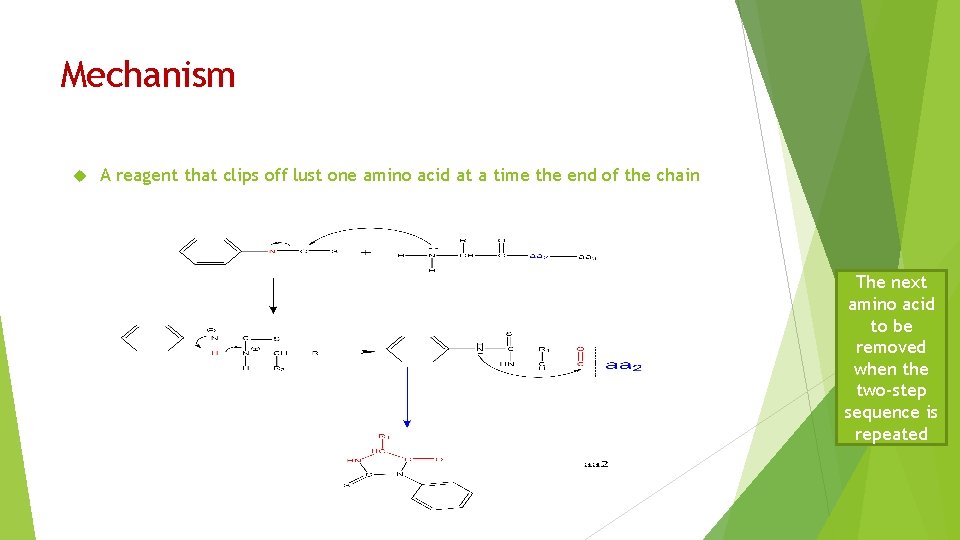
Mechanism A reagent that clips off lust one amino acid at a time the end of the chain The next amino acid to be removed when the two-step sequence is repeated
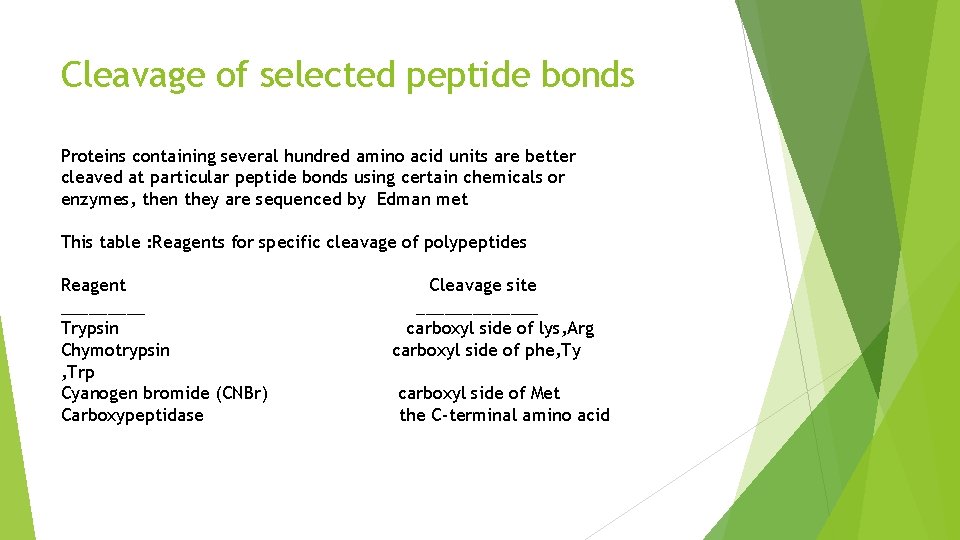
Cleavage of selected peptide bonds Proteins containing several hundred amino acid units are better cleaved at particular peptide bonds using certain chemicals or enzymes, then they are sequenced by Edman met This table : Reagents for specific cleavage of polypeptides Reagent _____ Trypsin Chymotrypsin , Trp Cyanogen bromide (CNBr) Carboxypeptidase Cleavage site _______ carboxyl side of lys, Arg carboxyl side of phe, Ty carboxyl side of Met the C-terminal amino acid
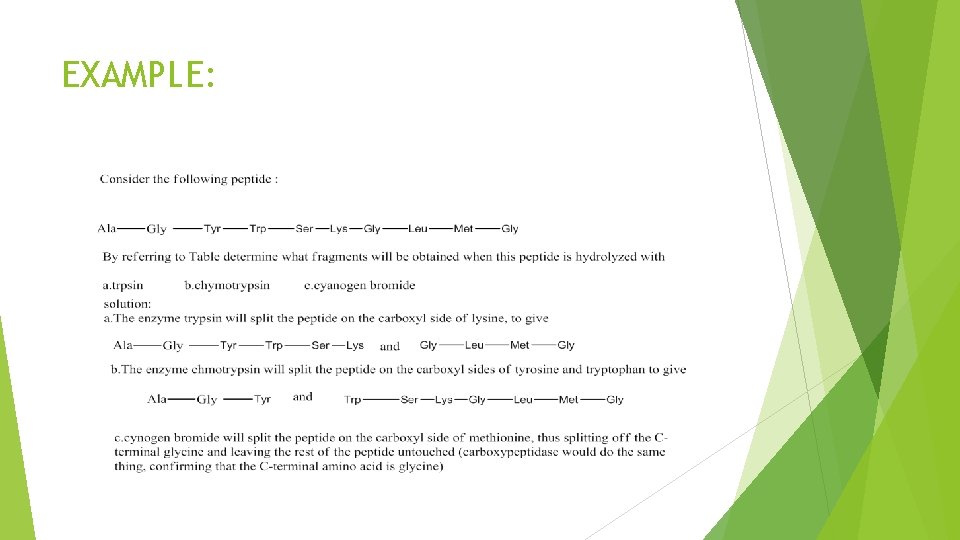
EXAMPLE:
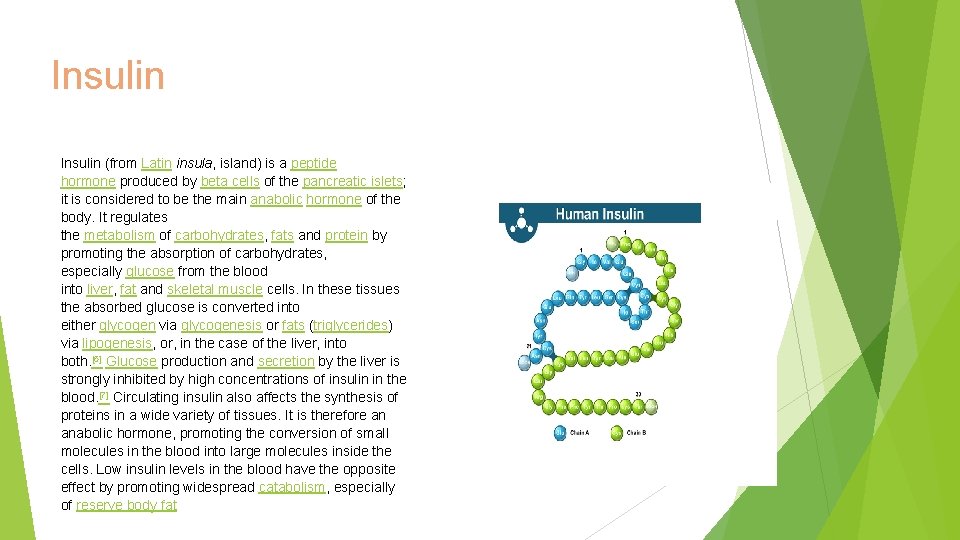
Insulin (from Latin insula, island) is a peptide hormone produced by beta cells of the pancreatic islets; it is considered to be the main anabolic hormone of the body. It regulates the metabolism of carbohydrates, fats and protein by promoting the absorption of carbohydrates, especially glucose from the blood into liver, fat and skeletal muscle cells. In these tissues the absorbed glucose is converted into either glycogen via glycogenesis or fats (triglycerides) via lipogenesis, or, in the case of the liver, into both. [6] Glucose production and secretion by the liver is strongly inhibited by high concentrations of insulin in the blood. [7] Circulating insulin also affects the synthesis of proteins in a wide variety of tissues. It is therefore an anabolic hormone, promoting the conversion of small molecules in the blood into large molecules inside the cells. Low insulin levels in the blood have the opposite effect by promoting widespread catabolism, especially of reserve body fat
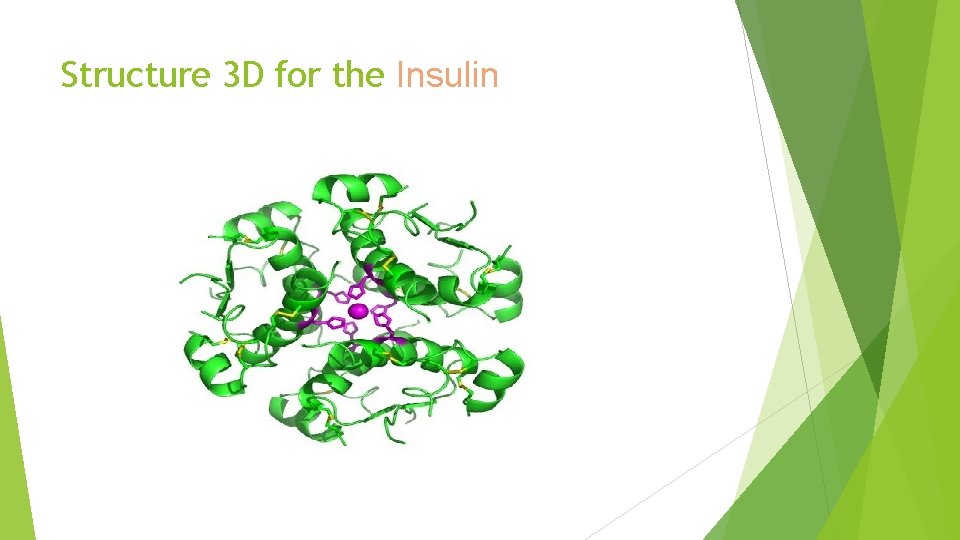
Structure 3 D for the Insulin
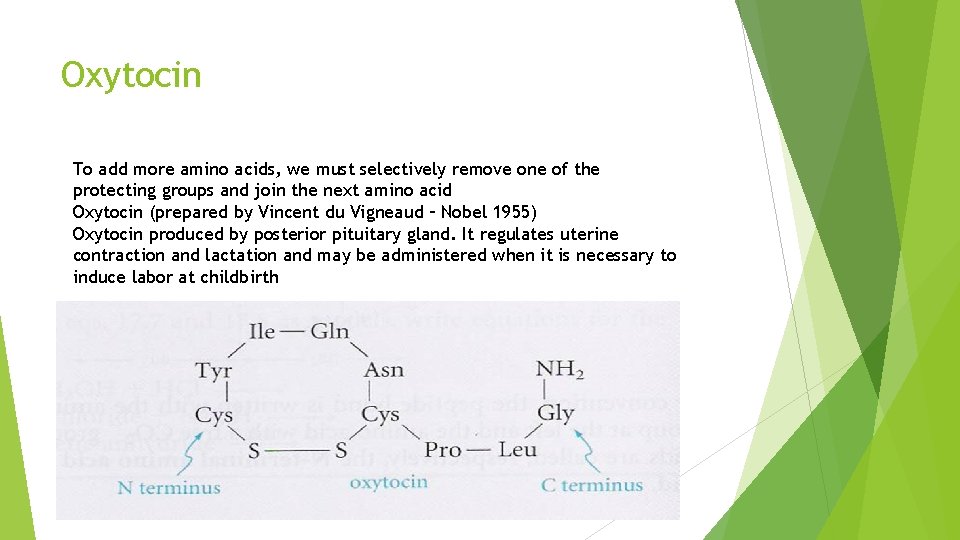
Oxytocin To add more amino acids, we must selectively remove one of the protecting groups and join the next amino acid Oxytocin (prepared by Vincent du Vigneaud – Nobel 1955) Oxytocin produced by posterior pituitary gland. It regulates uterine contraction and lactation and may be administered when it is necessary to induce labor at childbirth
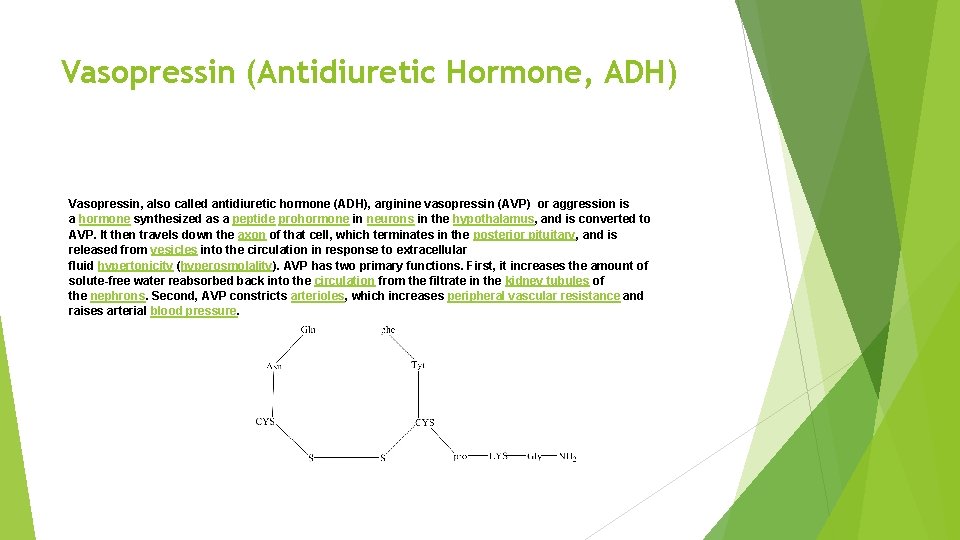
Vasopressin (Antidiuretic Hormone, ADH) Vasopressin, also called antidiuretic hormone (ADH), arginine vasopressin (AVP) or aggression is a hormone synthesized as a peptide prohormone in neurons in the hypothalamus, and is converted to AVP. It then travels down the axon of that cell, which terminates in the posterior pituitary, and is released from vesicles into the circulation in response to extracellular fluid hypertonicity (hyperosmolality). AVP has two primary functions. First, it increases the amount of solute-free water reabsorbed back into the circulation from the filtrate in the kidney tubules of the nephrons. Second, AVP constricts arterioles, which increases peripheral vascular resistance and raises arterial blood pressure.
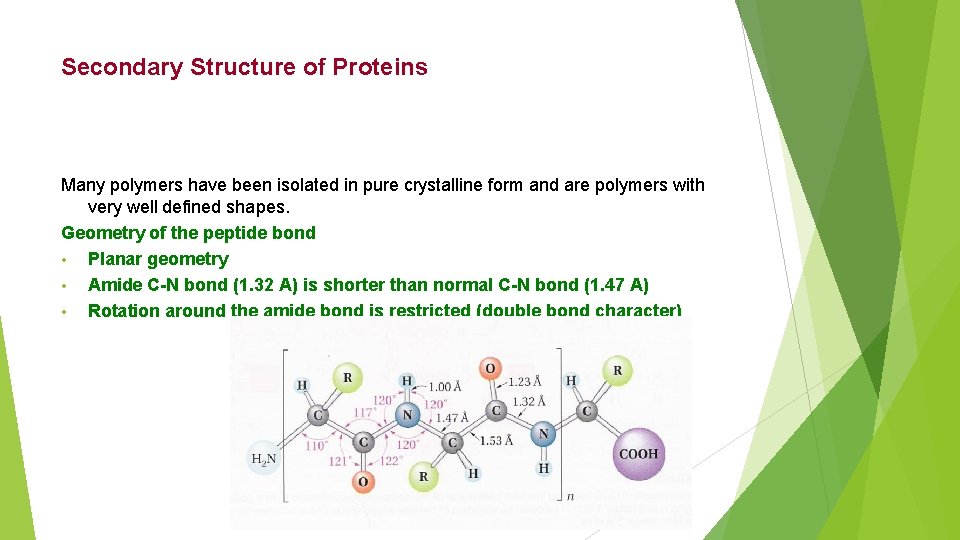
Secondary Structure of Proteins Many polymers have been isolated in pure crystalline form and are polymers with very well defined shapes. Geometry of the peptide bond • Planar geometry • Amide C-N bond (1. 32 A) is shorter than normal C-N bond (1. 47 A) • Rotation around the amide bond is restricted (double bond character)
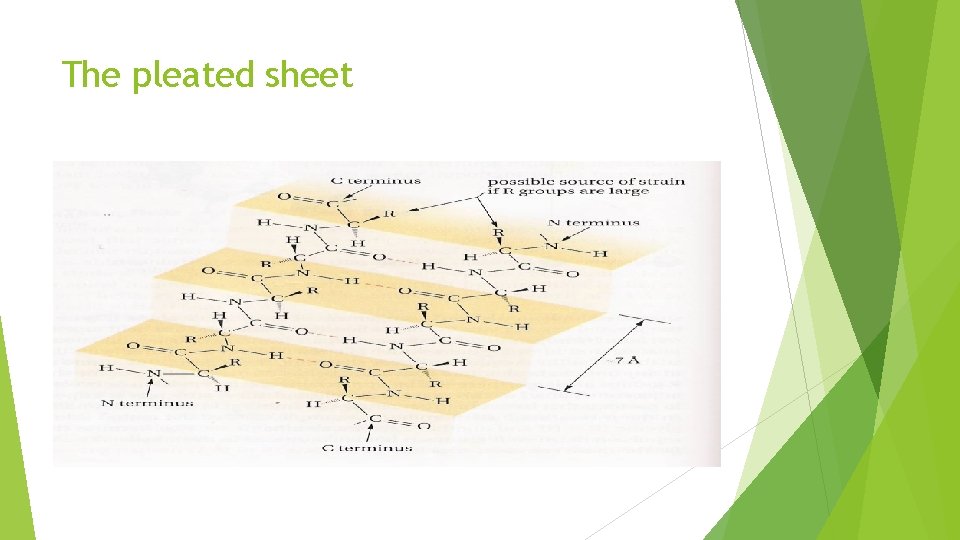
The pleated sheet
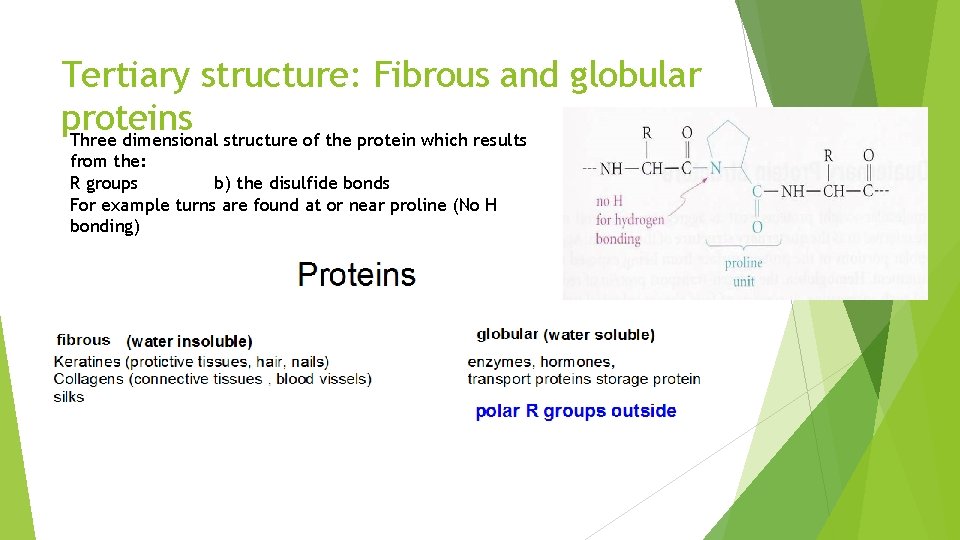
Tertiary structure: Fibrous and globular proteins Three dimensional structure of the protein which results from the: R groups b) the disulfide bonds For example turns are found at or near proline (No H bonding)
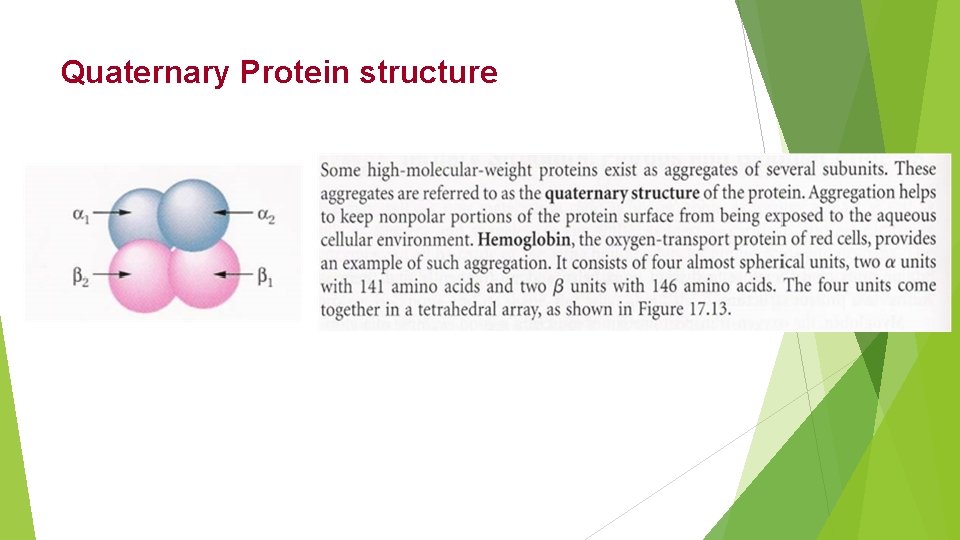
Quaternary Protein structure
- Slides: 39