
Americas Beginnings Part II The Colonies Revolt English
America’s Beginnings Part II The Colonies Revolt
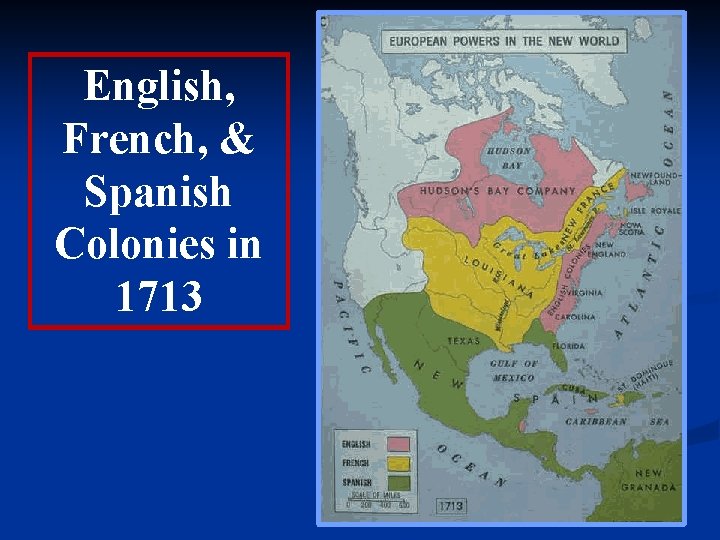
English, French, & Spanish Colonies in 1713
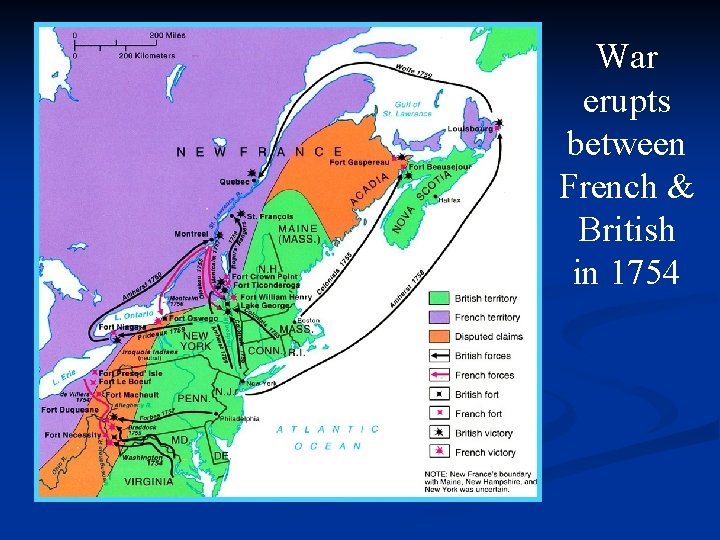
War erupts between French & British in 1754
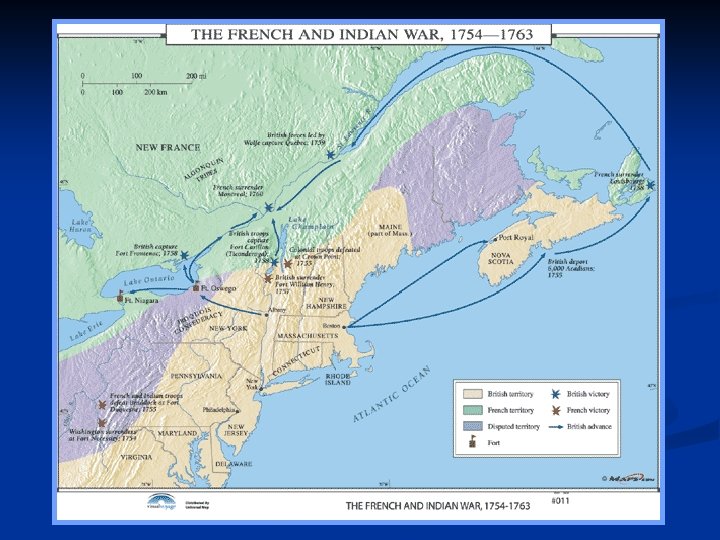
French and Indian War n n 1754 - 1763 British & American colonists fought the French & their Indian allies (Iroquois). Britain won (after the Iroquois switched to their side). Britain gained all of New France east of Mississippi River – except New Orleans area. 1
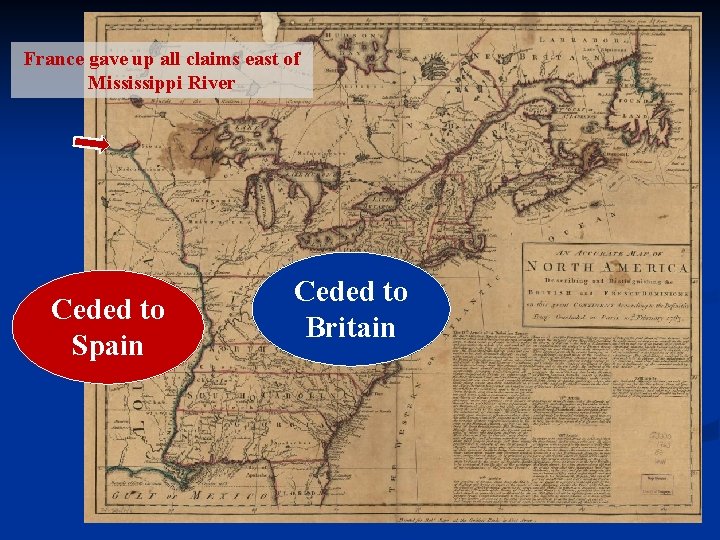
France gave up all claims east of Mississippi River Ceded to Spain Ceded to Britain
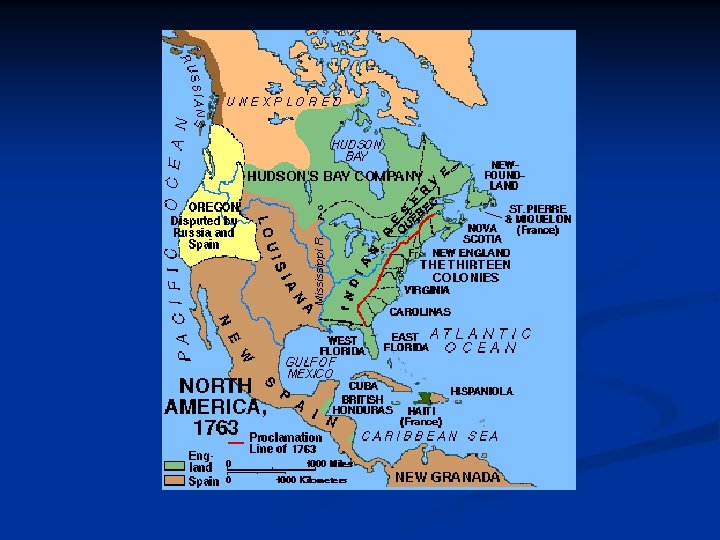
Proclamation of 1763 England feared clashes between the colonists and the Indian tribes who had helped them defeat the French. King George III proclaimed that no new settlements could be established west of the Appalachian Mountains. Colonists resented this obstacle to their westward expansion. 2
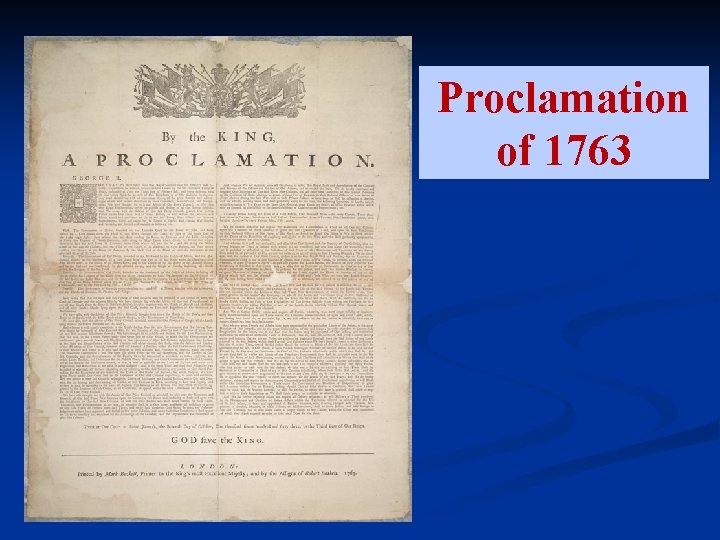
Proclamation of 1763
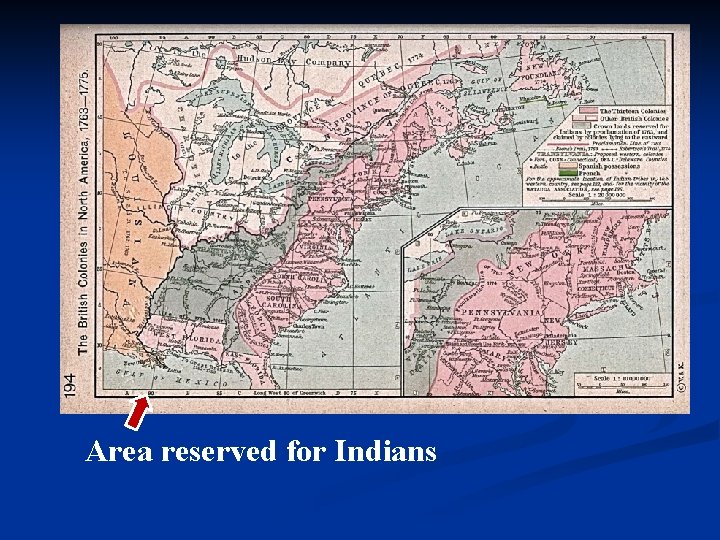
Area reserved for Indians
England’s Economic Problems England’s huge debt from the French and Indian War caused them to levy new taxes on their American colonies. 3
Taxation of the Colonies ¶ 1764 - The Sugar Act ¶ 1765 - The Stamp Act ¶ 1766 - The Declaratory Act ¶ 1767 - The Townsend Acts ¶ 1773 - The Tea Act 4
“No taxation without representation. ” James Otis from Massachusetts
Important persons of the American Revolution
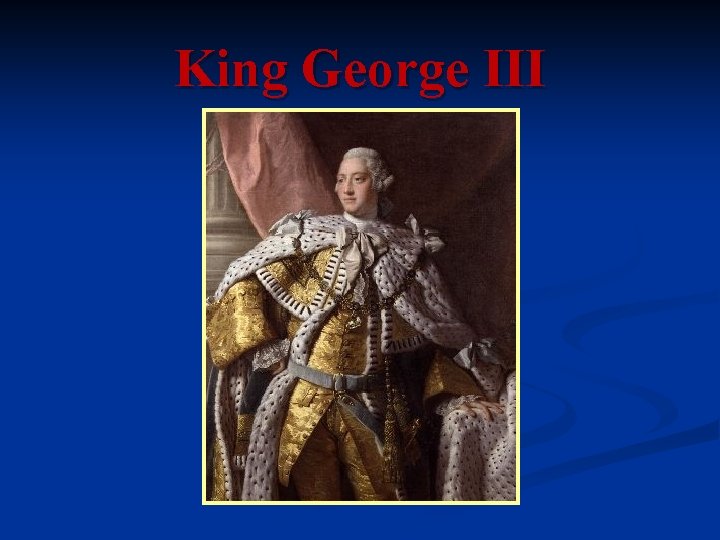
King George III
George III King of England who refused to listen to the colonists’ complaints. 5
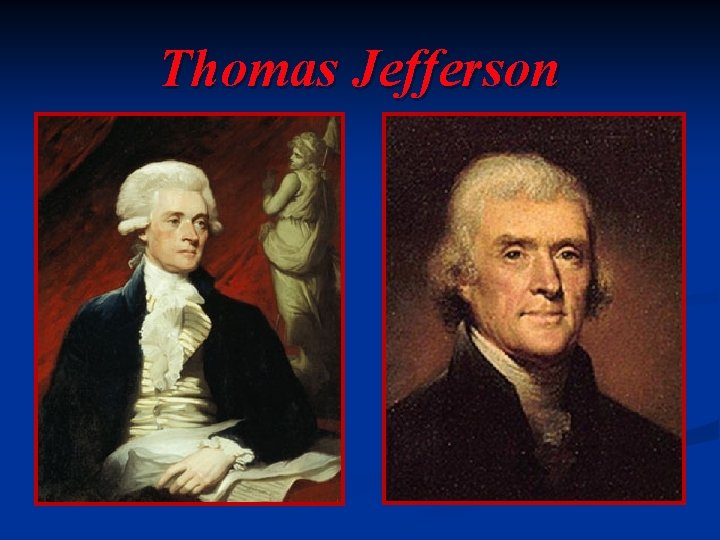
Thomas Jefferson
Thomas Jefferson v Delegate to the Continental Congress from Virginia. v 33 years old. v. Wrote v Declaration of Independence. Founder of University of Virginia. v 3 rd President of the USA. 6
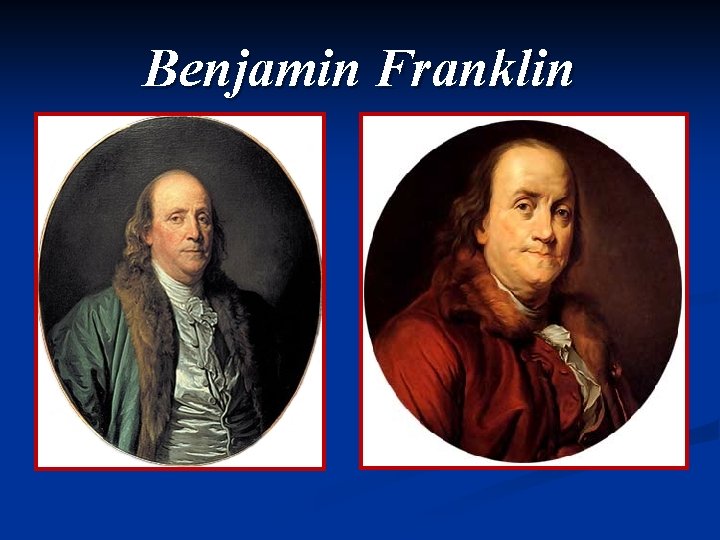
Benjamin Franklin
Benjamin Franklin ~Delegate to the Continental Congress from Pennsylvania. ~Helped edit the Declaration of Independence. ~American ~Inventor diplomat to France. and scientist. 7
Benjamin Franklin “We must all hang together, or assuredly we will all hang separately. ”
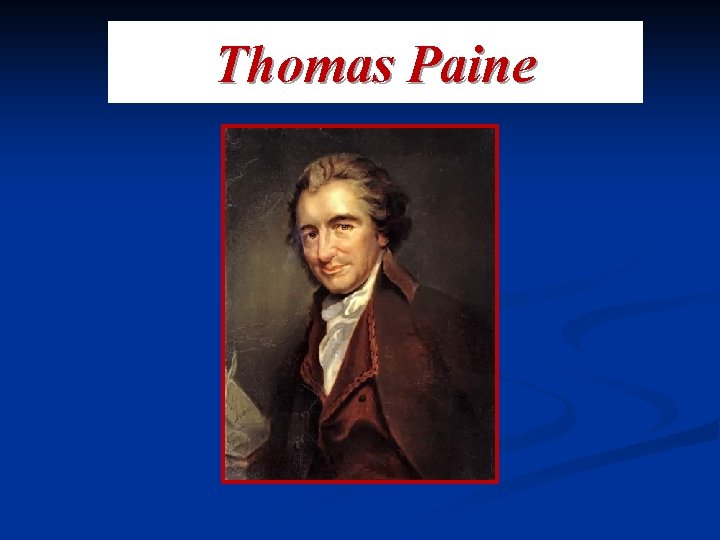
Thomas Paine
Thomas Paine Ø Wrote a pamphlet called “Common Sense. ” Ø Urged colonists to consider the logical reasons for breaking away from England. 8
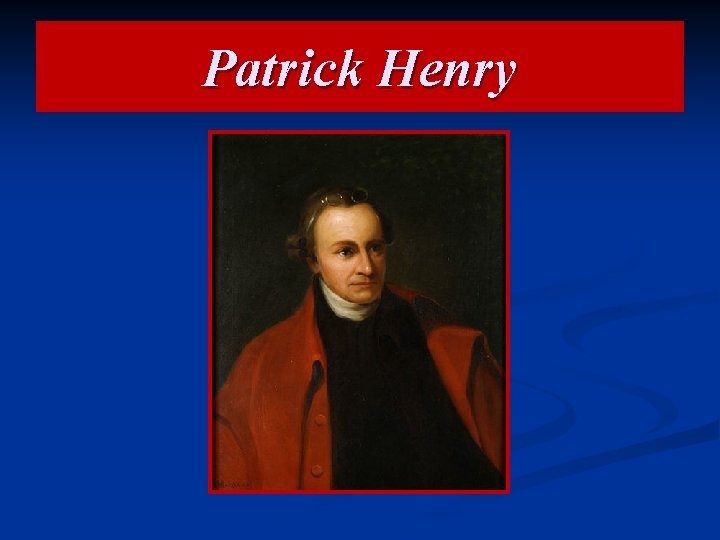
Patrick Henry
Patrick Henry 9 1765 - Elected to the Virginia House of Burgesses at the age of 28. n 1775 – Delegate to the Second Virginia Convention. n Delivered speech that persuaded the delegates to prepare for war against England. n Elected as first Governor of the state of Virginia. n
Patrick Henry “Is life so dear, or peace so sweet, as to be purchased at the price of chains and slavery? Forbid it, Almighty God! I know not what course others may take; but as for me, give me liberty or give me death. ” March 23, 1775
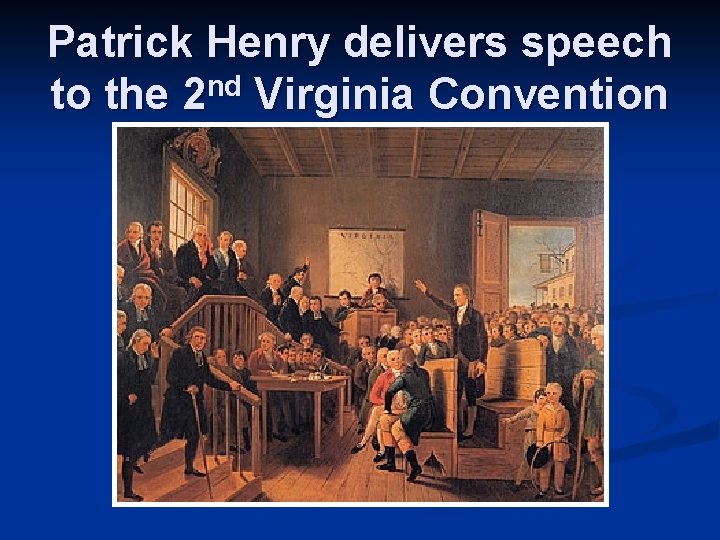
Patrick Henry delivers speech to the 2 nd Virginia Convention
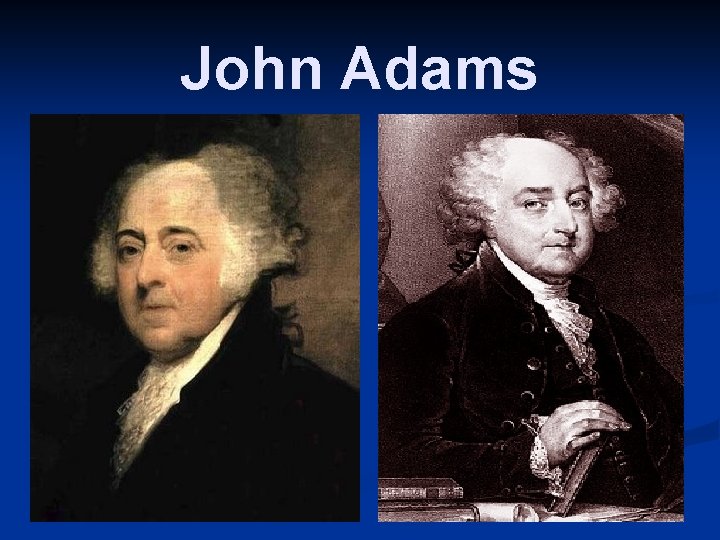
John Adams
John Adams n 2 nd President (1797 -1801) n From Massachusetts n Vice-President for George Washington.
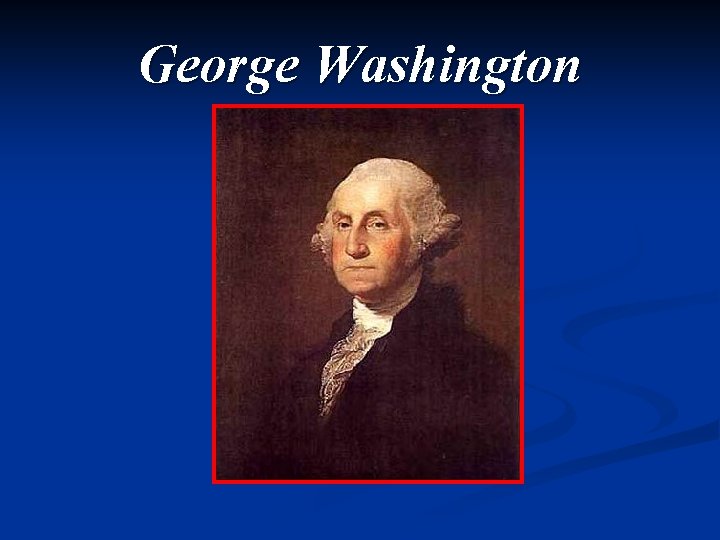
George Washington
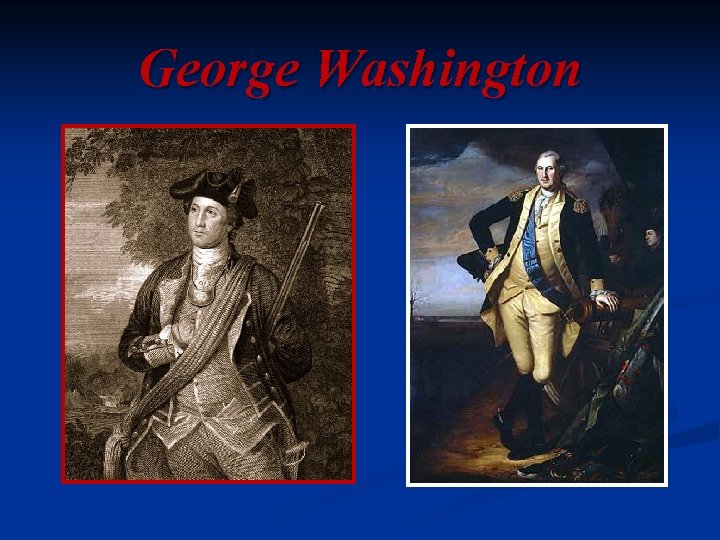
George Washington
George Washington µ President of the Continental Congress. µ Commander of the Continental Army. µ First President of the USA. µ Refused to serve more than 2 terms. 10
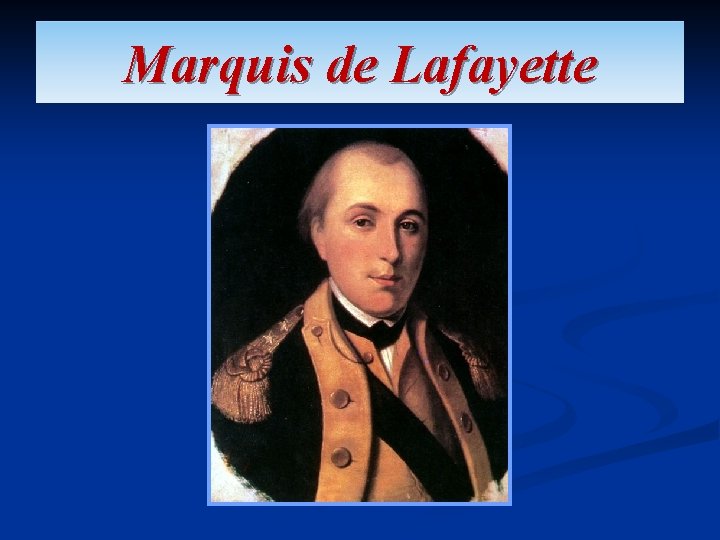
Marquis de Lafayette
Marquis de Lafayette French aristocrat sent to help train the Continental Army. 11
Declaration of Independence Philadelphia July 4, 1776 continued 12
Declaration of Independence "Addressed to the civilized nations of the world. "Explained reasons for separating themselves from the parent country, England. "Listed grievances against King George III. 12
Declaration of Independence “When in the course of human events, it becomes necessary for one people to dissolve the political bands which have connected them with another, continued 13
Declaration of Independence and to assume among the Powers of the earth, the separate and equal station to which the Laws of Nature and of Nature’s God entitle them, continued 13
Declaration of Independence a decent respect to the opinions of mankind requires that they should declare the causes which impel them to the separation. ” continued 13
Declaration of Independence “We hold these truths to be selfevident, that all men are created equal, that they are endowed by their Creator with certain unalienable Rights, that among these are Life, Liberty and the pursuit of Happiness. continued 13
Declaration of Independence That to secure these rights, Governments are instituted among Men, deriving their just powers from the consent of the governed, continued 13
Declaration of Independence That whenever any Form of Government becomes destructive of these ends, it is the Right of the People to alter or abolish it, continued 13
Declaration of Independence and to institute new Government, laying its foundation on such principles and organizing its powers in such form, as to them shall seem most likely to effect their Safety and Happiness. ” 13
Important Battles of the Revolution
14 Battle of Lexington-Concord April, 1775 First battle of the Revolutionary War (The shot heard around the world)
15 Battle of Saratoga Turning point of the Revolutionary War because it is the battle that convinces the French to side with the Americans.
16 Battle of Yorktown 1781 - Final battle of the Revolutionary War. Americans win !
17 Treaty of Paris (1783) ÿ Formally ends the Revolutionary War ÿ Grants independence to the colonies ÿ Gives the US all the land
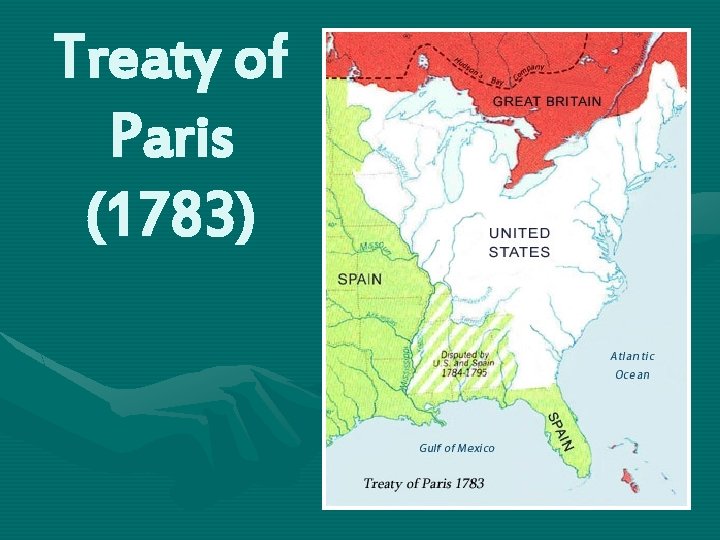
Treaty of Paris (1783)
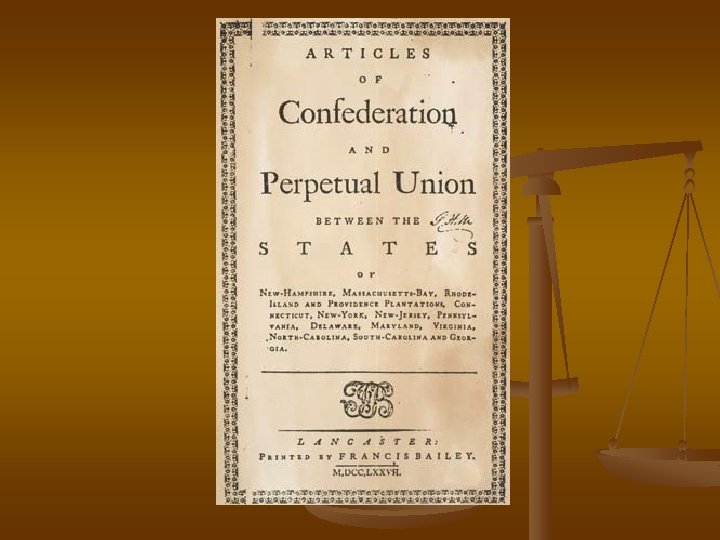
Articles of Confederation - 1777 ²First national constitution ²Weak central government ²No executive branch ²No power to tax citizens 18
- Slides: 51