
Alzheimers disease Interventions and New Findings Szofia S






- Slides: 49
Alzheimer’s disease: Interventions and New Findings Szofia S Bullain, MD Geriatric Neurologist Assistant Professor of Neurology February 10, 2017
Disclosure The author has NO affiliation with any corporate organization that may constitute a conflict of interest with this presentation 2 Neurology ‖ October 7, 2016
Outline • Cognitive impairment and dementia • Alzheimer’s disease • What is Alzheimer’s disease? • Diagnosis of Alzheimer’s disease • Epidemiology • Pubic health impact • Risk factors for Alzheimer’s disease • FDA-approved treatment options • Clinical trials
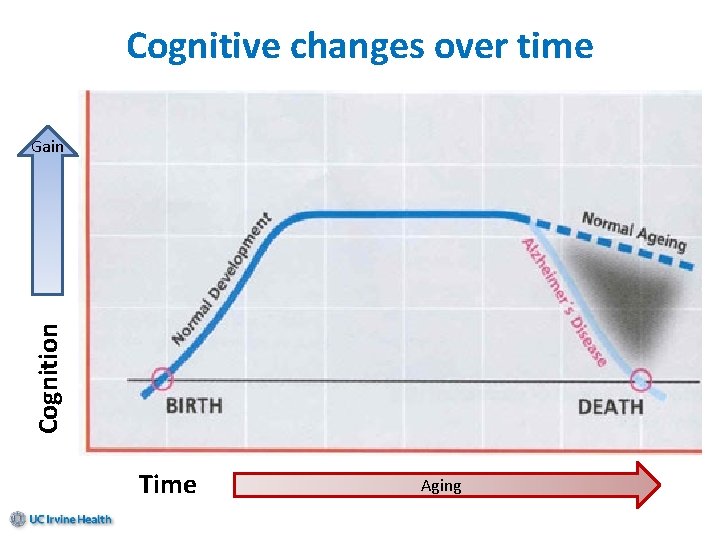
Cognitive changes over time Cognition Gain Time Aging
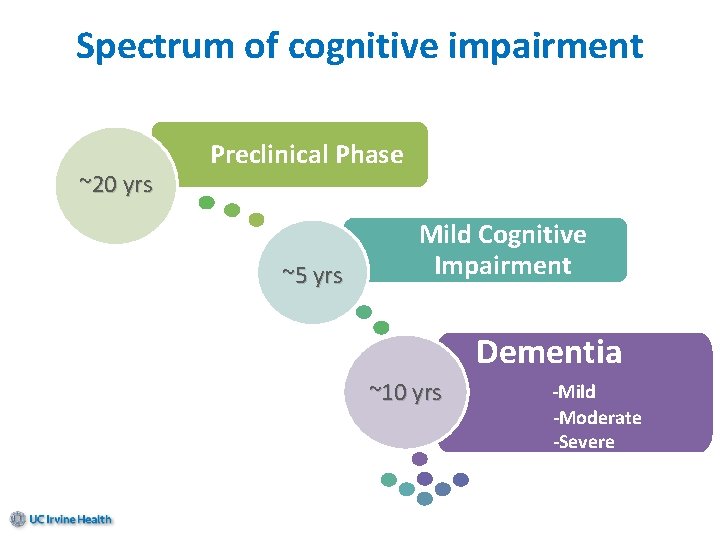
Spectrum of cognitive impairment ~20 yrs Preclinical Phase ~5 yrs Mild Cognitive Impairment Dementia ~10 yrs -Mild -Moderate -Severe
Mild cognitive impairment (MCI) • Complaint (by patient or other informant) • Testing indicates deficits in one or more areas of cognition 1. 5 SD below age-adjusted norms • Not impacting occupational or social functioning • MCI may represent “early dementia” and may progress with time • Some patients with MCI remain MCI indefinitely or return to normal
Definition of dementia DSM-5 diagnostic criteria Dementia = Major neurocognitive disorder • Evidence of significant cognitive decline from a previous level of performance in one or more cognitive domains & • A substantial impairment by standardized neuropsychological testing (or if not available other quantified clinical assessment ) • The cognitive deficits interfere with independence in everyday activities (i. e. , at a minimum, requiring assistance with complex instrumental activities of daily living such as paying bills or managing medications) • The cognitive deficits do not occur exclusively in the context of a delirium • The cognitive deficits not better explained by another mental disorder (e. g. , major depressive disorder, schizophrenia)
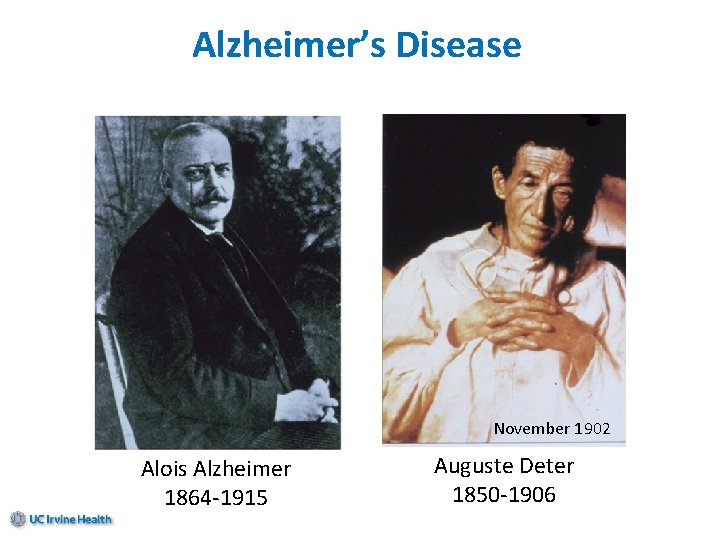
Alzheimer’s Disease November 1902 Alois Alzheimer 1864 -1915 Auguste Deter 1850 -1906
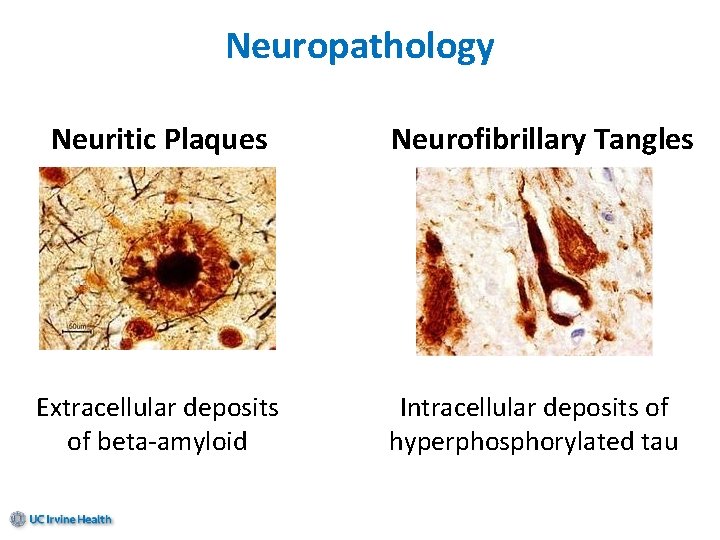
Neuropathology Neuritic Plaques Extracellular deposits of beta-amyloid Neurofibrillary Tangles Intracellular deposits of hyperphosphorylated tau
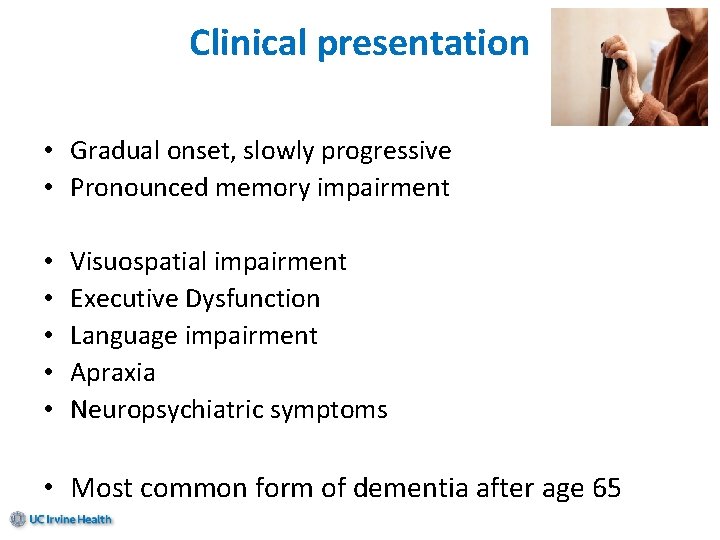
Clinical presentation • Gradual onset, slowly progressive • Pronounced memory impairment • Episodic > Semantic • Visuospatial impairment • Executive Dysfunction • Language impairment • Apraxia • Neuropsychiatric symptoms • Most common form of dementia after age 65
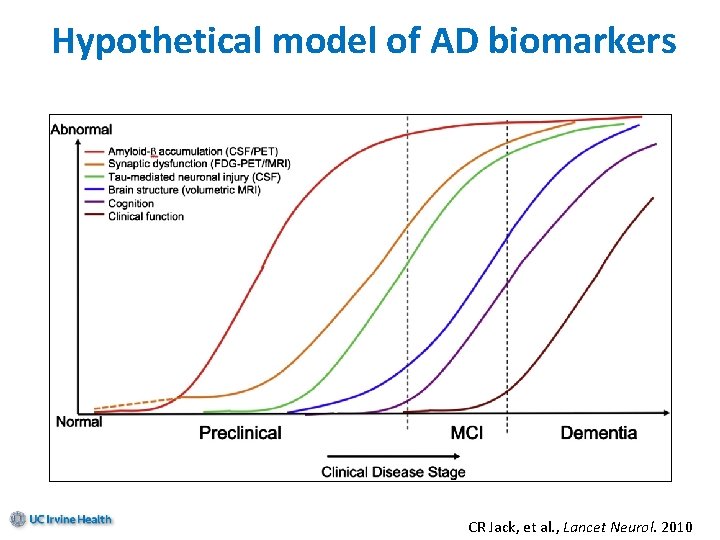
Hypothetical model of AD biomarkers CR Jack, et al. , Lancet Neurol. 2010
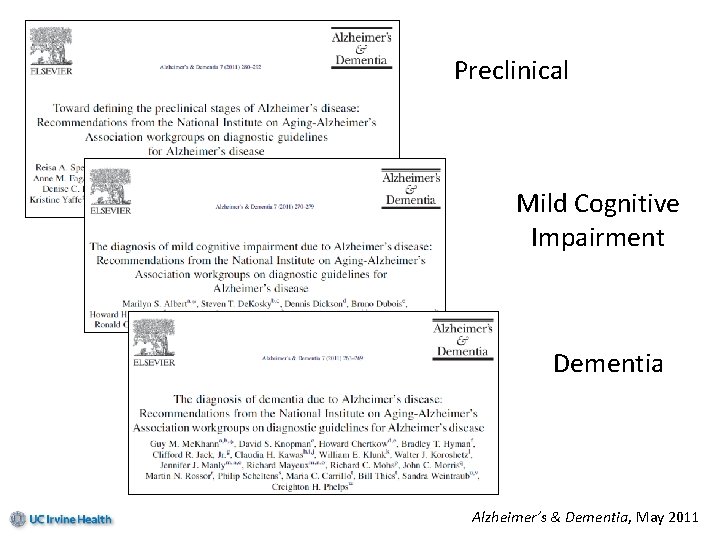
Preclinical Mild Cognitive Impairment Dementia Alzheimer’s & Dementia, May 2011
Diagnosis
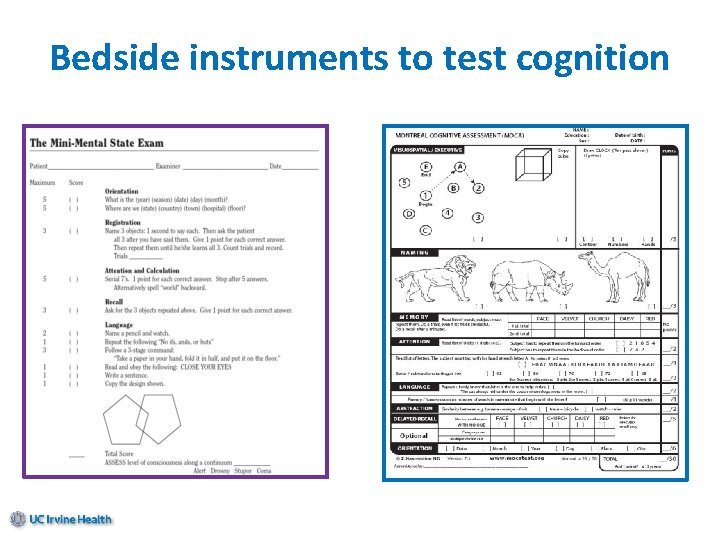
Bedside instruments to test cognition
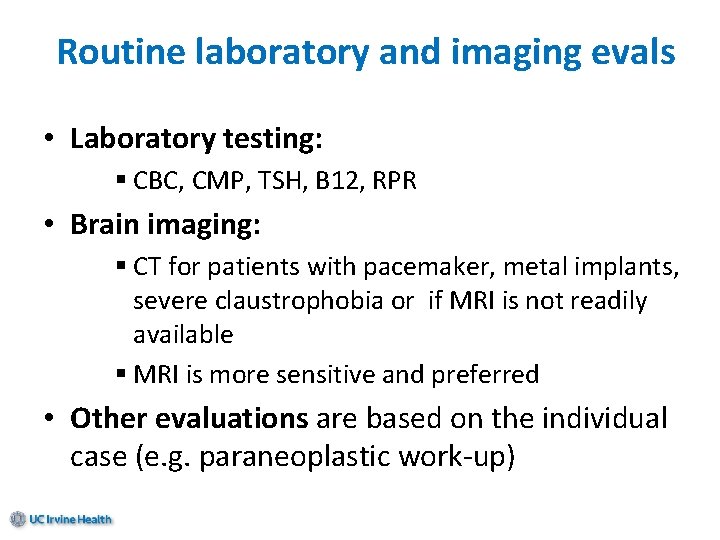
Routine laboratory and imaging evals • Laboratory testing: § CBC, CMP, TSH, B 12, RPR • Brain imaging: § CT for patients with pacemaker, metal implants, severe claustrophobia or if MRI is not readily available § MRI is more sensitive and preferred • Other evaluations are based on the individual case (e. g. paraneoplastic work-up)
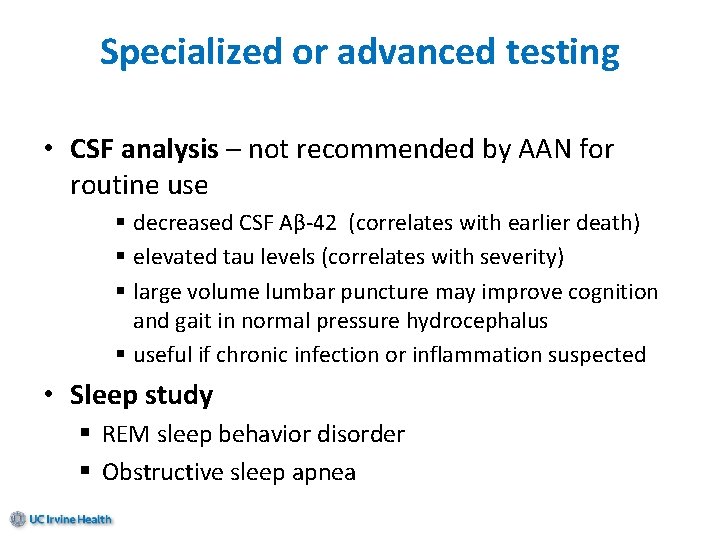
Specialized or advanced testing • CSF analysis – not recommended by AAN for routine use § decreased CSF Aβ-42 (correlates with earlier death) § elevated tau levels (correlates with severity) § large volume lumbar puncture may improve cognition and gait in normal pressure hydrocephalus § useful if chronic infection or inflammation suspected • Sleep study § REM sleep behavior disorder § Obstructive sleep apnea
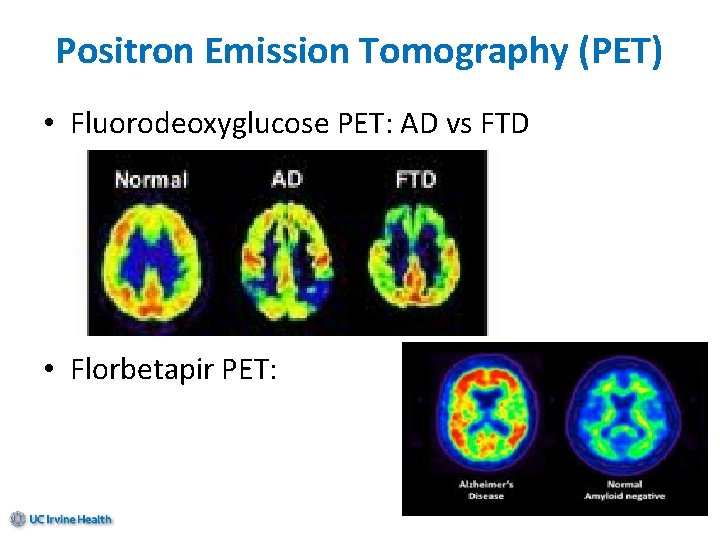
Positron Emission Tomography (PET) • Fluorodeoxyglucose PET: AD vs FTD • Florbetapir PET:
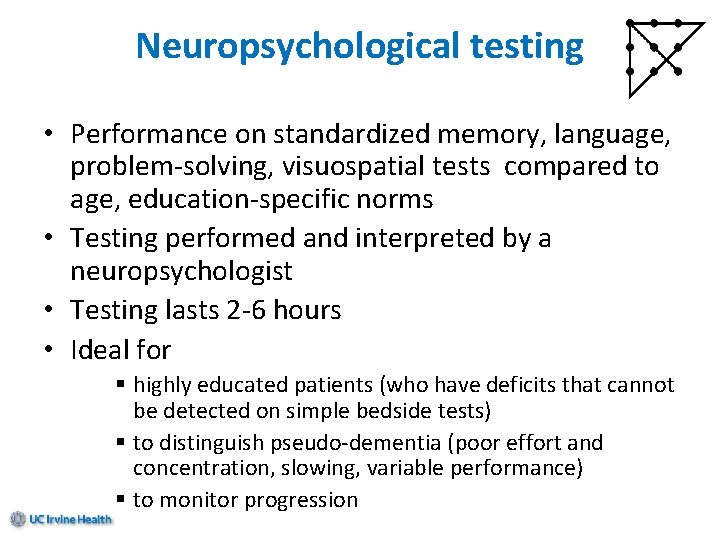
Neuropsychological testing • Performance on standardized memory, language, problem-solving, visuospatial tests compared to age, education-specific norms • Testing performed and interpreted by a neuropsychologist • Testing lasts 2 -6 hours • Ideal for § highly educated patients (who have deficits that cannot be detected on simple bedside tests) § to distinguish pseudo-dementia (poor effort and concentration, slowing, variable performance) § to monitor progression
Epidemiology
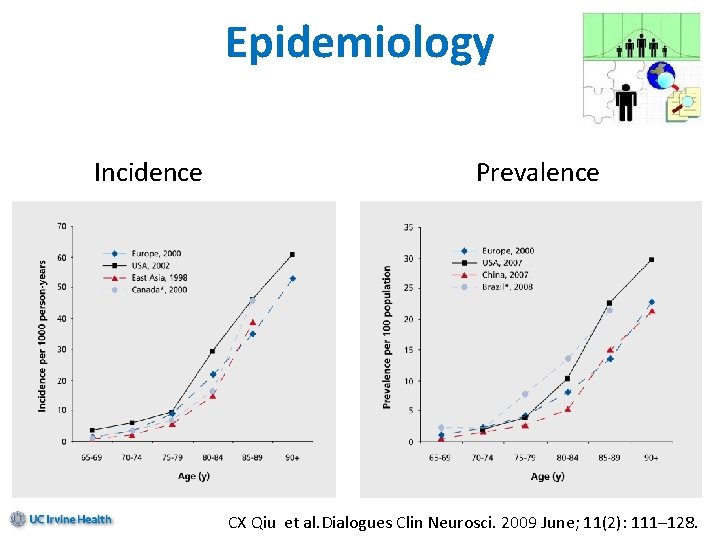
Epidemiology Incidence Prevalence CX Qiu et al. Dialogues Clin Neurosci. 2009 June; 11(2): 111– 128.
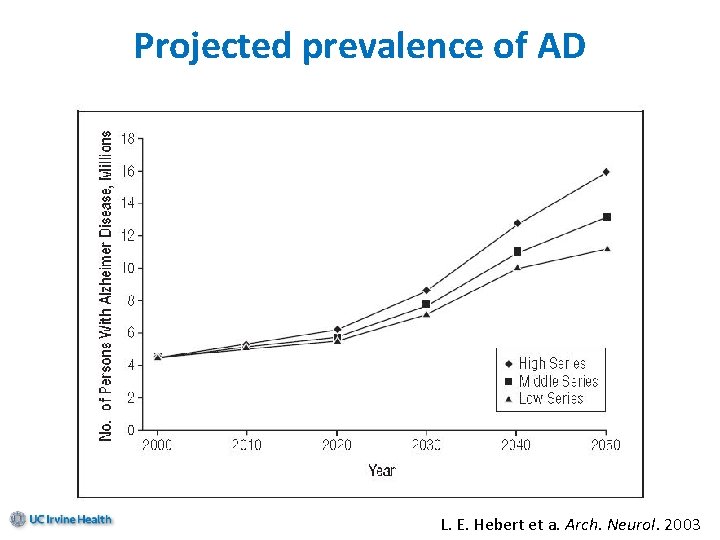
Projected prevalence of AD L. E. Hebert et a. Arch. Neurol. 2003
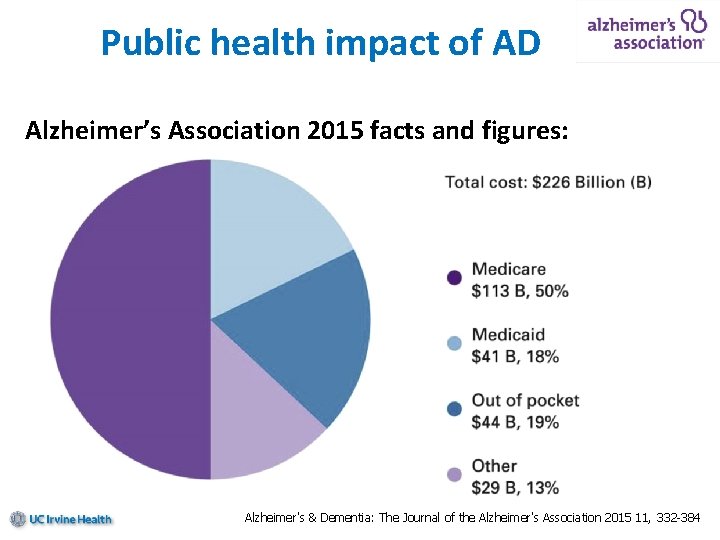
Public health impact of AD Alzheimer’s Association 2015 facts and figures: Alzheimer's & Dementia: The Journal of the Alzheimer's Association 2015 11, 332 -384
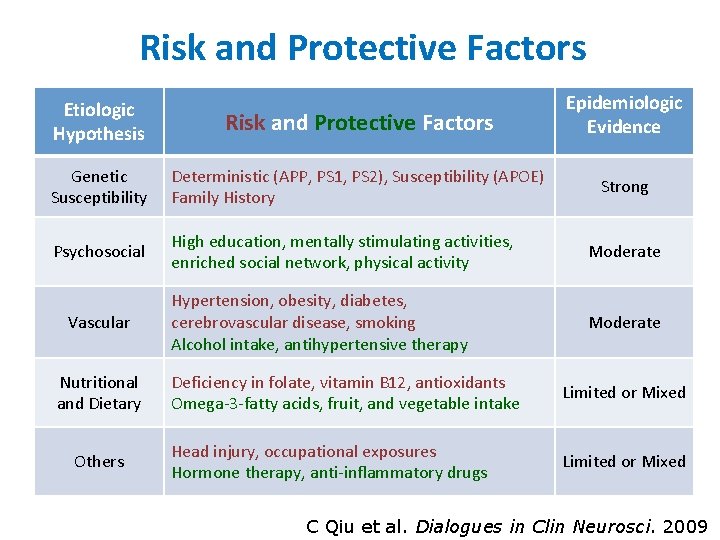
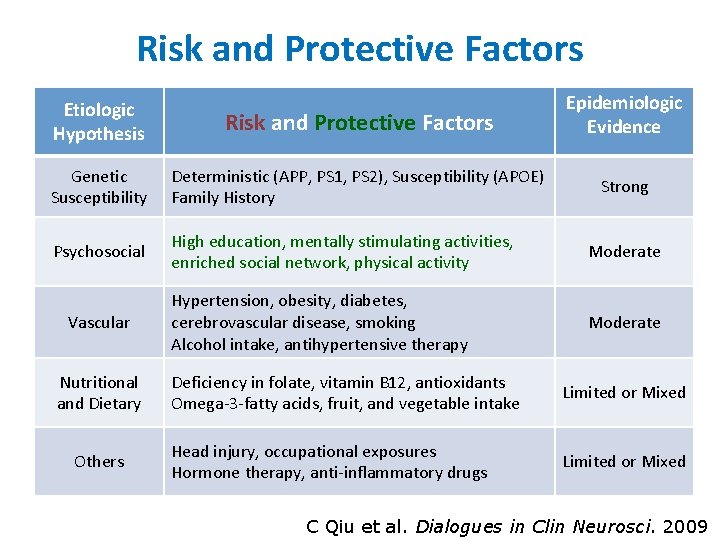
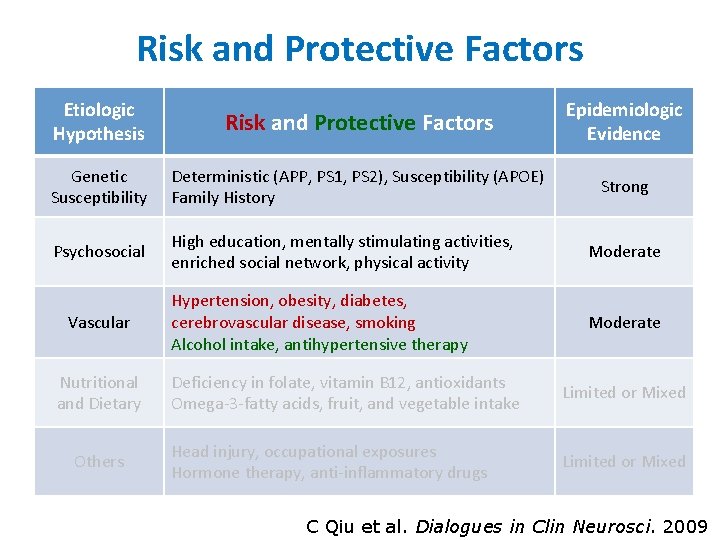
Risk and Protective Factors Etiologic Hypothesis Risk and Protective Factors Epidemiologic Evidence Genetic Susceptibility Deterministic (APP, PS 1, PS 2), Susceptibility (APOE) Family History Strong Psychosocial High education, mentally stimulating activities, enriched social network, physical activity Moderate Hypertension, obesity, diabetes, cerebrovascular disease, smoking Alcohol intake, antihypertensive therapy Moderate Vascular Nutritional and Dietary Others Deficiency in folate, vitamin B 12, antioxidants Omega-3 -fatty acids, fruit, and vegetable intake Limited or Mixed Head injury, occupational exposures Hormone therapy, anti-inflammatory drugs Limited or Mixed C Qiu et al. Dialogues in Clin Neurosci. 2009
Risk and Protective Factors Etiologic Hypothesis Risk and Protective Factors Epidemiologic Evidence Genetic Susceptibility Deterministic (APP, PS 1, PS 2), Susceptibility (APOE) Family History Strong Psychosocial High education, mentally stimulating activities, enriched social network, physical activity Moderate Hypertension, obesity, diabetes, cerebrovascular disease, smoking Alcohol intake, antihypertensive therapy Moderate Vascular Nutritional and Dietary Others Deficiency in folate, vitamin B 12, antioxidants Omega-3 -fatty acids, fruit, and vegetable intake Limited or Mixed Head injury, occupational exposures Hormone therapy, anti-inflammatory drugs Limited or Mixed C Qiu et al. Dialogues in Clin Neurosci. 2009
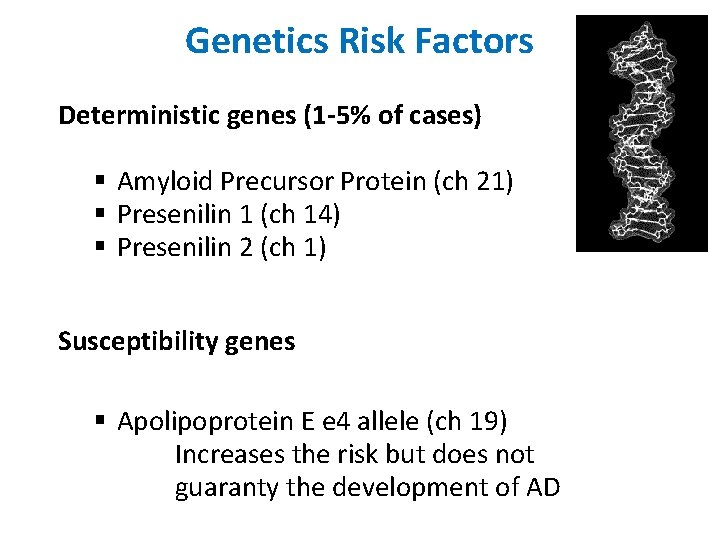
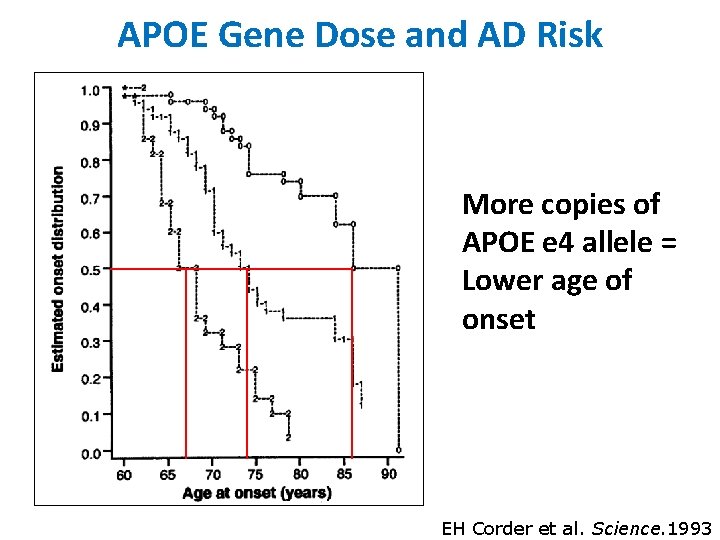
Genetics Risk Factors Deterministic genes (1 -5% of cases) § Amyloid Precursor Protein (ch 21) § Presenilin 1 (ch 14) § Presenilin 2 (ch 1) Susceptibility genes § Apolipoprotein E e 4 allele (ch 19) Increases the risk but does not guaranty the development of AD
APOE Gene Dose and AD Risk More copies of APOE e 4 allele = Lower age of onset EH Corder et al. Science. 1993
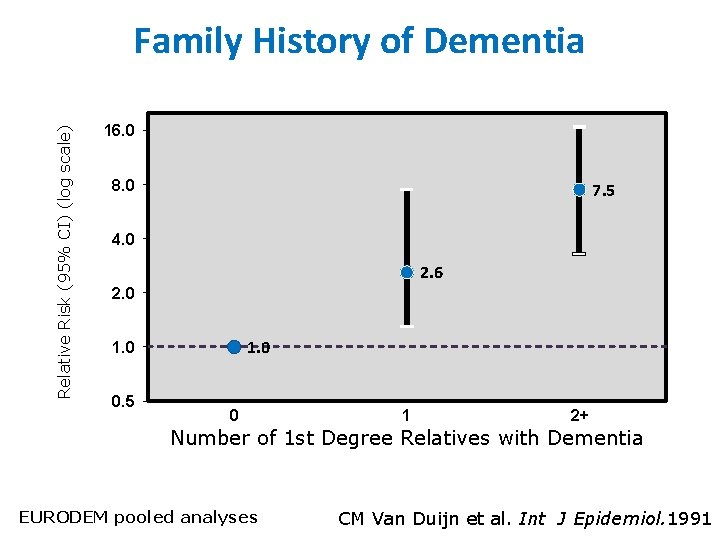
Relative Risk (95% CI) (log scale) Family History of Dementia 16. 0 8. 0 7. 5 4. 0 2. 6 2. 0 1. 0 0. 5 0 1 2+ Number of 1 st Degree Relatives with Dementia EURODEM pooled analyses CM Van Duijn et al. Int J Epidemiol. 1991
Risk and Protective Factors Etiologic Hypothesis Risk and Protective Factors Epidemiologic Evidence Genetic Susceptibility Deterministic (APP, PS 1, PS 2), Susceptibility (APOE) Family History Strong Psychosocial High education, mentally stimulating activities, enriched social network, physical activity Moderate Hypertension, obesity, diabetes, cerebrovascular disease, smoking Alcohol intake, antihypertensive therapy Moderate Vascular Nutritional and Dietary Others Deficiency in folate, vitamin B 12, antioxidants Omega-3 -fatty acids, fruit, and vegetable intake Limited or Mixed Head injury, occupational exposures Hormone therapy, anti-inflammatory drugs Limited or Mixed C Qiu et al. Dialogues in Clin Neurosci. 2009
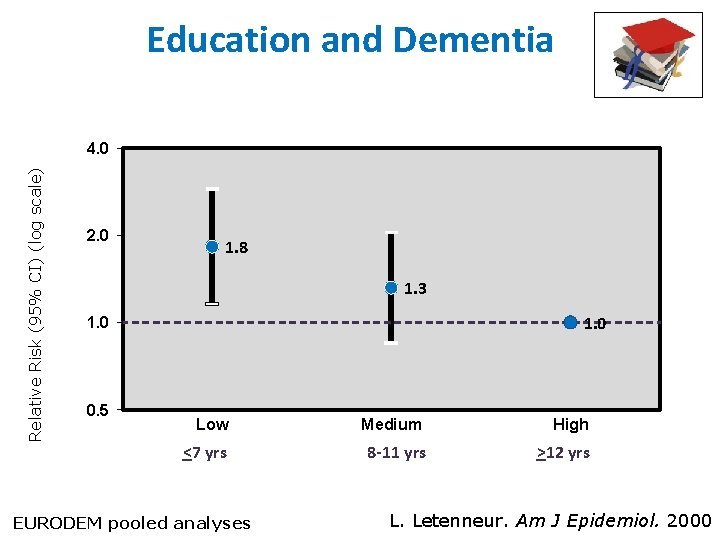
Education and Dementia Relative Risk (95% CI) (log scale) 4. 0 2. 0 Educational Level 1. 8 1. 3 1. 0 0. 5 Low Medium High <7 yrs 8 -11 yrs >12 yrs EURODEM pooled analyses L. Letenneur. Am J Epidemiol. 2000
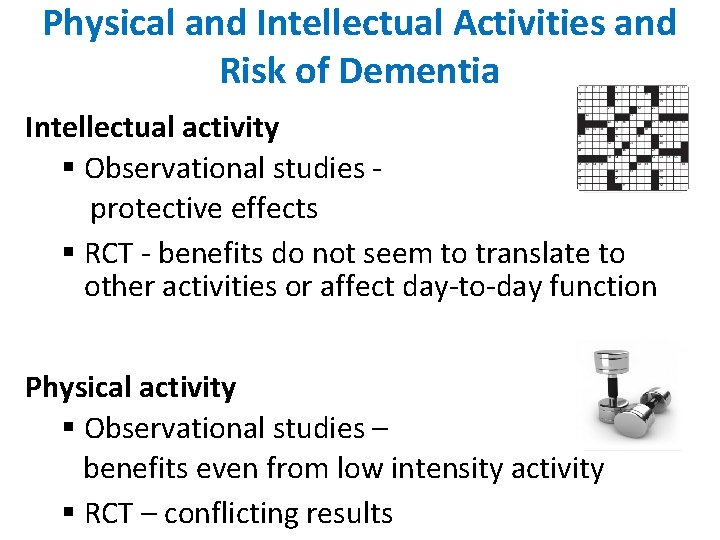
Physical and Intellectual Activities and Risk of Dementia Intellectual activity § Observational studies protective effects § RCT - benefits do not seem to translate to other activities or affect day-to-day function Physical activity § Observational studies – benefits even from low intensity activity § RCT – conflicting results
Risk and Protective Factors Etiologic Hypothesis Risk and Protective Factors Epidemiologic Evidence Genetic Susceptibility Deterministic (APP, PS 1, PS 2), Susceptibility (APOE) Family History Strong Psychosocial High education, mentally stimulating activities, enriched social network, physical activity Moderate Hypertension, obesity, diabetes, cerebrovascular disease, smoking Alcohol intake, antihypertensive therapy Moderate Vascular Nutritional and Dietary Others Deficiency in folate, vitamin B 12, antioxidants Omega-3 -fatty acids, fruit, and vegetable intake Limited or Mixed Head injury, occupational exposures Hormone therapy, anti-inflammatory drugs Limited or Mixed C Qiu et al. Dialogues in Clin Neurosci. 2009
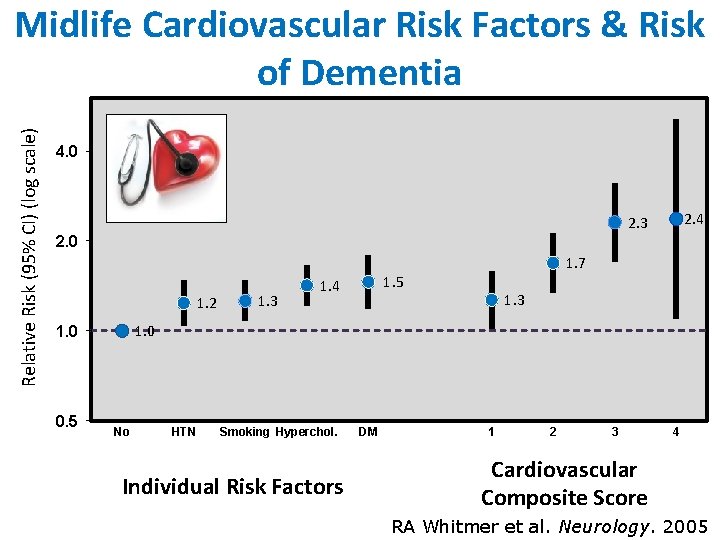
Relative Risk (95% CI) (log scale) Midlife Cardiovascular Risk Factors & Risk of Dementia
Treatment options
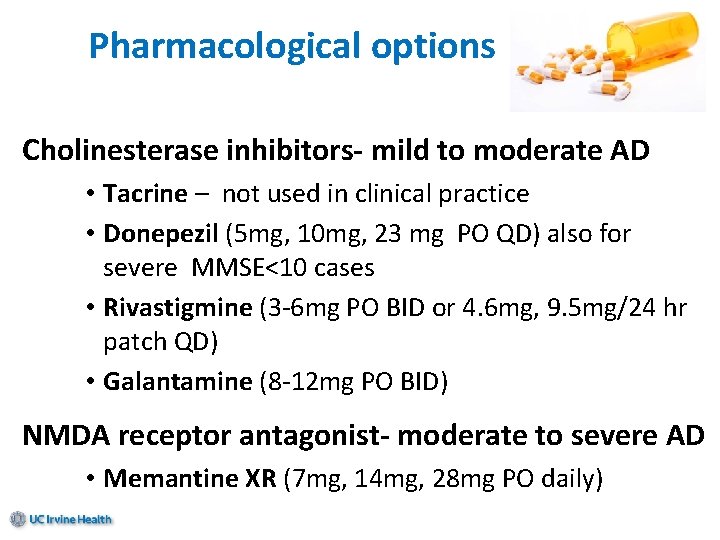
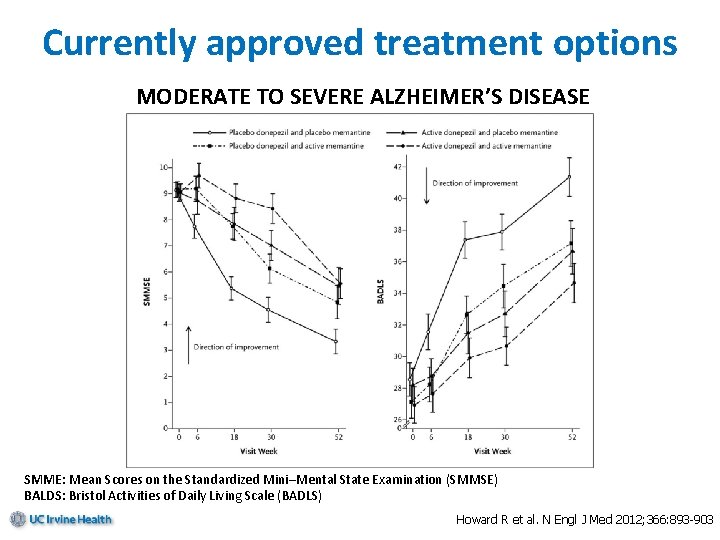
Pharmacological options Cholinesterase inhibitors- mild to moderate AD • Tacrine – not used in clinical practice • Donepezil (5 mg, 10 mg, 23 mg PO QD) also for severe MMSE<10 cases • Rivastigmine (3 -6 mg PO BID or 4. 6 mg, 9. 5 mg/24 hr patch QD) • Galantamine (8 -12 mg PO BID) NMDA receptor antagonist- moderate to severe AD • Memantine XR (7 mg, 14 mg, 28 mg PO daily)O
Currently approved treatment options MODERATE TO SEVERE ALZHEIMER’S DISEASE SMME: Mean Scores on the Standardized Mini–Mental State Examination (SMMSE) BALDS: Bristol Activities of Daily Living Scale (BADLS) Howard R et al. N Engl J Med 2012; 366: 893 -903
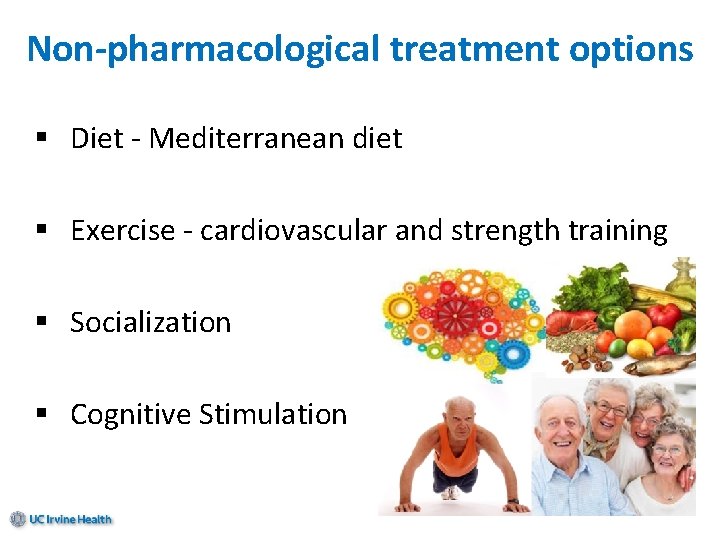
Non-pharmacological treatment options § Diet - Mediterranean diet § Exercise - cardiovascular and strength training § Socialization § Cognitive Stimulation
Prognosis § Average patients decline 3 to 3. 5 points on average on the MMSE/year § <10 percent decline of 5 to 6 points on MMSE /year § Mean survival: 11. 8± 0. 6 years from onset of symptoms § Patients generally succumb to terminal-stage complications that relate to advanced debilitation, such as dehydration, malnutrition, and infection
Prevention & Intervention
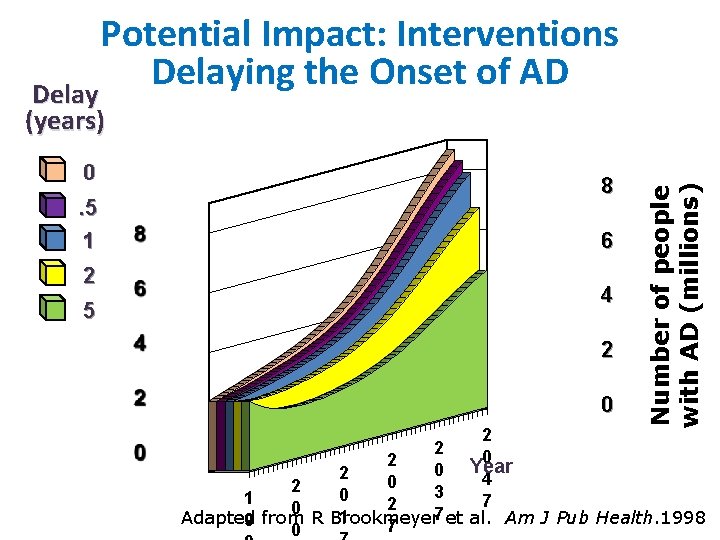
Potential Impact: Interventions Delaying the Onset of AD Delay (years). 5 1 2 5 8 6 4 2 0 Number of people with AD (millions) 0 4 8 6 2 2 0 2 Year 0 2 4 0 2 3 0 1 7 2 0 7 et al. Am J Pub Health. 1998 1 Adapted 9 from R Brookmeyer 7 0
Primary Prevention Studies § Randomized placebo controlled § Cognitively intact people § Require thousands of subjects § Long follow-up § Labor intensive § Expensive
Primary Prevention Trials of Dementia and AD Hormone Therapy WHIMS - estrogen OR estrogen + progesterone PREPARE - estrogen OR estrogen + progesterone NSAIDs ADAPT - Naproxen or Celecoxib Ginkgo GEMS - Ginkgo biloba Antioxidants PREADVISE - Vitamin E & Selenium
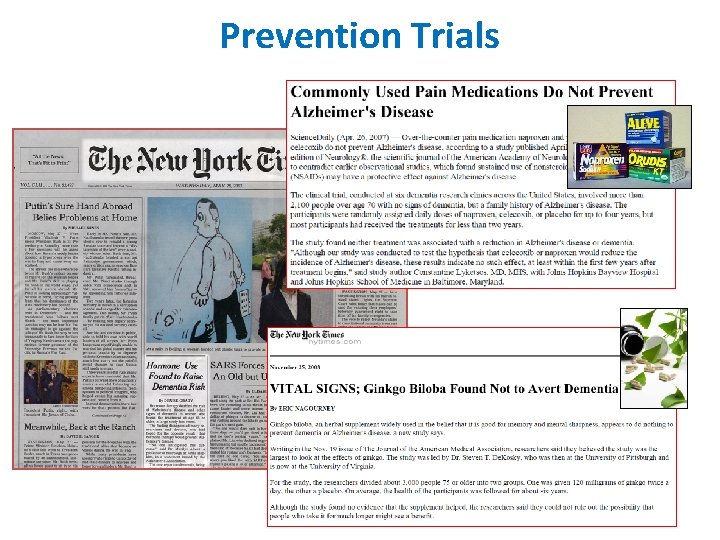
Prevention Trials
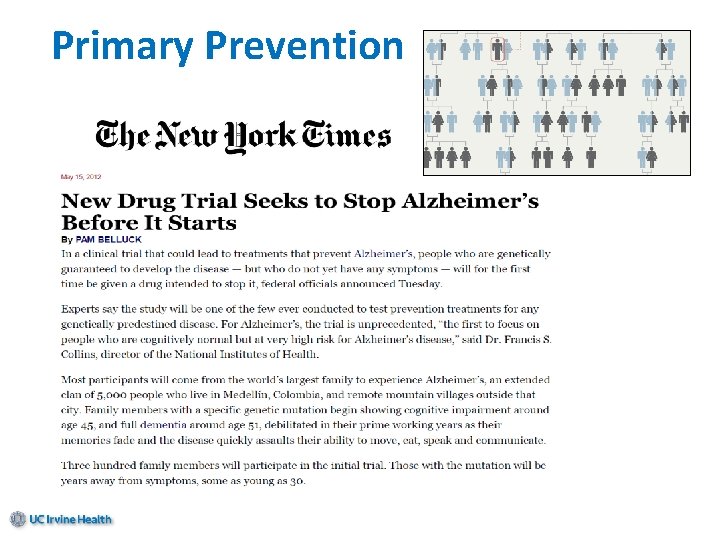
Primary Prevention
Alzheimer’s Prevention Initiative Genetic mutation carriers (PSEN 1 E 280 A ) • Extended Colombian family • Onset ~age 45, dementia ~age 51 • Study participants: 30 -60 y. o. MMSE ≥ 26 Anti-amyloid drug • Crenezumab SQ Q 2 wks Three arms • Drug - 100 asymptomatic mutation carriers • Placebo - 100 relatives non-mutation carriers
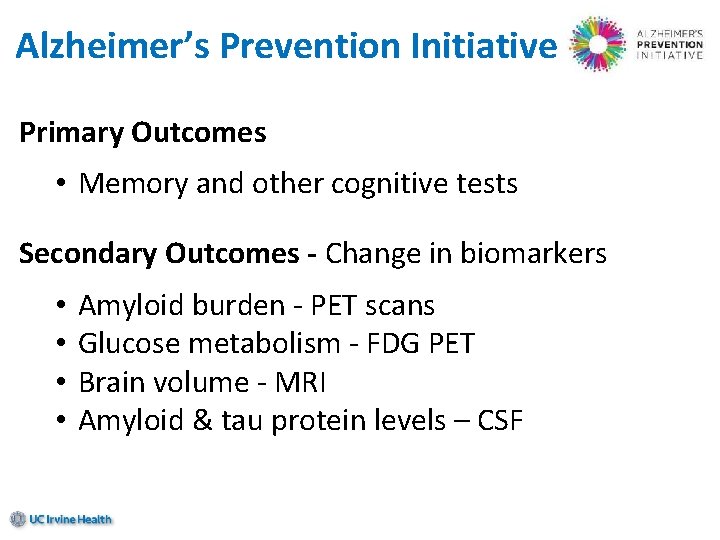
Alzheimer’s Prevention Initiative Primary Outcomes • Memory and other cognitive tests Secondary Outcomes - Change in biomarkers • • Amyloid burden - PET scans Glucose metabolism - FDG PET Brain volume - MRI Amyloid & tau protein levels – CSF
Secondary Prevention Trials Anti-amyloid antibodies Bapinuzemab • Vasogenic edema • Failed in Phase III Solanezumab • Failed at primary endpoint in Phase III • Some improvement in mild patients A 4 Study
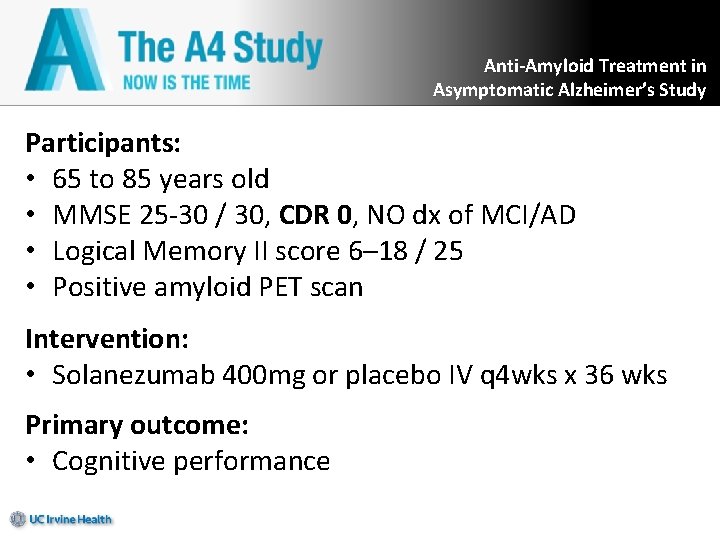
Anti-Amyloid Treatment in Asymptomatic Alzheimer’s Study Participants: • 65 to 85 years old • MMSE 25 -30 / 30, CDR 0, NO dx of MCI/AD • Logical Memory II score 6– 18 / 25 • Positive amyloid PET scan Intervention: • Solanezumab 400 mg or placebo IV q 4 wks x 36 wks Primary outcome: • Cognitive performance
Hope for the future The A 4 Study and the API opens new frontier for primary prevention
Thank you for your attention!