
Alternatives to imprisonment Scope and evidence Alex Stevens
- Slides: 18
Alternatives to imprisonment: Scope and evidence Alex Stevens
This presentation • Why do we need alternatives to imprisonment? • What alternatives are used in Europe? • Do they operate as alternatives, or as additions to imprisonment? • What are the effects of alternatives to imprisonment on drug use and crime? • What are the information needs in this area?
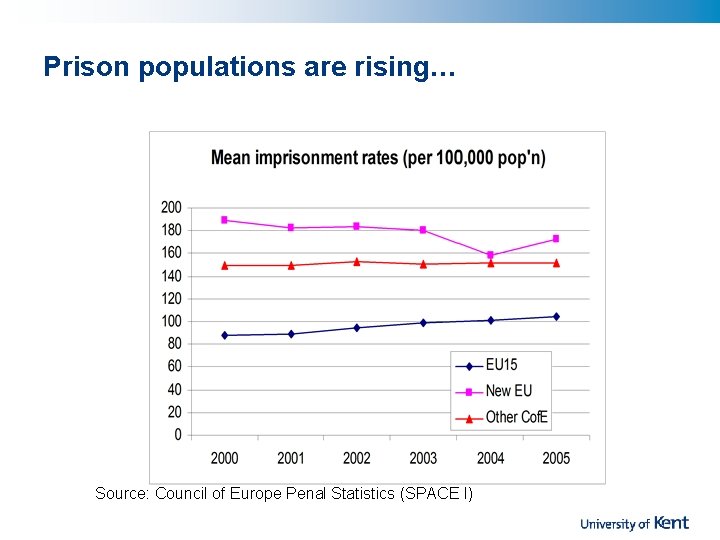
Prison populations are rising… Source: Council of Europe Penal Statistics (SPACE I)
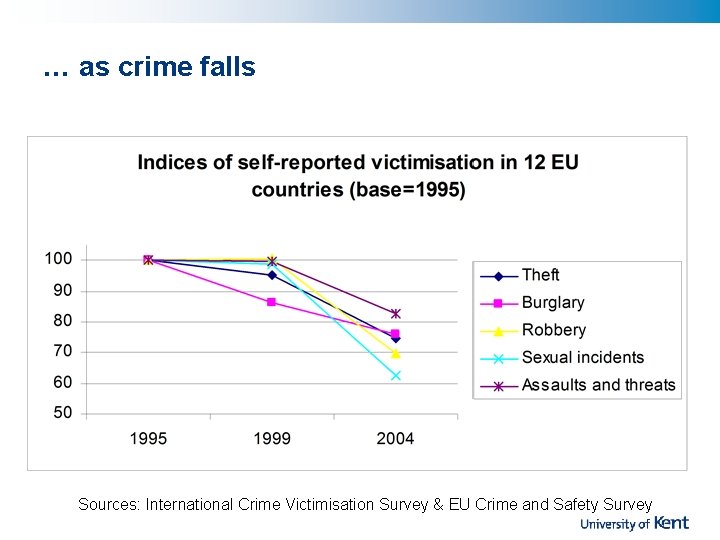
… as crime falls Sources: International Crime Victimisation Survey & EU Crime and Safety Survey
Prisons are overcrowded Source: Council of Europe Penal Statistics (SPACE I), * US Bureau of Justice Statistics
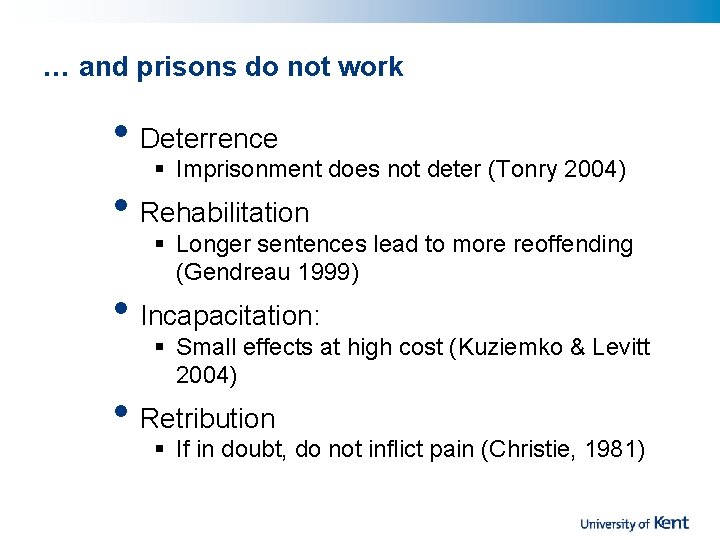
… and prisons do not work • Deterrence § Imprisonment does not deter (Tonry 2004) • Rehabilitation § Longer sentences lead to more reoffending (Gendreau 1999) • Incapacitation: § Small effects at high cost (Kuziemko & Levitt 2004) • Retribution § If in doubt, do not inflict pain (Christie, 1981)
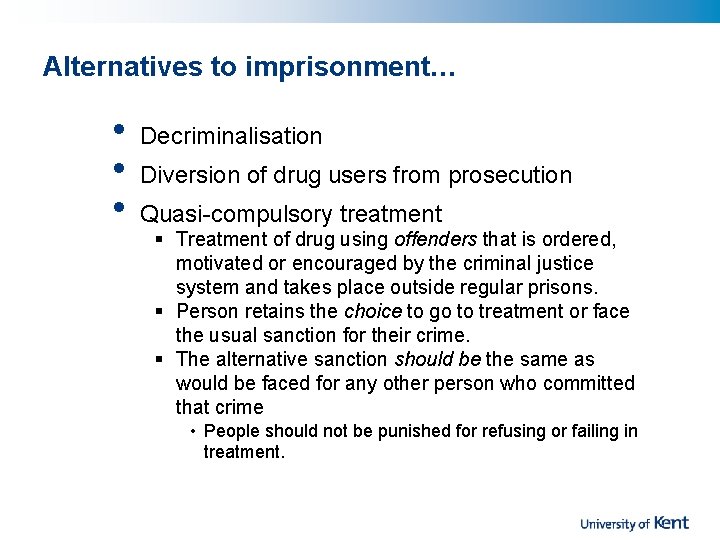
Alternatives to imprisonment… • • • Decriminalisation Diversion of drug users from prosecution Quasi-compulsory treatment § Treatment of drug using offenders that is ordered, motivated or encouraged by the criminal justice system and takes place outside regular prisons. § Person retains the choice to go to treatment or face the usual sanction for their crime. § The alternative sanction should be the same as would be faced for any other person who committed that crime • People should not be punished for refusing or failing in treatment.
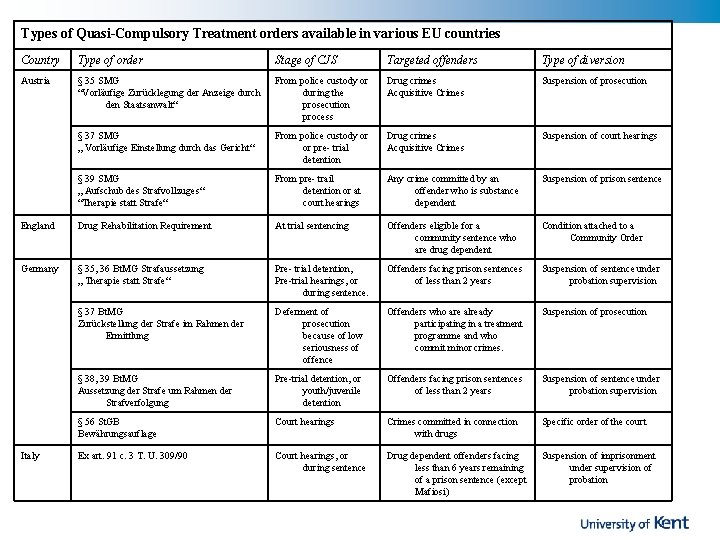
Types of Quasi-Compulsory Treatment orders available in various EU countries Country Type of order Stage of CJS Targeted offenders Type of diversion Austria § 35 SMG “Vorläufige Zurücklegung der Anzeige durch den Staatsanwalt“ From police custody or during the prosecution process Drug crimes Acquisitive Crimes Suspension of prosecution § 37 SMG „ Vorläufige Einstellung durch das Gericht“ From police custody or or pre- trial detention Drug crimes Acquisitive Crimes Suspension of court hearings § 39 SMG „ Aufschub des Strafvollzuges“ “Therapie statt Strafe“ From pre- trail detention or at court hearings Any crime committed by an offender who is substance dependent Suspension of prison sentence England Drug Rehabilitation Requirement At trial sentencing Offenders eligible for a community sentence who are drug dependent Condition attached to a Community Order Germany § 35, 36 Bt. MG Strafaussetzung „ Therapie statt Strafe“ Pre- trial detention, Pre-trial hearings, or during sentence. Offenders facing prison sentences of less than 2 years Suspension of sentence under probation supervision § 37 Bt. MG Zurückstellung der Strafe im Rahmen der Ermittlung Deferment of prosecution because of low seriousness of offence Offenders who are already participating in a treatment programme and who commit minor crimes. Suspension of prosecution § 38, 39 Bt. MG Aussetzung der Strafe um Rahmen der Strafverfolgung Pre-trial detention, or youth/juvenile detention Offenders facing prison sentences of less than 2 years Suspension of sentence under probation supervision § 56 St. GB Bewährungsauflage Court hearings Crimes committed in connection with drugs Specific order of the court Ex art. 91 c. 3 T. U. 309/90 Court hearings, or during sentence Drug dependent offenders facing less than 6 years remaining of a prison sentence (except Mafiosi) Suspension of imprisonment under supervision of probation Italy
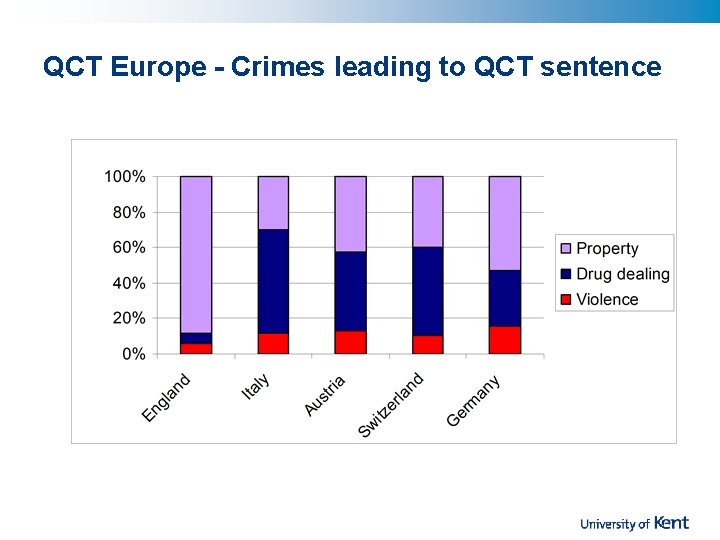
QCT Europe - Crimes leading to QCT sentence
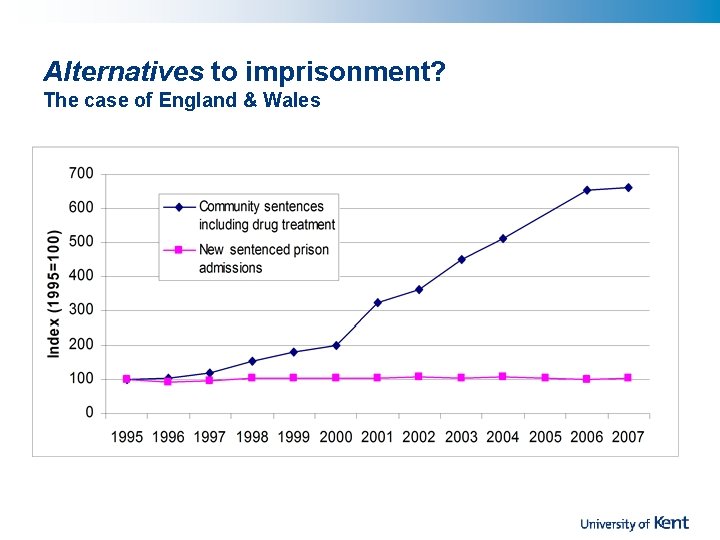
Alternatives to imprisonment? The case of England & Wales
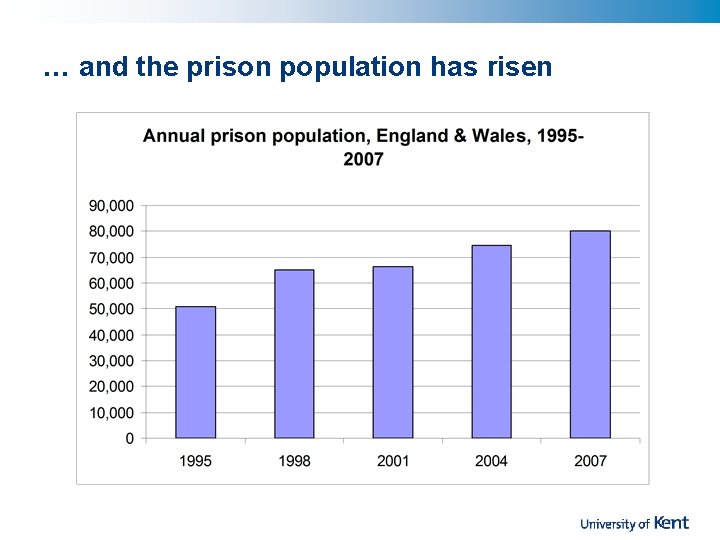
… and the prison population has risen
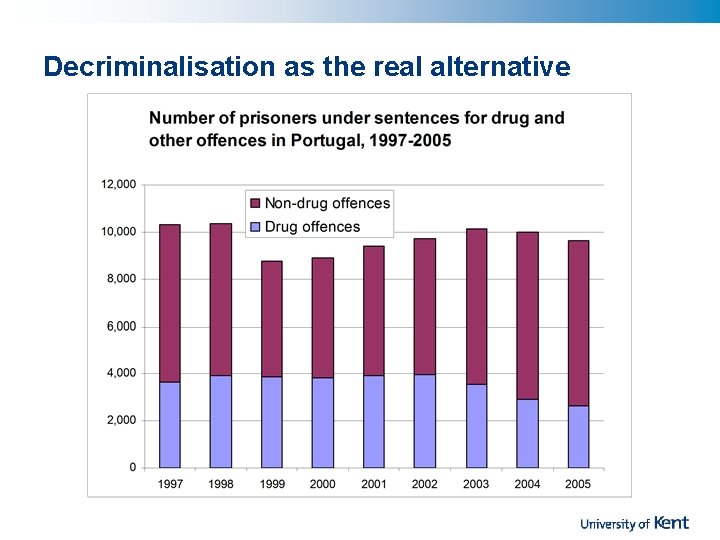
Decriminalisation as the real alternative
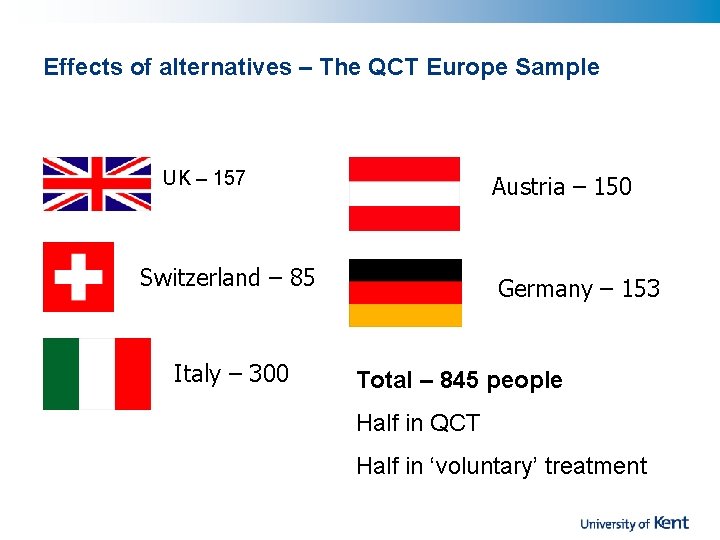
Effects of alternatives – The QCT Europe Sample UK – 157 Austria – 150 Switzerland – 85 Italy – 300 Germany – 153 Total – 845 people Half in QCT Half in ‘voluntary’ treatment
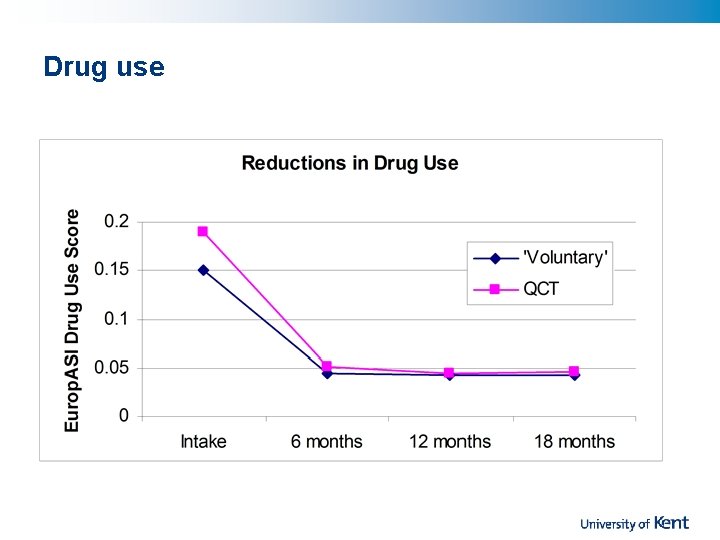
Drug use
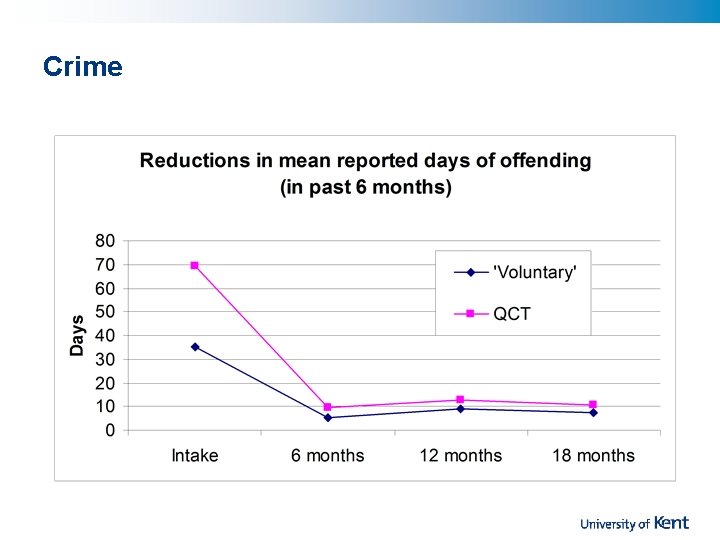
Crime
Limitations • Sample sizes were relatively small in each country. • The sample did not compare QCT clients to prisoners (it was not possible to randomise sentencing). • Results based on self-report. • There were large differences between treatment centres in the quality and outcomes of treatment.
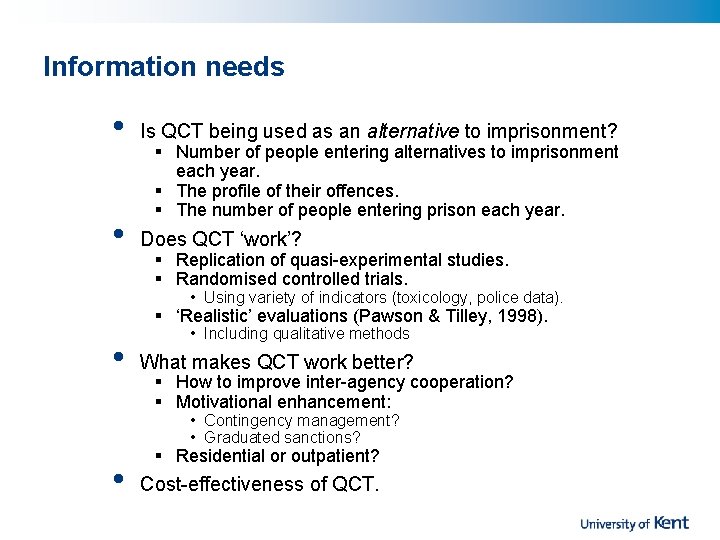
Information needs • Is QCT being used as an alternative to imprisonment? • Does QCT ‘work’? § Number of people entering alternatives to imprisonment each year. § The profile of their offences. § The number of people entering prison each year. § Replication of quasi-experimental studies. § Randomised controlled trials. • Using variety of indicators (toxicology, police data). § ‘Realistic’ evaluations (Pawson & Tilley, 1998). • • Including qualitative methods What makes QCT work better? § How to improve inter-agency cooperation? § Motivational enhancement: • Contingency management? • Graduated sanctions? • § Residential or outpatient? Cost-effectiveness of QCT.
Finally • Thanks to QCT Europe partners: § Paul Turnbull, Tim Mc. Sweeney, Neil Hunt, Ambros Uchtenhagen, Susanne Schaaf, Kerrie Oeuvray, Daniele Berto, Wolfgang Werdenich, Barbara Trinkl, Viktoria Kerschl, Wolfgang Heckmann • QCT Europe was funded by the European Commission’s 5 th Framework RTD Programme • For more information: § www. connectionsproject. eu § a. w. stevens@kent. ac. uk