
Alternative Futures Strategies and strategic planning Tempus Fugit
- Slides: 31
Alternative Futures Strategies and strategic planning
Tempus Fugit n n n When the call for papers for this conference was published our intention was to look at how to harness innovative ideas which were to be enabled by the coalition government’s new paradigm ‘embracing the Big Society’. we were concerned about ‘how to assess alternatives, make choices and effectively manage implementation and review’. As detailed proposals continue to emerge the invisibility cloak of localism and Big Society has been revealed as an invisible cloak covering unprecedented/draconian reductions in levels of public sector spending…
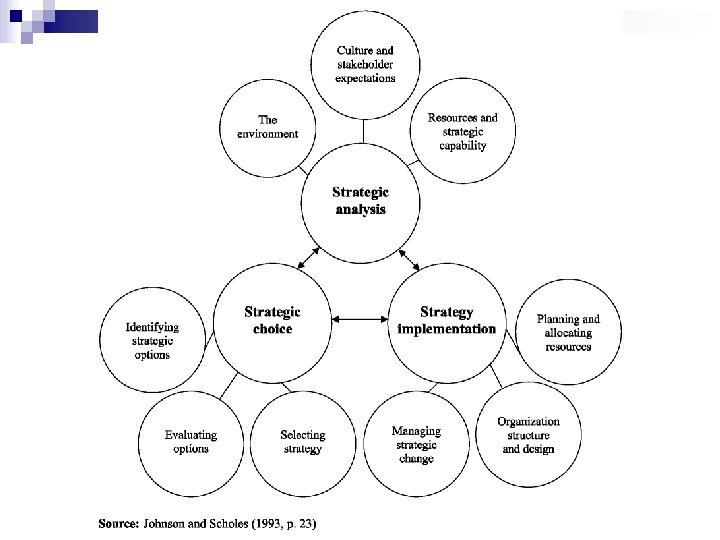
Revised Aims n What are we striving to achieve: ¨ n Creating a new conceptual model/framework that will drive improvements to strategy making and ultimately facilitate improvements to public services through efficient and effective strategy processes. What are we looking at: ¨ existing strategy and strategic planning models in the n n Public Sector Private Sector and Third/civil sector This paper is about how stategy has been developed it is intended to be a conceptual paper about strategy. We will be looking at theoretical and practical models of planning processes to draw out the commonalities to interpret how the current government concepualises strategy.
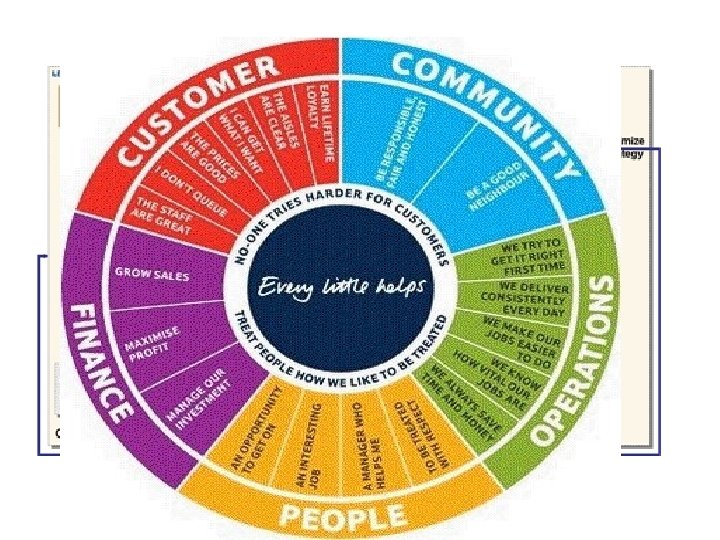
Evidential base Private sector models ¨ We have surveyed the models available and are using models drawn from high profile ‘successful’ organisations within following industries which operate within the UK: Manufacturing - Toyota Tesco n Retail n Leisure David Lloyd Leisure n Financial - ACCA, CIMA, ICAEW n
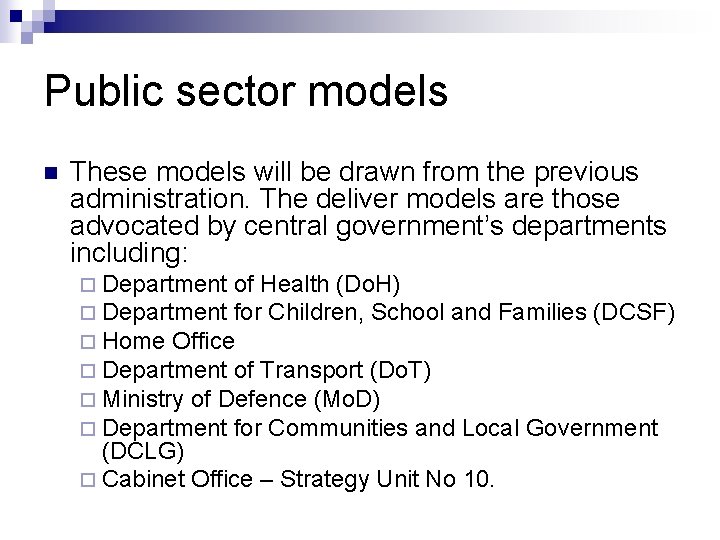
Public sector models n These models will be drawn from the previous administration. The deliver models are those advocated by central government’s departments including: ¨ Department of Health (Do. H) ¨ Department for Children, School and Families (DCSF) ¨ Home Office ¨ Department of Transport (Do. T) ¨ Ministry of Defence (Mo. D) ¨ Department for Communities and Local Government (DCLG) ¨ Cabinet Office – Strategy Unit No 10.
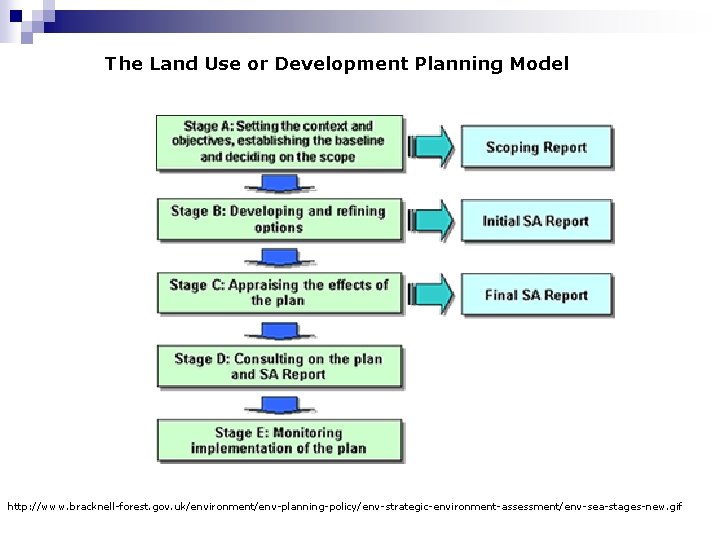
The Land Use or Development Planning Model http: //www. bracknell-forest. gov. uk/environment/env-planning-policy/env-strategic-environment-assessment/env-sea-stages-new. gif
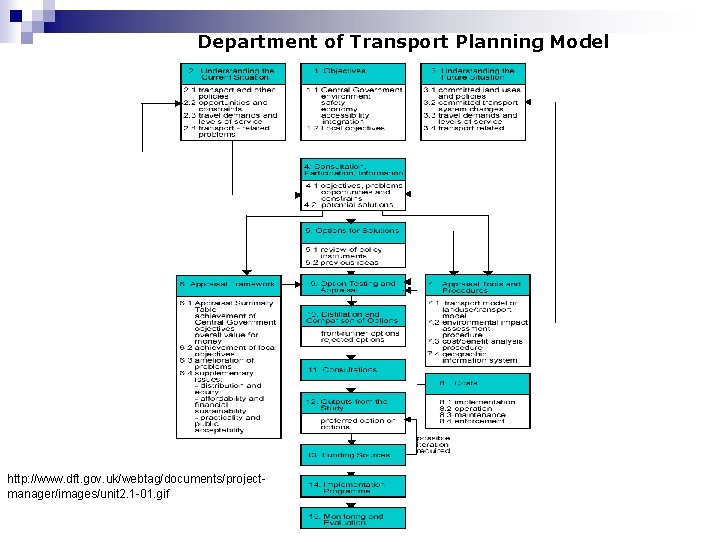
Department of Transport Planning Model http: //www. dft. gov. uk/webtag/documents/projectmanager/images/unit 2. 1 -01. gif
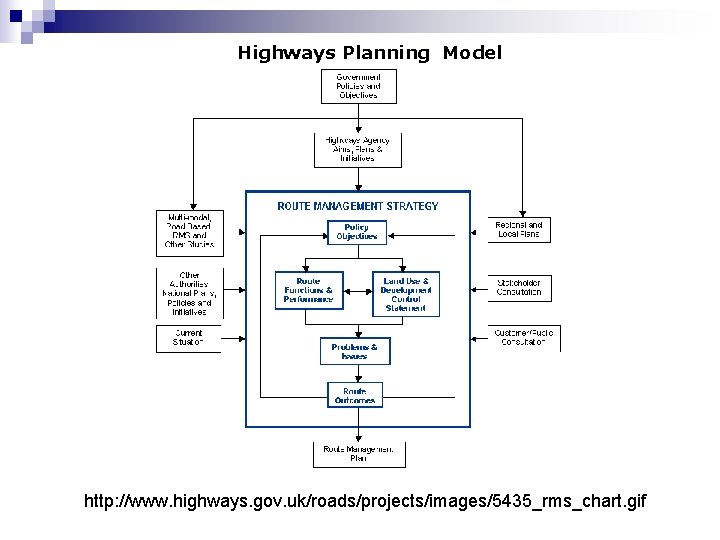
Highways Planning Model http: //www. highways. gov. uk/roads/projects/images/5435_rms_chart. gif
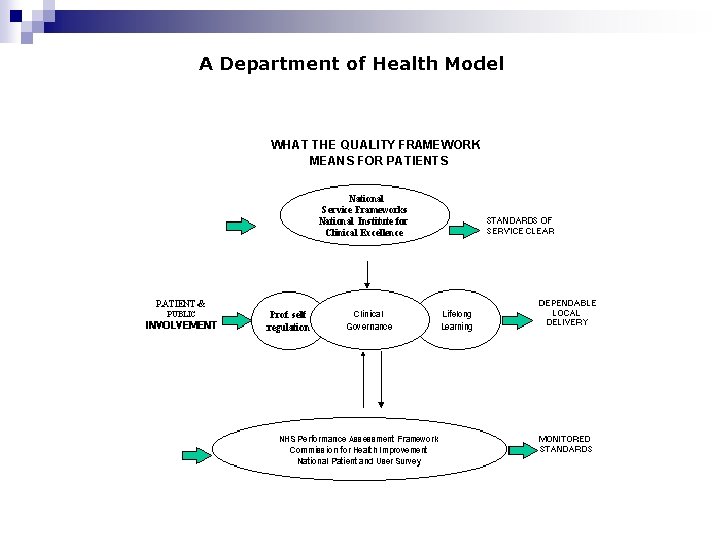
A Department of Health Model
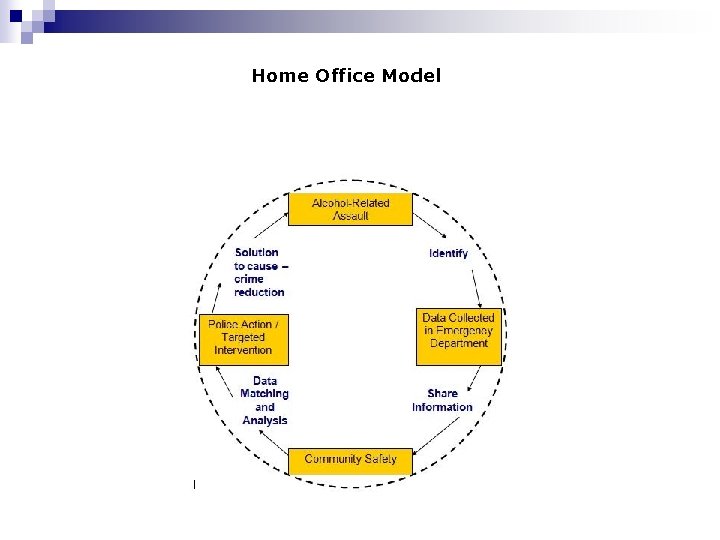
Home Office Model
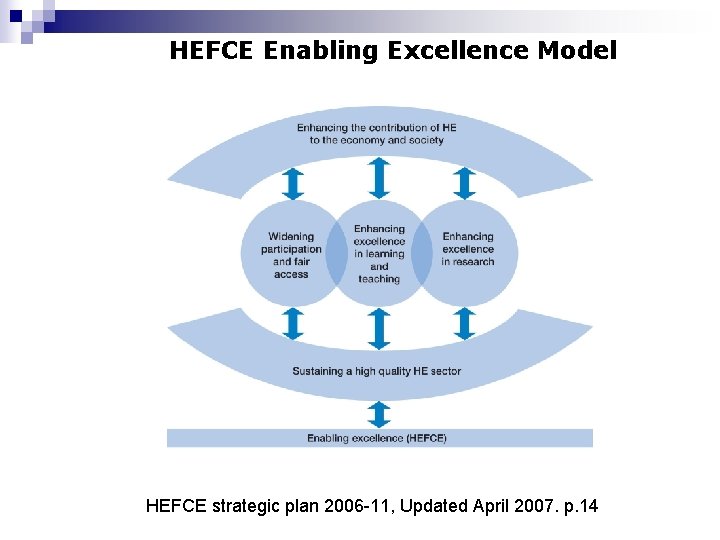
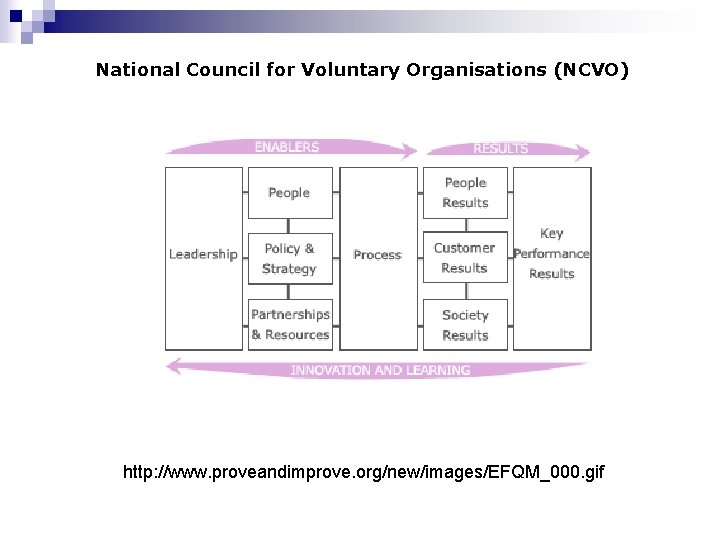
Third Sector n The models depicted in the following slides are drawn from: ¨ One the most established and largest part of the sector i. e. universities ¨ The key voluntary sector support organisation.
HEFCE Enabling Excellence Model HEFCE strategic plan 2006 -11, Updated April 2007. p. 14
National Council for Voluntary Organisations (NCVO) http: //www. proveandimprove. org/new/images/EFQM_000. gif
Possible comparative analysis? One way we are investigating the comparisons is by use of the EFQM as all three of the sectors have organisations that use variants of this model. n The disadvantages of using the EFQ model are: n ¨ Inherent inadequacies within the model ¨ Reduction of the models use, particularly within the private sector.
Key similarities and key differences Private n Public n ¨ The problem of the Town and Country planning system
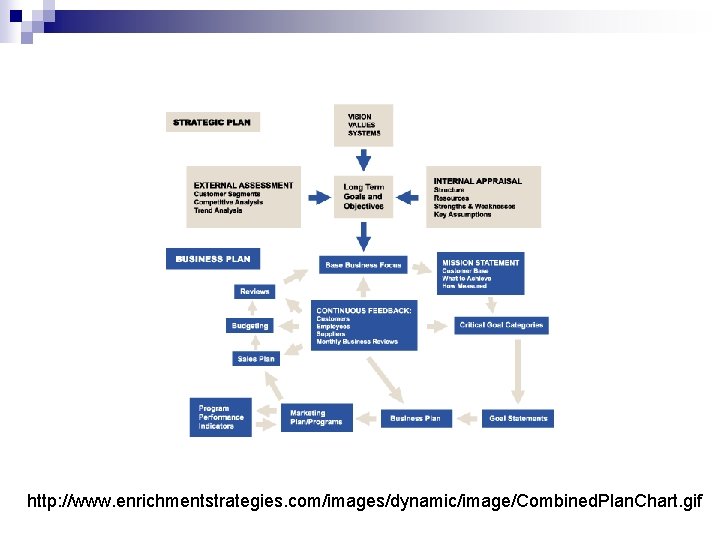
http: //www. enrichmentstrategies. com/images/dynamic/image/Combined. Plan. Chart. gif
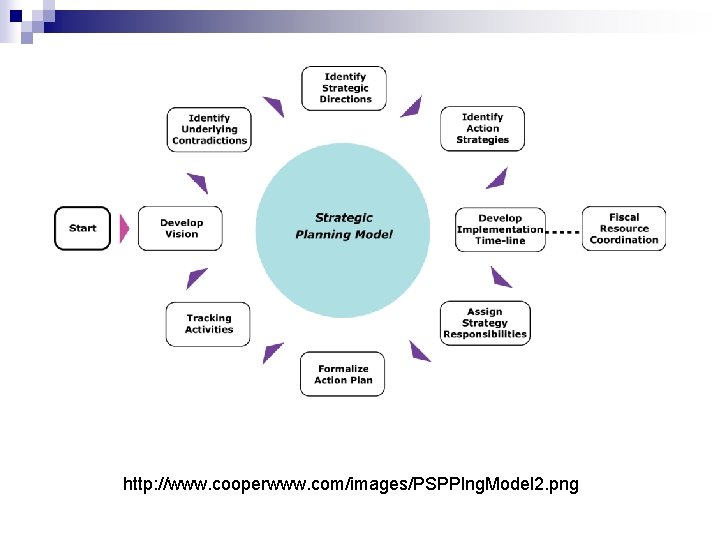
http: //www. cooperwww. com/images/PSPPlng. Model 2. png
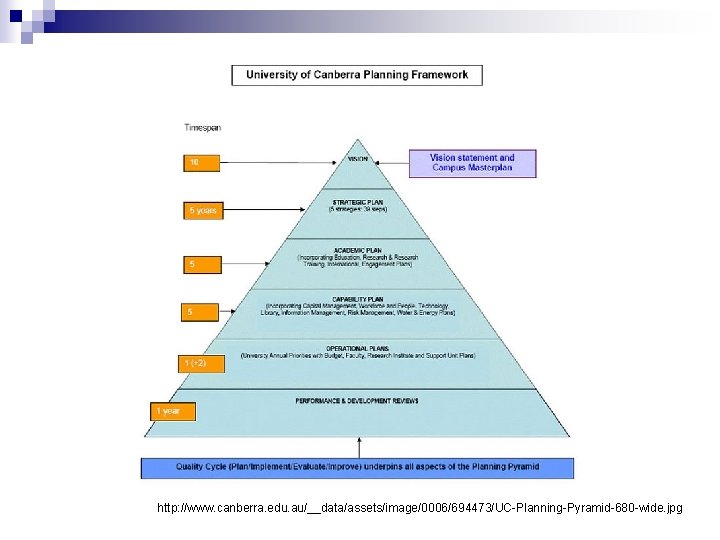
http: //www. canberra. edu. au/__data/assets/image/0006/694473/UC-Planning-Pyramid-680 -wide. jpg
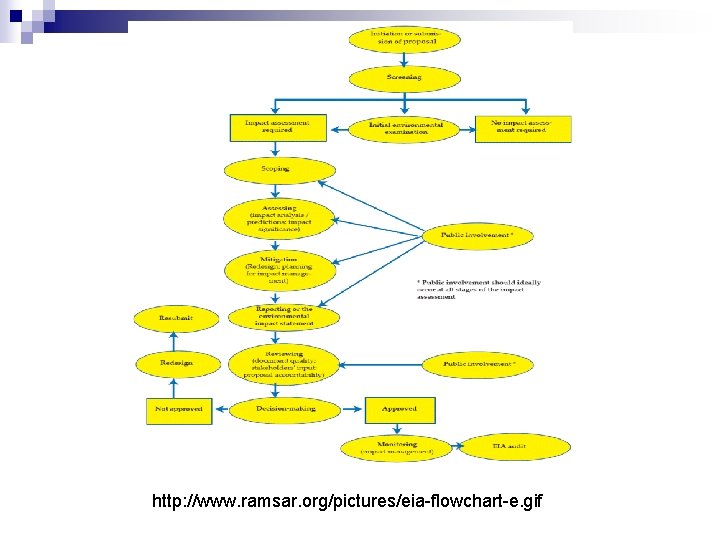
http: //www. ramsar. org/pictures/eia-flowchart-e. gif
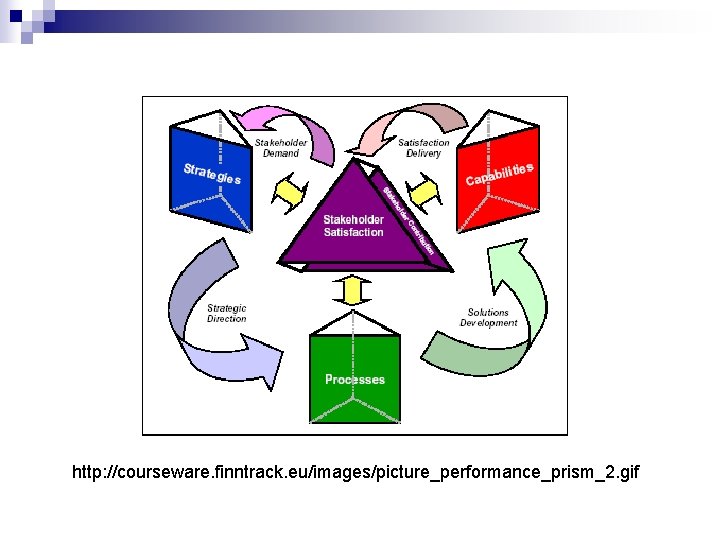
http: //courseware. finntrack. eu/images/picture_performance_prism_2. gif
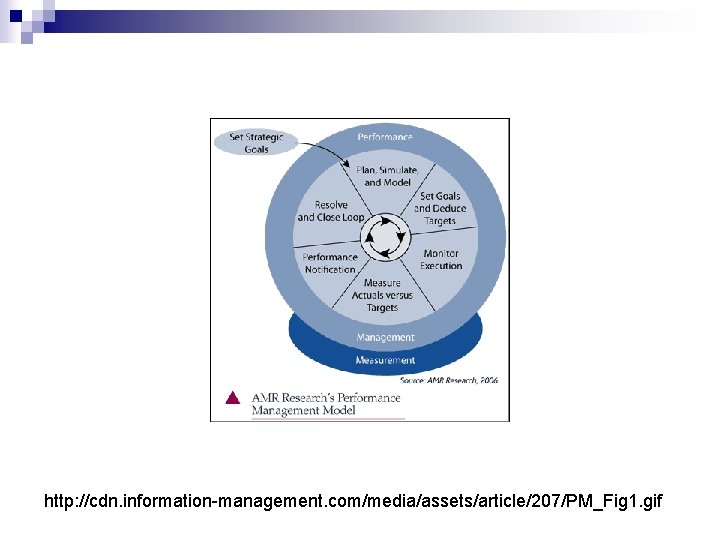
http: //cdn. information-management. com/media/assets/article/207/PM_Fig 1. gif
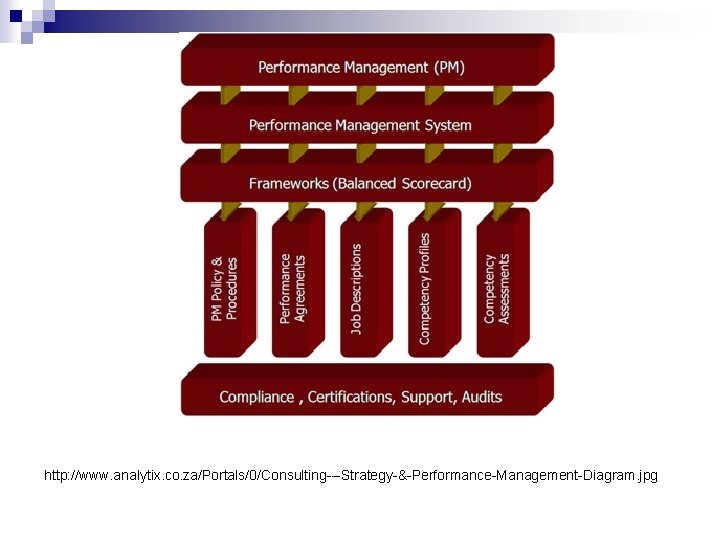
http: //www. analytix. co. za/Portals/0/Consulting---Strategy-&-Performance-Management-Diagram. jpg
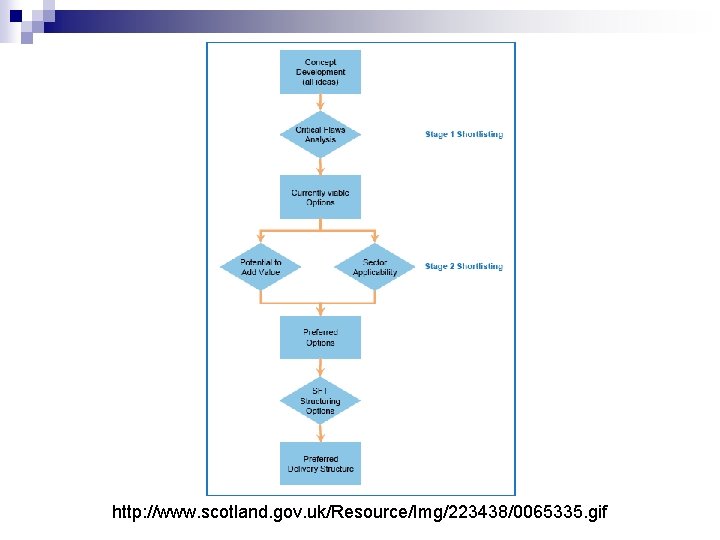
http: //www. scotland. gov. uk/Resource/Img/223438/0065335. gif
Public Vs Private Sector Firefighters DMS day 1
Objectives of Not-for-profit organisations (Some of) Social objectives i. e Community safety education and Statutory fire safety. n Prove accountability for stewardship of public money. n Check that the organisation is meeting legal and contractual requirements n Plan resources and monitor budgets n
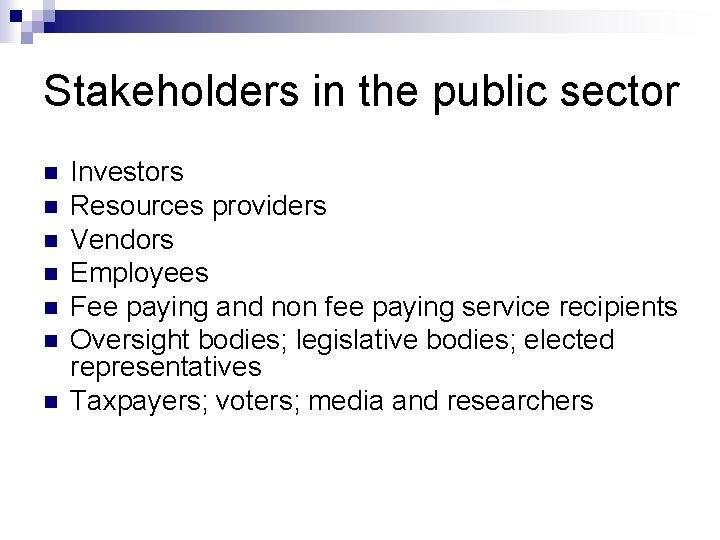
Stakeholders in the public sector n n n n Investors Resources providers Vendors Employees Fee paying and non fee paying service recipients Oversight bodies; legislative bodies; elected representatives Taxpayers; voters; media and researchers
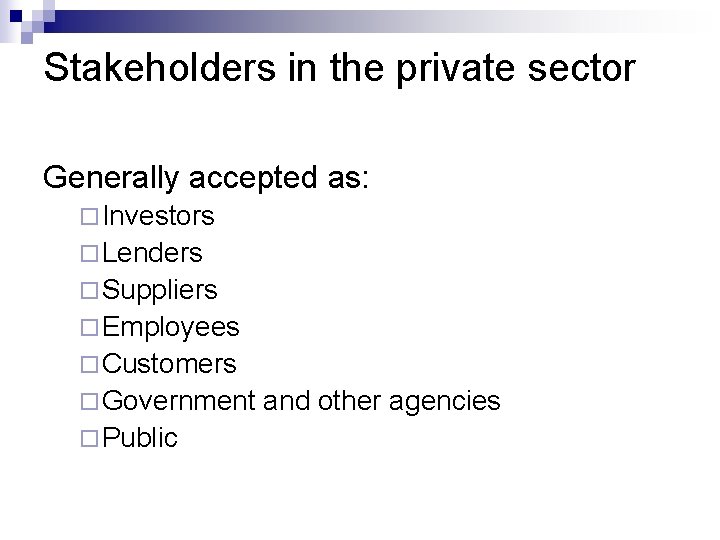
Stakeholders in the private sector Generally accepted as: ¨ Investors ¨ Lenders ¨ Suppliers ¨ Employees ¨ Customers ¨ Government ¨ Public and other agencies
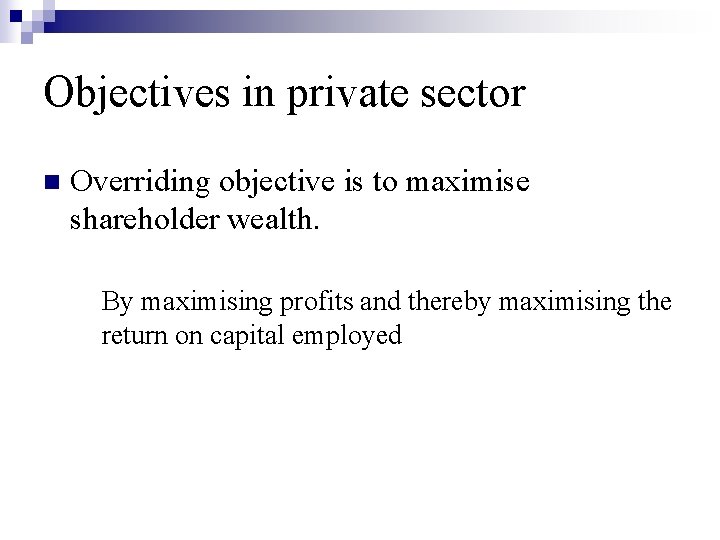
Objectives in private sector n Overriding objective is to maximise shareholder wealth. By maximising profits and thereby maximising the return on capital employed