
ALTERATIONS IN MOBILITY Assessment of the Musculoskeletal System
ALTERATIONS IN MOBILITY Assessment of the Musculoskeletal System And How Mobility can be Altered
Skeletal System Brief Overview of Anatomy • • Bone types Bone structure Bone function Bone growth and metabolism affected by calcium and phosphorus, calcitonin, vitamin D, parathyroid hormone, growth hormone, glucocorticoids, estrogens androgens, thyroxine, and insulin
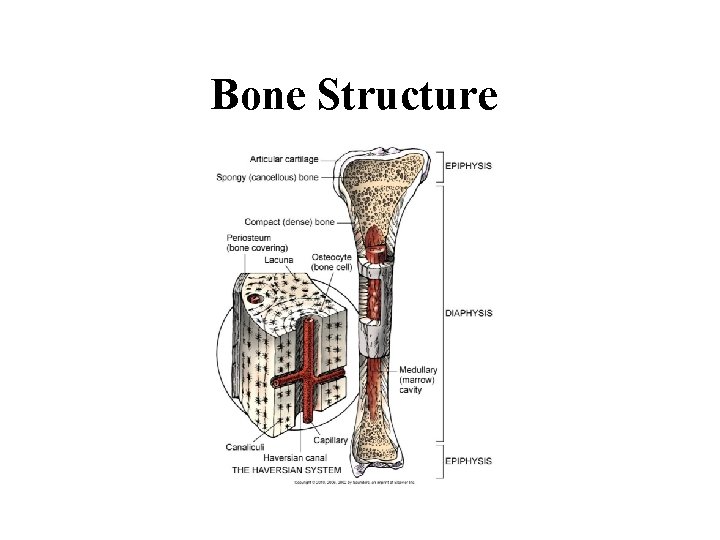
Bone Structure

Joints • Types include synarthrodial, amphiarthrodial, diarthrodial. • Structure synovial joint. • Subtyped by anatomic structure: – Ball-and-socket – Hinge – Condylar – Biaxial – Pivot

Structure Diarthrodial Joint
Muscular system assessment and how it can affect mobility. • • Patient history Nutritional history Family history and genetic risk General inspection: – Posture and gait
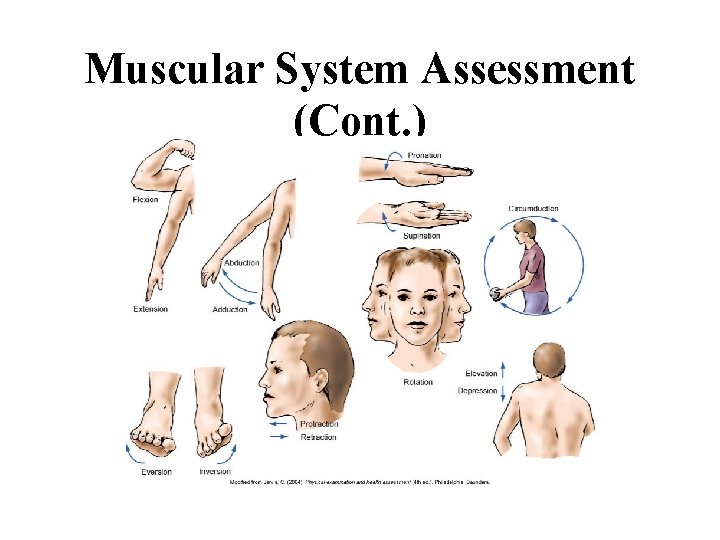
Muscular System Assessment (Cont. )
Specific Assessments • • Face and neck Spine Hand Hip Ankles, feet Neurovascular assessment Psychosocial assessment
Diagnostic Assessment • Laboratory tests—serum calcium and phosphorus, alkaline phosphatase, serum muscle enzymes • Radiographic examinations—standard radiography, bone density, tomography and xeroradiography, myelography, arthrography, and CT • Other diagnostic tests—bone and muscle biopsy

Question? What is the patient at risk for developing during a CT scan with contrast material? A. B. C. D. Claustrophobia Renal failure Allergic reaction to the contrast material Panic attack
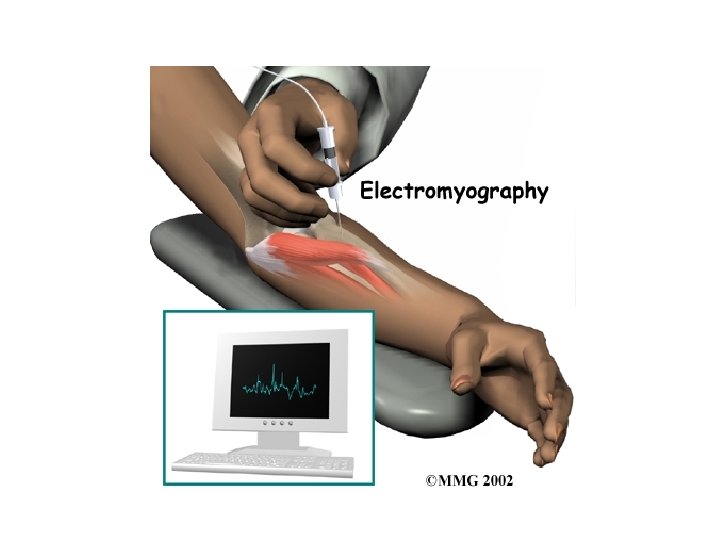
Neuromuscular affects on mobility The electromyography • EMG aids in the diagnosis of neuromuscular, lower motor neuron, and peripheral nerve disorders; usually with nerve conduction studies. • Low electrical currents are passed through flat electrodes placed along the nerve. • If needles are used, inspect needle sites for hematoma formation.
Arthroscopy • Fiberoptic tube is inserted into a joint for direct visualization. • Patient must be able to flex the knee; exercises are prescribed for ROM. • Evaluate the neurovascular status of the affected limb frequently. • Analgesics are prescribed. • Monitor for complications.
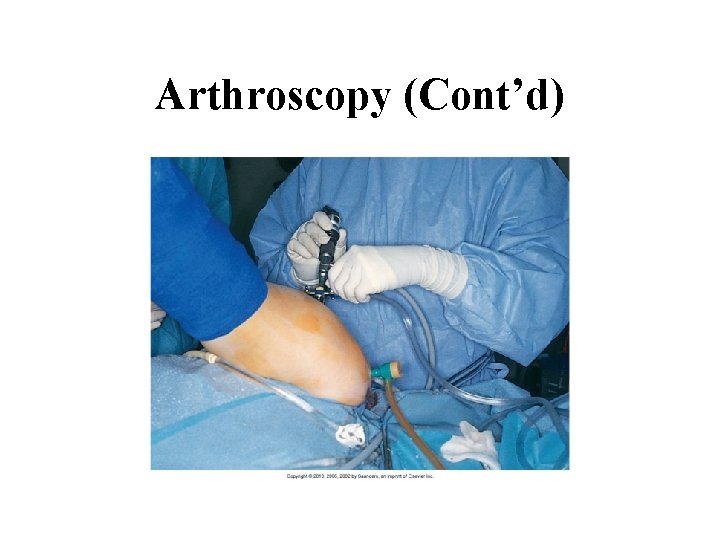
Arthroscopy (Cont’d)
Other Tests • • Bone scan Gallium or thallium scan Magnetic resonance imaging Ultrasonography
Mobility can be affected by diseases Exemplar: Osteoporosis • Chronic metabolic disease, in which bone loss causes decreased density and possible fracture • Osteopenia (low bone mass), which occurs when osteoclastic activity is greater than osteoblastic activity
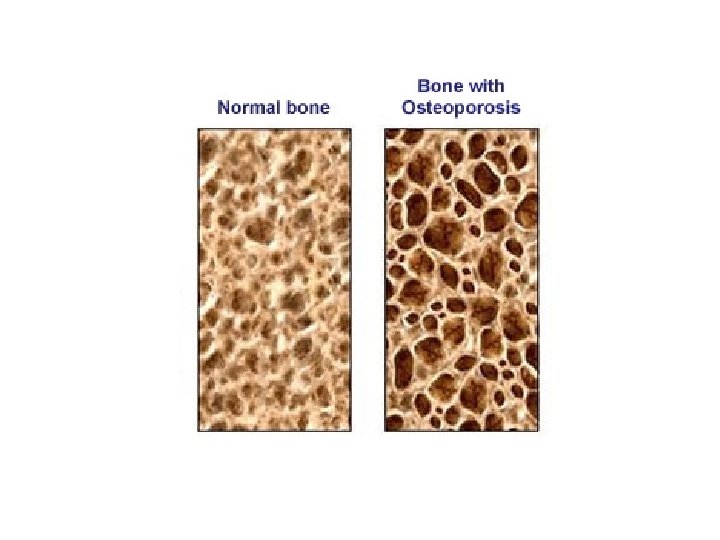
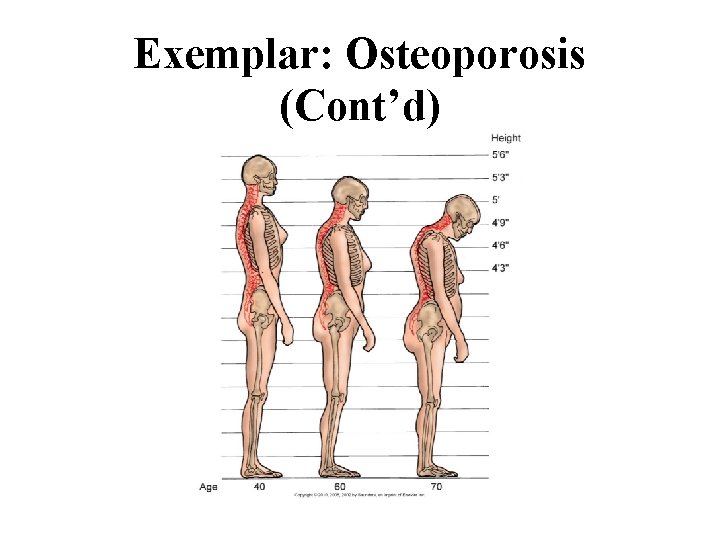
Exemplar: Osteoporosis (Cont’d)
Exemplar: Osteoporosis (Cont’d) • • Etiology and genetic risk Genetic considerations Incidence/prevalence Cultural considerations
Classification of Osteoporosis • Generalized osteoporosis occurs most commonly in postmenopausal women and men in their 60 s and 70 s. • Secondary osteoporosis results from an associated medical condition such as hyperparathyroidism, long-term drug therapy, long-term immobility. • Regional osteoporosis occurs when a limb is immobilized.
Health Promotion/Illness Prevention • Teaching should begin with young women who begin to lose bone after 30 years of age. • The focus of osteoporosis prevention is to decrease modifiable risk factors. • Ensure adequate calcium intake. • Avoid sedentary lifestyle. • Continue program of weight-bearing exercises.
Assessment • • Physical assessment Psychosocial assessment Laboratory assessment Imaging assessment: – DXA – QCT – QUS
Nursing Interventions • Nutrition therapy • Exercise • Other lifestyle changes
Drug Therapy • • • Calcium and vitamin D supplements Estrogen or hormone therapy Bisphonates Selective estrogen receptor modulators Calcitonin Other agents used with varying results

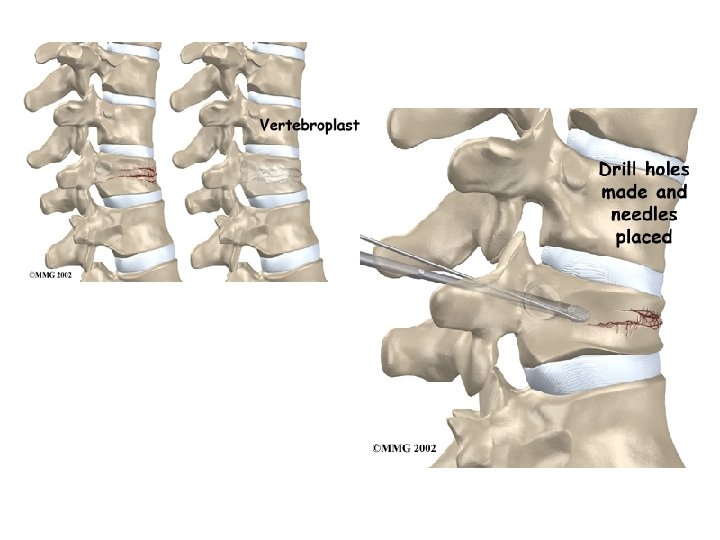
Surgical Interventions • Vertebroplasty • Kyphoplasty
Cultural Consideration Question? Which ethnic group typically has the least amount of bone density of any group? A. B. C. D. African-American women Asian women Caucasian women American-Indian women
Diseases that affect mobility continued Exemplar: Osteomalacia • Loss of bone related to vitamin D deficiency • Bone softens because of inadequate deposits of calcium and phosphorus in the bone matrix • Rickets
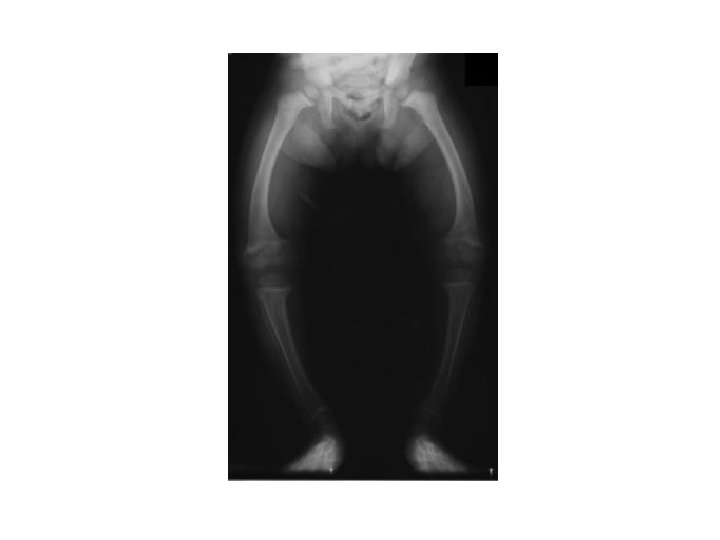
Collaborative Care • Assessment • The major treatment for osteomalacia is vitamin D
Alterations in Mobility Exemplar: Paget’s Disease • Chronic metabolic disorder in which bone is excessively broken down and reformed • Genetic considerations • Collaborative care: – Physical assessment – Diagnostic assessment
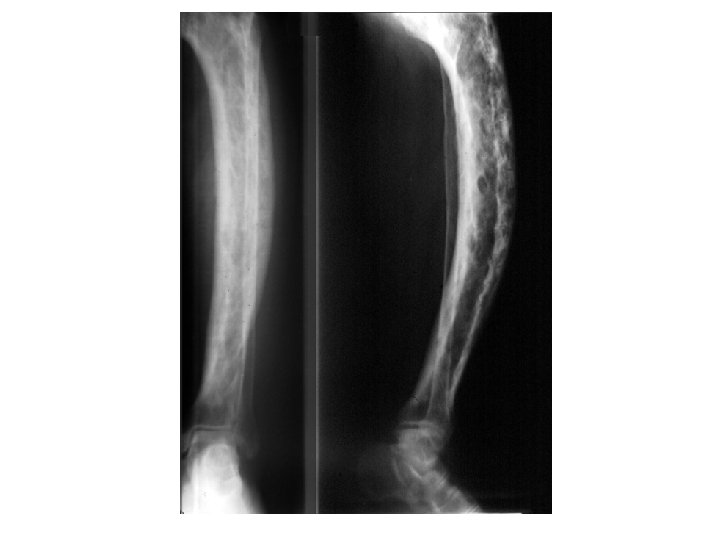
Nonsurgical Management • • Analgesics Decrease bone resorption Selected bisphonates Calcitonin Plicamycin Diet therapy Nonpharmacologic pain-relief measures
Surgical Management • Tibial osteotomy • Partial or total joint replacement • Surgical decompression and stabilization of the spine
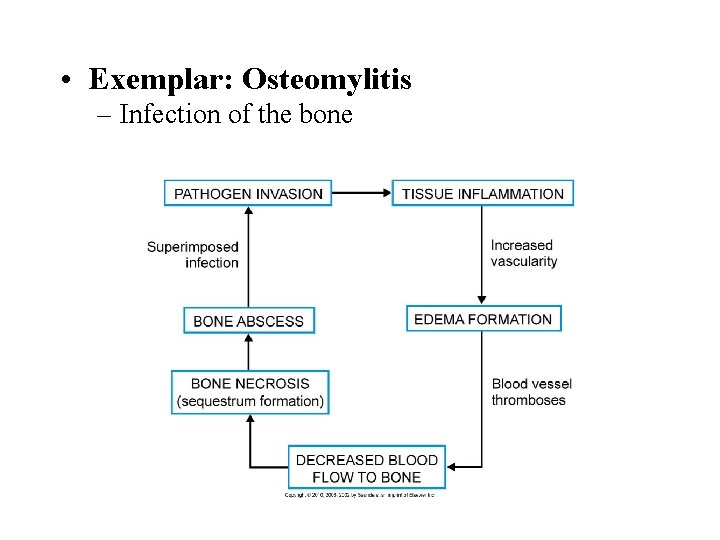
• Exemplar: Osteomylitis – Infection of the bone
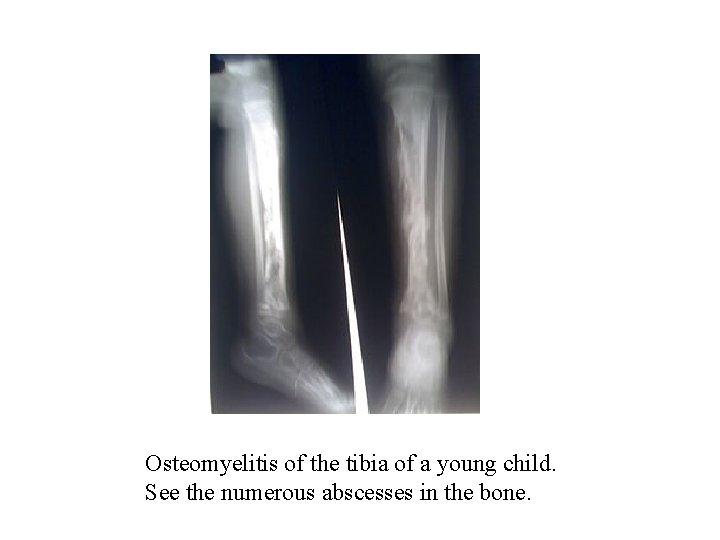
Osteomyelitis of the tibia of a young child. See the numerous abscesses in the bone.
Collaborative Care • • Assessment Antibiotic therapy Hyperbaric oxygen therapy Surgical management: – Sequestrectomy – Microvascular bone transfers
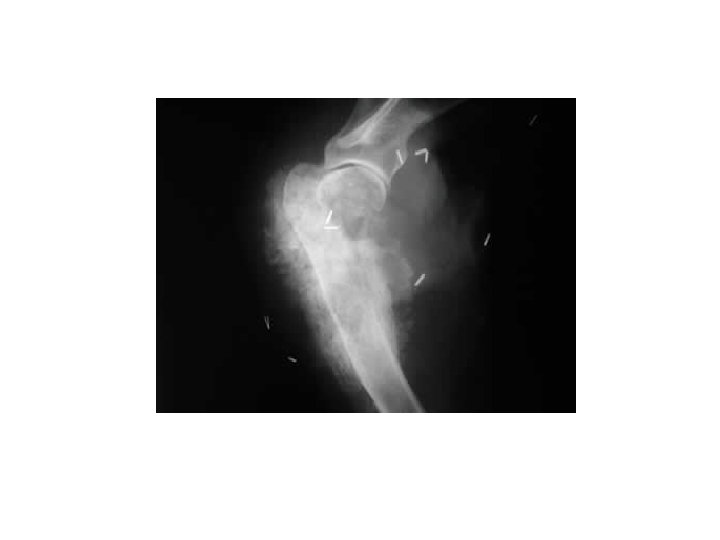
Alterations in mobility Exemplar: Benign bone tumors • Often asymptomatic and may be discovered on routine x-ray or as a cause of pathologic fracture: – Chrondrogenic tumors—from cartilage – Osteogenic tumors—from bone – Fibrogenic tumors—from fibrous tissue; most commonly found in children
Interventions • Non-drug pain-relief measures • Drug therapy—analgesics, NSAIDs • Surgical therapy—curettage (simple excision of the tumor tissue), joint replacement, or arthrodesis
Alterations in mobility Exemplar: Bone Cancer • • • Primary tumors Metastatic lesions Pathophysiology Assessment Nonsurgical management: – Drug therapy – Radiation therapy

Surgical Management • Preoperative care • Operative procedure • Postoperative care

Community-Based Care • Home care management • Health teaching • Health care resources
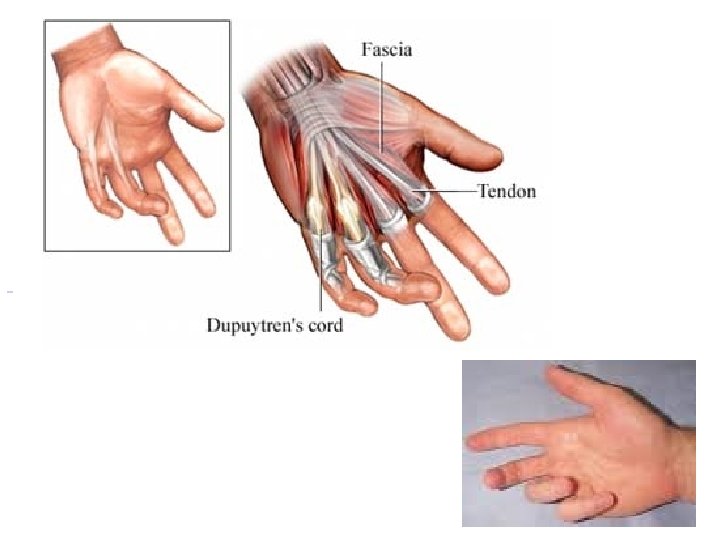
Disorders of the hand can affect a patient’s mobility Exemplar: • Dupuytren's contracture—slowly progressive contracture of the palmar fascia resulting in flexion of the fourth or fifth digit of the hand
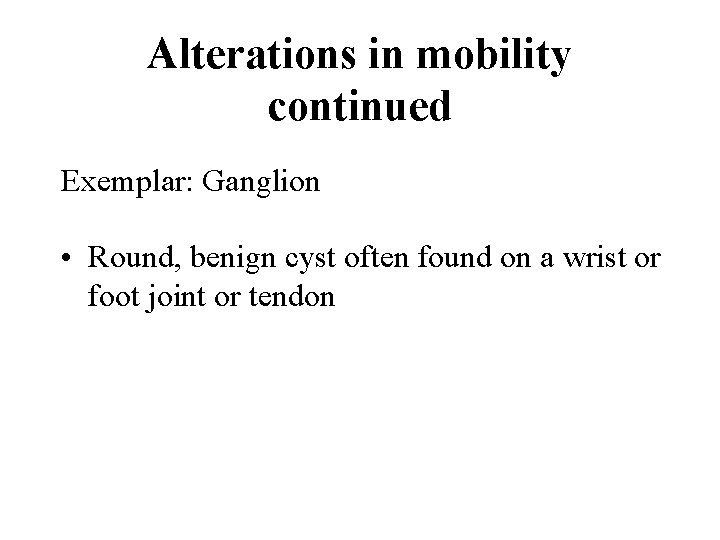
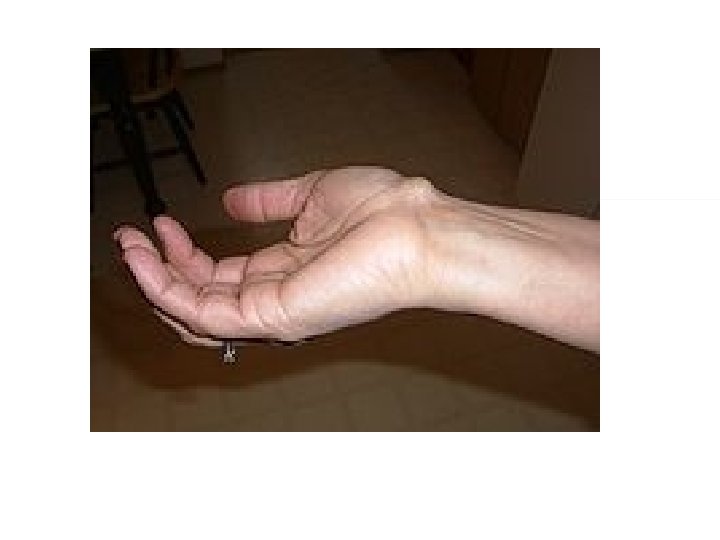
Alterations in mobility continued Exemplar: Ganglion • Round, benign cyst often found on a wrist or foot joint or tendon
Disorders of the foot can affect a patient’s mobility Exemplars: • • • Hallux valgus Hammertoe Morton’s neuroma Tarsal tunnel syndrome Plantar fasciitis Other problems of the foot

Foot
Disorders of muscles and ligaments can alter mobility Exemplar: Scoliosis • Changes in muscles and ligaments on the concave side of the spinal column
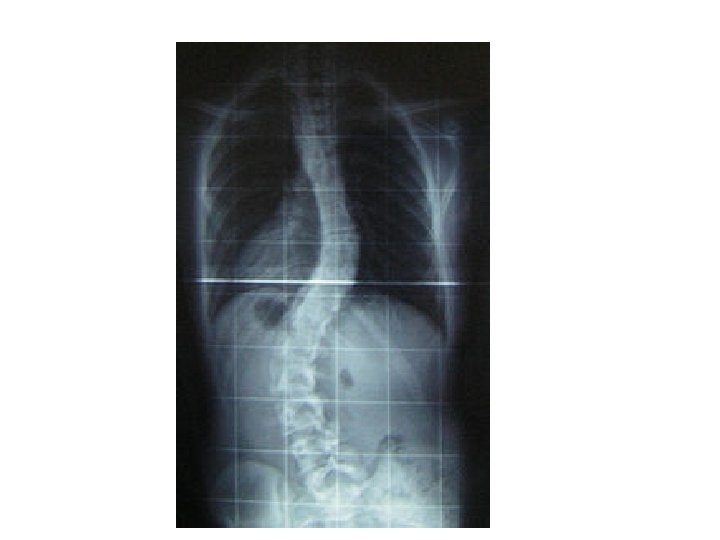
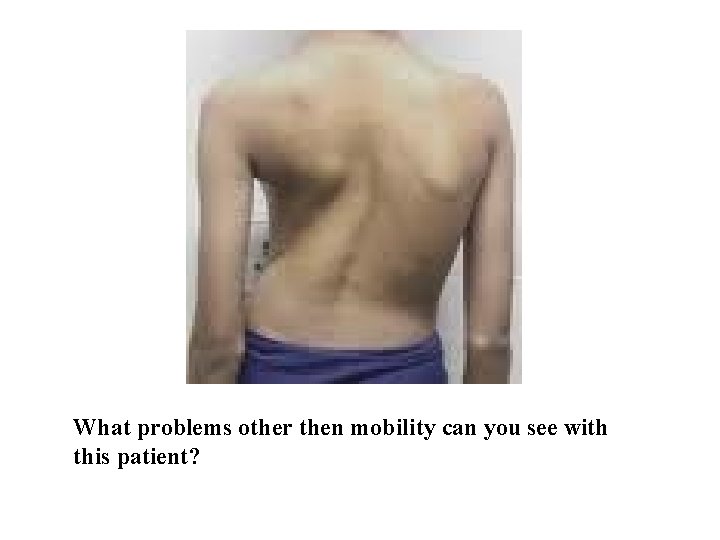
What problems other then mobility can you see with this patient?
Exemplar: Scoliosis (Cont’d) • • Pathophysiology History Treatment of children Treatment of adults
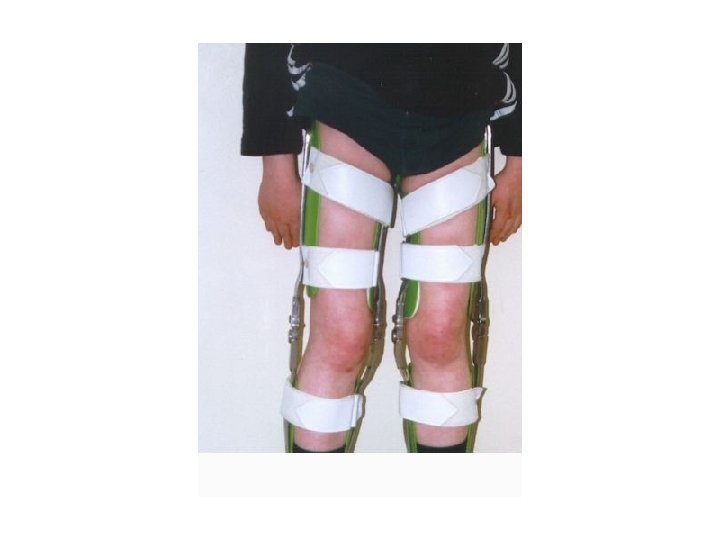
Diseases of the muscles can impair mobility Exemplar: Progressive Muscular Dystrophies • • • Pathophysiology Genetic considerations Diagnosis Management Nursing interventions
Pediatric Differences • Primary ossification • Secondary ossification • Long bones • Muscles, Tendons, and Ligaments
References Centers for Disease Control and Prevention, National Institutes of Health. (2009). Arthritis, osteoporosis, and chronic back conditions. Retrieved April 10, 2010, from http: //www. healthypeople. gov/Document/HTML/ Volume 1/02 Arthritis#_Toc 490538008 Chamley, C. A. , Carson, P. Randoall, D, & Sandwell, M. (2005). Developmental anatomy and physiology of children. St. Louis, MO: Elsevier. Harvey, C. (2005). Wound Healing. Orthopedic Nursing 24(2), 143 -160.
References Ignatavicius, D. , & Workman, M. L. (Ed. ). (2010). Medical-Surgical Nursing Critical Thinking For Collaborative Care. (6 th Ed. ) St. Louis: Elsevier Saunders.
References Kallmes DF, Comstock BA, Heagerty PJ, et al. (August, 2009. “A randomized trial of vertebroplasty for osteoporotic spinal fractures. ” New England Journal of Medicine 361(6): 569 -579. Medline Plus. (2010, July 22). Electromygraphy. Retrieved August 22, 2010, from: http: //www. nlm. nih. gov/medlineplus/ency/article/003929. htm Mayo. Clinic. com (2010, July 22). Dupuytren’s Contracture. Retrieved August 23, 2010, from: http: //www. mayoclinic. com/health/dupuytrens contracture/DS 00732
References: Potter, P. & Perry, A. (2009). Fundamentals of Nursing (7 th ed). St. Louis, Missouri: Mosby. Vitale, M. G. , Gross, J. M. , Matsumoto, H. , Roye, D. P. (2006). Epidemiology of pediatric spinal cord injury in the United States. Journal of Pediatric Orthopedics, 26(6), 745 -749. Wikipedia. (2010, July 10). Ganglion. Retrieved Auguast 23, 2010, from: http: //en. wikipedia. org/wiki/Ganglion_cyst Wikipedia. (2010, August 19). Scoliosis. Retrieved August 23, 2010, from: http: //en. wikipedia. org/wiki/Scoliosis
- Slides: 60