
All living things share some basic properties Made
All living things share some basic properties. üMade of one or more cells üDisplays Organization üGrowth and Development üReproduction üResponsiveness-Responds to Stimuli üMetabolism -Obtain and Use Energy üHomeostasis üAdapt Through Evolution
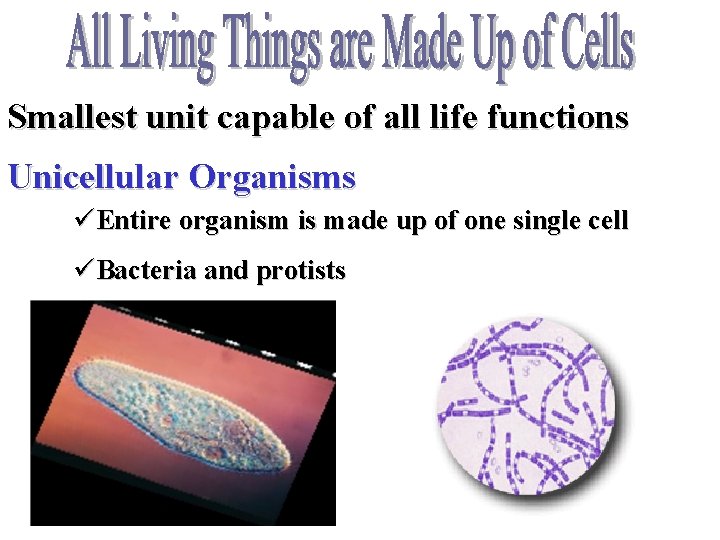
Smallest unit capable of all life functions Unicellular Organisms üEntire organism is made up of one single cell üBacteria and protists
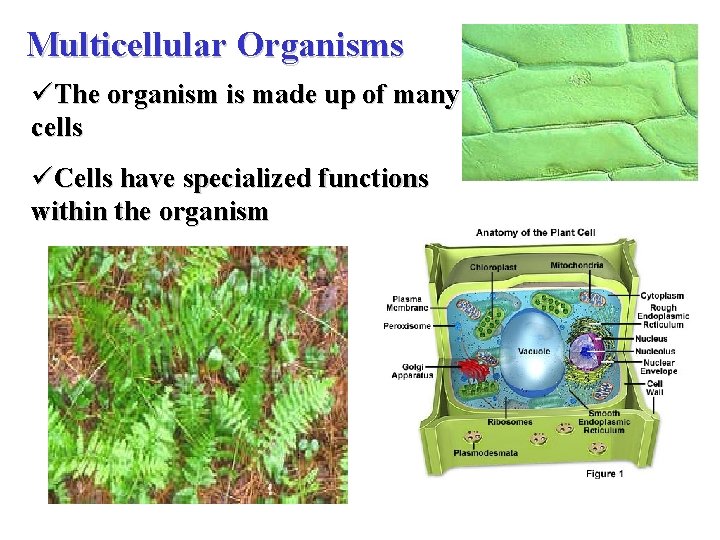
Multicellular Organisms üThe organism is made up of many cells üCells have specialized functions within the organism
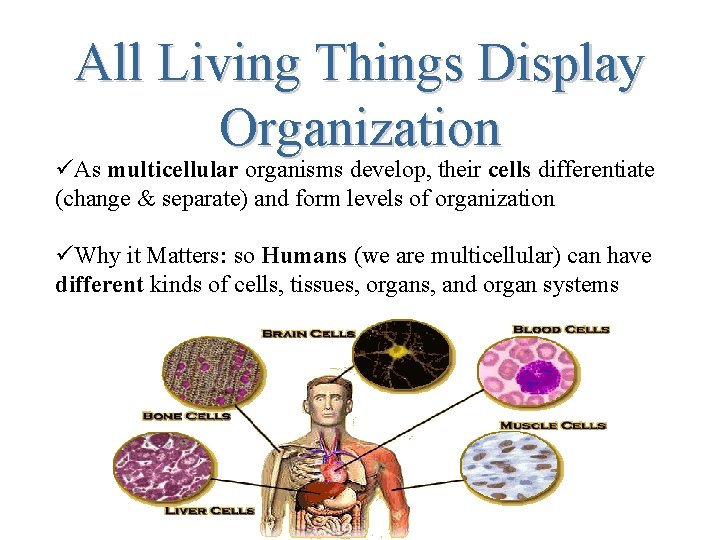
All Living Things Display Organization üAs multicellular organisms develop, their cells differentiate (change & separate) and form levels of organization üWhy it Matters: so Humans (we are multicellular) can have different kinds of cells, tissues, organs, and organ systems
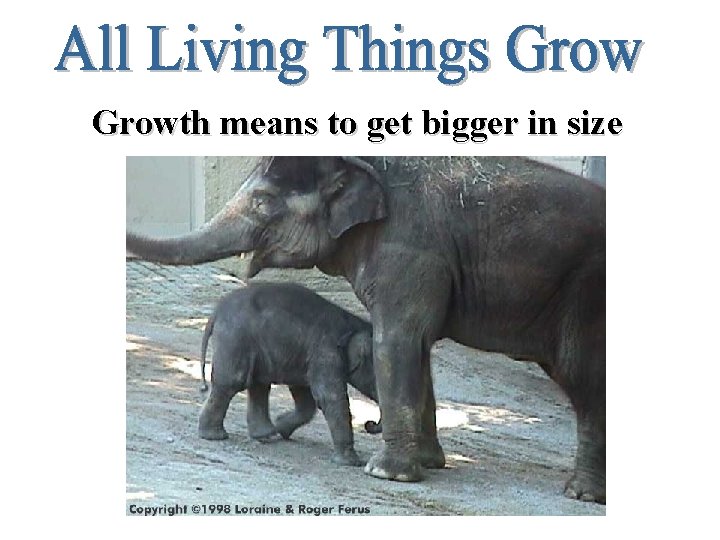
Growth means to get bigger in size
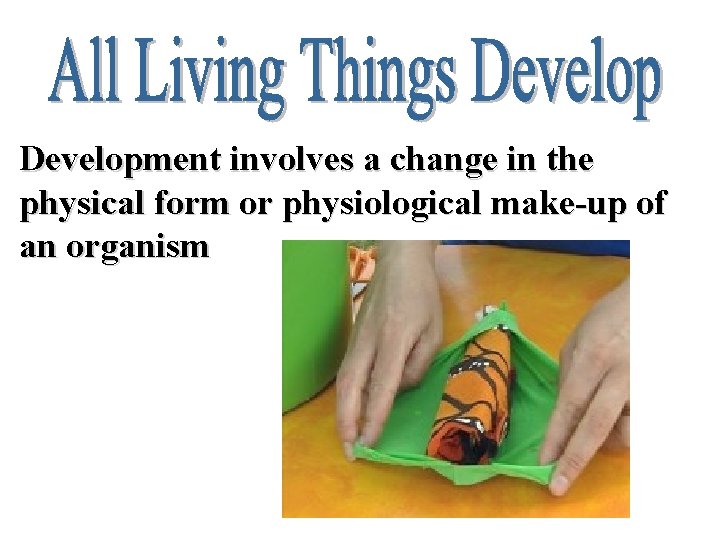
Development involves a change in the physical form or physiological make-up of an organism
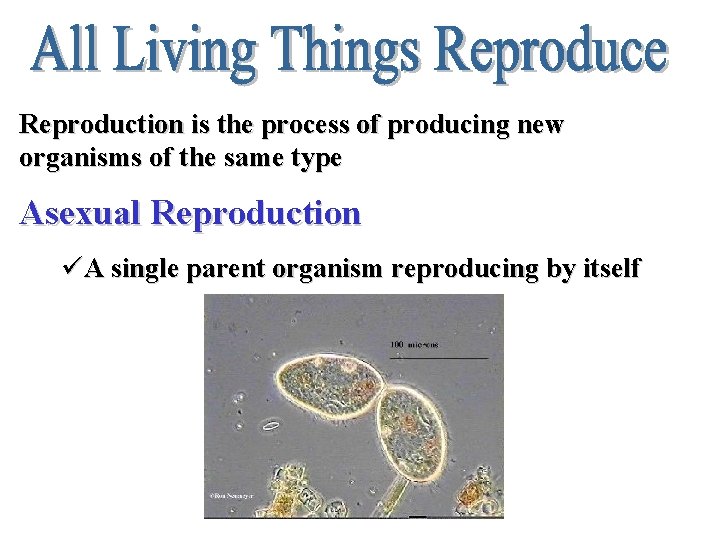
Reproduction is the process of producing new organisms of the same type Asexual Reproduction üA single parent organism reproducing by itself
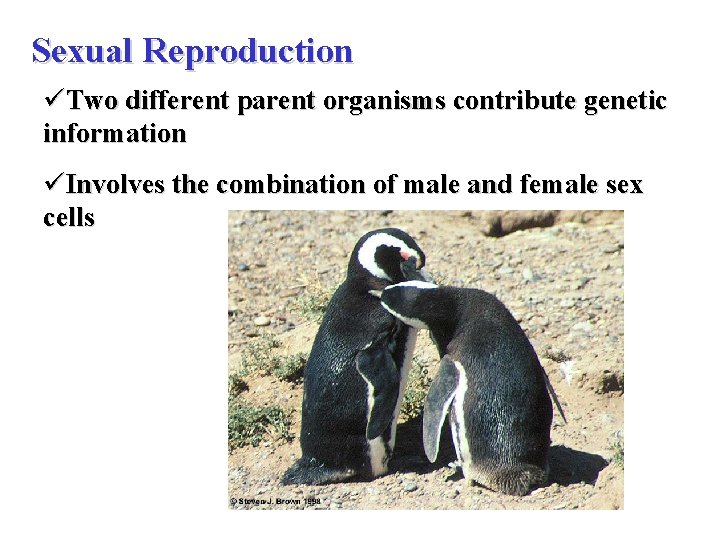
Sexual Reproduction üTwo different parent organisms contribute genetic information üInvolves the combination of male and female sex cells
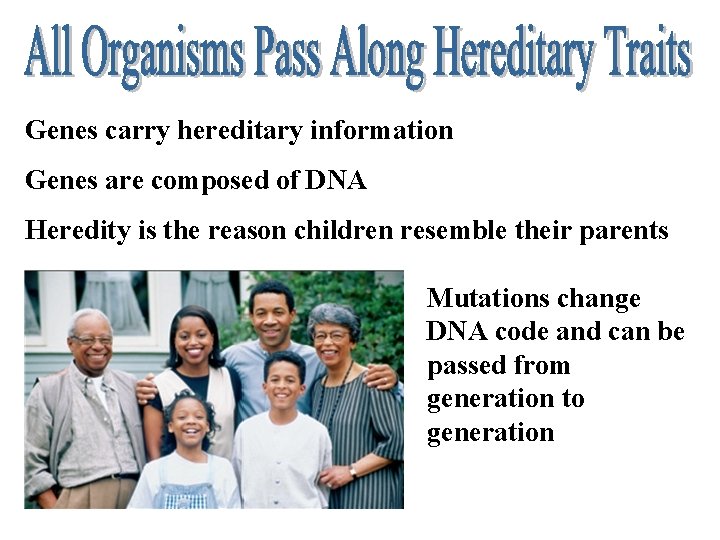
Genes carry hereditary information Genes are composed of DNA Heredity is the reason children resemble their parents Mutations change DNA code and can be passed from generation to generation
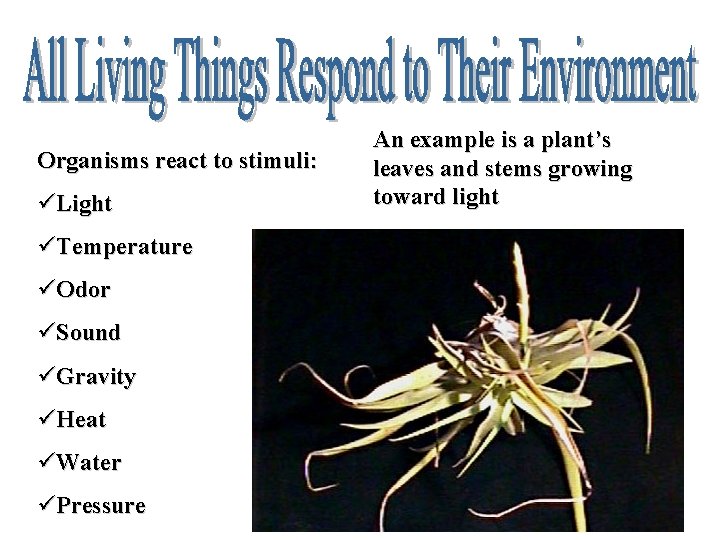
Organisms react to stimuli: üLight üTemperature üOdor üSound üGravity üHeat üWater üPressure An example is a plant’s leaves and stems growing toward light
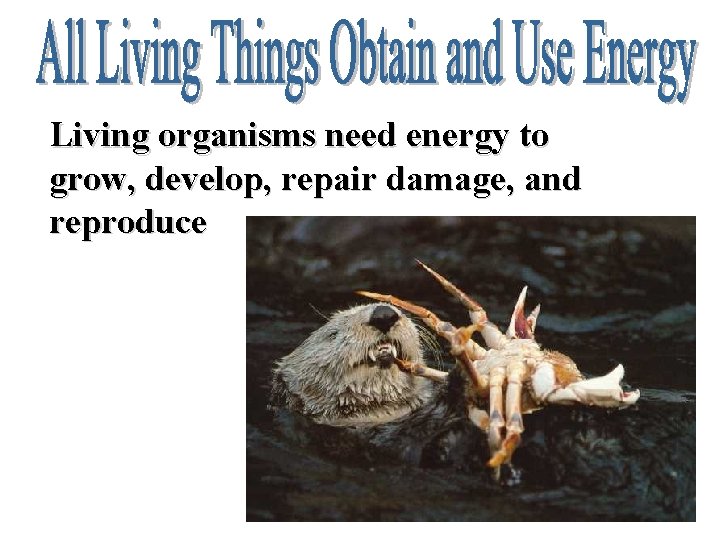
Living organisms need energy to grow, develop, repair damage, and reproduce
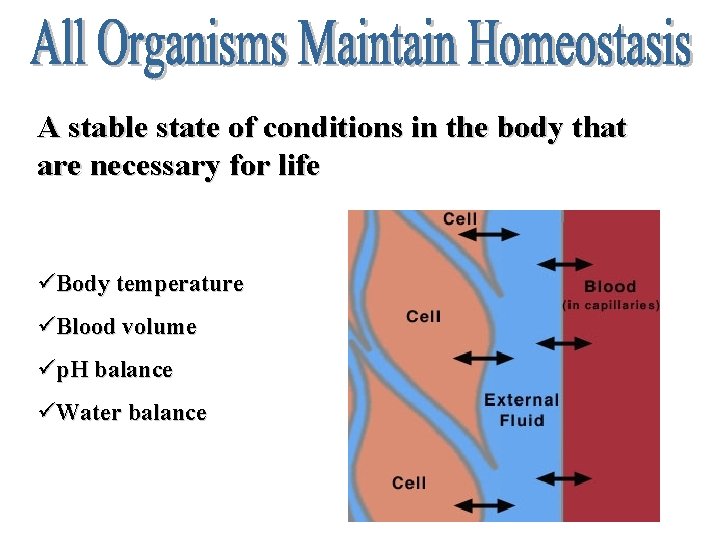
A stable state of conditions in the body that are necessary for life üBody temperature üBlood volume üp. H balance üWater balance
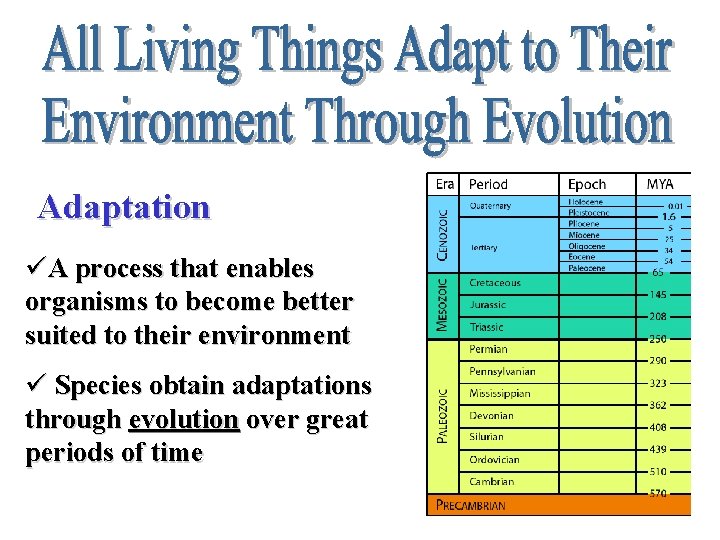
Adaptation üA process that enables organisms to become better suited to their environment ü Species obtain adaptations through evolution over great periods of time
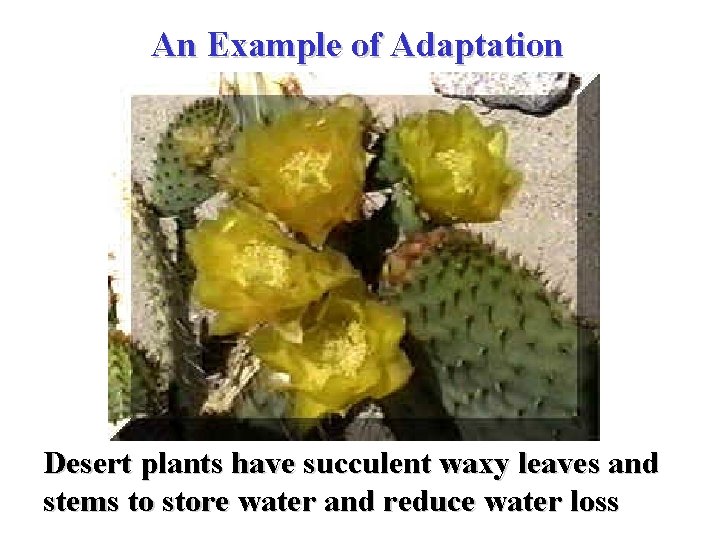
An Example of Adaptation Desert plants have succulent waxy leaves and stems to store water and reduce water loss
- Slides: 15