
Ali Long Rearing Channel Habitat Improvements Upper Methow
Ali Long Rearing Channel Habitat Improvements- Upper Methow River
Overall Goal For The Methow Subbasin “…to restore and protect the abundance, productivity, and diversity of biological communities and habitats with the Subbasin. ” Methow Subbasin Summary, Foster 2001
Additional Goals To Guide Fish, Wildlife & Habitat Activities Are- • “…use of strategies that rely on natural production and healthy habitat to achieve restoration and protection goals…” • “. . . passing on to future generations a functioning ecosystem capable of supporting self-sustaining populations of anadromous and resident fish…” Methow Subbasin Summary, Foster 2001
Yakama Nation Objective One: “Protect intact healthy habitat and restore habitat connectivity and overall habitat quality in degraded areas. ” Yakama Nation • “…improved instream base flows, …” Strategy One: • “…restore cut off side channels. . . ” • “…remove constrictions and constraints with the channel migration zone…” Methow Subbasin Summary, Foster 2001
Methow Subbasin Habitat Goal “…to restore and maintain normative biological and physical processes such that healthy indigenous populations of aquatic and terrestrial species can sustain themselves over the long-term. ” Methow Subbasin Summary, Foster 2001
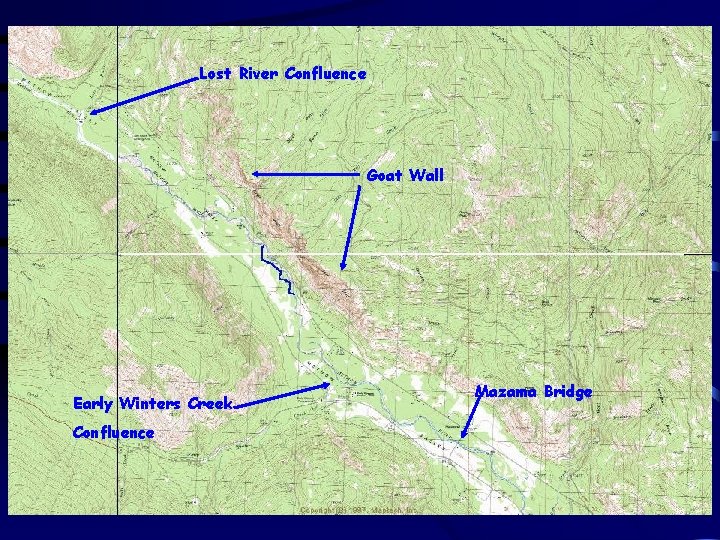
Lost River Confluence Goat Wall Early Winters Creek Confluence Mazama Bridge
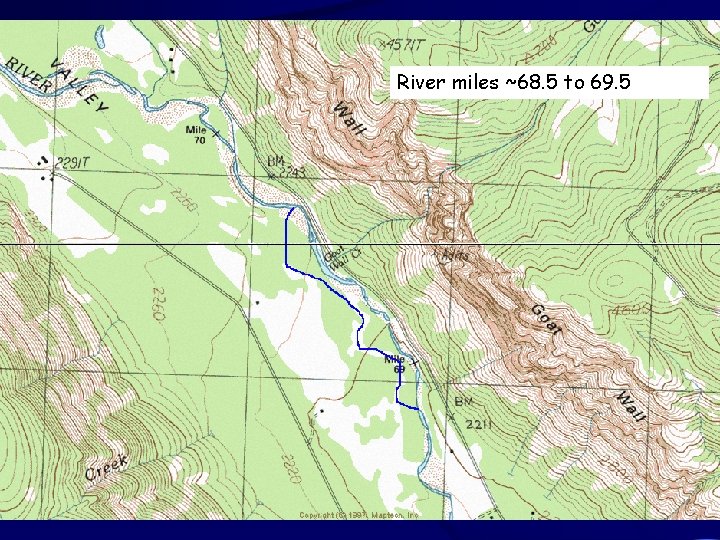
River miles ~68. 5 to 69. 5
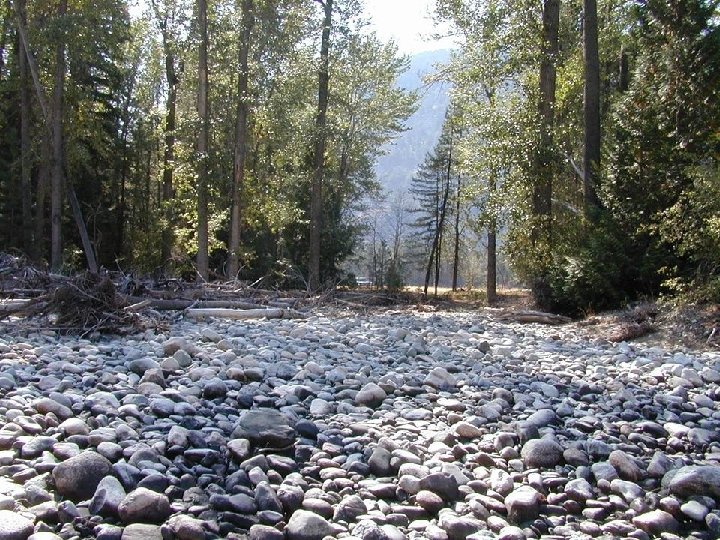
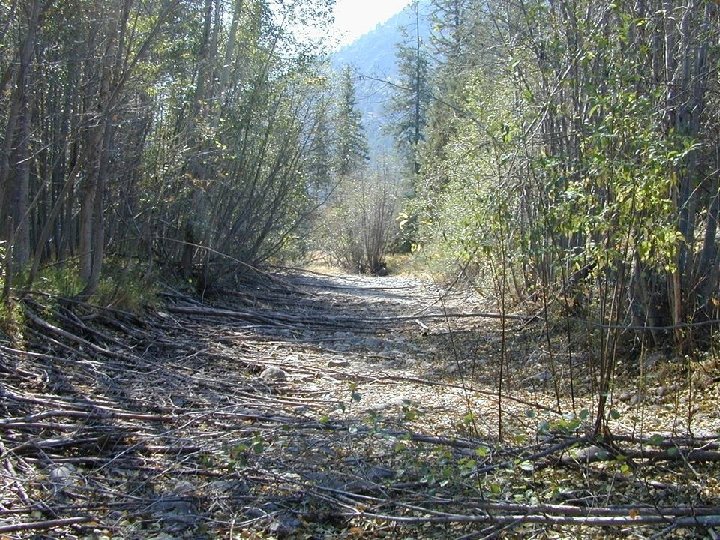
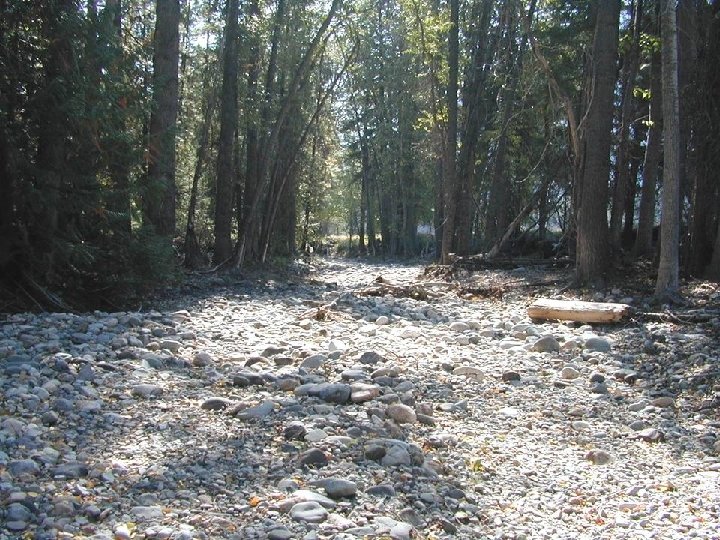
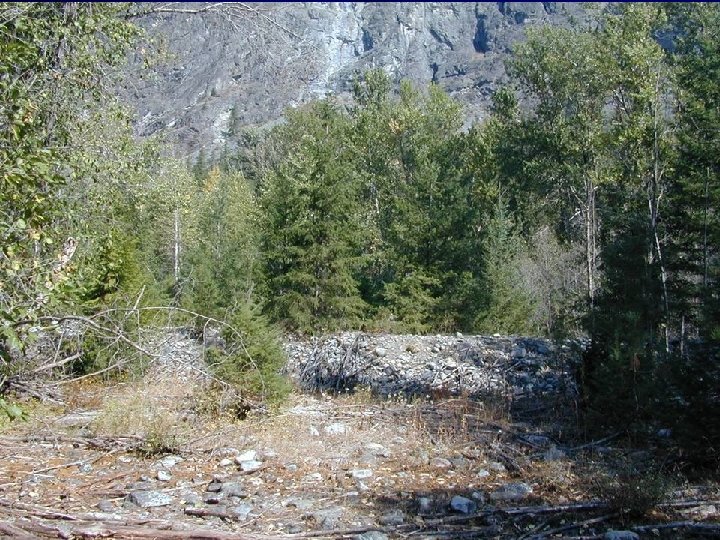
Limiting Factors Addressed- Physical • Increase floodplain conveyance. • Increase channel complexity. • Increase groundwater storage capacity.
Limiting Factors Addressed- Biological • Increase off-channel rearing capacity for newly emergent fry and parr; late March through August. Long-Term Benefits To Salmonids- ? ? ?
Project Objectives Objective 1. 1 Conduct a geomorphologic-hydrological assessment of the side channel and adjacent main channel. Objective 2. 2 Reconnect the side channel to the main channel. Objective 3. 3 Increase side channel complexity. Objective 4. 4 Monitor and evaluate project the project in terms of usage by fish and changes in channel formation of the side channel.
- Slides: 14