
Algae Michael Renfroe Algae diverse group of organisms


- Slides: 65
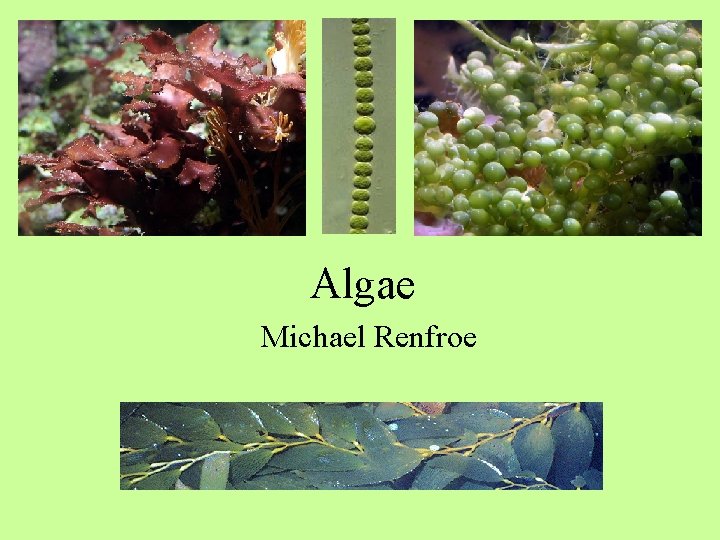
Algae Michael Renfroe
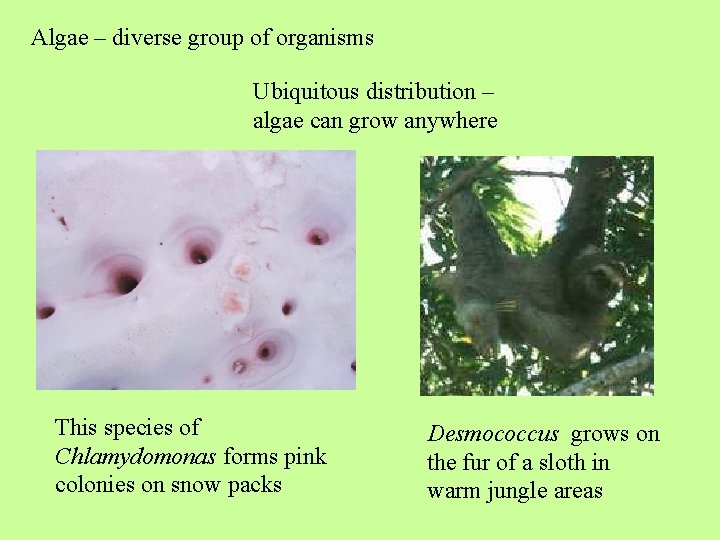
Algae – diverse group of organisms Ubiquitous distribution – algae can grow anywhere This species of Chlamydomonas forms pink colonies on snow packs Desmococcus grows on the fur of a sloth in warm jungle areas
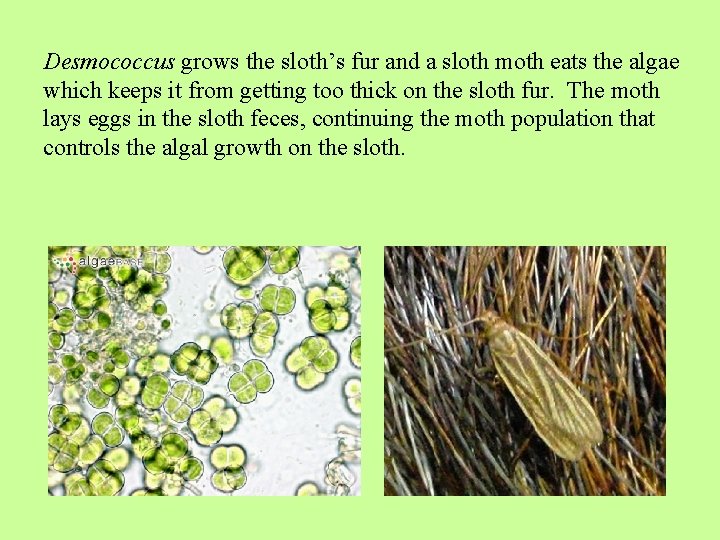
Desmococcus grows the sloth’s fur and a sloth moth eats the algae which keeps it from getting too thick on the sloth fur. The moth lays eggs in the sloth feces, continuing the moth population that controls the algal growth on the sloth.
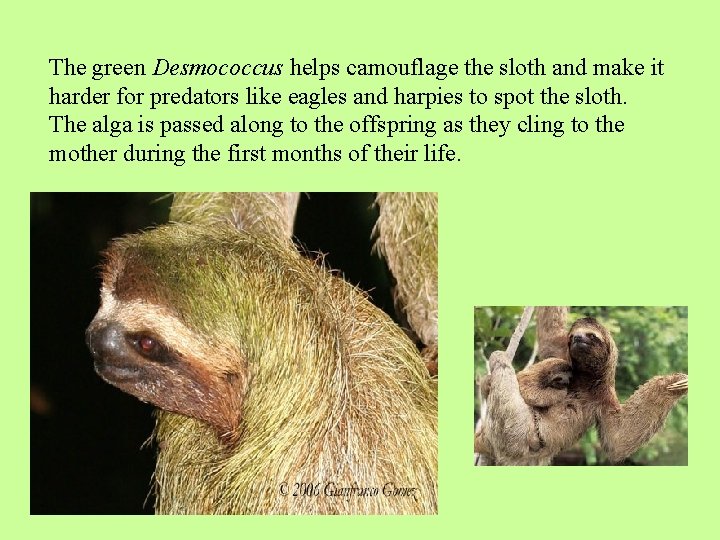
The green Desmococcus helps camouflage the sloth and make it harder for predators like eagles and harpies to spot the sloth. The alga is passed along to the offspring as they cling to the mother during the first months of their life.
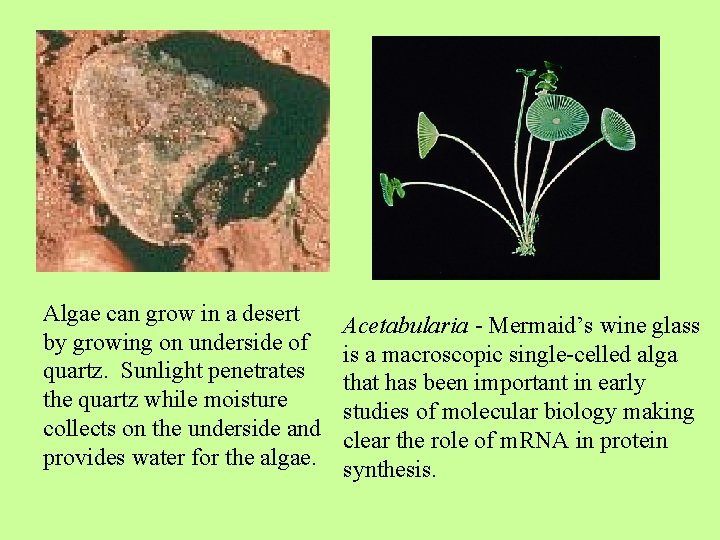
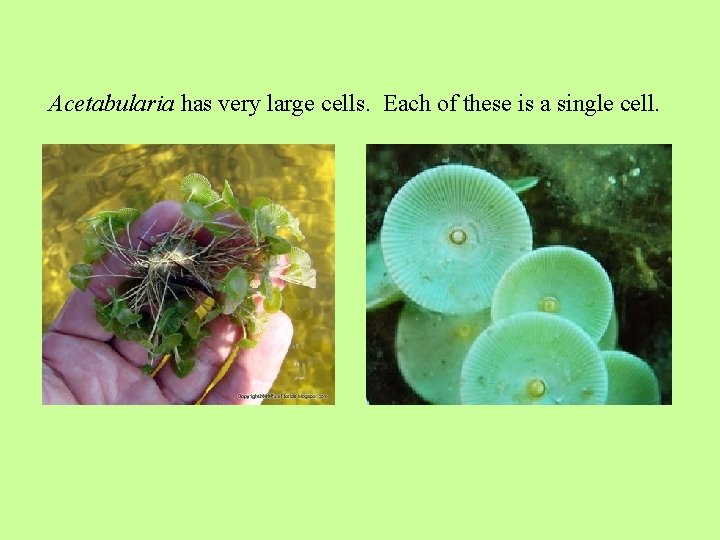
Algae can grow in a desert by growing on underside of quartz. Sunlight penetrates the quartz while moisture collects on the underside and provides water for the algae. Acetabularia - Mermaid’s wine glass is a macroscopic single-celled alga that has been important in early studies of molecular biology making clear the role of m. RNA in protein synthesis.
Acetabularia has very large cells. Each of these is a single cell.
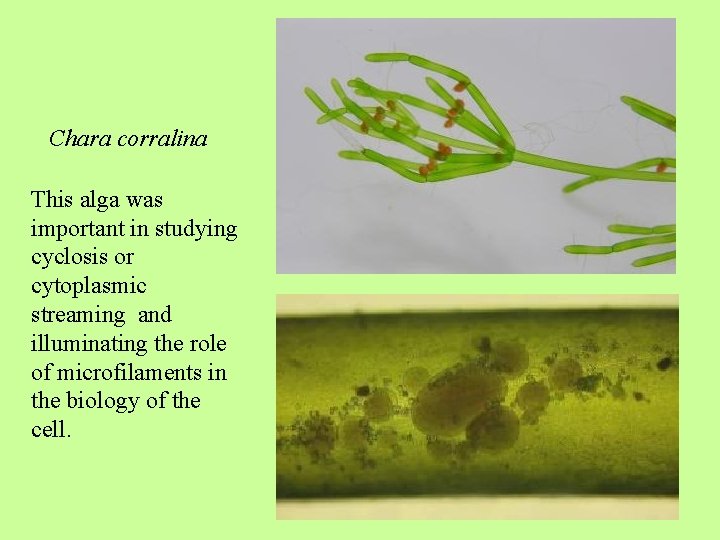
Chara corralina This alga was important in studying cyclosis or cytoplasmic streaming and illuminating the role of microfilaments in the biology of the cell.
Algae are grouped into a variety of taxonomic groupings: Prokaryotic algae – Kingdom Monera Blue-green algae: Cyanophyta or Cyanobacteria Eukaryotic algae – Kingdom Protista (Protoctista) Green algae: Chlorophyta Red algae: Rhodophyta Brown algae: Phaeophyta Golden-brown algae: Chrysophyta Dinoflagellates: Pyrrhophyta
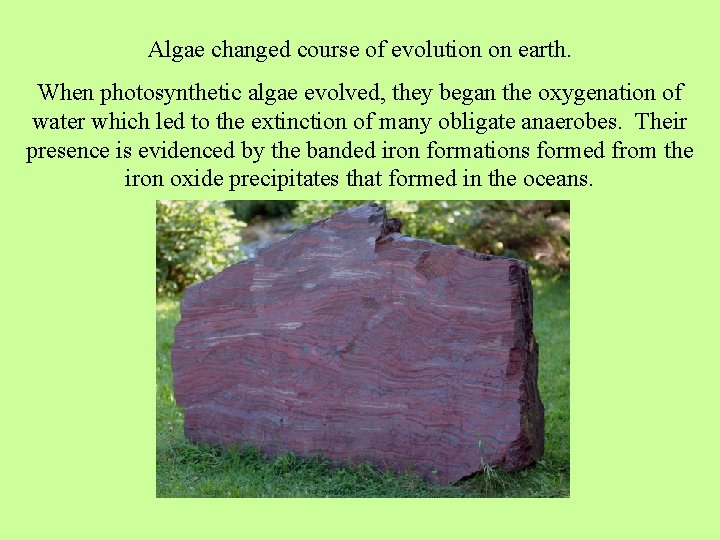
Algae changed course of evolution on earth. When photosynthetic algae evolved, they began the oxygenation of water which led to the extinction of many obligate anaerobes. Their presence is evidenced by the banded iron formations formed from the iron oxide precipitates that formed in the oceans.
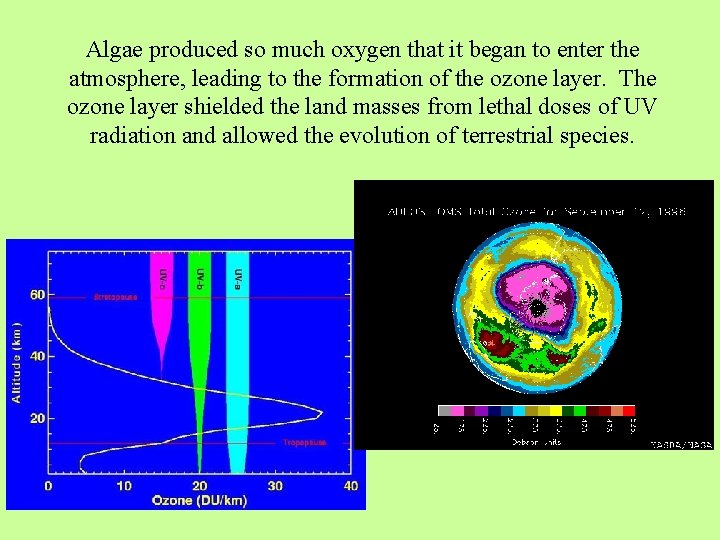
Algae produced so much oxygen that it began to enter the atmosphere, leading to the formation of the ozone layer. The ozone layer shielded the land masses from lethal doses of UV radiation and allowed the evolution of terrestrial species.
Edible Algae: Many species of algae are edible and are part of the human diet. Why eat algae? Algae components: Non-digestible structural carbohydrates (non-nutritional) Up to 25% soluble carbohydrates and proteins (nutritional) Vitamins A, B 12, C, D, E, riboflavin, niacin, pantothenic acid, folic acid (nutritional) Iodine (nutritional)
Of 160 spp. of algae used for food, 3 genera are most important Porphyra Laminaria Undaria
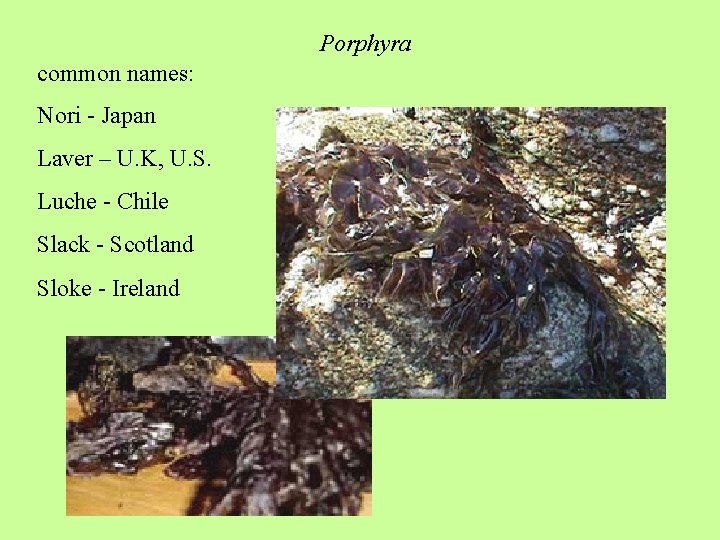
Porphyra common names: Nori - Japan Laver – U. K, U. S. Luche - Chile Slack - Scotland Sloke - Ireland
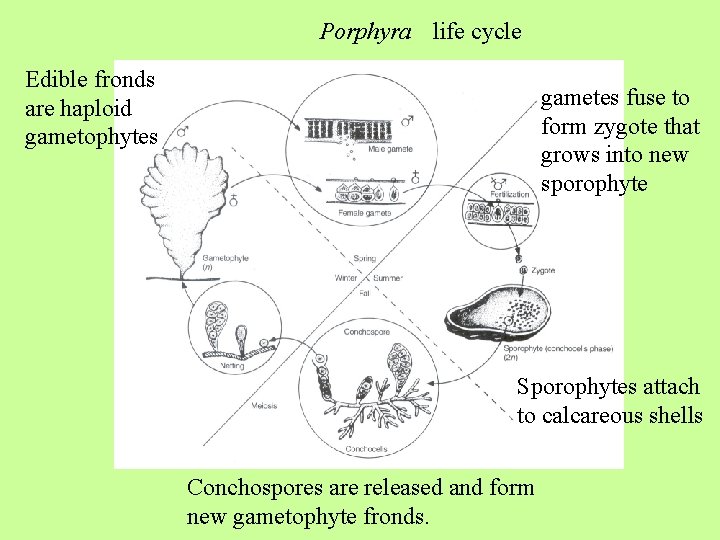
Porphyra life cycle Edible fronds are haploid gametophytes gametes fuse to form zygote that grows into new sporophyte Sporophytes attach to calcareous shells Conchospores are released and form new gametophyte fronds.
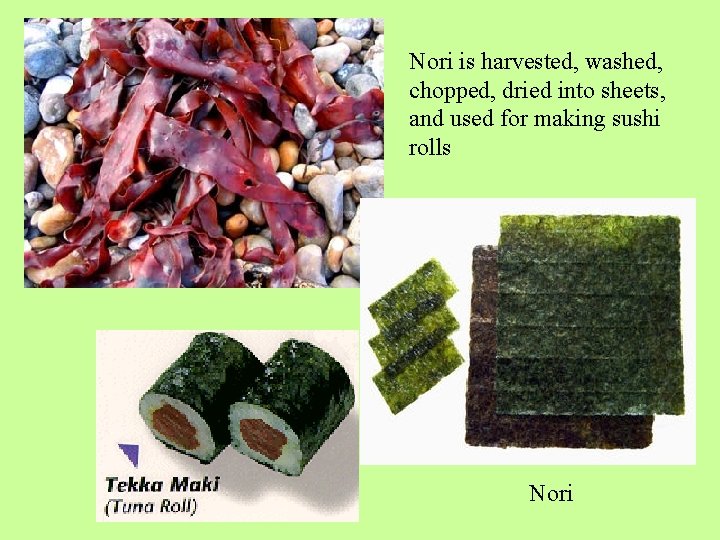
Nori is harvested, washed, chopped, dried into sheets, and used for making sushi rolls Nori
sushi prepared in traditional bamboo roller
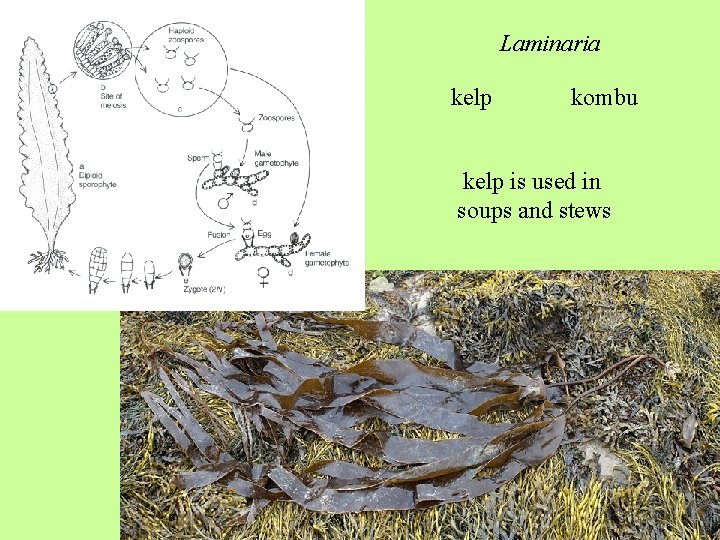
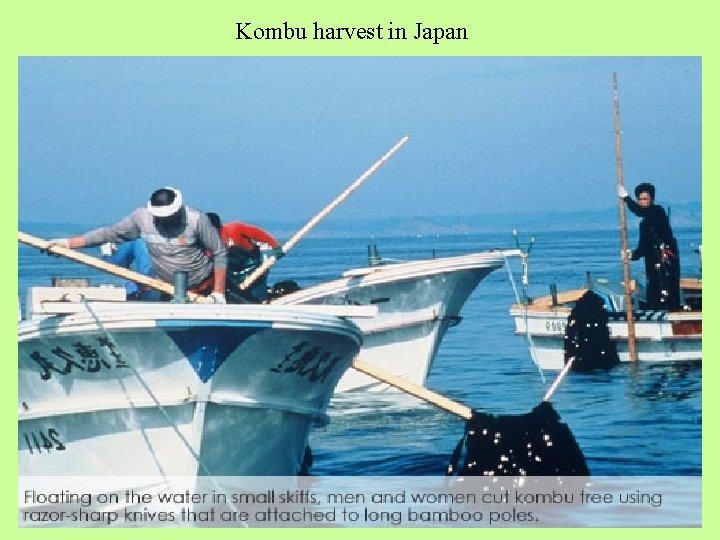
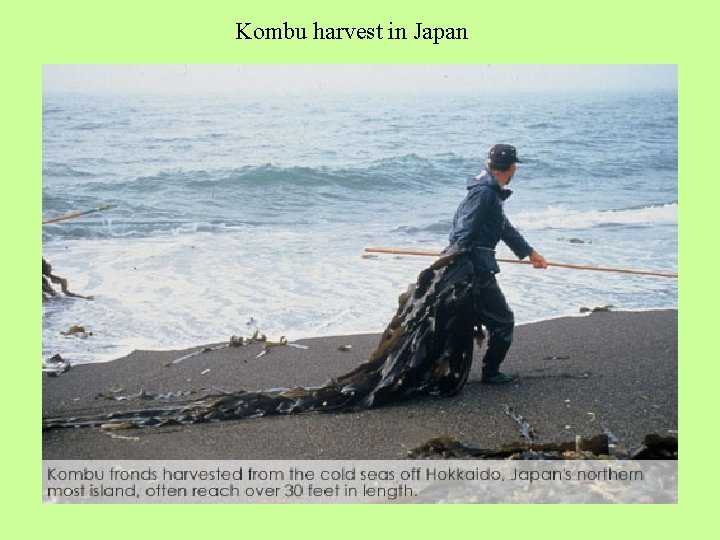
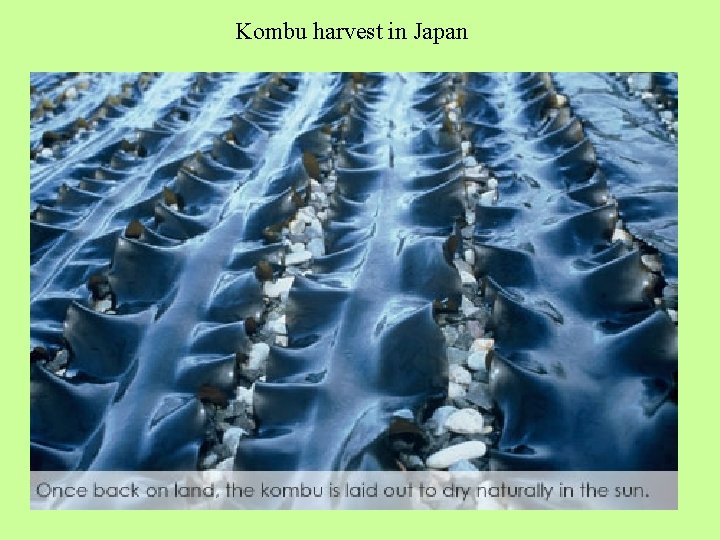
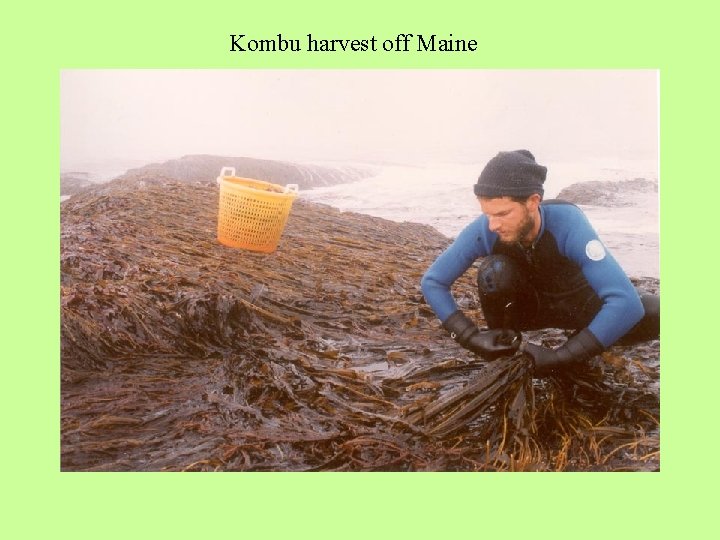
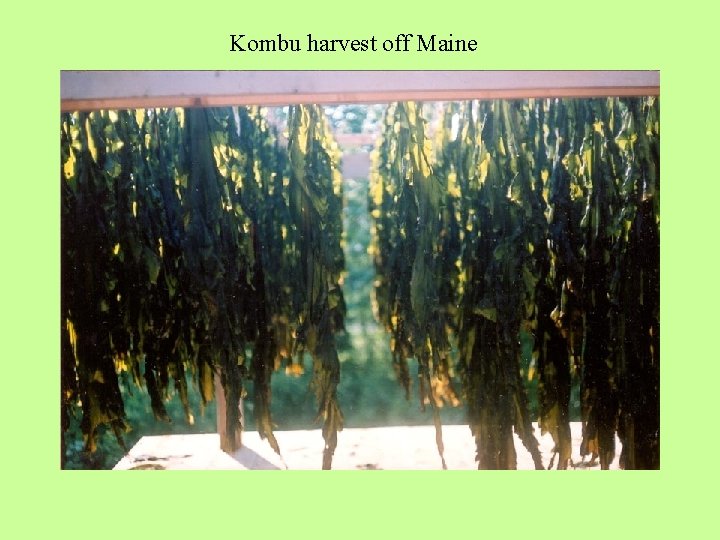
Laminaria kelp kombu kelp is used in soups and stews
Kombu harvest in Japan
Kombu harvest in Japan
Kombu harvest in Japan
Kombu harvest off Maine
Kombu harvest off Maine
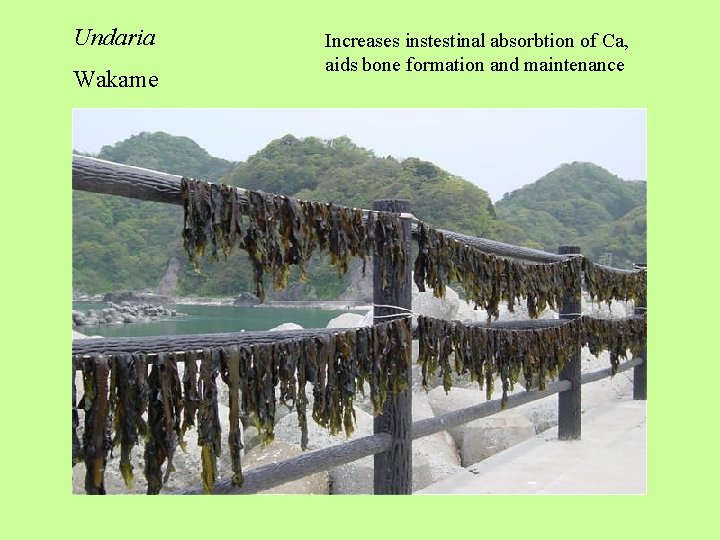
Undaria Wakame Increases instestinal absorbtion of Ca, aids bone formation and maintenance
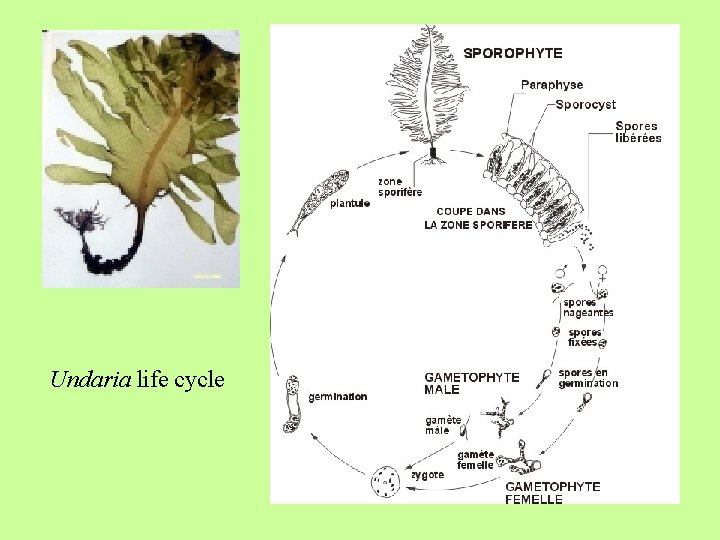
Undaria life cycle
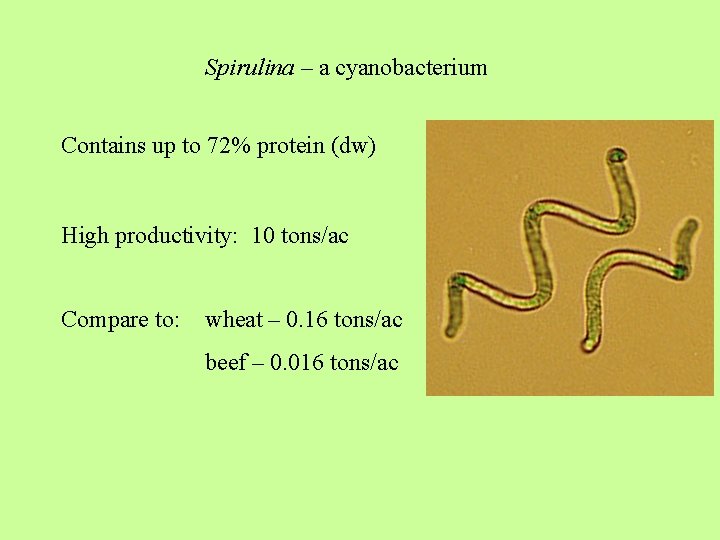
Spirulina – a cyanobacterium Contains up to 72% protein (dw) High productivity: 10 tons/ac Compare to: wheat – 0. 16 tons/ac beef – 0. 016 tons/ac
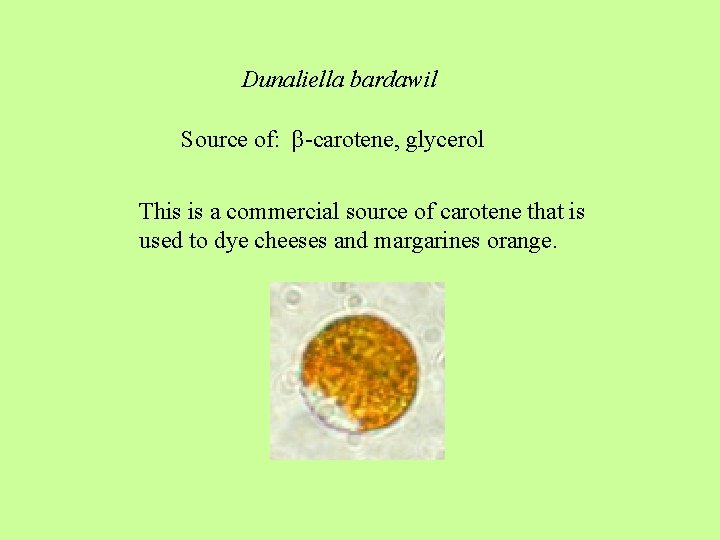
Dunaliella bardawil Source of: β-carotene, glycerol This is a commercial source of carotene that is used to dye cheeses and margarines orange.
Industrial uses of algae - Phycocolloids Algae are the source of chemicals that have many industrial and commercial uses. These chemicals are water soluble or stay suspended in aqueous solutions. The three main classes of phycocolloids are: Alginates Carrageenans Agars
Alginates Algae Sources: Macrocystis Laminaria Ascophyllum Ecklonia Durvillea Composed of alginic acid and salts Absorbs 200 -300 X own wt in water Mainly mannuronic and guluronic acids
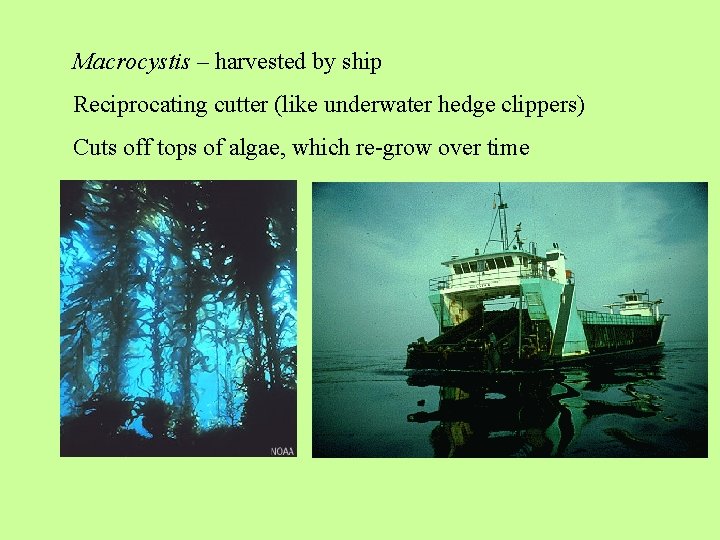
Macrocystis – harvested by ship Reciprocating cutter (like underwater hedge clippers) Cuts off tops of algae, which re-grow over time
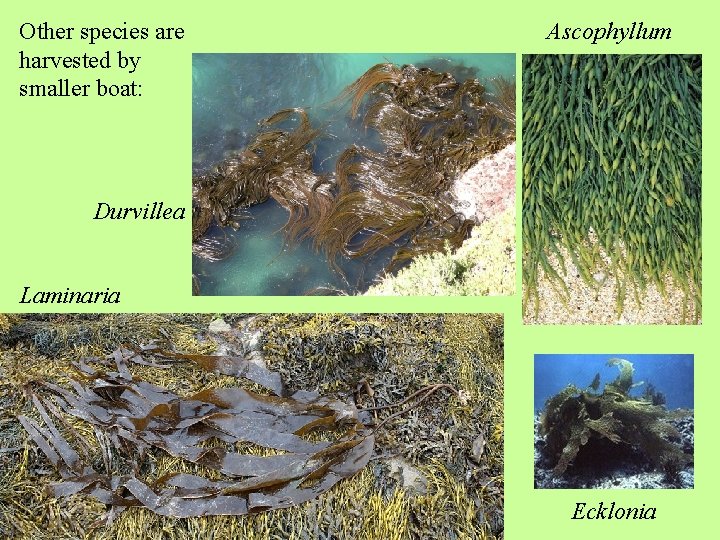
Other species are harvested by smaller boat: Ascophyllum Durvillea Laminaria Ecklonia
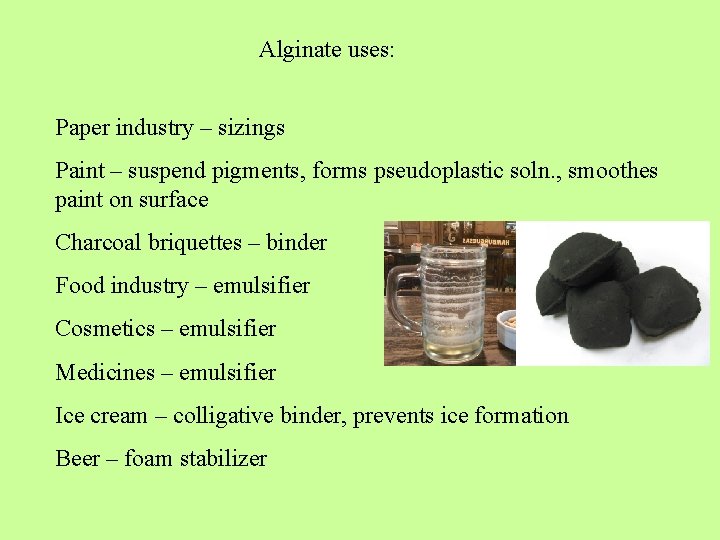
Alginate uses: Paper industry – sizings Paint – suspend pigments, forms pseudoplastic soln. , smoothes paint on surface Charcoal briquettes – binder Food industry – emulsifier Cosmetics – emulsifier Medicines – emulsifier Ice cream – colligative binder, prevents ice formation Beer – foam stabilizer
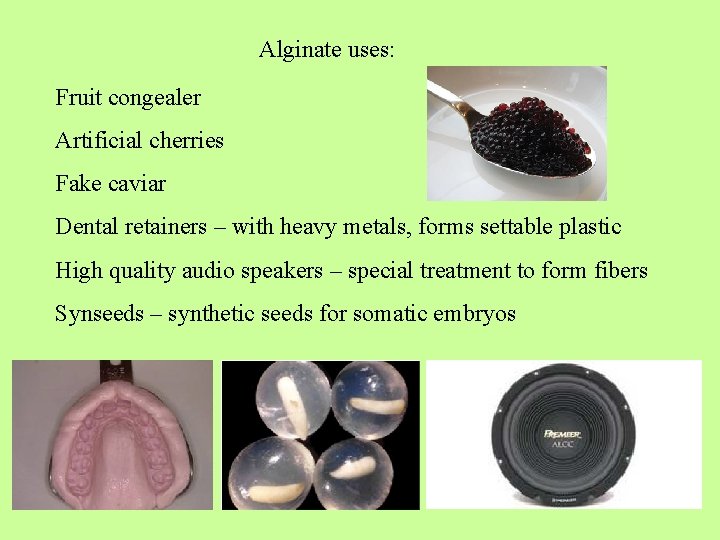
Alginate uses: Fruit congealer Artificial cherries Fake caviar Dental retainers – with heavy metals, forms settable plastic High quality audio speakers – special treatment to form fibers Synseeds – synthetic seeds for somatic embryos
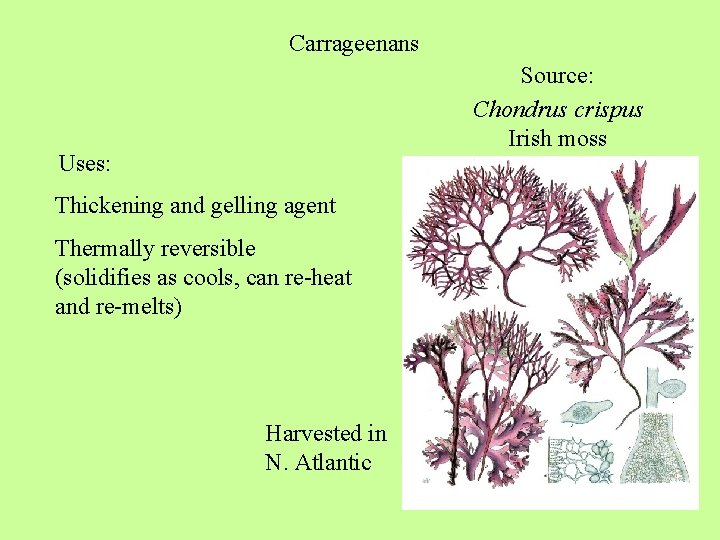
Carrageenans Source: Chondrus crispus Irish moss Uses: Thickening and gelling agent Thermally reversible (solidifies as cools, can re-heat and re-melts) Harvested in N. Atlantic
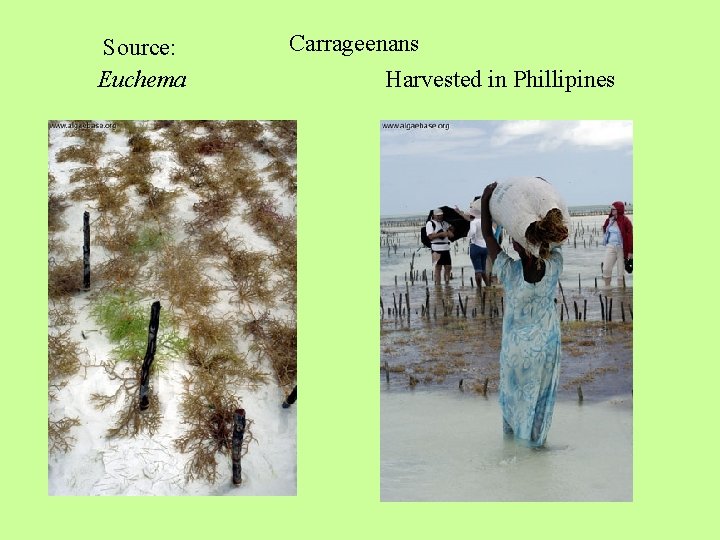
Source: Euchema Carrageenans Harvested in Phillipines
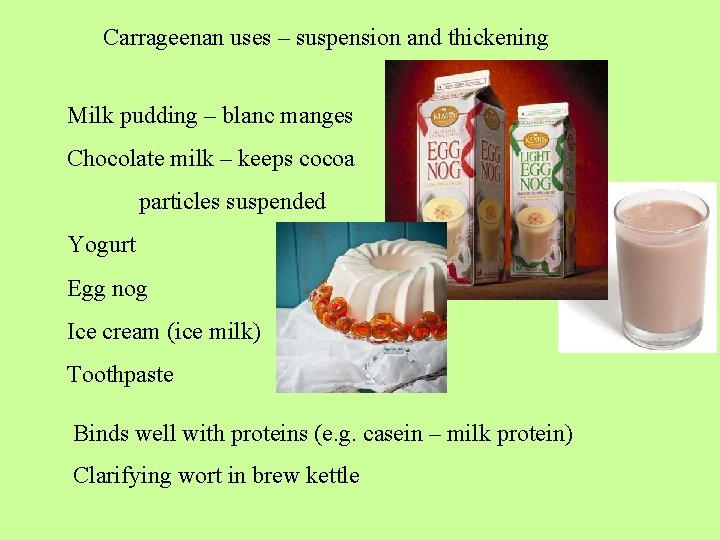
Carrageenan uses – suspension and thickening Milk pudding – blanc manges Chocolate milk – keeps cocoa particles suspended Yogurt Egg nog Ice cream (ice milk) Toothpaste Binds well with proteins (e. g. casein – milk protein) Clarifying wort in brew kettle
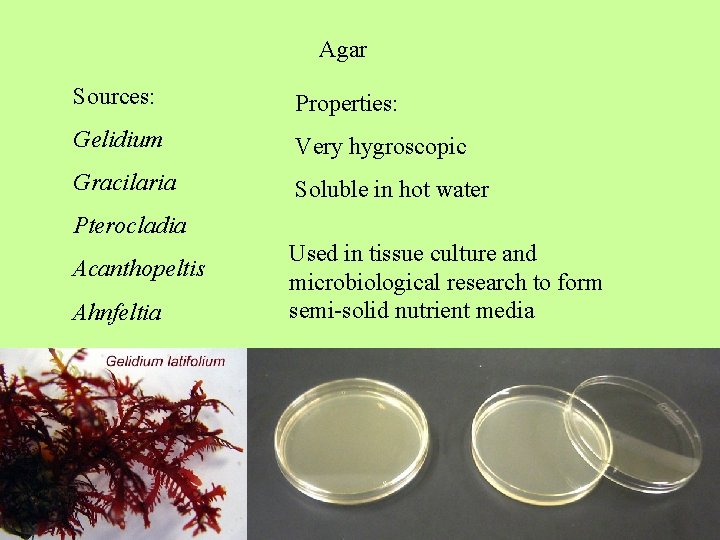
Agar Sources: Properties: Gelidium Very hygroscopic Gracilaria Soluble in hot water Pterocladia Acanthopeltis Ahnfeltia Used in tissue culture and microbiological research to form semi-solid nutrient media
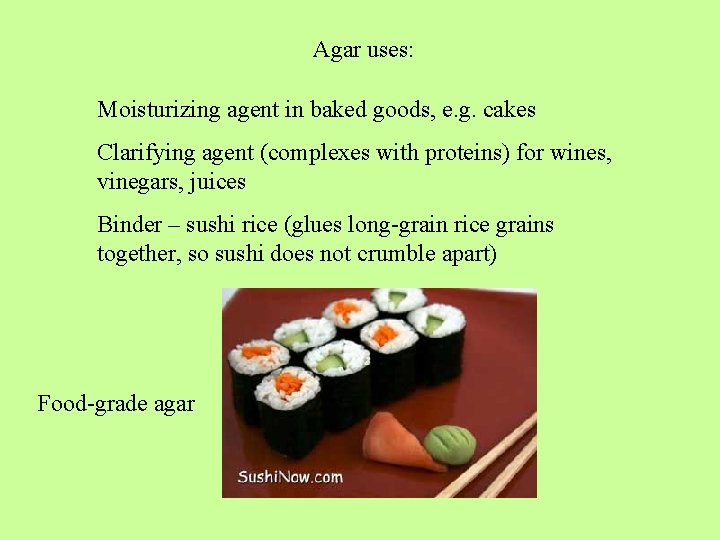
Agar uses: Moisturizing agent in baked goods, e. g. cakes Clarifying agent (complexes with proteins) for wines, vinegars, juices Binder – sushi rice (glues long-grain rice grains together, so sushi does not crumble apart) Food-grade agar
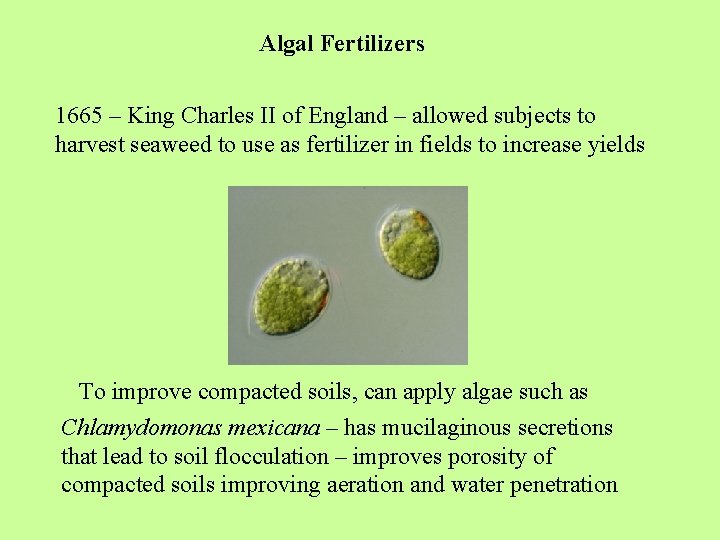
Algal Fertilizers 1665 – King Charles II of England – allowed subjects to harvest seaweed to use as fertilizer in fields to increase yields To improve compacted soils, can apply algae such as Chlamydomonas mexicana – has mucilaginous secretions that lead to soil flocculation – improves porosity of compacted soils improving aeration and water penetration
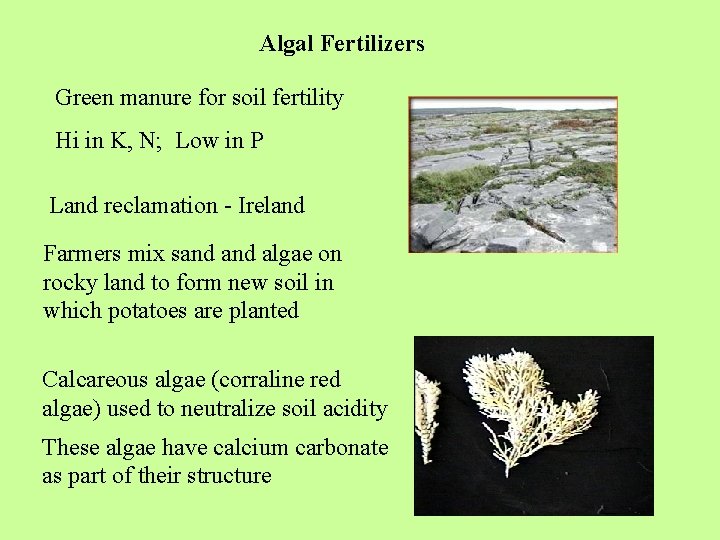
Algal Fertilizers Green manure for soil fertility Hi in K, N; Low in P Land reclamation - Ireland Farmers mix sand algae on rocky land to form new soil in which potatoes are planted Calcareous algae (corraline red algae) used to neutralize soil acidity These algae have calcium carbonate as part of their structure
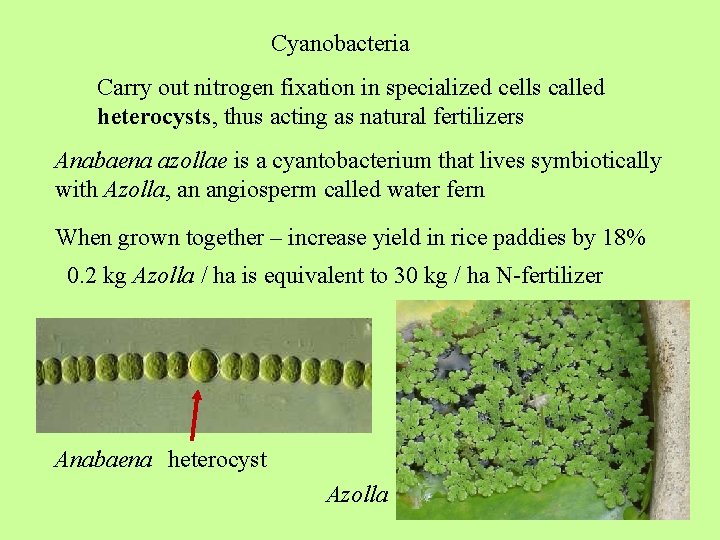
Cyanobacteria Carry out nitrogen fixation in specialized cells called heterocysts, thus acting as natural fertilizers Anabaena azollae is a cyantobacterium that lives symbiotically with Azolla, an angiosperm called water fern When grown together – increase yield in rice paddies by 18% 0. 2 kg Azolla / ha is equivalent to 30 kg / ha N-fertilizer Anabaena heterocyst Azolla
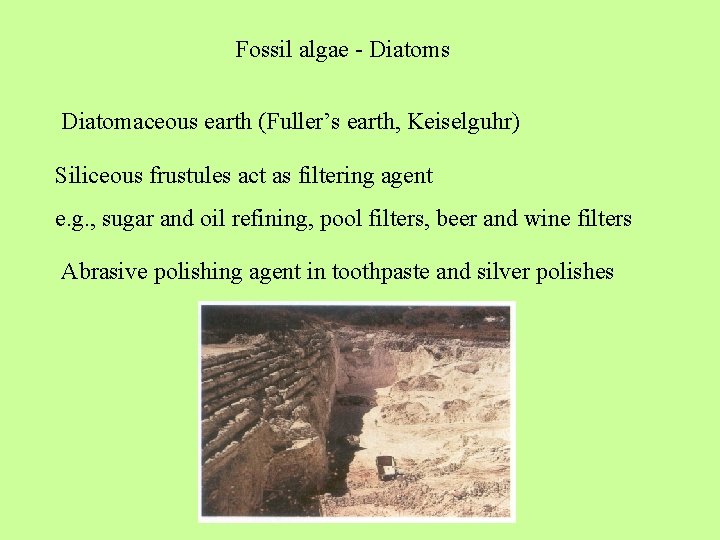
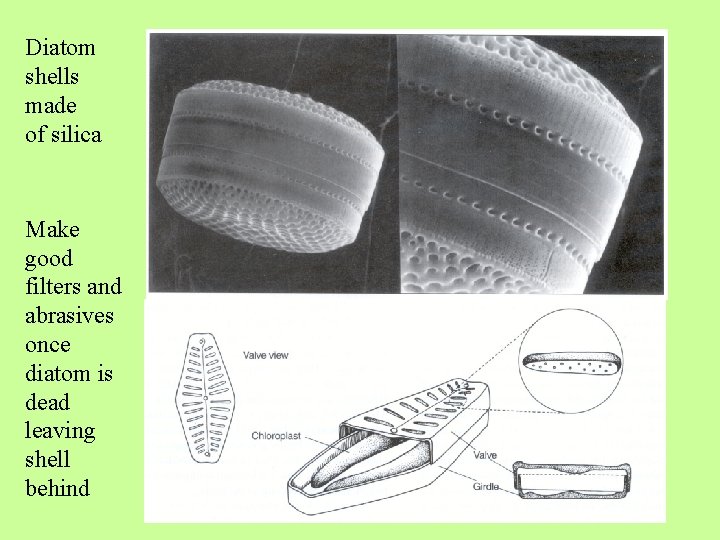
Fossil algae - Diatoms Diatomaceous earth (Fuller’s earth, Keiselguhr) Siliceous frustules act as filtering agent e. g. , sugar and oil refining, pool filters, beer and wine filters Abrasive polishing agent in toothpaste and silver polishes
Diatom shells made of silica Make good filters and abrasives once diatom is dead leaving shell behind
Wastewater Treatment Algae are very important in wastewater treatment for water purification and reducing biological oxygen demand (BOD) of wastewaters so they can be discharged into rivers without adverse consequences. When bacteria and fungi grow, they have to have oxygen to support their respiration, so they create a biological oxygen demand. Algae photosynthesize and add oxygen back to the water, lowering the BOD value, keeping the water oxygenated so that it can support fish and other aquatic organisms.
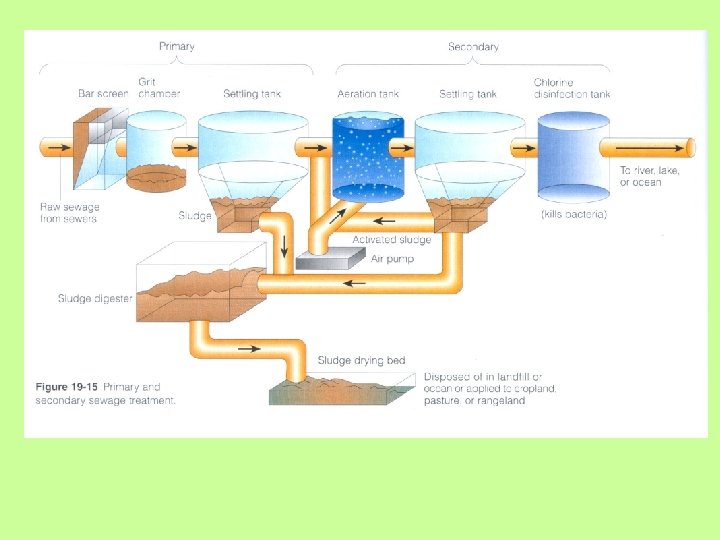
Wastewater Treatment Primary treatment – solids settle out Secondary treatment – fungi and bacteria digest soluble organic fraction, flocculate to form sludge and fall out as solid residue. By reducing the nutrients in the water that would cause microbes to grow in the river, treatment has reduced BOD in the discharge water. Tertiary treatment – use algal/bacterial mixture to treat sewage. Algae add oxygen, keeps bacteria growing longer, mixture reduces BOD by 90%, reduces N & P by 80%, so discharged water is even cleaner and carrying less nutrients that would cause problems in the rivers.
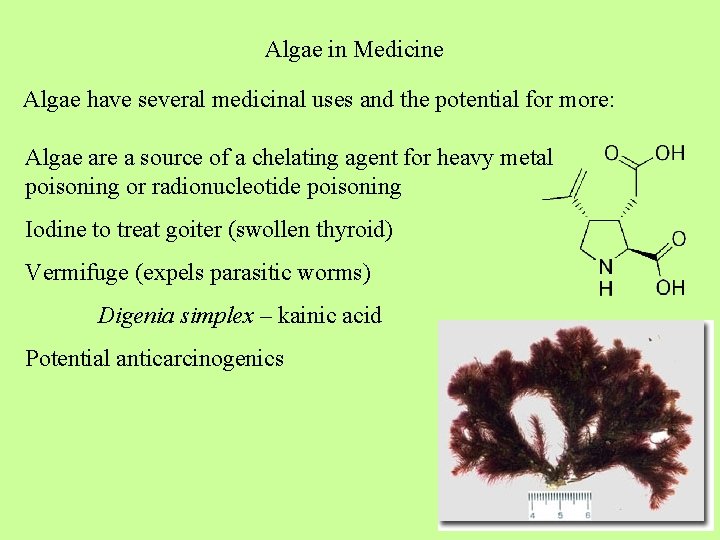
Algae in Medicine Algae have several medicinal uses and the potential for more: Algae are a source of a chelating agent for heavy metal poisoning or radionucleotide poisoning Iodine to treat goiter (swollen thyroid) Vermifuge (expels parasitic worms) Digenia simplex – kainic acid Potential anticarcinogenics
Toxins from Algae Unfortunately, there are some species of algae that are harmful to human health. Effects: Direct- can act directly on human physiology Indirect – can cause fish kills Indirect – can accumulate in filter feeders and poison humans Algal blooms – proliferations in algal populations caused by (1) upwellings of nutrient rich waters or (2) heavy rains washing phosphates into ocean
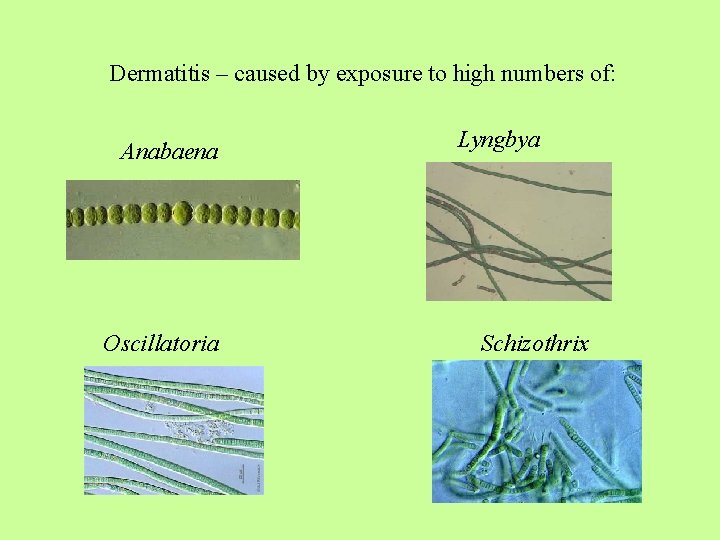
Dermatitis – caused by exposure to high numbers of: Anabaena Oscillatoria Lyngbya Schizothrix
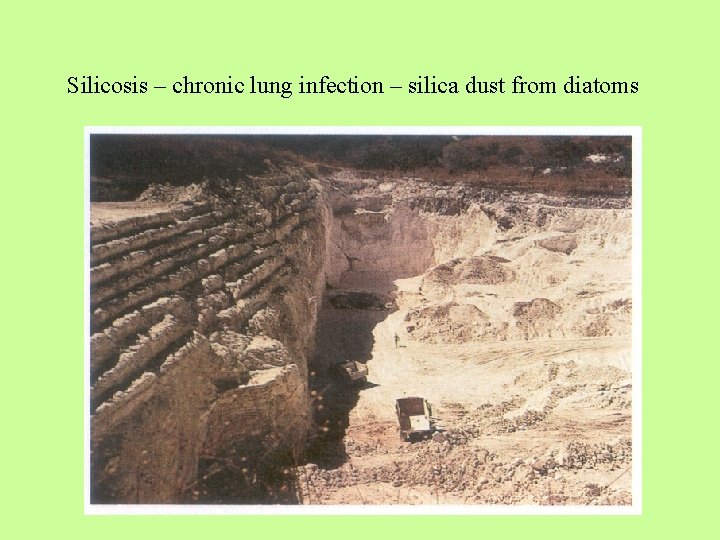
Silicosis – chronic lung infection – silica dust from diatoms
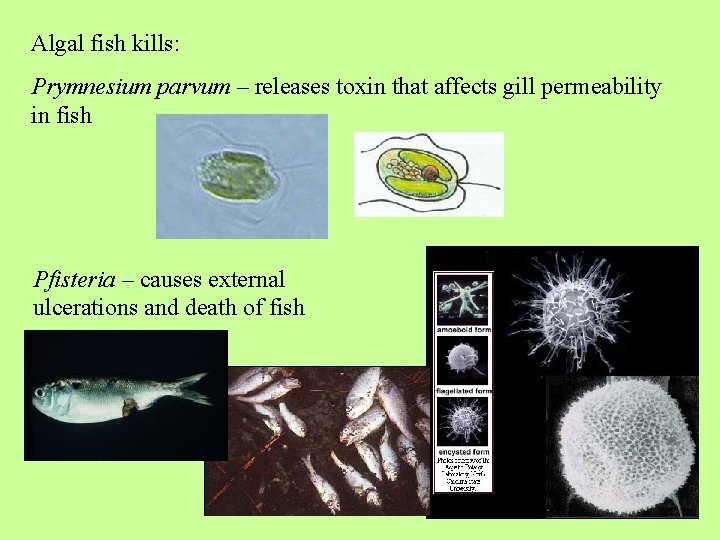
Algal fish kills: Prymnesium parvum – releases toxin that affects gill permeability in fish Pfisteria – causes external ulcerations and death of fish
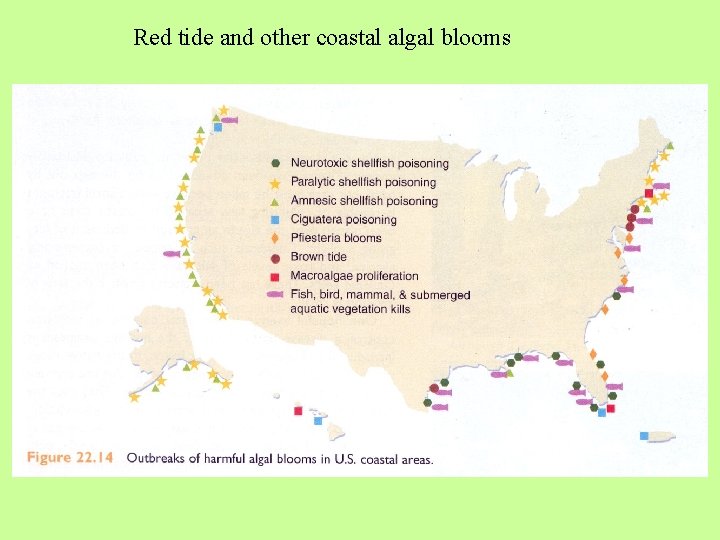
Red tides – caused by overabundance of dinoflagellates Dinoflagellates can release toxins into the waters causing: Paralytic Shellfish Poisoning (PSP) Nausea, vomiting, diarrhea, tingling in extremities, disorientation, paralysis and death Neurotoxic Shellfish Poisoning (NSP) Numbness and food poisoning symptoms (usu. non-fatal) Ciguatera Poisoning Toxins accumulate in organs of coral reef fish, consumption leads to nausea, abdominal cramps, muscle weakness
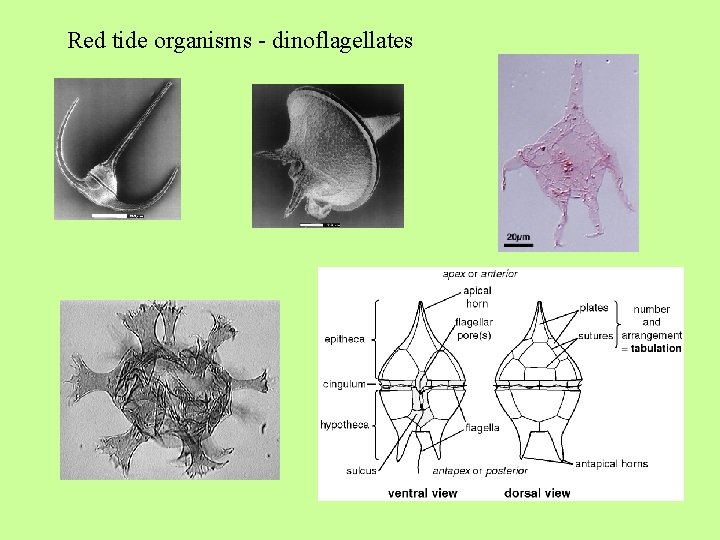
Red tide organisms - dinoflagellates
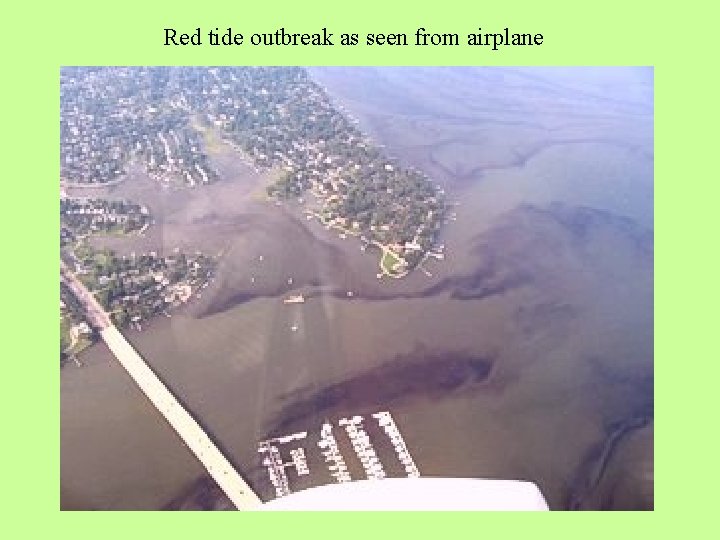
Red tide outbreak as seen from airplane
Red tide and other coastal algal blooms
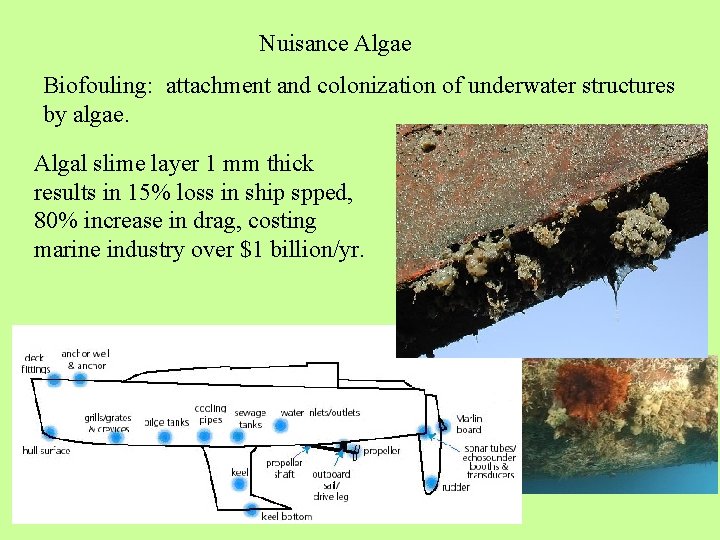
Nuisance Algae Biofouling: attachment and colonization of underwater structures by algae. Algal slime layer 1 mm thick results in 15% loss in ship spped, 80% increase in drag, costing marine industry over $1 billion/yr.
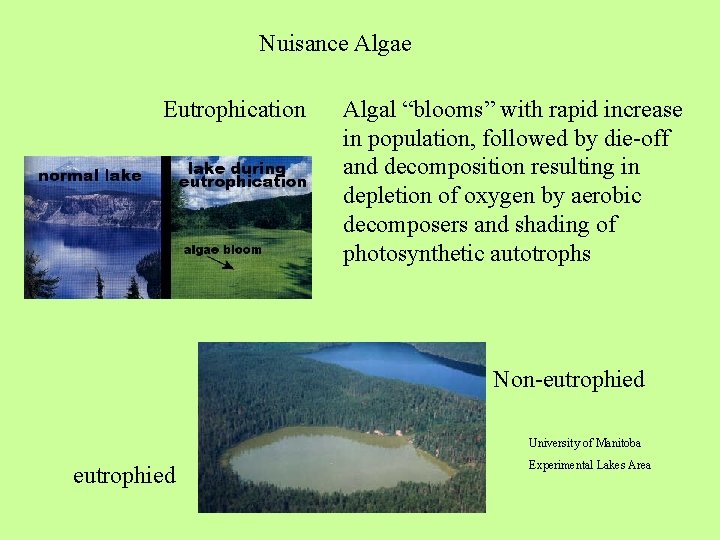
Nuisance Algae Eutrophication Algal “blooms” with rapid increase in population, followed by die-off and decomposition resulting in depletion of oxygen by aerobic decomposers and shading of photosynthetic autotrophs Non-eutrophied University of Manitoba eutrophied Experimental Lakes Area
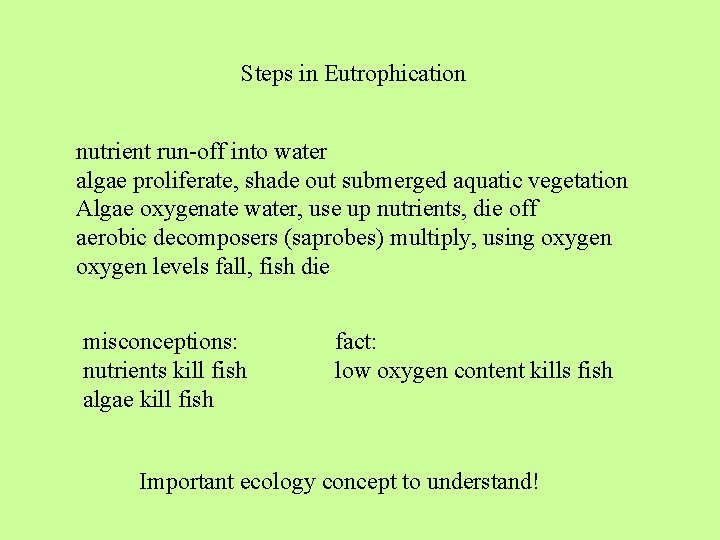
Steps in Eutrophication nutrient run-off into water algae proliferate, shade out submerged aquatic vegetation Algae oxygenate water, use up nutrients, die off aerobic decomposers (saprobes) multiply, using oxygen levels fall, fish die misconceptions: nutrients kill fish algae kill fish fact: low oxygen content kills fish Important ecology concept to understand!
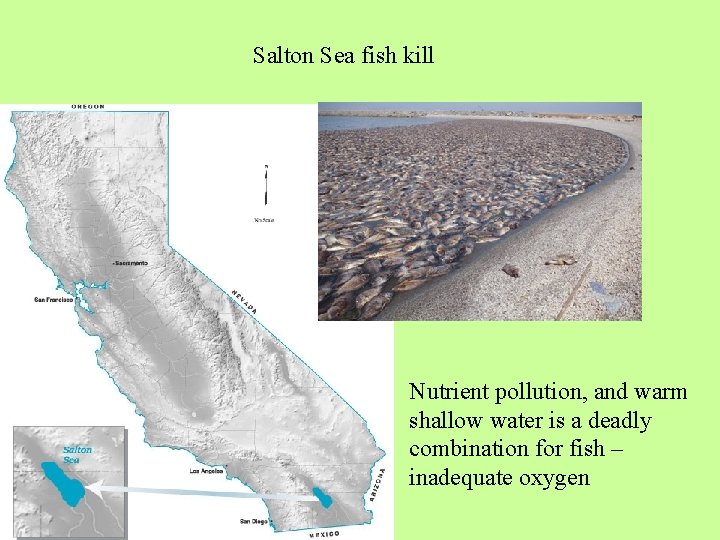
Salton Sea fish kill Nutrient pollution, and warm shallow water is a deadly combination for fish – inadequate oxygen
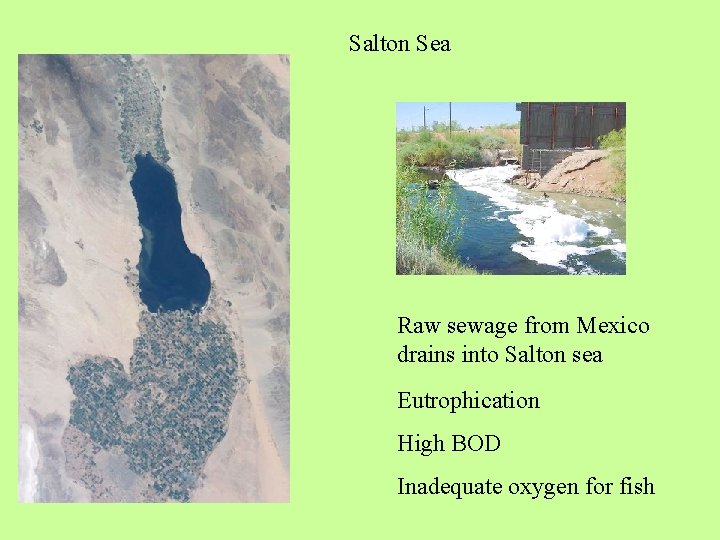
Salton Sea Raw sewage from Mexico drains into Salton sea Eutrophication High BOD Inadequate oxygen for fish
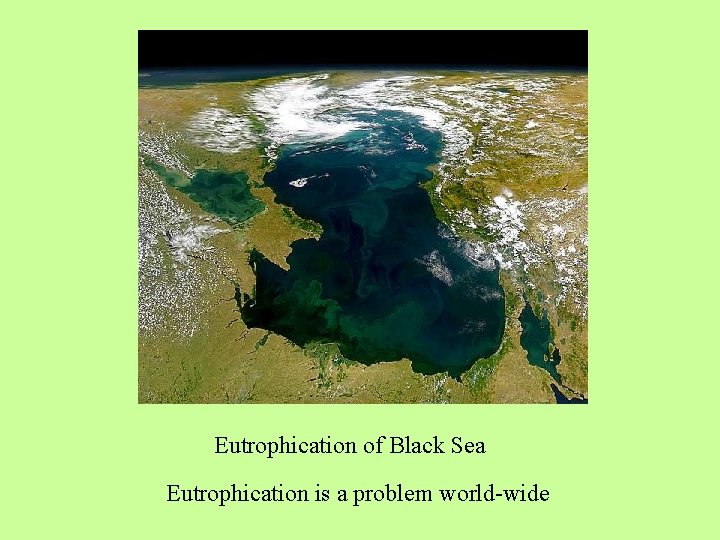
Eutrophication of Black Sea Eutrophication is a problem world-wide
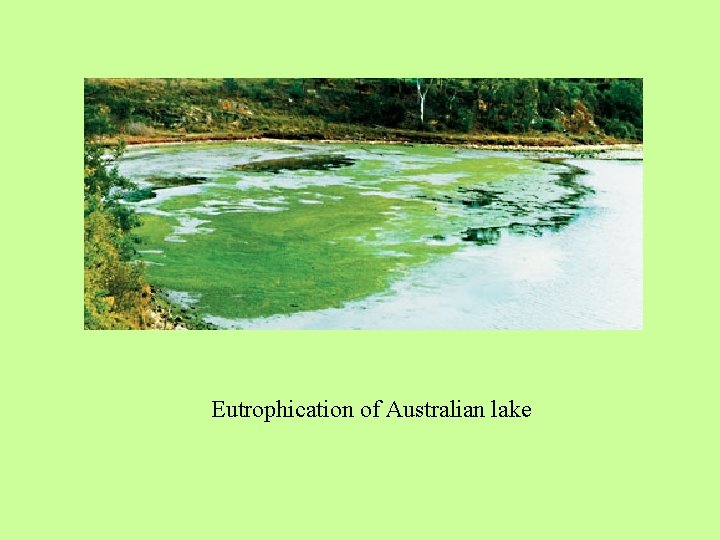
Eutrophication of Australian lake
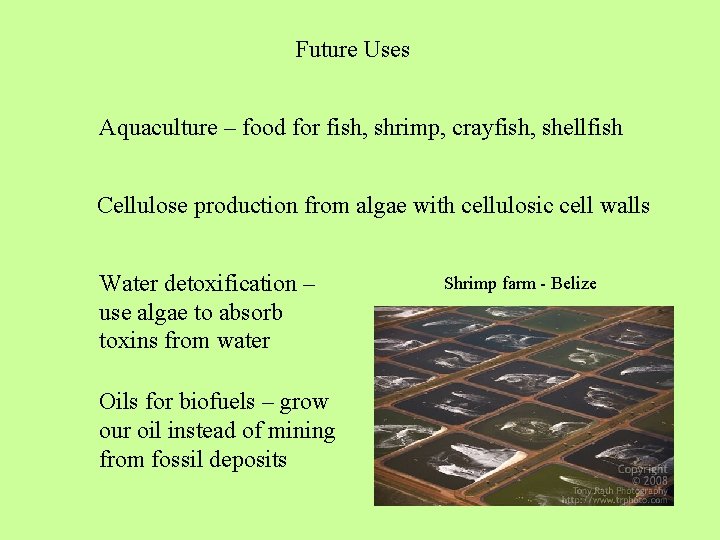
Future Uses Aquaculture – food for fish, shrimp, crayfish, shellfish Cellulose production from algae with cellulosic cell walls Water detoxification – use algae to absorb toxins from water Oils for biofuels – grow our oil instead of mining from fossil deposits Shrimp farm - Belize
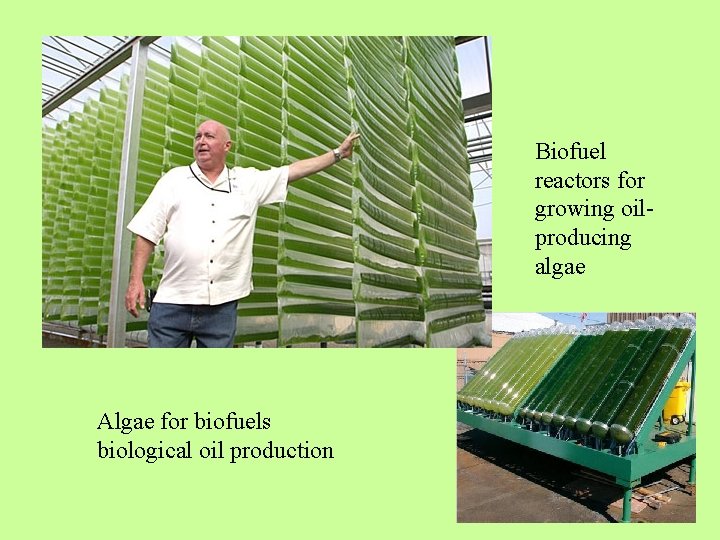
Biofuel reactors for growing oilproducing algae Algae for biofuels biological oil production
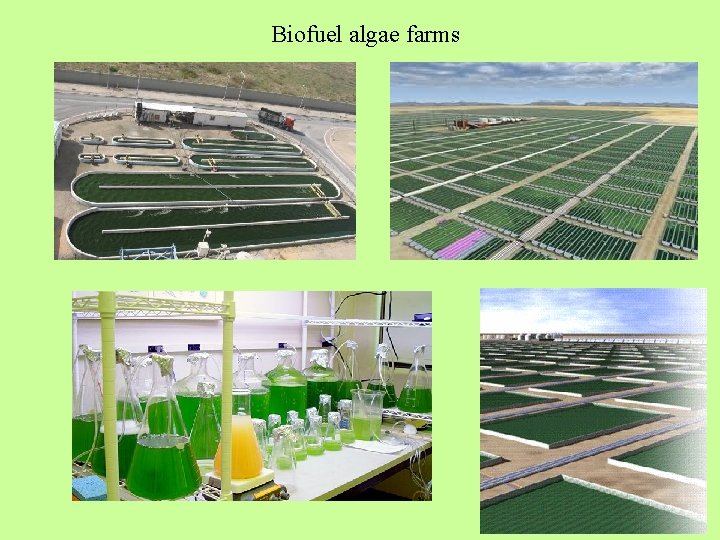
Biofuel algae farms
Algae not only made human life possible by altering the early earth’s atmosphere and making terrestrial life possible, algae continue to provide us with food, medicine, and many commercial products that enrich our lives, support the economy, and keep ecosystems healthy. It is when the ecology gets out of balance, that algae can be harmful to humans and other organisms and cause bad things to happen. Humans must learn to maintain healthy ecosystems if we wish to have a place in the environment and continue our species. The end