
Algae Biofuel Part 2 The Dynamics of Growth
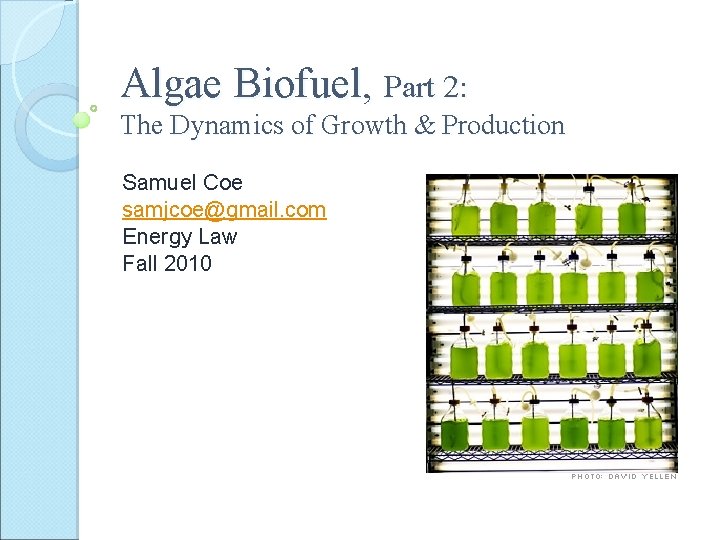
Algae Biofuel, Part 2: The Dynamics of Growth & Production Samuel Coe samjcoe@gmail. com Energy Law Fall 2010

Overview �Algae Cultivation ◦ Open Pond, Photobioreator and Hybrid Systems �Finding the Right Algae ◦ Aquatic Species Program �Genetic Engineering ◦ Regulatory Complications �Patent Protection �U. S. Government Algae Policy ◦ International Influence �Future Predictions
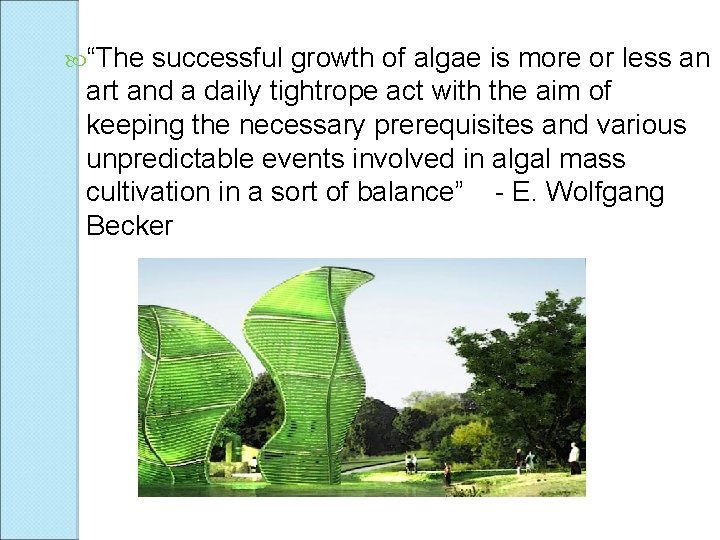
“The successful growth of algae is more or less an art and a daily tightrope act with the aim of keeping the necessary prerequisites and various unpredictable events involved in algal mass cultivation in a sort of balance” - E. Wolfgang Becker
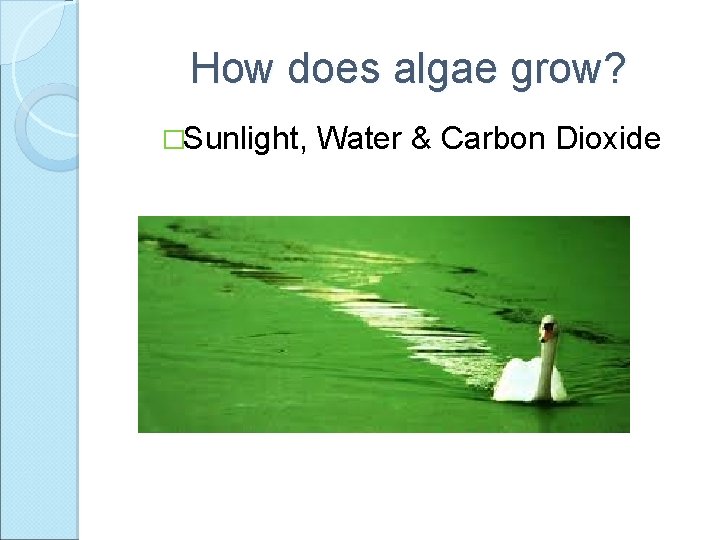
How does algae grow? �Sunlight, Water & Carbon Dioxide
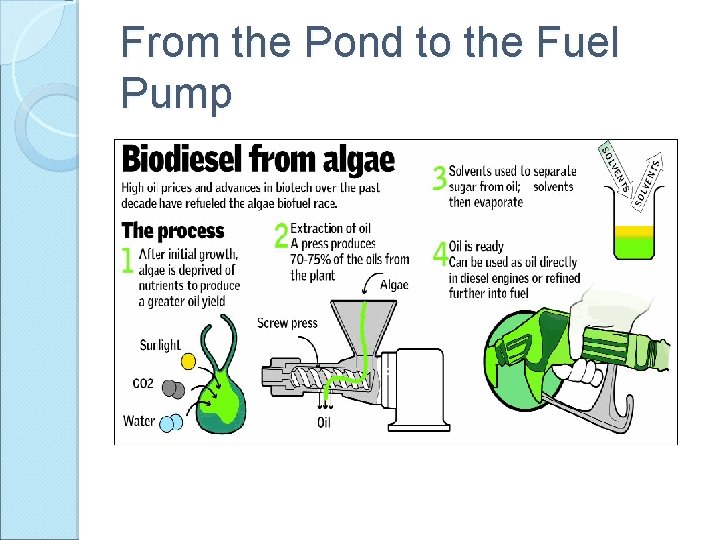
From the Pond to the Fuel Pump

Open Pond Systems
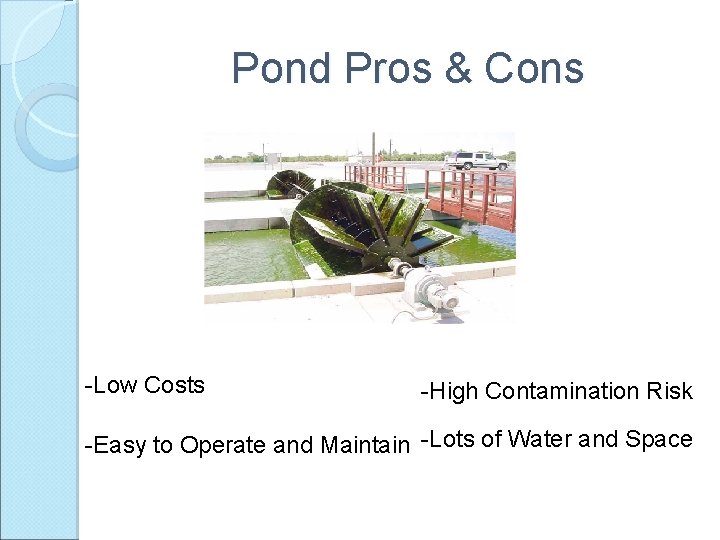
Pond Pros & Cons -Low Costs -High Contamination Risk -Easy to Operate and Maintain -Lots of Water and Space
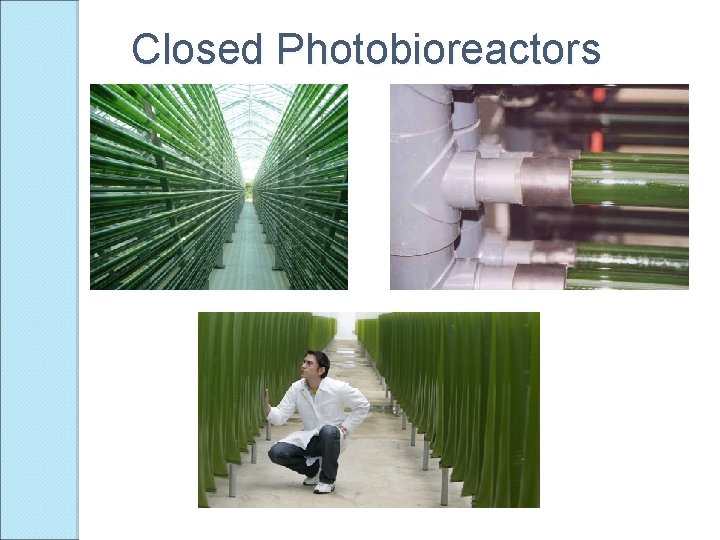
Closed Photobioreactors
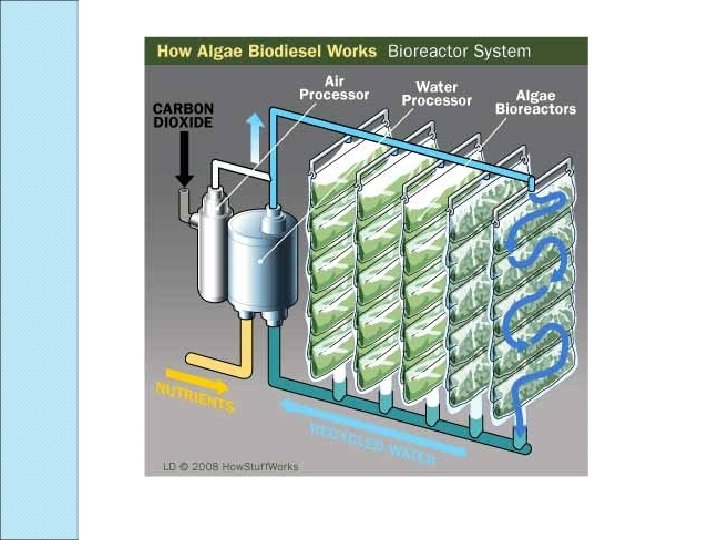
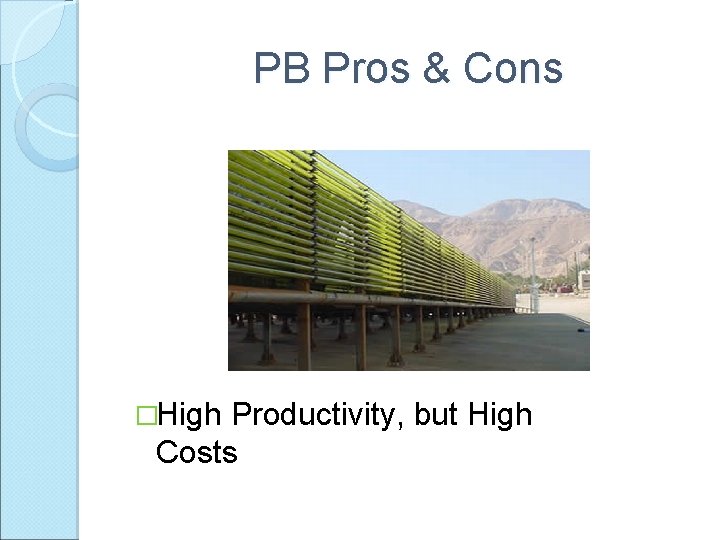
PB Pros & Cons �High Productivity, but High Costs
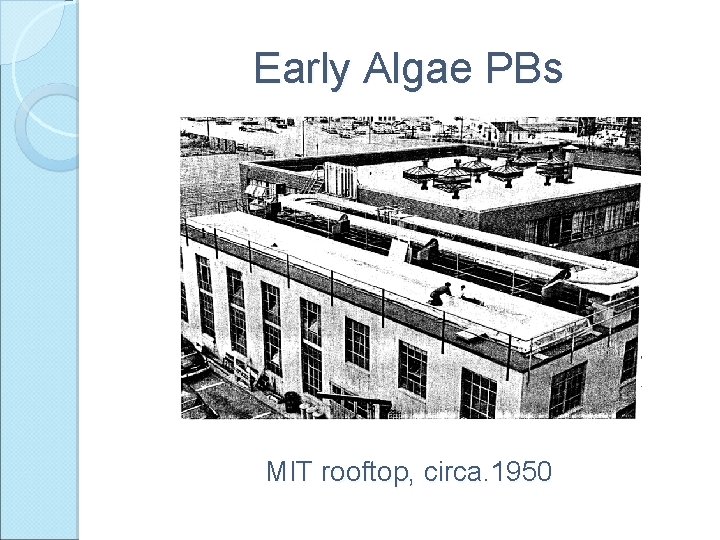
Early Algae PBs MIT rooftop, circa. 1950
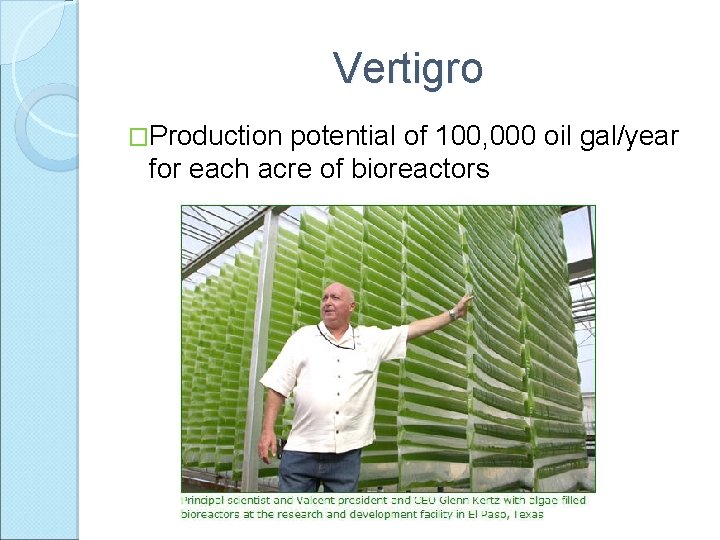
Vertigro �Production potential of 100, 000 oil gal/year for each acre of bioreactors
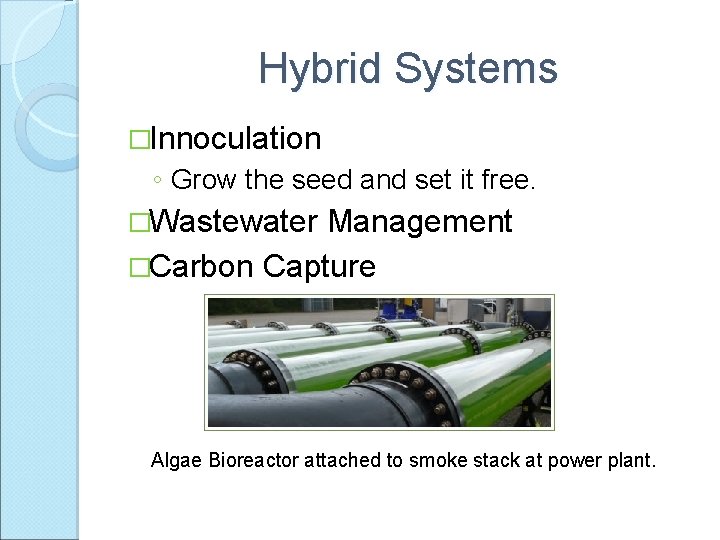
Hybrid Systems �Innoculation ◦ Grow the seed and set it free. �Wastewater Management �Carbon Capture Algae Bioreactor attached to smoke stack at power plant.
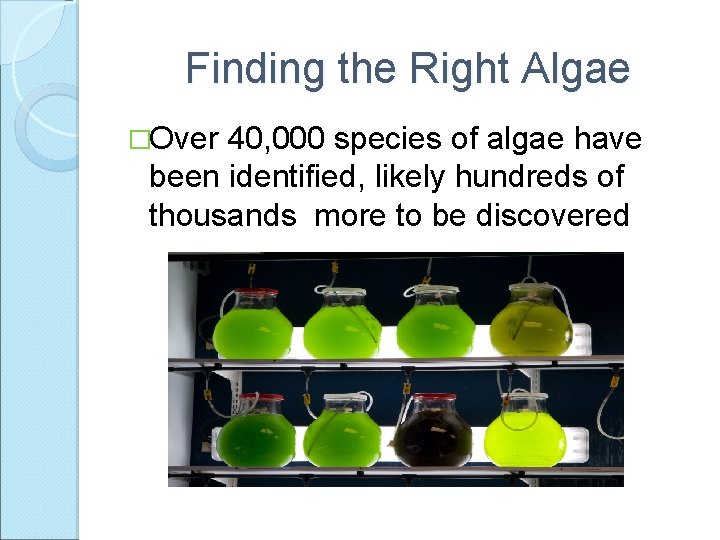
Finding the Right Algae �Over 40, 000 species of algae have been identified, likely hundreds of thousands more to be discovered
Aquatic Species Program �U. S. Dep. of Energy & National Renewable Energy Lab (NREL) � 1978 – 1996 � 3, 000 species of algae studied analyzed, only 51 labeled “high value”
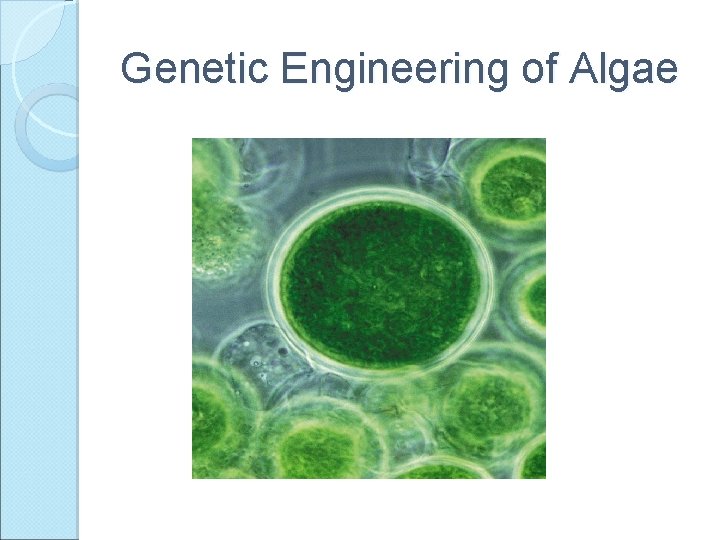
Genetic Engineering of Algae
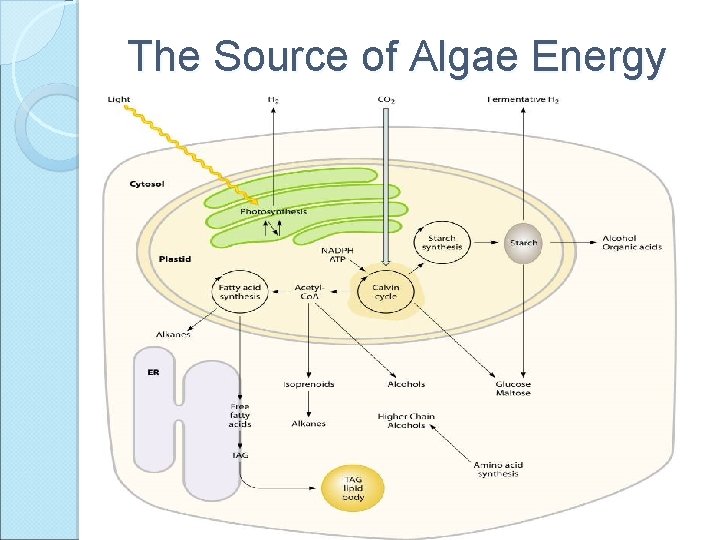
The Source of Algae Energy
Genetic “Biomanufacturing” �Biological Secretion of Lipids �No Need for Costly Physical Extraction

Dangers of Genetic Engineering? - “Franken. Algae” - “Suicide Genes”
Genetically-Engineered Algae Regulations �Toxic Substances Control Act (TSCA) �Plant Protection Act (PPA) �Conflicting Regulatory Agencies – E. P. A. v. U. S. D. A?
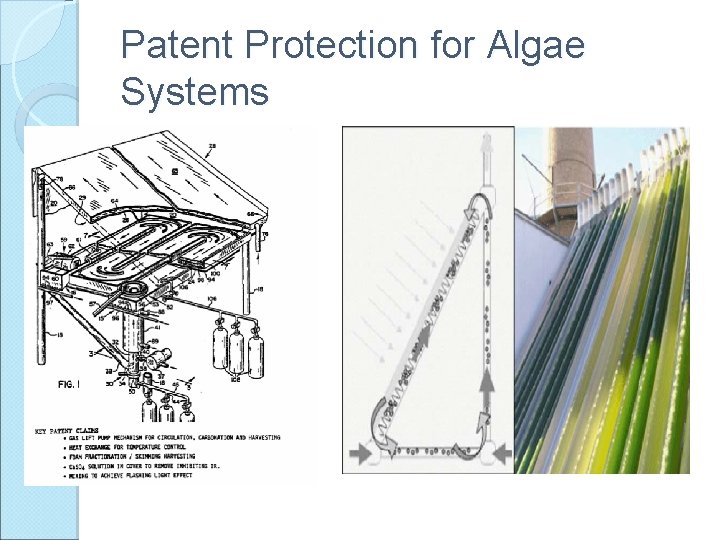
Patent Protection for Algae Systems
Plant Patents � 35 U. S. C. A § 161: “Whoever invents or discovers and asexually reproduces any distinct and new variety of plant, including cultivated sports, mutants, hybrids, and newly found seedlings, other than a tuber propagated plant or a plant found in an uncultivated state, may obtain a patent therefor, subject to the conditions and requirements of this title. ”
The Pros & Cons of Algae Patents �Increased Incentive for Invention �IP Assets to Attract Further Investment �Big Oil Patent Hunting? �Litigation Risks
U. S. Algae Policy �Energy Independence and Security Act (EISA) ◦ Section 228: Algal Biomass (R & D) �American Recovery & Reinvestment Act �Making Amends for Past Neglect?
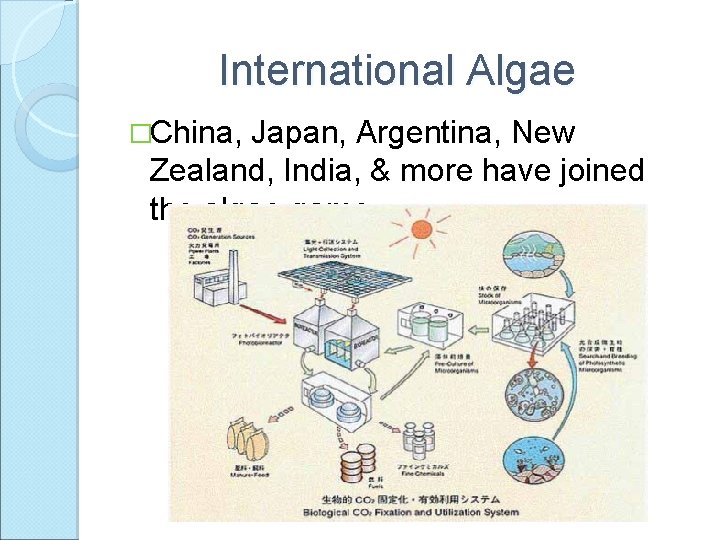
International Algae �China, Japan, Argentina, New Zealand, India, & more have joined the algae game
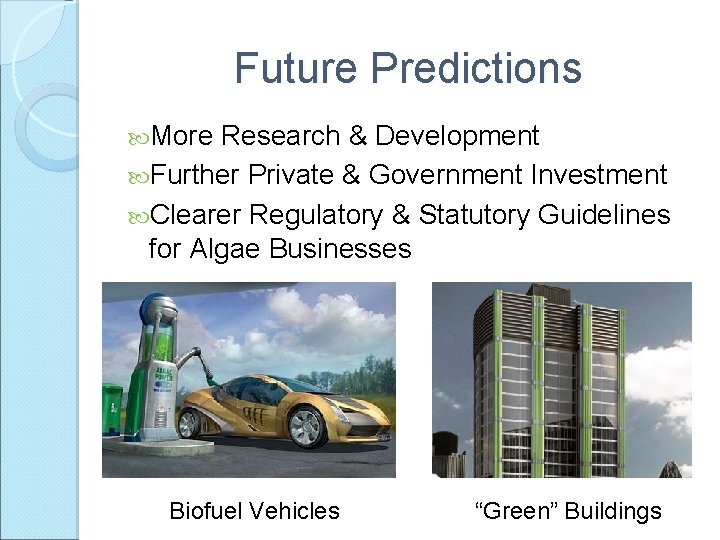
Future Predictions More Research & Development Further Private & Government Investment Clearer Regulatory & Statutory Guidelines for Algae Businesses Biofuel Vehicles “Green” Buildings
Conclusion
- Slides: 27