
Algae and Seaweed Algae Video Do Now Algae

- Slides: 14
Algae and Seaweed Algae Video Do Now
Algae • Algae are classified as Protists • They have plant-like characteristics • They photosynthesize • It can be categorized as green, brown, and red algae
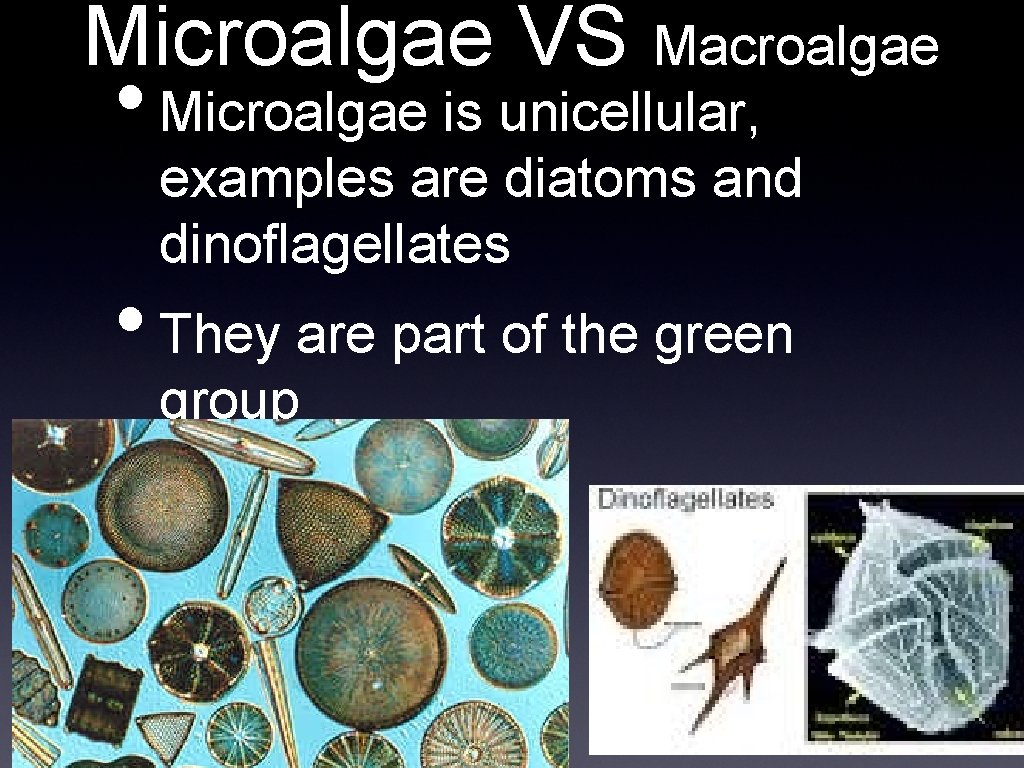
Microalgae VS Macroalgae • Microalgae is unicellular, examples are diatoms and dinoflagellates • They are part of the green group
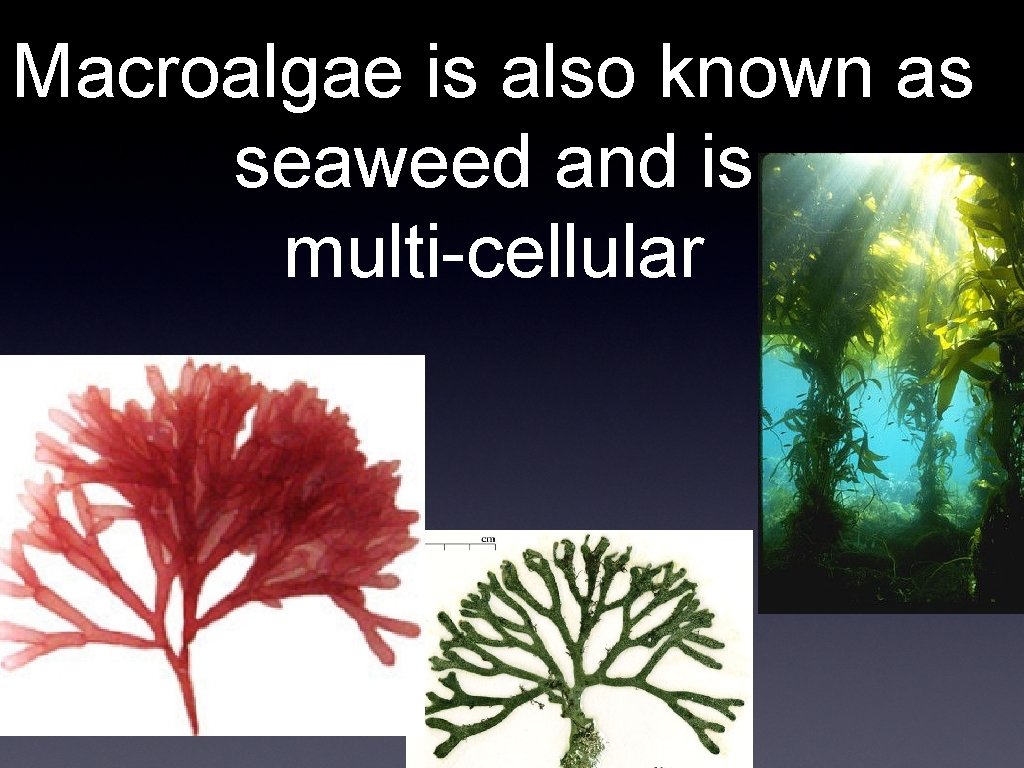
Macroalgae is also known as seaweed and is multi-cellular
3 Types of Algae • 1. Brown Algae • 2. Red Algae • 3. Green Algae
Brown Algae Has pigment fucoxanthin - gives brown/olive green color Can live deeper than green algae Includes all kelps Important in structuring the kelp bed and kelp forest ecosystems
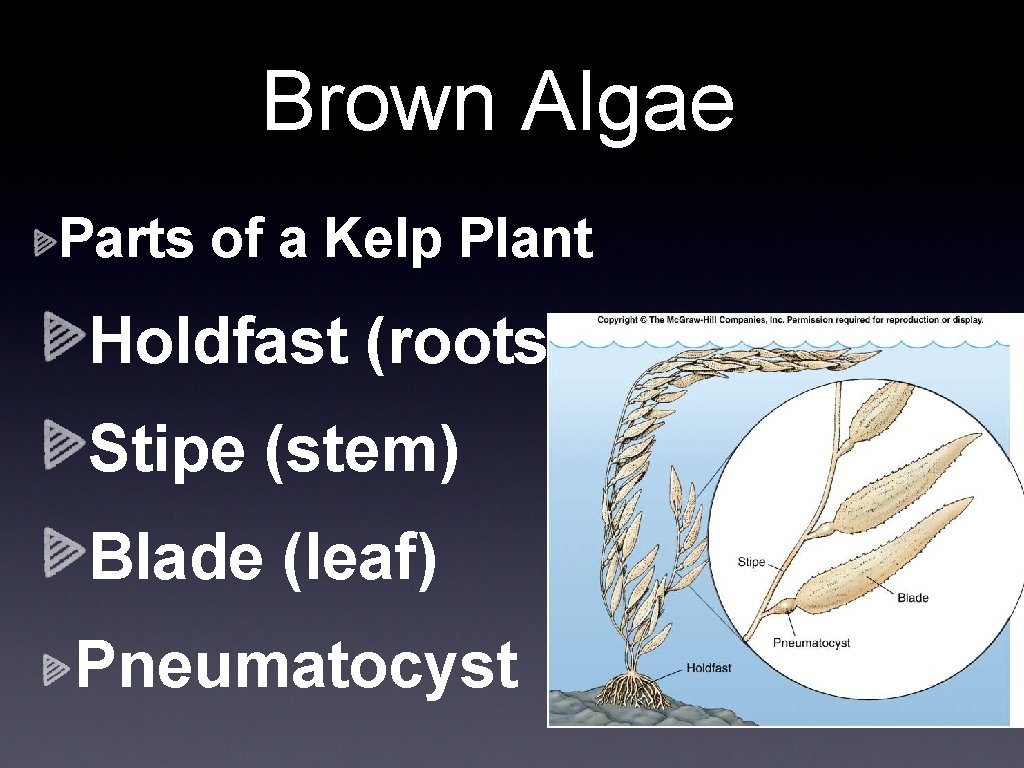
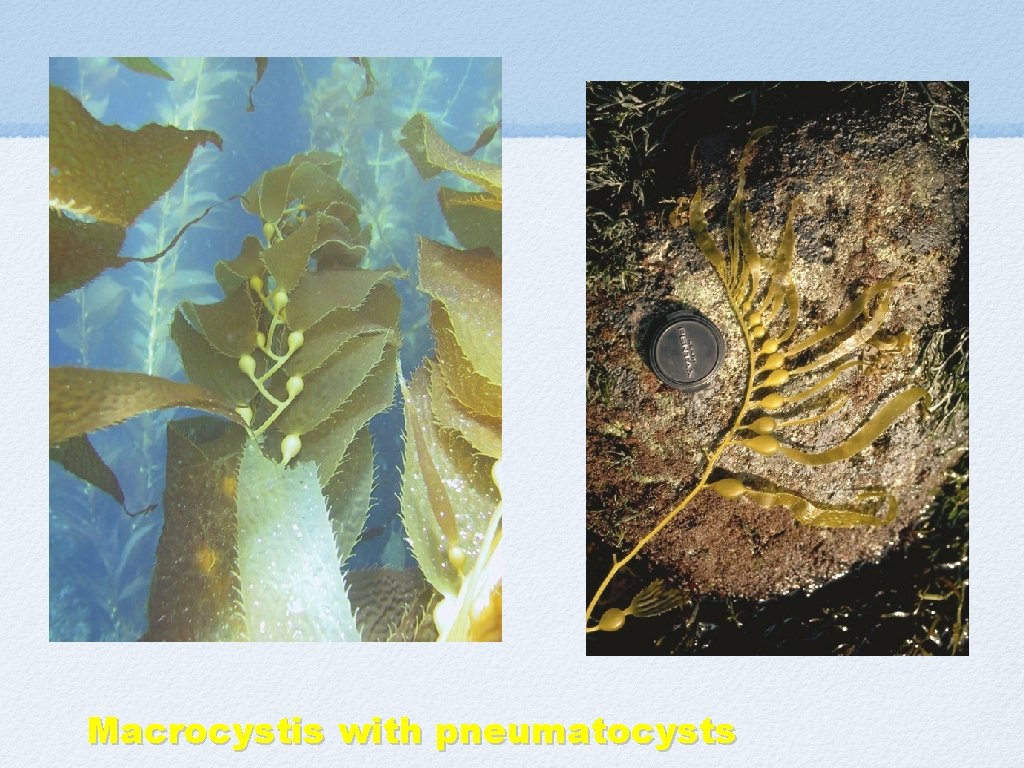
Brown Algae Parts of a Kelp Plant Holdfast (roots) Stipe (stem) Blade (leaf) Pneumatocyst
Why is Kelp Important? The sunlight is captured by the kelp plants It uses the light energy to grow Organisms eat the kelp and use it for shelter (i. e. sponges, otters, lobsters, hermit crabs, sea stars etc. . . )
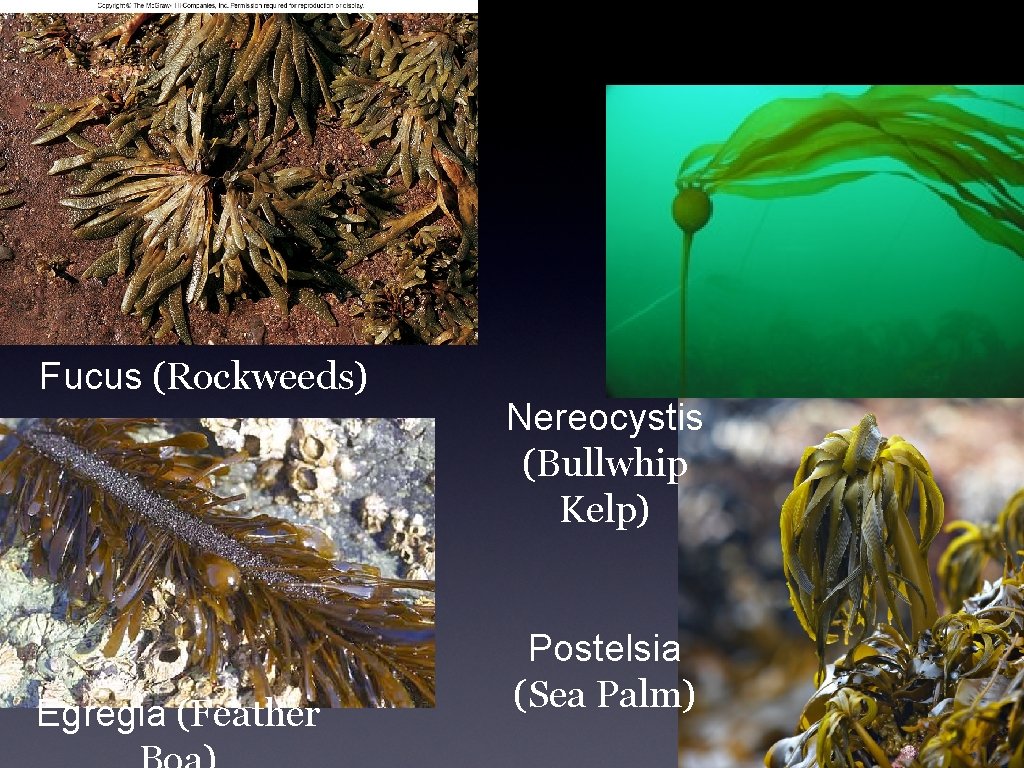
Fucus (Rockweeds) Egregia (Feather Nereocystis (Bullwhip Kelp) Postelsia (Sea Palm)
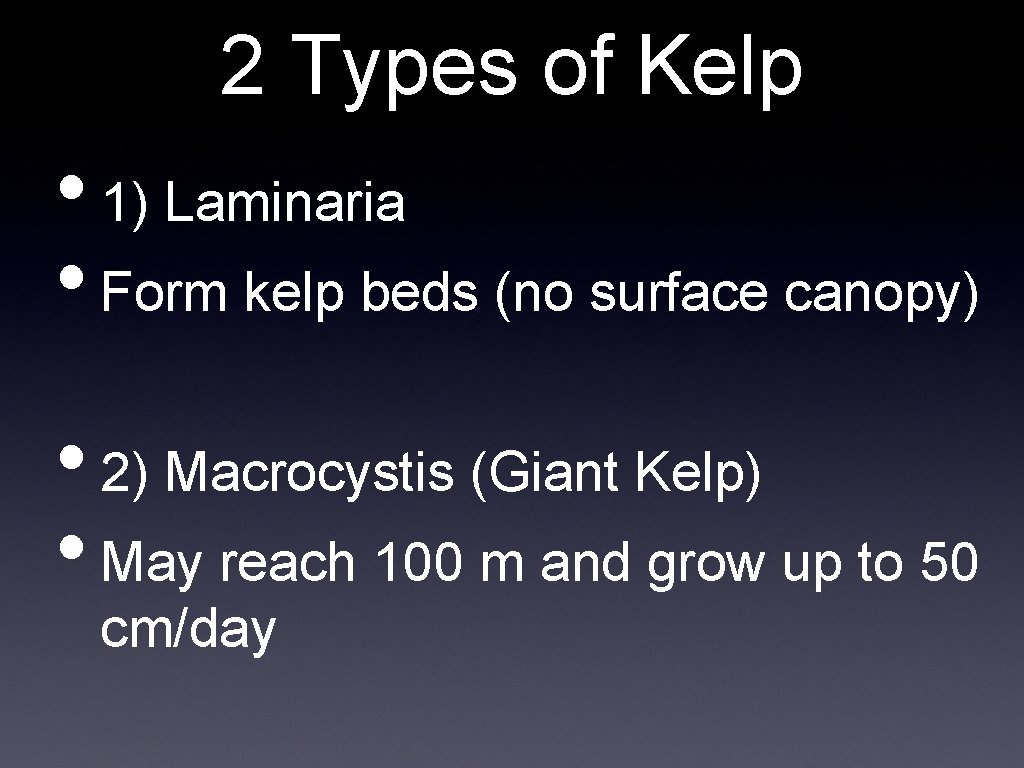
2 Types of Kelp • 1) Laminaria • Form kelp beds (no surface canopy) • 2) Macrocystis (Giant Kelp) • May reach 100 m and grow up to 50 cm/day
Macrocystis with pneumatocysts
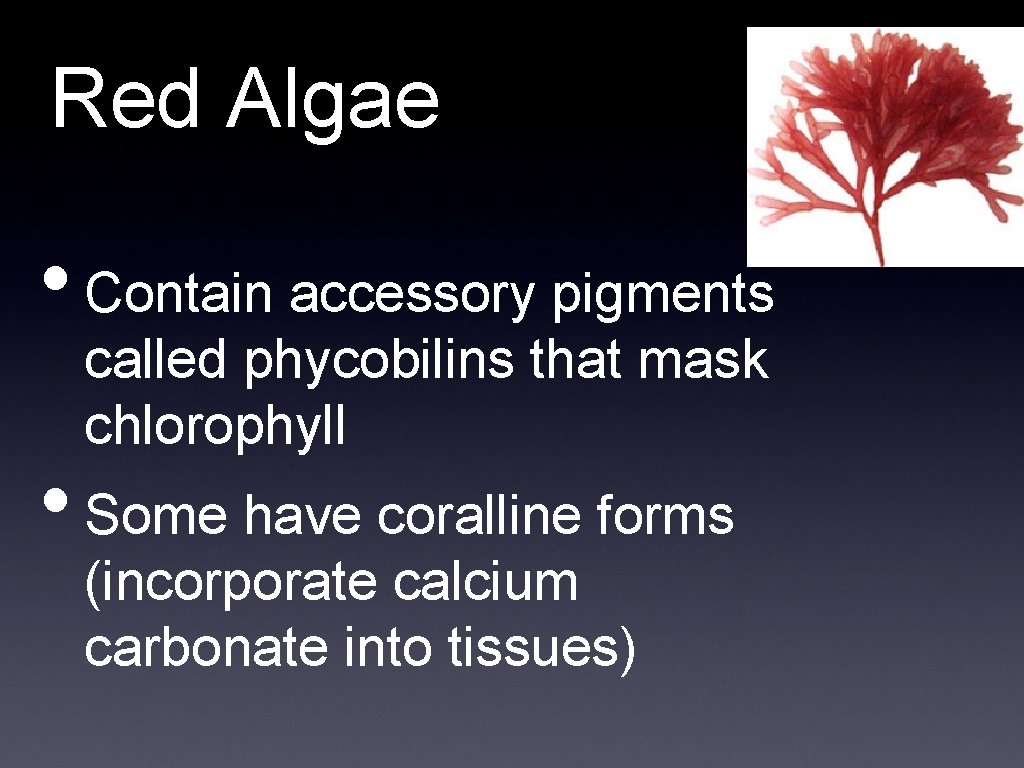
Red Algae • Contain accessory pigments called phycobilins that mask chlorophyll • Some have coralline forms (incorporate calcium carbonate into tissues)
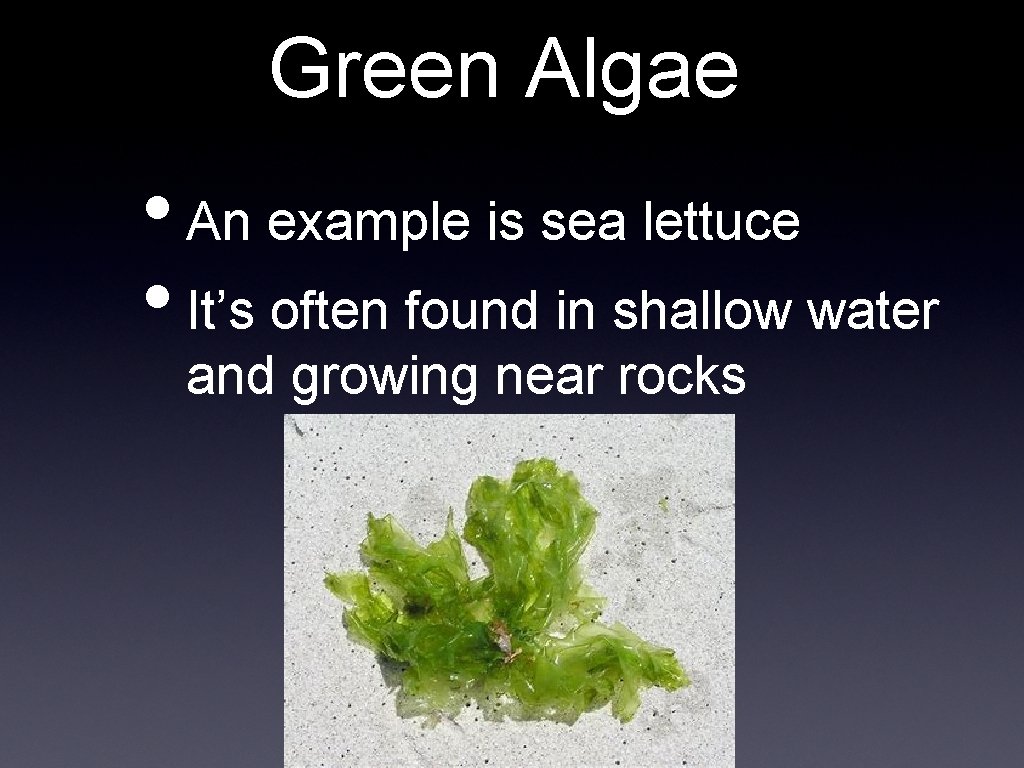
Green Algae • An example is sea lettuce • It’s often found in shallow water and growing near rocks
Economic Importance • Algin (extracted from kelp). Used as a thickener and emulsifier in ice cream, cosmetics • Agar (extracted from red algae), used in some jellies • Beta Carotene (extracted from green algae) • Carrageenan (extracted from red algae) • Thickens many dairy products