
ALDEHYDES AND KETONES CARBONYL COMPOUNDS ALDEHYDES KETONES EXAMPLES
ALDEHYDES AND KETONES
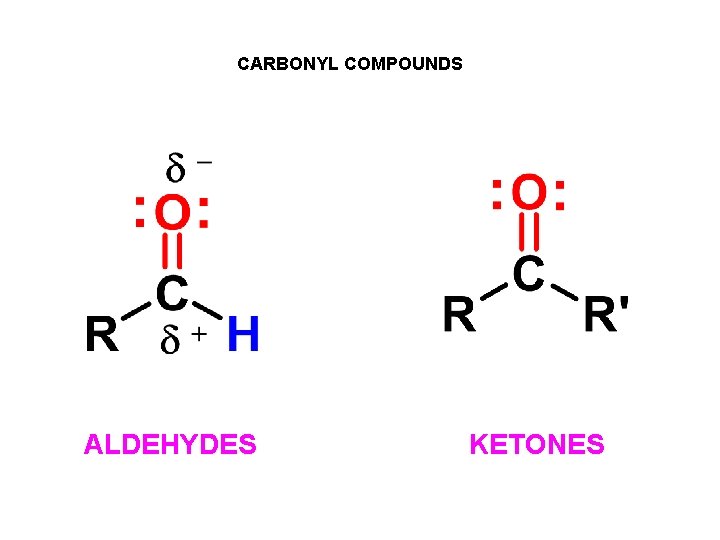
CARBONYL COMPOUNDS ALDEHYDES KETONES
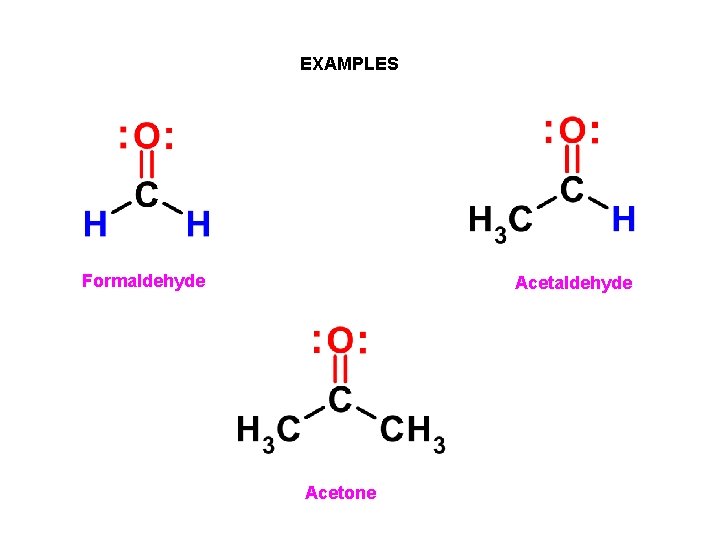
EXAMPLES Formaldehyde Acetone
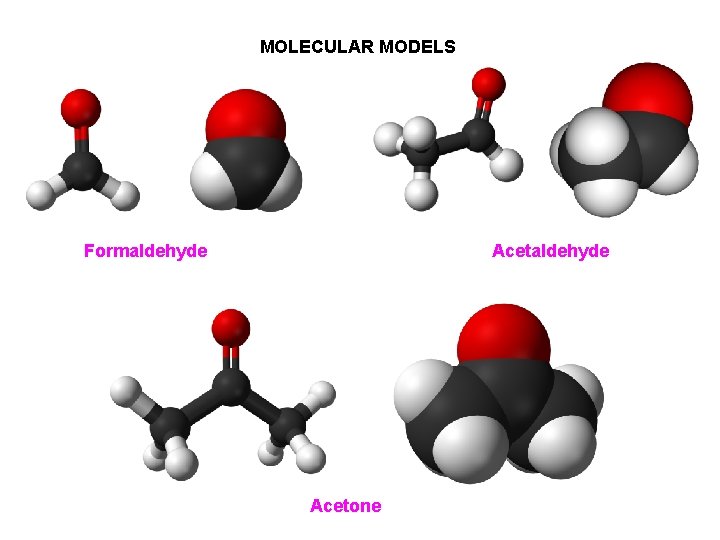
MOLECULAR MODELS Formaldehyde Acetone
INDUSTRIAL PRODUCTION Catalytic dehydrogenation (oxidation) of alcohols
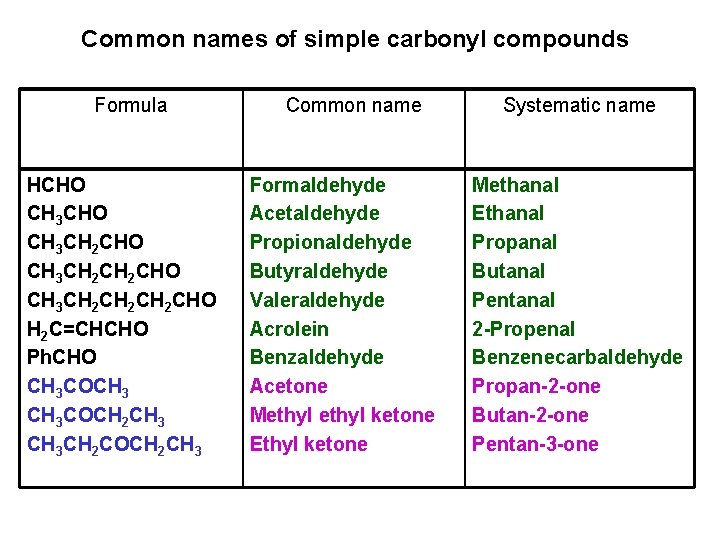
Common names of simple carbonyl compounds Formula HCHO CH 3 CH 2 CHO CH 3 CH 2 CH 2 CHO H 2 C=CHCHO Ph. CHO CH 3 COCH 3 COCH 2 CH 3 CH 2 COCH 2 CH 3 Common name Formaldehyde Acetaldehyde Propionaldehyde Butyraldehyde Valeraldehyde Acrolein Benzaldehyde Acetone Methyl ketone Ethyl ketone Systematic name Methanal Ethanal Propanal Butanal Pentanal 2 -Propenal Benzenecarbaldehyde Propan-2 -one Butan-2 -one Pentan-3 -one
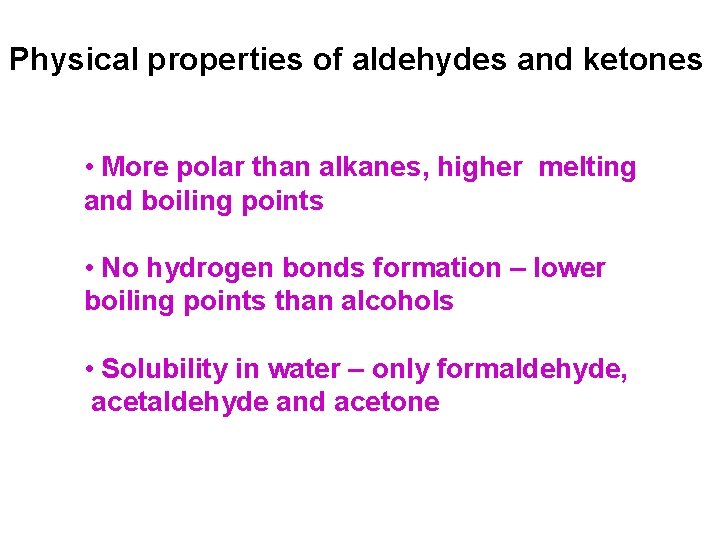
Physical properties of aldehydes and ketones • More polar than alkanes, higher melting and boiling points • No hydrogen bonds formation – lower boiling points than alcohols • Solubility in water – only formaldehyde, acetaldehyde and acetone
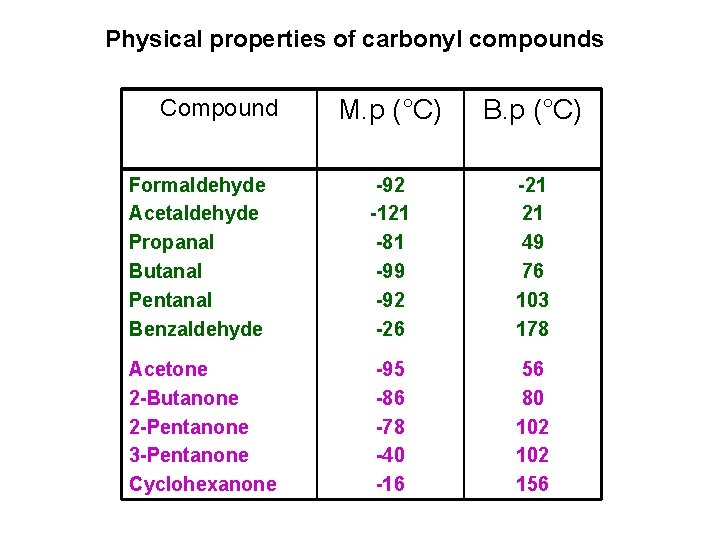
Physical properties of carbonyl compounds Compound M. p (°C) B. p (°C) Formaldehyde Acetaldehyde Propanal Butanal Pentanal Benzaldehyde -92 -121 -81 -99 -92 -26 -21 21 49 76 103 178 Acetone 2 -Butanone 2 -Pentanone 3 -Pentanone Cyclohexanone -95 -86 -78 -40 -16 56 80 102 156
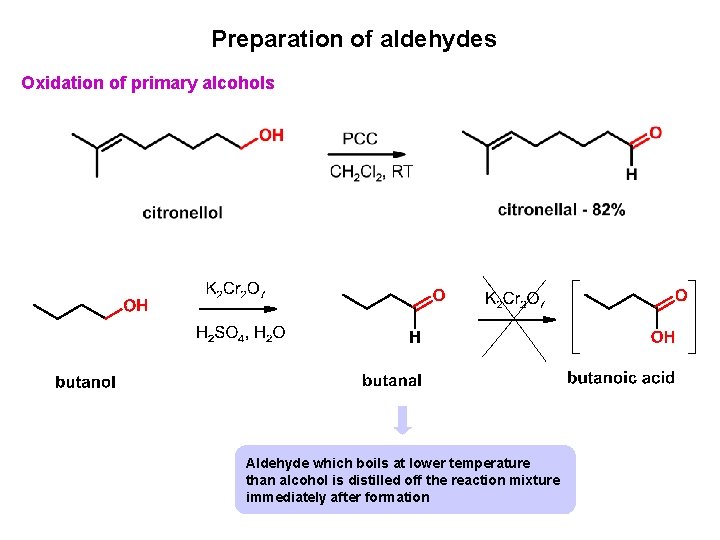
Preparation of aldehydes Oxidation of primary alcohols Aldehyde which boils at lower temperature than alcohol is distilled off the reaction mixture immediately after formation
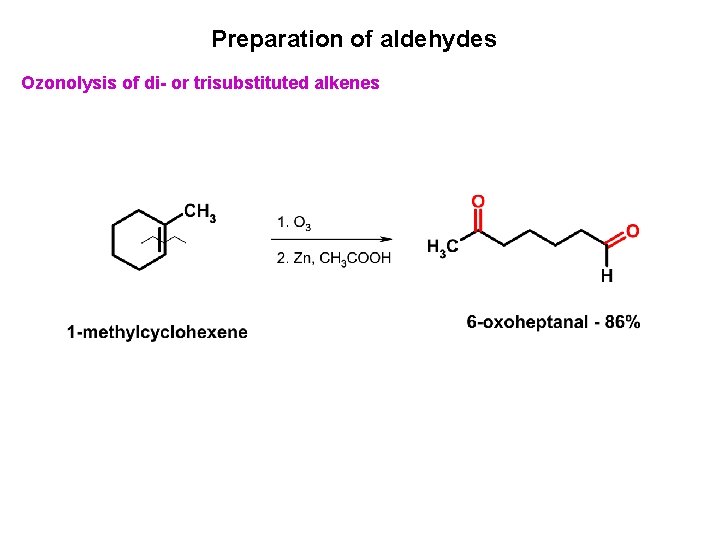
Preparation of aldehydes Ozonolysis of di- or trisubstituted alkenes
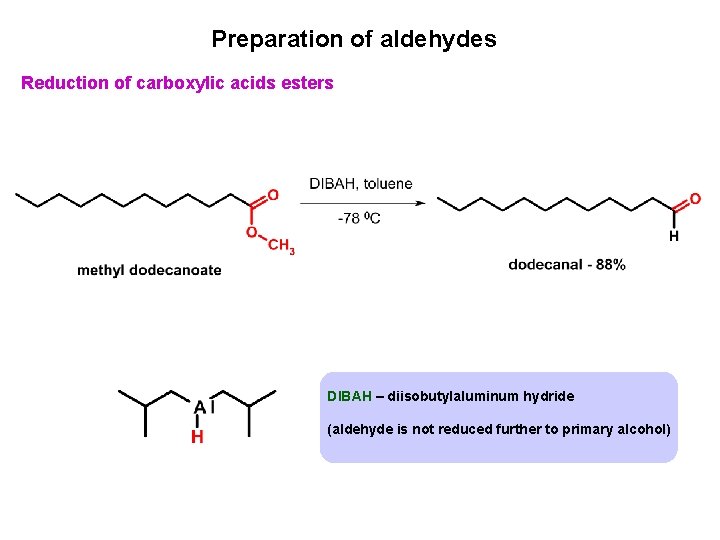
Preparation of aldehydes Reduction of carboxylic acids esters DIBAH – diisobutylaluminum hydride (aldehyde is not reduced further to primary alcohol)
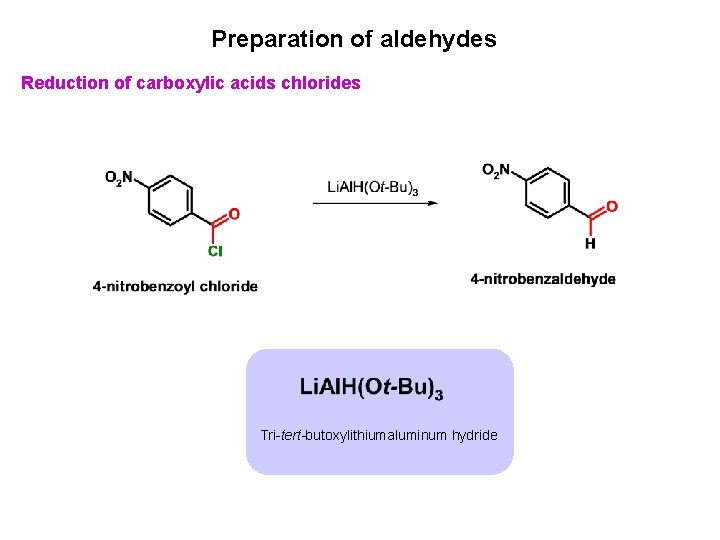
Preparation of aldehydes Reduction of carboxylic acids chlorides Tri-tert-butoxylithiumaluminum hydride
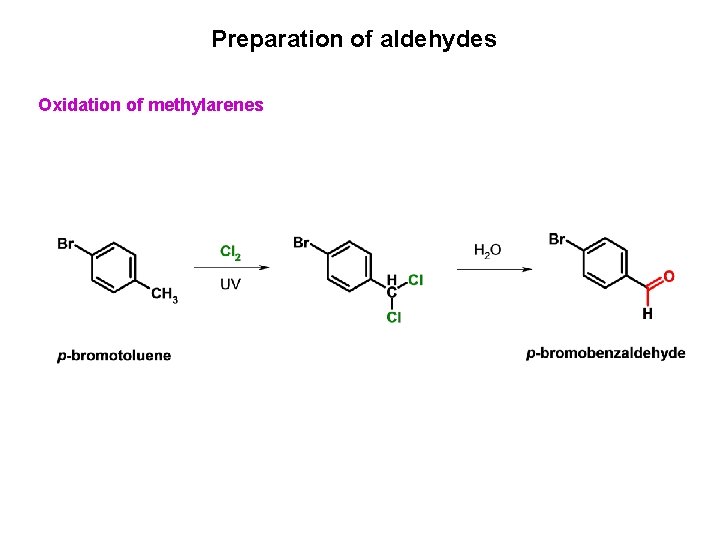
Preparation of aldehydes Oxidation of methylarenes
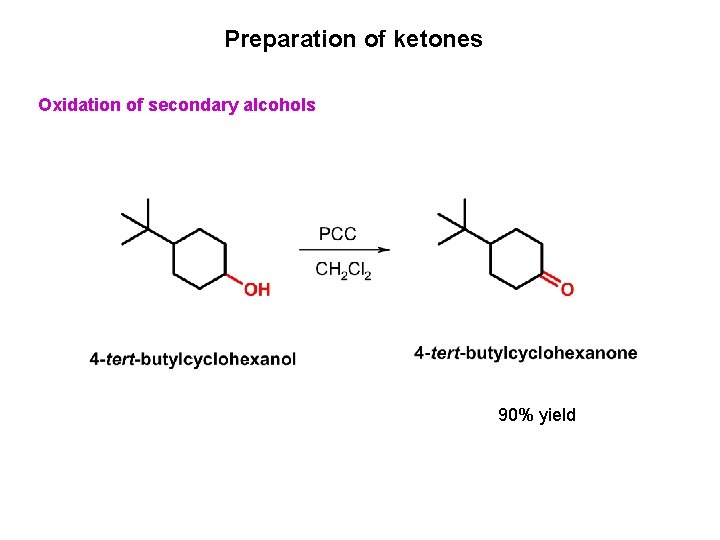
Preparation of ketones Oxidation of secondary alcohols 90% yield
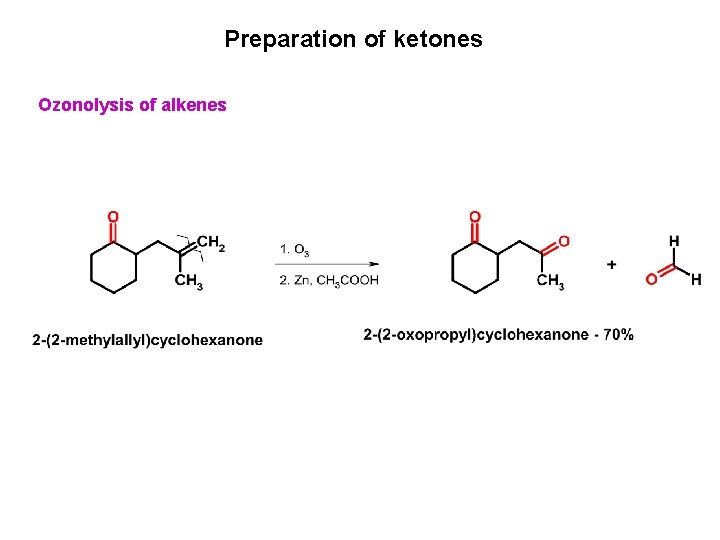
Preparation of ketones Ozonolysis of alkenes
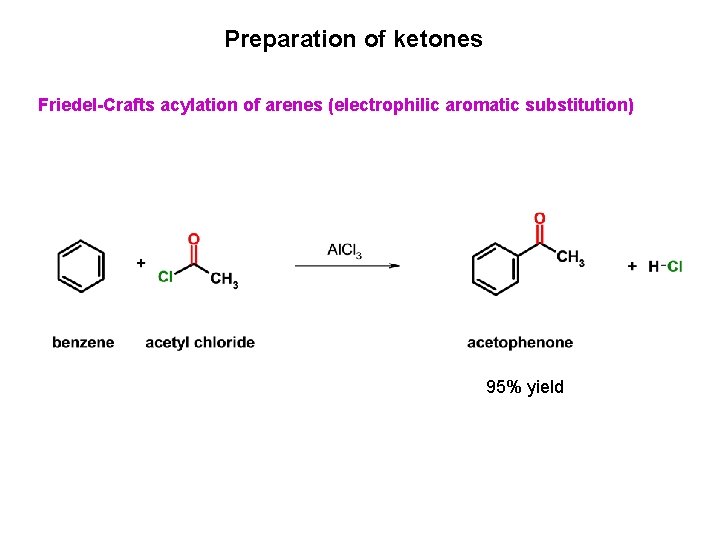
Preparation of ketones Friedel-Crafts acylation of arenes (electrophilic aromatic substitution) 95% yield
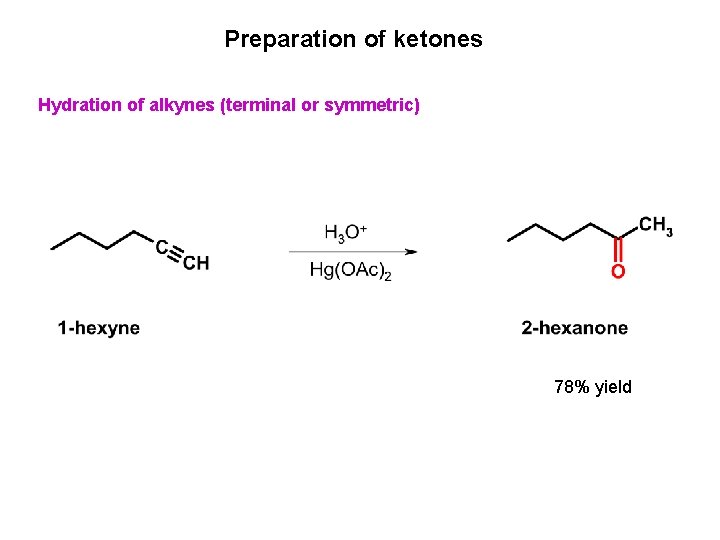
Preparation of ketones Hydration of alkynes (terminal or symmetric) 78% yield
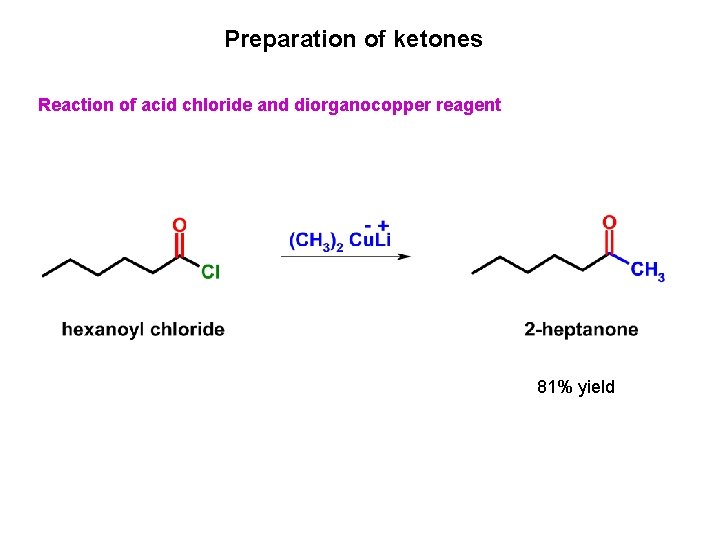
Preparation of ketones Reaction of acid chloride and diorganocopper reagent 81% yield
Oxidation of aldehydes and ketones
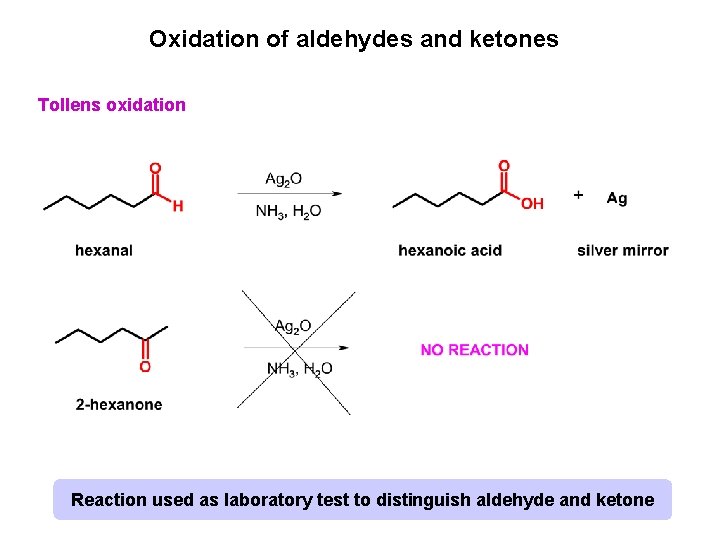
Oxidation of aldehydes and ketones Tollens oxidation Reaction used as laboratory test to distinguish aldehyde and ketone
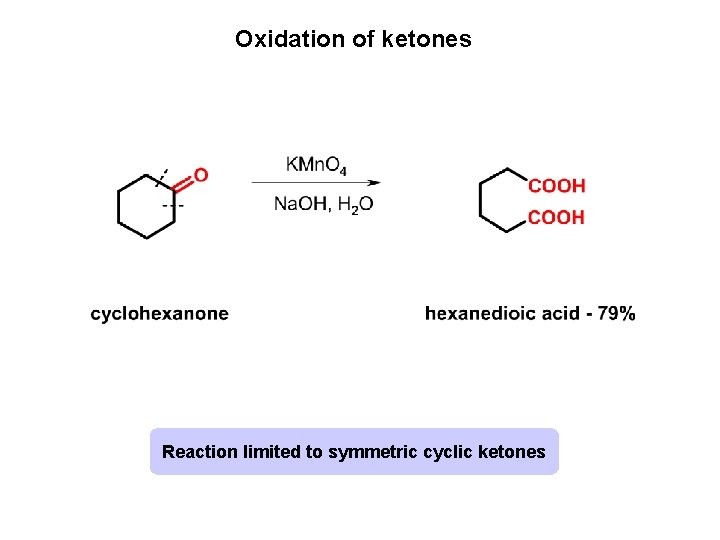
Oxidation of ketones Reaction limited to symmetric cyclic ketones
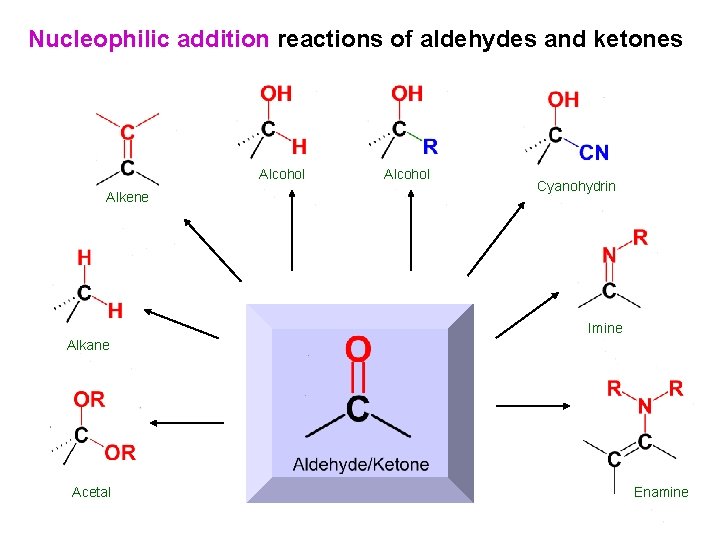
Nucleophilic addition reactions of aldehydes and ketones Alcohol Alkene Alcohol Cyanohydrin Imine Alkane Acetal Enamine
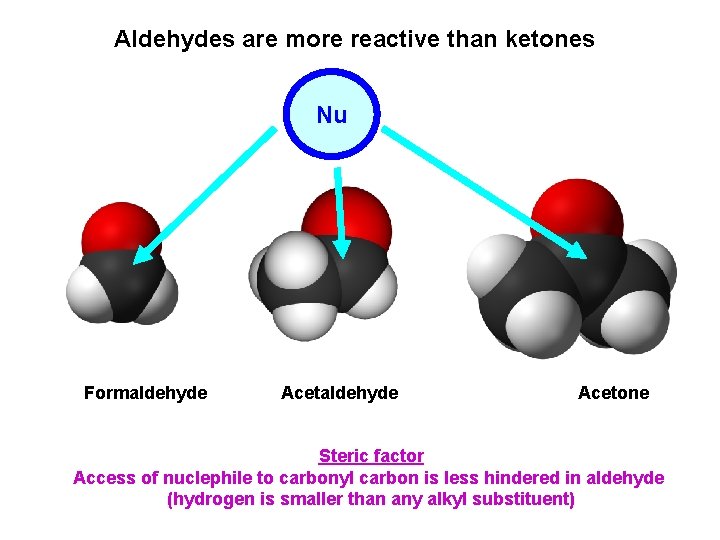
Aldehydes are more reactive than ketones Nu Formaldehyde Acetone Steric factor Access of nuclephile to carbonyl carbon is less hindered in aldehyde (hydrogen is smaller than any alkyl substituent)
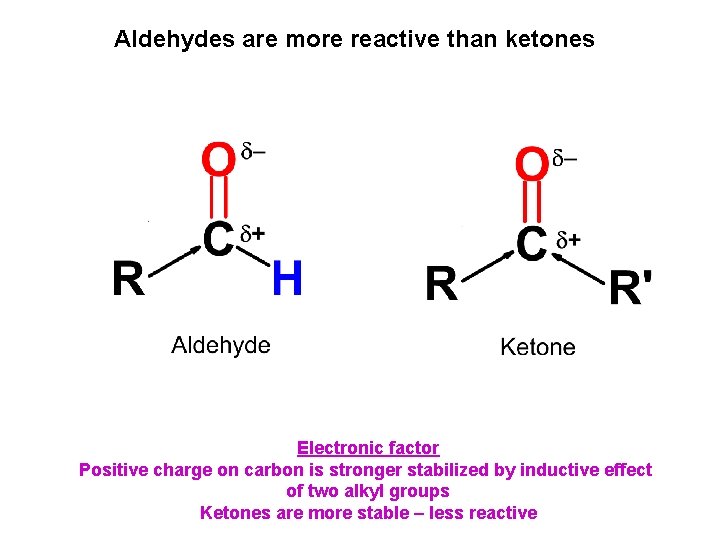
Aldehydes are more reactive than ketones Electronic factor Positive charge on carbon is stronger stabilized by inductive effect of two alkyl groups Ketones are more stable – less reactive
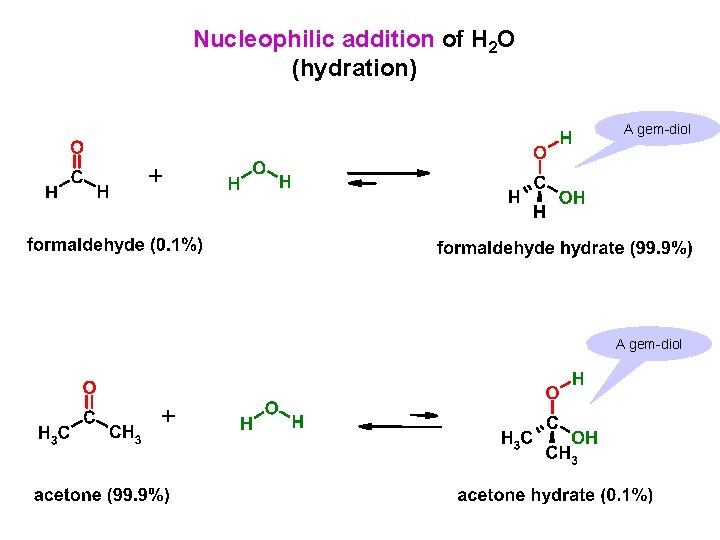
Nucleophilic addition of H 2 O (hydration) A gem-diol
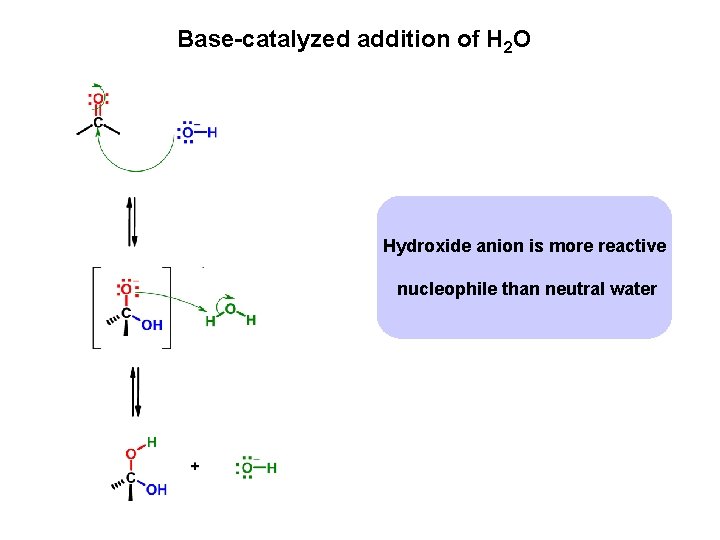
Base-catalyzed addition of H 2 O Hydroxide anion is more reactive nucleophile than neutral water
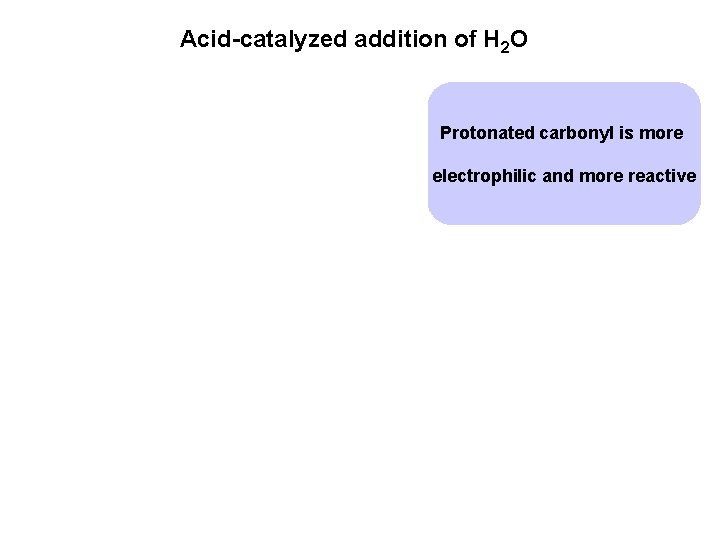
Acid-catalyzed addition of H 2 O Protonated carbonyl is more electrophilic and more reactive
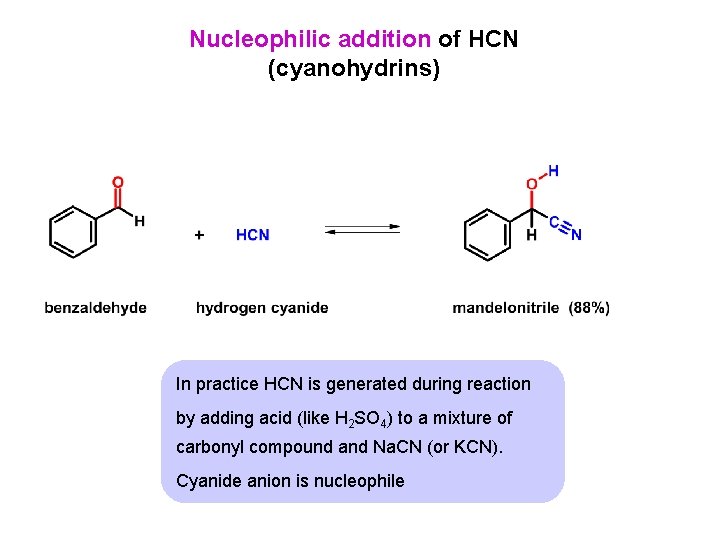
Nucleophilic addition of HCN (cyanohydrins) In practice HCN is generated during reaction by adding acid (like H 2 SO 4) to a mixture of carbonyl compound and Na. CN (or KCN). Cyanide anion is nucleophile
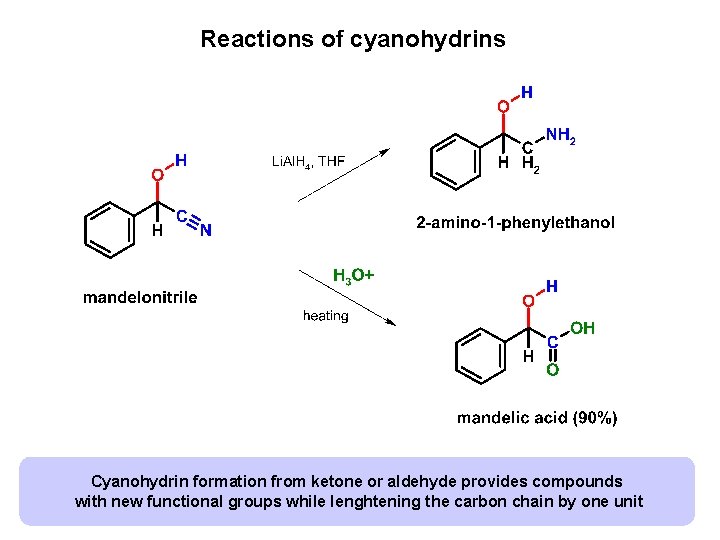
Reactions of cyanohydrins Cyanohydrin formation from ketone or aldehyde provides compounds with new functional groups while lenghtening the carbon chain by one unit
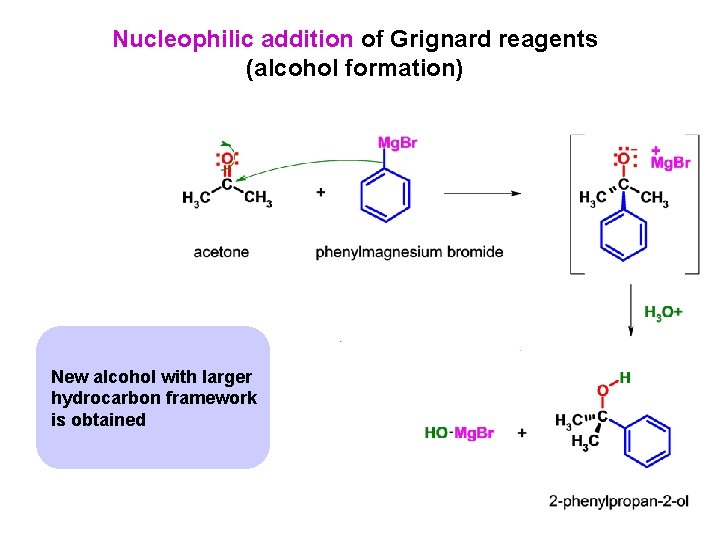
Nucleophilic addition of Grignard reagents (alcohol formation) New alcohol with larger hydrocarbon framework is obtained
Nucleophilic addition of hydride (reduction) Alcohol with the same hydrocarbon framework as starting ketone or aldehyde is formed
Nucleophilic addition of amines to carbonyl group
Water elimination from carbinolamine
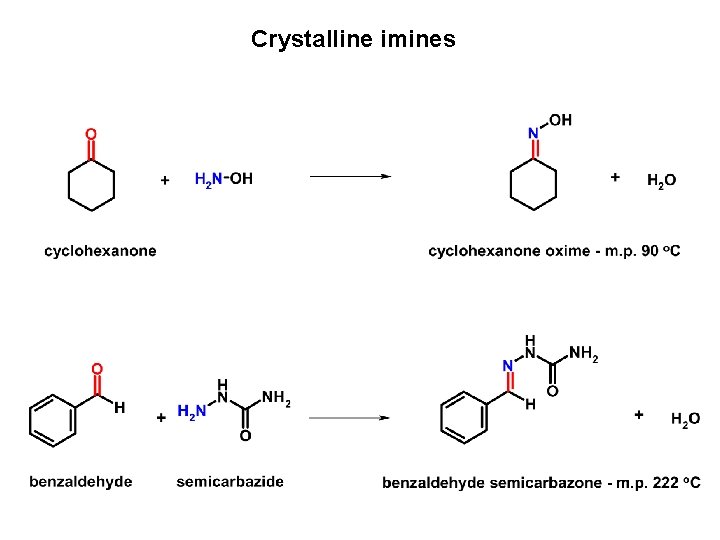
Crystalline imines
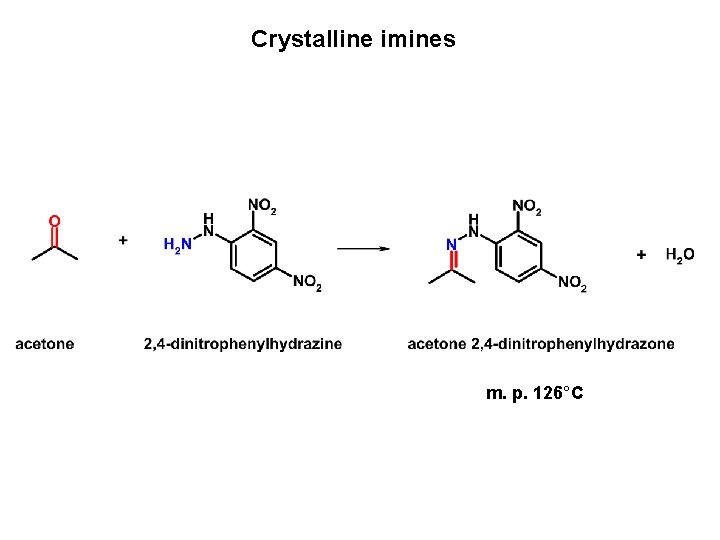
Crystalline imines m. p. 126°C
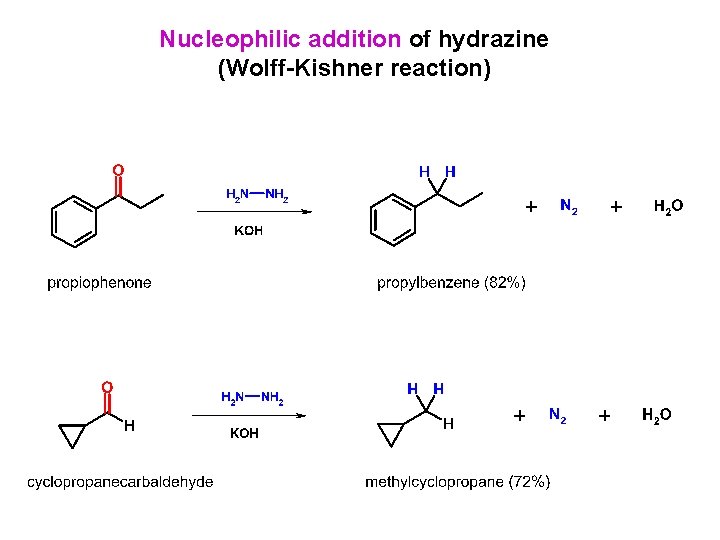
Nucleophilic addition of hydrazine (Wolff-Kishner reaction)
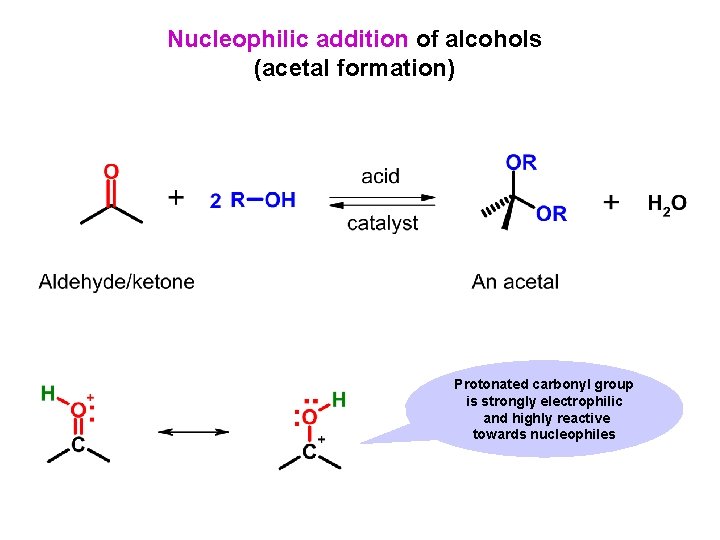
Nucleophilic addition of alcohols (acetal formation) Protonated carbonyl group is strongly electrophilic and highly reactive towards nucleophiles
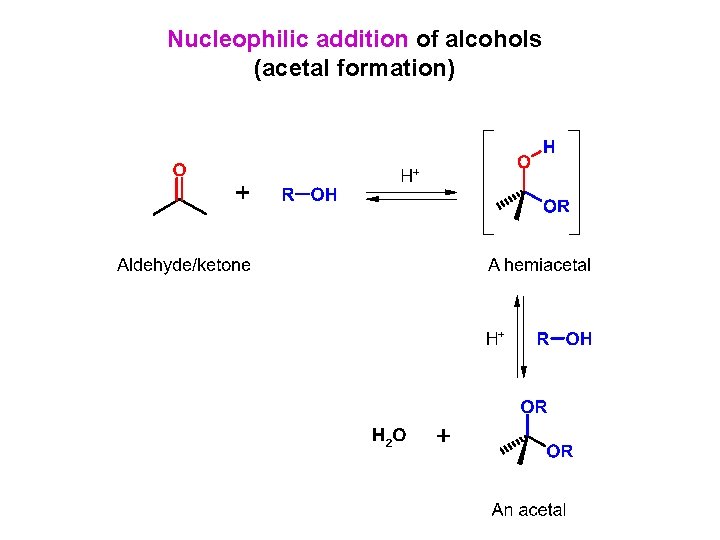
Nucleophilic addition of alcohols (acetal formation)
Mechanism of acetal formation
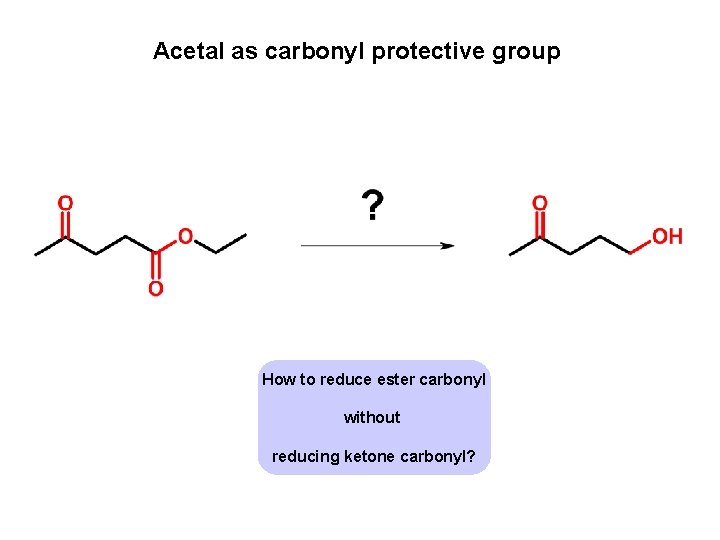
Acetal as carbonyl protective group How to reduce ester carbonyl without reducing ketone carbonyl?
Acetal as carbonyl protective group
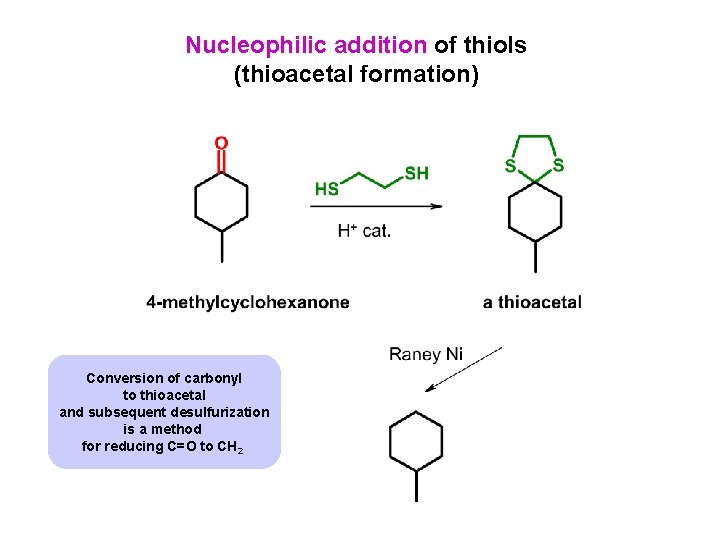
Nucleophilic addition of thiols (thioacetal formation) Conversion of carbonyl to thioacetal and subsequent desulfurization is a method for reducing C=O to CH 2
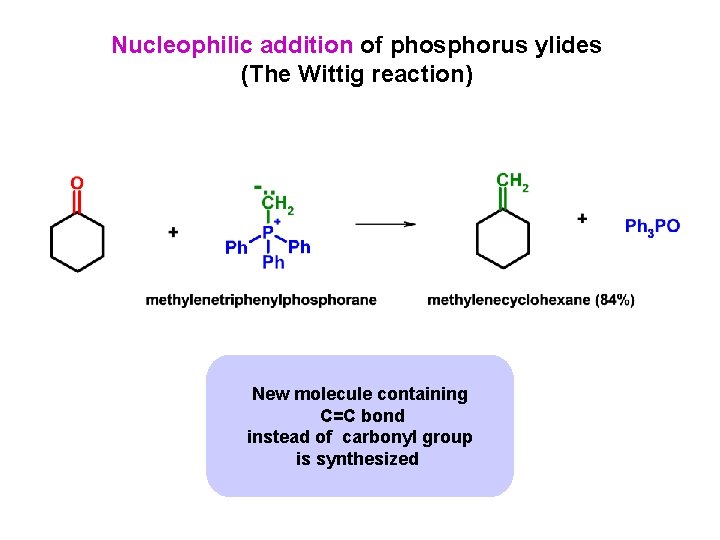
Nucleophilic addition of phosphorus ylides (The Wittig reaction) New molecule containing C=C bond instead of carbonyl group is synthesized
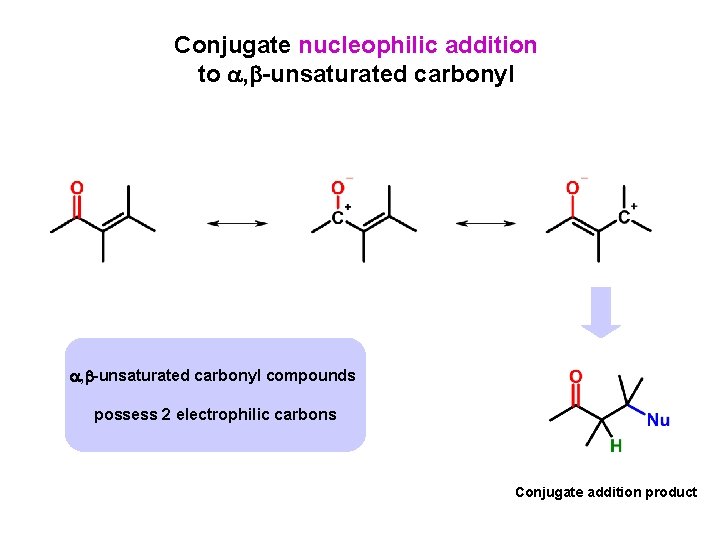
Conjugate nucleophilic addition to , -unsaturated carbonyl compounds possess 2 electrophilic carbons Conjugate addition product
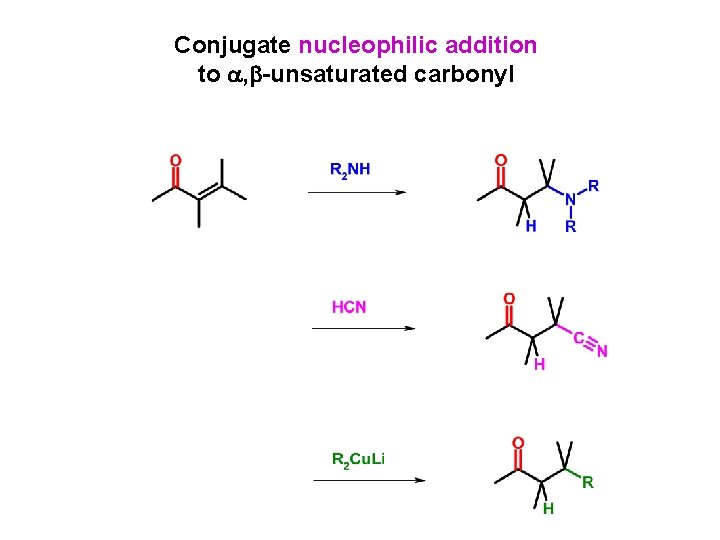
Conjugate nucleophilic addition to , -unsaturated carbonyl
Some biological nucleophilic additions Synthesis of -amino acid from -ketoacid in living cells
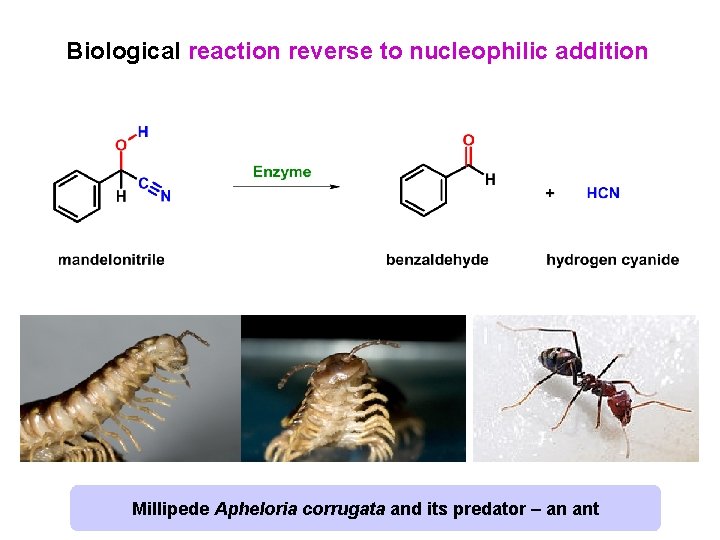
Biological reaction reverse to nucleophilic addition Millipede Apheloria corrugata and its predator – an ant

The Cannizzaro reaction The only example when hydride ion is expelled from aldehyde as leaving group (like in nucleophilic acyl substitution) Nucleophilic acyl substitution
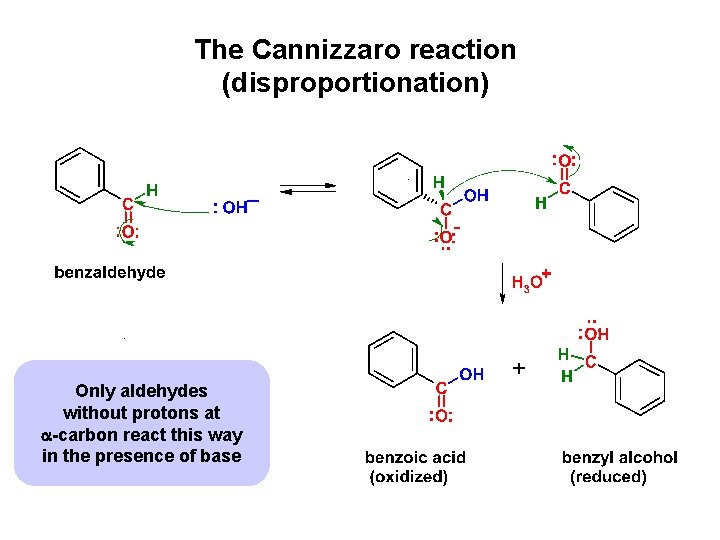
The Cannizzaro reaction (disproportionation) Only aldehydes without protons at -carbon react this way in the presence of base
The Cannizzaro reaction as model for biological reductions NADPH functions as hydride donor in biological reductions
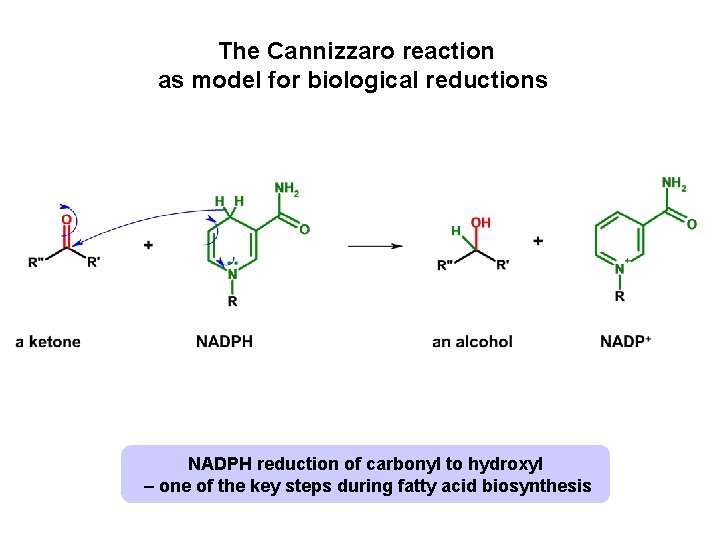
The Cannizzaro reaction as model for biological reductions NADPH reduction of carbonyl to hydroxyl – one of the key steps during fatty acid biosynthesis
-Substitution reactions of aldehydes or ketones
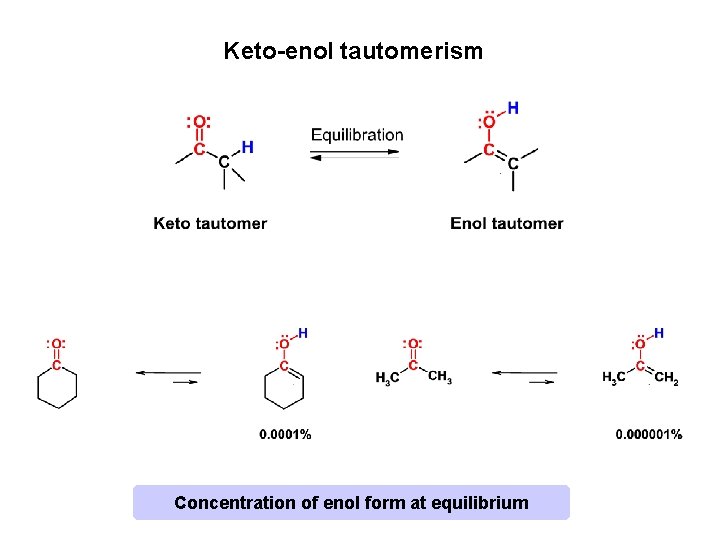
Keto-enol tautomerism Concentration of enol form at equilibrium
Enol formation is catalyzed by base or acid Acid-catalyzed enol formation
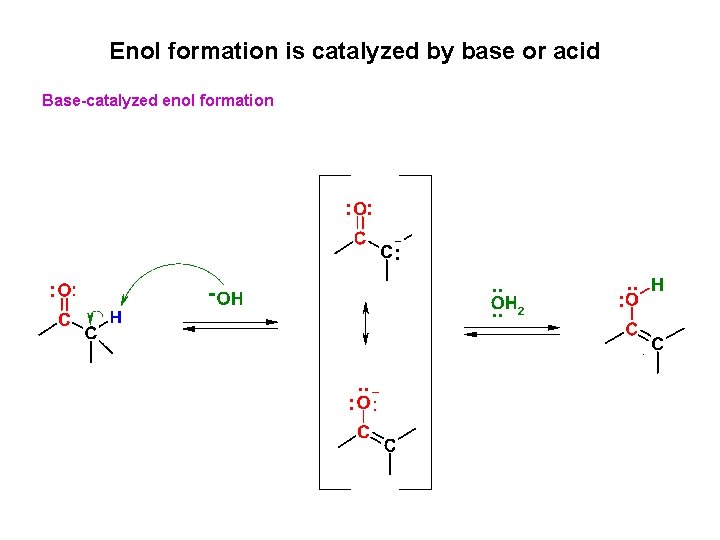
Enol formation is catalyzed by base or acid Base-catalyzed enol formation
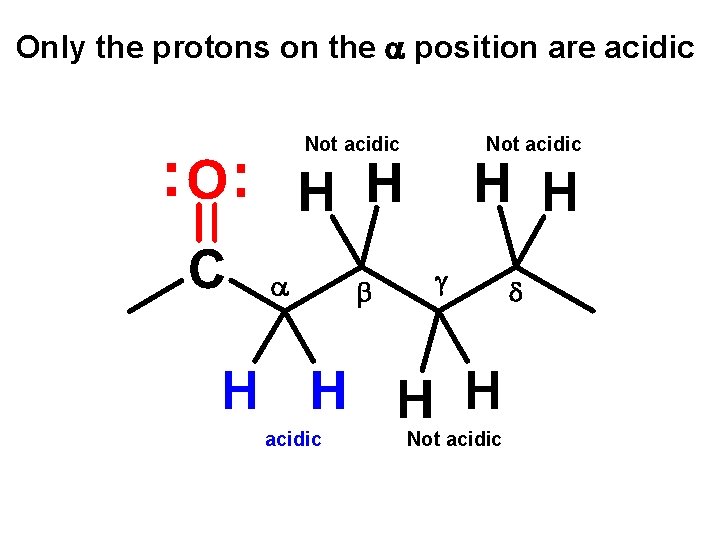
Only the protons on the position are acidic Not acidic
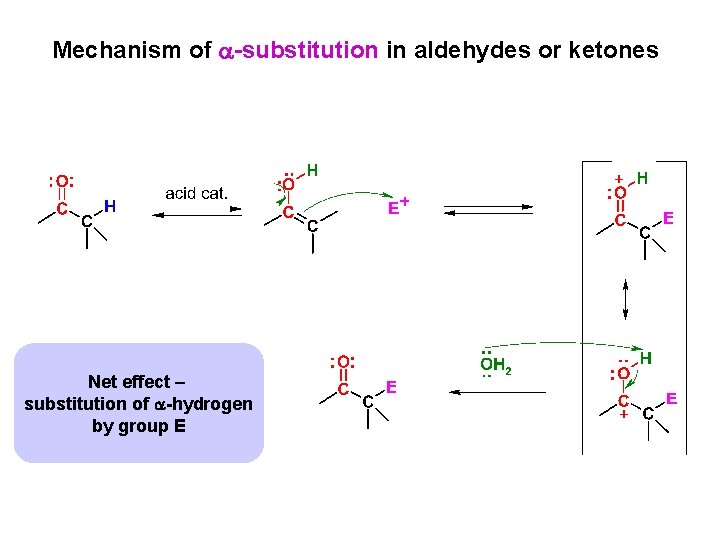
Mechanism of -substitution in aldehydes or ketones Net effect – substitution of -hydrogen by group E
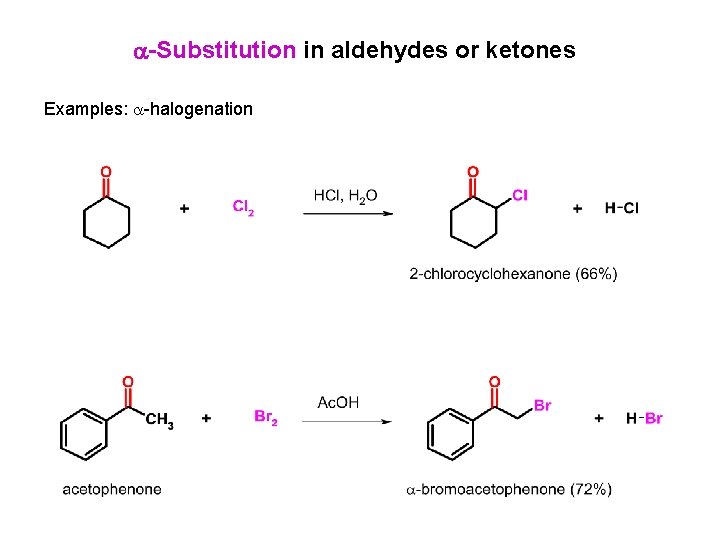
-Substitution in aldehydes or ketones Examples: -halogenation
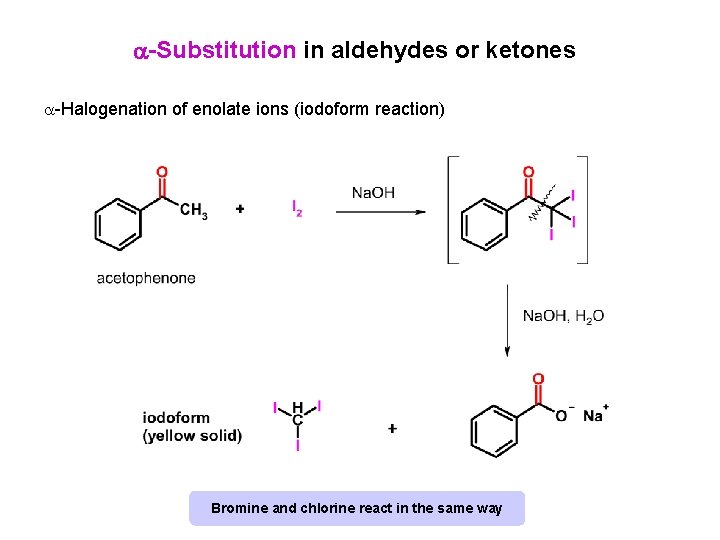
-Substitution in aldehydes or ketones -Halogenation of enolate ions (iodoform reaction) Bromine and chlorine react in the same way
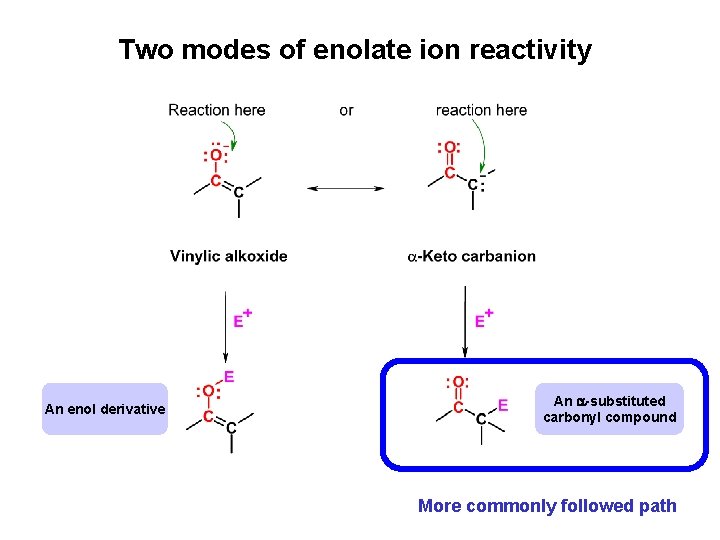
Two modes of enolate ion reactivity An enol derivative An -substituted carbonyl compound More commonly followed path
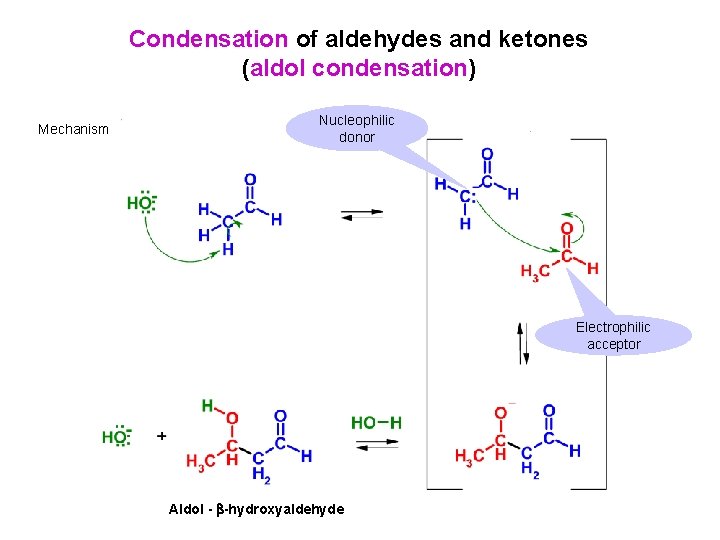
Condensation of aldehydes and ketones (aldol condensation) Mechanism Nucleophilic donor Electrophilic acceptor Aldol - -hydroxyaldehyde
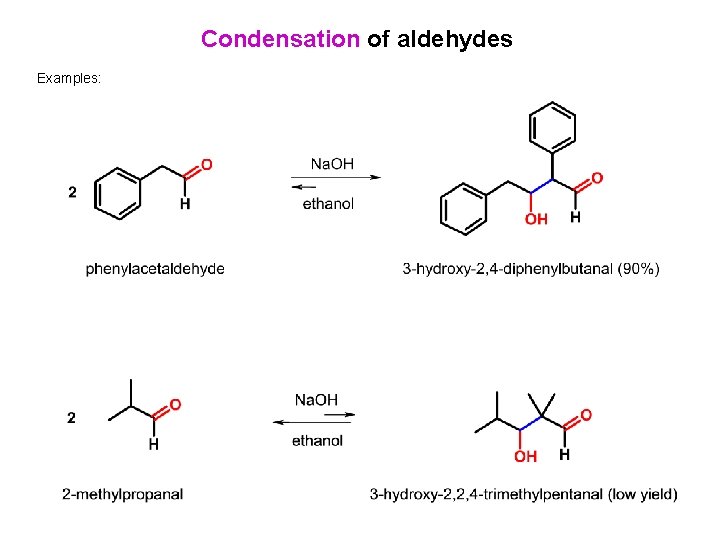
Condensation of aldehydes Examples:
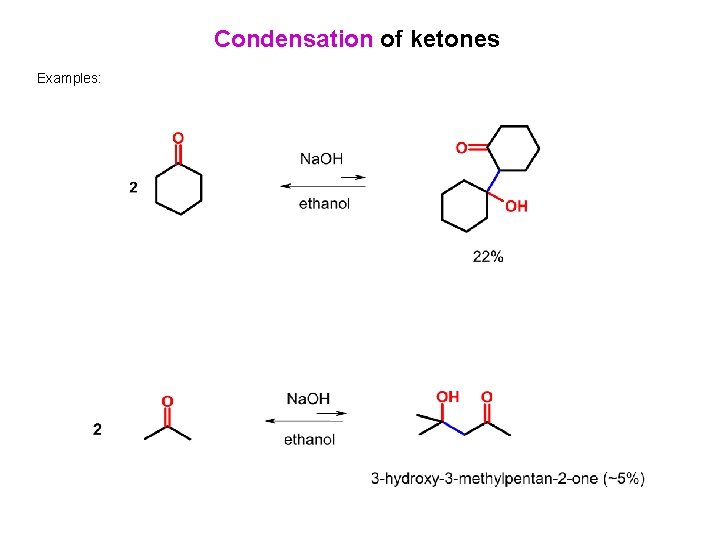
Condensation of ketones Examples:
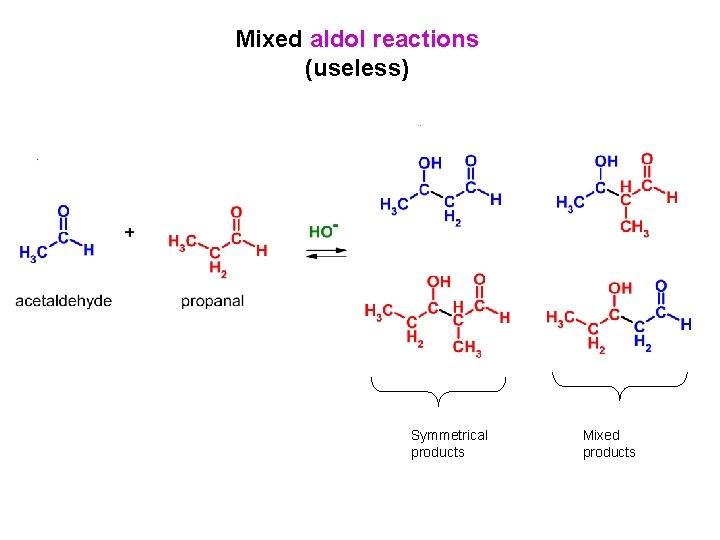
Mixed aldol reactions (useless) Symmetrical products Mixed products
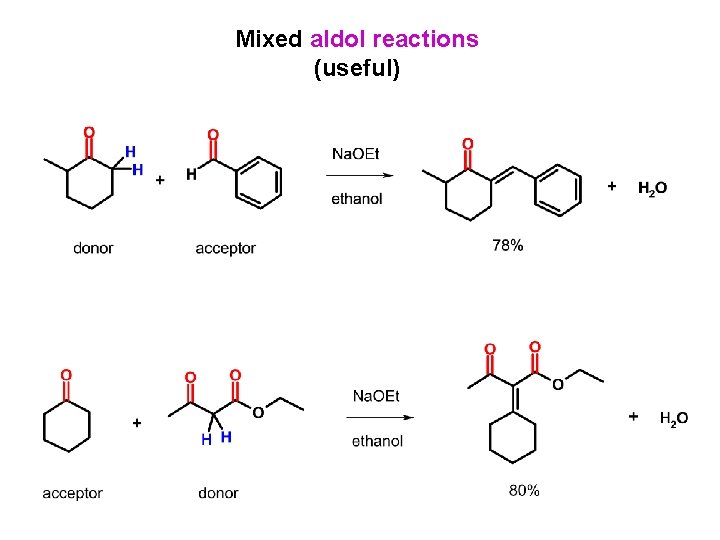
Mixed aldol reactions (useful)
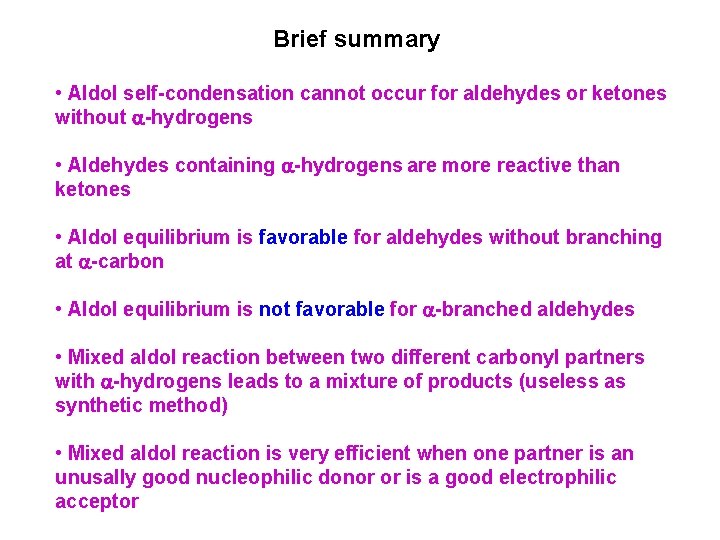
Brief summary • Aldol self-condensation cannot occur for aldehydes or ketones without -hydrogens • Aldehydes containing -hydrogens are more reactive than ketones • Aldol equilibrium is favorable for aldehydes without branching at -carbon • Aldol equilibrium is not favorable for -branched aldehydes • Mixed aldol reaction between two different carbonyl partners with -hydrogens leads to a mixture of products (useless as synthetic method) • Mixed aldol reaction is very efficient when one partner is an unusally good nucleophilic donor or is a good electrophilic acceptor
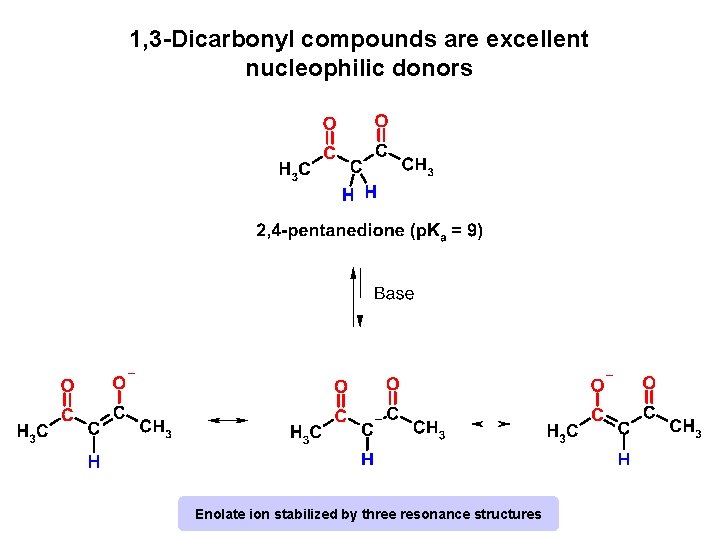
1, 3 -Dicarbonyl compounds are excellent nucleophilic donors Enolate ion stabilized by three resonance structures
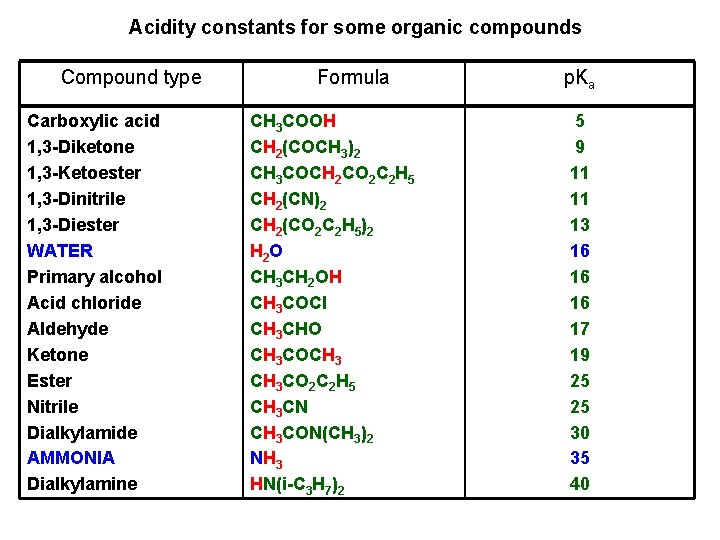
Acidity constants for some organic compounds Compound type Carboxylic acid 1, 3 -Diketone 1, 3 -Ketoester 1, 3 -Dinitrile 1, 3 -Diester WATER Primary alcohol Acid chloride Aldehyde Ketone Ester Nitrile Dialkylamide AMMONIA Dialkylamine Formula CH 3 COOH CH 2(COCH 3)2 CH 3 COCH 2 CO 2 C 2 H 5 CH 2(CN)2 CH 2(CO 2 C 2 H 5)2 H 2 O CH 3 CH 2 OH CH 3 COCl CH 3 CHO CH 3 COCH 3 CO 2 C 2 H 5 CH 3 CN CH 3 CON(CH 3)2 NH 3 HN(i-C 3 H 7)2 p. Ka 5 9 11 11 13 16 16 16 17 19 25 25 30 35 40
Dehydration of aldol products NOT FORMED
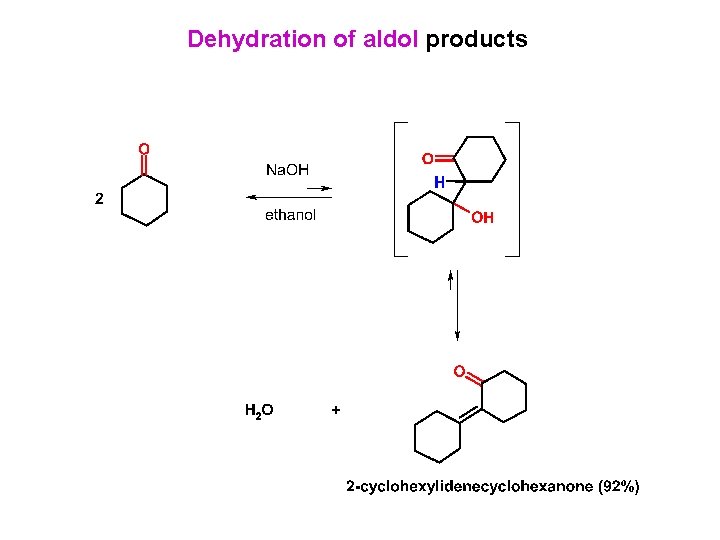
Dehydration of aldol products
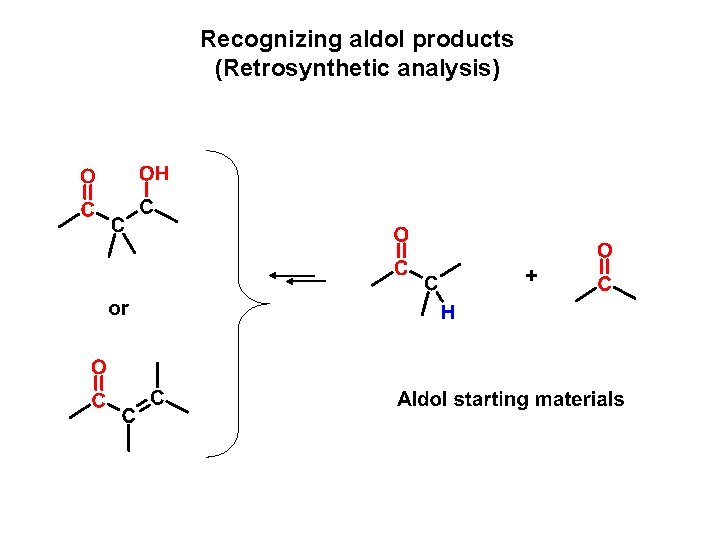
Recognizing aldol products (Retrosynthetic analysis)
Intramolecular aldol reactions
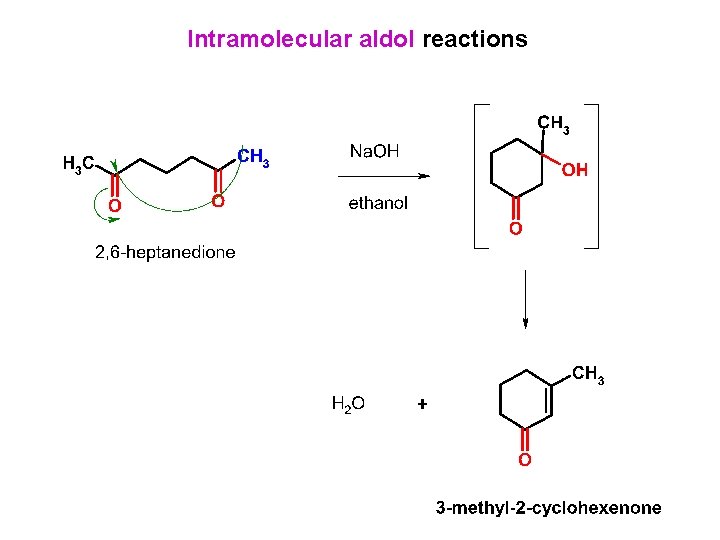
Intramolecular aldol reactions
- Slides: 73