
Alcohol Use Disorder Assessment Treatment Strategies Sharon Vipler



- Slides: 34
Alcohol Use Disorder Assessment & Treatment Strategies Sharon Vipler MD, CCFP, dipl. ABAM
• St. Pauls’ Hospital Addiction Medicine Consult Team • Medical Lead, Creekside Withdrawal Management Centre (Inpatient unit and RAAC) • Surrey Memorial Hospital Addiction Medicine Consult Liaison team • Quibble Creek Opioid Agonist Therapy Clinic • BCCSU Clinical Expert Disclosures No financial or commercial conflicts of interest and no identified mitigating biases.
Objectives Diagnosis of Alcohol Withdrawal Understand the neurobiology of acute alcohol withdrawal and develop an approach to the management of acute withdrawal Explore the pharmacological options for relapse prevention
But first…
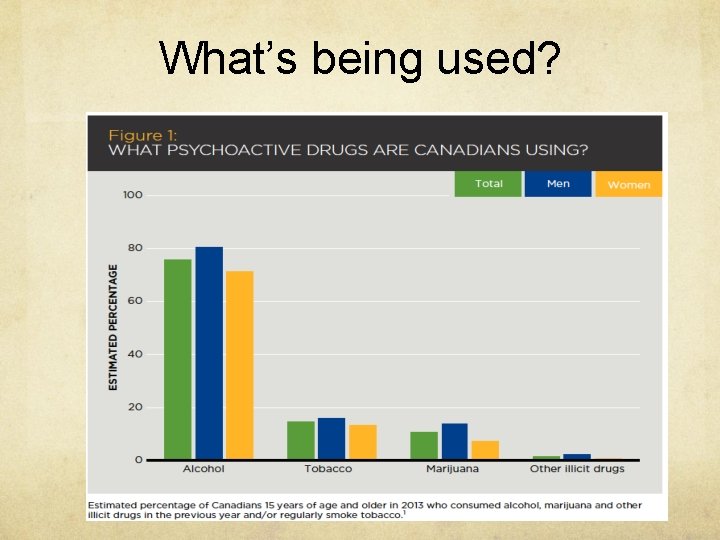
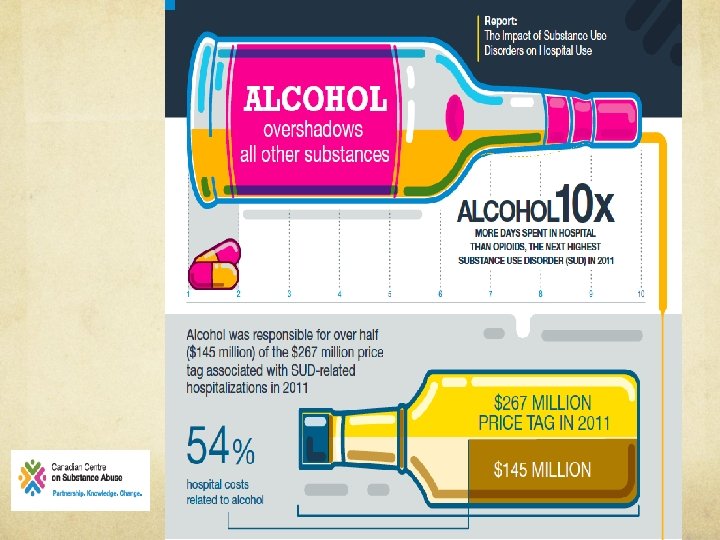
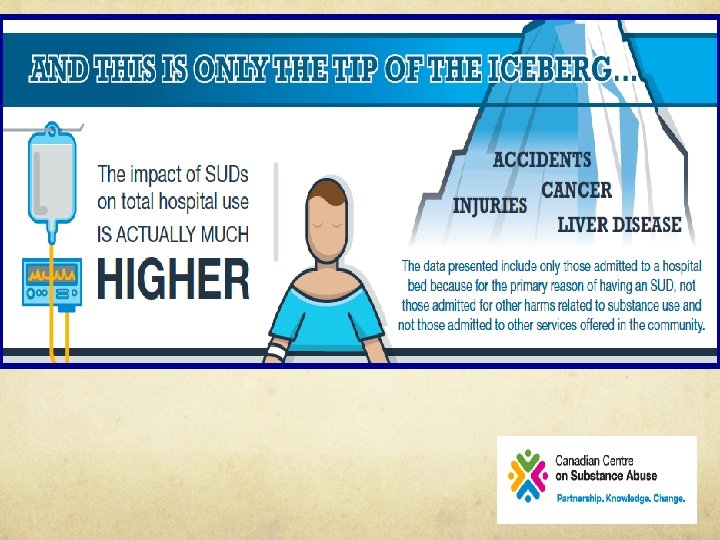
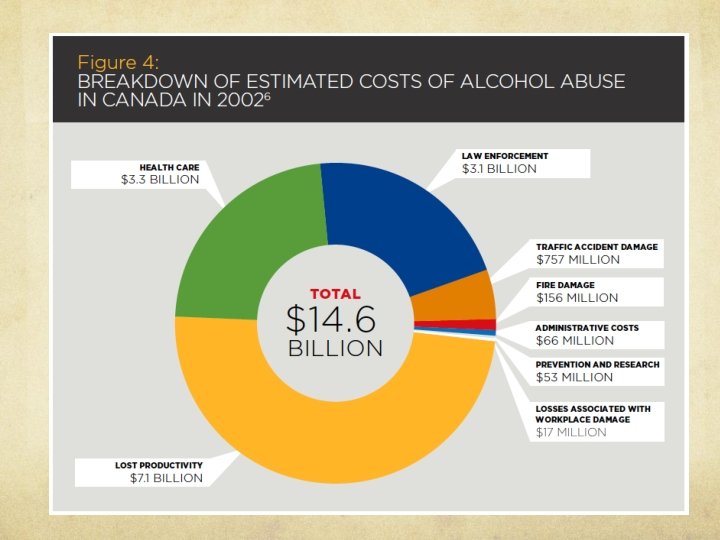
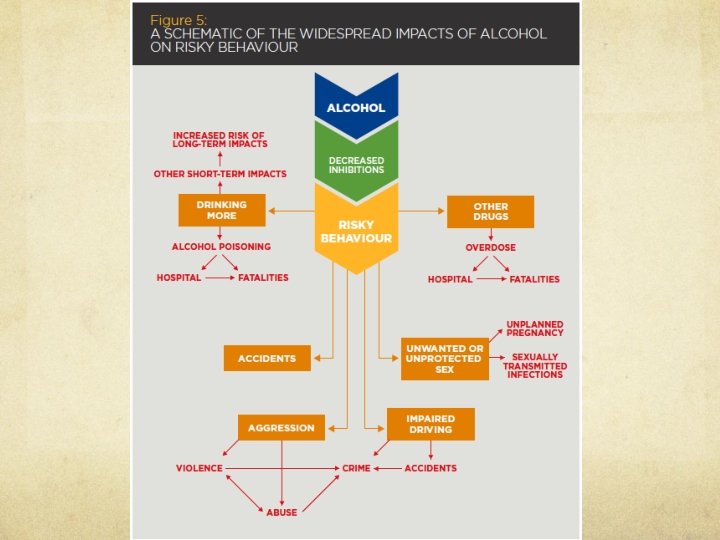
What’s being used?
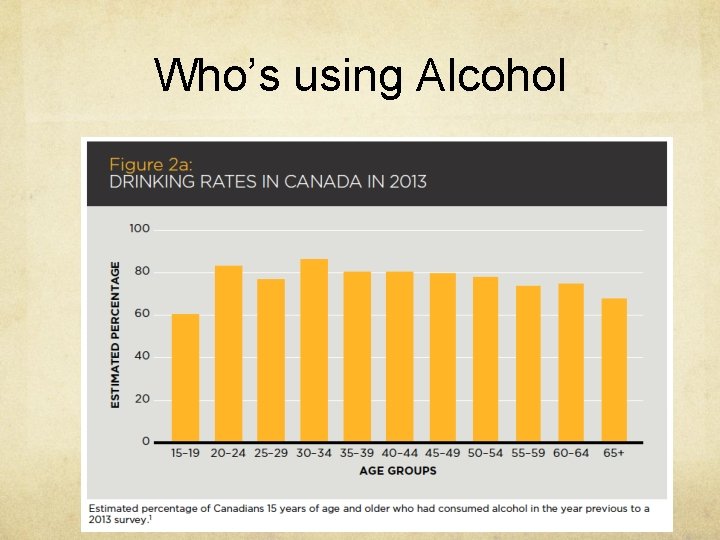
Who’s using Alcohol
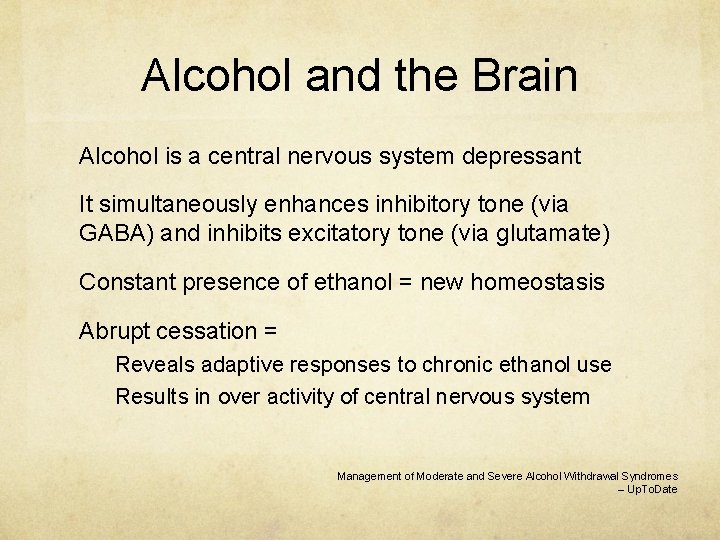
Alcohol and the Brain Alcohol is a central nervous system depressant It simultaneously enhances inhibitory tone (via GABA) and inhibits excitatory tone (via glutamate) Constant presence of ethanol = new homeostasis Abrupt cessation = Reveals adaptive responses to chronic ethanol use Results in over activity of central nervous system Management of Moderate and Severe Alcohol Withdrawal Syndromes -- Up. To. Date
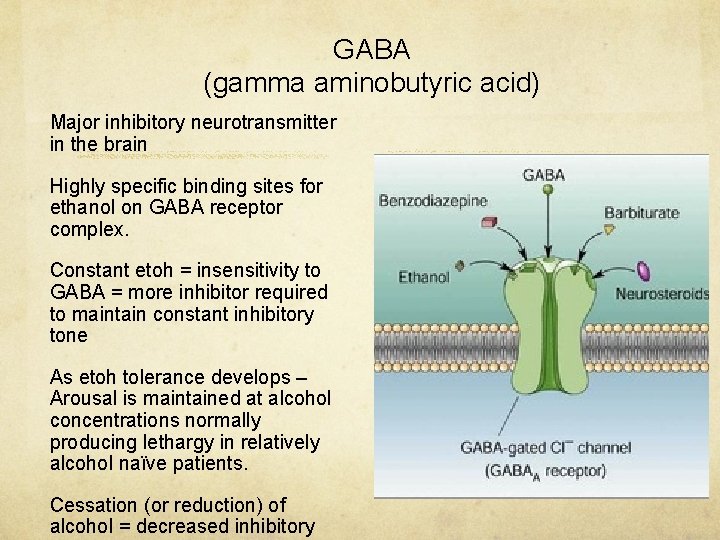
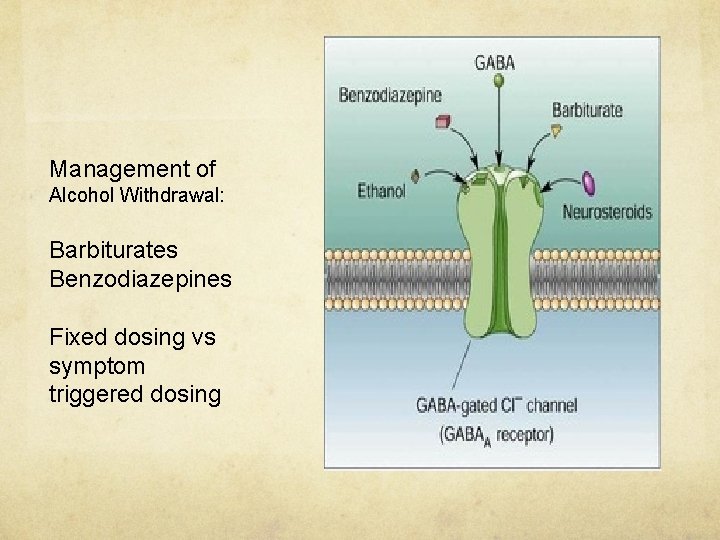
GABA (gamma aminobutyric acid) Major inhibitory neurotransmitter in the brain Highly specific binding sites for ethanol on GABA receptor complex. Constant etoh = insensitivity to GABA = more inhibitor required to maintain constant inhibitory tone As etoh tolerance develops – Arousal is maintained at alcohol concentrations normally producing lethargy in relatively alcohol naïve patients. Cessation (or reduction) of alcohol = decreased inhibitory
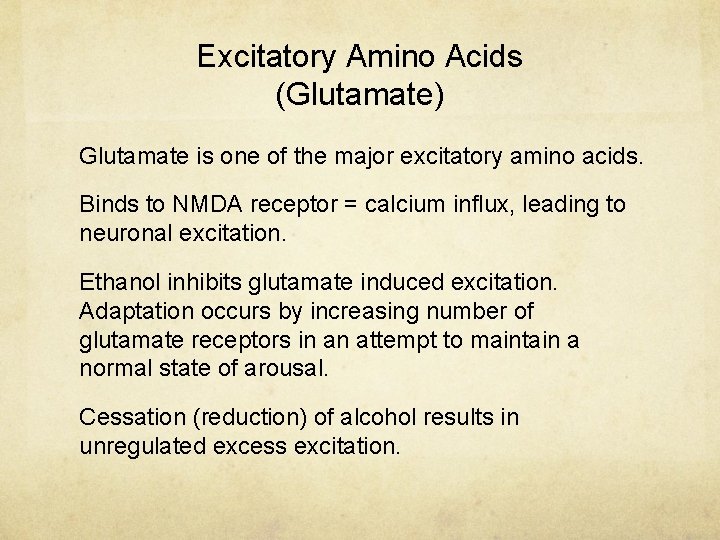
Excitatory Amino Acids (Glutamate) Glutamate is one of the major excitatory amino acids. Binds to NMDA receptor = calcium influx, leading to neuronal excitation. Ethanol inhibits glutamate induced excitation. Adaptation occurs by increasing number of glutamate receptors in an attempt to maintain a normal state of arousal. Cessation (reduction) of alcohol results in unregulated excess excitation.
Acute Withdrawal
Minor Withdrawal Symptoms Insomnia • Symptoms usually present within 6 hours of cessation of drinking. • Can develop while patient still has a significant blood alcohol concentration • If no further progression of withdrawal, symptoms can resolve within 24 to 48 hours Tremulousness Mild anxiety Gastrointestinal upset; anorexia Headache Diaphoresis Palpitations
Withdrawal Seizures Generalized tonic clonic convulsions Usually singular or a brief flurry of seizures over a short period Usually occur within 12 -48 hours after the last drink
Alcoholic Hallucinosis NOT synonymous with delirium tremens Develop within 12 -24 hours of abstinence Usually visual hallucinations Typically resolve within 24 -48 hours (earliest development of DTs is around the 24 hour mark) Auditory and tactile hallucinations may also occur No associated global clouding of sensorium and vital signs usually normal
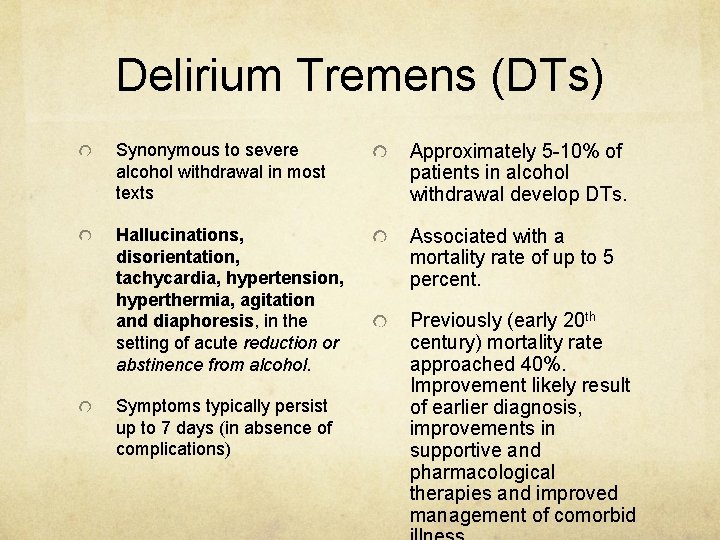
Delirium Tremens (DTs) Synonymous to severe alcohol withdrawal in most texts Approximately 5 -10% of patients in alcohol withdrawal develop DTs. Hallucinations, disorientation, tachycardia, hypertension, hyperthermia, agitation and diaphoresis, in the setting of acute reduction or abstinence from alcohol. Associated with a mortality rate of up to 5 percent. Symptoms typically persist up to 7 days (in absence of complications) Previously (early 20 th century) mortality rate approached 40%. Improvement likely result of earlier diagnosis, improvements in supportive and pharmacological therapies and improved management of comorbid
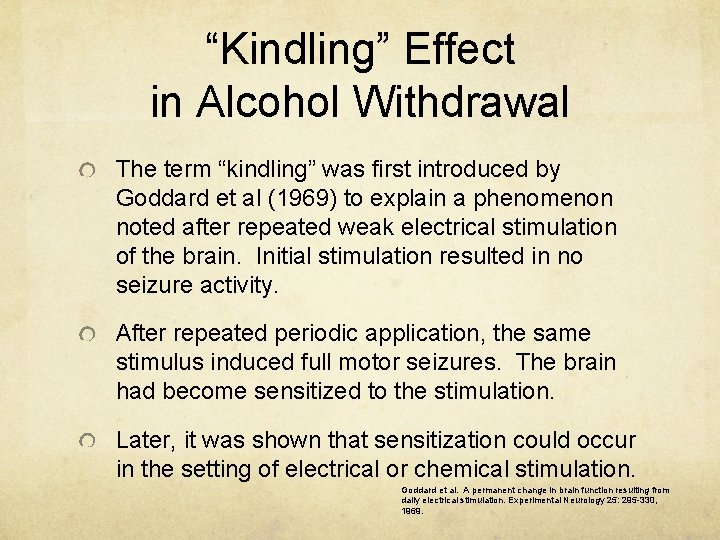
“Kindling” Effect in Alcohol Withdrawal The term “kindling” was first introduced by Goddard et al (1969) to explain a phenomenon noted after repeated weak electrical stimulation of the brain. Initial stimulation resulted in no seizure activity. After repeated periodic application, the same stimulus induced full motor seizures. The brain had become sensitized to the stimulation. Later, it was shown that sensitization could occur in the setting of electrical or chemical stimulation. Goddard et al. A permanent change in brain function resulting from daily electrical stimulation. Experimental Neurology 25: 295 -330, 1969.
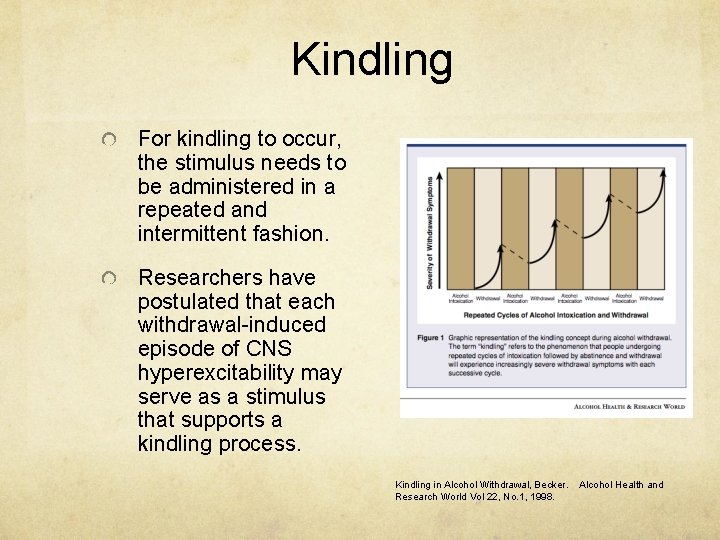
Kindling For kindling to occur, the stimulus needs to be administered in a repeated and intermittent fashion. Researchers have postulated that each withdrawal-induced episode of CNS hyperexcitability may serve as a stimulus that supports a kindling process. Kindling in Alcohol Withdrawal, Becker. Research World Vol 22, No. 1, 1998. Alcohol Health and
Acute Withdrawal …. management
CIWA-Ar Most widely used clinical tool for management of AWS Based on patient report and observer rating Validated only in mild-to-moderate WD Does not incorporate vital sign assessment (can be important in recognizing severe AWS) Not a prediction tool – tool to recognize severity of withdrawal as it is occurring. Maldonado et al (2014)
CIWA-Ar Additionally, initiating CIWA in certain patient populations is not without risk…. Care needs to be taken when initiating CIWA protocols Ensure that alcohol withdrawal is truly the cause of the patient’s presentation Providing benzodiazepines to a patient who has evolving delirium for reasons other than alcohol withdrawal is very risky and can create situations exceedingly difficult to manage.
Management of Alcohol Withdrawal: Barbiturates Benzodiazepines Fixed dosing vs symptom triggered dosing
Relapse prevention pharmacological options
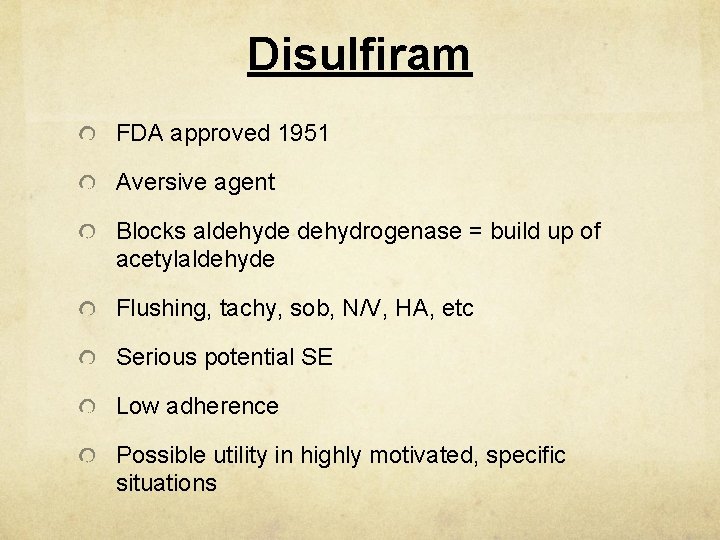
Disulfiram FDA approved 1951 Aversive agent Blocks aldehyde dehydrogenase = build up of acetylaldehyde Flushing, tachy, sob, N/V, HA, etc Serious potential SE Low adherence Possible utility in highly motivated, specific situations
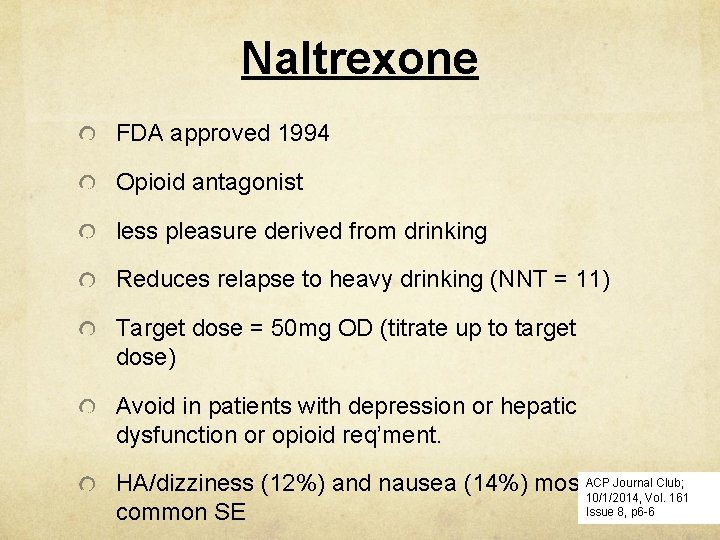
Naltrexone FDA approved 1994 Opioid antagonist less pleasure derived from drinking Reduces relapse to heavy drinking (NNT = 11) Target dose = 50 mg OD (titrate up to target dose) Avoid in patients with depression or hepatic dysfunction or opioid req’ment. Journal Club; HA/dizziness (12%) and nausea (14%) most. ACP 10/1/2014, Vol. 161 Issue 8, p 6 -6 common SE
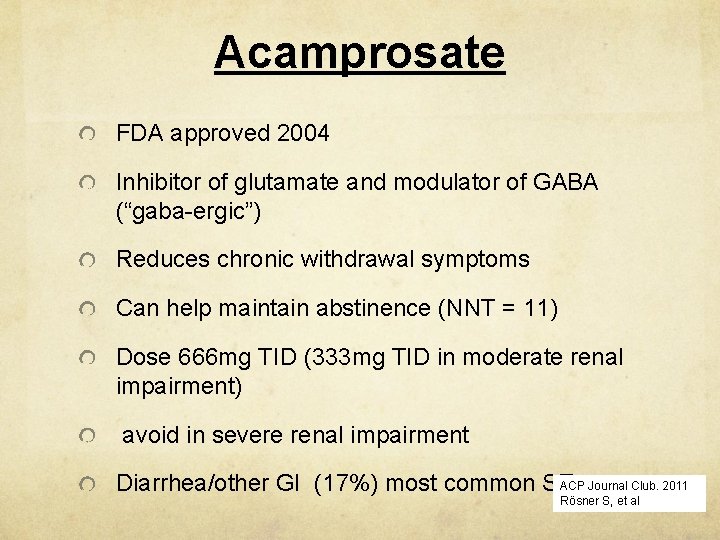
Acamprosate FDA approved 2004 Inhibitor of glutamate and modulator of GABA (“gaba-ergic”) Reduces chronic withdrawal symptoms Can help maintain abstinence (NNT = 11) Dose 666 mg TID (333 mg TID in moderate renal impairment) avoid in severe renal impairment ACP Journal Club. 2011 Diarrhea/other GI (17%) most common SE Rösner S, et al
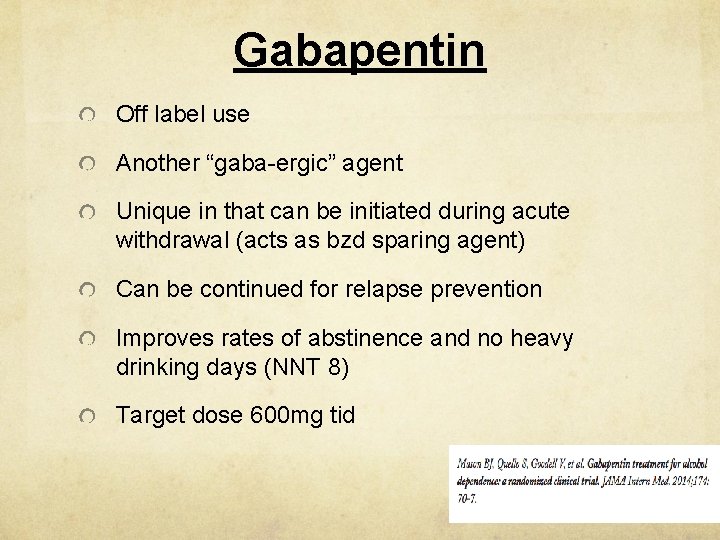
Gabapentin Off label use Another “gaba-ergic” agent Unique in that can be initiated during acute withdrawal (acts as bzd sparing agent) Can be continued for relapse prevention Improves rates of abstinence and no heavy drinking days (NNT 8) Target dose 600 mg tid
Other considerations
If the patient be in the prime of life and from drinking he has trembling hands, it may be well to announce beforehand either delirium or convulsion --Hippocrates