
AKS 40 Japan and China AKS 40 Investigate



- Slides: 17
AKS 40: Japan and China AKS 40 - Investigate political and social changes in Japan and in China from the seventeenth century CE to mid nineteenth century CE (GPS) (SSWH_F 2007 -40) Chapter 19. 2 and 19. 3 Pages 536 -547
AKS 40 a – Describe the policies of the Qing rulers, to include Kangxi
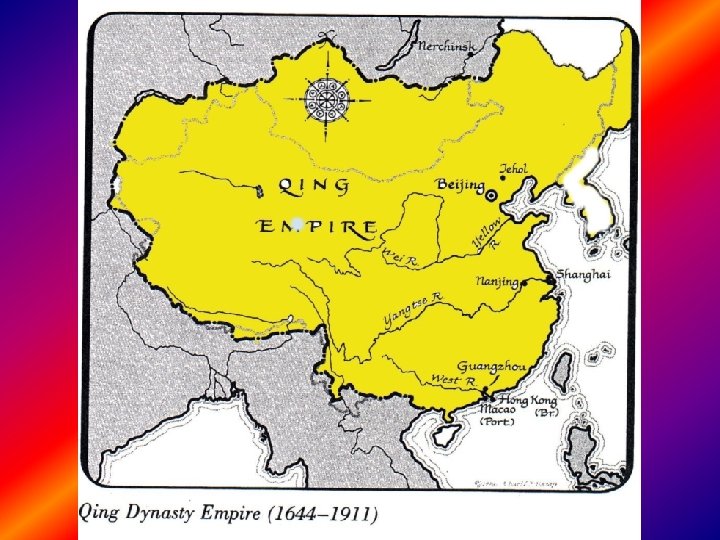
Qing Dynasty: What did China look like? • Qing Dynasty – founded by Manchus (from Manchuria) – many Chinese resisted – Rebellions flared up periodically for decades • Manchus slowly earned respect – Upheld China’s traditional Confucian beliefs – Made frontiers safe & restored prosperity
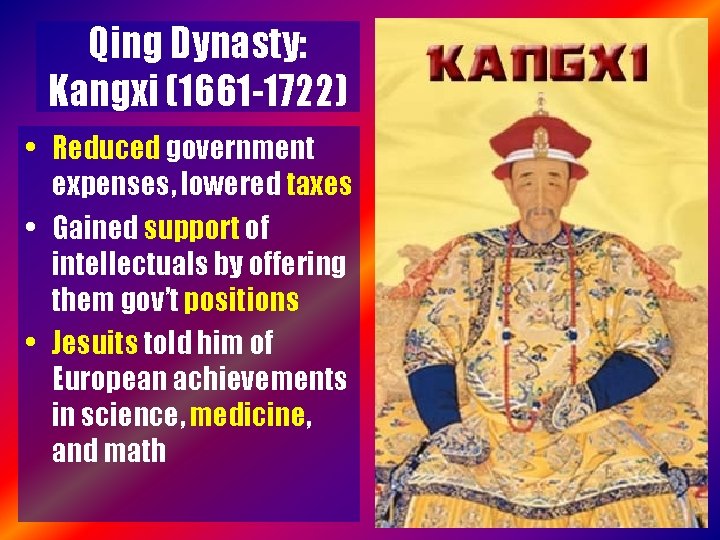
Qing Dynasty: Kangxi (1661 -1722) • Reduced government expenses, lowered taxes • Gained support of intellectuals by offering them gov’t positions • Jesuits told him of European achievements in science, medicine, and math
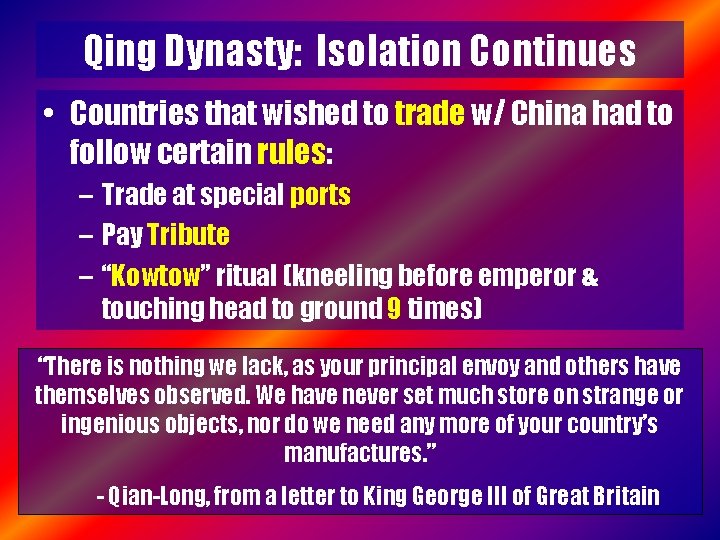
Qing Dynasty: Isolation Continues • Countries that wished to trade w/ China had to follow certain rules: – Trade at special ports – Pay Tribute – “Kowtow” ritual (kneeling before emperor & touching head to ground 9 times) “There is nothing we lack, as your principal envoy and others have themselves observed. We have never set much store on strange or ingenious objects, nor do we need any more of your country’s manufactures. ” - Qian-Long, from a letter to King George III of Great Britain
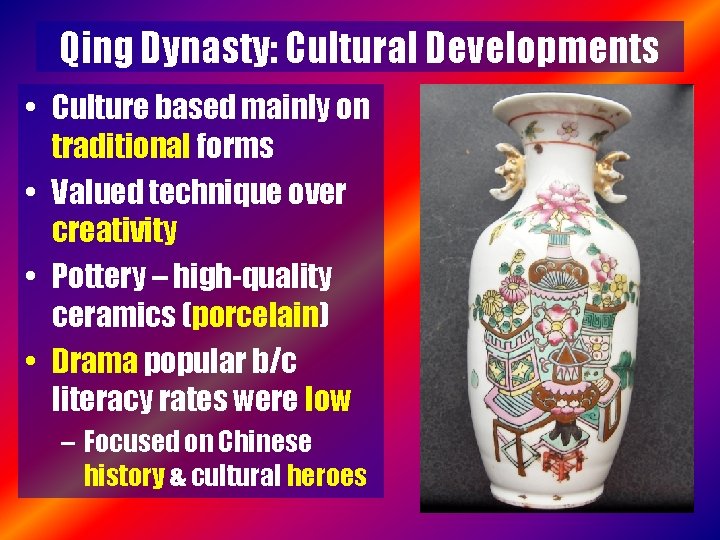
Qing Dynasty: Cultural Developments • Culture based mainly on traditional forms • Valued technique over creativity • Pottery – high-quality ceramics (porcelain) • Drama popular b/c literacy rates were low – Focused on Chinese history & cultural heroes
AKS 40 b: Analyze the impact of population growth and its impact on the social structure
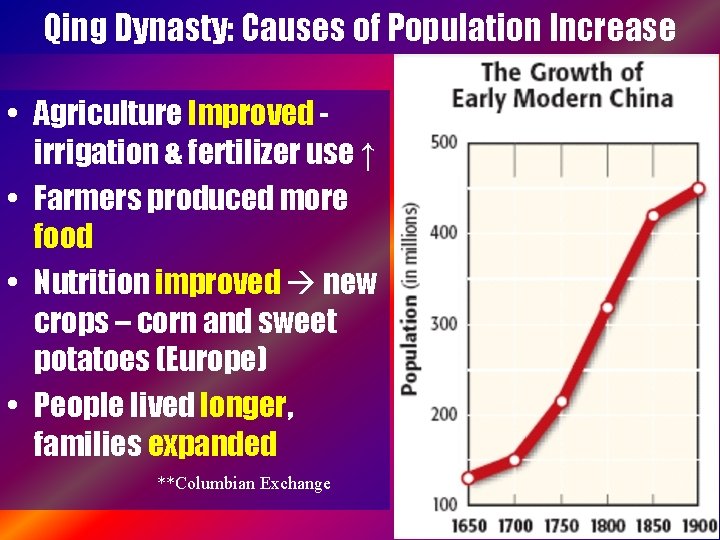
Qing Dynasty: Causes of Population Increase • Agriculture Improved irrigation & fertilizer use ↑ • Farmers produced more food • Nutrition improved new crops – corn and sweet potatoes (Europe) • People lived longer, families expanded **Columbian Exchange
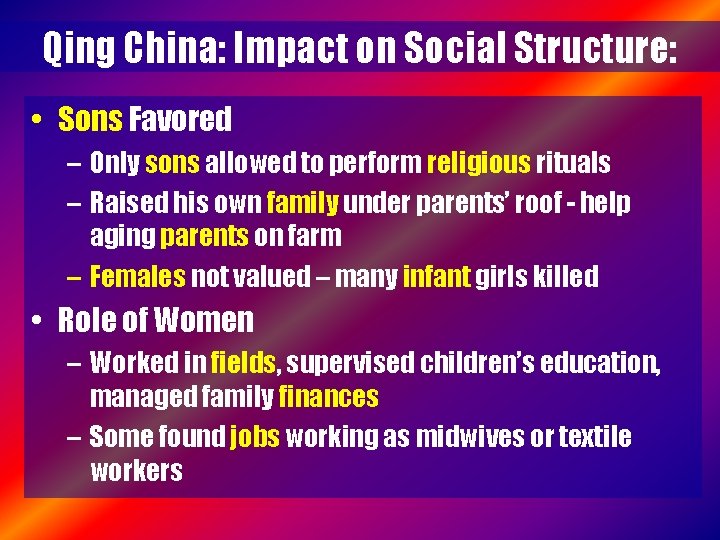
Qing China: Impact on Social Structure: • Sons Favored – Only sons allowed to perform religious rituals – Raised his own family under parents’ roof - help aging parents on farm – Females not valued – many infant girls killed • Role of Women – Worked in fields, supervised children’s education, managed family finances – Some found jobs working as midwives or textile workers
AKS 40 a: Describe the policies of the Tokugawa to include Oda Nobunaga
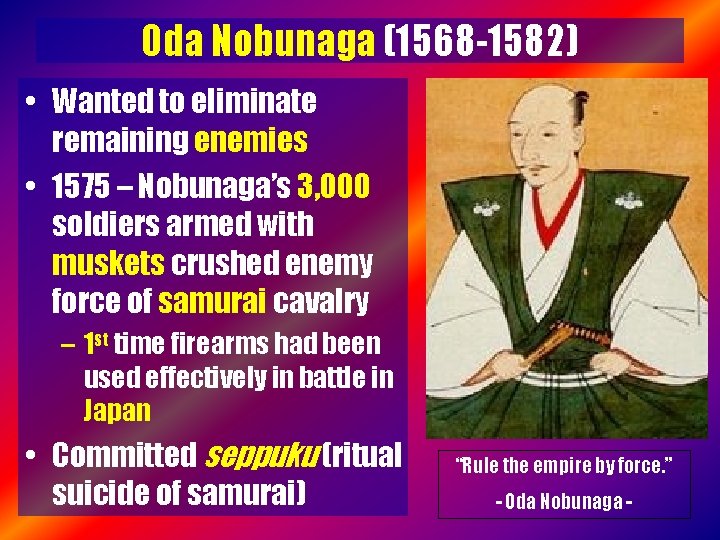
Oda Nobunaga (1568 -1582) • Wanted to eliminate remaining enemies • 1575 – Nobunaga’s 3, 000 soldiers armed with muskets crushed enemy force of samurai cavalry – 1 st time firearms had been used effectively in battle in Japan • Committed seppuku (ritual suicide of samurai) “Rule the empire by force. ” - Oda Nobunaga -
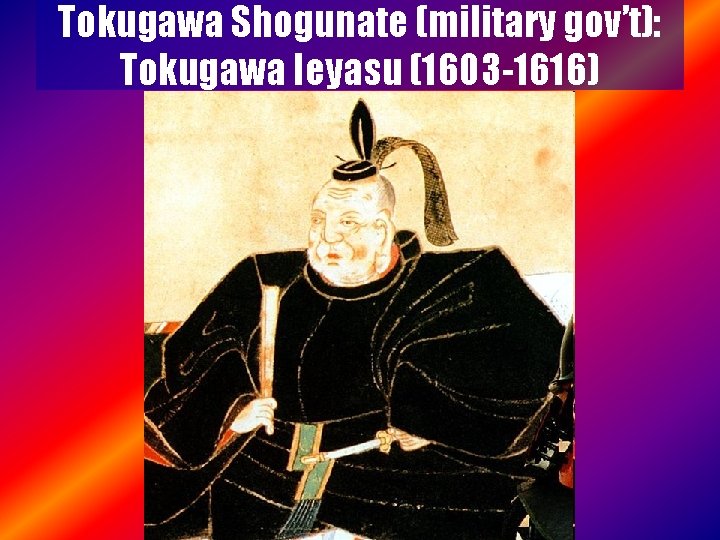
Tokugawa Shogunate (military gov’t): Tokugawa Ieyasu (1603 -1616)
Tokugawa Shogunate (military gov’t): Tokugawa Ieyasu (1603 -1616) • Defeated his rivals at Battle of Sekigahara – Victory earned him loyalty of daimyo throughout Japan • 1603 – Became sole ruler (shogun) • Moved capital to Edo (later Tokyo) • Enacted policies that resulted in the rule of law overcoming the rule of the sword
Tokugawa Japan: Policy of Isolation • 1639 – Shoguns realized that they could safely exclude both missionaries and merchants creating the Closed Country Policy. – Sealed Japan’s borders, except Nagasaki • Commercial contacts with Europe ended • 200+ years – Japan remained closed & citizens could not leave • Continued to develop self-sufficiently
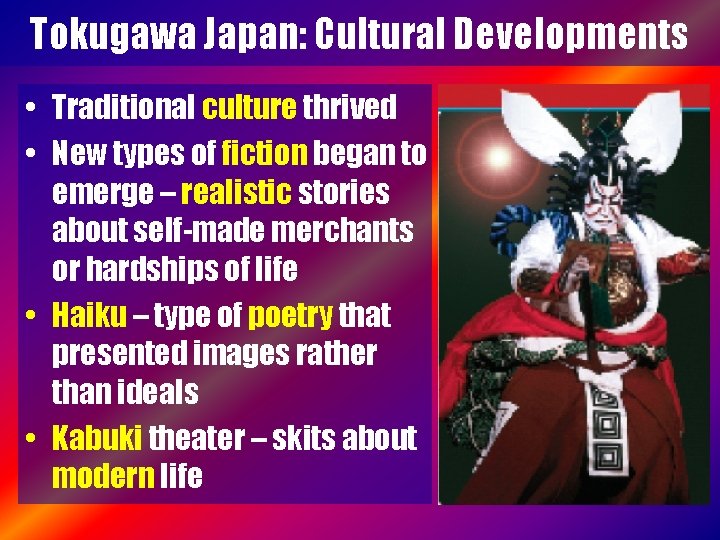
Tokugawa Japan: Cultural Developments • Traditional culture thrived • New types of fiction began to emerge – realistic stories about self-made merchants or hardships of life • Haiku – type of poetry that presented images rather than ideals • Kabuki theater – skits about modern life
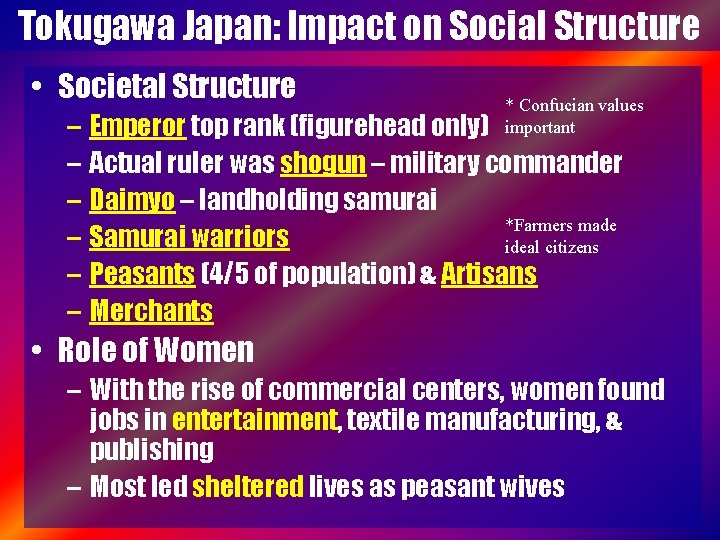
Tokugawa Japan: Impact on Social Structure • Societal Structure * Confucian values important – Emperor top rank (figurehead only) – Actual ruler was shogun – military commander – Daimyo – landholding samurai *Farmers made – Samurai warriors ideal citizens – Peasants (4/5 of population) & Artisans – Merchants • Role of Women – With the rise of commercial centers, women found jobs in entertainment, textile manufacturing, & publishing – Most led sheltered lives as peasant wives