
Aircraft Recognition Wing Shapes Lecture 2 Objectives By
Aircraft Recognition Wing Shapes Lecture 2
Objectives By the end of this session, you will be able to: • Identify the different configurations for Wings.
Recognition Features • We are going to examine the various configurations of the major components of an aircraft such as wings, engines, and tailplane • These variations in most cases make each type of aircraft unique, making recognition of them easier
Wing Shapes • Wings come in many different forms, and combinations of forms, therefore we will divide these into the following areas: • Wing Planforms (shape) • Wing position relative to fuselage • Wing Mounting Angle (angular wing settings)

Wing Planforms Crescent
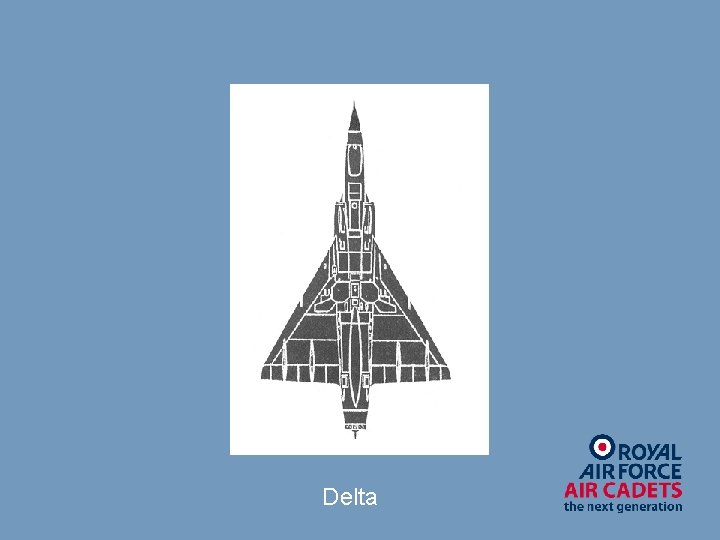
Delta
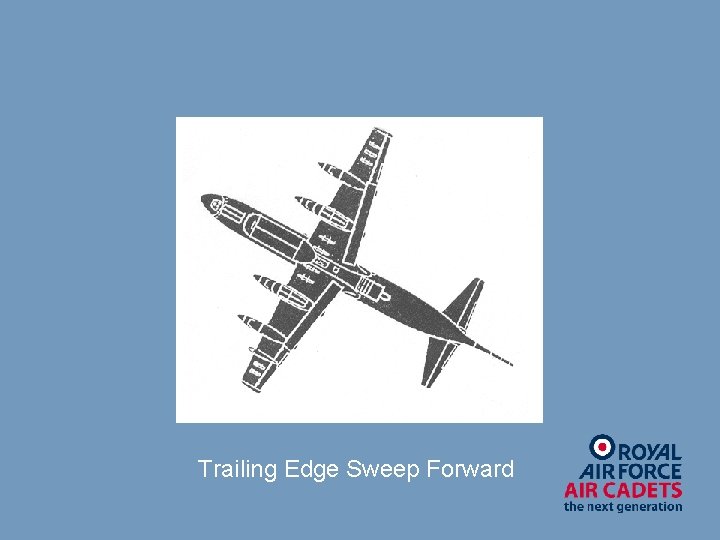
Trailing Edge Sweep Forward

Sweepback
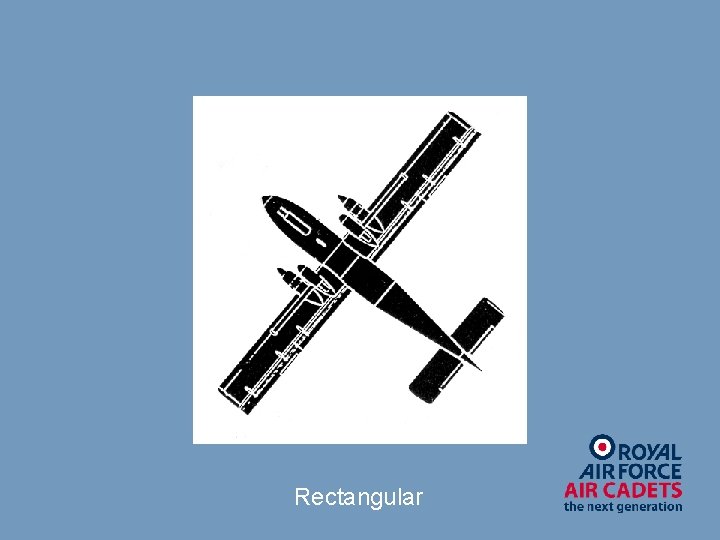
Rectangular
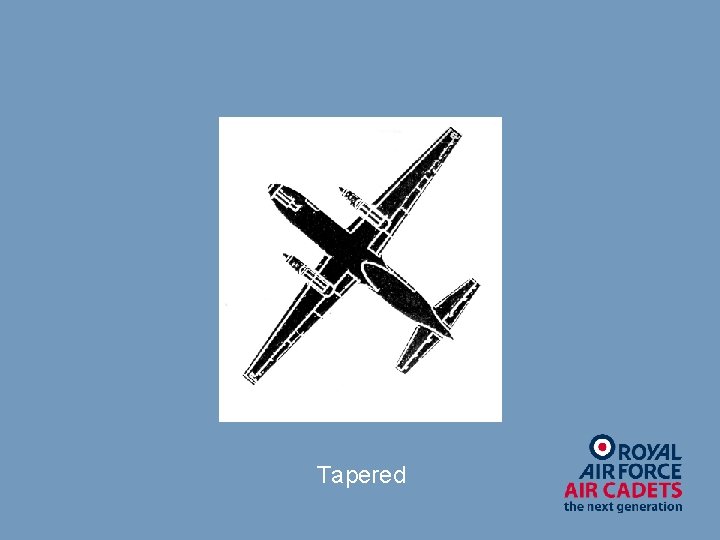
Tapered
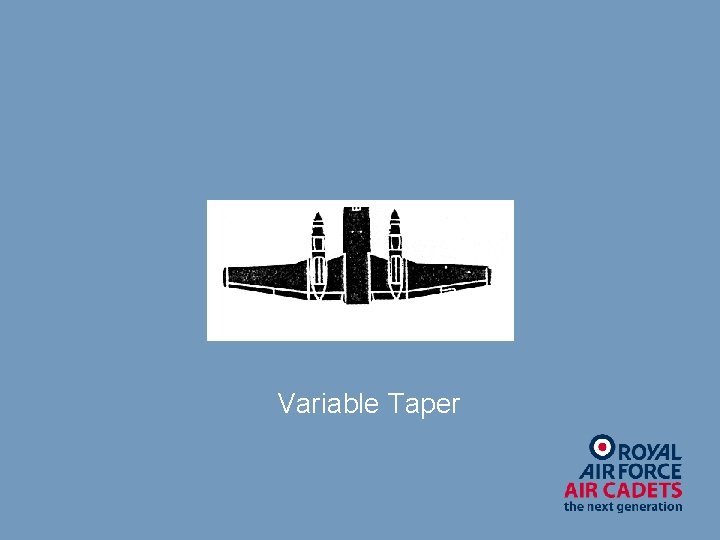
Variable Taper
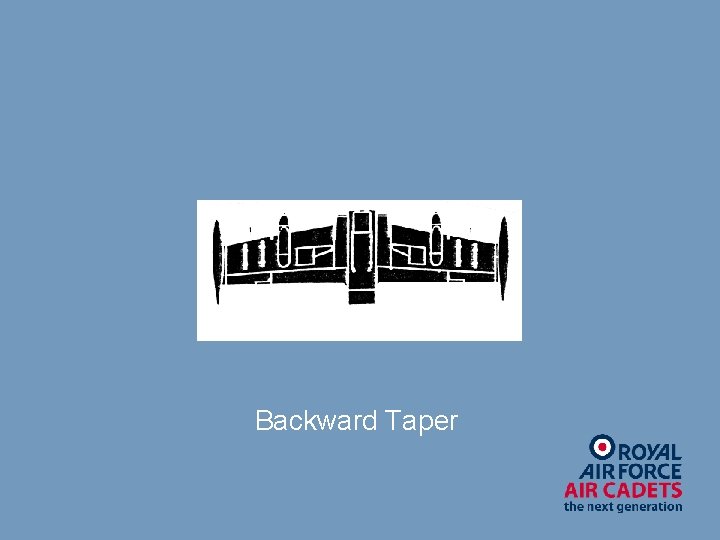
Backward Taper
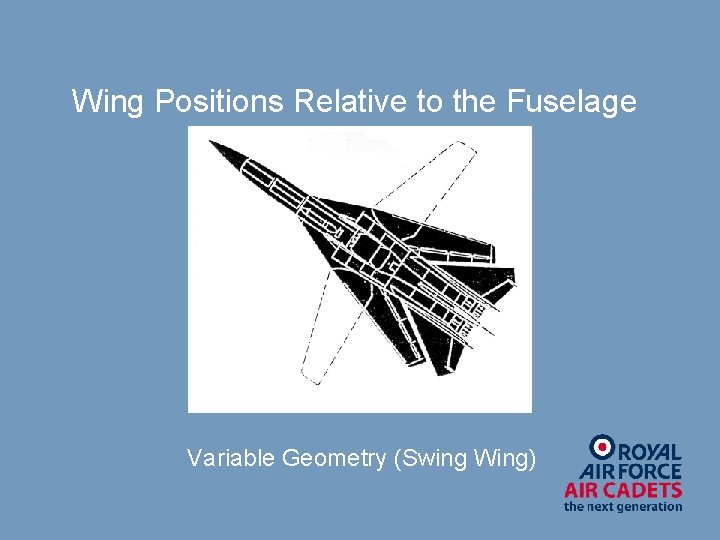
Wing Positions Relative to the Fuselage Variable Geometry (Swing Wing)
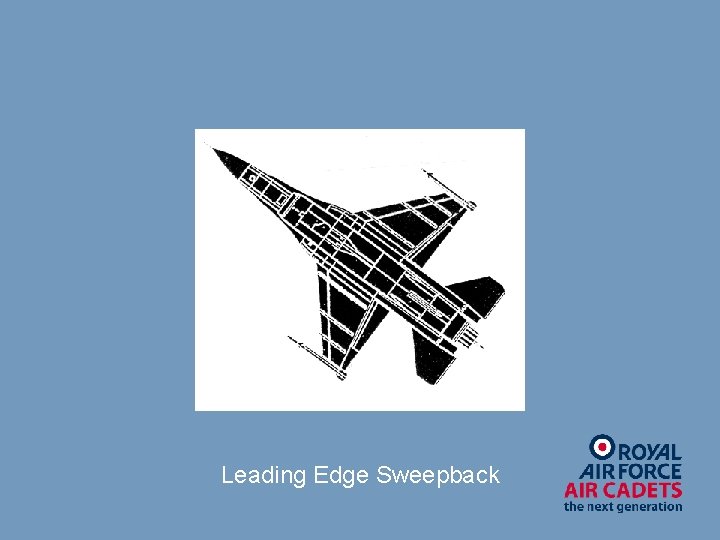
Leading Edge Sweepback
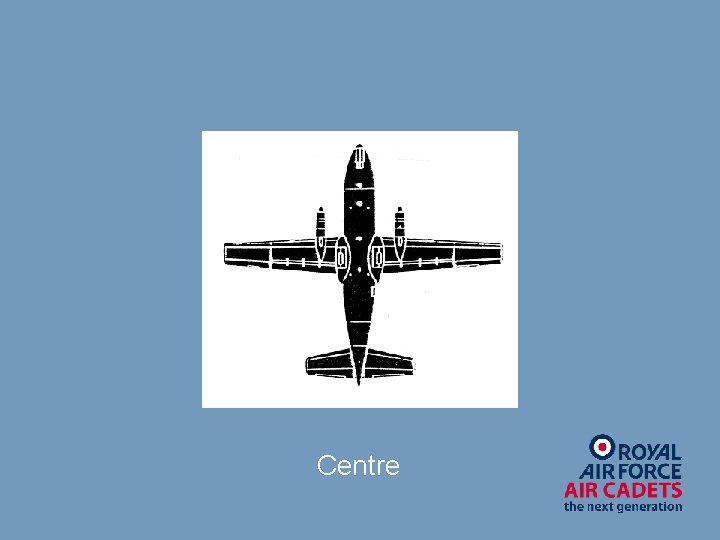
Centre
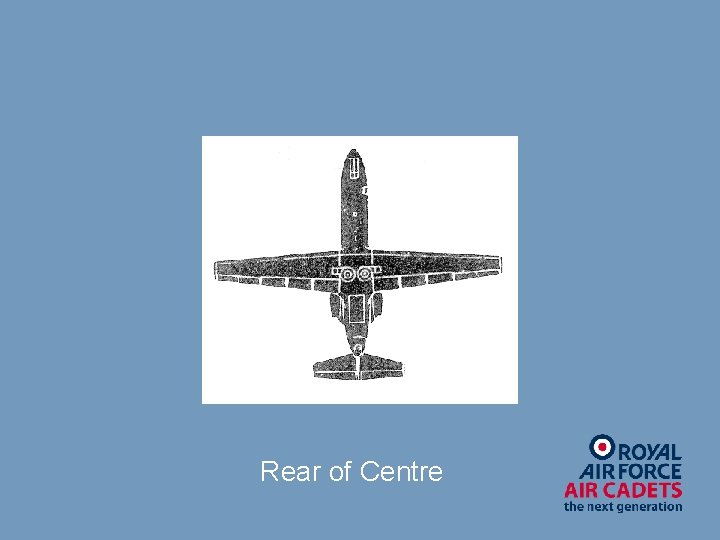
Rear of Centre
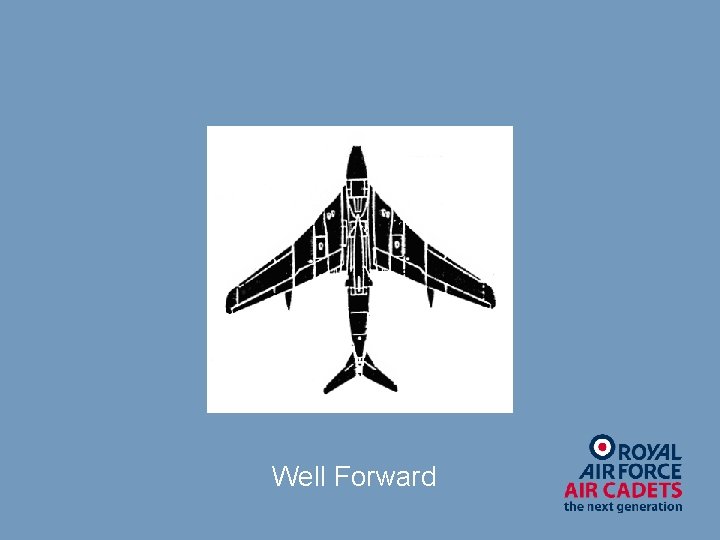
Well Forward
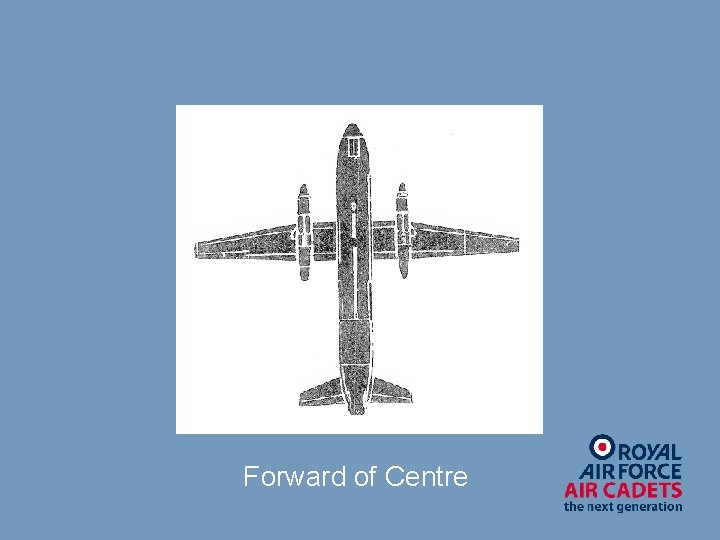
Forward of Centre
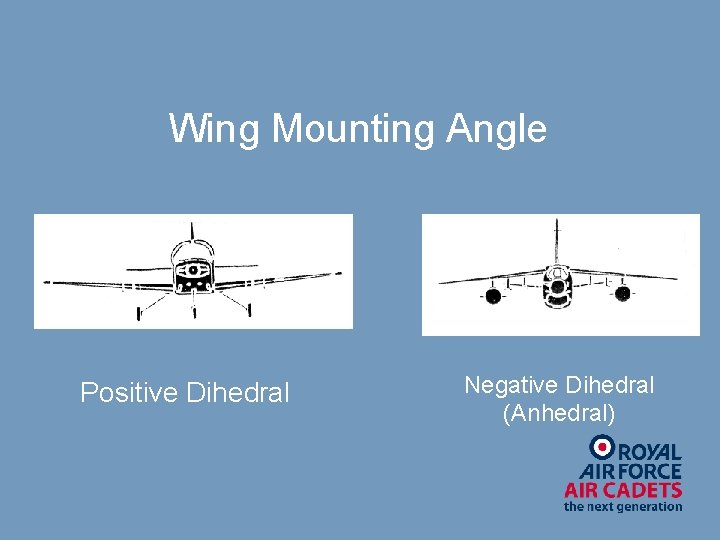
Wing Mounting Angle Positive Dihedral Negative Dihedral (Anhedral)
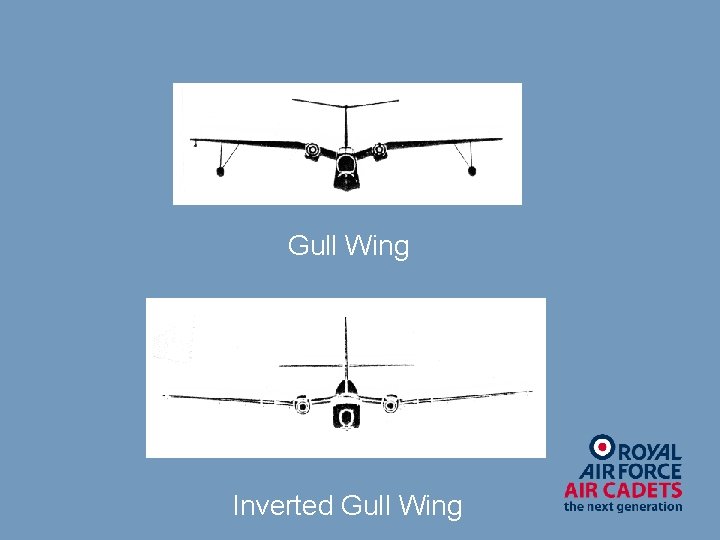
Gull Wing Inverted Gull Wing
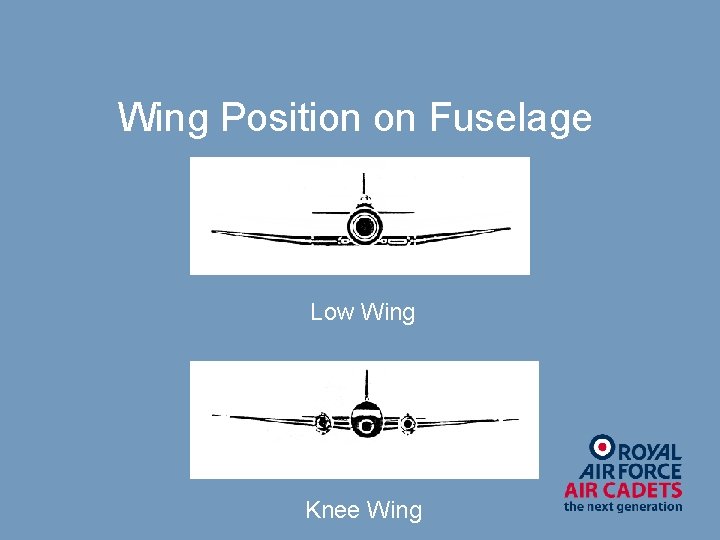
Wing Position on Fuselage Low Wing Knee Wing
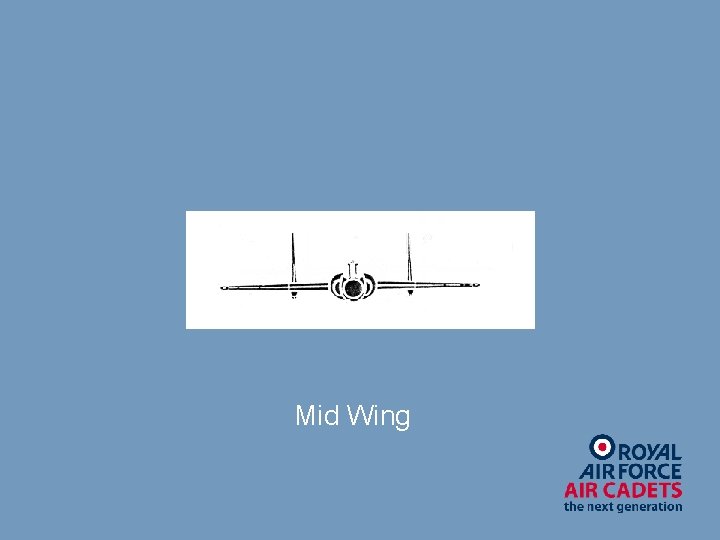
Mid Wing
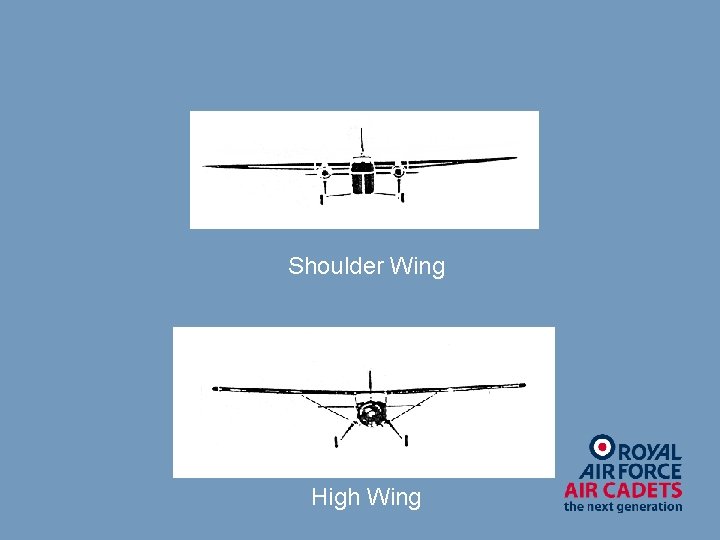
Shoulder Wing High Wing
Summary • Wings come in many different forms, and combinations of forms and can be divided into the following areas: • Wing Planforms (shape) • Wing position relative to fuselage • Wing Mounting Angle (angular wing settings)
Looking Forward……. Next …. Engine Configurations
- Slides: 25